
11 Easy Indoor Gardening Projects for the Start of the Year
Starting a new indoor gardening project is a wonderful way to bring fresh energy into your home at the beginning of the year. Whether you are an experienced gardener or just starting out, there are plenty of ways to get your hands in the dirt. Indoor plants can brighten up any space and improve air quality. It is easy to get started, even in small areas or with minimal experience.
This post may contain affiliate links, which helps keep this content free. Please read our disclosure for more info.
Indoor Herb Garden on Windowsill
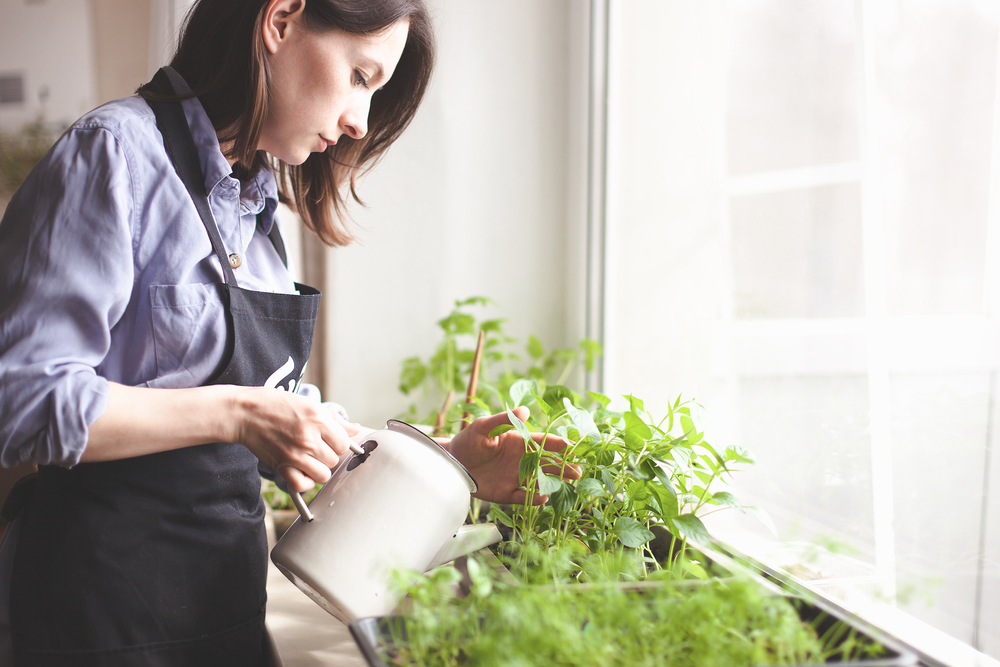
Starting an indoor herb garden on a sunny windowsill brings fresh flavor right into your kitchen. Herbs such as basil, rosemary, thyme, and oregano thrive when placed where they receive plenty of natural light, making them ideal for year‑round growing indoors. Setting up this garden requires only small pots, a well‑draining potting mix, and regular watering to keep the soil evenly moist without waterlogging. Many gardeners enjoy harvesting fresh sprigs for cooking, which gives an extra sense of satisfaction and connection to the food you prepare.
Growing herbs indoors can improve the aroma of your space, and many varieties are hardy enough to withstand indoor environmental changes. It is useful to rotate the pots every few days so that each plant receives balanced light and grows evenly. You can extend this project by adding a few complementary herbs once your initial plants are thriving. Beginners often find that watching their herbs grow encourages further indoor gardening efforts.
Grow Microgreens in Shallow Trays

Microgreens are tiny edible greens that sprout from seeds of vegetables and herbs, and they can be grown easily in shallow trays on a shelf or countertop. Microgreens are ready to harvest in as little as two to three weeks, which makes this project rewarding during the slower start of the year when outdoor gardening is limited. These greens are nutrient‑dense additions to salads, sandwiches, and smoothies, giving a fresh burst of flavor to meals. A simple setup with seed trays, loose potting soil, and regular light will help your microgreens flourish.
Keep in mind that consistent watering is crucial, and you should aim to keep the soil surface lightly moist but not soggy. If natural light is limited, placing trays near a grow light helps ensure steady growth. Many gardeners find microgreens a satisfying project because you can quickly see stages of growth, from seed to harvest. Starting with easy seeds like radish or sunflower gives beginners confidence.
Regrow Green Onions from Kitchen Scraps
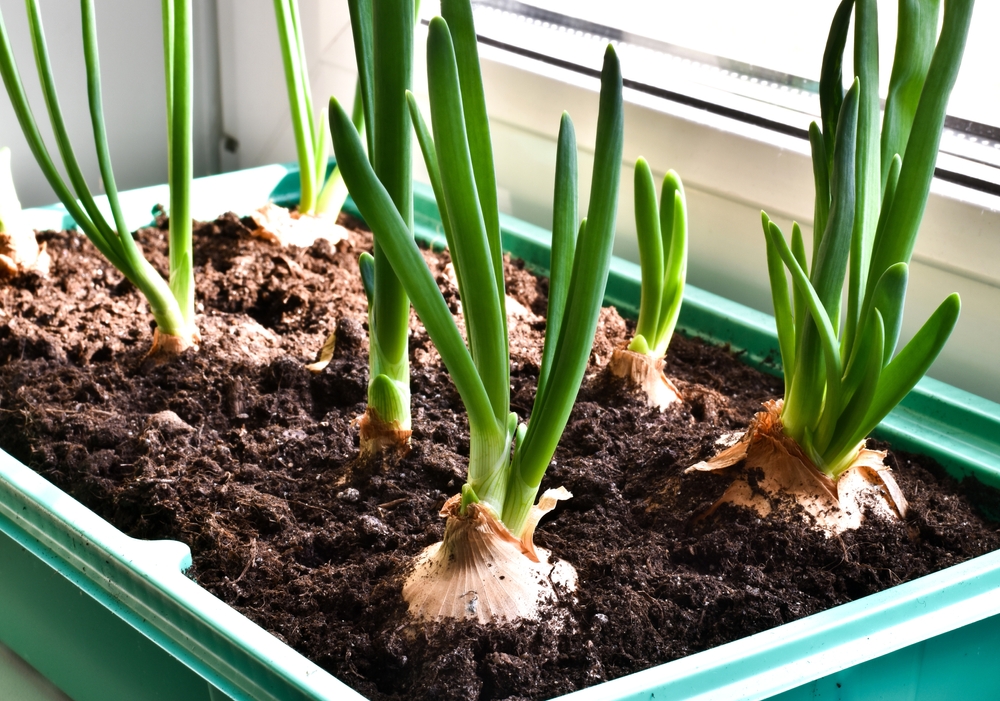
Regrowing green onions from kitchen scraps is a simple and economical indoor gardening project that gives you fresh greens again and again. Simply place the root ends of green onions in a shallow dish of water or plant them in a pot of potting soil with good drainage, placing them near a bright window. Within days, new green shoots appear, and you can trim them for use in cooking whenever you want. This cycle can repeat several times, extending the usefulness of your original purchase.
Once green onions are planted in soil, they develop stronger growth and can continue producing for weeks if given adequate light and water. It is helpful to monitor soil moisture and water whenever the top layer feels dry, without letting the soil become saturated. Some gardeners find that rotating the pot helps the plants grow more evenly toward the light source. Watching these onions sprout repeatedly gives a pleasant sense of productivity early in the year.
Grow Sprouts Without Sunlight
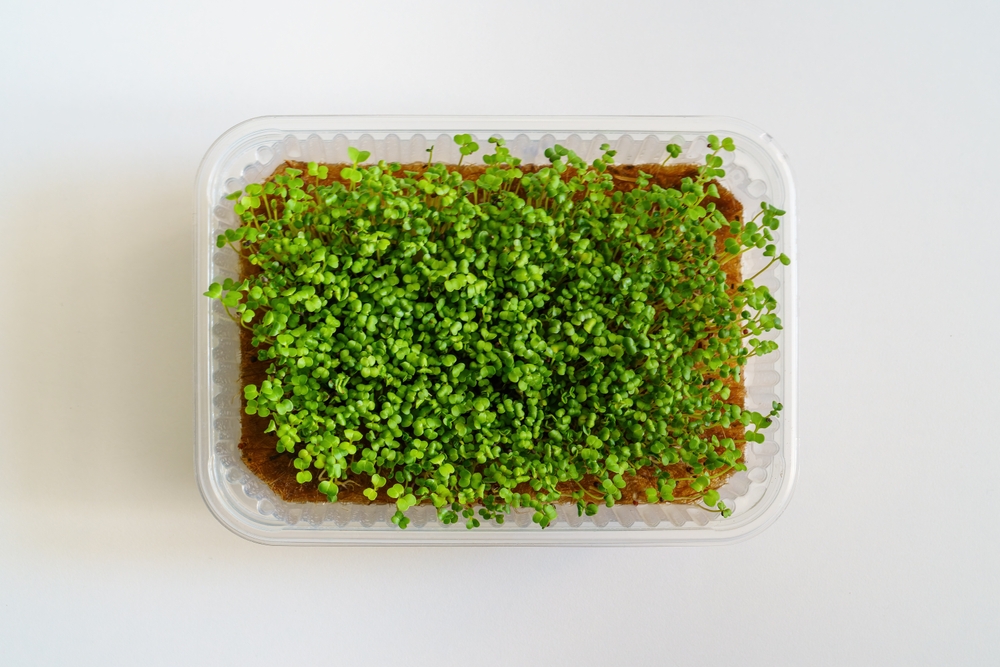
Growing sprouts indoors is one of the quickest gardening projects you can start, and it does not require sunlight or soil at all. Seeds such as alfalfa, radish, or mung beans can sprout in jars or simple containers with water, and they are ready to harvest in about a week. These tiny shoots are packed with flavor and can be added to salads, wraps, and sandwiches for a fresh crunchy texture. The minimalist setup makes sprouts ideal for gardeners with limited space or those new to growing plants.
To start this project, soak seeds in water for several hours, then drain and rinse them twice daily until they sprout. It is important to maintain a clean environment to prevent mold, and rinsing helps keep the seeds fresh. Once the sprouts reach the size you like, give them a final rinse and enjoy immediately or store them briefly in the refrigerator. This project yields fast results, which makes it fun and engaging for all ages.
Dish Garden with Succulents
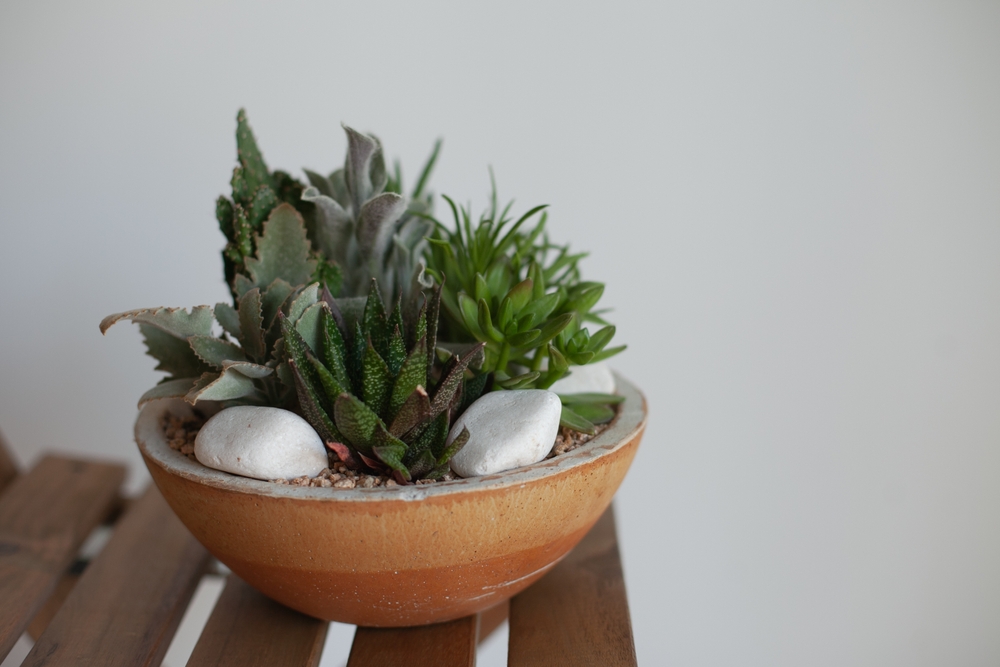
A dish garden is a shallow container planted with a mix of small plants, often succulents and other low‑growing houseplants, that creates a miniature garden display. These gardens work well indoors, especially in spaces with bright indirect light, and they require soil that drains well so that roots do not sit in water. Succulents are popular choices because they tolerate dry indoor air and infrequent watering, adding texture and color to any room. A dish garden can sit on a coffee table or shelf, giving a natural focal point to your interior space.
When planting a dish garden, choose visually complementary species, and make sure none will outgrow the shallow container too quickly. Layering small stones or gravel at the bottom helps with drainage and can prevent root rot. Water sparingly, only when the soil feels dry to the touch, because too much moisture can harm the plants. Over time, trimming and occasional repotting keep the dish garden looking vibrant.
Kokedama Moss Ball Planter
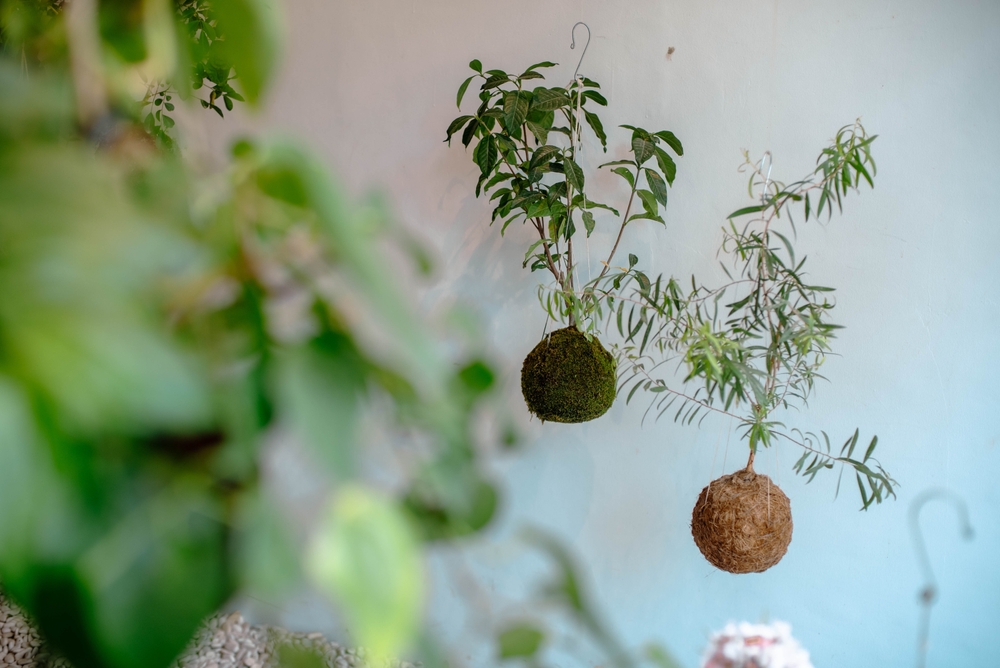
Kokedama is a traditional Japanese planting method where a plant grows in a ball of soil wrapped with moss, giving a striking, floating display when hung or placed on a tray. Making a kokedama involves forming a soil ball around the roots of a small plant and then securing it with moss and twine for support. These moss ball planters bring greenery into living rooms, kitchens, or even bathrooms where humidity supports plant health. They are attractive and unique compared with standard potted plants, making them a conversation piece as well as a garden project.
Caring for a kokedama is straightforward but does require occasional soaking in water to rehydrate the moss and soil. Hanging your kokedama near a source of bright, indirect light encourages steady growth without scorching the plant. Regular watering keeps the plant healthy, but you should avoid keeping it soggy, which can lead to root issues. This project is ideal for gardeners who enjoy decorative displays that bring a fresh natural element indoors.
Regrow Vegetables from Scraps
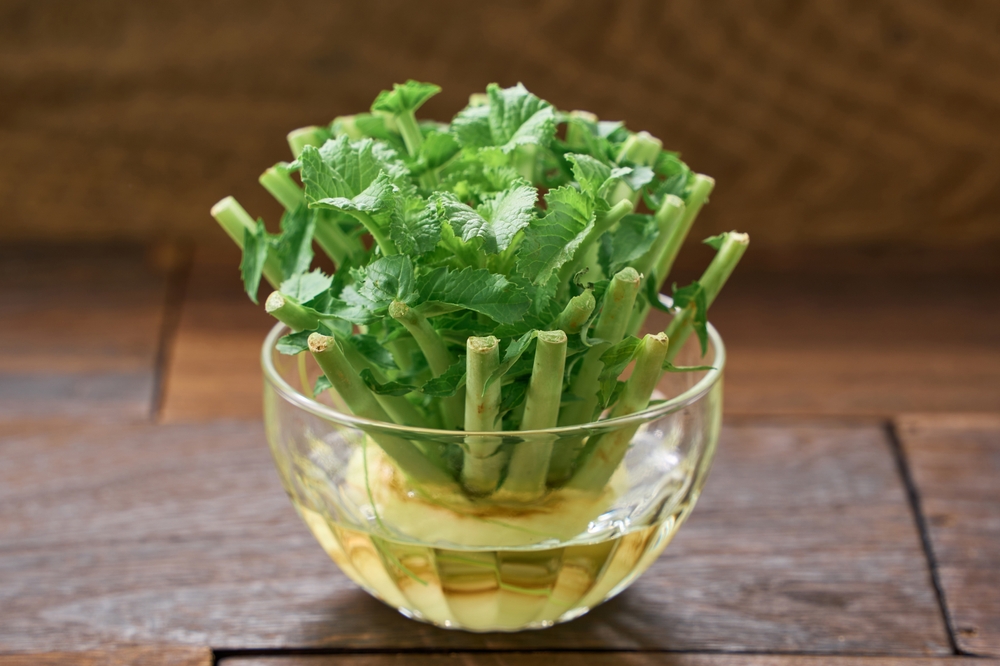
Regrowing vegetables from kitchen scraps is an inventive initiative that lets you give a second life to leftover produce. Vegetables such as lettuce, cabbage, and basil often sprout new growth when their bases are placed in water or planted lightly in potting soil near a bright window. Over the weeks, new leaves and stems emerge, which you can trim for use in salads or meals. This project reduces waste and adds a satisfying dimension to the plants you might otherwise discard.
It is helpful to change the water every couple of days if you are regrowing plants in a container of water, because fresh water prevents stagnation. If planting in soil, loosening it around the roots helps encourage fresh shoots to develop. A gentle misting can support plants in drier indoor environments. Watching veggies sprout multiple times from one piece feels rewarding and keeps your indoor space lively.
Seed Germination Station on Shelves
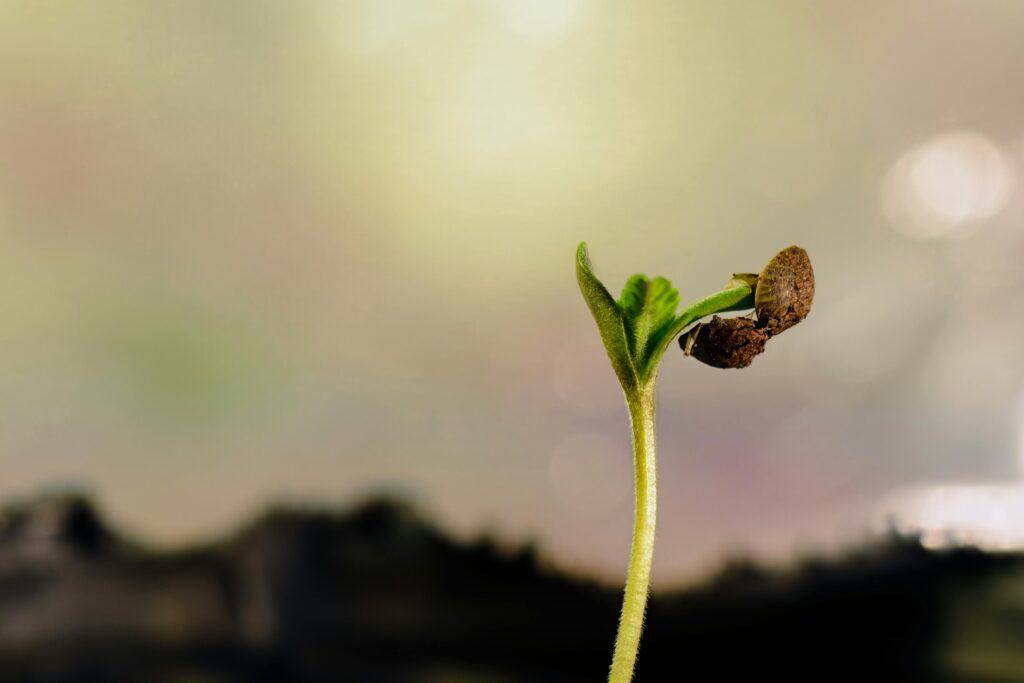
Starting a seed germination station indoors allows you to begin your garden earlier in the year before outdoor conditions become favorable. Place seed trays or small pots on a shelf with bright light, and keep the soil medium consistently moist to encourage seeds to sprout. Many vegetables, flowers, and herbs respond well to indoor germination, giving you a head start days or weeks ahead of outdoor planting. Labeling each tray helps you track varieties and growth stages as seedlings emerge and get stronger.
Once seeds sprout their first leaves, it is time to thin them so that the strongest seedlings have room to grow. Regular ventilation helps prevent mold and supports sturdy stems. Transferring seedlings to bigger containers as they grow keeps them comfortable indoors. This project builds confidence for later outdoor gardens and adds greenery to your indoor space early in the calendar year.
Indoor Citrus Tree in Pot
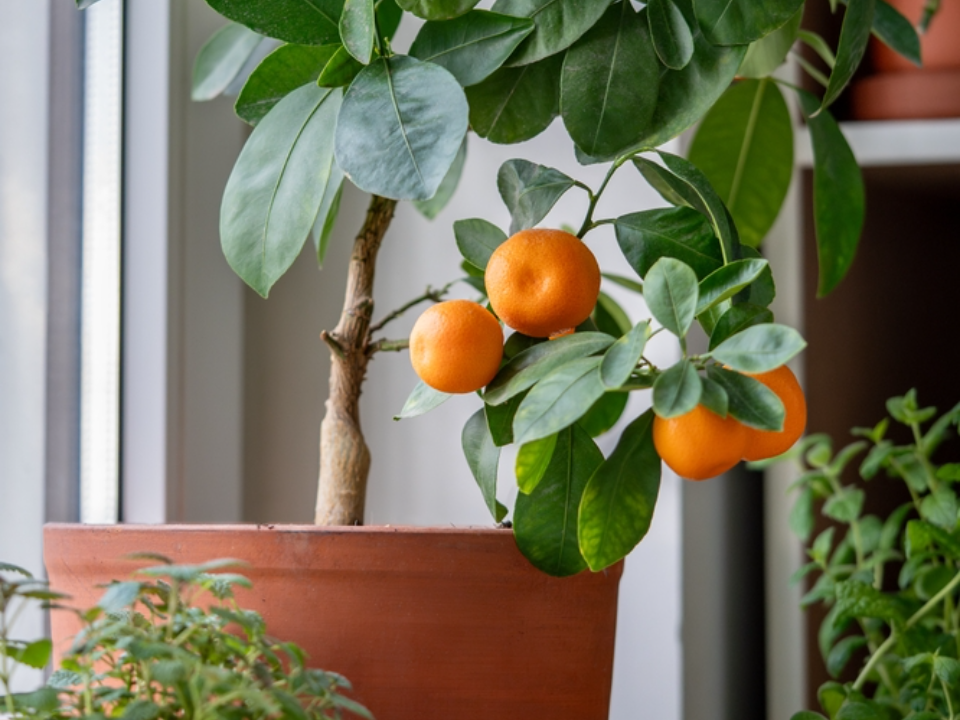
Growing a dwarf citrus tree indoors offers fragrant blossoms and the possibility of small fruit even inside your home. Choose a compact variety that thrives in pots and select a container with good drainage placed near a south‑facing window for maximum light exposure. Citrus trees like consistent watering and humidity, so misting their leaves occasionally and checking soil moisture helps keep them happy. Over the year, these trees can add a cheerful burst of yellow or orange to your indoor garden.
Young citrus trees need regular feeding with a balanced plant food to support blossoms and fruit development. Be patient, as fruiting may take time, but the routine care provides a pleasant focus for daily gardening habits. Pruning helps maintain shape and encourages stronger growth. This project brings an almost outdoor orchard feel inside.
Create a Cacti Collection
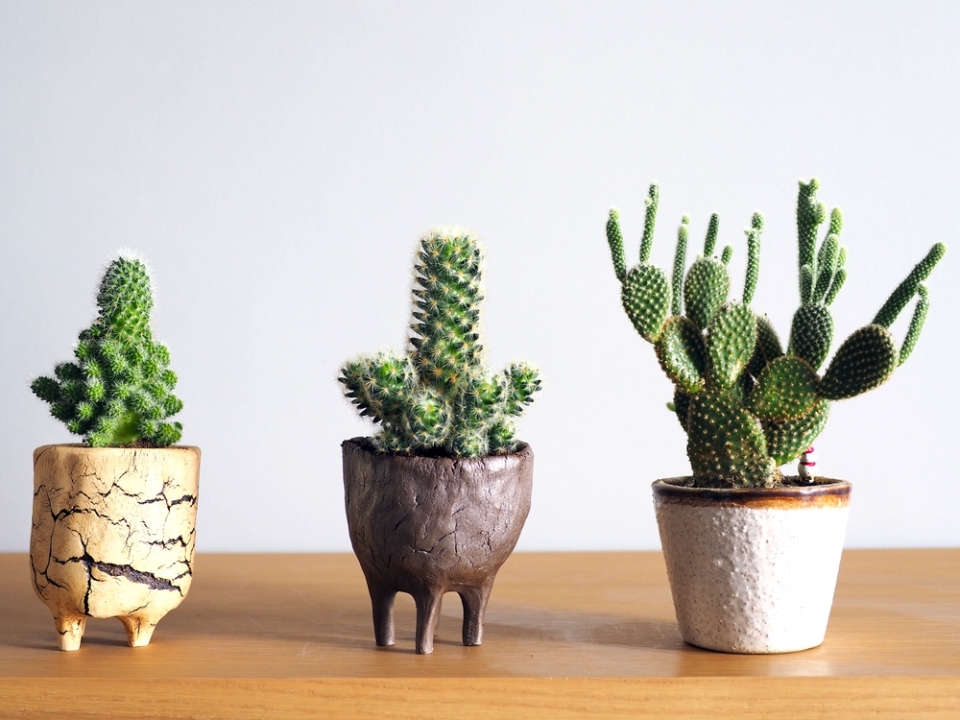
A cacti collection brings interest to your indoor space with a variety of shapes and sizes that require minimal attention. These desert plants thrive in bright light and prefer soil that drains quickly so roots do not sit in moisture. Grouping several species in decorative pots adds personality to shelves or a sunny windowsill. Cacti can be striking in appearance, giving indoor gardening a low‑maintenance yet artistic presence.
Watering cacti sparingly, only when the soil is thoroughly dry, keeps them healthy in indoor climates. Dusting their surfaces occasionally helps light reach their epidermis and supports steady growth. Rotating pots every few weeks helps ensure even exposure to light. Many gardeners enjoy watching these slow‑growing plants develop subtle changes over time.
Terracotta Pot Painted Garden Display
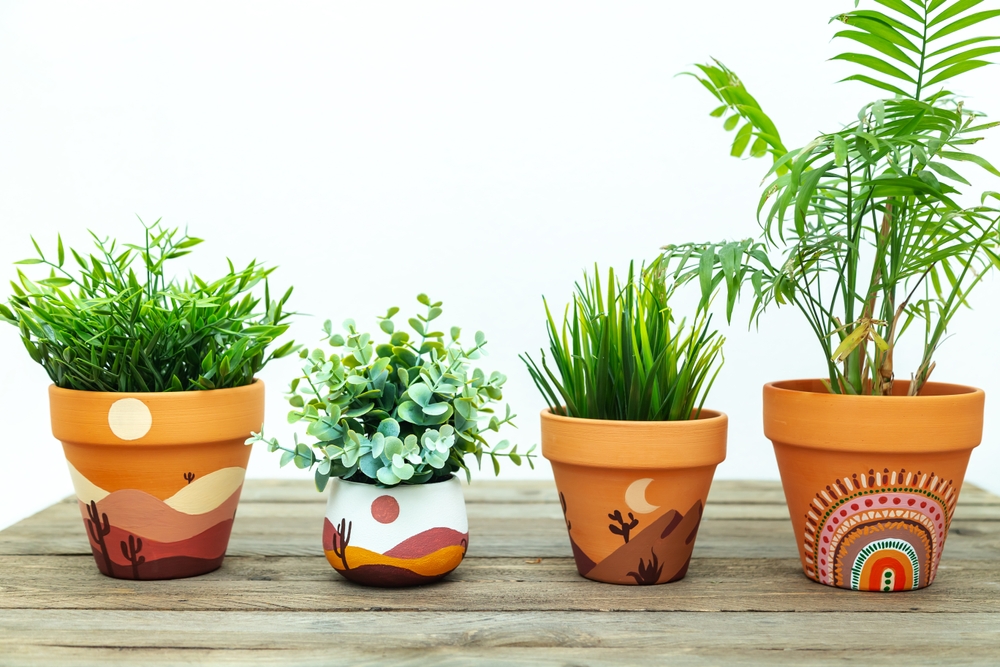
Painting simple terracotta pots and planting easy-care houseplants makes for a joyful indoor gardening project that combines artistry and plant care. Choose hardy plants like spider plants or pothos and place them in pots that have been decorated with your designs. These personal touches add character to each container and make your indoor garden display feel unique and personal. Regular watering and placement near suitable light help your plants grow well throughout the year.
Decorated pots can sit on shelves, window ledges, or tables to brighten your living space with both color and greenery. Plants with trailing vines add a sense of flow to the display as they hang or drape over container edges. Choosing non‑toxic plants helps keep homes with children or pets safe. This creative gardening brings both visual appeal and natural life indoors.
This article originally appeared on Avocadu.