
11 Easy Cold Frames And Mini Greenhouses You Can Set Up In February
As the weather starts to warm up, a cold frame or mini greenhouse can be a game-changer for your garden. These easy setups create a cozy environment for your plants to thrive even in the colder months. Not sure where to begin? Don’t worry, we’ll walk you through the simplest ways to get one up and running.
This post may contain affiliate links, which helps keep this content free. Please read our disclosure for more info.
Wooden Cold Frame With Clear Plastic Lid
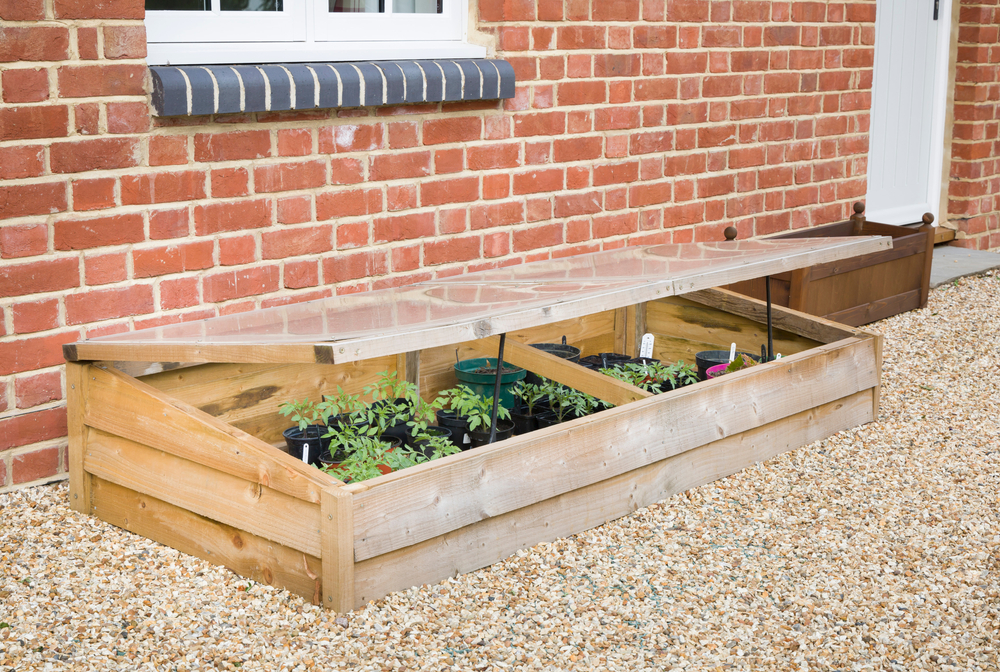
A wooden cold frame with a clear plastic lid is an ideal option for those looking for a simple yet effective greenhouse solution. The wooden frame provides durability and insulation, while the clear lid allows sunlight to penetrate and warm the plants inside. This setup is perfect for starting seedlings or extending the growing season for hardy vegetables. You can build one yourself with materials from a local hardware store, making it both affordable and customizable to your space.
The clear plastic lid is often hinged for easy access, allowing you to adjust ventilation when temperatures rise. It also helps retain heat during the colder months, providing a safe environment for plants to grow. With proper placement, you can set it up on a sunny patch of your garden to maximize sunlight exposure. Over time, you can replace the plastic lid with a glass version for added durability.
PVC Pipe Mini Greenhouse
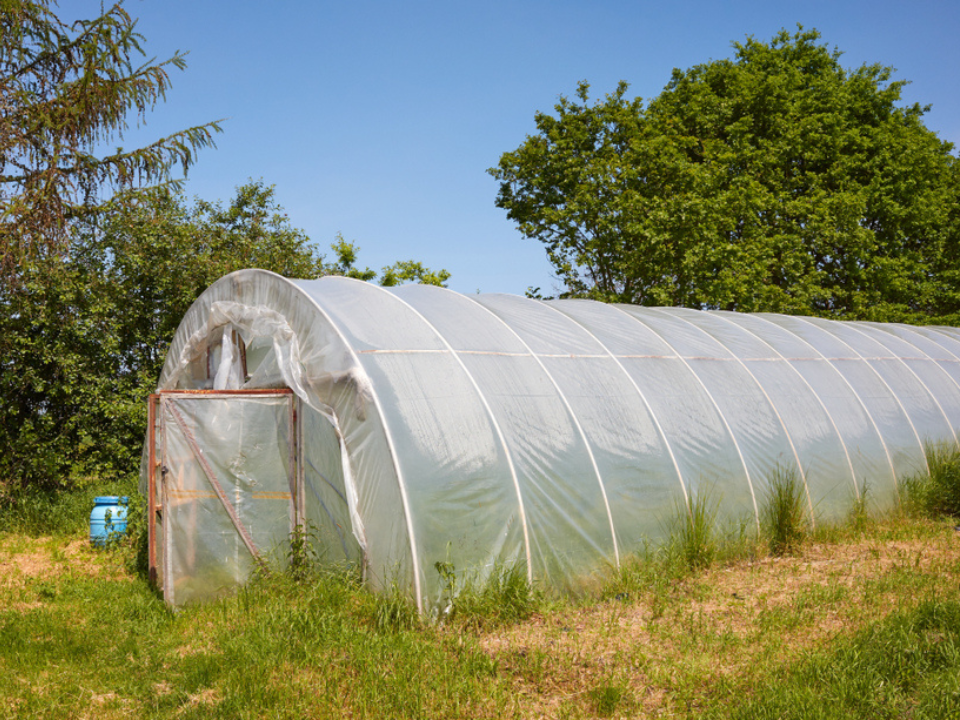
A PVC pipe mini greenhouse is a lightweight, budget-friendly option for gardeners with limited space. Constructed using PVC pipes and covered with greenhouse plastic, this setup can easily be customized to fit your garden’s dimensions. It offers protection from frost while allowing the plants to receive ample sunlight, making it ideal for early spring vegetables. This greenhouse can be set up quickly with minimal tools and is perfect for small spaces like balconies or patios.
The design of the PVC pipe mini greenhouse allows for easy ventilation by rolling up the sides. When temperatures start warming up, simply open the sides to let in fresh air while keeping the plants shielded from the cold. It’s also portable, so you can move it around to follow the sun or protect delicate plants from harsh weather. This setup provides a great balance of simplicity and effectiveness for gardeners in colder climates.
Wooden Frame With Glass Panels
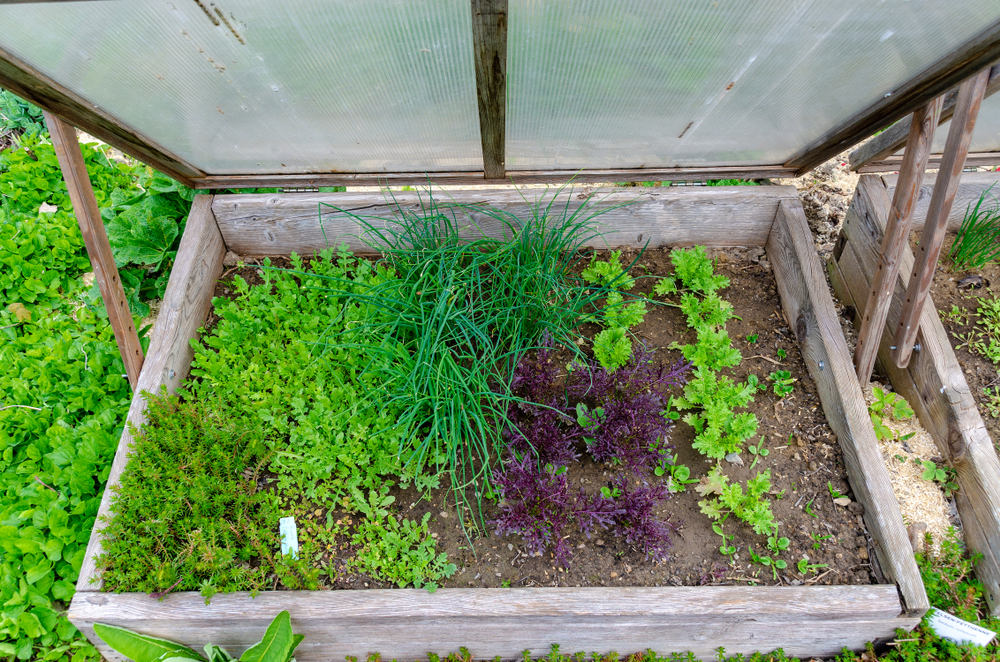
For those looking for a more traditional and durable option, a wooden frame with glass panels offers a timeless solution for cold frames. The wood acts as an insulator, while the glass panels allow maximum sunlight to filter through and warm the soil. This structure works well for both growing plants and protecting delicate seedlings from frost. It’s a bit more of an investment, but the longevity and efficiency of glass make it a solid choice.
The glass panels can be propped open to allow air circulation on warmer days or closed tightly to trap heat during cold nights. This setup offers better protection against wind and snow, ensuring your plants stay safe even during the harshest winter months. The wooden frame can be customized in size, making it perfect for small or large gardens alike. For added convenience, consider using reclaimed wood and glass for an eco-friendly version.
Hoophouse Greenhouse
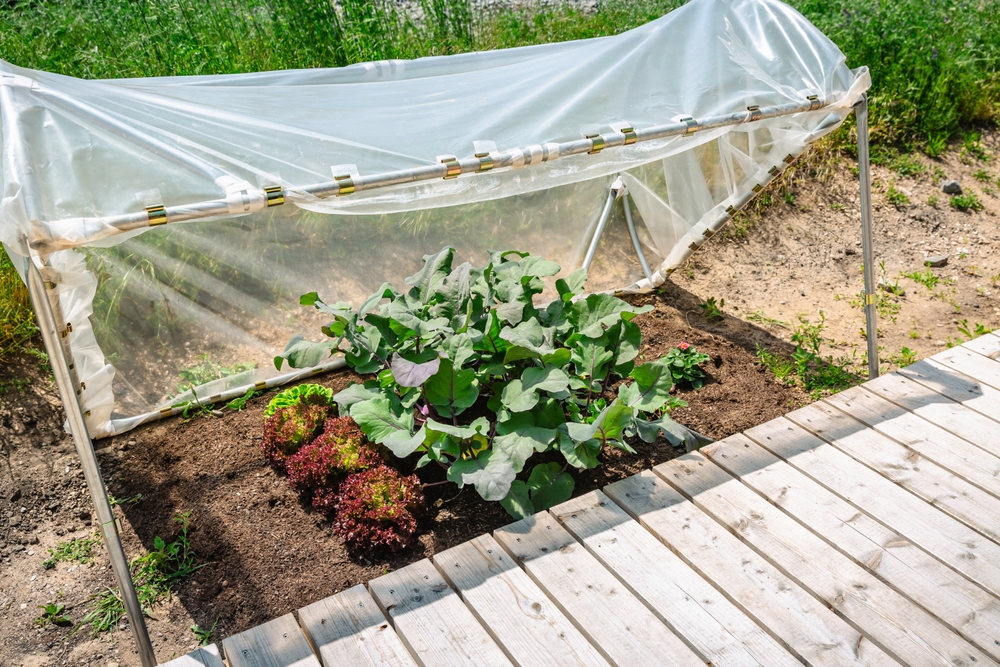
A hoophouse greenhouse is an easy-to-assemble structure that’s perfect for gardeners who want to protect a larger growing area. Made with hoops of PVC or metal, this greenhouse is covered with plastic sheeting to create a mini climate for your plants. It works especially well for leafy greens, herbs, and other cold-hardy crops that need some protection from the elements. You can set up a hoophouse in just a few hours, and it can be anchored to the ground for stability during high winds.
The plastic covering is often clear, which helps trap heat while still allowing light to reach the plants. You can roll up the sides for ventilation, keeping the temperature inside regulated without sacrificing warmth. Hoophouses can be built in various sizes to fit your available space, making them suitable for both urban and rural gardeners. They also provide a flexible solution for extending the growing season year-round.
Cold Frame With Straw Bale Insulation
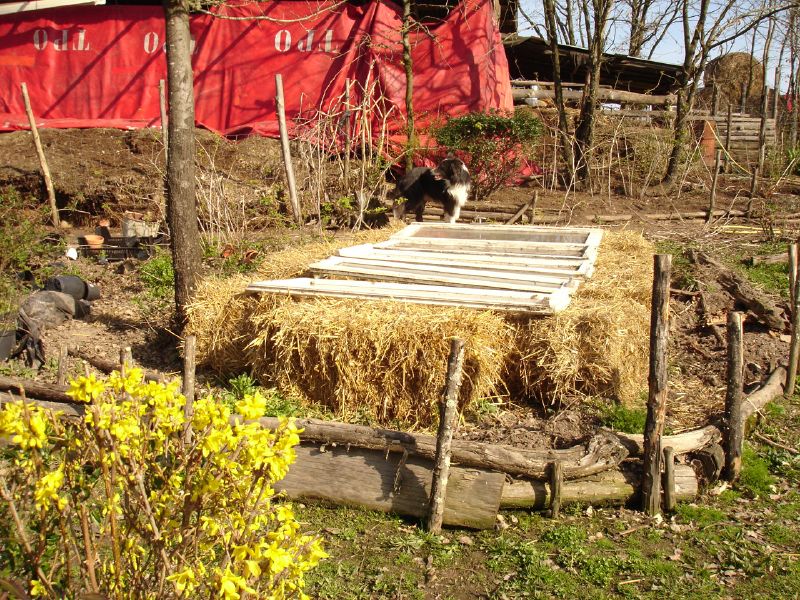
Using straw bales for insulation is an excellent way to keep your cold frame warm without using electricity. Straw bales offer natural insulation, keeping the heat inside and protecting your plants from the cold. The straw is placed around the base of the cold frame to create a thermal barrier that helps maintain a steady temperature inside. This method is not only effective but also eco-friendly, utilizing a renewable resource that’s easy to find.
Straw bale insulation also helps with moisture retention, which can be beneficial for young seedlings or plants that require extra humidity. The plastic or glass lid still provides ample sunlight, while the straw bales prevent heat from escaping. With this setup, you can protect plants from frost while allowing them to grow in a controlled environment. This method is cost-effective and works well in colder climates where extra insulation is needed.
Mini Greenhouse With Clear Plastic Covers
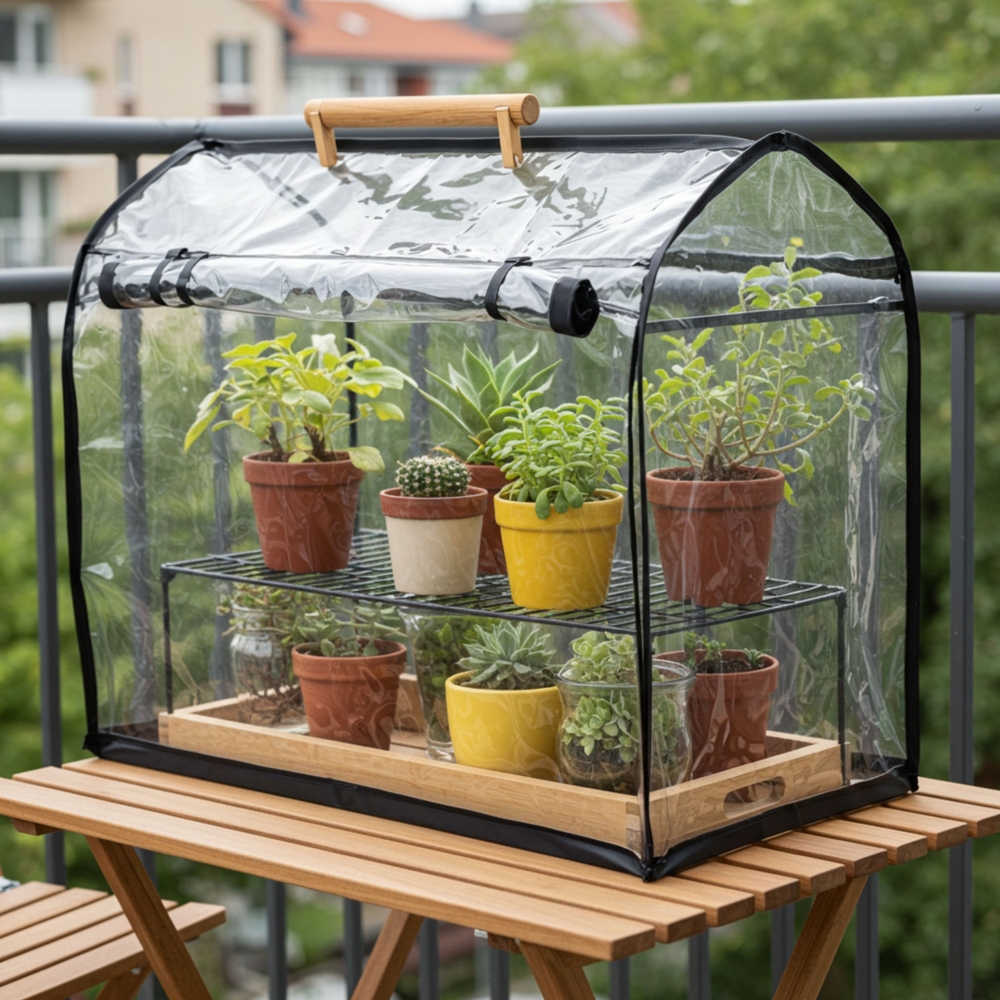
A mini greenhouse with clear plastic covers is a simple yet effective solution for gardeners who need protection from frost and other harsh weather. These greenhouses are compact, often designed to fit on a patio, balcony, or small garden plot. The clear plastic allows sunlight to penetrate, warming the plants inside while keeping the cold out. This setup works best for smaller crops such as herbs, lettuce, and spinach that need a little extra warmth to thrive.
The clear plastic covers often come with zippers or Velcro closures, allowing you to easily access your plants when necessary. You can also adjust the ventilation to prevent the greenhouse from getting too hot on sunny days. This type of mini greenhouse is lightweight, easy to move, and typically inexpensive, making it an attractive option for beginners. It’s a great way to extend the growing season for early spring vegetables or provide a safe space for tender plants.
Raised Bed With Cold Frame Cover
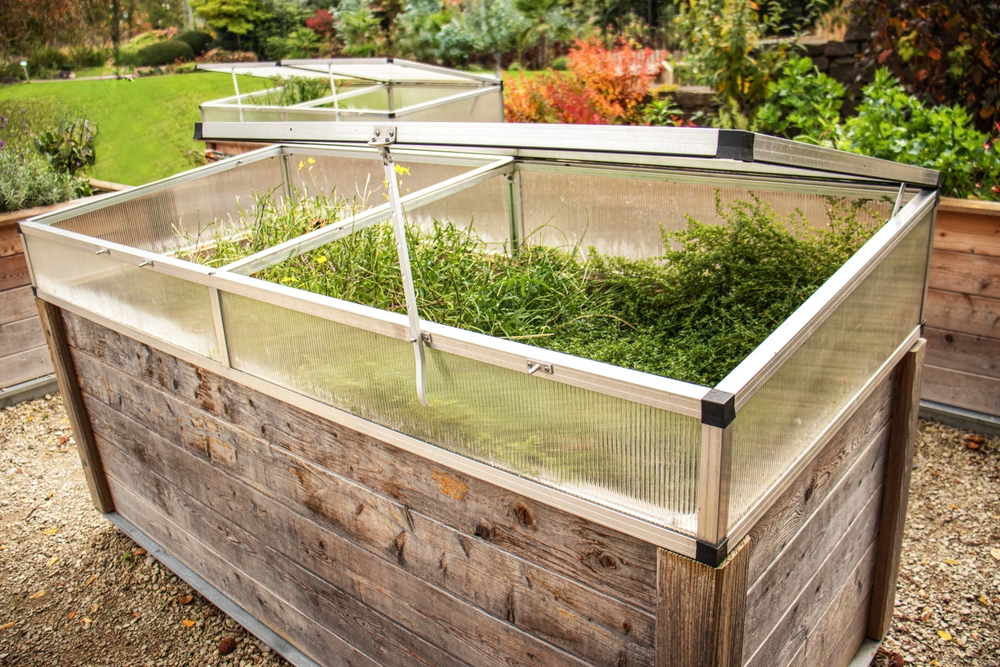
A raised bed combined with a cold frame cover is a practical way to get the most out of your gardening space. The raised bed provides better drainage and easier access to your plants, while the cold frame cover creates a protective barrier from cold temperatures. This setup is perfect for vegetables and herbs that need extra warmth early in the season. With a clear lid, the cold frame traps heat during the day and helps prevent frost during the night.
The cold frame lid is usually hinged for easy opening, allowing you to control ventilation when needed. Raised beds offer the advantage of deeper soil, which benefits root development for plants like carrots or beets. This setup allows you to start growing earlier and keep your plants warmer through February and beyond. It’s a great option for gardeners who want to maximize their growing potential in a small area.
Cloche Greenhouse
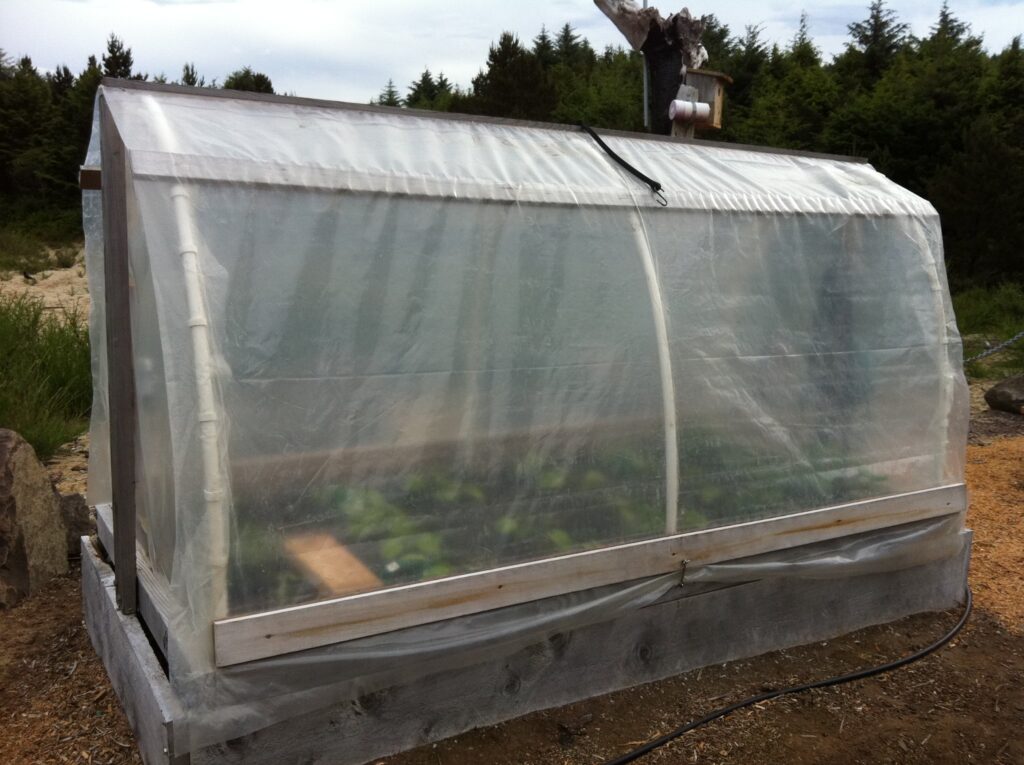
A cloche greenhouse is a simple and effective way to create a warm environment for plants without taking up too much space. Often made from clear plastic or glass, the cloche acts as a mini greenhouse that fits over individual plants or small groups. It traps heat during the day and protects plants from frost at night, making it ideal for starting seeds or growing herbs. The design allows for easy access and can be moved around the garden as needed.
Cloche greenhouses come in various sizes, from small, bell-shaped covers to larger, rectangular versions that can cover rows of plants. Some models are designed with adjustable vents to ensure proper airflow, preventing the plants from overheating. This setup is especially useful for protecting tender plants like cucumbers or melons early in the season. The cloche design is simple to use and requires little maintenance, making it perfect for beginner gardeners.
Polycarbonate Cold Frame
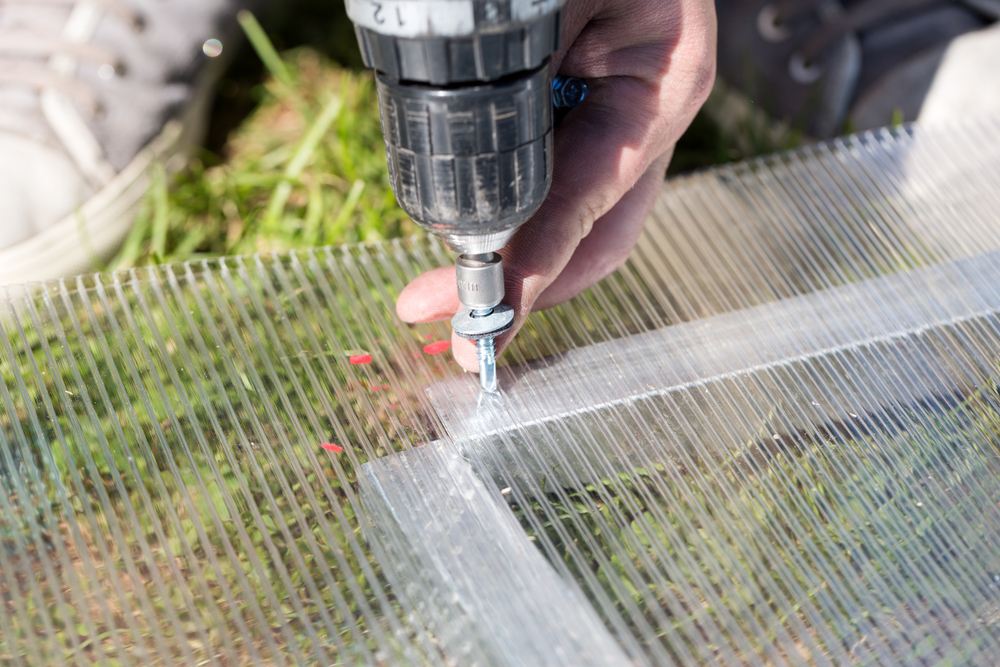
Polycarbonate cold frames are known for their durability and excellent insulating properties. The polycarbonate panels trap heat more effectively than traditional glass, keeping the plants inside warm even during the coldest months. These cold frames are designed with sturdy frames and can be easily assembled in just a few hours. They offer protection from the elements while still allowing sunlight to reach your plants, making them a great option for early spring gardening.
The polycarbonate material is UV-resistant, ensuring that the frame will last for several seasons without deteriorating. These cold frames also provide better insulation than glass, making them a great choice for areas with harsh winters. The solid, long-lasting design ensures that your plants will be protected throughout February and beyond. It’s an investment worth considering for gardeners looking for a reliable and effective greenhouse solution.
Mini Walk-In Greenhouse
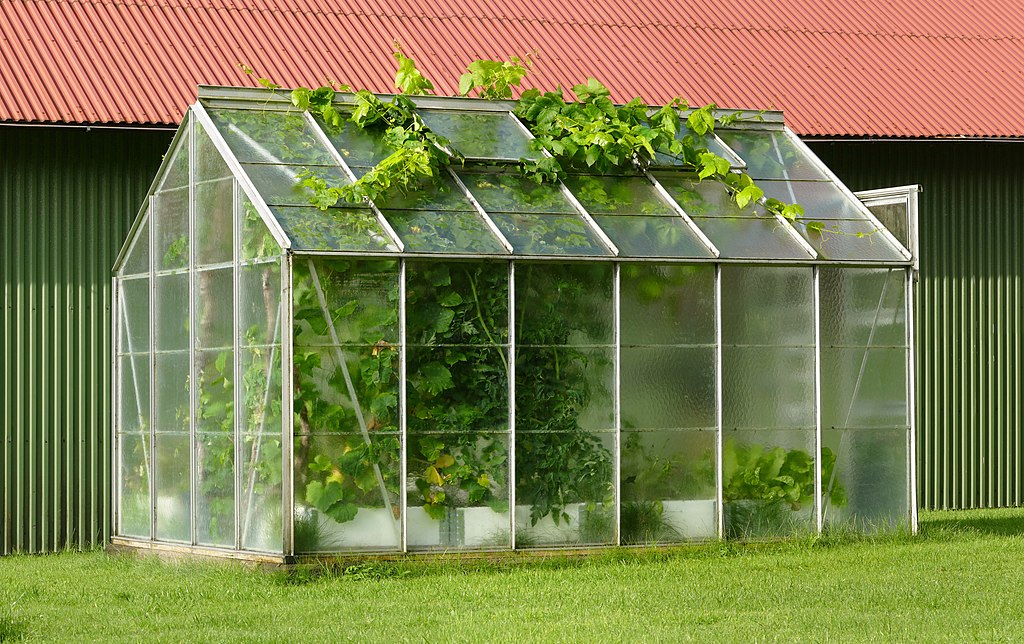
A mini walk-in greenhouse is perfect for gardeners who want to create a more spacious environment for their plants. It provides room to walk inside, making it easy to tend to your plants without feeling cramped. The structure is often made from PVC piping and covered with greenhouse plastic, offering warmth and protection from frost. This setup is great for growing plants that need extra space or humidity to thrive.
The walk-in greenhouse offers better air circulation compared to smaller, more compact setups, which helps prevent mold and mildew buildup. Many mini walk-in greenhouses feature shelves or raised beds to maximize space, allowing you to grow more plants in a small area. They can be set up quickly and moved around depending on sunlight exposure. This type of greenhouse is perfect for those who want a larger growing area with minimal effort.
Pallet Greenhouse
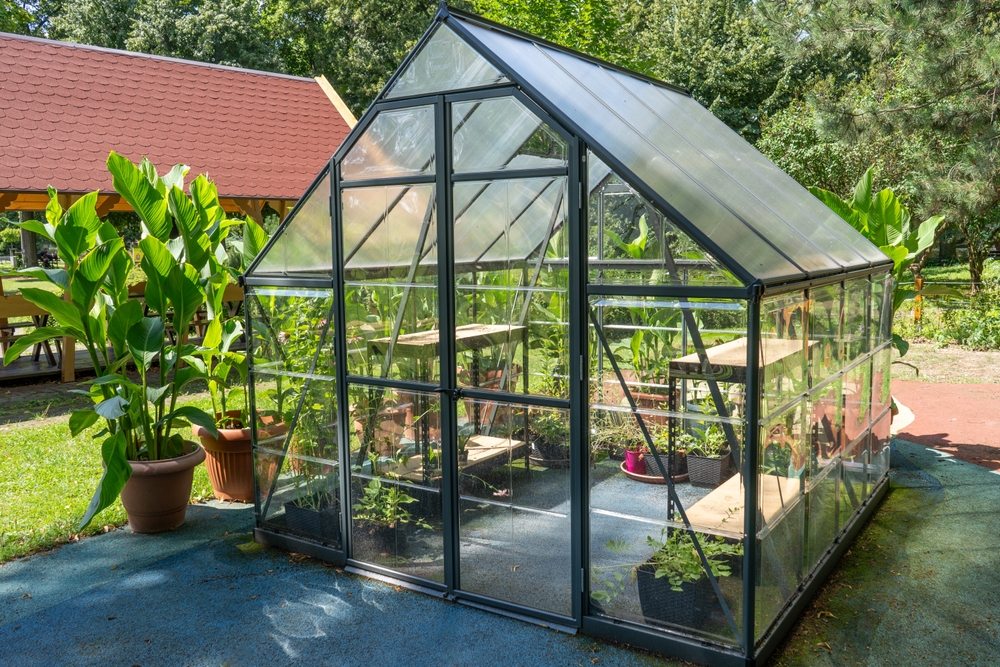
A pallet greenhouse is a creative and cost-effective solution for gardeners looking to repurpose materials. Using old wooden pallets, you can create a sturdy frame that is covered with clear plastic or greenhouse fabric. This type of greenhouse provides excellent insulation, helping to keep the plants warm and protected from frost. It’s also an eco-friendly option, as it involves repurposing materials you may already have on hand.
Pallet greenhouses are often small and compact, making them ideal for urban gardeners with limited space. They can be set up against a wall or fence for added stability and warmth. The design allows for easy access, and the clear covering ensures plenty of sunlight reaches the plants. This setup is especially useful for growing herbs, salad greens, and other small crops in early spring.
This article originally appeared on Avocadu.