
15 Early Spring Migrating Birds That Feel Like a Big Deal to Spot
Spring always brings a quiet shift that bird lovers start to notice right away. Early migrants return before most people even realize the season has changed. There is something exciting about spotting one after months of still skies. If you have ever paused to listen for that first familiar call, you know the feeling.
This post may contain affiliate links, which helps keep this content free. Please read our disclosure for more info.
American Robin
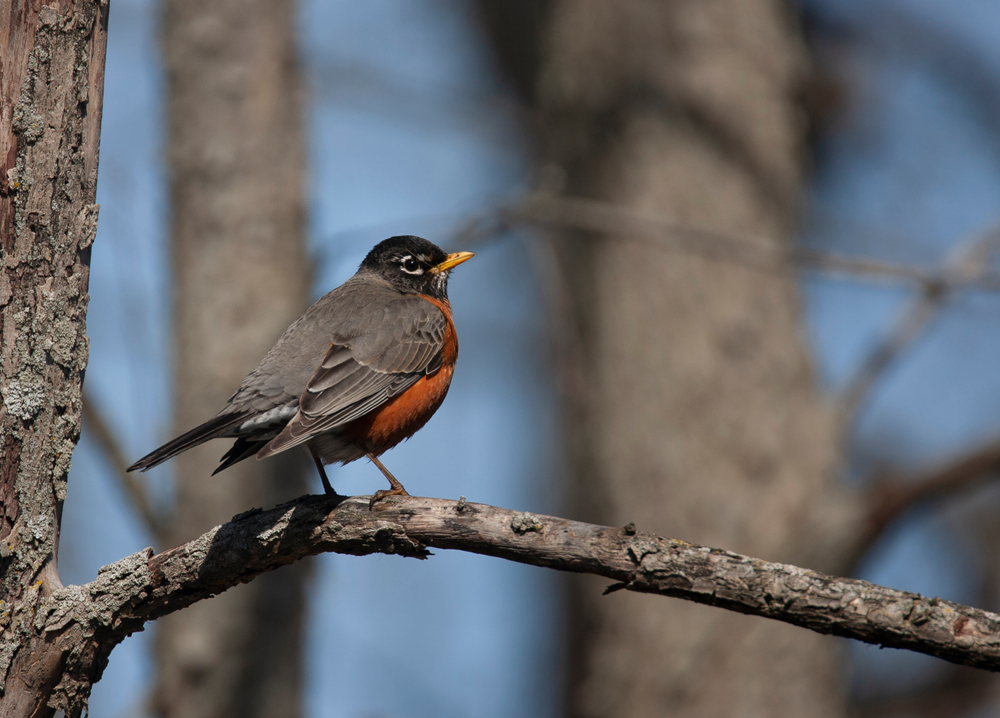
The American Robin is often one of the first birds people notice when early spring begins to settle in, especially when the ground starts to soften after weeks of cold weather. Its warm orange chest stands out clearly against dull grass and leafless trees, making it easy to spot even from a distance. Many robins return in small waves, with a few appearing first before larger flocks follow as conditions improve. Their steady hopping across lawns and open spaces creates a familiar rhythm that feels tied to the season changing. For many people, that first sighting feels like a quiet but meaningful sign that winter is finally easing its hold.
Robins spend much of their time searching for food, especially earthworms that become active as the soil warms. You will often see them pause, tilt their heads, and then pull a worm from the ground with surprising speed. They also eat berries when insects are harder to find, which helps them survive early returns. These birds are found across a wide range of regions, which is why their arrival feels widely shared. Spotting one early in the year often brings a small sense of relief and familiarity after months of stillness.
Barn Swallow
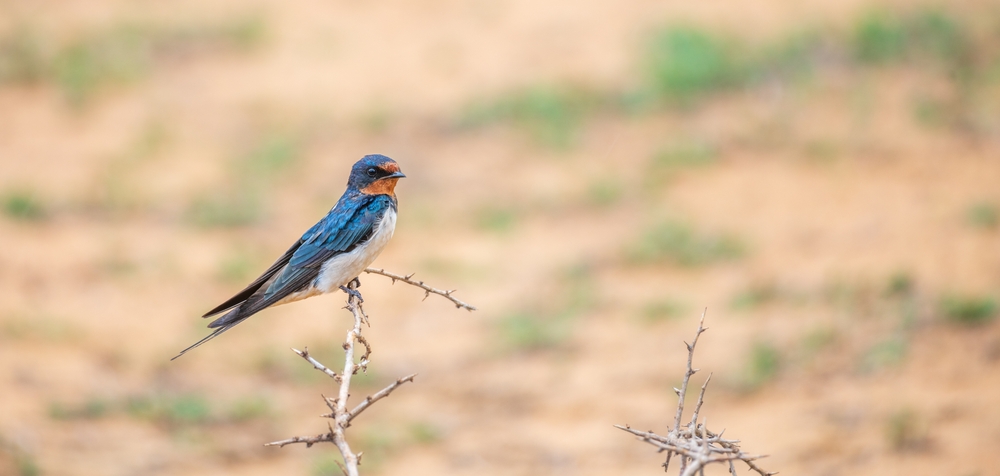
The Barn Swallow arrives with quick, graceful flight that seems to cut through the air with ease, often flying low over fields and water. Its forked tail and deep blue coloring make it stand out when the sunlight catches its wings just right. These birds travel long distances during migration, returning from far southern regions to breed once conditions begin to improve. Seeing one early in the season can feel like catching a moment that many people might miss if they are not paying attention. Their constant movement and sharp turns make them one of the most engaging birds to watch.
They build mud nests along barns, bridges, and other structures, often returning to the same place year after year. Their ability to catch insects midair allows them to feed while flying, which is why they rarely seem to sit still for long. Early sightings often happen near open farmland or bodies of water where insects are starting to appear. Their presence adds a sense of motion to places that have been quiet for months. Once they return, it often feels like the landscape has started to come back to life.
Red-Winged Blackbird
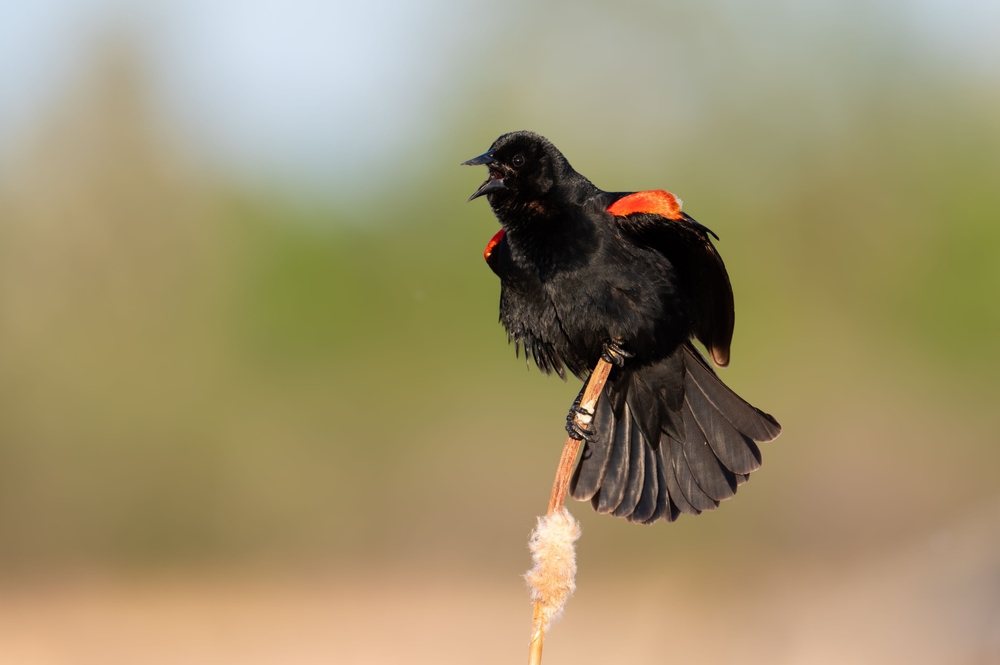
The Red-Winged Blackbird makes a strong entrance into early spring with its sharp call and striking red shoulder patches. Males often arrive before the season fully shifts, claiming territory in wetlands even while patches of ice remain. They perch on tall reeds and grasses, calling loudly to announce their presence to rivals and potential mates. That bold behavior makes them one of the first birds people truly notice when visiting marshy areas. Their early arrival often feels like a clear break from the quiet of winter.
These birds prefer wetlands, ponds, and marshes where they can find insects, seeds, and plant material. Their calls can fill an entire area, creating a sound that feels tied to the environment itself. Females arrive later and are more muted in color, blending into the surroundings for protection. Watching a group settle into a wetland can feel like seeing a place come back to life. Spotting one perched and calling out is often a moment that stays with you long after you leave.
Eastern Bluebird
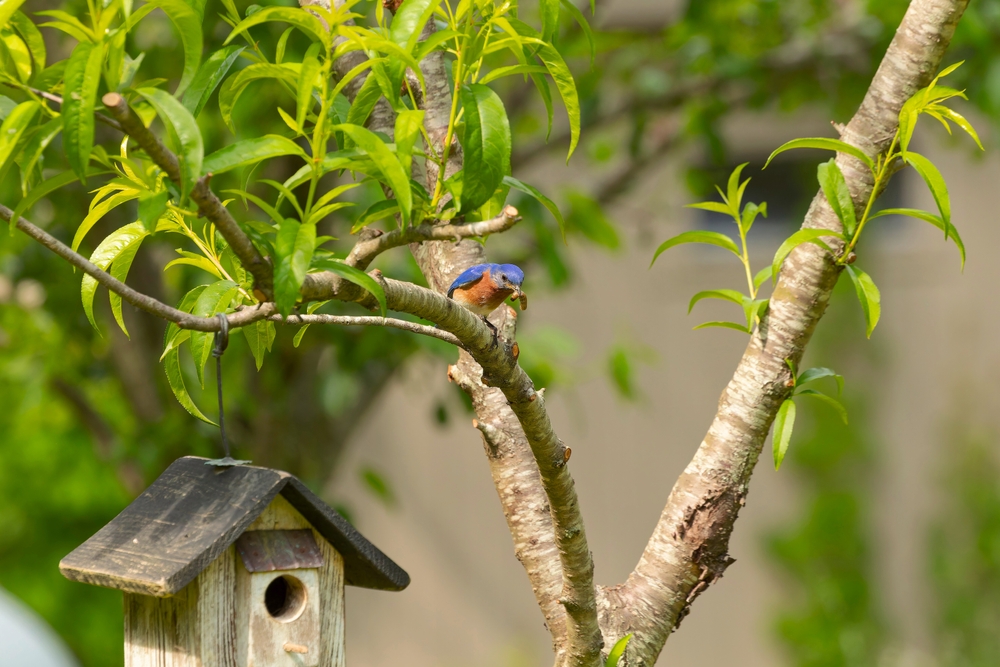
The Eastern Bluebird brings a gentle splash of color to early spring landscapes, often appearing in open fields and along quiet fence lines. Its bright blue back and warm chest create a soft contrast against still-muted surroundings. These birds tend to perch calmly, giving observers a chance to take in their details without rushing. A single sighting can feel memorable because of how peaceful their presence is. They often appear when the air still feels cool, adding to the sense of timing.
They rely on open spaces where they can spot insects from a distance before swooping down to catch them. Many return to nesting boxes placed in fields or gardens, which has helped their numbers recover in some areas. Their soft calls are not as loud as other birds, but they carry clearly in quiet surroundings. Early sightings often happen during calm mornings when movement is easier to notice. Seeing one can feel like a quiet reward for slowing down and paying attention.
Sandhill Crane
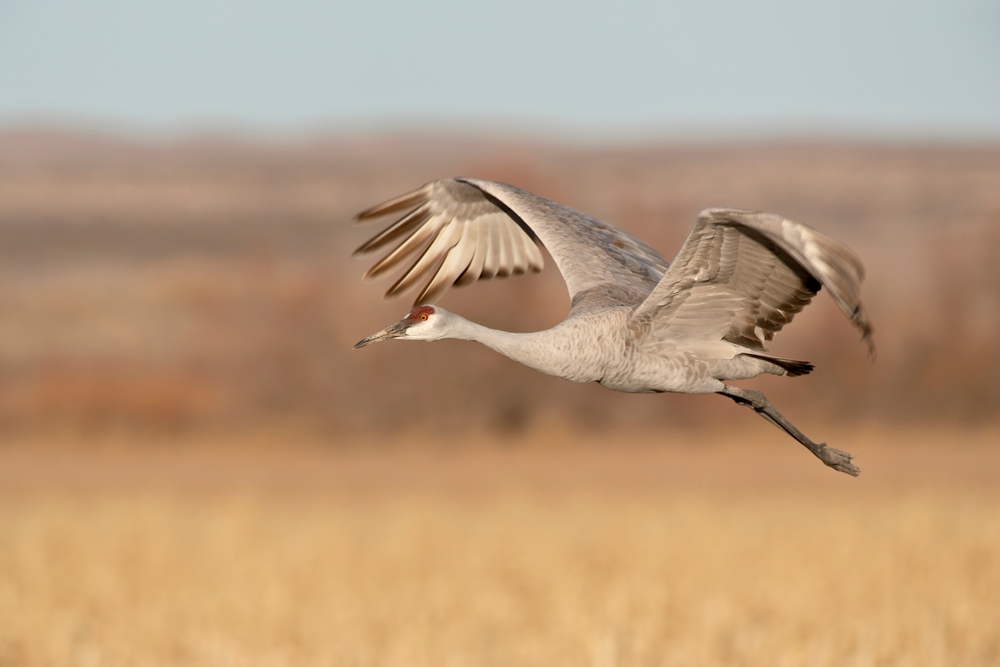
The Sandhill Crane stands tall and moves with a slow, steady rhythm that feels almost ancient when seen in open landscapes. Its call carries over long distances, often heard before the bird itself comes into view. Early flocks flying overhead create a strong impression, especially when their shapes form loose lines across the sky. Watching them move together feels like witnessing a moment that has played out for generations. Their size alone makes them hard to ignore once spotted.
These cranes travel in groups and often stop in fields and wetlands to rest and feed during migration. They feed on grains, insects, and small animals, which helps them maintain energy for long journeys. Their movements are deliberate, both on the ground and in the air, which adds to their presence. Early sightings often happen during migration periods when large numbers pass through certain areas. Seeing a group land or take off can feel like a moment worth remembering.
Yellow-Rumped Warbler
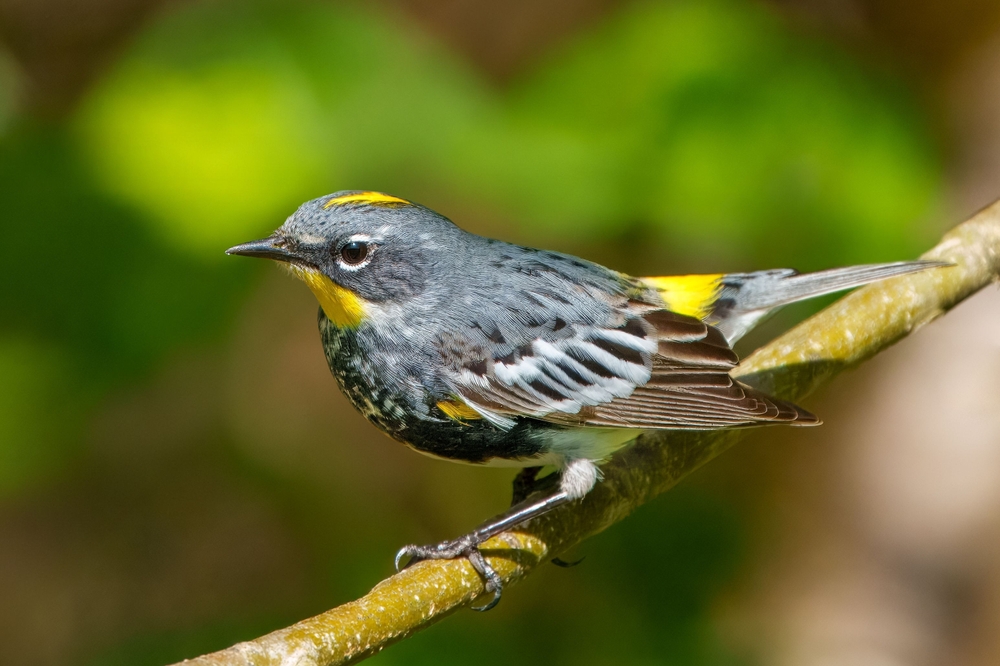
The Yellow-Rumped Warbler is often one of the earliest small songbirds to return, which makes spotting one feel like catching the start of a larger movement. It has soft gray tones with flashes of yellow on its sides and near the tail, details that become clearer the longer you watch. These birds move quickly through branches, rarely staying still for more than a few seconds. Their constant motion can make them a challenge to follow, which adds to the excitement of spotting one. Seeing one early often feels like a sign that more colorful warblers will soon follow.
They are able to eat both insects and berries, which allows them to arrive earlier than many other species that depend only on insects. You will often find them in woodlands, parks, and areas near water where food sources begin to increase. Their calls are light and easy to miss, which means many sightings rely on careful observation rather than sound. Groups may move together, creating brief moments of activity in otherwise quiet trees. Catching a clear view of one can feel like a small win for anyone paying attention.
Osprey
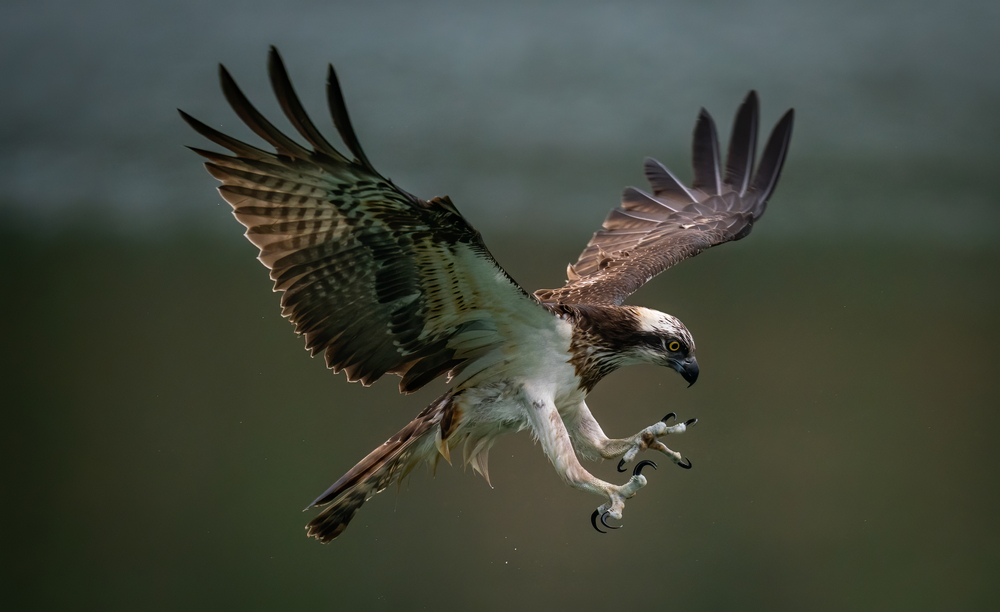
The Osprey returns with a strong sense of purpose, often appearing near lakes, rivers, and coastal waters as soon as conditions allow. Its large wingspan and bright white underside make it easy to recognize even from a distance. These birds are known for hovering in place before diving straight into the water to catch fish. Watching that sudden drop and splash can feel dramatic, especially after months of still water. Seeing one early in the season often signals that waterways are coming back to life.
They build large nests on tall structures such as poles, trees, and platforms, often returning to the same location each year. Their diet depends almost entirely on fish, which is why they stay close to open water. Early sightings often happen when ice begins to clear and fish become more active near the surface. Their presence brings movement and focus to otherwise quiet shorelines. Spotting one carrying a fish can feel like witnessing a moment of pure skill.
Tree Swallow
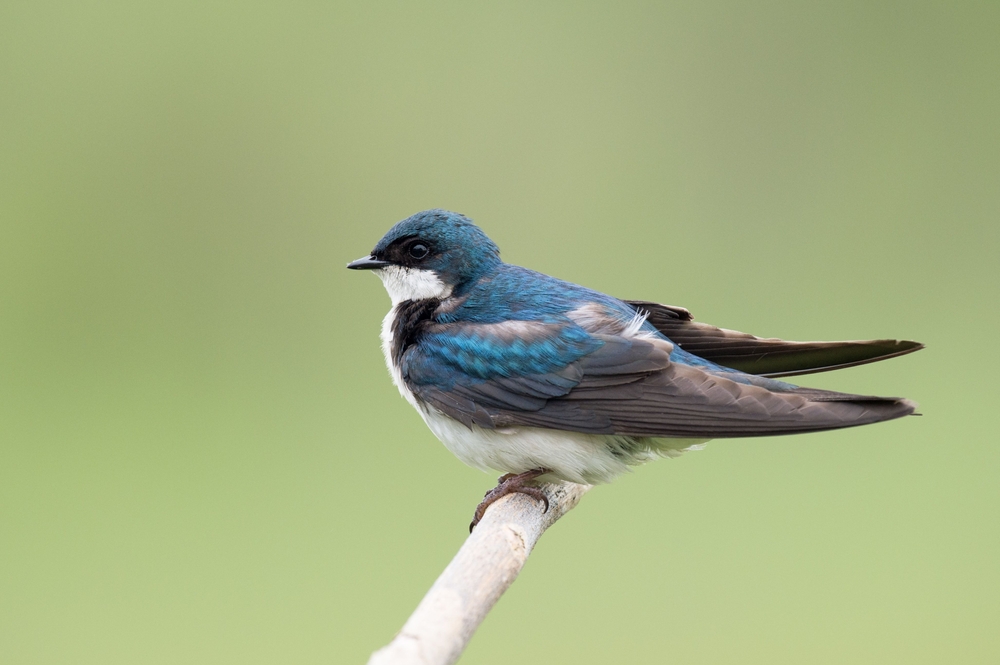
The Tree Swallow brings a flash of blue-green that catches the light as it moves quickly through the air. It often arrives in small groups, adding motion to open spaces that have felt empty for months. Their flight is smooth and flowing, with quick turns that make them enjoyable to watch. Seeing them early can feel like a shift in the season, even if temperatures are still cool. Their presence adds a sense of activity that is hard to ignore.
They nest in cavities such as tree holes or birdhouses placed near fields and water. Their diet consists mainly of flying insects, which begin to appear as conditions improve. Early arrivals may gather together, creating lively scenes overhead as they search for food. You will often notice them near wetlands, ponds, and open meadows. Watching a group move together can feel like the landscape is waking up again.
Killdeer
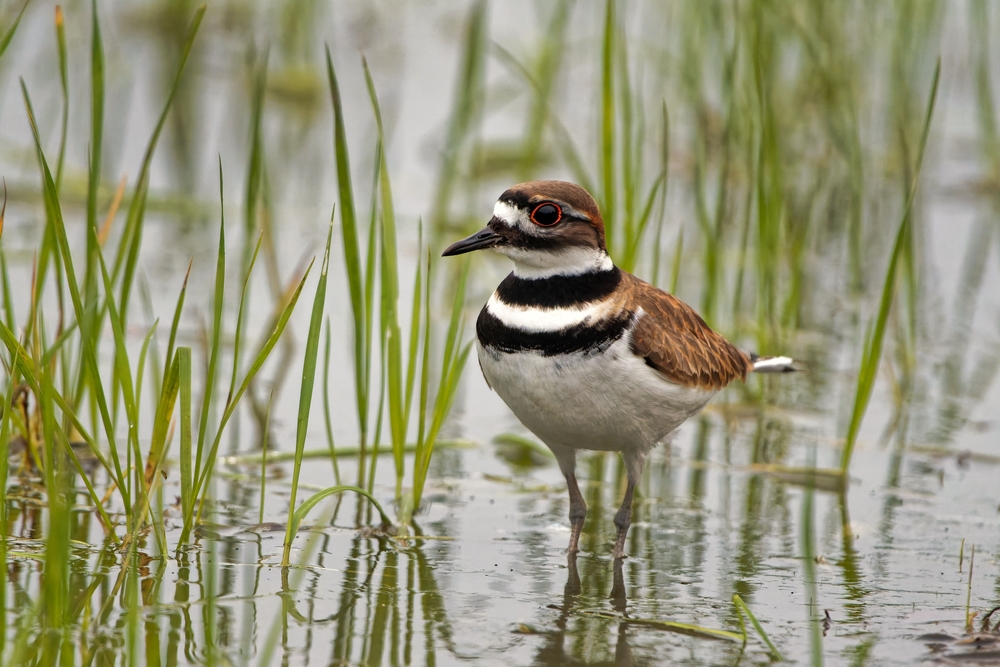
The Killdeer is often heard before it is seen, thanks to its loud and repeated call that carries across open ground. Its brown and white markings blend into fields and gravel areas, which makes spotting it a bit of a challenge at first. Once noticed, its quick movements and sudden stops make it easy to follow. Seeing one early in the season can feel surprising because of how active it is compared to its surroundings. Its behavior draws attention even when the landscape still looks quiet.
These birds often nest directly on the ground, choosing gravel, dirt, or open fields where their eggs blend in with the surroundings. They rely on camouflage and distraction displays to protect their nests, sometimes pretending to be injured to lead threats away. You will often find them near shorelines, farmland, and even parking areas. Their calls continue throughout the day, making them easier to locate once you know what to listen for. Watching one move across open space can turn into a longer moment than expected.
Purple Martin
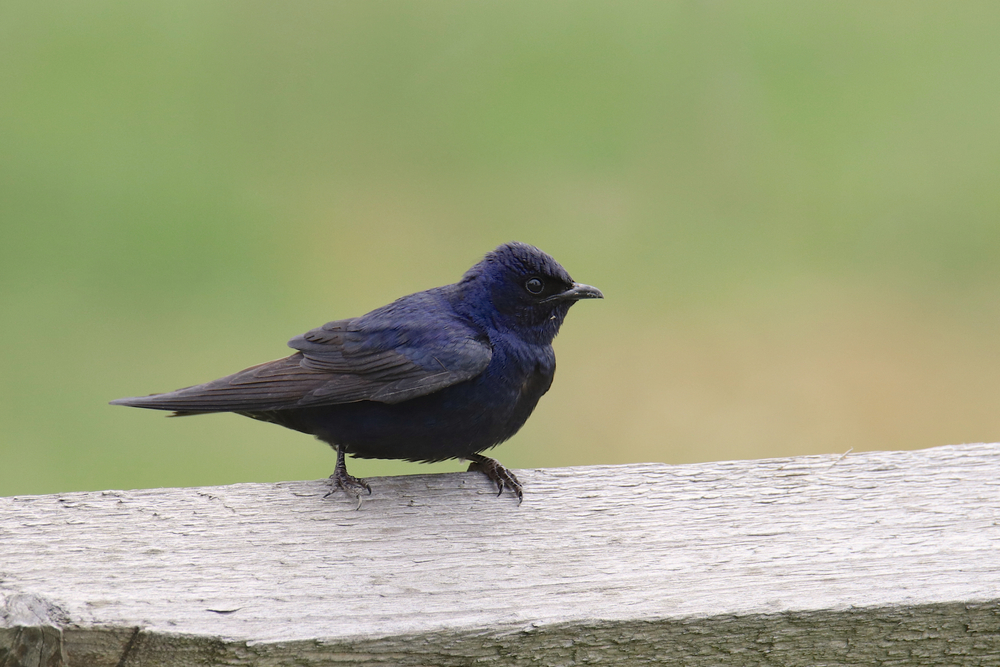
The Purple Martin is one of the largest swallows and often arrives with a smooth, steady presence in the sky. Males appear almost glossy in the light, while females show softer shades that still stand out when seen clearly. These birds often return to areas where nesting colonies have been set up, which creates a sense of familiarity year after year. Their arrival can feel like a shared event among those who watch for them. Seeing them circle overhead brings a sense of energy to the scene.
They depend heavily on provided housing in many regions, gathering in groups around specially designed structures. Their diet consists of flying insects, which they catch while in motion, rarely stopping for long. Early sightings are often noted by bird watchers who track their return closely. Their presence can draw attention to an area as more birds gather over time. Watching a colony settle in can feel like witnessing a seasonal routine unfold.
Northern Flicker
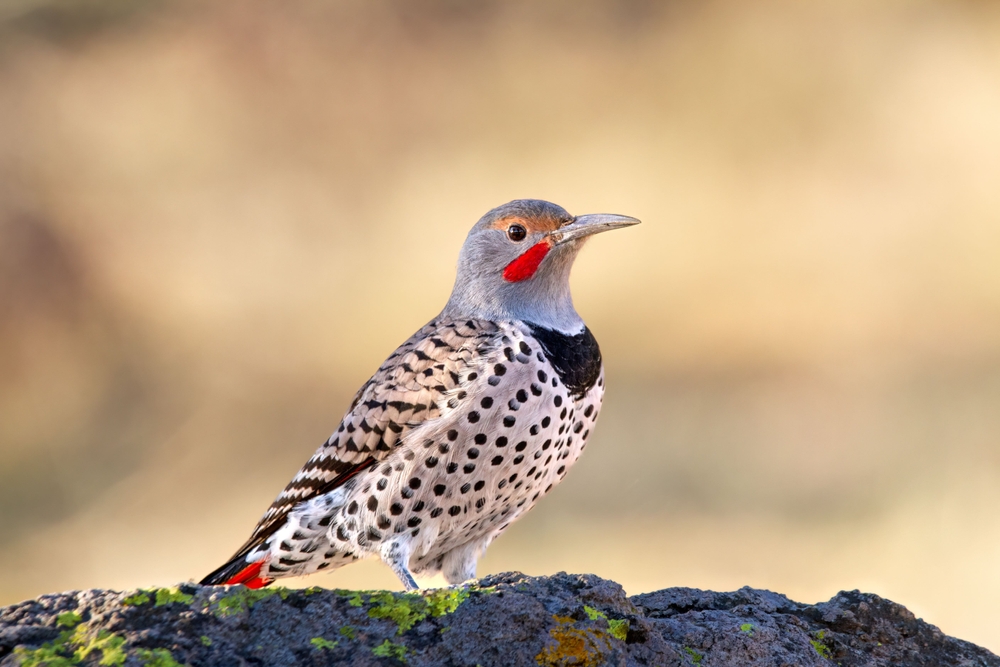
The Northern Flicker stands out among woodpeckers with its spotted body and flashes of color under its wings that appear during flight. Unlike many woodpeckers, it often feeds on the ground, which makes it easier to observe in open areas. Its call is clear and carries across fields and wooded edges, helping people notice it even before they see it. Spotting one early in the season can feel unexpected due to its habits. Its presence adds variety to the birds returning at this time.
These birds feed heavily on ants and insects found in soil, often using their long tongues to reach into the ground. You will often see them hopping rather than climbing tree trunks, which sets them apart from others in their group. Their markings can vary depending on location, adding interest for those who watch closely. Early sightings often happen in parks, yards, and forest edges. Watching one forage on the ground can feel like discovering something different.
Common Loon
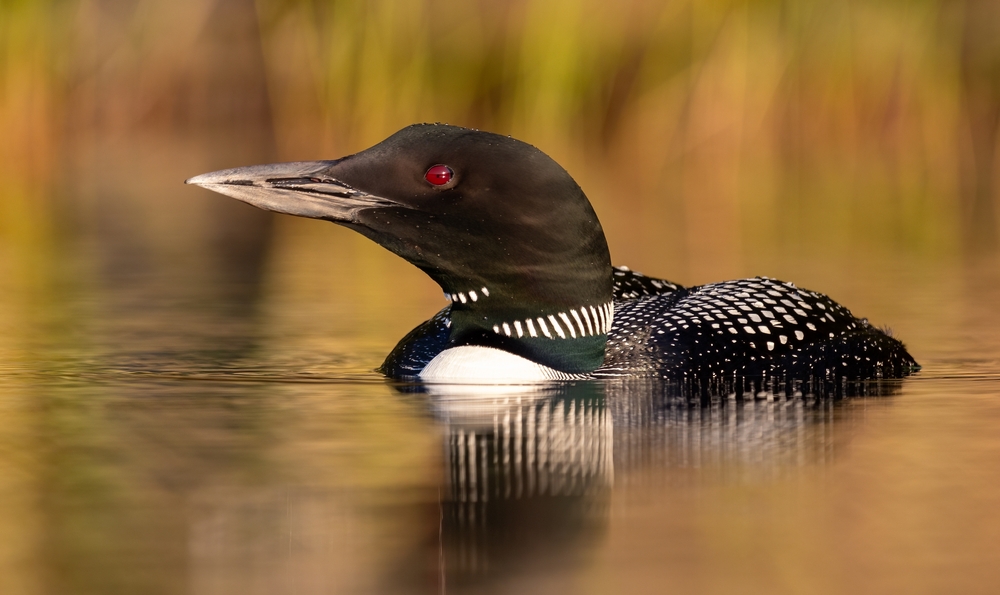
The Common Loon returns to northern lakes as ice begins to melt, bringing a sense of stillness mixed with sound. Its black and white pattern and striking red eyes make it stand out clearly on calm water. The call carries across lakes, creating a sound that feels tied to quiet mornings and evenings. Seeing one again after months away can feel deeply familiar. It often becomes a highlight of early visits to northern waters.
These birds prefer clear lakes where they can dive for fish, staying underwater for surprising lengths of time. They spend much of their time swimming or diving rather than flying, which adds to their quiet presence. Early sightings often happen during low light when the water is still. Their return signals that lakes are opening up again after winter. Watching one move across the surface can feel peaceful and memorable.
White-Throated Sparrow
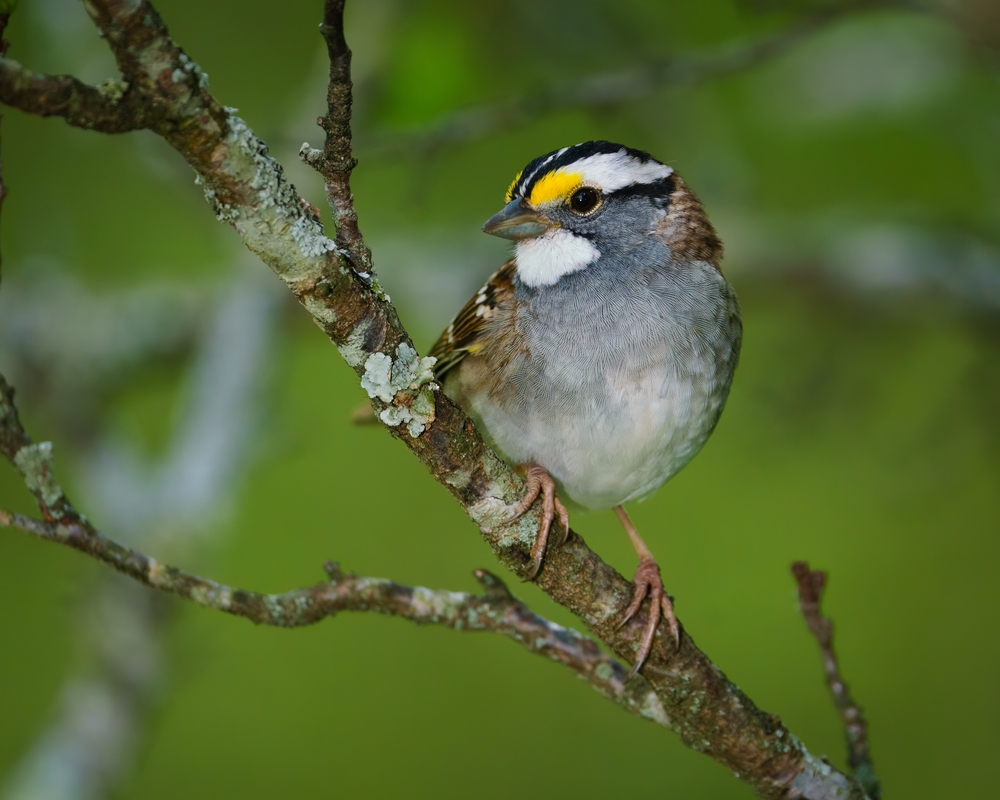
The White-Throated Sparrow brings a soft and recognizable song that many people notice right away. Its striped head and bright throat patch make it easy to identify once you get a clear look. These birds often appear in wooded areas, gardens, and feeders during early migration periods. Seeing one early in the season can feel comforting and familiar. Their presence often comes with a gentle shift in sound across the landscape.
They feed on seeds and insects, often scratching at the ground in search of food. Their song carries clearly through quiet areas, making them easier to locate even when hidden. Early arrivals may only stay briefly before continuing their journey north. This short visit can make each sighting feel more meaningful. Watching one pause and sing can feel like a quiet moment worth holding onto.
Chipping Sparrow
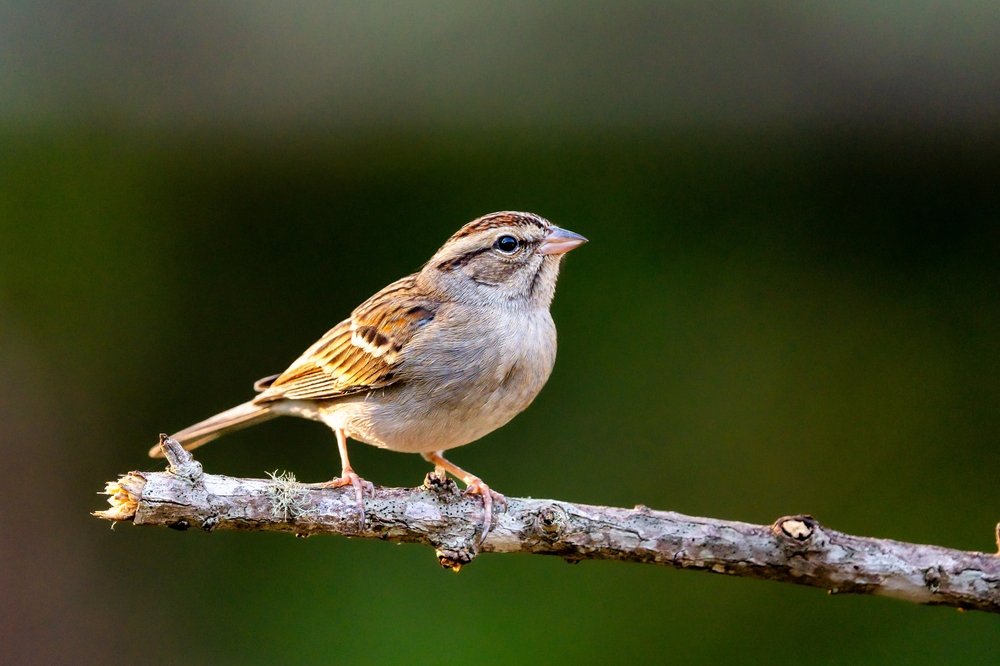
The Chipping Sparrow is small but noticeable, with clean markings and a bright cap that stands out in the right light. It often appears in yards, parks, and open spaces as the season begins to change. These birds move quickly, hopping between branches and the ground in short bursts. Seeing one early can feel like a simple but welcome sign of change. Their presence adds a light sense of activity to quiet areas.
They feed on seeds and small insects, adjusting their diet as food becomes more available. Their call is a steady trill that blends into the background but becomes clear once recognized. Early sightings often happen near shrubs and trees where they find cover and food. Groups may gather in small numbers, creating brief moments of movement. Watching them move through a space can make it feel more alive.
Great Egret
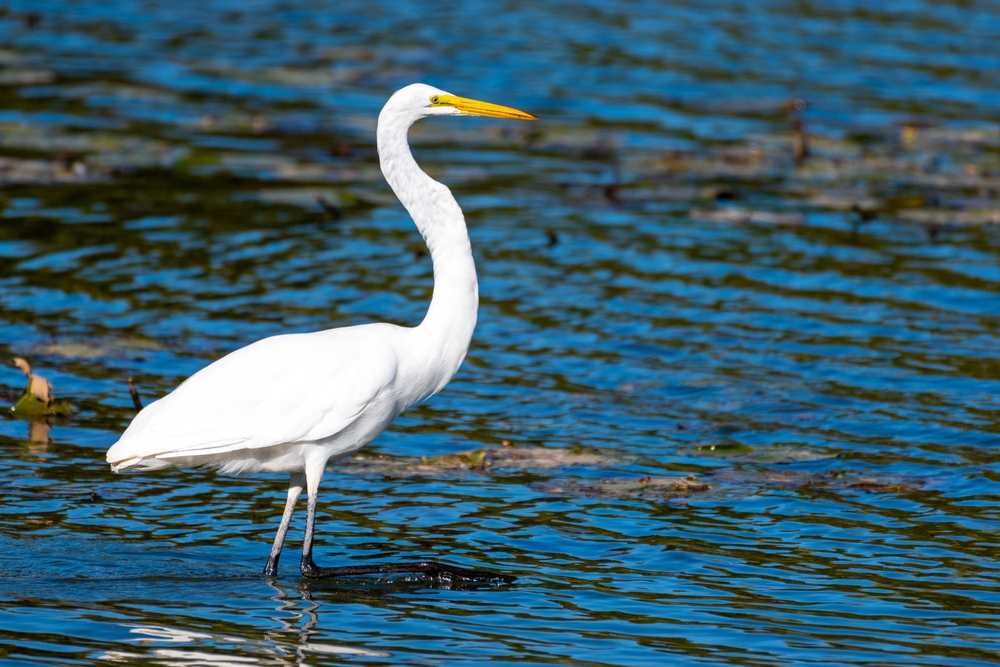
The Great Egret stands tall with bright white feathers that catch the light, making it easy to notice near water. Its slow, careful movements create a strong contrast with faster birds returning at the same time. Seeing one early in the season can feel striking because of its size and calm presence. It often appears alone, adding to the sense of focus when watching it. A single sighting can hold your attention longer than expected.
These birds hunt by standing still and waiting for fish or small animals to come close before striking quickly. They are commonly found in wetlands, rivers, and coastal areas where food is available. Early sightings often happen as water levels shift and activity increases. Their return brings a quiet sense of balance to these environments. Watching one step slowly through shallow water can feel like a moment worth pausing for.
This article originally appeared on Avocadu.