
11 Early Pollinator Steps to Take Before Flowers Open
Early spring is a critical time for pollinators, since many bees and beneficial insects emerge before most flowers begin to bloom. During this transition period, food sources are limited, and shelter becomes especially important. Taking simple early pollinator steps can help protect nesting habitats, provide alternative nectar sources, and reduce stress on fragile insect populations. By preparing your garden before flowers open, you support bees, butterflies, and other pollinators when they need it most.
This post may contain affiliate links, which helps keep this content free. Please read our disclosure for more info.
Leave Leaf Litter in Place
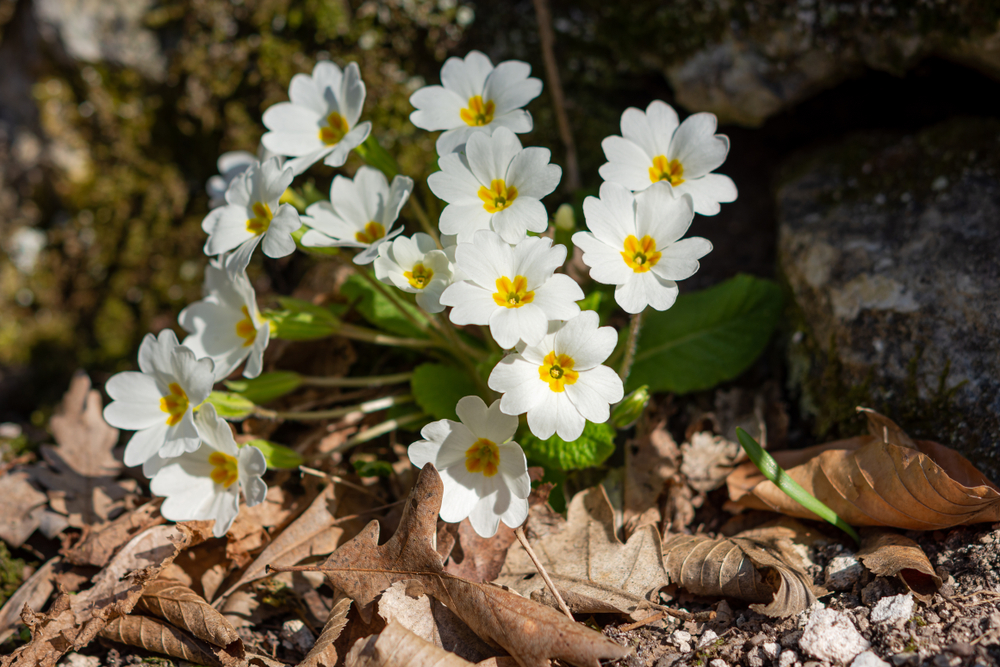
Many native bees, beetles, and other beneficial insects spend winter tucked beneath fallen leaves where temperatures stay more stable than in the open air. As the soil begins to warm in late winter, these insects slowly wake and move upward, often before the first garden blooms appear. If leaf litter is removed too soon, their shelter disappears at the exact moment they are most vulnerable. The layer of leaves also protects pupae and larvae from drying winds and sudden cold snaps that can still arrive in early spring.
Instead of clearing every bed at once, allow leaves to remain beneath shrubs, trees, and perennial borders until daytime temperatures stay consistently mild. You can gently thin heavy piles without exposing the soil completely. This approach gives emerging pollinators time to orient themselves and find early food sources. Early survival plays a direct role in how many bees and beneficial insects are available to pollinate flowers once they open.
Delay Cutting Back Hollow Stems
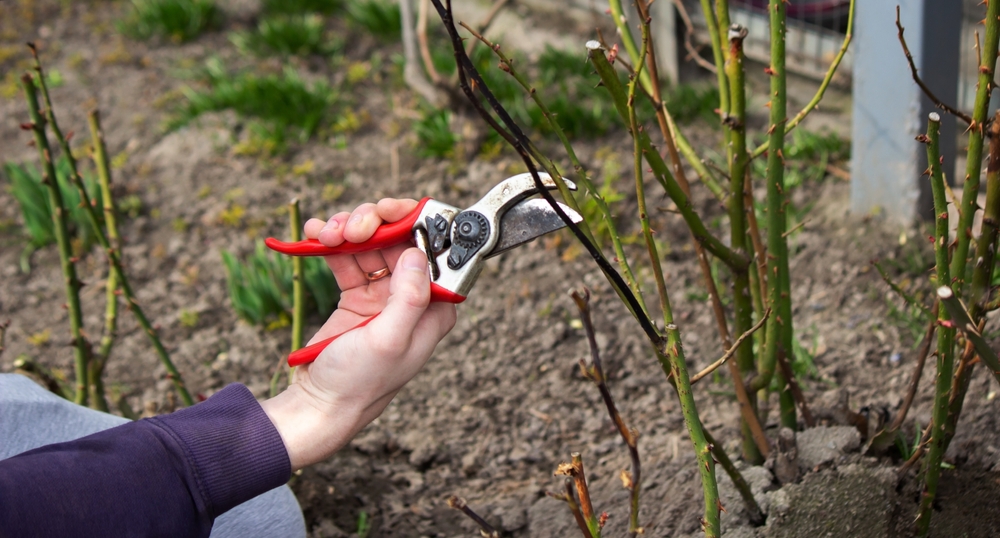
Last year’s flower stalks may look dry and lifeless, yet many solitary bees nest inside those hollow stems. Throughout winter, developing larvae remain sealed within these narrow chambers, protected from predators and harsh weather. When warmth returns, adult bees chew their way out, often weeks before most garden plants bloom. Cutting stems too early can destroy an entire generation before it has a chance to emerge.
Waiting until temperatures regularly reach around 50 degrees during the day gives bees the signal to exit naturally. When you do trim, cut stems a few inches above the ground so some hollow sections remain available for future nesting. You can also bundle trimmed stems and place them in a quiet corner to allow any remaining insects to leave safely. Protecting these nesting sites early in the season strengthens local bee populations before flowering begins.
Provide Shallow Water Sources
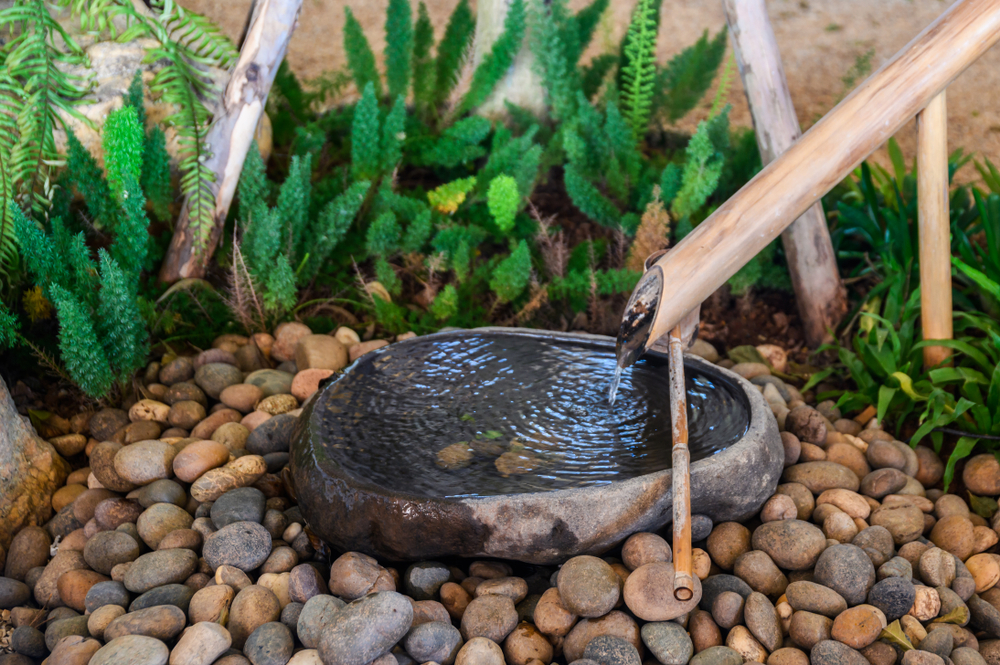
As insects wake from dormancy, hydration becomes just as important as food. Early spring air can be dry, and natural puddles may be scarce. A shallow dish filled with water and small stones gives bees and butterflies a safe place to land and drink without drowning. Access to water helps insects regulate body temperature as they adjust to shifting seasonal conditions.
Place water sources in sheltered spots near garden beds where emerging insects are likely to travel. Refresh the water regularly to prevent stagnation. Even before flowers bloom, this steady water supply supports survival during a time when natural resources are limited. Simple access to moisture can mean the difference between a weak start and a strong pollinator presence later in spring.
Plant Early Blooming Native Shrubs
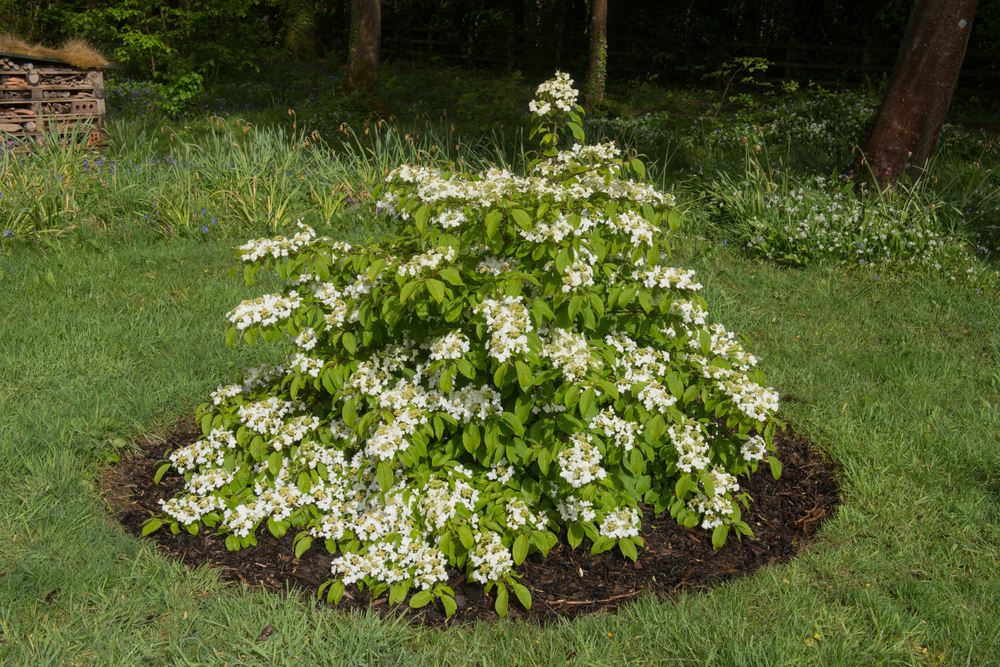
Some insects emerge when only the earliest shrubs are beginning to bud. Native species such as willows, serviceberries, and red maples produce pollen and nectar earlier than many ornamental plants. These first blooms provide essential energy for bees that have just emerged from winter rest. Without early flowering plants, insects may struggle to find enough nourishment to survive.
Planting native shrubs that bloom before most perennials gives pollinators a dependable food source. These plants are often better suited to local climates and bloom in sync with native insects. Early nectar and pollen allow bees to build strength before the main flowering season begins. A garden that includes these shrubs becomes a bridge between winter dormancy and full spring bloom.
Avoid Early Season Chemical Sprays
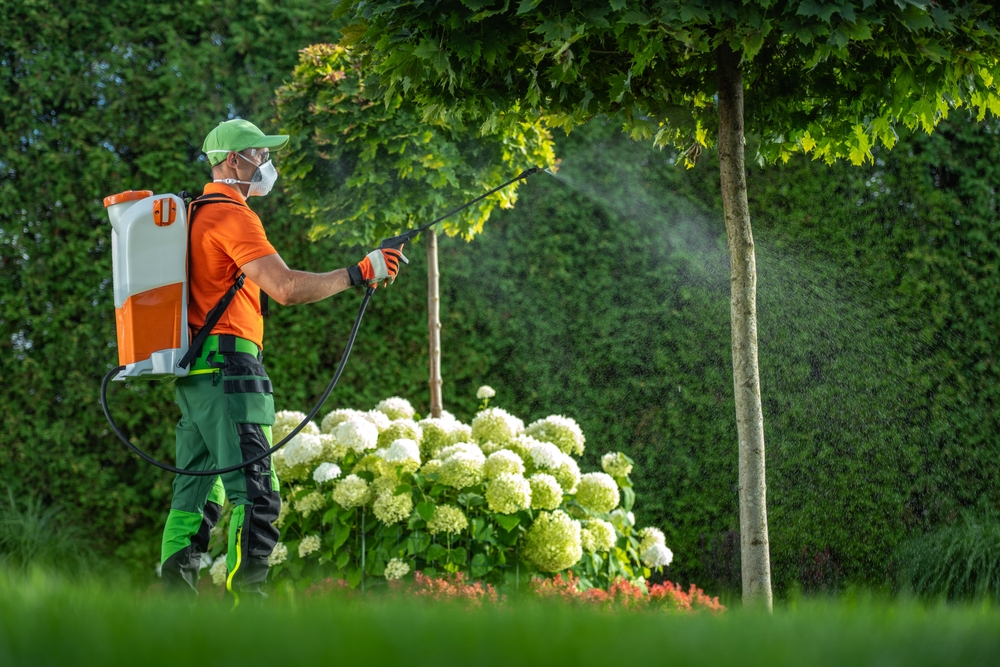
In early spring, insects are adjusting to temperature changes and limited food supplies. Applying pesticides or herbicides during this sensitive window can harm pollinators that are already under stress. Even treatments aimed at pests may affect beneficial insects that are just beginning to forage. Chemical exposure at this stage can reduce pollinator numbers before flowers even open.
Delaying or eliminating chemical applications gives pollinators a safer environment to reestablish activity. Focus instead on hand removal of weeds or physical barriers if needed. Early restraint protects fragile insect populations during their most vulnerable period. Healthy pollinator communities depend on reduced chemical exposure at the start of the growing season.
Preserve Bare Soil Patches
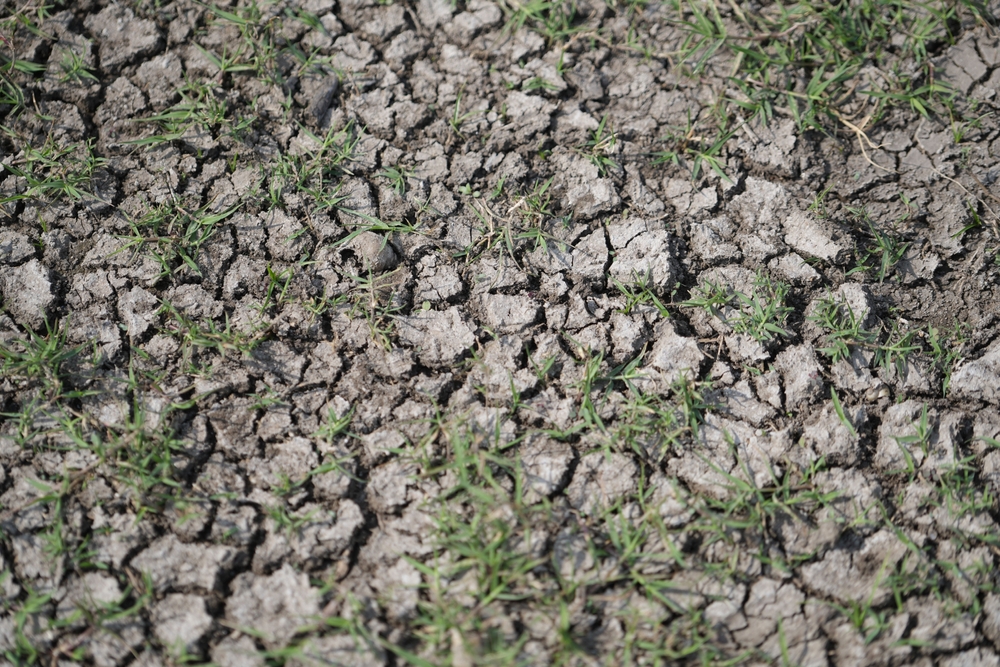
Many native bees nest directly in the ground rather than in hives. They look for undisturbed, well-drained soil where they can dig small tunnels. Covering every inch of garden space with heavy mulch removes potential nesting sites just as bees begin searching for places to lay eggs. Early in the season, access to exposed soil is essential.
Leaving small, sunny patches of bare ground allows ground-nesting bees to establish nests before plant growth fills in. Choose areas that are unlikely to be stepped on or flooded. These simple soil openings provide shelter long before flowers appear. Supporting nesting early ensures pollinators are ready when bloom time arrives.
Install Bee Hotels Before Spring
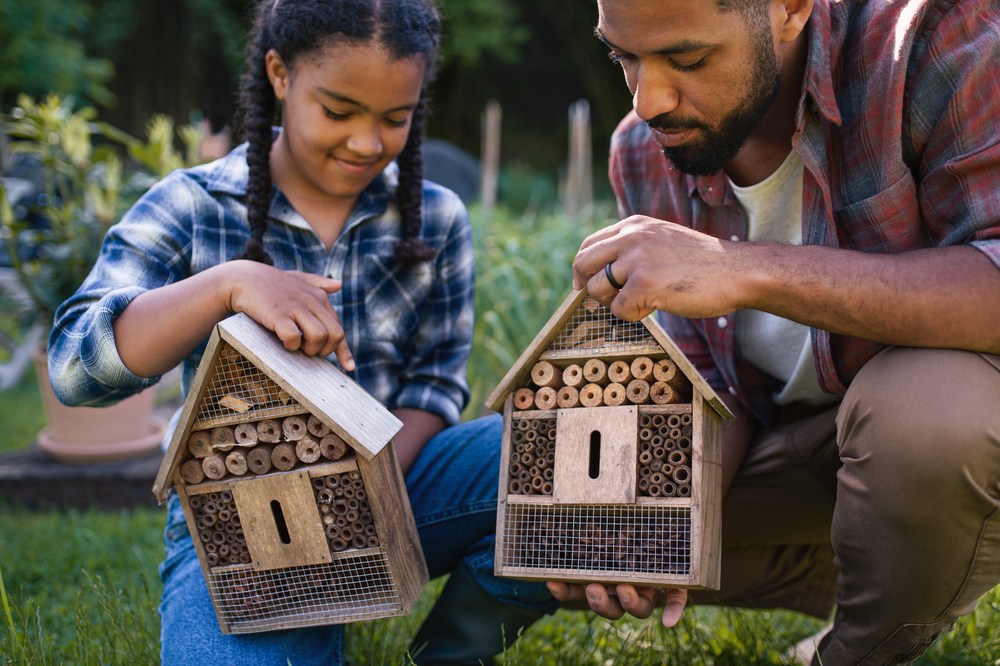
Artificial nesting structures, such as bee hotels, can support solitary species when natural stems or wood cavities are limited. Installing them before insects emerge gives bees immediate options as they search for nesting sites. Placement matters, since bee hotels should face the morning sun and remain sheltered from heavy rain. Early setup increases the likelihood that bees will use them.
Check that nesting tubes are clean and dry before the season begins. Position the structure securely so it does not sway in the wind. By providing safe nesting spots ahead of bloom time, you support the entire reproductive cycle. Early preparation helps sustain pollinator numbers throughout spring and summer.
Let Early Weeds Bloom Briefly
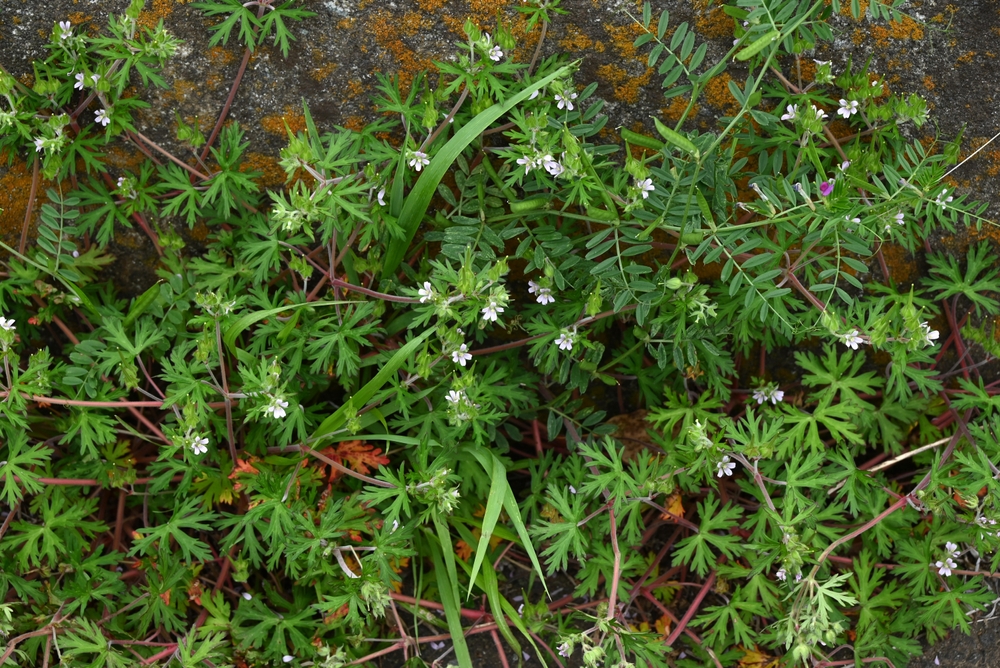
Plants often labeled as weeds, such as dandelions and chickweed, bloom earlier than many cultivated flowers. These early blooms can serve as critical food sources for emerging bees. Removing them immediately leaves insects with very few nectar options. Allowing them to flower briefly provides nourishment during a lean period.
You can mow or remove them later once other plants begin blooming. The goal is to bridge the gap between winter and full garden flowering. Early tolerance supports insects when natural food is scarce. This temporary pause in weed control strengthens pollinator survival.
Create Wind Shelters
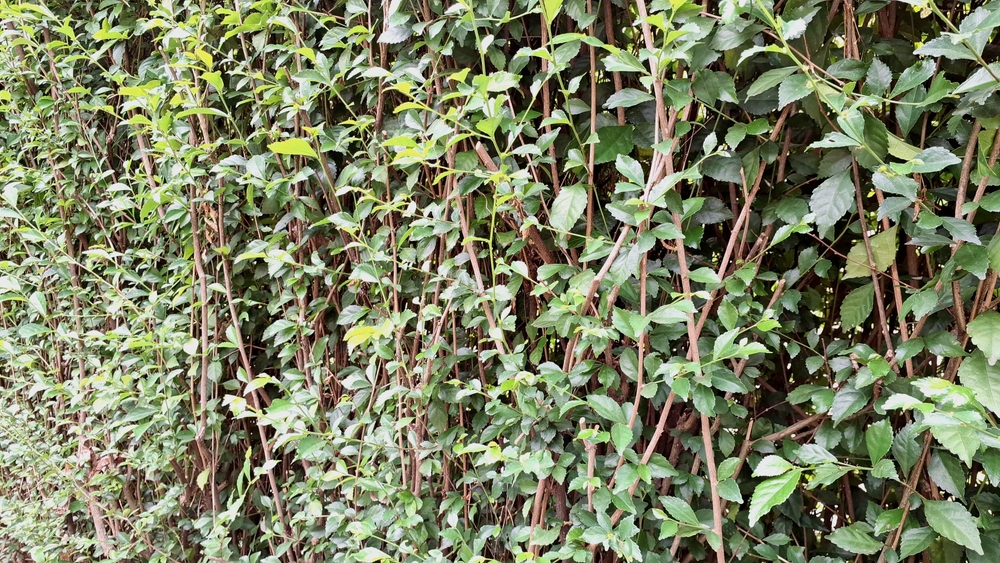
Cold winds in early spring can reduce pollinator activity and make foraging difficult. Shrubs, fences, and hedges offer protection that helps insects conserve energy. Sheltered microclimates warm more quickly, encouraging earlier activity. Providing these calm spaces supports pollinators before widespread blooms appear.
Consider planting hedgerows or placing garden beds near existing structures. Even small barriers can create warmer pockets of air. Early protection from wind improves feeding and nesting success. A calmer environment supports steady pollinator recovery after winter.
Add Early Flowering Bulbs
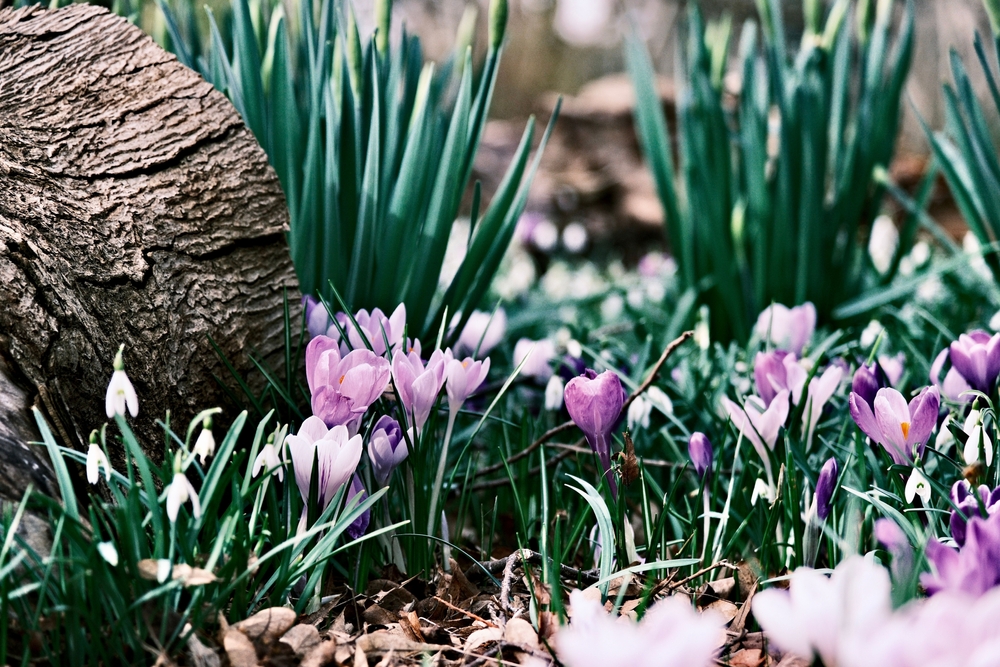
Bulbs such as crocus and snowdrops bloom when little else is available. Their nectar and pollen offer one of the first dependable food sources of the year. Many bees emerge just as these flowers open, making timing especially important. Without early blooms, insects may exhaust stored energy reserves.
Planting bulbs in the fall prepares the garden for spring support. Clusters of early flowers attract pollinators and help them regain strength. These blooms act as stepping stones until larger shrubs and perennials open. Early planting decisions shape pollinator success months later.
Provide Natural Wood Habitat
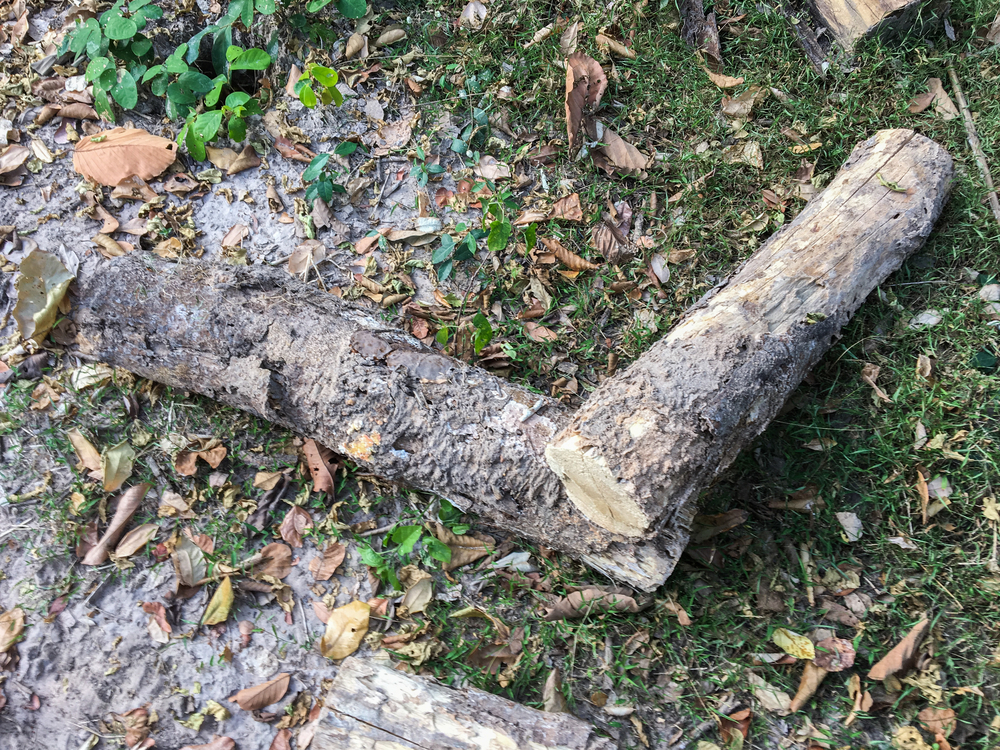
Decaying logs and fallen branches often house overwintering insects. Removing all woody debris can eliminate important shelter. As temperatures rise, many beetles and solitary bees emerge from these protected spaces. Keeping some natural wood in place supports biodiversity.
Place logs in quiet corners where they can remain undisturbed. Over time, they create nesting cavities and feeding grounds. Early-season habitat stability allows insects to transition smoothly into active life. Maintaining natural materials strengthens pollinator populations from the start.
This article originally appeared on Avocadu.