
15 Early March Garden Pests To Watch For And How To Prevent Them
Early March often feels like the real start of the gardening season as the soil slowly warms and new growth begins to appear. At the same time, small insects and other pests begin moving through garden beds and young plants. Catching these problems early can make a big difference in keeping plants healthy. With a little attention now, it becomes easier to protect seedlings, vegetables, and flowers.
This post may contain affiliate links, which helps keep this content free. Please read our disclosure for more info.
Aphids
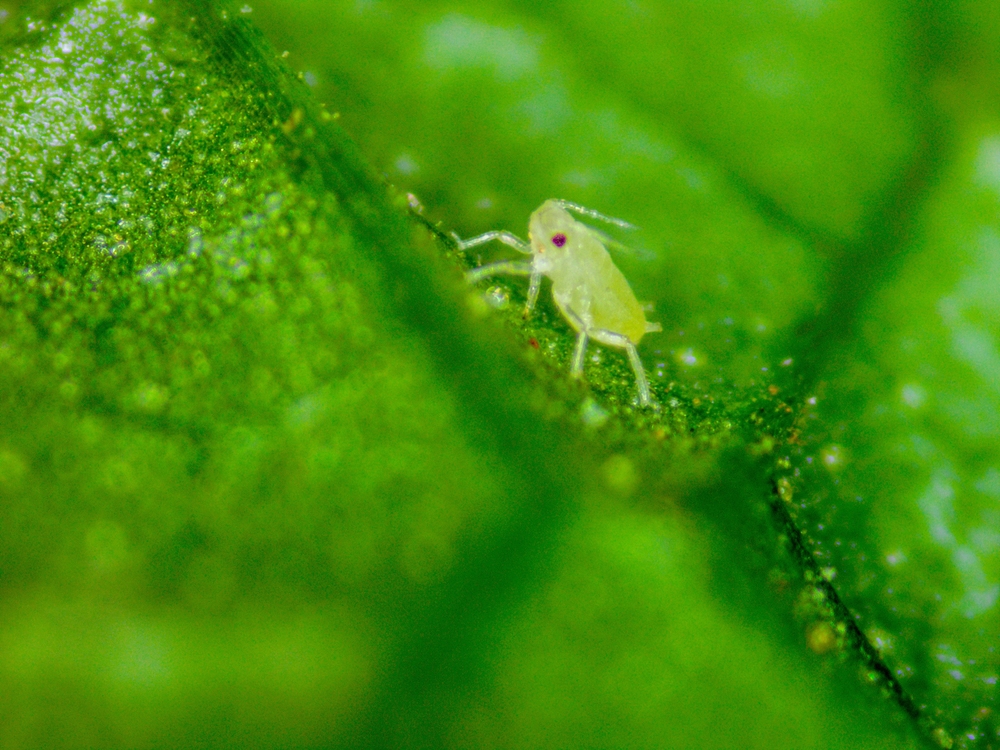
Aphids are among the first insects that appear when temperatures slowly begin rising in early March. These small pear-shaped insects gather in clusters along tender stems, new buds, and the undersides of young leaves, where plant tissue is soft and easy to feed on. They feed by piercing the plant and drawing sap, which can lead to curled leaves, slowed growth, and weak stems if populations grow unchecked. A sticky substance known as honeydew often appears on leaves and nearby surfaces, which can attract ants and lead to dark fungal growth on the plant.
Regular inspection of new growth is one of the most effective ways to catch aphids early before they spread across the garden. A steady stream of water from a hose can knock large numbers of leaves off plants and greatly reduce their presence without harming the plant. Encouraging beneficial insects such as lady beetles and lacewings also helps keep aphid numbers in balance since these insects feed heavily on them. Healthy soil, steady watering, and strong plant growth help plants tolerate minor feeding while natural predators keep populations under control.
Slugs
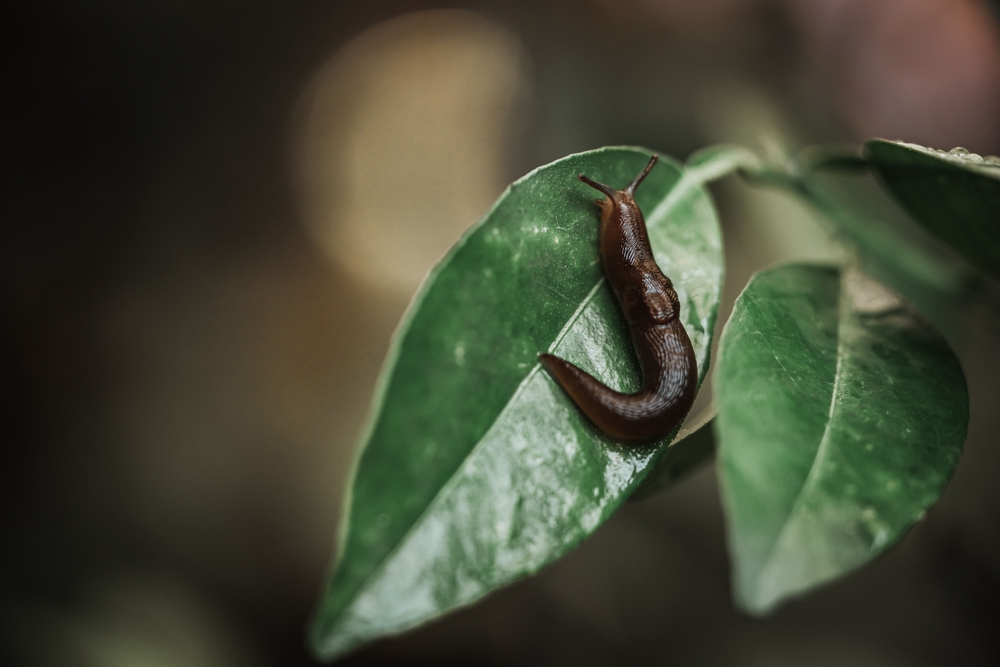
Slugs become very active once the soil begins to warm and spring moisture remains in the garden. These soft-bodied pests move quietly at night and chew large, irregular holes through leaves, especially on tender plants such as lettuce, spinach, and young flower seedlings. During the day, they hide beneath boards, stones, thick mulch, or dense plant debris where moisture remains trapped. Their presence is often revealed by shiny slime trails across soil, containers, and plant leaves in the early morning.
Keeping the garden tidy greatly reduces places where slugs hide during daylight hours. Removing heavy piles of leaves, old plant stems, and boards near planting beds helps expose them to natural predators such as birds and beetles. Traps made from shallow dishes filled with beer can attract slugs overnight and reduce their numbers. Evening garden checks with a flashlight can also help remove them by hand before they feed on new plants.
Cutworms
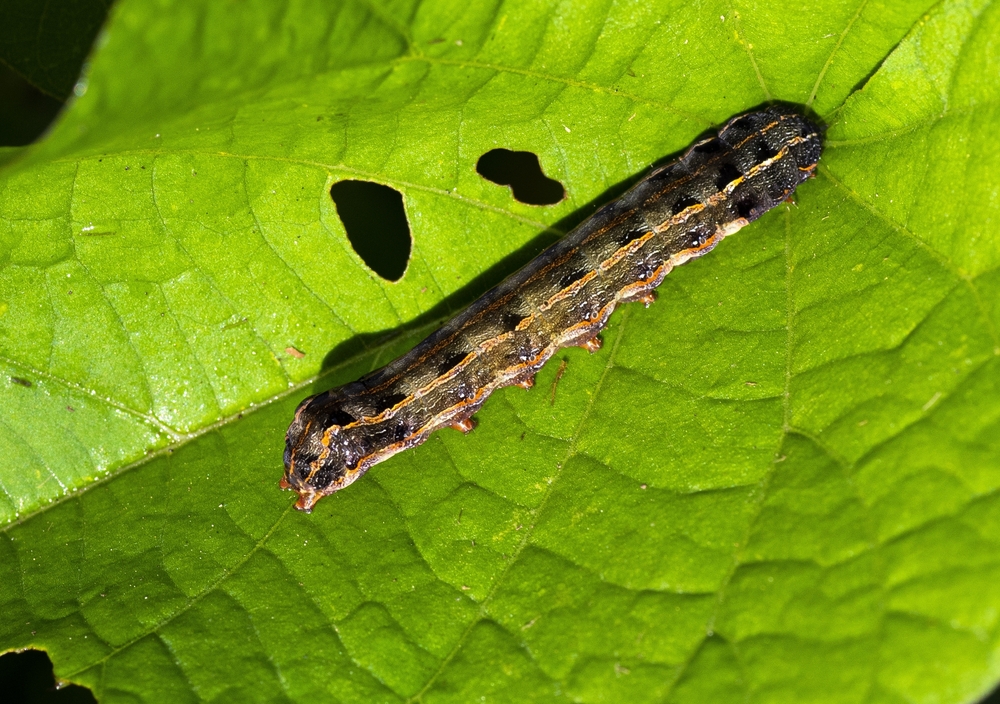
Cutworms are thick caterpillars that live just beneath the soil surface and feed mainly during the night. These pests are well known for cutting through the stems of young seedlings at ground level, leaving small plants collapsed on the soil the next morning. Early spring gardens that contain newly planted vegetables are especially vulnerable to this type of damage. Plants such as tomatoes, peppers, cabbage, and beans are common targets once seedlings begin growing.
Gardeners can prevent much of this damage by placing small protective collars around the base of young plants. Simple collars made from cardboard or plastic cups pushed slightly into the soil can block the caterpillars from reaching the stem. Turning the soil lightly before planting can expose hidden larvae to birds and other natural predators. Keeping weeds under control also removes hiding places where these caterpillars spend their early life stages.
Flea Beetles
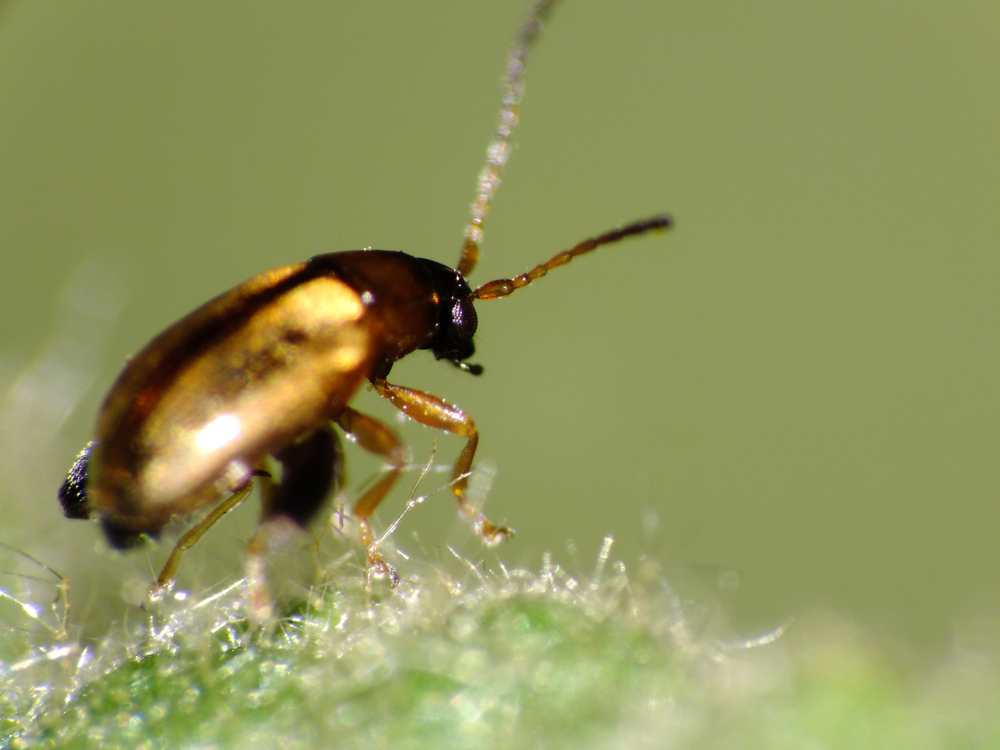
Flea beetles are tiny, shiny insects that jump quickly when disturbed, much like small fleas. Their feeding leaves dozens of tiny holes scattered across plant leaves, giving the surface a speckled or peppered appearance. Early spring seedlings of leafy greens, radishes, and eggplant are particularly attractive to them because the leaves are thin and tender. Large numbers of these beetles can slow plant growth by damaging the leaf surface that produces energy for the plant.
One of the best ways to prevent damage is by covering young plants with lightweight garden fabric during the early weeks of growth. These covers allow sunlight and water to pass through while blocking insects from reaching the plants. Healthy soil and steady watering help seedlings grow quickly and outgrow minor feeding damage. Cleaning up garden debris from the previous season also removes places where flea beetles spend the colder months.
Spider Mites
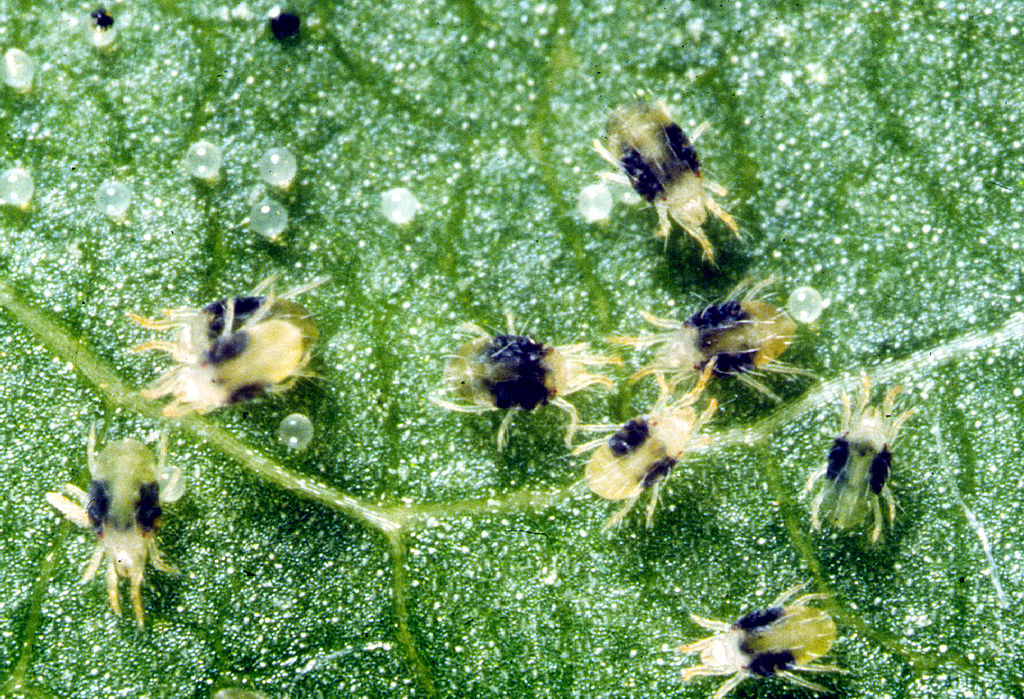
Spider mites are extremely small pests that often go unnoticed until visible damage appears on the leaves. They feed on plant tissue and cause pale speckled markings across the surface of leaves as they remove plant juices. In larger infestations, very fine webbing may appear between stems and leaf joints. Warm sunny afternoons during early spring can encourage their activity on vegetables, flowers, and shrubs.
Spraying plants with a steady stream of water helps remove mites and break up their webbing. This simple step often lowers their numbers quickly if done regularly. Plants that receive steady watering and good air circulation tend to suffer less damage because they remain healthier overall. Regularly checking the undersides of leaves allows gardeners to notice the first signs before the problem spreads through nearby plants.
Cabbage Worms
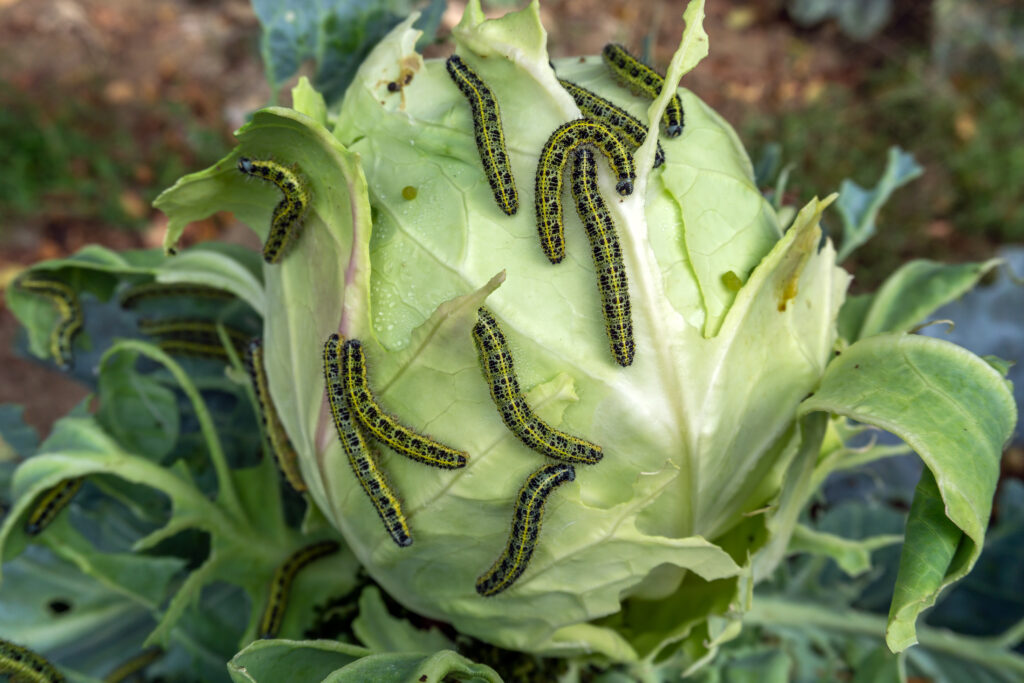
Cabbage worms are green caterpillars that blend easily with leafy vegetables. They are the larvae of white butterflies often seen fluttering through the garden in early spring. These caterpillars chew holes in leaves and can hide deep within cabbage heads or clusters of kale and broccoli leaves. Their feeding may go unnoticed at first because their green color allows them to blend closely with plant foliage.
Regular inspection of the leaves is one of the most reliable ways to catch cabbage worms early. Gardeners often turn over leaves and check along stems where the caterpillars hide during the day. Covering crops with garden fabric can keep butterflies from laying eggs on the plants. Hand removal remains a very effective method when populations are still small.
Whiteflies
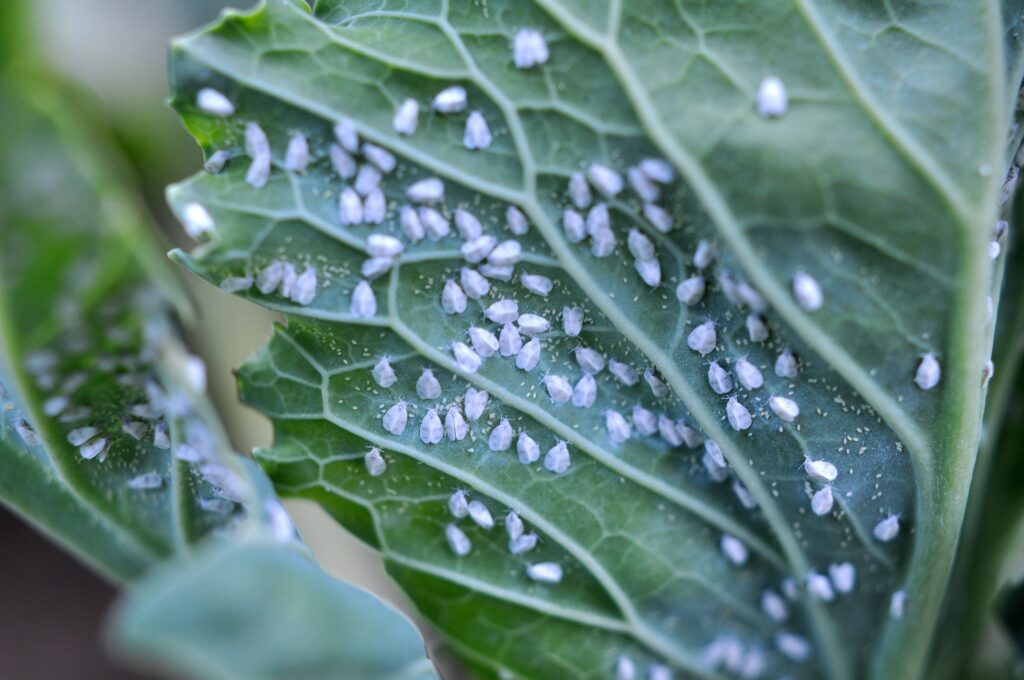
Whiteflies are tiny winged insects that gather on the underside of plant leaves. When a plant is disturbed they quickly lift into the air in a small cloud before settling again. These insects feed on plant sap and may cause yellowing leaves, weak growth, and sticky honeydew residue on nearby surfaces. Seedlings grown in greenhouses or protected garden beds are often the first to attract them in early spring.
Yellow sticky cards placed near plants can help detect their presence before damage becomes severe. Gentle sprays of water directed under the leaves can reduce their numbers by knocking them away from the plant. Good spacing between plants improves air movement and makes conditions less comfortable for them. Removing heavily affected leaves also helps prevent the insects from spreading across nearby plants.
Leaf Miners
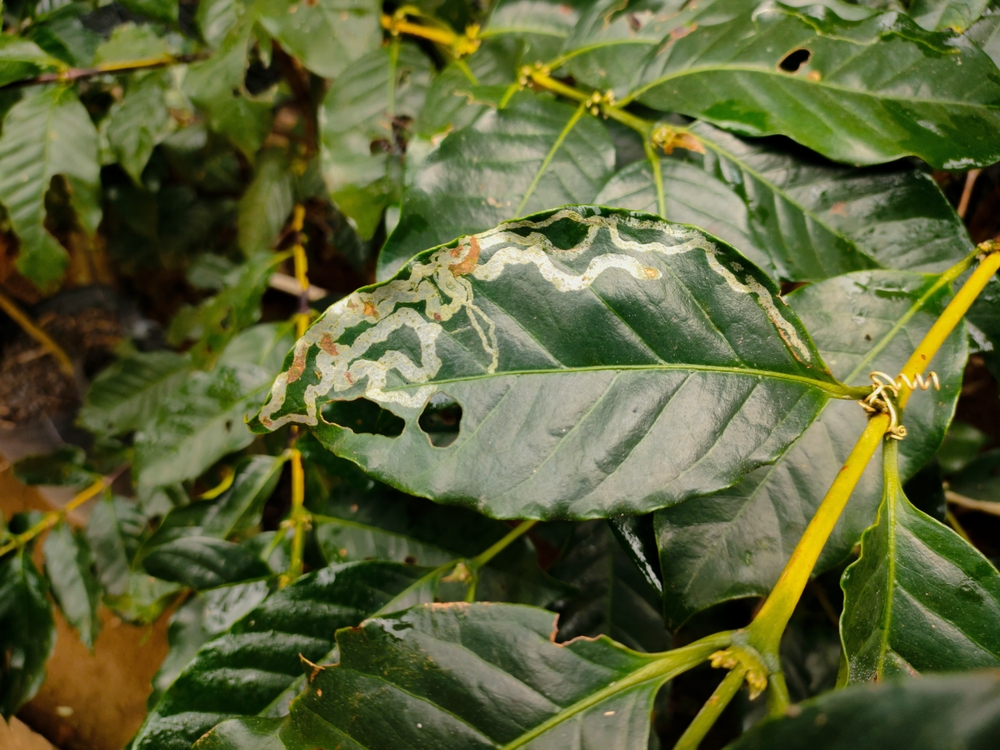
Leaf miners are small larvae that live inside the leaf itself and feed between the upper and lower layers of plant tissue. As they move through the leaf, they create winding pale trails that look like thin tunnels drawn across the surface. These marks often appear first on crops such as spinach, chard, beet greens, and sometimes young lettuce during the early part of the growing season. Although the damage may look serious at first glance, plants often remain healthy if the infestation is caught before too many leaves become affected.
Careful observation of leaves every few days makes it much easier to catch this problem early. When the pale trails first appear, removing the damaged leaves can stop the larvae from completing their development and spreading through the garden. Lightweight garden fabric placed over young crops also helps prevent adult flies from laying eggs on fresh leaves. Healthy plants with steady watering and strong growth usually recover well once the damaged foliage is removed.
Thrips
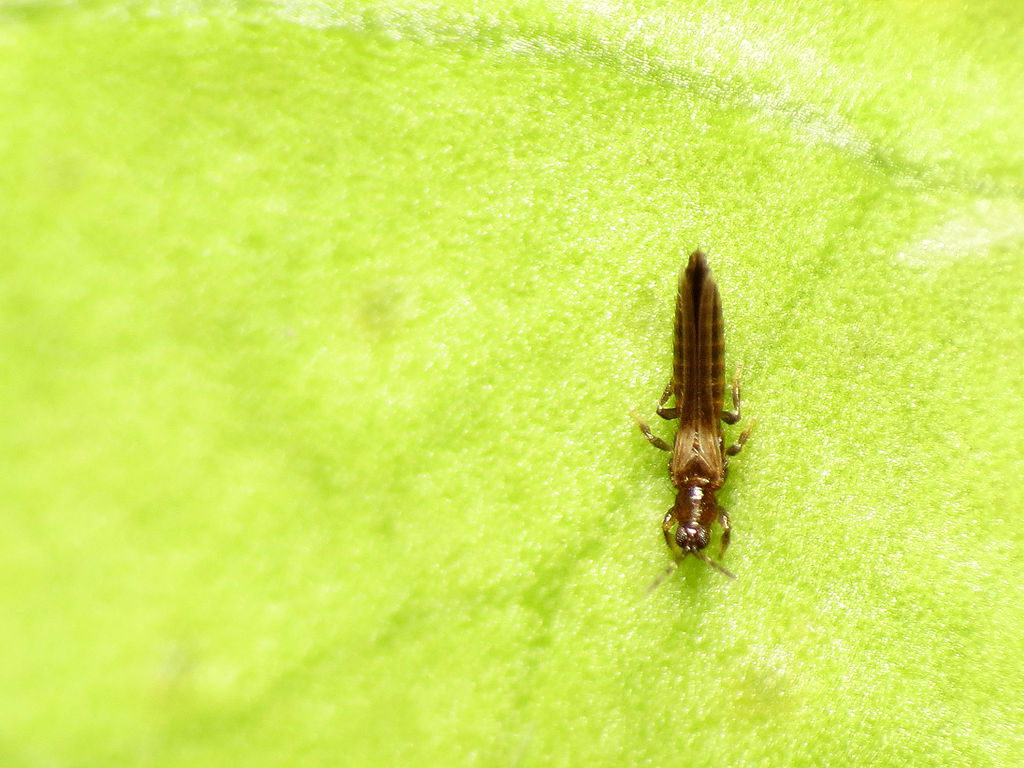
Thrips are extremely small, slender insects that feed by scraping the surface of plant leaves and flowers. This feeding method leaves pale streaks or silvery patches across the leaf surface where plant cells have been damaged. As time passes, these areas may dry out and turn brown, giving the leaves a dull and worn appearance. Early spring flowers, onions, and tender vegetable seedlings often show the first signs once temperatures begin warming.
Regular garden checks are important since thrips are small enough to hide within buds, leaf joints, and tight spaces on the plant. A strong spray of water across leaves and stems can remove many of them and interrupt their feeding activity. Removing weeds and old plant material nearby also reduces areas where these insects reproduce. Reflective mulch placed around certain crops may also discourage them from settling on the plants.
Earwigs
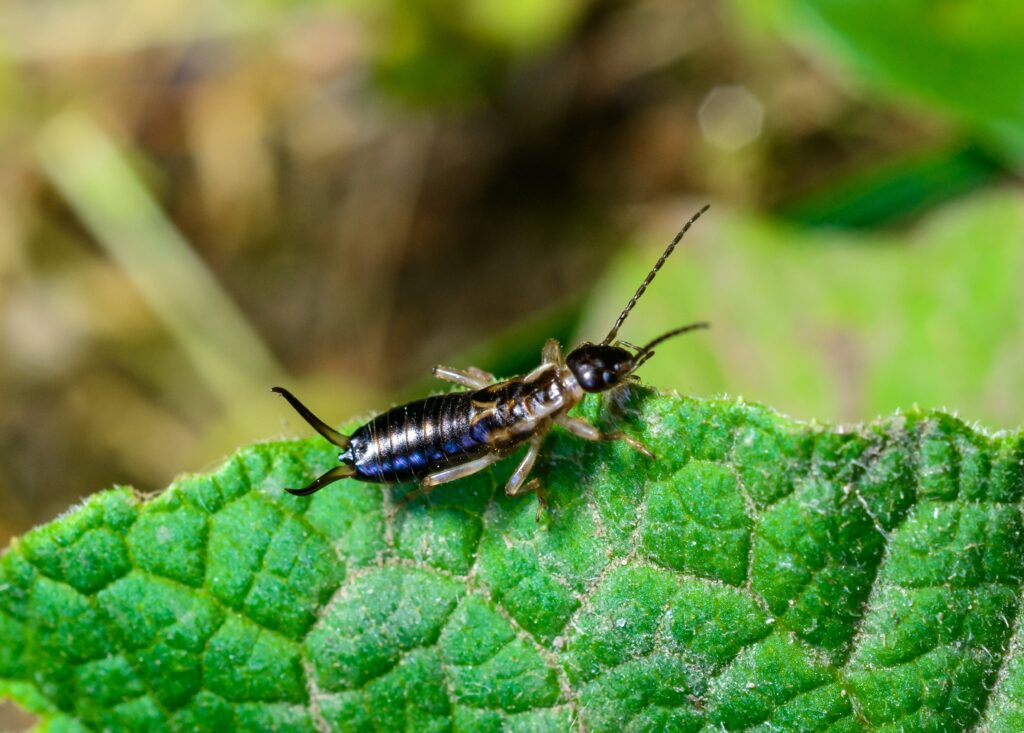
Earwigs are nighttime feeders that hide during the day in dark, moist areas around the garden. They often gather beneath mulch, loose boards, plant pots, and piles of damp garden debris. At night, they move onto plants and chew irregular holes in leaves, petals, and tender shoots. Seedlings and leafy vegetables can suffer noticeable damage if earwig numbers increase early in the season.
Reducing places where they hide is one of the simplest ways to keep their numbers under control. Clearing away heavy plant debris and lifting boards or stones near planting beds exposes them to birds and other predators. Traps made from rolled, damp newspaper or cardboard placed near plants often collect several earwigs overnight. These traps can be removed in the morning along with the insects hiding inside.
Scale Insects
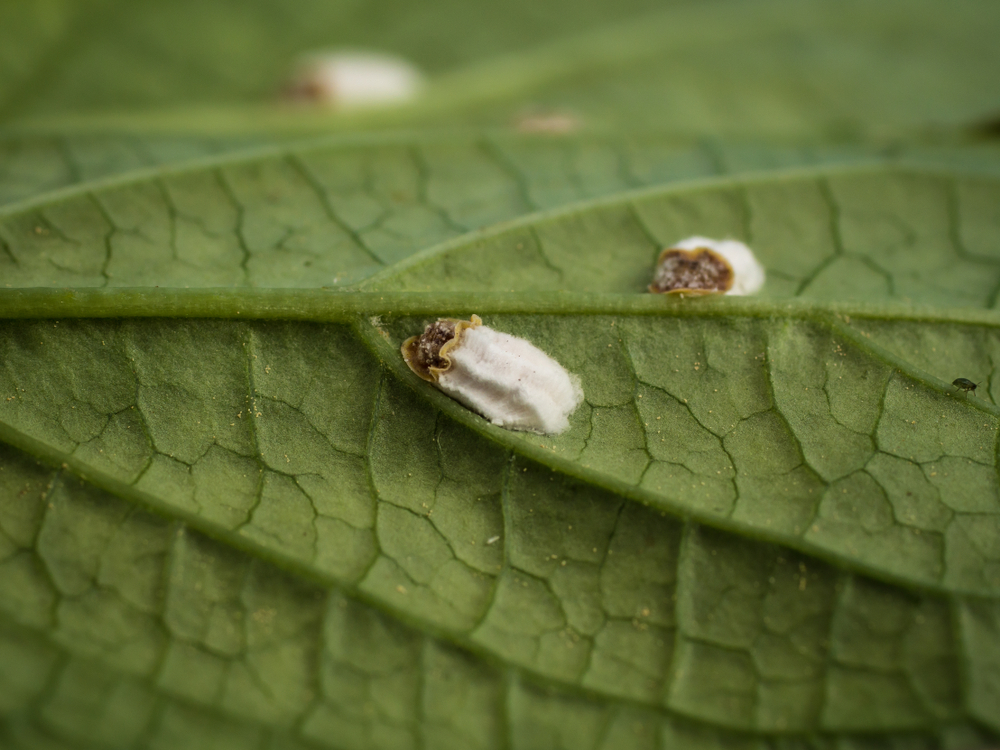
Scale insects appear as small, rounded bumps attached tightly to plant stems or branches. They remain in one place while feeding on plant sap, which slowly weakens the plant over time. Fruit trees, shrubs, and ornamental plants sometimes show the first signs of scale as early spring growth begins. Sticky honeydew on nearby leaves may appear as the insects continue feeding.
Close inspection of stems and twigs during early spring helps locate these insects while their numbers remain small. Pruning away heavily affected branches removes large clusters at once and prevents them from spreading. Dormant oil sprays applied during cooler parts of the season can coat the insects and stop them from breathing. Healthy trees that receive steady watering and proper care often recover well from light infestations.
Leafhoppers
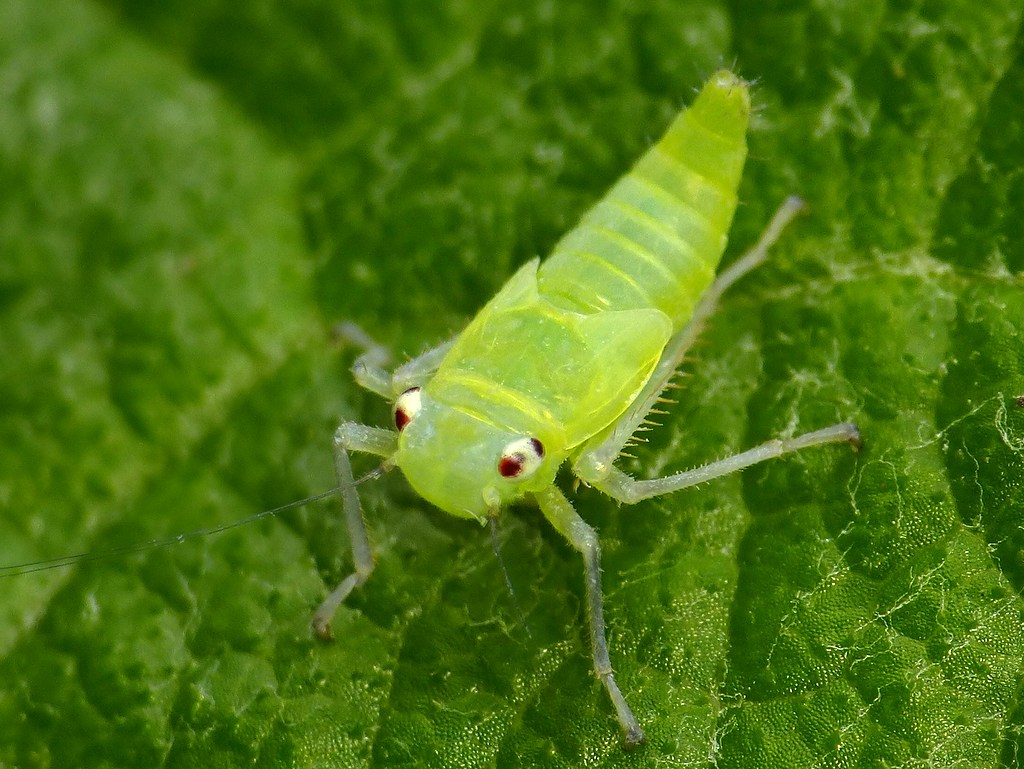
Leafhoppers are quick-moving insects that leap away when a plant is disturbed. They feed on plant sap by piercing the leaf surface and drawing out fluids from the plant tissue. This feeding can leave pale spots across the leaves and may lead to curling or weakened growth in sensitive plants. Vegetables, herbs, and flowering plants may attract them during the first warmer days of early spring.
Strong plant health often helps reduce the visible effects of light feeding. Regular watering and good soil conditions allow plants to recover from minor damage more easily. Removing weeds near garden beds limits places where leafhoppers lay eggs and develop. Fine garden netting placed over young crops can also block these insects from landing on the leaves.
Ants
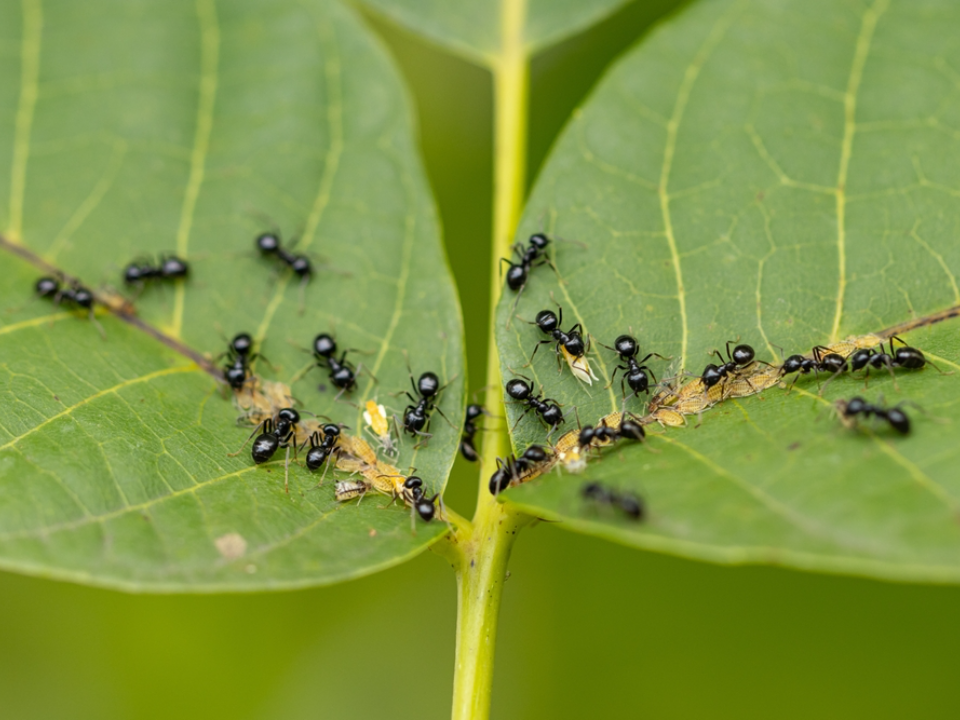
Ants rarely cause direct harm to plants, yet their activity often signals the presence of other insects nearby. They are attracted to the sweet honeydew produced by sap-feeding insects such as aphids and scale. Ants guard these insects and protect them because they feed on the sugary liquid they produce. Long trails of ants moving up plant stems often lead directly to hidden clusters of these pests.
Watching ant trails closely can help gardeners locate the original source of the problem. Once the sap-feeding insects are removed, ant activity usually drops quickly as their food source disappears. Disturbing nests in the soil and watering the area may encourage the colony to relocate. Keeping the garden free of fallen fruit and sugary residue also helps reduce their interest in the area.
Root Maggots
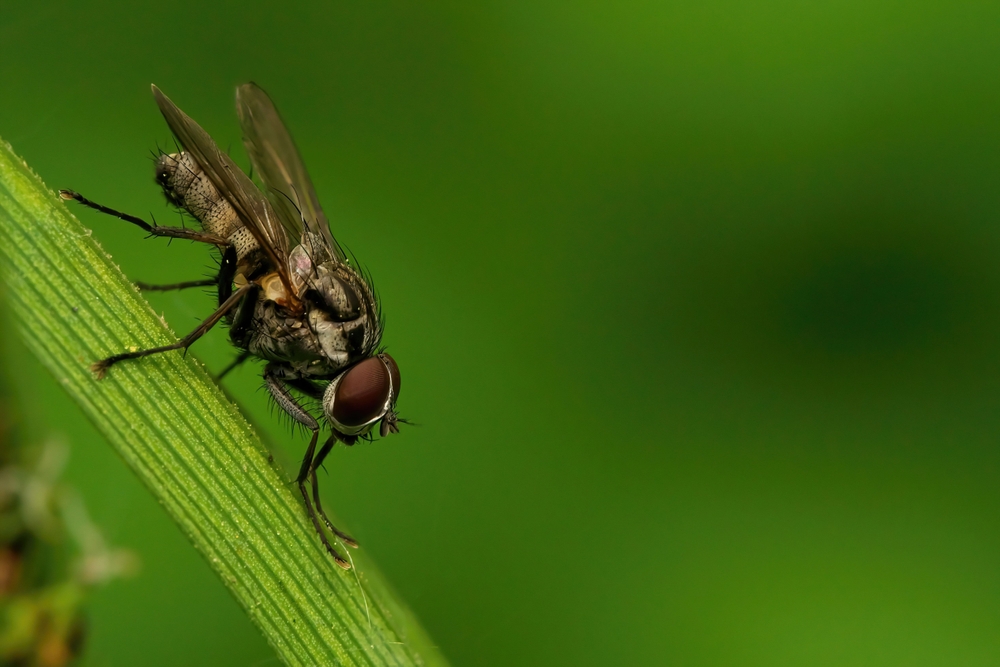
Root maggots are the underground larvae of small flies that lay eggs near the base of certain vegetable crops. After hatching, the larvae move into the soil and feed on plant roots, where the damage remains hidden from view. Plants such as cabbage, onions, and radishes may wilt or grow slowly even when soil moisture appears normal. Early spring plantings often face the highest risk since the flies are active during cool weather.
Lightweight row covers placed over newly planted beds help prevent adult flies from laying eggs near the plant stems. Rotating crops each season also reduces the chance that larvae remain in the same location year after year. Removing severely damaged plants limits the number of larvae that survive in the soil. Healthy soil with good drainage gives nearby plants a better chance to recover from minor root feeding.
Mealybugs
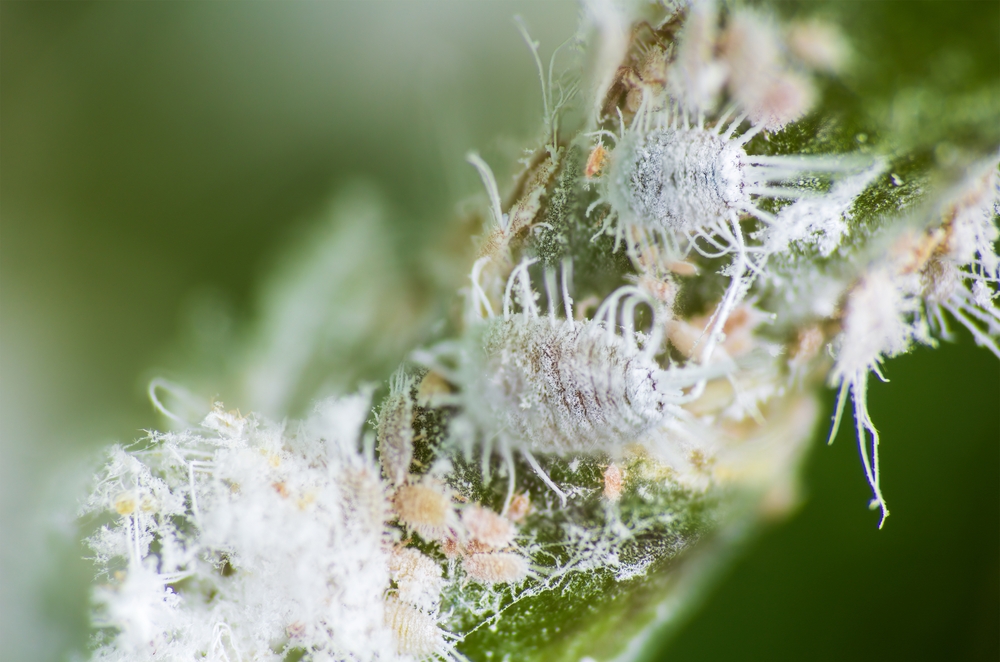
Mealybugs appear as small white cotton-like clusters along plant stems and leaf joints. Their soft bodies are covered with a waxy coating that protects them while they feed on plant sap. As they feed, they release sticky honeydew that may collect on leaves and nearby surfaces. Indoor seedlings and greenhouse plants often show signs before outdoor garden plants do.
Regular inspection of stems and leaf joints helps detect these insects while numbers remain small. Small groups can be removed by gently wiping them away with a cotton swab dipped in alcohol. Rinsing plants with water can also wash many of them away from the stems. Plants that receive good airflow and balanced care often experience fewer problems with these pests.
This article originally appeared on Avocadu.