
14 Early March Garden Jobs That Make April Easier
Early March is the sweet spot for a few quick garden tasks that save you stress later. A little clean up, a bit of pruning, and some soil prep now can make April feel calmer and more organized. Here are 12 to 15 simple jobs you can knock out while the weather is still cool.
This post may contain affiliate links, which helps keep this content free. Please read our disclosure for more info.
Clean Up Winter Debris Without Disturbing Emerging Shoots

Start by lifting out soggy leaves and broken stems with your hands instead of raking hard. A gentle pass keeps you from snapping the first little shoots that pop up near crowns and along edges. If you see any mushy plant bits, toss those in the trash so rot does not spread. Save the dry leaves and small twigs for the compost pile if they are not moldy.
Work in sections so you can stop when the soil feels too wet underfoot. A pair of gloves and a small hand rake help you pull debris out from between plants without yanking roots. Watch for early bulbs like crocus and daffodils since they can hide under leaf piles. When you are done, the bed looks cleaner, warms faster, and is easier to weed later.
Cut Back Perennials You Left Standing for Birds
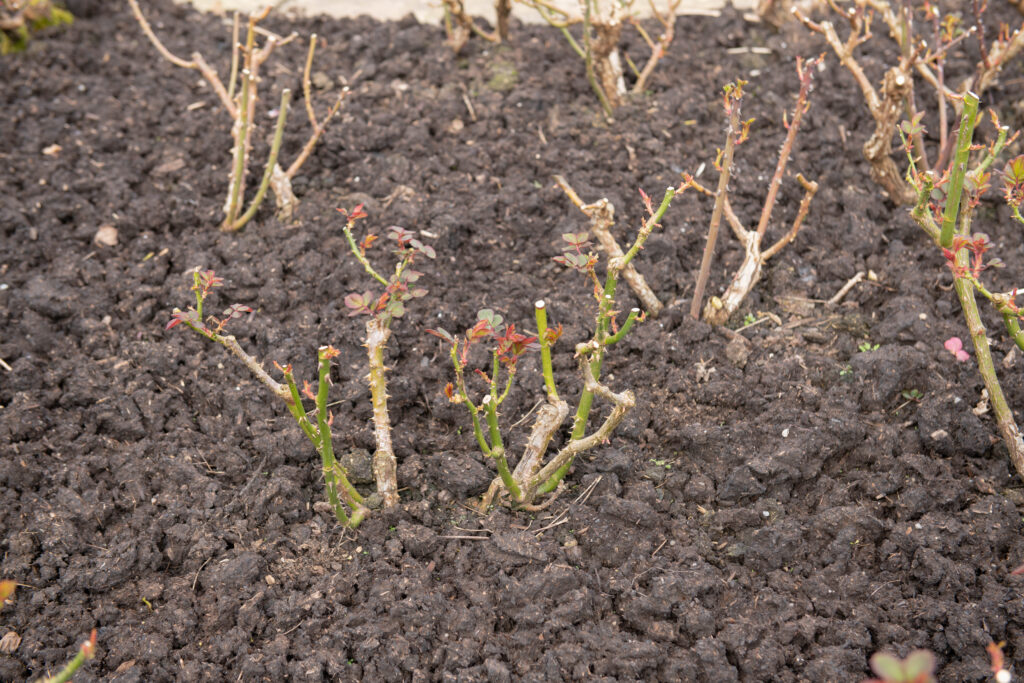
If you left seed heads up for winter, early March is a good time to trim them down. Cut most stems to a few inches above the ground, and aim to leave the new growth untouched. Use clean pruners so you do not smear old disease across the bed. Pile the cut stems on a tarp so cleanup is fast.
Do not worry if the stems look messy at first because the fresh growth will cover the stubs soon. Hollow stems can be chopped into short pieces and tucked in a corner as a simple insect shelter. If you spot green rosettes at the base, cut around them instead of straight across. This quick trim keeps plants from flopping later and makes room for mulch and compost.
Prune Summer Blooming Shrubs Before Buds Swell
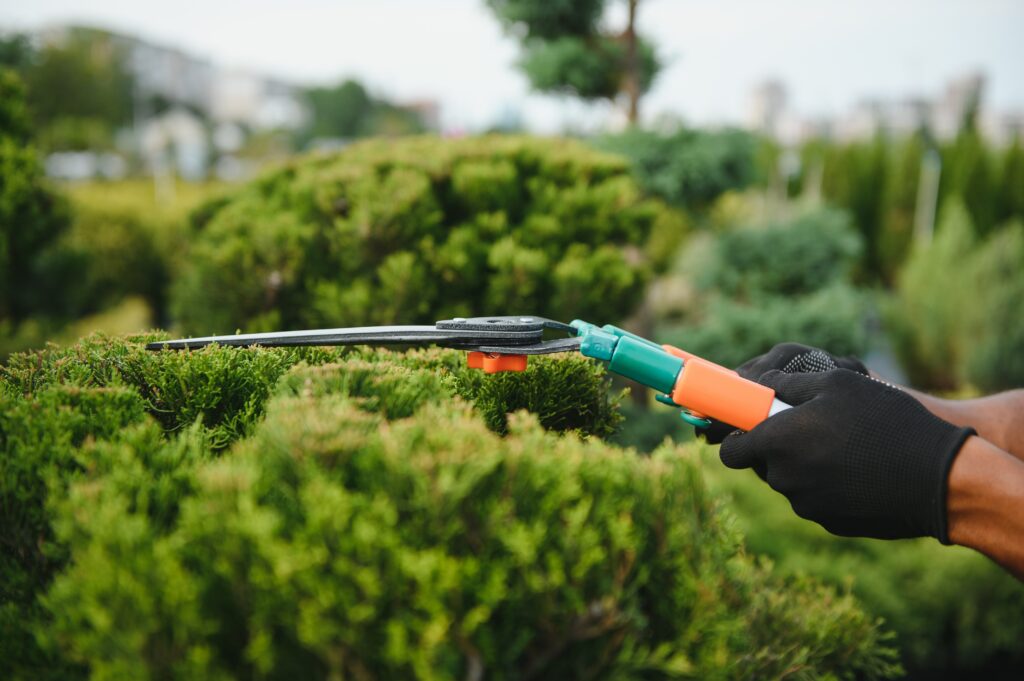
Summer bloomers like butterfly bush and some hydrangeas handle early pruning well, as long as you know what you have. Look for dead wood first and remove it down to healthy tissue. Then thin crowded branches so air can move through the plant once leaves fill in. Keep cuts clean and angled so water does not sit on the cut surface.
Step back every few cuts and check the shape from different angles. If the shrub is leggy, shorten a few long stems more than the rest to keep it from looking like a flat haircut. Do not prune on a freezing day because brittle stems can split in odd ways. A little early trimming now often means more flowers later, plus fewer branches snapping in spring winds.
Hold Off on Spring Blooming Shrub Pruning Until After Flowers Fade
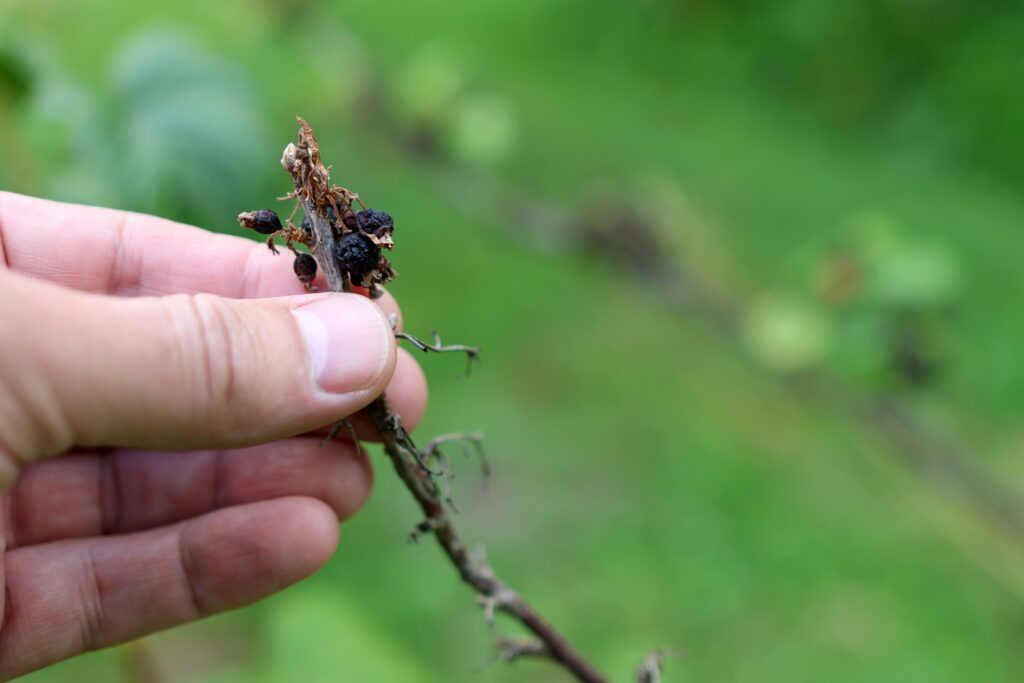
Shrubs that bloom early, like lilac, forsythia, and many spireas, usually set buds on older wood. If you prune them now, you can cut off the flowers you have been waiting for all winter. Instead, do a simple check and only remove branches that are clearly dead or broken. That way you still get the show, but you avoid problems.
Once the blooms drop, you can shape the shrub without sacrificing next year’s display. A good habit is to remove a few of the oldest stems at the base to keep the plant from getting thick and woody. Keep notes in your phone so you remember which shrubs are spring bloomers. This one small pause saves a lot of disappointment when April arrives.
Edge Garden Beds So Mulch Stays Put in April Rains
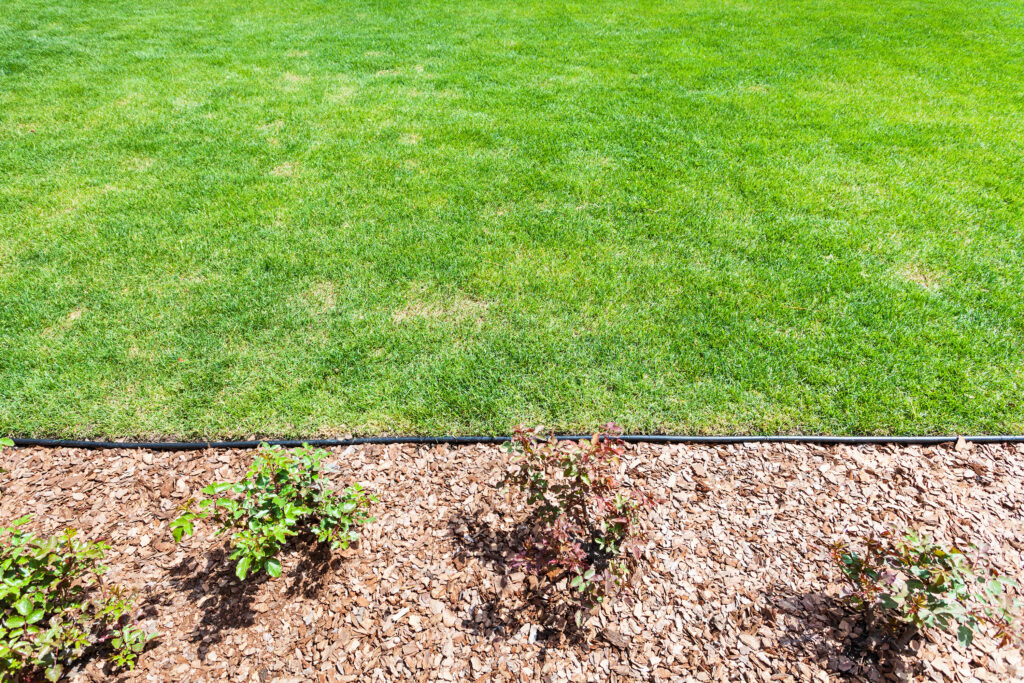
Bed edging sounds fussy, but it is one of those jobs that pays you back fast. Use a spade to cut a clean line where lawn meets bed, and scrape the loose soil inward. That small trench creates a clear border and keeps mulch from washing into the grass. It also makes mowing easier because you see exactly where the bed starts.
Pick a day when the ground is workable, not rock hard and not soupy. If you have a lot of beds, do one edge at a time so your hands do not get tired and sloppy. A crisp edge makes even a messy bed look cared for. When April rains hit, you will notice less mulch drift and fewer muddy spots.
Top Up Mulch in Thin Spots After the Soil Warms Slightly
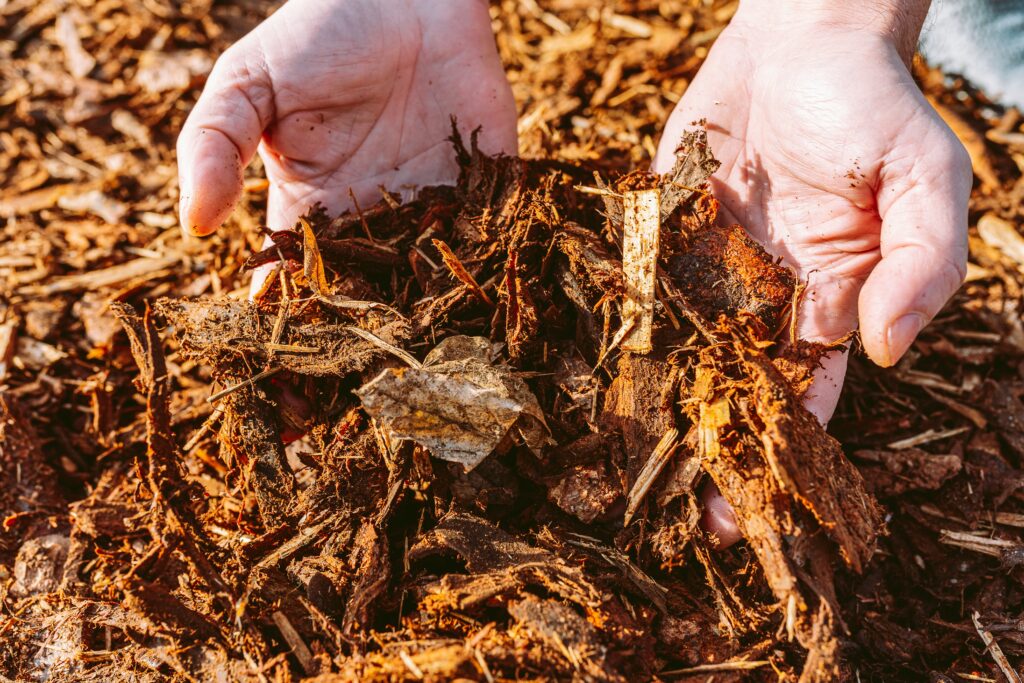
Mulch is great, but smothering cold soil too early can slow spring growth. Wait until the ground has started to thaw and dry a bit, then spot fill the bare patches. Keep mulch a few inches away from crowns and stems so you do not trap moisture right where plants rot. Aim for an even layer, not a thick mound.
Use what you already have if possible, then add a small bag to finish the job. Pine bark and shredded leaves settle nicely and look natural in most beds. If you see mats of old mulch, fluff them with a rake so air can get through. A light top up now keeps weeds down and saves you from doing a big mulch marathon later.
Pull Early Weeds While the Ground Is Soft
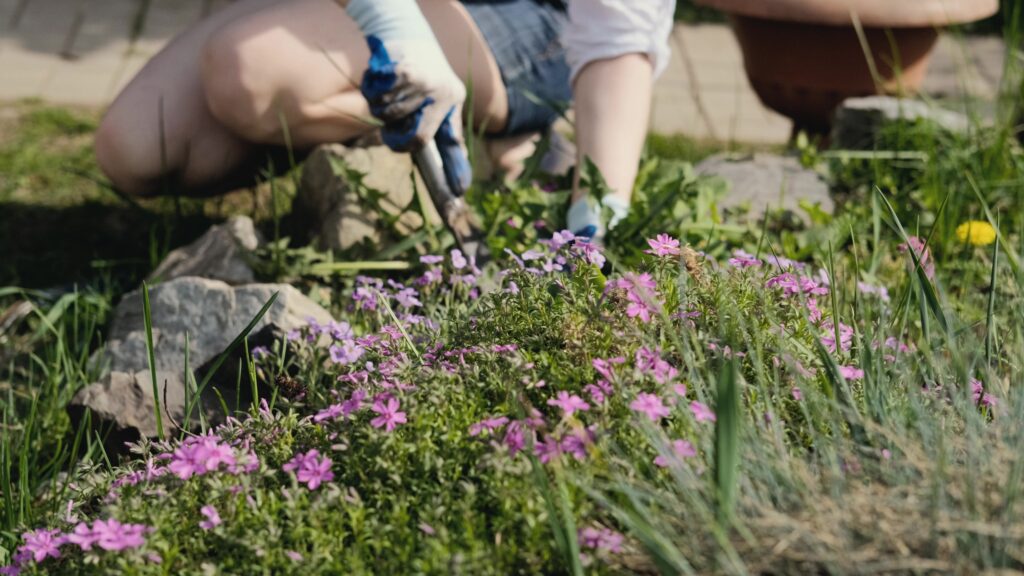
Early March weeds are sneaky because they start growing before you are fully paying attention. The good news is the soil is often soft, so roots slide out with less effort. Grab weeds at the base and pull slowly to get the whole root instead of snapping the top. Even ten minutes here and there makes a big difference.
Focus first on weeds that set seed fast, like chickweed and bittercress, since they can spread quickly. A kneeling pad saves your knees and helps you stay out longer without feeling cranky. If the soil is wet, shake off extra dirt so you are not removing good soil from your bed. This small habit keeps April weeding from turning into an all day job.
Spread Compost on Beds Before Plants Take Off
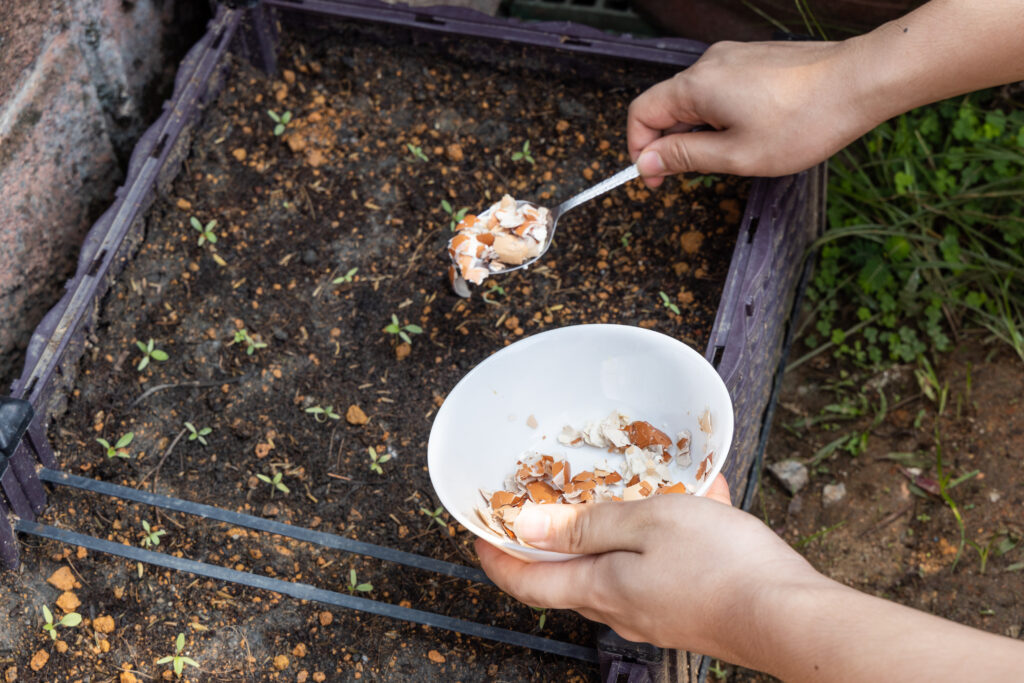
Compost is like a gentle meal for your soil, and early March is a great time to add it. Spread a thin layer over beds and around perennials before growth gets tall. You do not need to dig it in because worms and rain will pull it down over time. Keep it off plant crowns so they do not stay damp.
If you are working around seedlings or bulbs, use your hands to place compost carefully instead of dumping it. A simple garden fork helps break up clumps so the layer is even. Compost also improves texture, which helps with drainage and moisture holding later. When April planting hits, your beds will feel softer, darker, and easier to work.
Test Soil pH and Note What Needs Lime or Sulfur
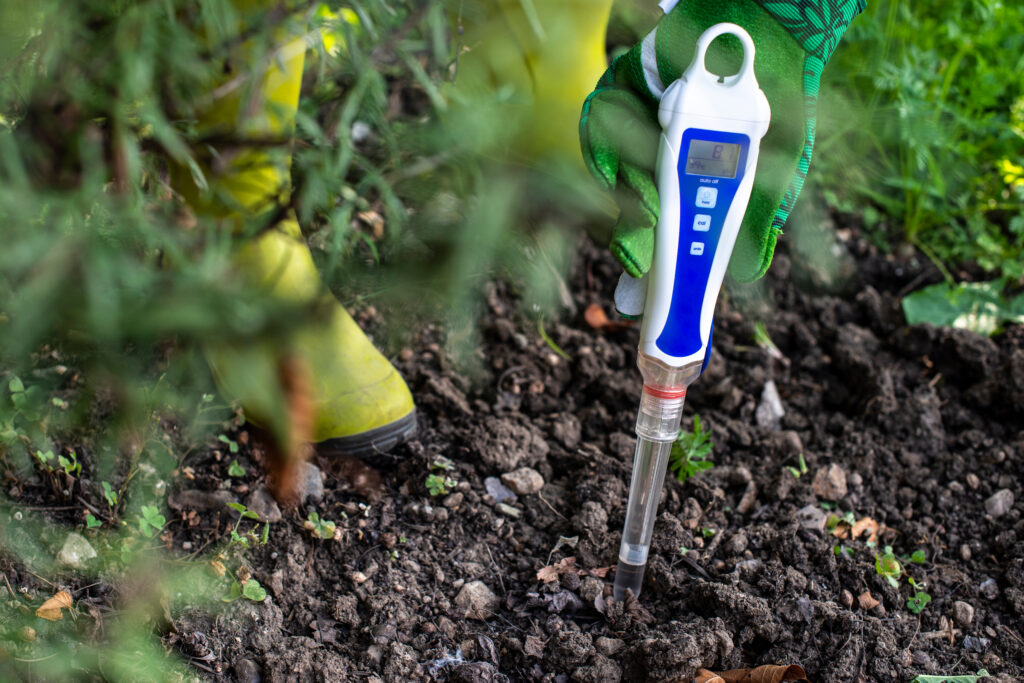
A soil test takes guessing out of spring feeding and planting plans. Use a basic home kit for a quick check, or send a sample to your local extension service for deeper results. Write down the numbers because it is easy to forget once the season gets busy. Testing now gives you time to make changes before heavy growth starts.
If the pH is off, adjustments usually take time, so early action matters. Lime raises pH and sulfur lowers it, but go slow and follow package rates. You can also use the test to decide where vegetables will do best, since some are picky about soil. By the time April rolls around, you will be working with better information and fewer surprises.
Start Hardened Cool Season Seeds Outdoors When Conditions Allow
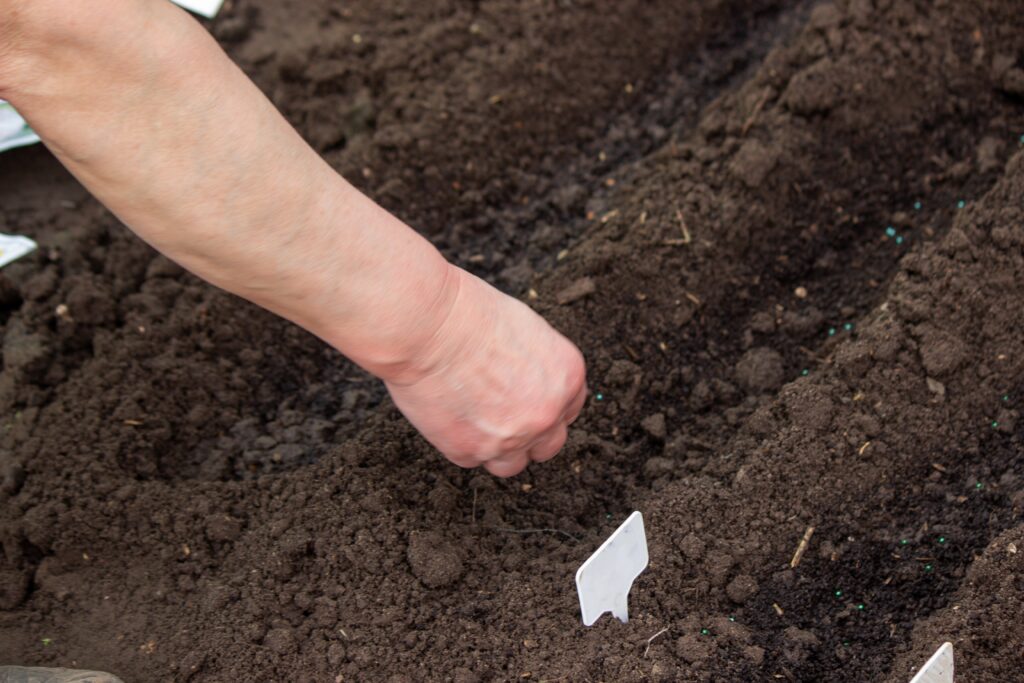
Cool season crops can handle chilly nights, but they still like decent soil conditions. Check that the top layer is not frozen and that water drains instead of pooling. Seeds like peas, spinach, radishes, and lettuce often do well with early sowing. Plant in short rows so you can keep track of what came up.
Row covers or simple fabric can protect seedlings on cold nights without much effort. If a late cold snap hits, do not panic, since many seedlings bounce back once the sun returns. Water lightly after sowing, then keep the bed evenly damp until sprouts appear. Starting these now gives you earlier harvests and frees up April for warm season prep.
Plant Bare Root Trees and Shrubs While They Are Still Dormant
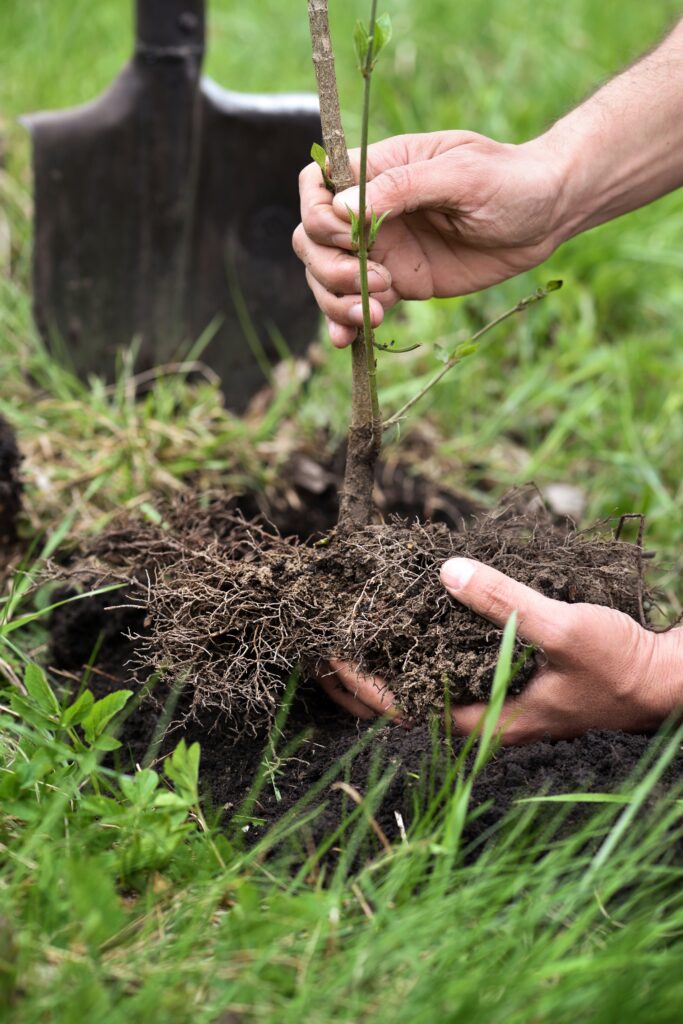
Bare root plants are usually cheaper, and early planting gives them time to settle in before heat arrives. Soak the roots in water for a short time before planting so they do not go in dry. Dig a wide hole and spread the roots out gently instead of bending them. Backfill with the same soil you removed so the plant does not sit in a strange pocket.
After planting, water deeply to settle soil around the roots. A simple mulch ring helps hold moisture, but keep it away from the trunk. Staking is not always needed, so only do it if wind is strong in your yard. If you plant now, the roots can start growing while the top still rests, which makes spring growth smoother.
Divide Overgrown Perennials Before They Fully Wake Up
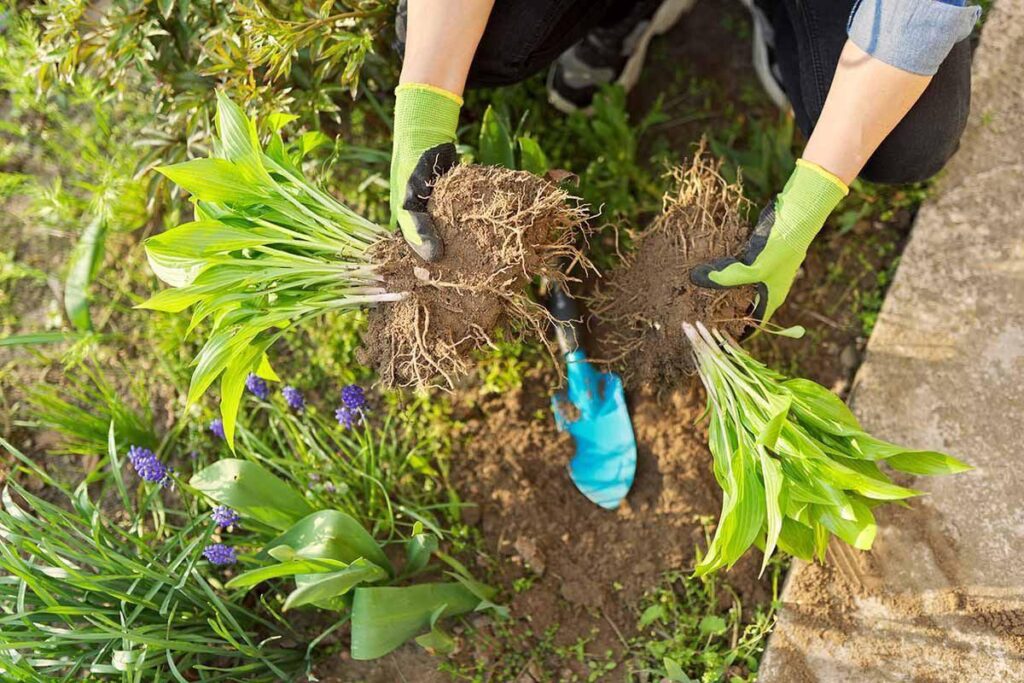
When perennials get crowded, they often bloom less and dry out faster in summer. Early March division works well because plants are still sleepy and easier to handle. Use a spade to lift the clump, then split it into sections with a clean cut. Replant the best pieces and share or compost the tired center if it looks weak.
Water the replanted sections even if it rains later, since disturbed roots dry quickly. Do not divide everything at once because it is easy to run out of space and patience. Label the new spots so you remember what you moved when sprouts all look the same. This one job can give you more plants, better blooms, and less crowding by late spring.
Clean and Sharpen Pruners and Loppers Before the Busy Stretch
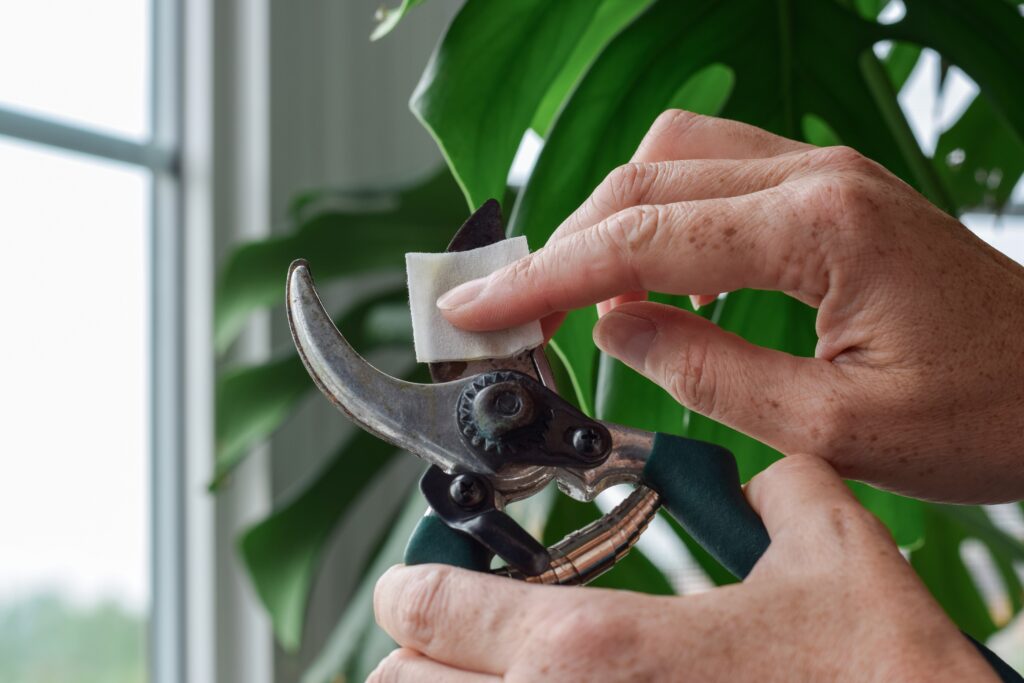
Dull tools make rough cuts, and rough cuts can invite problems on plants. Wipe blades with a rag and soapy water, then dry them well so rust does not start. A quick pass with a sharpening tool makes pruning feel easier and safer for your hands. Tighten loose bolts so the blades meet cleanly.
Disinfect tools if you were cutting anything diseased last season. Rubbing alcohol works well and dries fast, which makes the job simple. Oil the pivot point so the tool opens and closes smoothly without squeaking. When everything is ready, you will actually want to prune instead of putting it off.
Check Hoses and Irrigation for Leaks Before You Need Them Daily
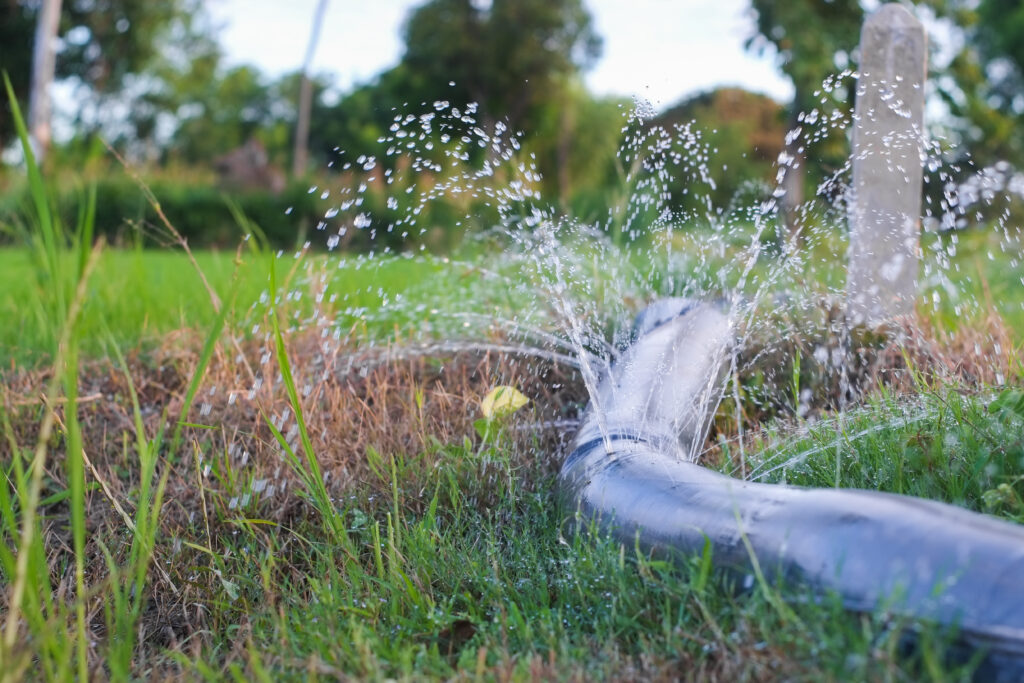
Early March is a low stress time to test your watering gear. Hook up hoses, turn on the water, and look for drips near fittings and split spots along the line. Replace worn washers because that small fix solves a lot of leaks. If you have drip irrigation, flush the lines to clear out grit.
Walk the yard while water runs so you can spot weak pressure or blocked emitters. Mark trouble spots with a small flag or even a stick so you remember where to fix later. If you store hoses, check for kinks that have turned into cracks. Fixing this now means you will not be standing in a puddle on a hot April afternoon.
This article originally appeared on Avocadu.