
15 Early Flowering Plants That Give Bees Nectar When Blooms Are Scarce
Spring is the time when bees begin their search for early food sources. However, nectar can be hard to come by as blooms are still limited. Thankfully, there are plants that help provide bees with the nourishment they need. These early nectar plants are an easy way to support local pollinators.
This post may contain affiliate links, which helps keep this content free. Please read our disclosure for more info.
Snowdrops (Galanthus nivalis)
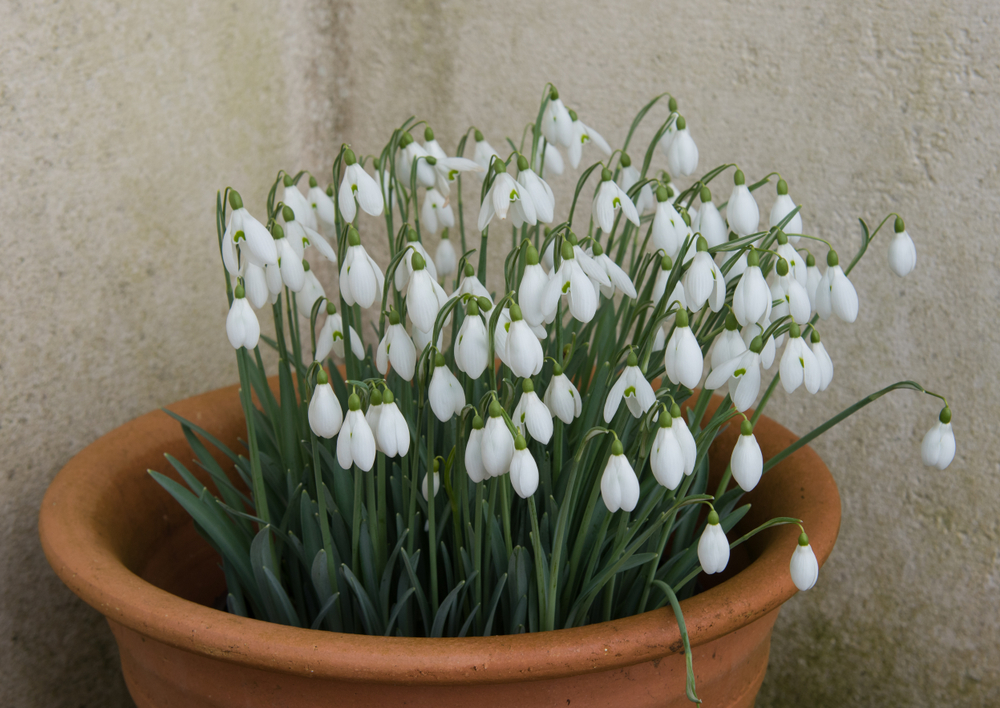
Snowdrops are one of the first flowers to bloom in the spring, often peeking through the snow. Their delicate white flowers provide bees with a much-needed early source of nectar. Snowdrops thrive in partial to full shade, making them a perfect addition to garden beds or woodland areas. The early blooms signal the start of warmer days, offering bees their first taste of spring after the long winter months.
These small flowers grow best in well-drained, moist soil. Snowdrops are a reliable food source for early bees, especially in gardens where other flowers are still not in bloom. Their simple beauty adds charm to any garden while supporting pollinator populations. Planting them in clusters ensures that bees have plenty of access to their nectar-filled blooms.
Crocus (Crocus spp.)
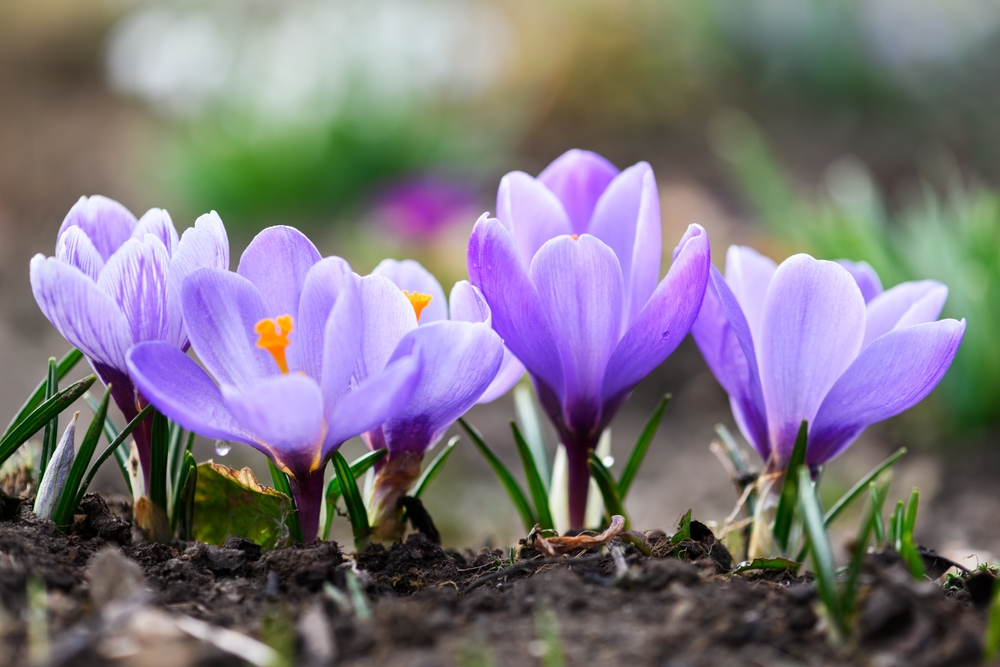
Crocuses are among the earliest spring flowers, often appearing even when there is still frost in the air. These vibrant blooms come in a variety of colors, from purple to yellow, making them a welcome sight for both gardeners and pollinators. The crocus’s cup-shaped flowers are a perfect landing pad for bees, providing both nectar and pollen. Their early flowering time gives bees a critical food source when other plants are not yet ready to bloom.
Crocus bulbs are easy to plant and thrive in well-drained soil, often in full sun or partial shade. These plants can spread quickly, forming small clusters of color that are highly attractive to bees. Once the blooms have faded, the foliage remains, continuing to provide essential nutrients to the soil. By adding crocuses to your garden, you can ensure that your local bee population has early access to nectar.
Winter Aconite (Eranthis hyemalis)
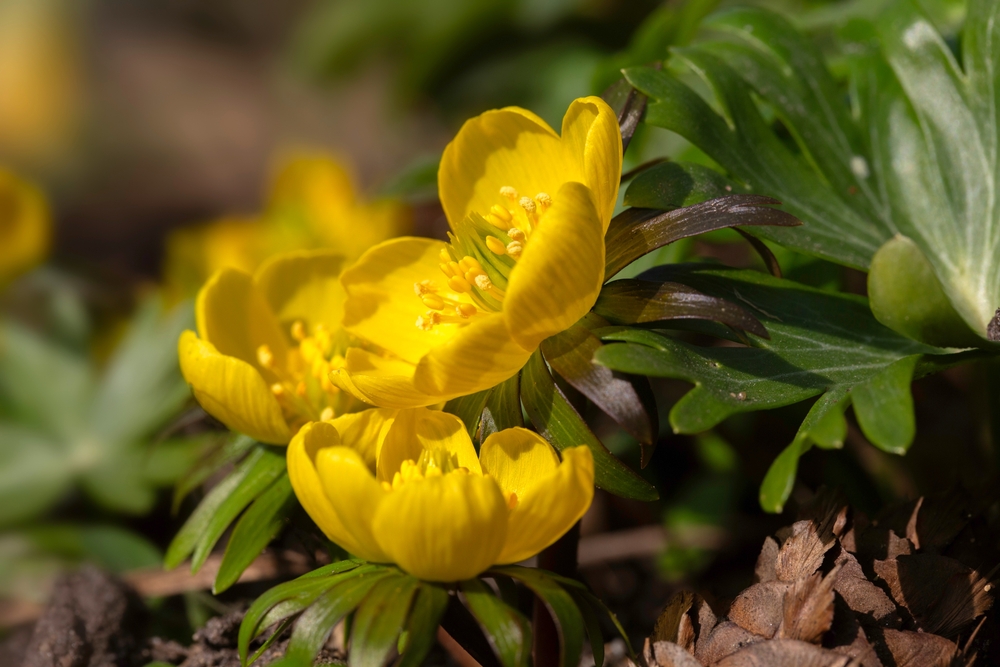
Winter aconite is a low-growing perennial that thrives in the late winter and early spring. Known for its bright yellow flowers, it is an excellent source of nectar for early bees emerging from hibernation. These flowers are typically among the first to bloom, appearing even before many of the trees begin to bud. The rich nectar is an inviting treat for bees still searching for food after the cold winter months.
Winter aconite prefers well-drained, rich soil and partial to full shade. They are typically planted in woodland areas, where they can naturalize over time. The plant’s early blooms are especially important in areas where spring arrives late. By adding these early bloomers to your garden, you’ll not only enhance its beauty but also provide bees with the early nutrition they need.
Hellebore (Helleborus spp.)
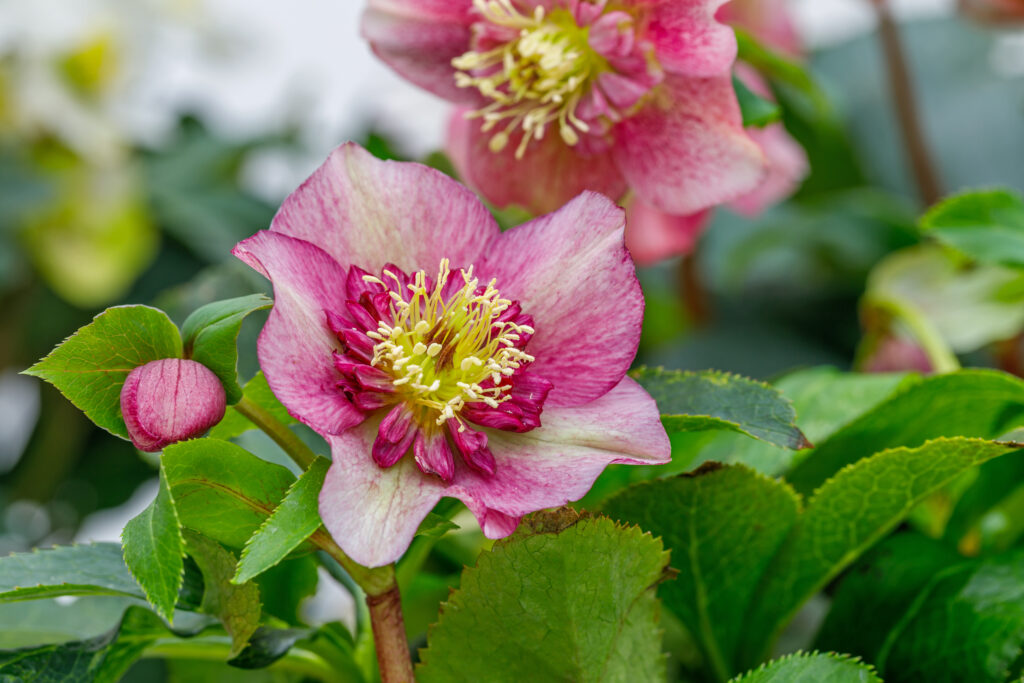
Hellebores, often called Lenten roses, are known for their unique, early-season blooms. These perennial plants flower in late winter to early spring, providing a reliable nectar source when food is scarce. The flowers are typically shades of pink, white, or purple, and they are shaped in a way that allows bees to easily access their nectar. This makes them a valuable addition to any bee-friendly garden.
Hellebores are particularly well-suited for shady areas and thrive in rich, well-drained soil. Their long-lasting blooms can remain for several weeks, offering a consistent food source to bees over a period of time. Once established, these plants are very low maintenance, making them a great option for gardeners seeking to help pollinators. They are perfect for planting beneath trees or in woodland gardens, where they can thrive without much attention.
Primrose (Primula spp.)
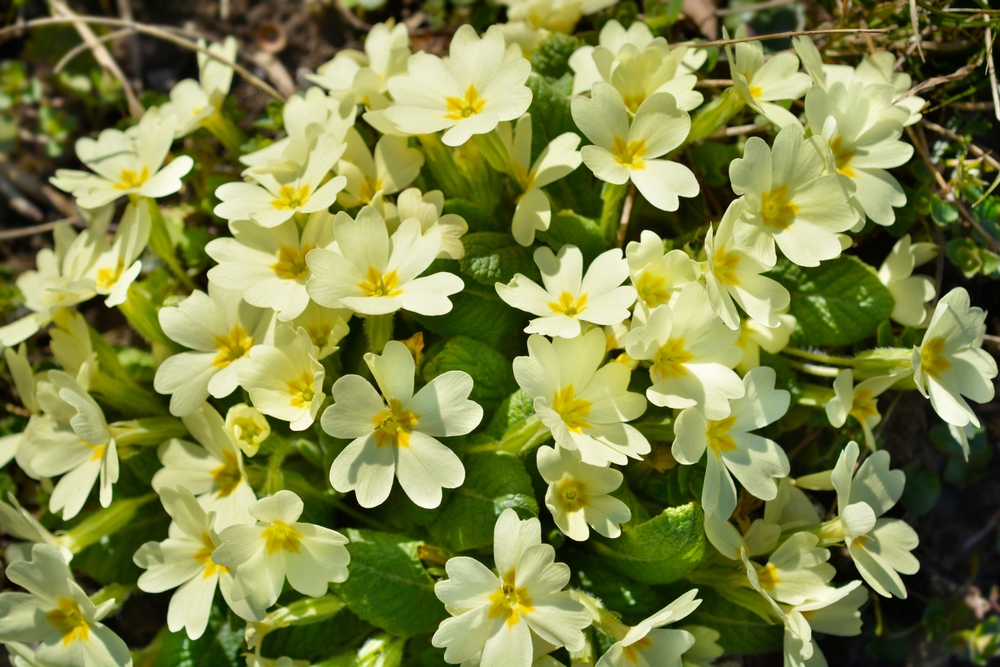
Primroses are one of the first signs of spring, with their bright, cheerful flowers appearing when the weather begins to warm. These flowers are incredibly attractive to bees due to their ample nectar and pollen. Primroses come in a variety of colors, from yellow to pink, creating a vibrant contrast in gardens. Their early blooms offer bees a critical source of nourishment in the first weeks of the season.
These plants prefer moist, well-drained soil and thrive in full sun or partial shade. Primroses can grow in various garden settings, from containers to garden beds. They are often used in borders or naturalized in woodland areas. By planting primroses in your garden, you ensure that bees will have easy access to early nectar.
Lungwort (Pulmonaria spp.)
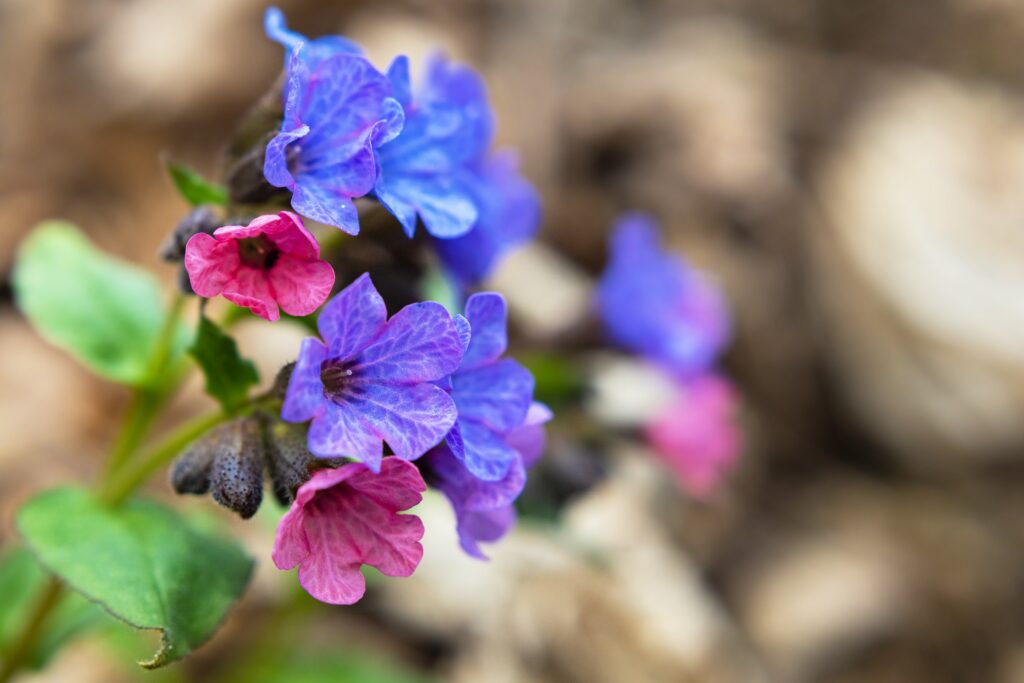
Lungwort is an early-blooming perennial that provides both beautiful foliage and vital nectar for early bees. Its blue, pink, or purple flowers appear in early spring, offering a crucial food source when other plants are still dormant. Bees are especially attracted to its clusters of tubular flowers, which are full of nectar. Lungwort’s early blooms make it a key player in helping to sustain pollinators through the colder months.
Lungwort thrives in shaded or woodland areas with rich, moist soil. These plants are particularly valued for their ability to thrive in low-light conditions, making them perfect for gardens with limited sun exposure. The flowers, though small, are very effective at attracting bees. Adding lungwort to your garden can help create a diverse, pollinator-friendly environment.
Winter Jasmine (Jasminum nudiflorum)
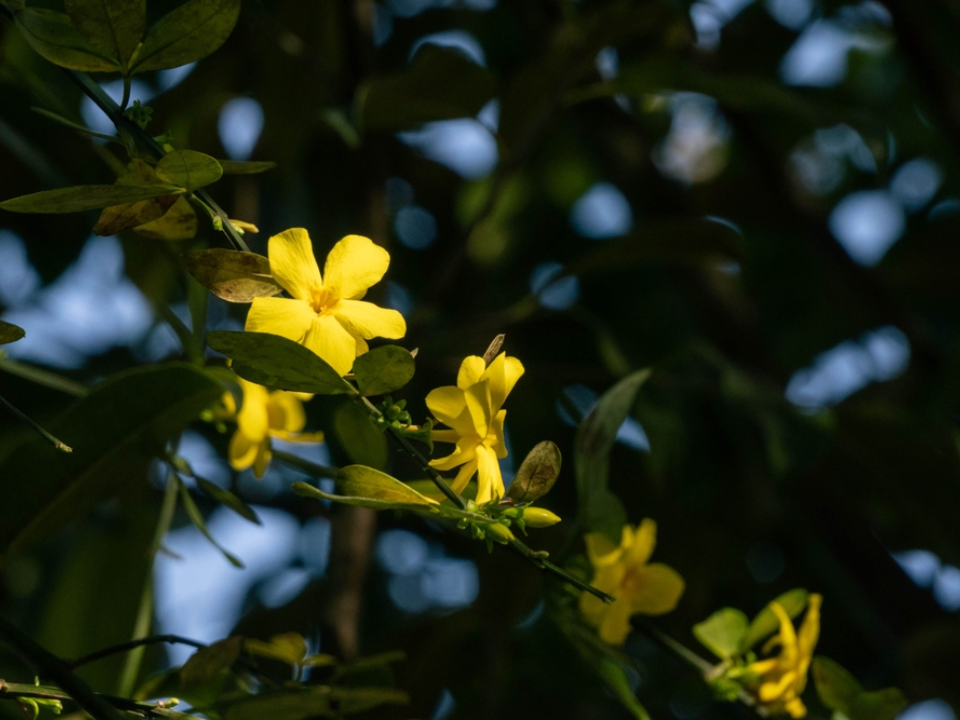
Winter jasmine is a hardy, early-blooming shrub that often begins to flower in midwinter. Its bright yellow flowers provide bees with an early nectar source when blooms are otherwise scarce. This plant is known for its spreading habit, which makes it a great option for ground cover or along fences. The striking yellow blooms contrast beautifully against the still-dormant landscape, offering bees a welcome sign of spring’s arrival.
Winter jasmine is easy to grow and adapts to a variety of soil types, though it prefers well-drained, slightly alkaline soil. It thrives in full sun to partial shade and is often used as a ground cover or climbing plant. Bees are attracted to its fragrant flowers, which remain open for several weeks. This early bloomer is a simple yet effective way to help support pollinator populations in your garden.
Pussy Willow (Salix discolor)
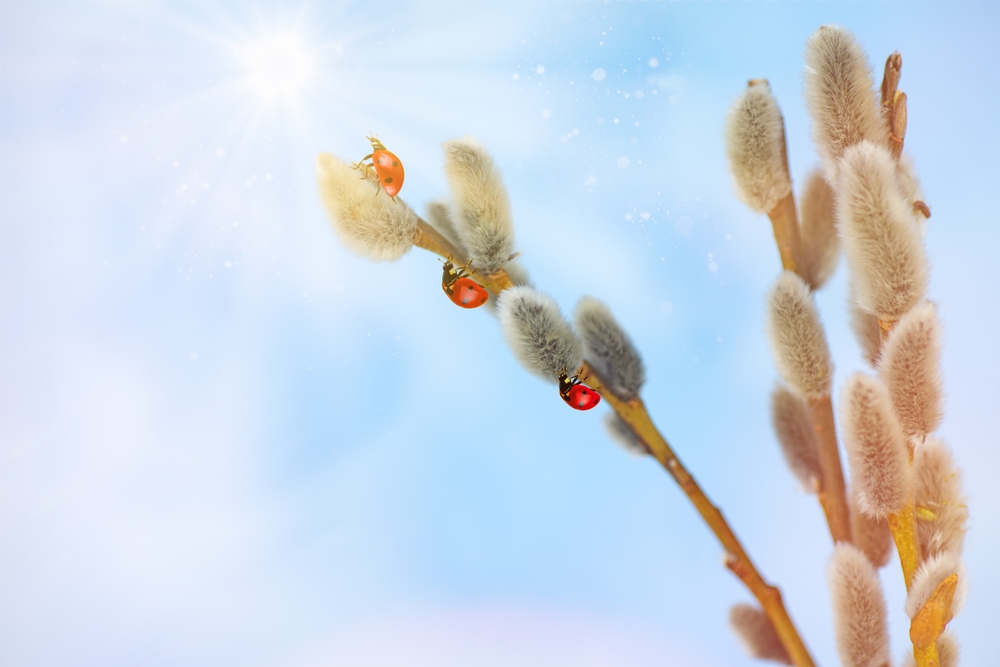
Pussy willow is another early bloomer that provides an important nectar source for bees. The soft, fuzzy catkins appear in late winter or early spring, attracting bees with their rich pollen and nectar. These catkins are one of the first signs that spring is near, offering a vital food source to bees who emerge early. The plant is also prized for its unique appearance, with its silvery buds adding texture to gardens.
Pussy willows thrive in moist, well-drained soil and are often found growing near streams or ponds. These hardy shrubs can tolerate cold temperatures, making them perfect for regions with long winters. As they bloom, they offer bees a much-needed respite before other plants start to flower. Adding pussy willows to your garden provides an early boost for both the bees and the landscape.
Bluebell (Hyacinthoides non-scripta)
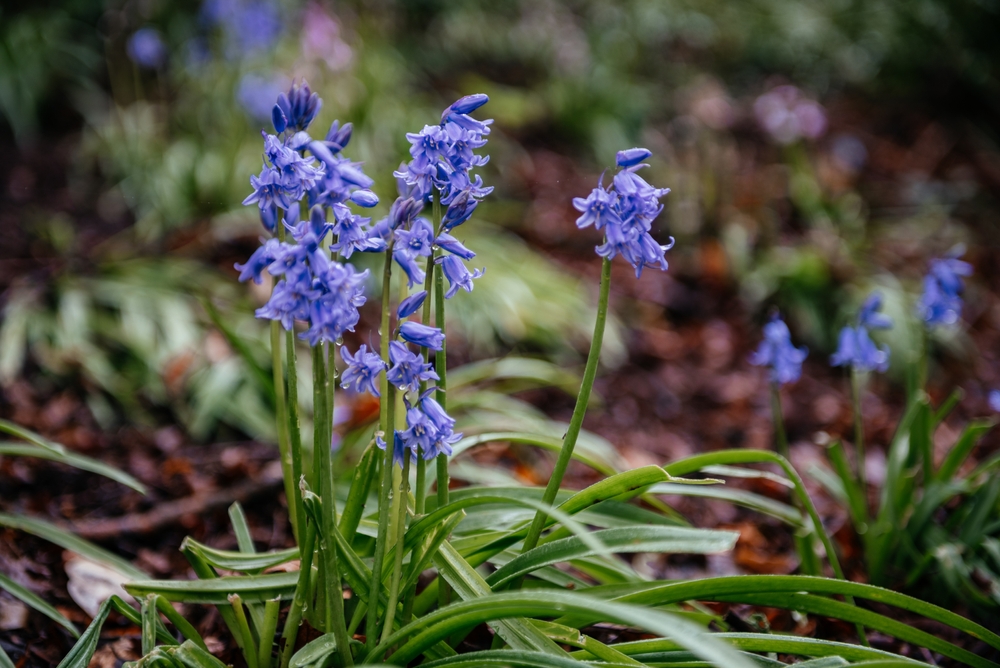
Bluebells are a beautiful early spring flower that provides bees with an important nectar source. Their bell-shaped blooms are not only striking but also rich in nectar, making them a favorite of early pollinators. Bluebells often carpet woodland floors or shaded garden areas, creating a naturalized effect. Their blooms typically appear in late winter or early spring, offering bees a critical food source when few other flowers are available.
These plants grow best in moist, well-drained soil and are ideal for shaded or partially shaded areas. Bluebells are easy to plant and can quickly naturalize, spreading across garden beds or woodland areas. The dense clusters of flowers make them a valuable food source for bees. With their vibrant color and early bloom time, bluebells are an excellent choice for any garden looking to support pollinators.
Sweet Violet (Viola odorata)
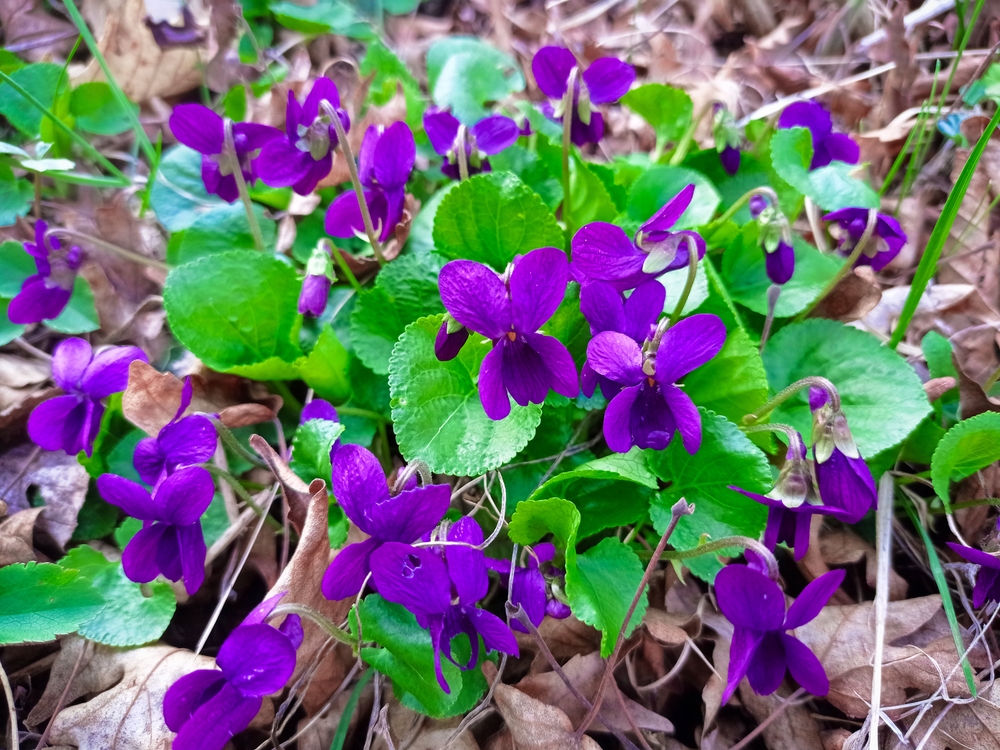
Sweet violets are a fragrant early bloomer that offers bees an essential nectar source in the spring. These small flowers are available in purple, white, and blue shades, and they appear in early spring, often before other flowers are in bloom. The nectar-rich blooms are highly attractive to bees, providing them with a needed food source as they emerge from winter dormancy. Sweet violets are also known for their delicate scent, adding a pleasant fragrance to any garden.
These plants thrive in moist, well-drained soil and prefer partial to full shade. Sweet violets can be grown in containers, borders, or as ground cover. They are easy to grow and spread over time, making them a low-maintenance option for gardeners. By adding sweet violets to your garden, you ensure that bees have an early food source to sustain them during the colder months.
Anemone (Anemone spp.)
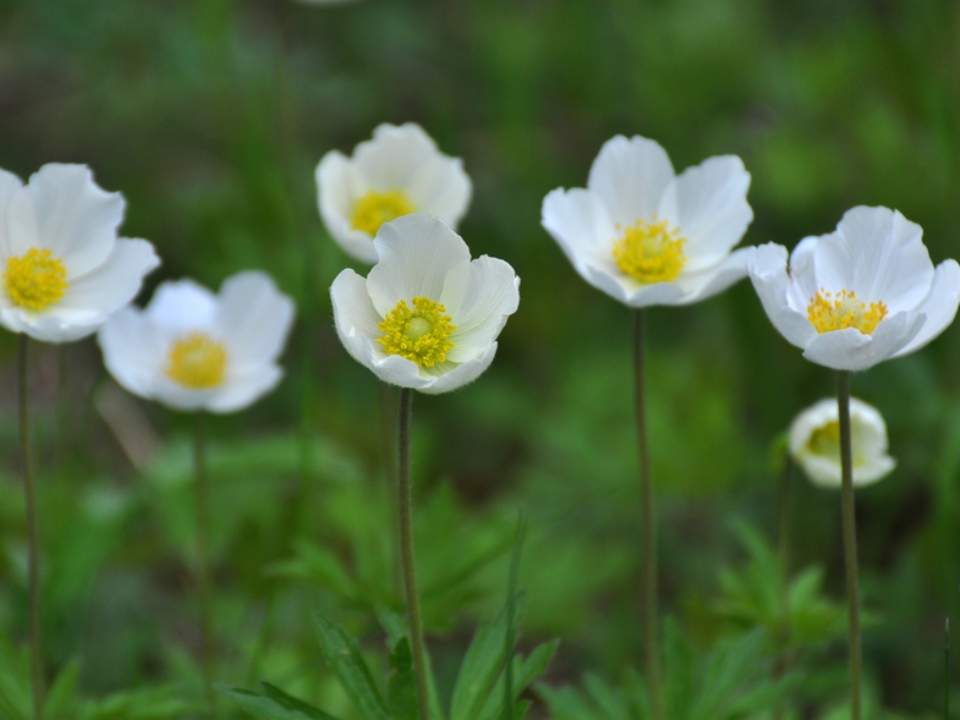
Anemones are early-blooming plants that offer bees a vital source of nectar in the spring. Their colorful flowers, which come in shades of blue, white, and purple, attract bees with their ample nectar. These plants often begin flowering in late winter or early spring, making them a crucial food source for early-season pollinators. Their simple, cup-shaped blooms provide bees with easy access to nectar and pollen.
Anemones thrive in well-drained, rich soil and do best in partial shade. They are typically planted in woodland gardens or shaded areas, where they can naturalize over time. Anemones are known for their ability to thrive in cooler temperatures, which makes them ideal for early-season blooms. Planting anemones in your garden can help provide bees with an early source of nourishment when other flowers are still waiting to bloom.
Scilla (Scilla spp.)
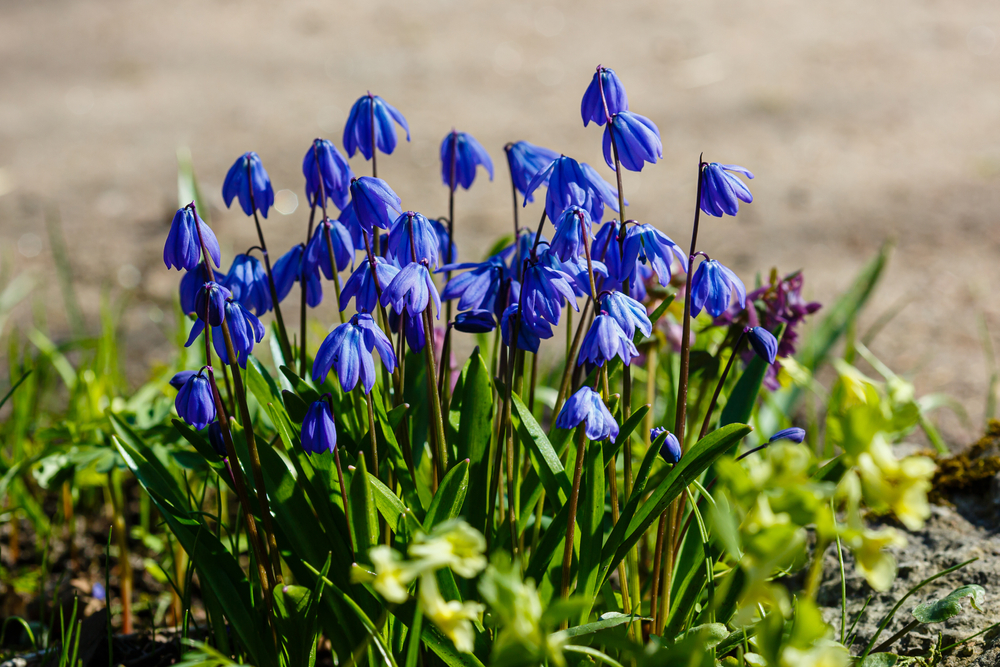
Scilla, also known as squill, is an early-blooming bulb that provides a reliable nectar source for bees. The bright blue flowers often appear in early spring, sometimes even when there is still a chill in the air. Bees are especially attracted to the flowers’ rich nectar, which offers much-needed sustenance as they emerge from winter. Scilla’s star-shaped flowers create a striking visual effect in the garden and are a great early-season food source for pollinators.
Scilla grows best in well-drained soil and is well-suited for full sun to partial shade. These plants are easy to grow and will naturalize over time, spreading across garden beds or grassy areas. Their early blooms make them a valuable resource for bees in the early spring months. By planting Scilla, you not only add beauty to your garden but also contribute to the well-being of local pollinator populations.
Cyclamen (Cyclamen spp.)
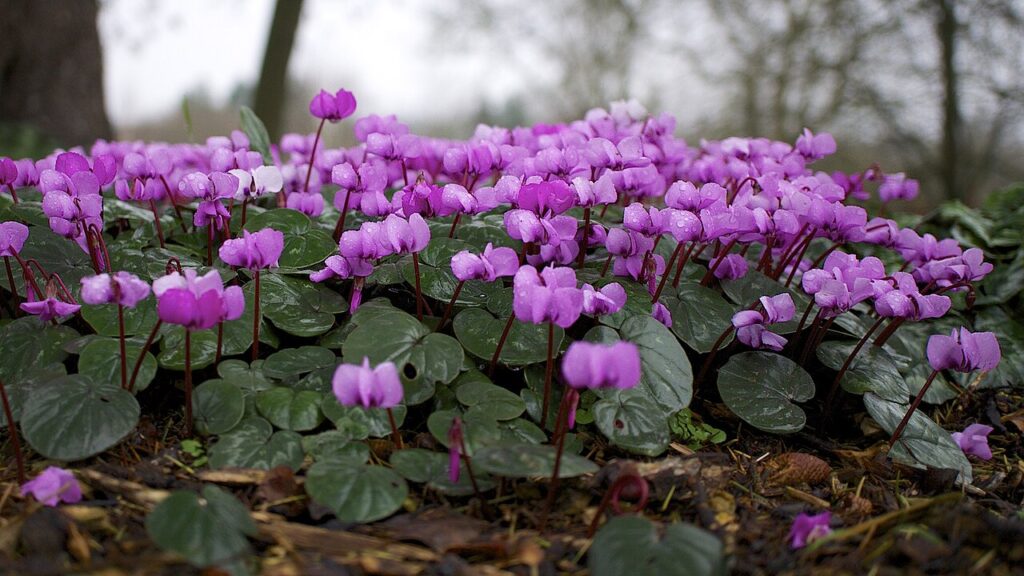
Cyclamen is a unique plant that blooms in late winter to early spring, offering bees a valuable source of nectar. Its attractive flowers come in shades of pink, purple, and white, making it a standout addition to gardens. Bees are drawn to the plant’s sweet nectar, which provides them with energy after the long winter months. Cyclamen’s blooms also have a pleasant fragrance, adding both beauty and utility to your garden.
These plants thrive in cool, shaded areas with well-drained soil. Cyclamen is often planted in woodland gardens or under trees, where they can bloom early in the season. They are particularly suited for areas where other plants are slow to bloom. Adding cyclamen to your garden helps ensure that bees have access to food during a critical time of the year.
Heather (Calluna vulgaris)
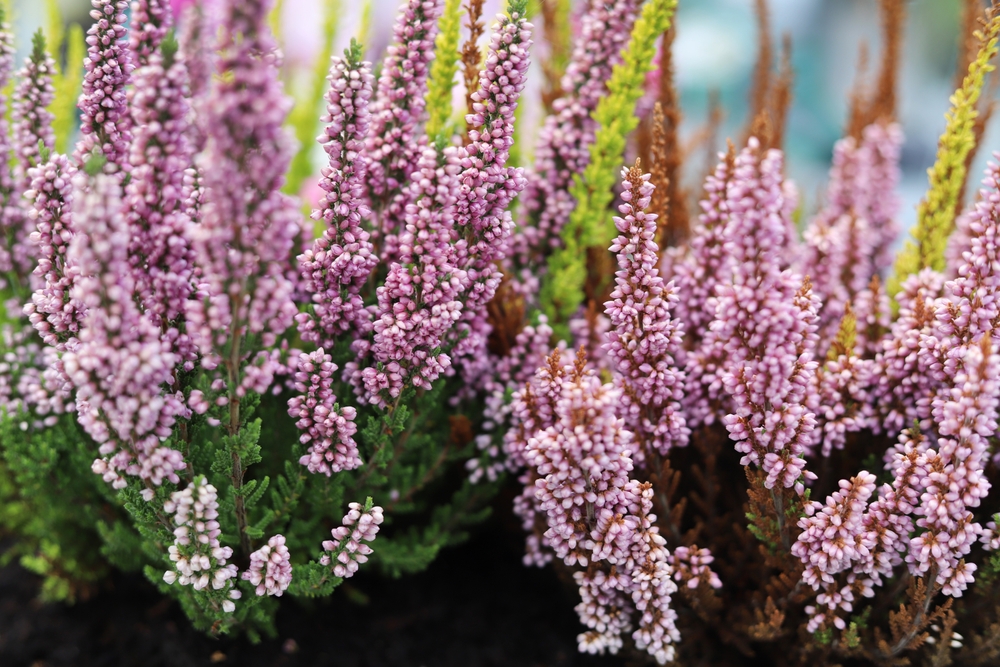
Heather is a hardy evergreen shrub that blooms in late winter to early spring, offering nectar to bees just as the cold weather begins to fade. The small, bell-shaped flowers come in various colors, including purple, pink, and white, attracting bees with their rich nectar. Heather thrives in acidic, well-drained soil and can survive in harsh conditions, making it an excellent choice for early-season nectar. The plant’s ability to provide food to bees during a critical time adds to its importance in pollinator-friendly gardens.
Heather grows best in full sun and can be planted in rock gardens or at the edges of garden beds. Its compact growth habit makes it ideal for smaller gardens or containers. The early blooms are perfect for supporting bees, and the plant’s evergreen foliage provides year-round interest. By adding heather to your garden, you are creating a habitat that benefits both pollinators and your overall landscape.
Periwinkle (Vinca minor)
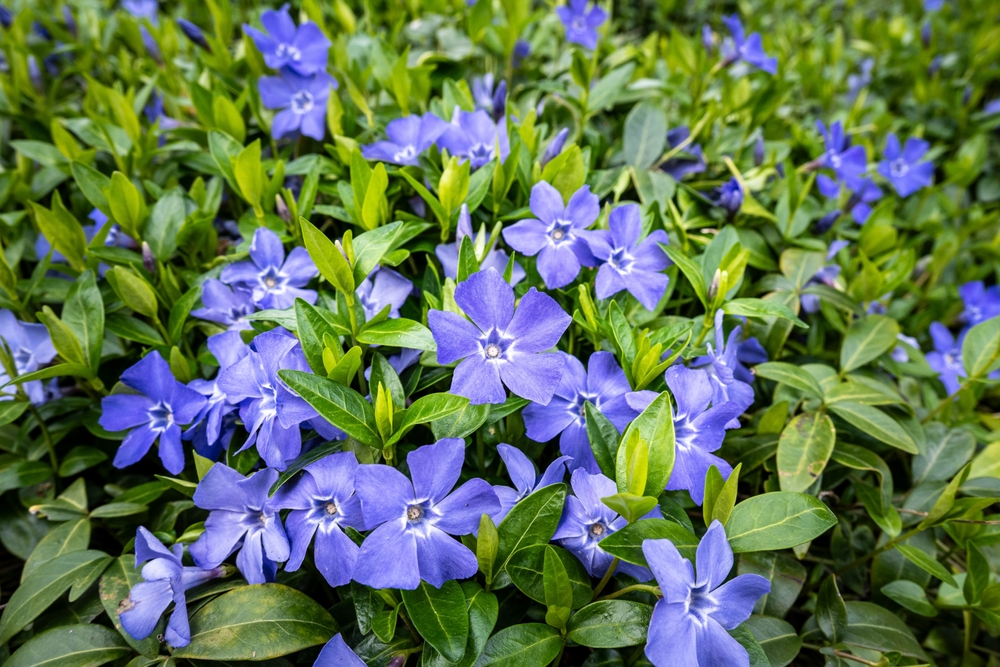
Periwinkle, also known as creeping myrtle, is a ground-covering perennial that blooms in early spring. Its bright blue flowers provide bees with a reliable nectar source when other plants are still waiting to bloom. This plant is perfect for covering large areas, filling in spaces with lush, green foliage and a carpet of color. Bees are attracted to periwinkle’s rich nectar, making it an important early-season food source.
Periwinkle thrives in partial to full shade and prefers well-drained soil. It is a hardy plant that can survive in a range of garden conditions, making it an excellent choice for low-maintenance gardens. As the flowers bloom in early spring, they provide bees with a much-needed boost of energy. Adding periwinkle to your garden will help create a diverse, pollinator-friendly environment.
This article originally appeared on Avocadu.