
20 Early Blooming Perennials That Start Spring Off Strong
When winter starts to fade, early blooming perennials are often the first sign that the garden is waking up again. They bring fresh color, soft texture, and a sense of life just when flower beds can still look a little bare. These plants do a great job of filling that gap between the coldest part of the year and the fuller show of late spring. Some bloom close to the ground while others rise above new leaves, which helps the garden look full of the start. Adding a mix of these reliable bloomers can make the whole space feel warmer and more inviting.
This post may contain affiliate links, which helps keep this content free. Please read our disclosure for more info.
Hellebore

Hellebores are among the first perennials to wake up when winter starts to loosen its grip. Their flowers often show up while the ground is still cold, and in some gardens they bloom while patches of snow are still around. The blooms can face downward, so planting them near a path or raised bed makes them easier to enjoy. They come in shades like cream, pink, burgundy, green, and deep purple, which gives early spring beds a rich look when little else is going on.
Hellebores like partial shade and soil that drains well, and once they settle in, they usually do very well with little fuss. Their leathery leaves stay attractive for a long stretch, so they still pull their weight after the flowers fade. If you want a plant that makes spring feel like it has truly started, hellebores do that job better than almost anything.
Pasque Flower
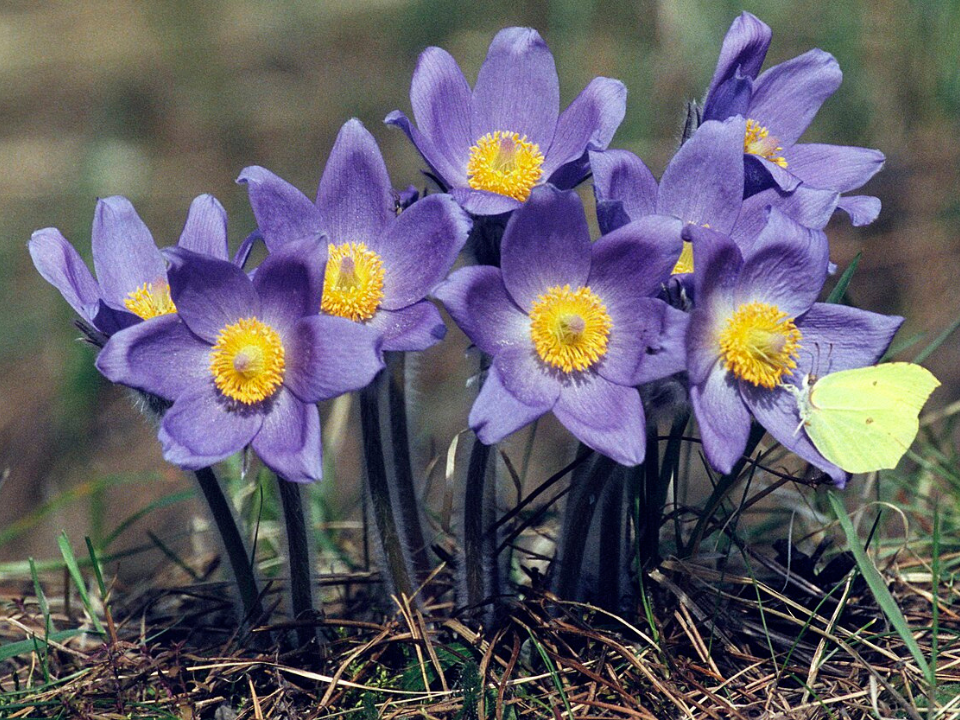
Pasque flower is a low-growing perennial that brings a soft, almost fuzzy look to the early spring garden. Its silky buds open into cup-shaped blooms in purple, lavender, white, or yellow, and they stand out in a big way against bare soil and sleepy grass. After blooming, the plant keeps the show going with feathery seed heads that look just as pretty as the flowers.
Pasque flower likes full sun and soil that drains well, which makes it a nice fit for rock gardens or dry borders. It does not ask for much once it gets comfortable, and that easy nature makes it a favorite for gardeners who do not want a lot of upkeep. The foliage stays neat and low, so it works well near the front of a bed. This is one of those plants that makes a garden look awake even when the season is still finding its footing.
Creeping Phlox
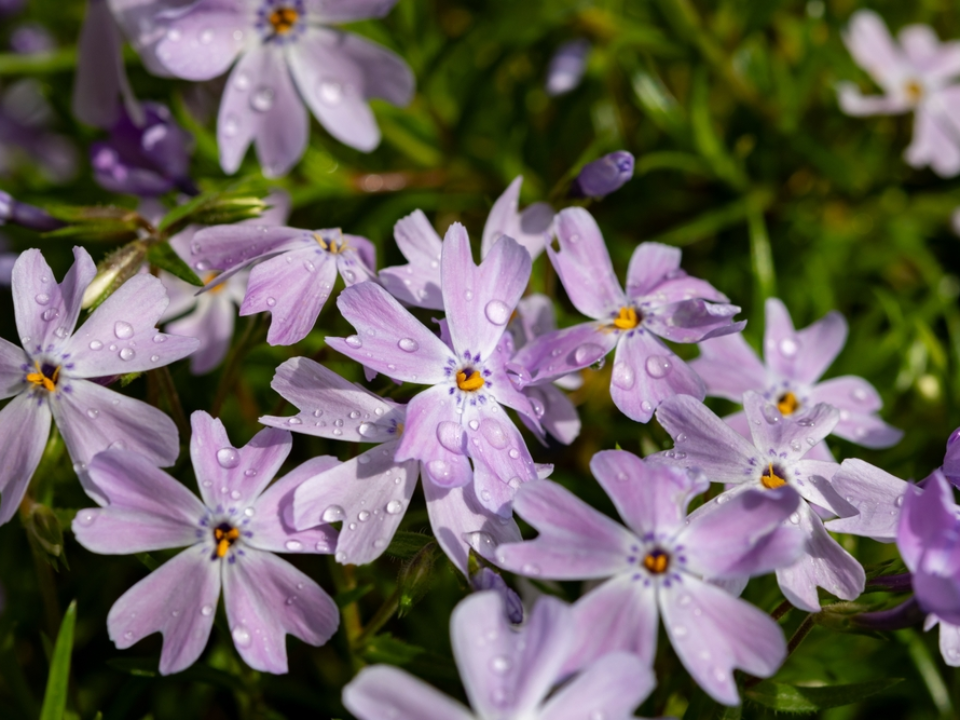
Creeping phlox turns early spring into a carpet of color with blooms that spread across the ground in pink, purple, blue, or white. When it is happy, it can cover slopes, edges, and rock walls with such a thick layer of flowers that the foliage almost disappears. This perennial is especially useful when you want a plant that softens hard edges and fills awkward spots.
It likes full sun and well-drained soil, and it handles dry conditions better than some early bloomers. Creeping phlox is a solid choice for front borders because it stays low and spills in a pretty, natural way. After blooming, the evergreen foliage still adds texture, so the plant does not look tired once the flowers are gone. It is one of the easiest ways to make the start of spring look cheerful and full.
Primrose
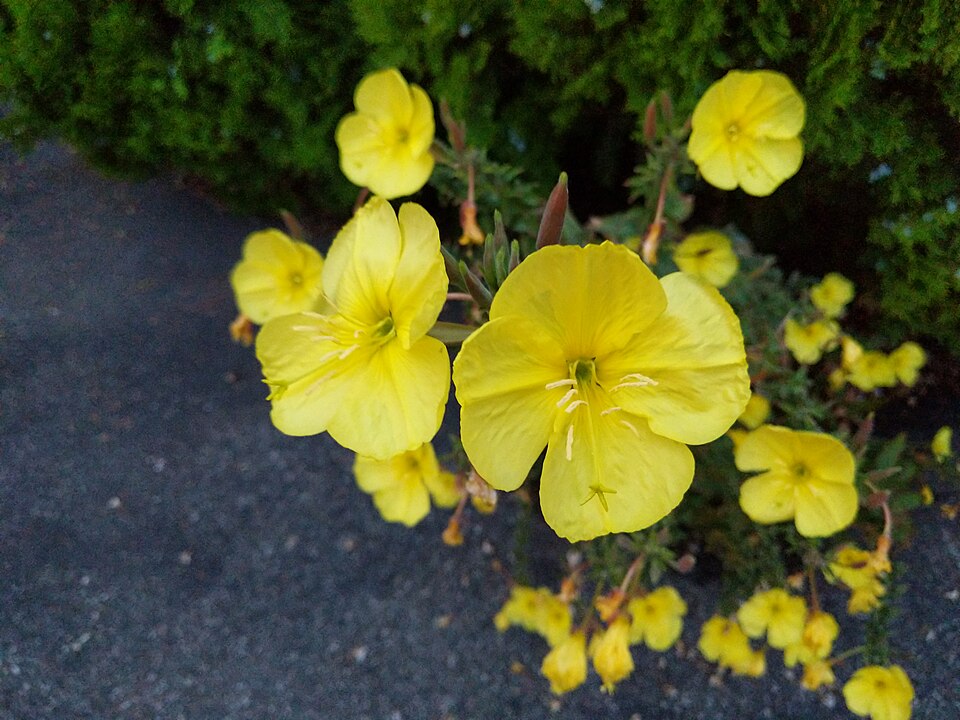
Primroses bring a fresh and cheerful look to the garden right when people are hungry for color. Their flowers come in bright shades like yellow, pink, red, purple, and blue, and they often have contrasting centers that make them stand out even more. These plants stay fairly compact, so they fit nicely in small beds, edging, or containers.
Primroses like cool weather, moist soil, and a spot with morning sun or light shade, especially in warmer areas. They look especially pretty planted in groups, where the blooms can make a soft patchwork of color near walkways or entry beds. Because they bloom early, they give pollinators an important food source at a time when choices can still be slim. If you want spring color that feels bright and welcoming, primroses are a very easy pick.
Lungwort
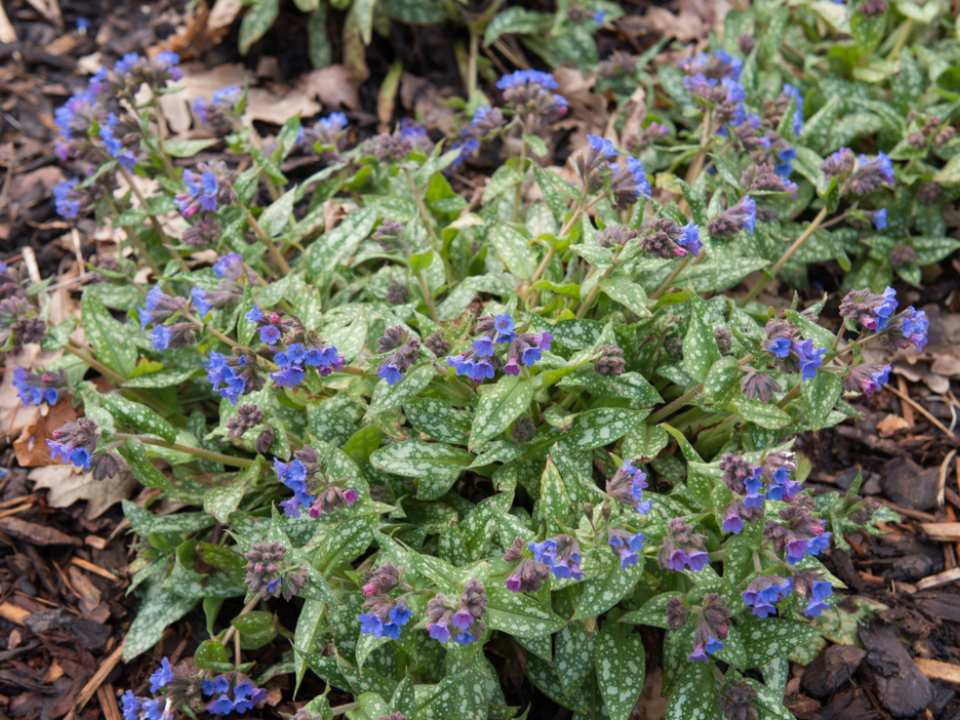
Lungwort is an early spring perennial that earns its place with both flowers and foliage. The blooms often open pink and then shift toward blue or violet, so one plant can show off more than one color at the same time. Its leaves are spotted or silver-marked, which keeps the plant looking interesting long after bloom time is over.
Lungwort likes shade or dappled light, making it a great fit for woodland gardens or shady borders where color can be harder to come by in early spring. It likes soil with some moisture, though it does not want to sit in soggy ground. The plant forms tidy clumps that slowly fill in, which helps a shady bed look more settled as the years go by. For a spot that needs spring flowers without a lot of sunshine, lungwort really comes through.
Bergenia

Bergenia is often grown for its thick, glossy leaves, though its spring flowers deserve just as much attention. Clusters of pink, rose, or magenta blooms rise above the foliage early in the season and add a nice burst of color when the garden still looks quiet. The rounded leaves stay present for much of the year and can even take on reddish or bronze tones during colder weather.
Bergenia does well in sun or partial shade, which gives gardeners some freedom when deciding where to place it. It is a dependable plant for edging, mixed beds, or mass planting because the clumps stay neat and noticeable. Once it settles in, it generally handles changing weather well and does not ask for much special treatment. That mix of flowers, structure, and good-looking leaves makes bergenia a strong start to spring.
Virginia Bluebells
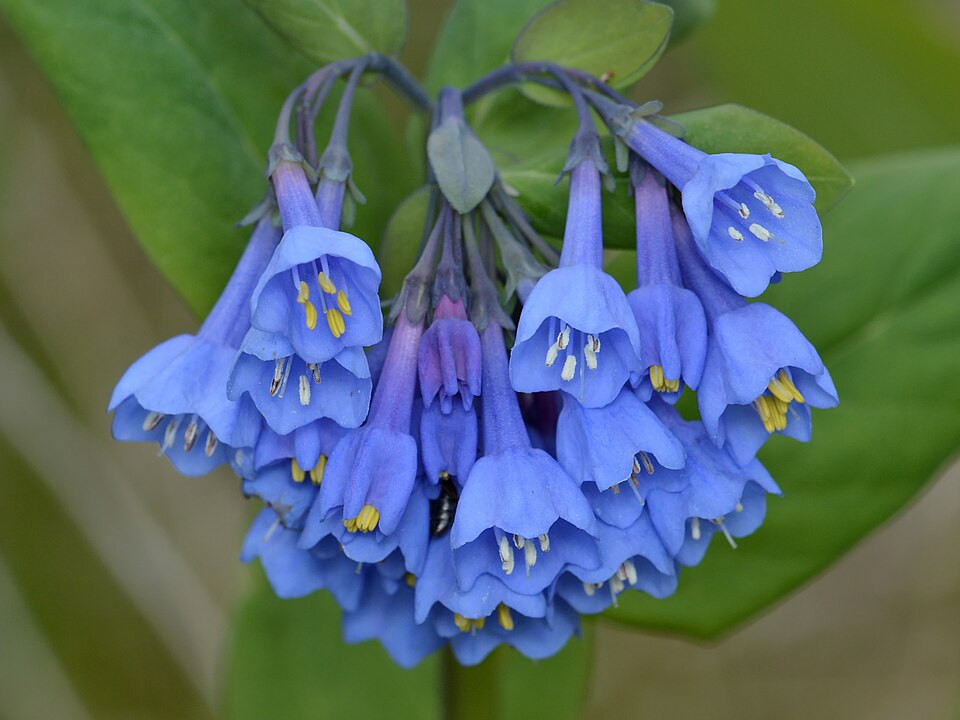
Virginia bluebells are one of the prettiest signs that spring is truly here. Their dangling buds start out pink and then open into soft blue flowers that give shaded beds a calm, dreamy look. These perennials grow best in rich soil with some moisture and do especially well in woodland settings. They bloom before the tree canopy fills in, which lets them make full use of early spring sunlight.
After they finish flowering, the foliage often fades back, so it helps to pair them with later plants that can cover the empty space. Even with that short season, gardeners keep planting them because the display is worth it. A patch of Virginia bluebells can make a garden feel fresh, gentle, and fully awake after winter.
Candytuft

Candytuft is a tidy evergreen perennial that covers itself in bright white flowers in early spring. The blooms sit over dark green foliage, and that contrast gives the plant a very clean and crisp look in borders or rock gardens. It stays on the shorter side, which makes it useful along paths, at the front of beds, or tucked between stones.
Candytuft likes full sun and soil that drains well, and it does especially well in places that do not stay too wet. The flowers come in such thick clusters that the plant can look like a soft mound of white. Even after bloom time, the evergreen leaves keep the plant useful in the garden. If you want early spring color that looks neat and bright, candytuft is a great one to have around.
Basket of Gold
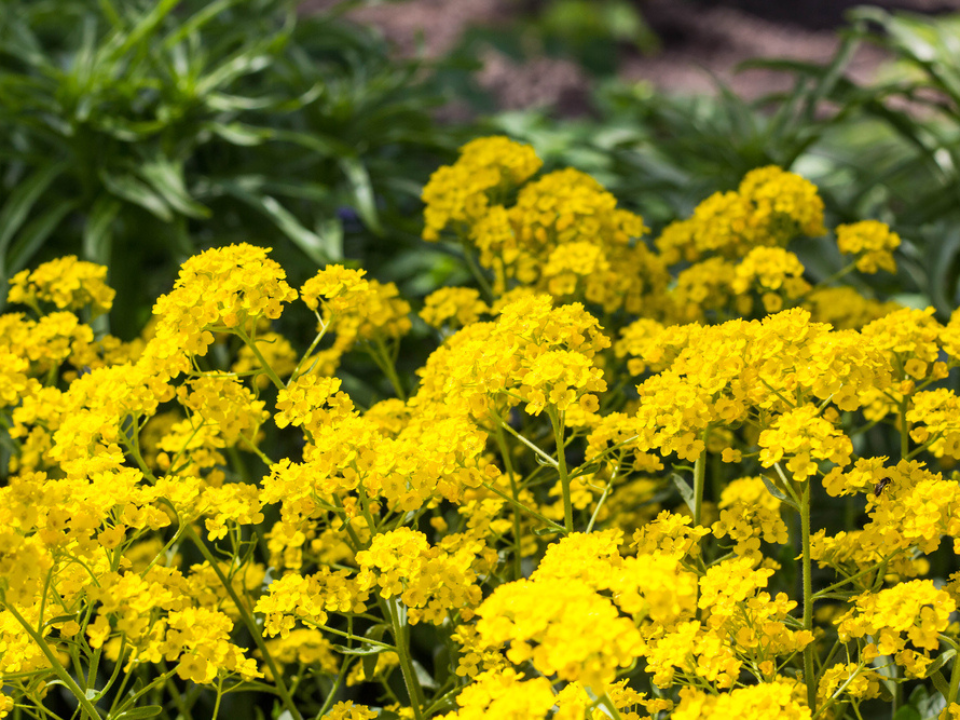
Basket of Gold is a sunny perennial that lives up to its name with masses of golden-yellow flowers in spring. It makes a wonderful choice for rock gardens, retaining walls, and dry slopes because it likes sharp drainage and plenty of sun. The gray-green foliage gives it a soft look even before it starts blooming, so it never feels dull.
Once the flowers arrive, the plant can look like a glowing mound that pulls the eye from across the yard. It stays fairly low, which makes it useful near the edge of a bed where taller plants would feel out of place. This is a good perennial for gardeners who want something cheerful without a lot of fuss. Its warm color and early timing make it one of the nicest ways to shake off the gray mood of late winter.
Bleeding Heart

Bleeding heart brings a soft and romantic look to spring with arching stems lined with heart-shaped flowers. The blooms usually come in pink and white, though there are white forms too, and they have a gentle look that fits well in cottage or shade gardens. This perennial likes cool conditions, rich soil, and a spot with partial shade, especially where the afternoon sun is not too harsh.
The ferny foliage adds texture while the plant is in bloom, helping it stand out among broader-leaved neighbors. Like some spring perennials, it can go dormant when summer heat kicks in, so it helps to plant it near later growers that can fill the gap. Even so, people keep coming back to it because the flowers have such a classic and charming look. It is one of those early bloomers that makes spring beds feel soft, full, and alive.
Brunnera
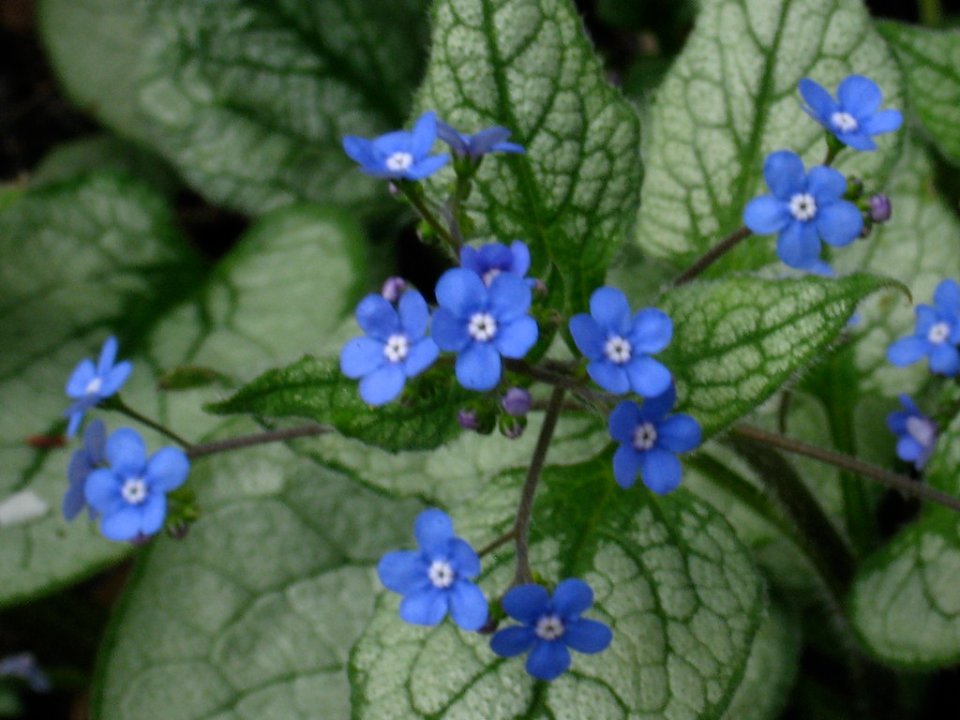
Brunnera is loved for its tiny blue flowers that float above heart-shaped leaves in early spring. From a distance, the blooms can remind people of forget-me-nots, which gives shady beds a soft and welcoming look. After the flowers fade, the foliage still keeps the plant looking full, especially on silver-leaved kinds.
Brunnera does best in part shade with soil that stays lightly moist and rich with organic matter. It works well along paths, under trees, or tucked into woodland plantings where stronger spring sun does not hit too hard. Over time, it forms nice clumps that give a bed a settled and grounded feel. If you want an early bloomer that keeps pulling its weight after flowering, brunnera is a very good one to plant.
Epimedium

Epimedium is one of those perennials that deserves more attention, especially for shady gardens in early spring. Its delicate flowers hang above the leaves like little stars or tiny spurred hats, and the colors can range from yellow to pink, white, or soft purple. New leaves often come in with bronze or red tones, which adds even more interest at the start of the season.
Epimedium handles dry shade better than a lot of spring bloomers once it has settled into place. That makes it useful under shrubs or trees where other plants can struggle. It spreads slowly, so it fills in without taking over the whole bed. For gardeners who want early flowers in a shaded area, epimedium can make a big difference without asking for much in return.
Rock Cress
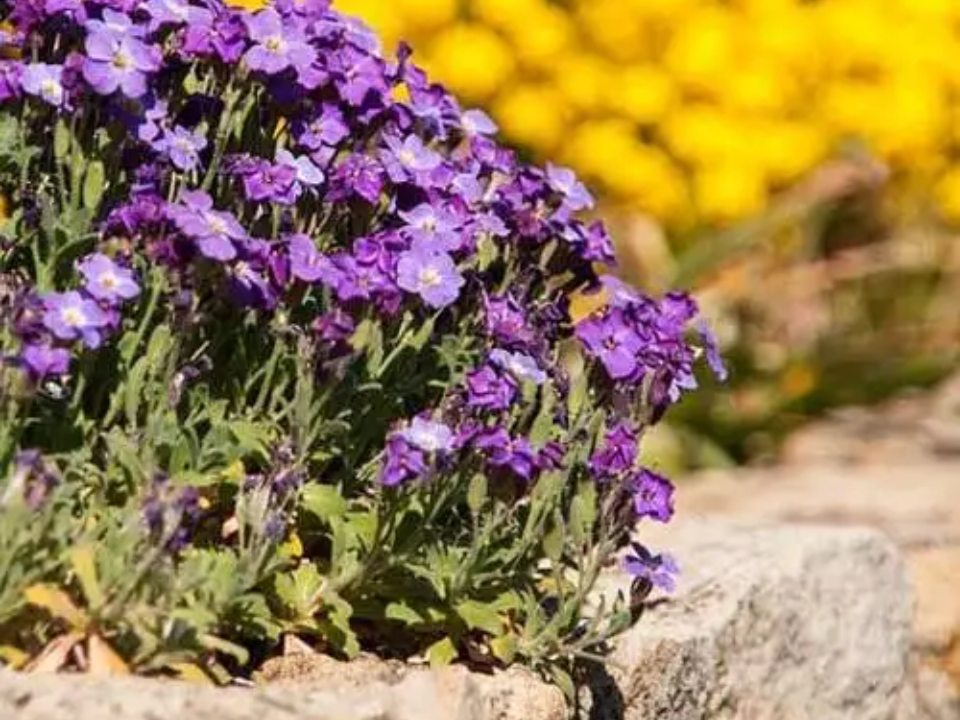
Rock cress is a low-growing perennial that puts on a thick blanket of flowers early in spring. The blooms usually show up in purple, pink, or white, and they cover the plant so heavily that the leaves can nearly vanish. This plant loves sunny spots with soil that drains well, so it fits nicely in rock gardens, retaining walls, and along edges where water does not sit.
Rock cress stays compact, which makes it handy for filling gaps near the front of a bed. It looks especially pretty spilling a little over stone or brick, where the color softens hard surfaces. After the bloom period, the foliage stays as a neat cushion that still looks tidy. If you want spring color close to the ground, rock cress gives a lot for a fairly small plant.
Foamflower
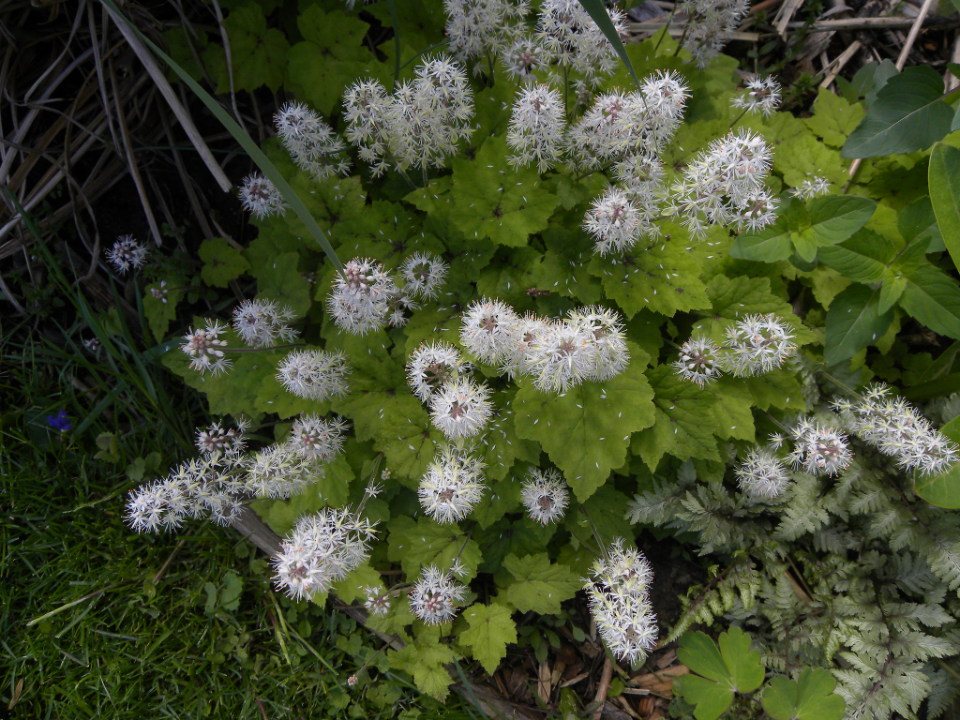
Foamflower brings a gentle woodland feel to the garden right as spring gets going. Its flower spikes rise above the leaves in soft clouds of white or pale pink, which gives the plant its common name. The blooms have a light and airy look, though the plant itself forms a useful ground layer in shady places.
Foamflower likes humus-rich soil and a bit of moisture, which makes it a natural fit under trees and along shaded paths. Some kinds have leaves with dark markings, so the plant still looks nice even after the flowers are done. It spreads in a calm, steady way and helps tie a shaded planting together. For a quiet and pretty spring display, foamflower is a lovely choice.
Jacob’s Ladder
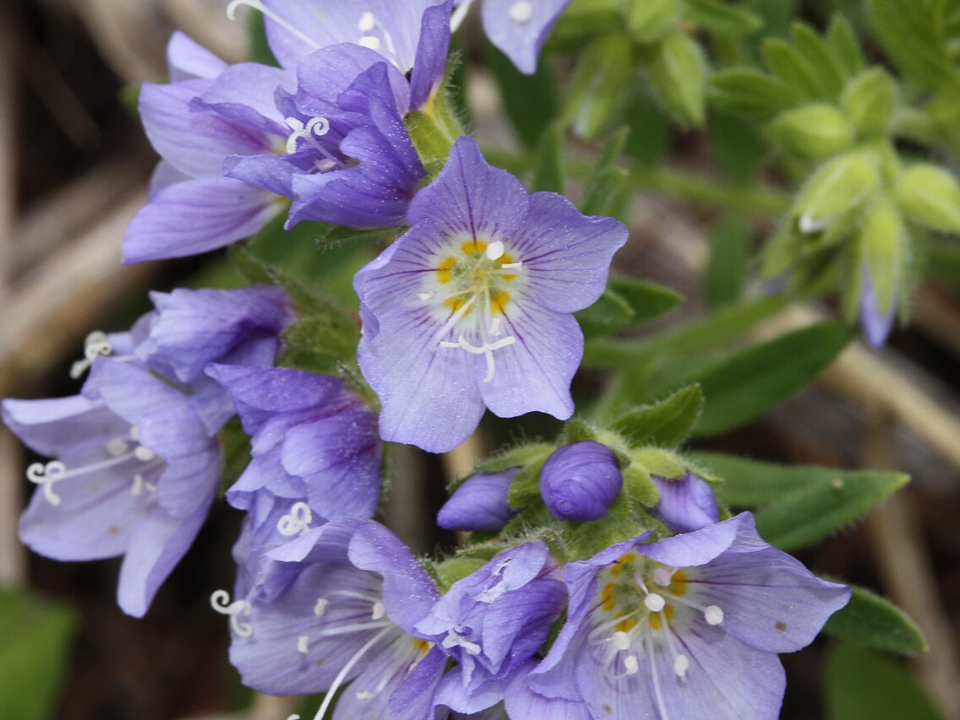
Jacob’s ladder is a clump-forming perennial with blue, lavender, or white flowers that open in spring above tidy foliage. The leaves are made up of small leaflets arranged in pairs, which gives them a ladder-like look and explains the name. Even when it is not in bloom, the foliage adds fine texture that works well next to broader leaves.
This plant likes cool weather, partial shade, and soil that does not dry out too fast. In the right spot, it adds color at a time when shady beds can still feel a little empty. Jacob’s ladder does well in cottage gardens, woodland borders, and mixed beds where the early flowers can stand out. It is a good perennial for anyone who likes a softer look at the start of spring.
Trillium
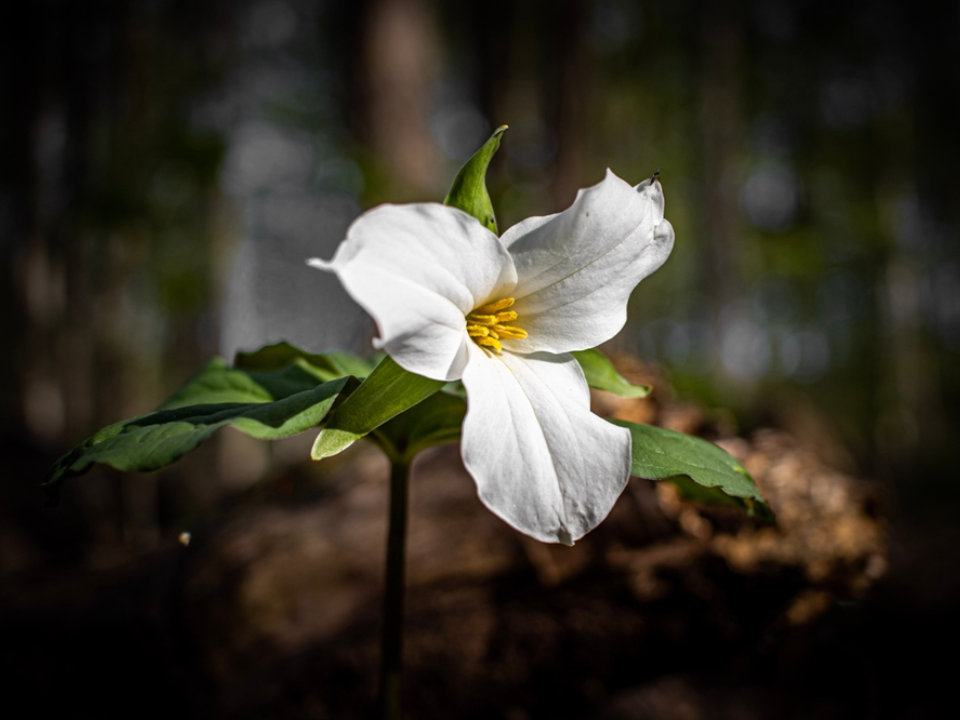
Trillium is a classic woodland perennial that gives spring gardens a calm and almost storybook look. Each plant carries a single flower above a whorl of three leaves, and the blooms can be white, red, pink, or yellow depending on the kind. Trilliums like rich soil, shade, and a planting area that is left fairly undisturbed.
They take their time settling in, though once they are happy they become one of the most rewarding signs of spring. Their flowers have a quiet beauty that feels right at home under trees and along shaded garden edges. Because they bloom early, they stand out before larger summer growers start filling in. A patch of trillium can make a spring garden feel mature, peaceful, and full of character.
Woodland Phlox
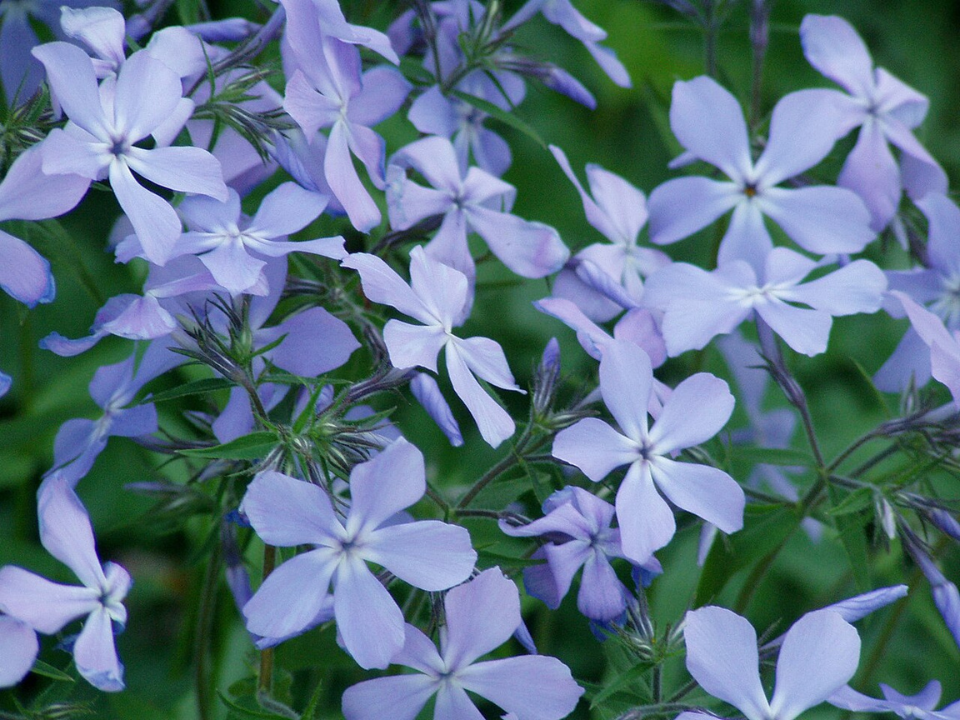
Woodland phlox lights up the spring garden with loose clusters of flowers in blue, violet, pink, or white. It has a softer and more upright look than creeping phlox, which makes it useful in lightly shaded borders and woodland beds. The flowers often have a sweet scent, so planting it near a walkway lets you enjoy that extra touch.
Woodland phlox likes soil with some moisture and does best when it gets morning sun or light filtered shade. It mixes well with ferns, foamflower, and other early spring perennials that enjoy similar conditions. When planted in groups, it gives the garden a fresh wash of color that feels natural rather than stiff. It is a strong choice for gardeners who want early flowers with a relaxed woodland look.
Leopard’s Bane
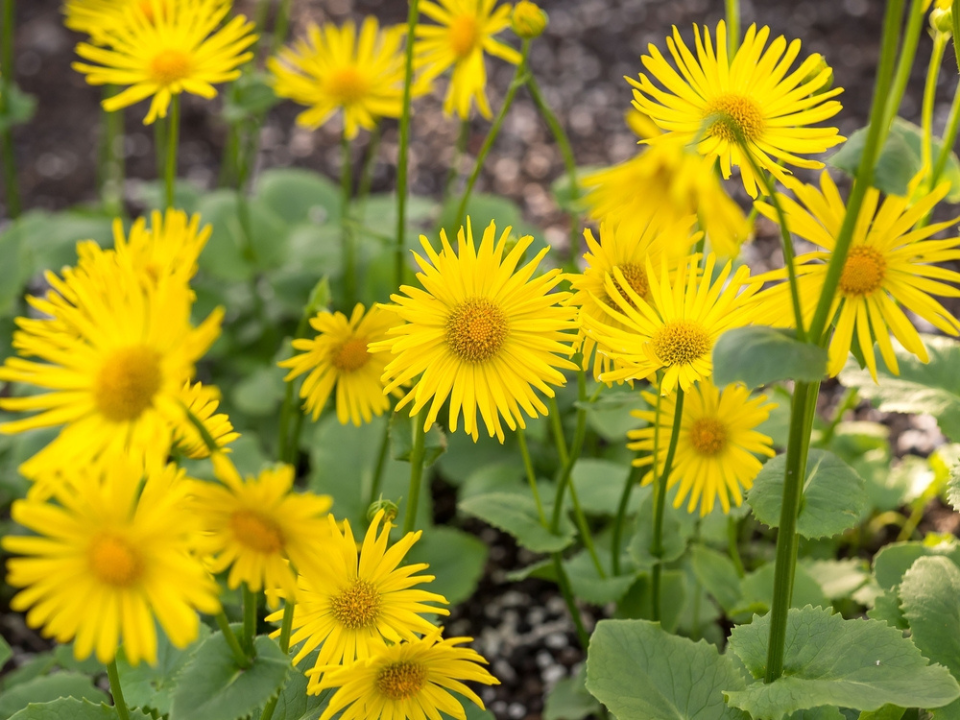
Leopard’s bane brings cheerful yellow daisy-like flowers to the garden early in the season. It blooms before a lot of other sunny perennials have really started moving, which helps spring beds look lively much sooner. The flowers rise above low clumps of green leaves and stand out well against tulips, forget-me-nots, and other early color.
Leopard’s bane likes full sun to partial shade and soil that drains well while still holding some moisture. It works nicely in mixed borders where a bright yellow flower can wake up the planting. In cooler areas, it can be one of the first perennials to make a strong splash of color after winter. For gardeners who want something sunny and upbeat, leopard’s bane is a really nice way to start the season.
Ajuga
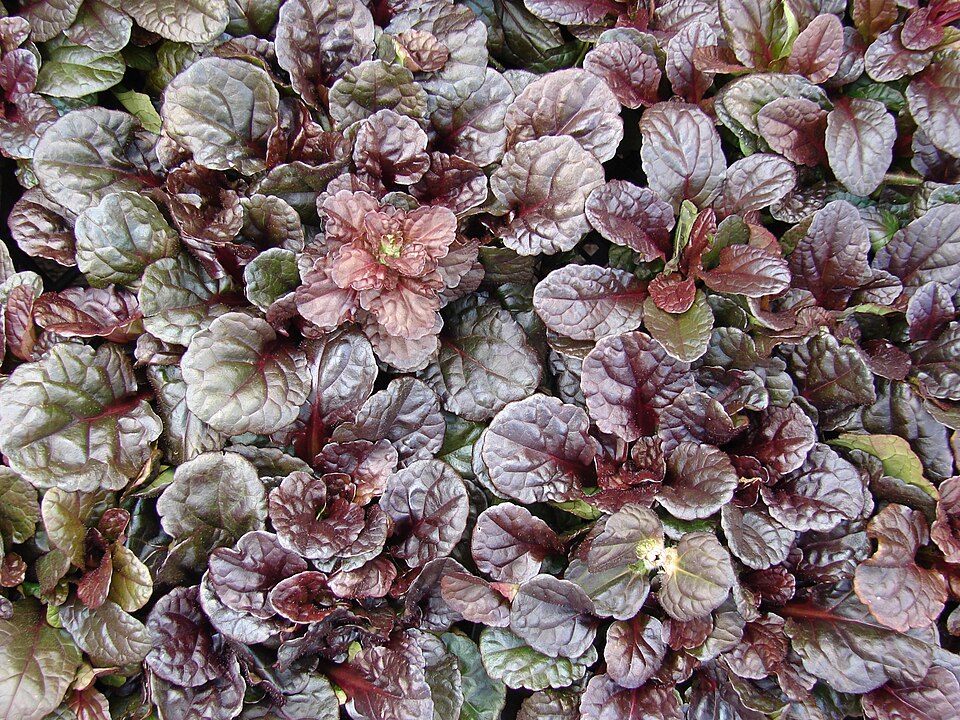
Ajuga is a low-growing perennial that earns its place with glossy foliage and short spikes of blue, purple, pink, or white flowers in spring. It spreads across the ground and can fill bare spots in a way that helps suppress weeds at the same time. The leaves may be green, bronze, or deep purple, which gives the plant extra interest even when it is not blooming.
Ajuga grows well in part shade, though it can take some sun if the soil does not get too dry. It is useful around trees, along borders, or in spots where grass does not do well. Because it hugs the ground, the flower spikes stand up like little candles above the leaves. If you need early color and a good ground cover in one plant, ajuga is hard to ignore.
Hepatica
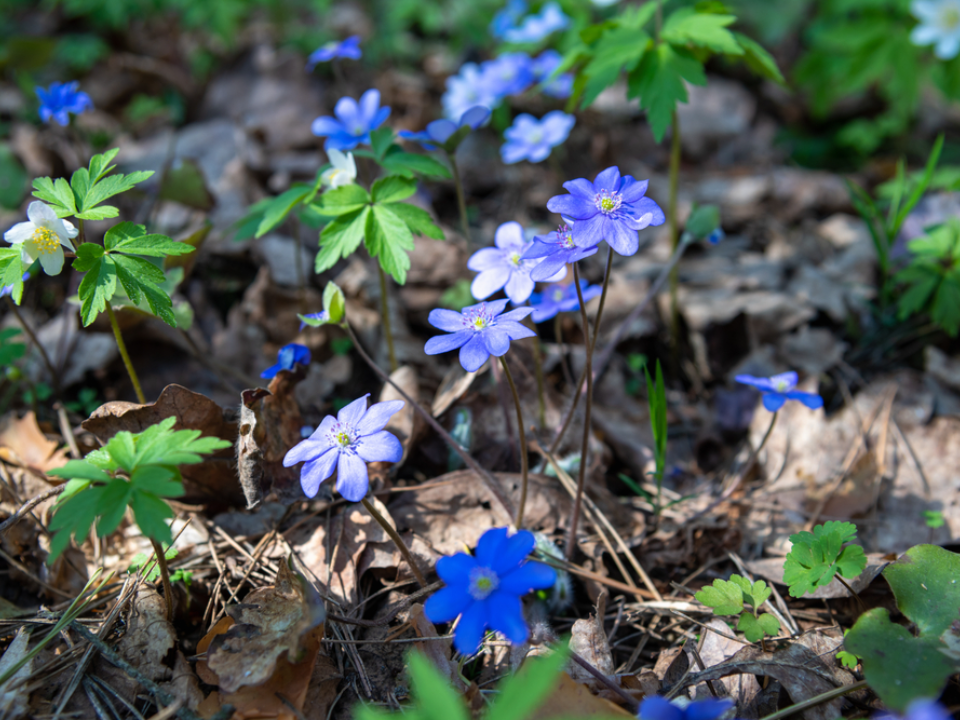
Hepatica is a small woodland perennial that blooms very early, sometimes before the garden has fully shaken off winter. Its flowers can be blue, lavender, pink, or white, and they sit above low clumps of leathery leaves. Even though the blooms are not large, they catch the eye because they show up when color is still scarce.
Hepatica likes shade or dappled light and soil rich in leaf matter, which makes it a natural fit in woodland settings. It has a quiet charm that feels especially nice near paths where you can stop and take a closer look. Since it stays on the smaller side, it works best near the front of a shade bed or tucked among other low spring plants. For a gentle start to the season, hepatica brings a lot of beauty in a small package.
This article originally appeared on Avocadu.