
14 Early Blooming Bulbs That Can Pop Through Cold Soil
The garden may still be under a blanket of frost, but some bulbs are already making their appearance. Early blooming bulbs are tough, capable of breaking through the cold soil and bringing a pop of color to the dormant landscape. These plants are a reminder that spring is on its way, no matter how cold it may feel.
This post may contain affiliate links, which helps keep this content free. Please read our disclosure for more info.
Snowdrop (Galanthus nivalis)
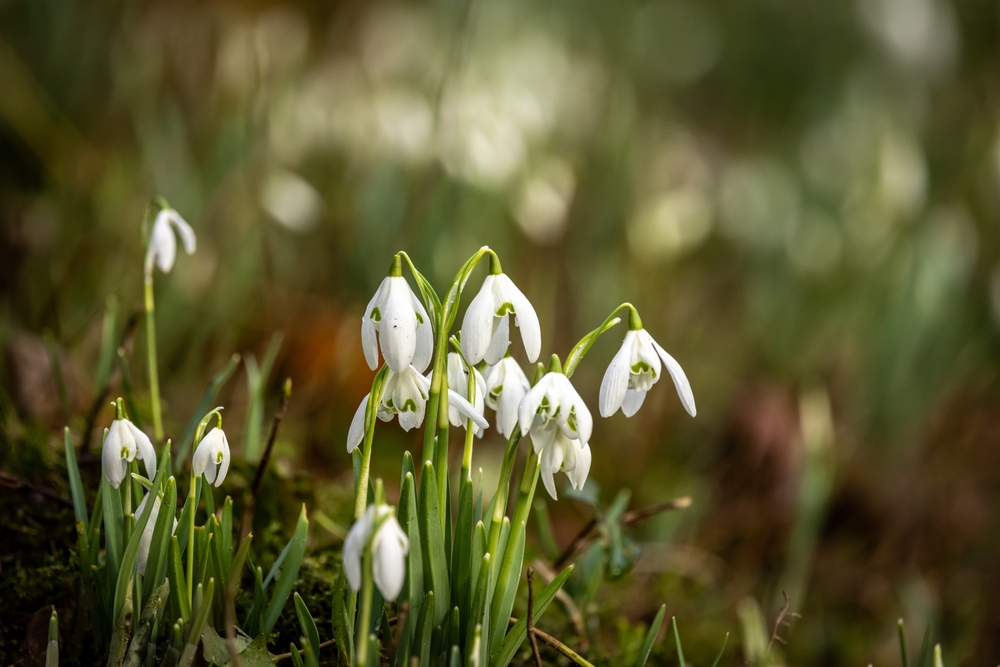
Snowdrops are often the first flowers to appear as winter ends, with their delicate white petals peeking through the cold ground. These small, fragrant flowers thrive in chilly soil and can even bloom while snow is still on the ground. Native to Europe and Asia, snowdrops are hardy and can grow in both shaded and sunny spots. Their ability to withstand the cold makes them a favorite for gardeners looking to bring early color to their landscapes.
Planting snowdrops in well-drained, moist soil is ideal for their growth. They are commonly seen in woodlands and gardens, often naturalizing over time. Snowdrops are low maintenance, requiring only occasional watering and occasional division. They offer a hopeful sight as the first bloom of spring after a long winter.
Crocus (Crocus spp.)
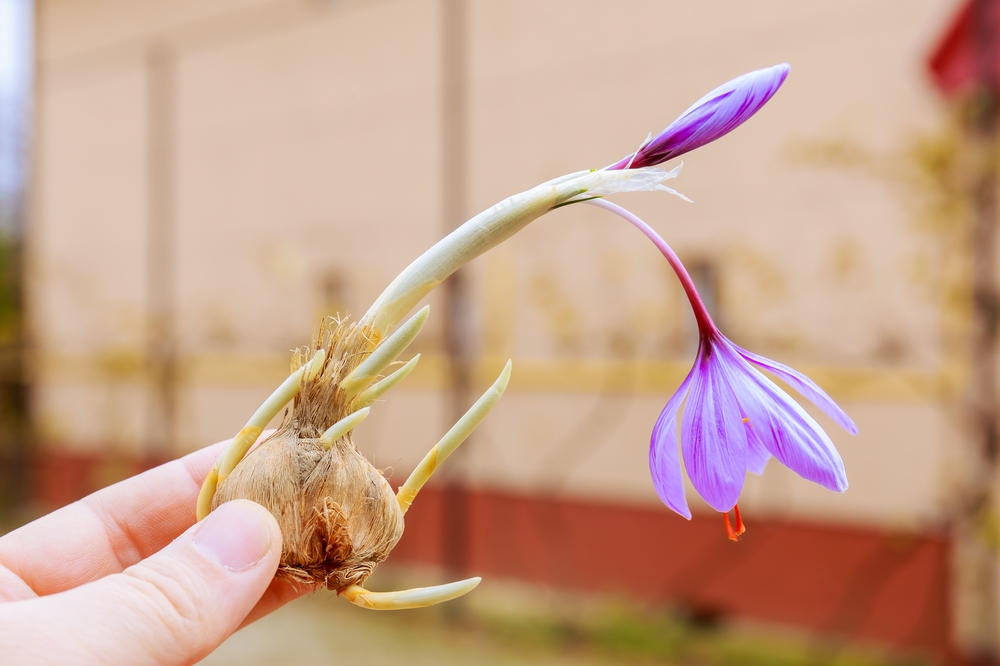
Crocuses are famous for their vibrant hues, ranging from purple and yellow to white and blue, making them a stunning early bloomer. These bulbs are quick to emerge from cold soil, often blooming while frost is still present. Crocus flowers are native to Europe, North Africa, and the Middle East, where they thrive in a variety of climates. Their cheerful, colorful blooms brighten up gardens in the early months, signaling the arrival of spring.
Crocus bulbs should be planted in well-drained soil in sunny locations to get the most out of their blooms. These plants are drought-tolerant once established, making them perfect for areas with fluctuating temperatures. They are great for adding early-season color to garden beds, borders, and even lawns. They often return year after year, providing lasting beauty to the landscape.
Winter Aconite (Eranthis hyemalis)
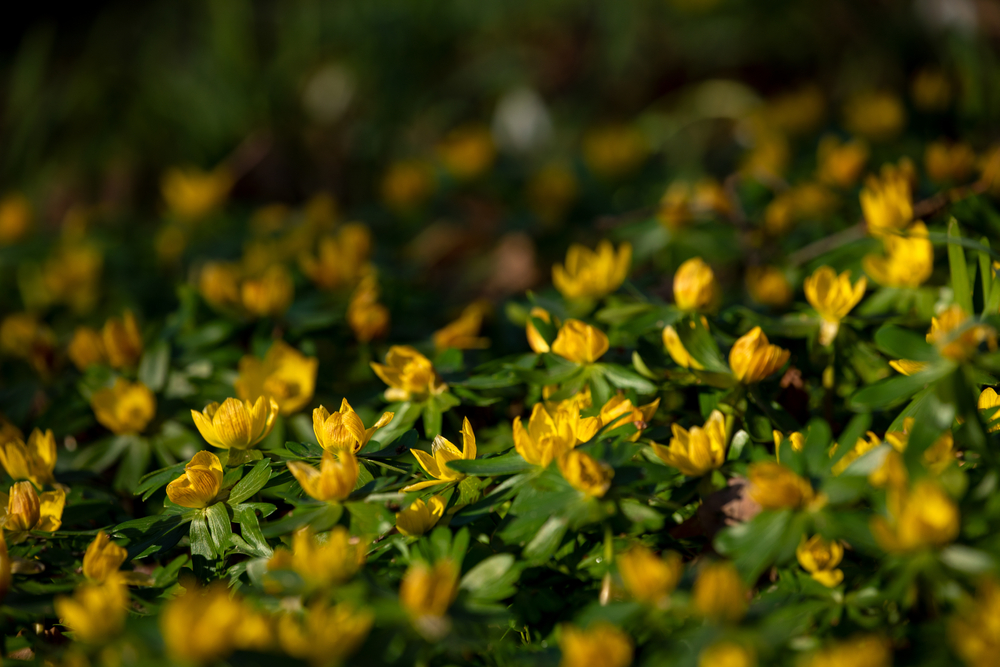
Winter aconite is a bright, cheerful flower that blooms early in the year, sometimes even through the snow. Its yellow flowers with green leaves create a striking contrast in cold gardens. Native to Europe, this hardy bulb can thrive in freezing temperatures and provides one of the first glimpses of spring color. Winter aconite grows well in areas with moist, well-drained soil and partial to full shade.
Once planted, winter aconites require very little attention, making them a great option for gardeners looking for low-maintenance early blooms. They are often seen in woodland gardens or naturalized in grassy areas. The flowers bloom in late winter to early spring, and their vibrant color stands out in a sea of cold, brown earth. This plant’s resilience to cold makes it an ideal choice for gardeners eager to see life return after winter.
Daffodil (Narcissus spp.)
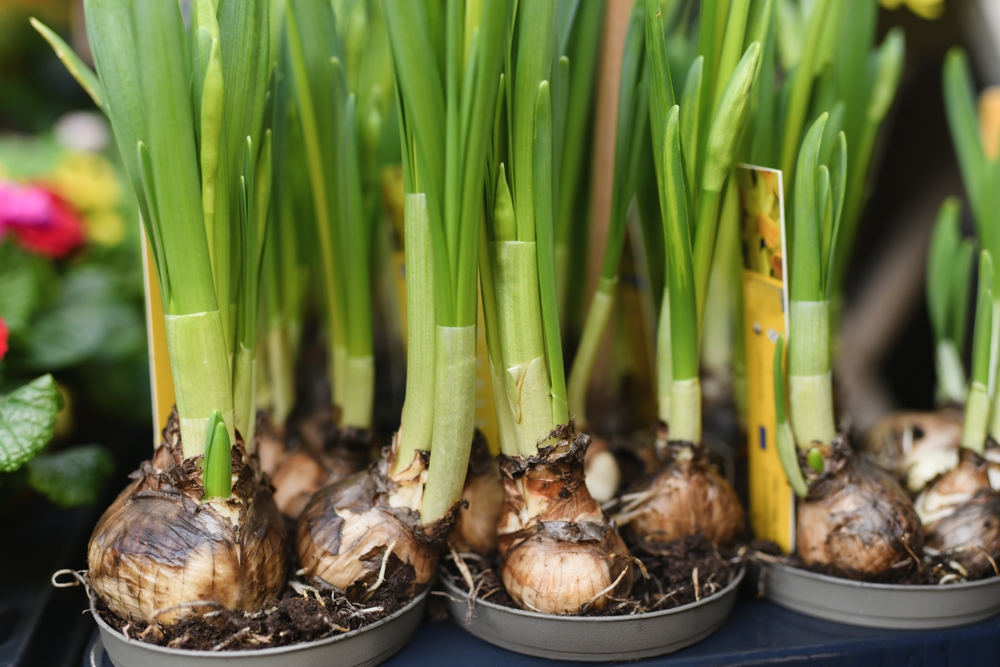
Daffodils are classic early bloomers with bright yellow, white, or orange flowers that often bloom even when the ground is still cold. These springtime favorites are hardy and thrive in a variety of climates, making them a popular choice for gardens. Daffodils are native to Europe and have been cultivated for centuries, providing cheerful blooms that brighten up the landscape. Their ability to withstand frost and snow makes them a symbol of spring’s arrival.
Daffodil bulbs should be planted in well-drained soil in a sunny location for optimal growth. These plants are low-maintenance and can naturalize, coming back year after year with minimal care. They are great for adding color to garden beds, borders, or even along pathways. The trumpet-shaped flowers stand tall, offering an early splash of color when many other plants are still dormant.
Hyacinth (Hyacinthus spp.)
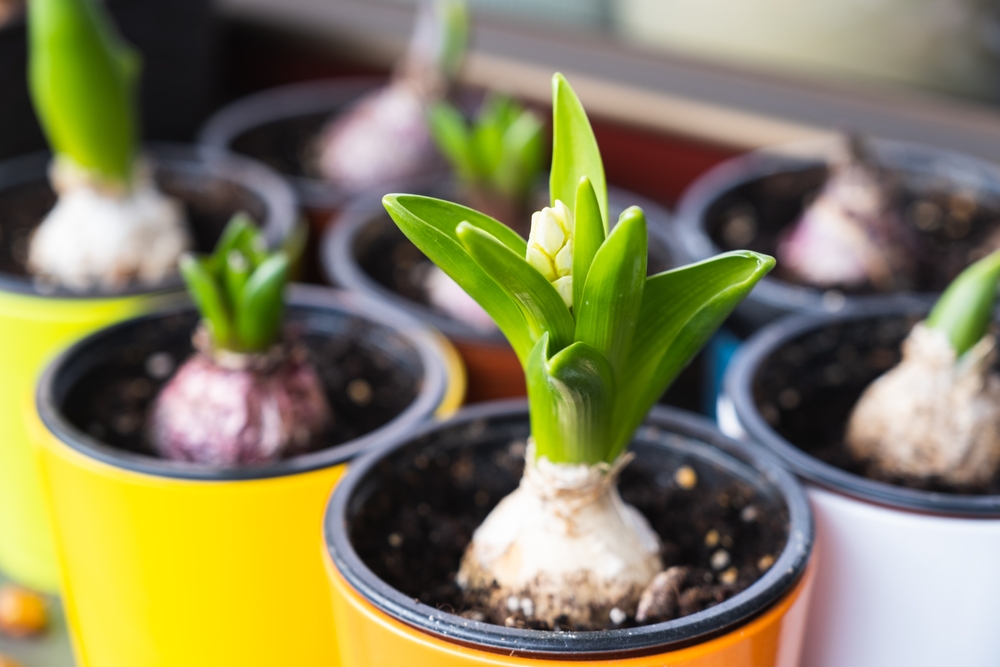
Hyacinths are known for their fragrant flowers, which come in a range of colors, including purple, pink, white, and blue. These bulbs bloom early in the spring, often emerging while the soil is still cool. Hyacinths are native to the Mediterranean region and are well-suited to a variety of climates, thriving in full sun or partial shade. Their strong, sweet fragrance makes them a popular choice for both garden and indoor planting.
Planting hyacinth bulbs in well-drained soil with good sunlight will encourage their growth and vibrant blooms. These flowers make excellent additions to flower beds, borders, or even containers, bringing color and scent to early spring gardens. Hyacinths are relatively easy to grow and maintain, making them a favorite for both novice and experienced gardeners. Their early blooming nature adds beauty and fragrance to any garden when it’s most needed.
Tulip (Tulipa spp.)
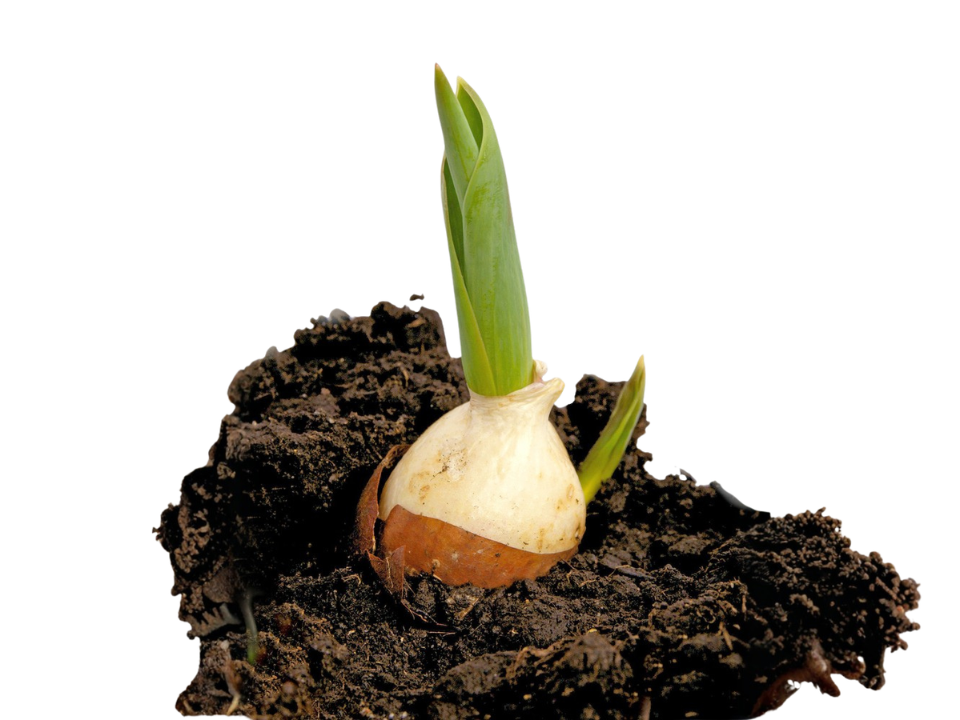
Tulips are iconic spring flowers that bloom early in the season, offering a wide array of colors and patterns. These bulbs are especially known for their bright, cup-shaped flowers that can range from reds and yellows to purples and whites. Native to Central Asia, tulips have been cultivated for centuries, becoming a symbol of spring across the world. They are hardy and can bloom even through the last frosts of the season.
For the best blooms, plant tulip bulbs in well-drained, fertile soil with full sun exposure. These flowers do best when given space to grow, as they can naturalize and multiply over time. Tulips make a striking statement in flower beds, borders, or as cut flowers in arrangements. Their vibrant colors make them a favorite in early spring gardens, providing an uplifting sight when the weather warms.
Scilla (Scilla spp.)
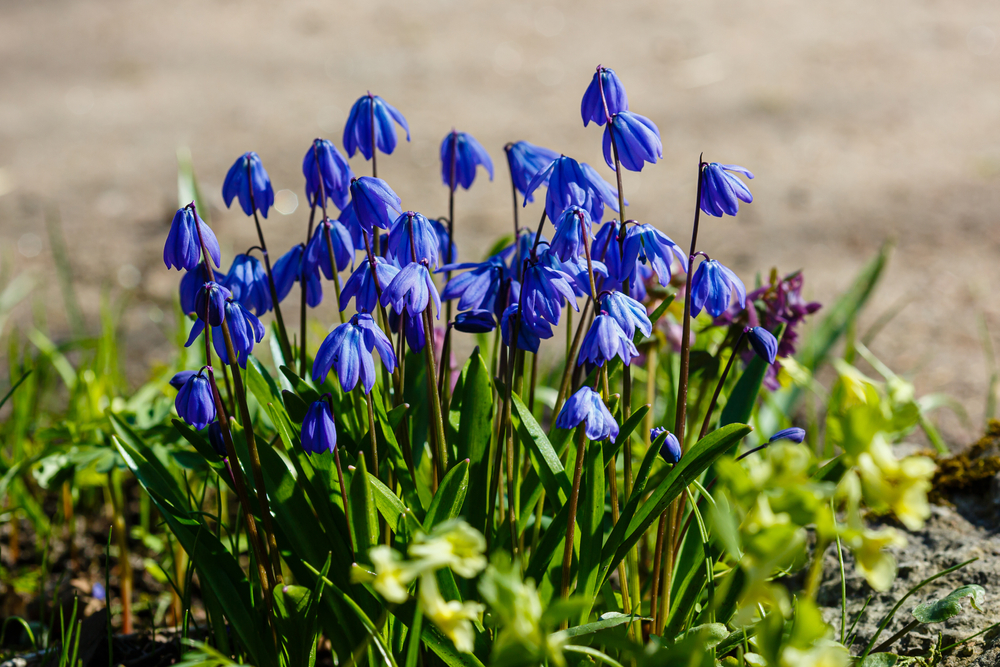
Scilla, or squill, is a small, early-blooming bulb known for its striking blue flowers. These delicate plants can pop through cold soil, often blooming while the ground is still chilly. Native to Europe and parts of Asia, Scilla species are well-suited to spring gardens where they can thrive in partial shade. Their vivid blue blossoms stand out in garden beds, creating a beautiful contrast with early spring greenery.
Scilla bulbs should be planted in well-drained soil that is rich in nutrients for the best growth. These plants are ideal for woodland gardens or naturalizing in grassy areas. Their small size makes them perfect for planting in between other early bloomers or in clusters for maximum impact. Scilla’s ability to bloom through the cold makes it a valuable addition to gardens eager for early-season color.
Glory of the Snow (Chionodoxa spp.)
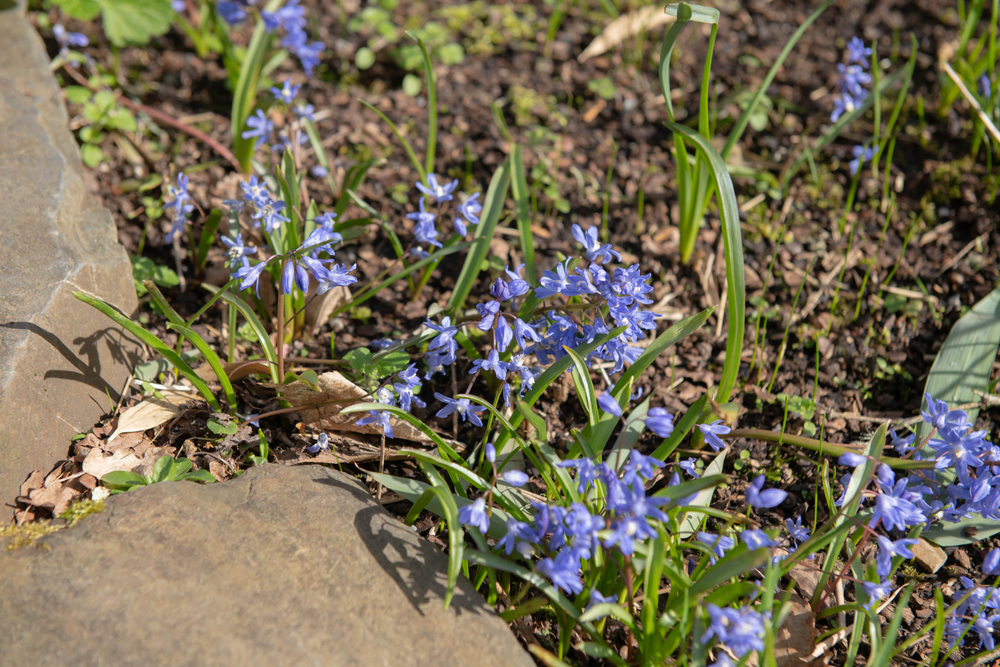
Glory of the Snow is a beautiful bulb that often blooms as early as late winter, sometimes even through the snow. Its small, star-shaped flowers come in shades of blue, pink, and white, adding a delicate touch to cold garden beds. Native to the Mediterranean, this hardy plant thrives in cool, damp soil and is often found in woodlands and meadows. Its early blooming nature makes it one of the first signs of spring’s arrival.
Planting Glory of the Snow bulbs in well-drained soil with some shade will help them thrive. These plants are ideal for naturalizing in woodland gardens or under shrubs where they can multiply over time. Their ability to bloom even when the soil is still cold makes them an important early-season bloomer. Glory of the Snow’s delicate flowers bring hope and beauty to gardens at the tail end of winter.
Snow Crocus (Crocus chrysanthus)
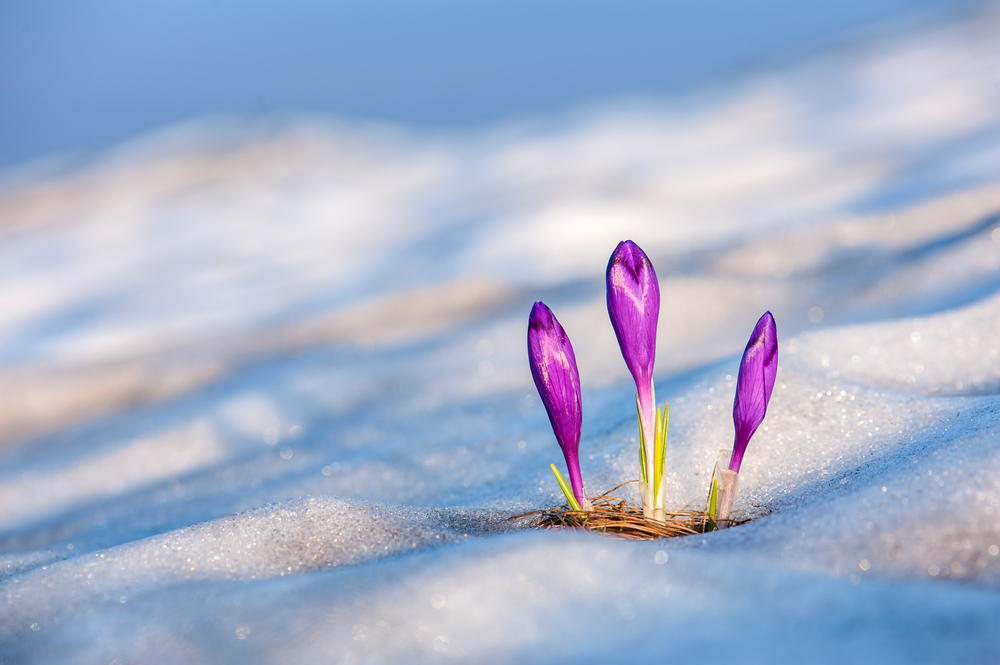
Snow Crocus, often referred to as spring crocus, is one of the earliest bloomers of the season. These small, vibrant flowers, available in shades of yellow, purple, and white, often emerge while the ground is still cold. Native to Europe, Snow Crocus bulbs are well-suited for planting in a variety of garden conditions, including lawn areas and rock gardens. Their ability to bloom early makes them a popular choice for gardeners eager to see color after winter.
These bulbs should be planted in well-drained soil in full sun to encourage strong growth. Snow Crocus is perfect for naturalizing in lawns, where it can spread and multiply over time. They are low-maintenance, requiring minimal care, and can even tolerate some frost without damage. Snow Crocus adds a delicate, cheerful touch to early spring landscapes.
Snake’s Head Fritillary (Fritillaria meleagris)
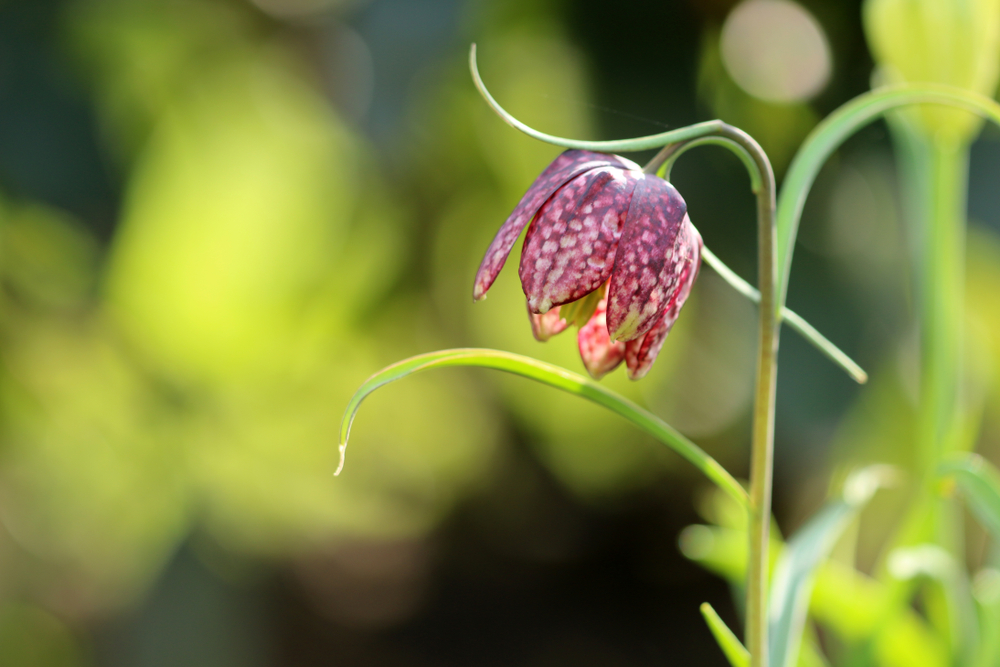
The Fritillaria meleagris, commonly known as the snake’s head fritillary, is known for its unique, checkered pattern and early blooming nature. These elegant flowers, which can be purple, white, or pink, bloom as the soil begins to warm, often when frost is still present. Native to Europe and Asia, they are hardy in colder climates and are perfect for adding a touch of elegance to early spring gardens. Their unusual appearance sets them apart from other early bloomers.
Planting Fritillaria bulbs in a well-drained, sunny spot will help them grow strong and healthy. These flowers thrive in areas with consistent moisture and benefit from being left undisturbed once established. Their delicate, bell-shaped blooms stand out in garden beds or naturalized areas. Though rare, they are a unique and beautiful addition to any early spring garden.
Allium moly
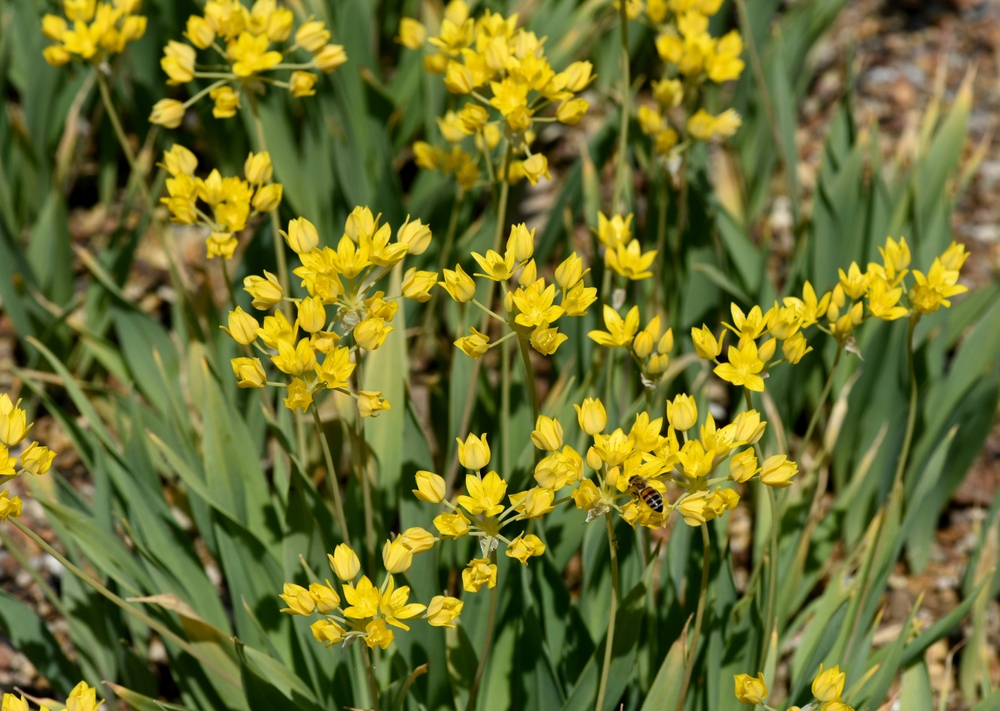
Allium moly, commonly known as golden garlic, is a small yet striking bulb that blooms early in the season. Its bright yellow flowers create a sunny burst of color, even in the cooler months. Native to parts of Europe, this allium species thrives in cold soil and is known for its hardiness. It is perfect for planting in borders or alongside other early bloomers, providing a golden touch to the early spring garden.
Golden garlic bulbs should be planted in well-drained, slightly acidic soil with full sun exposure. These plants are low-maintenance and easy to grow, making them ideal for beginner gardeners. Once established, Allium moly will return year after year, adding its sunny yellow blooms to the garden. The cheerful flowers of Allium moly are one of the first signs of spring, brightening up the landscape.
Iris reticulata
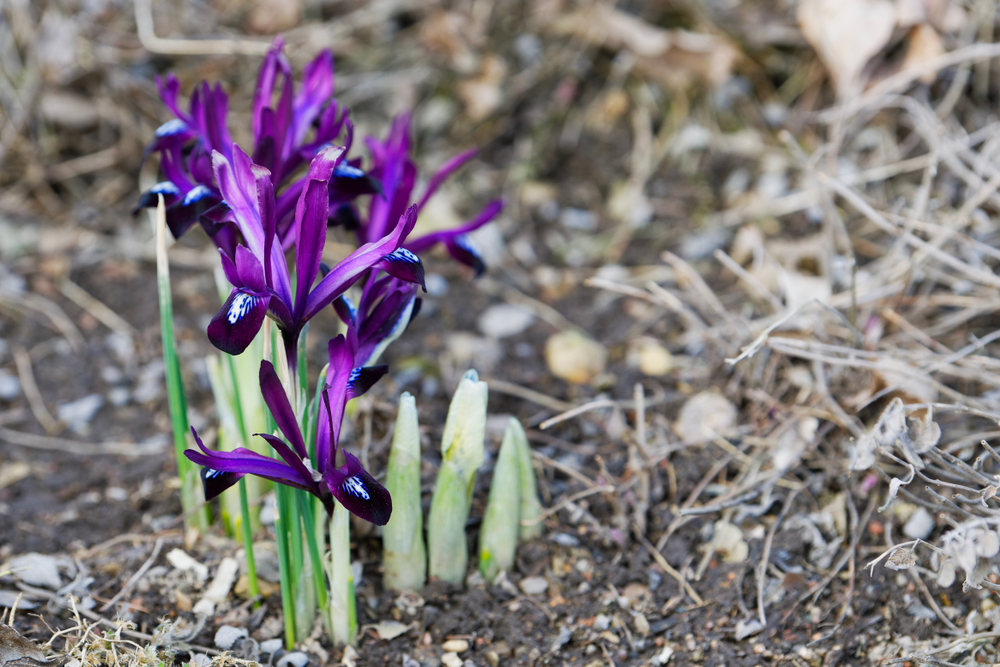
Iris reticulata is a dwarf variety of iris that blooms early in the season with striking purple, blue, or white flowers. These small bulbs are perfect for cold climates, as they can bloom even when the soil is still cool. Native to the Mediterranean region, they are well-suited to early spring gardens and make a stunning addition to any bed or border. Their vivid colors bring early-season vibrancy to otherwise bare landscapes.
These irises prefer well-drained soil and full sun, though they can tolerate some light shade. They are ideal for planting in rock gardens, containers, or alongside other early bloomers. Iris reticulata is a hardy plant that will continue to return with its bright flowers year after year. Their bold colors make them a favorite for those looking to brighten up their gardens at the start of spring.
Cyclamen coum
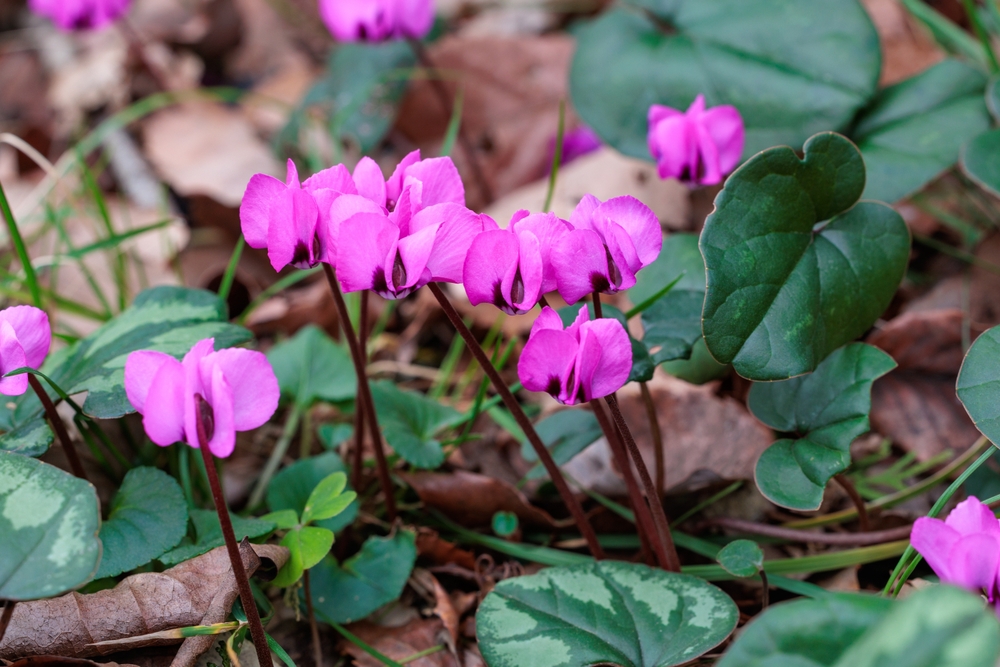
Cyclamen coum is a small, early-blooming bulb that adds a touch of elegance to winter and early spring gardens. Its pink, purple, or white flowers are delicate and often emerge while the soil is still cold. Native to the Mediterranean region, this cyclamen species is hardy and thrives in shaded areas with moist, well-drained soil. The unique, upswept petals of this flower make it a striking addition to any early-season garden.
These cyclamens prefer cooler temperatures and are perfect for planting in woodland or rock gardens. Once established, Cyclamen coum will naturalize, returning year after year with its colorful blooms. Their early arrival in the season is a welcome sight after a long winter. These plants are both resilient and beautiful, offering an understated elegance to gardens in early spring.
Bluebell (Hyacinthoides non-scripta)
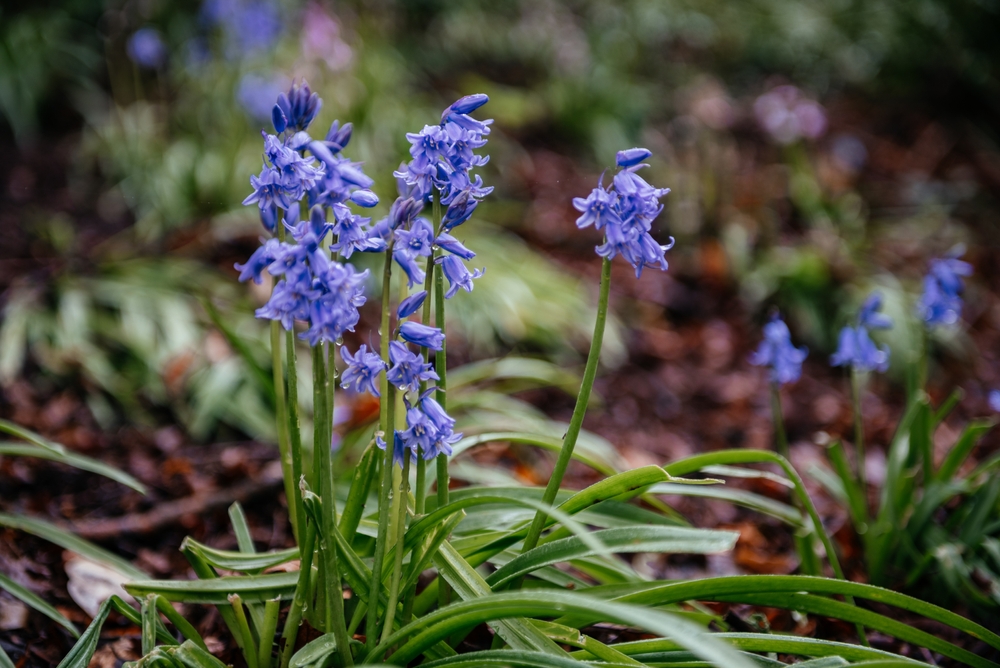
Bluebells are one of the most beloved early-blooming bulbs, known for their enchanting blue, bell-shaped flowers. These plants are native to Europe and thrive in woodland areas where the soil remains cool and moist. Bluebells can be seen emerging early in the spring, often carpeting the ground with their stunning color. Their sweet scent and graceful flowers make them a favorite for gardeners looking to bring early-season color to their spaces.
Planting bluebells in shaded, moist areas will help them thrive, and they often naturalize over time. Once established, bluebells will return year after year, creating a beautiful sea of blue in gardens. These plants are perfect for adding a splash of color under trees or along woodland edges. Their ability to bloom early in the season makes them one of the most cherished flowers for welcoming spring.
This article originally appeared on Avocadu.