
14 Drought-Tough Plants That Handle Late Winter Dry Spells
Late winter dryness is more common than many gardeners expect. While some plants struggle, others continue growing without much fuss. These plants offer a steady presence during a season that can feel uncertain. They work especially well in gardens with sandy or fast draining soil. Take a look at plants that handle dry winter stretches with consistency.
This post may contain affiliate links, which helps keep this content free. Please read our disclosure for more info.
Lavender
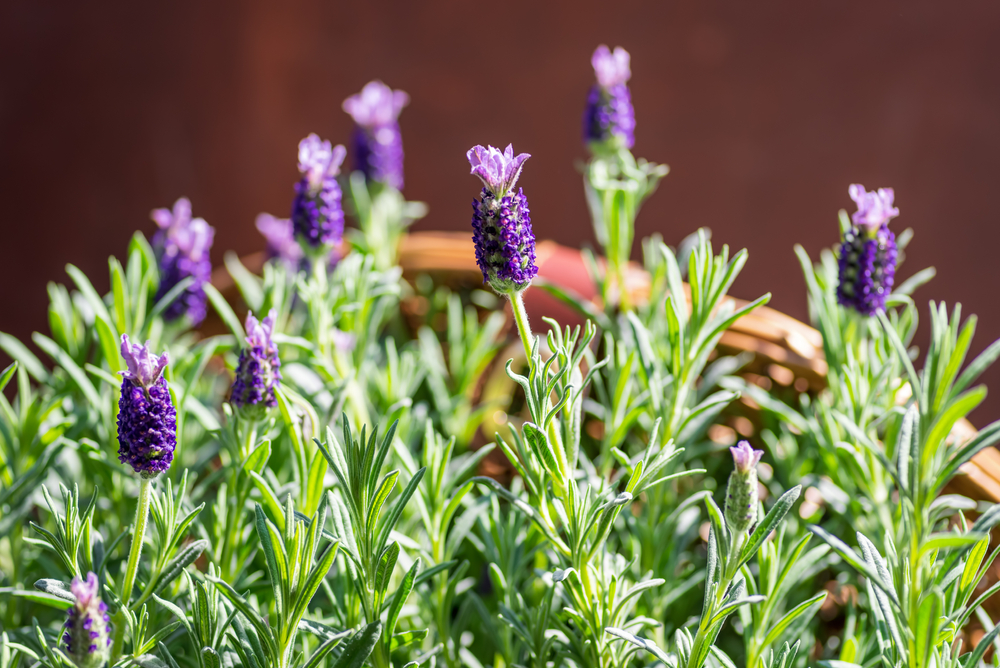
Lavender handles late winter dry spells well once its root system is established, especially in soil that drains freely and does not hold excess moisture around the base. Dry conditions during this period often help prevent common problems such as crown rot, which can occur when soil stays damp for too long. Growth tends to pause or slow during colder weeks, but the plant remains stable beneath the surface. Full sun supports healthy structure even when rainfall is limited.
It is best to leave pruning until new growth appears in spring, since older stems provide natural protection against cold nights. Gravel or sandy soil helps keep roots dry while still allowing airflow. Lavender does not respond well to heavy winter watering and prefers a hands off approach during dry spells. It fits naturally into borders where irrigation stays minimal.
Russian Sage
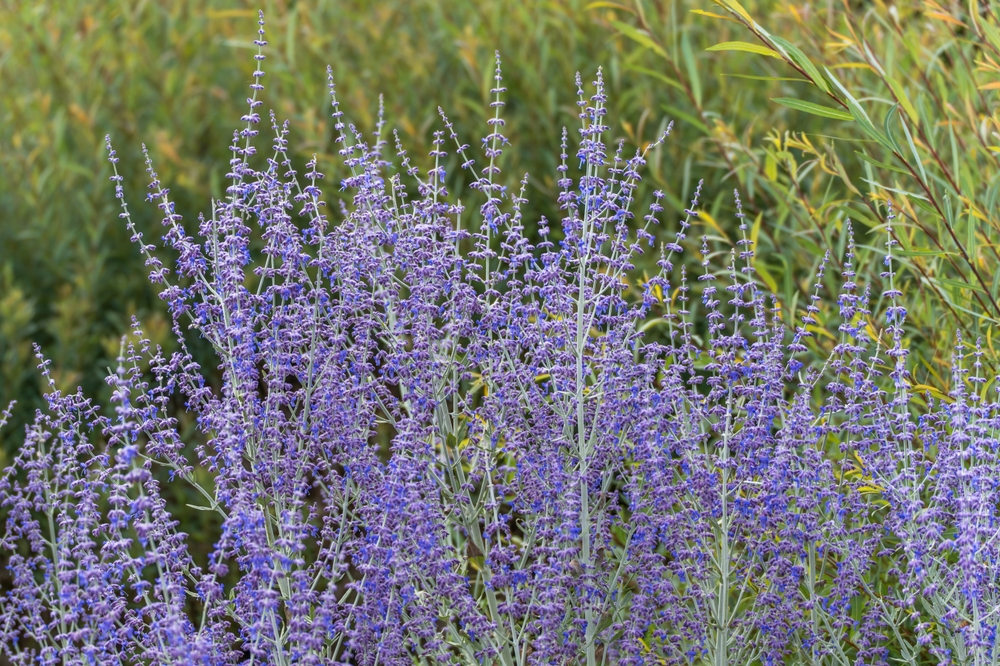
Russian sage remains dependable during late winter dryness due to its woody base and deep rooting habit, which allow it to tolerate extended periods without moisture. During colder months, the plant may appear still or lightly dormant, but this is a normal part of its seasonal cycle. Dry soil helps reduce stress around the crown, especially in climates with fluctuating temperatures. Sun exposure plays a major role in keeping stems strong.
Leaving the plant standing through winter protects it from cold damage and sudden weather shifts. Cutting back too early can weaken new growth before spring arrives. Once warmer days return, fresh shoots emerge quickly from the base. Russian sage performs best in open spaces with good airflow and limited winter watering.
Yarrow
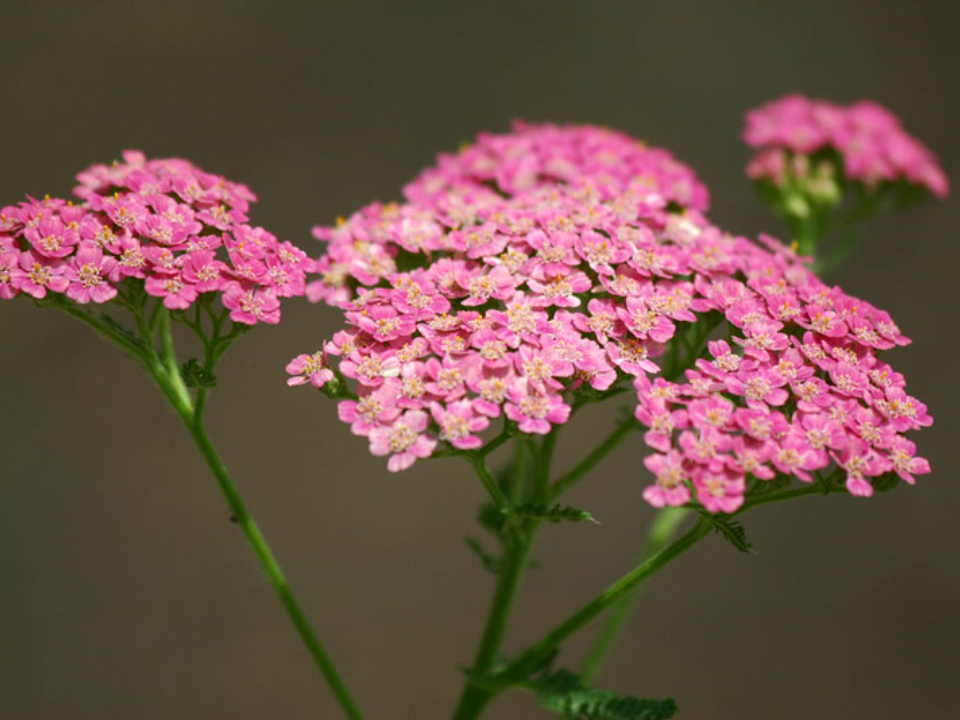
Yarrow manages late winter dry spells with ease, thanks to its fine foliage and natural ability to reduce moisture loss. It tolerates poor or lean soil without visible stress, which makes it reliable during seasons when water is scarce. Growth remains low and controlled through colder months while the root system stays active. Dry conditions help maintain plant health rather than hinder it.
This plant prefers full sun and reacts poorly to excess moisture during winter. Consistently wet soil can lead to root problems that reduce longevity. Yarrow spreads gradually and fills open areas without becoming aggressive. It suits natural style gardens where irrigation stays light.
Sedum
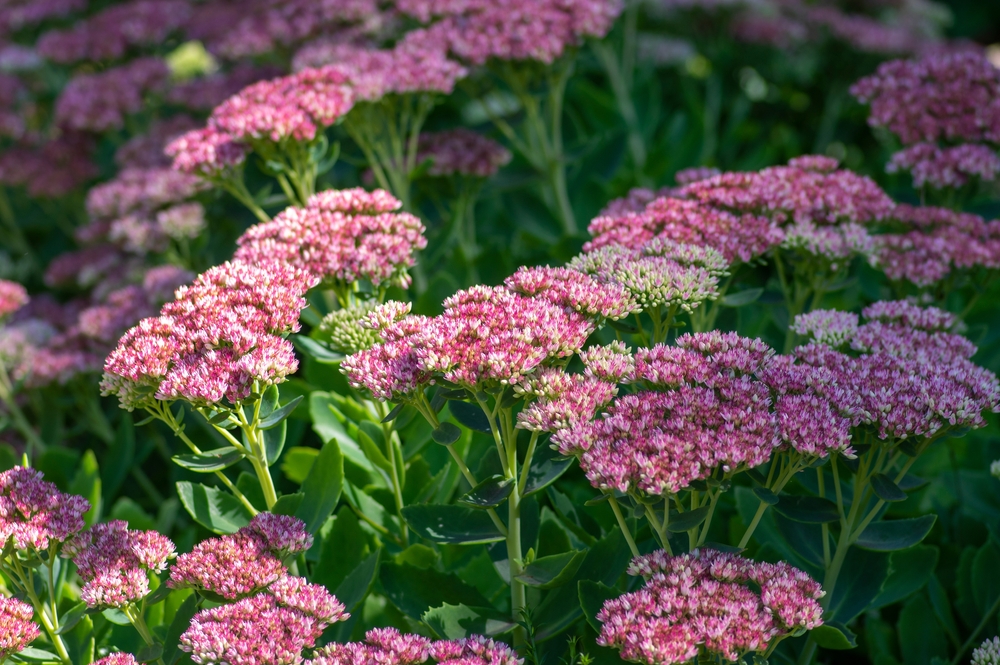
Sedum is well-suited to winter dryness because it stores water within its leaves and stems, allowing it to ride out long dry periods without issue. Many varieties die back above ground in winter, which helps protect the crown from cold and moisture. Dry soil during late winter reduces the risk of decay and supports healthier growth later on. New shoots emerge once temperatures begin to rise.
Leaving dried stems in place through winter offers protection and visual interest. Soil that drains quickly is essential for keeping roots healthy. Sedum performs especially well in raised beds or rocky areas. It requires very little attention during dry winter stretches.
California Poppy
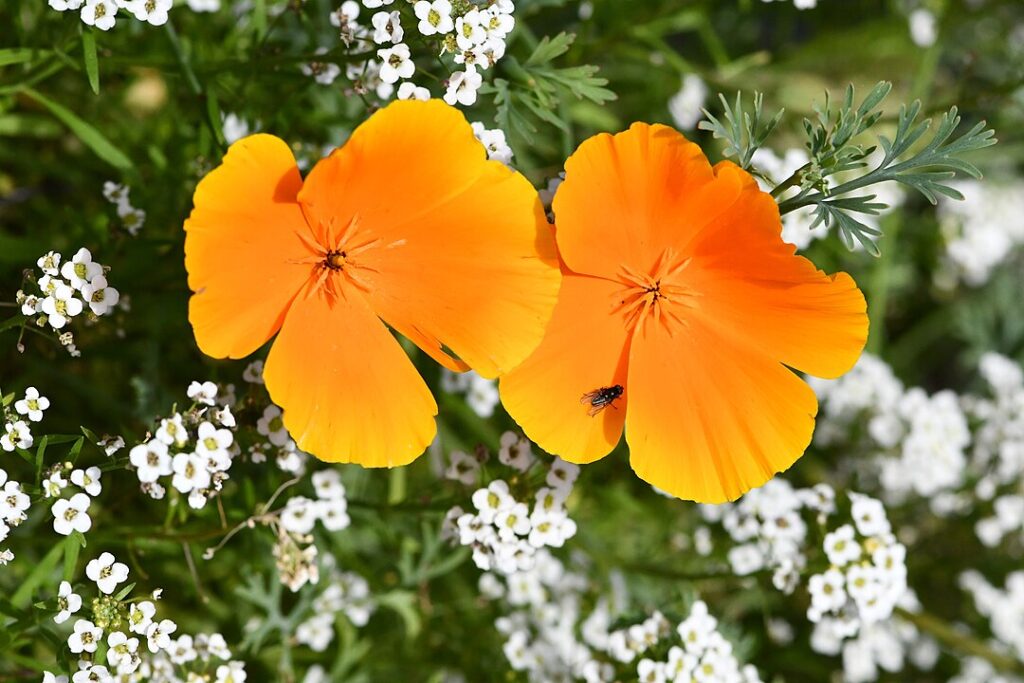
California poppy thrives during late winter dry spells, especially when the soil is left alone and allowed to stay loose and fast draining rather than being constantly watered. Excess moisture during this period often leads to weak growth and fewer blooms later, since the plant prefers cooler conditions paired with dryness. Growth stays low and compact through winter, which helps protect young foliage from temperature swings. Dry stretches during this time support stronger root development that carries the plant into spring.
This plant does best in sandy or loose soil that allows water to move through quickly without pooling around the roots. It reseeds easily once established and often returns year after year with very little effort from the gardener. Consistent dryness helps the plant maintain a healthy structure and natural growth rhythm. California poppy fits especially well in open areas where irrigation stays minimal.
Rosemary
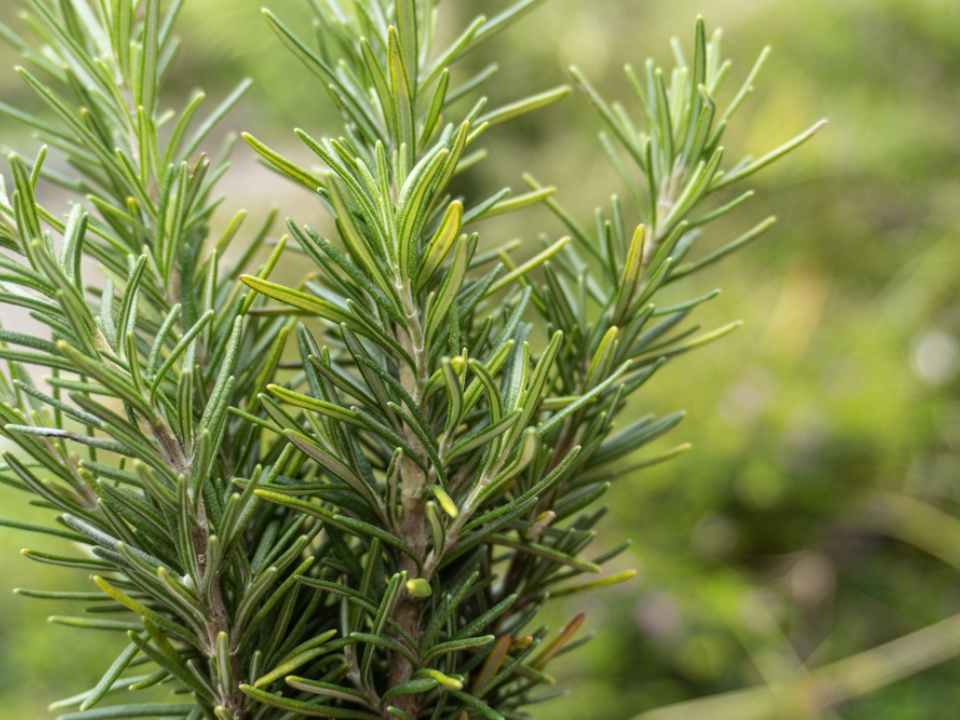
Rosemary handles late winter dryness far better than damp conditions, particularly when planted in soil that drains freely and does not trap moisture near the base. Its narrow leaves reduce water loss during cool weather, which helps the plant remain steady even when rainfall is limited. Dry soil during this season lowers the risk of fungal problems that often appear in colder months. Sun exposure plays an important role in keeping stems firm and growth balanced.
Protection from strong winter winds helps prevent damage to exposed branches, especially in open gardens. Mulch should remain light and kept away from the main stem to avoid trapped moisture. Rosemary often stays evergreen in milder regions, providing year round structure in the garden. It works especially well near paths or raised beds where water control is easier.
Ice Plant
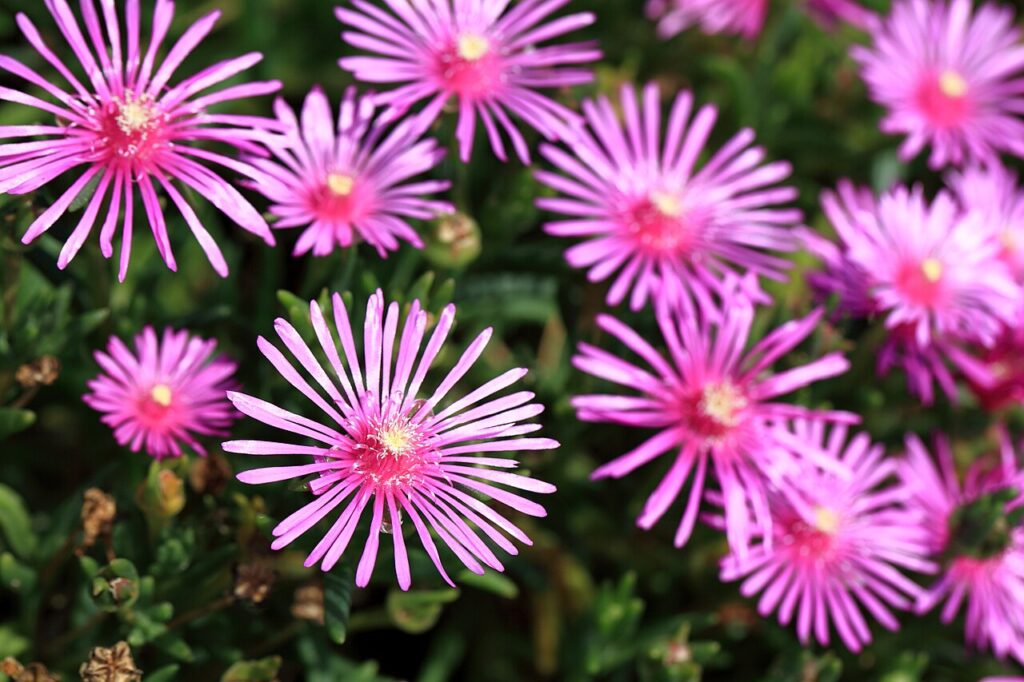
Ice plant tolerates late winter dryness because its thick leaves store moisture that allows it to stay stable through extended dry periods. Cold-tolerant varieties remain compact during winter without showing signs of stress or decline. Dry soil during this time helps prevent root damage, which is far more common in wet conditions. Full sun supports steady growth and helps maintain strong foliage.
This plant struggles much more with excess moisture than with a lack of water, especially during colder months. Gravel or rocky soil improves drainage and keeps roots healthy. Ice plant spreads gradually and forms a low, even ground cover over time. It works well on slopes or dry borders where water drains quickly.
Blanket Flower
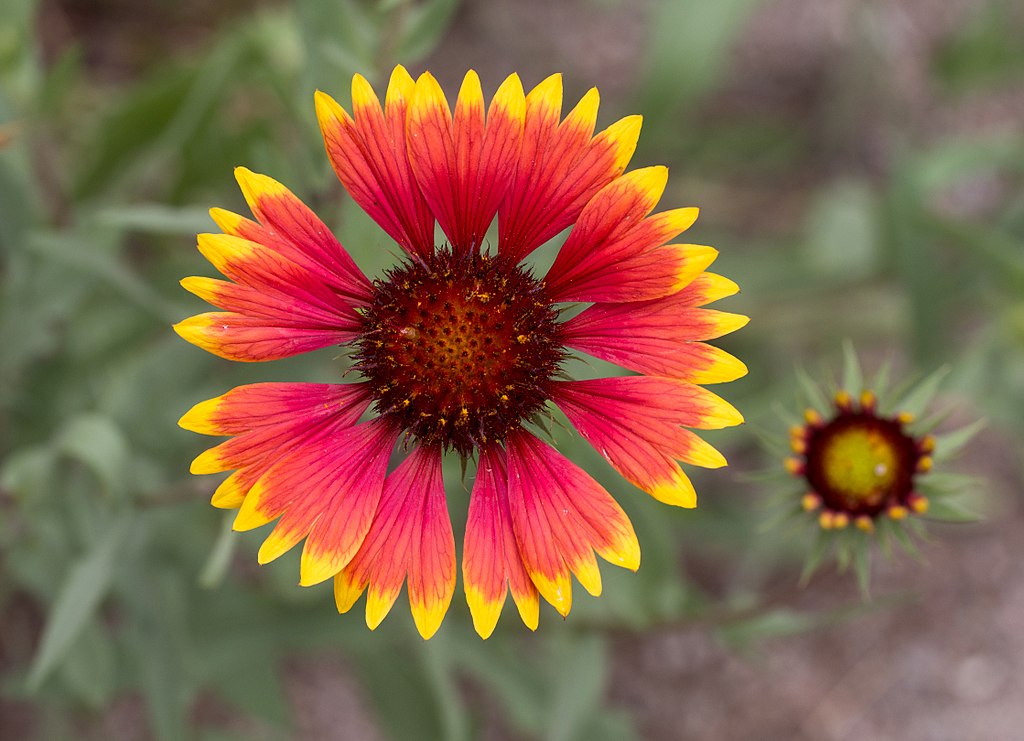
Blanket flower remains steady during late winter dry spells because its deep root system allows it to draw moisture from deeper soil layers. Growth slows during colder weeks, but the plant stays healthy and well anchored below the surface. Dry soil during winter helps protect the crown from rot, which is a common issue in damp conditions. Open planting areas with good sun exposure support better long-term growth.
Cutting back should wait until warmer weather returns, since winter growth helps shield the plant from temperature shifts. Too much water during winter often shortens its lifespan. Blanket flower performs best in gardens where watering is limited. It suits areas that regularly experience dry winters.
Penstemon

Penstemon tolerates winter dryness far better than wet soil, which often causes root issues during colder months. Late winter dry spells help maintain healthy roots while supporting evergreen foliage in wide varieties. Drainage plays a major role in how well the plant survives year after year. Growth remains stable even without added watering.
Heavy mulch should be avoided because it traps moisture near the base of the plant. Slight slopes improve survival by allowing water to move away from the roots. Penstemon responds well to natural rainfall patterns. It pairs well with other plants that prefer dry soil.
Artemisia
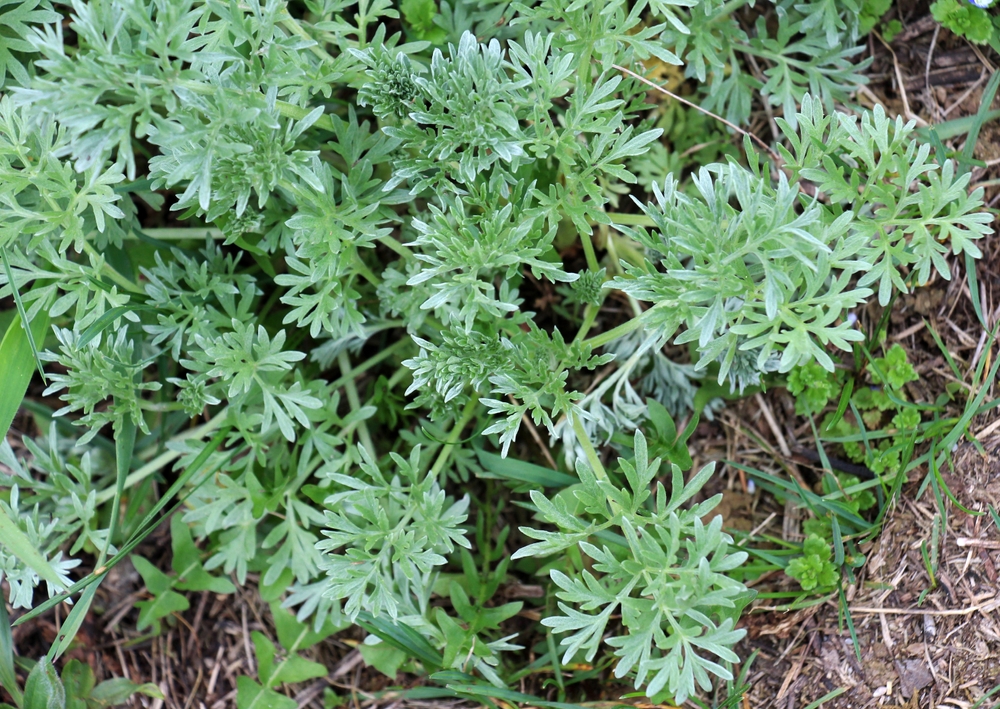
Artemisia handles dry winter soil with ease and tends to struggle only when moisture levels remain high for long periods. Its silvery foliage reflects light and helps limit moisture loss during colder months. Growth stays compact and tidy, which reduces exposure to harsh conditions. Dry soil supports long-term plant health and structure.
Good airflow around the plant helps reduce disease risk. Cutting back should wait until spring growth becomes visible. Artemisia works well in dry borders and open planting areas. It blends naturally with other sun-loving plants.
Coneflower
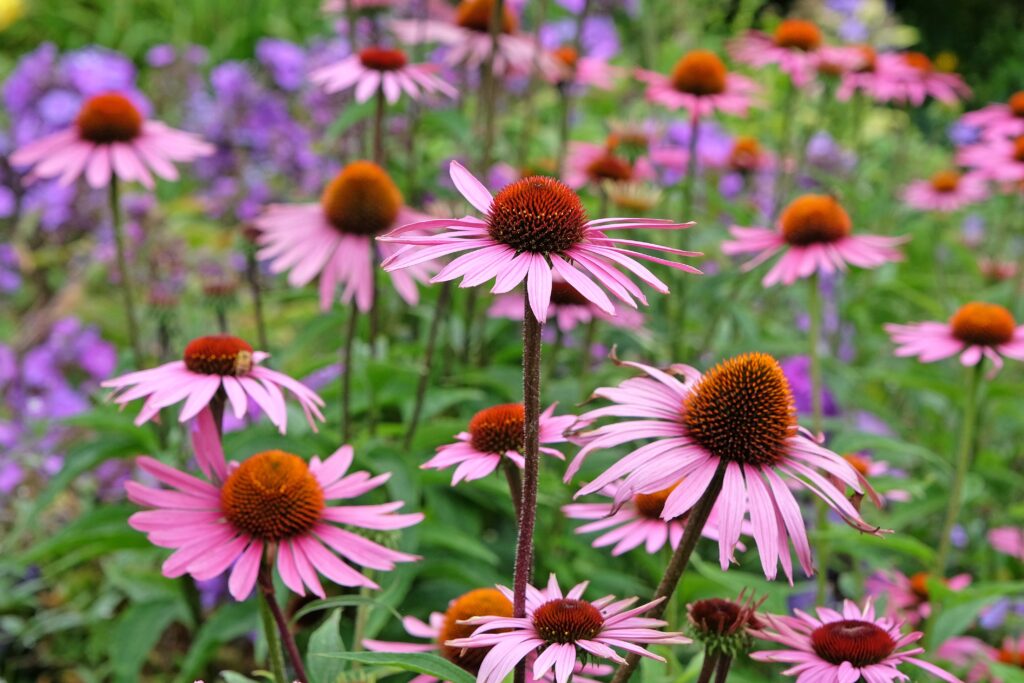
Coneflower manages late winter dryness well once its root system has had time to establish, even when surface soil remains dry for long stretches and rainfall is limited. During colder weeks, the foliage may appear dormant or faded, which is a normal seasonal response rather than a sign of trouble. Dry winter conditions actually help reduce crown rot and other moisture related issues that tend to affect plants in heavier soil. Growth resumes at a steady pace as temperatures gradually rise.
Full sun plays an important role in supporting strong stems and reliable flowering later in the season. Heavy mulch near the base should be avoided since trapped moisture can cause problems during colder months. Coneflower returns year after year once settled and rarely needs extra attention. It fits naturally into mixed perennial beds where watering stays moderate.
Lamb’s Ear
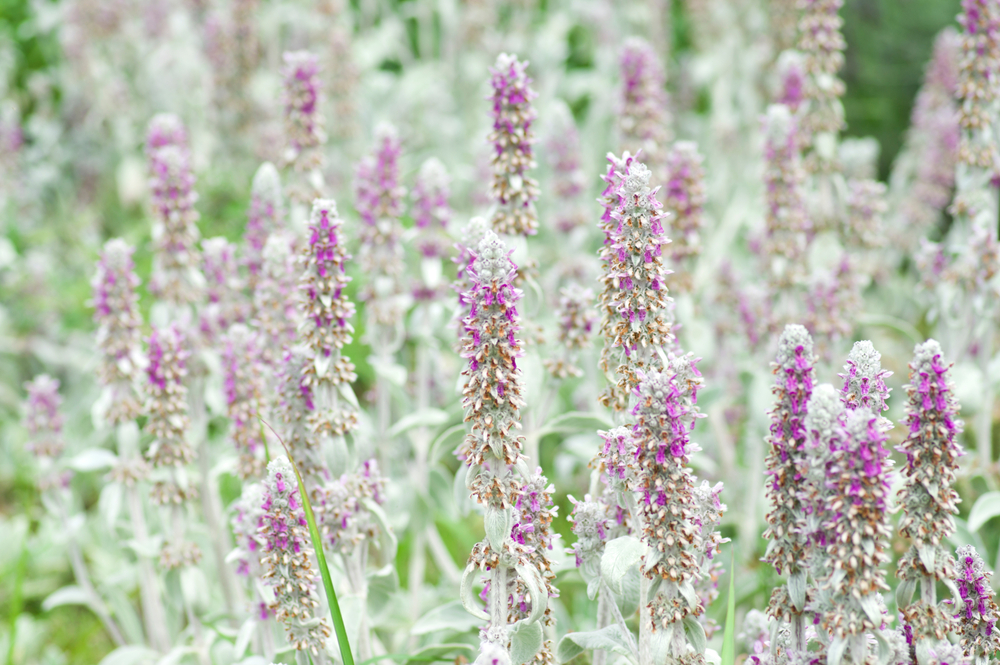
Lamb’s ear prefers dry winter soil and often declines when moisture builds up around the crown during colder months. Its soft, fuzzy leaves help limit moisture loss while also offering some protection against cold stress and fluctuating temperatures. Growth remains low and dense through late winter, which helps shield the plant from harsh conditions near the soil surface. Excess water during this time frequently leads to rot and weakened growth.
Good drainage is key to keeping lamb’s ear healthy through the winter season. Damaged or flattened leaves are best removed in spring rather than during cold weather. Over time, the plant spreads gradually and forms a soft, low ground layer. It works especially well along paths and garden edges where soil dries quickly.
Thyme
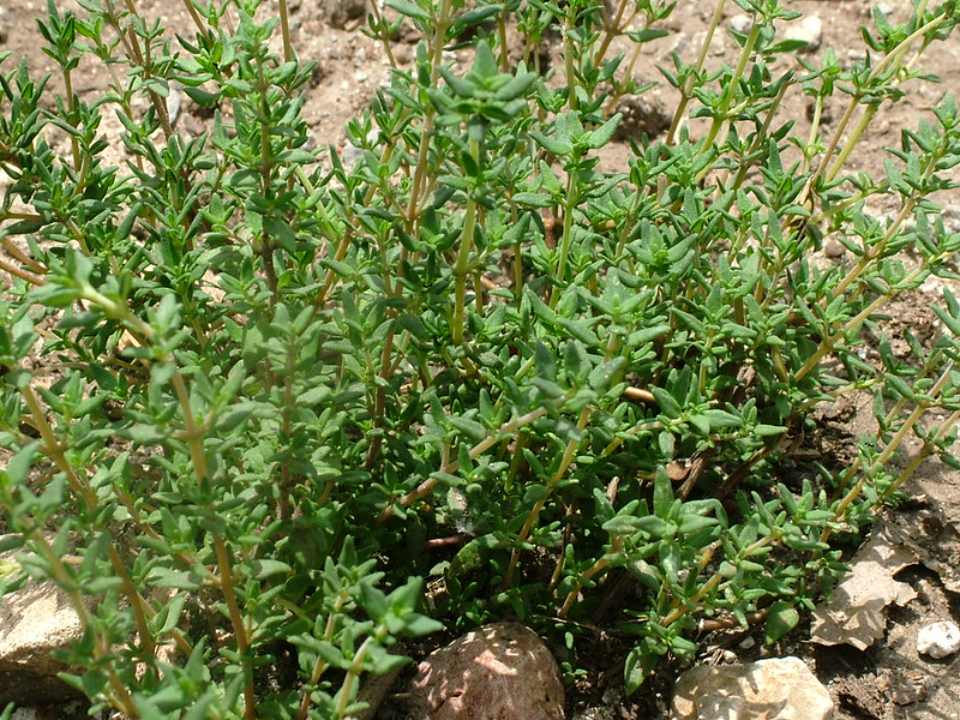
Thyme prefers dry soil during late winter and early spring, especially when planted in areas where water drains freely and does not linger around the roots. Its low growth habit helps protect the plant from cold air and drying winds while keeping foliage close to the ground. Wet soil causes far more damage than dryness during this season, often leading to root decline. Sun exposure supports steady growth and keeps plants compact.
Pruning should wait until new growth appears in spring so older stems can offer some winter protection. Gravel mulch helps improve drainage while keeping moisture away from the crown. Thyme remains evergreen in many climates and continues to provide structure through winter. It suits rock gardens and containers where water levels are easier to control.
Red Yucca
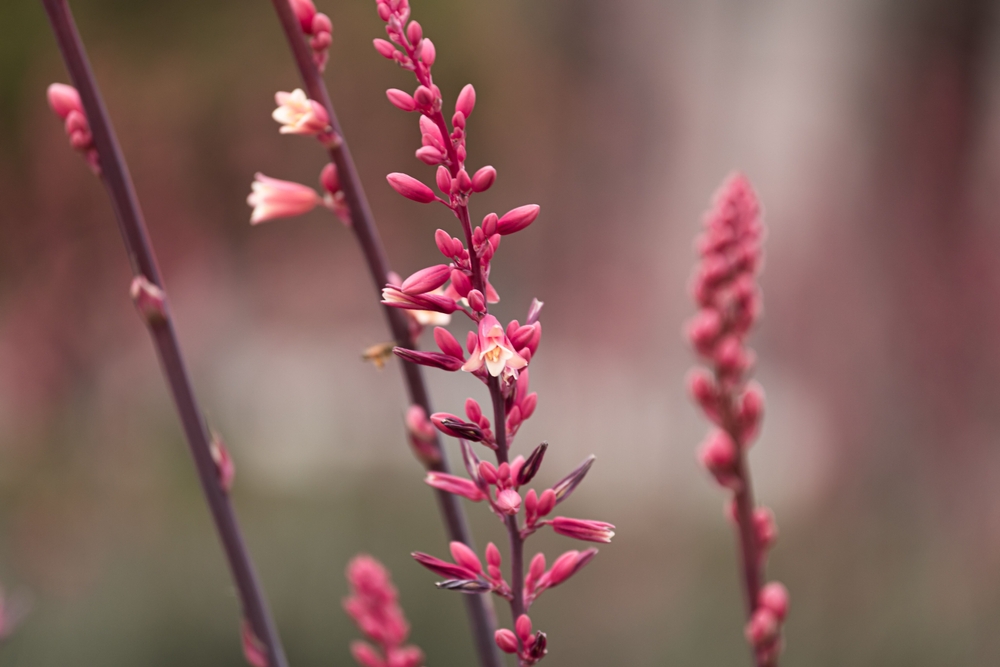
Red yucca tolerates late winter dryness thanks to its long leaves, which store moisture and support the plant through cold and dry periods. Established plants remain stable even when watering is limited for extended stretches. Growth does not suffer during dry spells, as the plant is naturally suited to low moisture conditions. Dry soil during winter supports healthy root systems.
Full sun and open planting space help maintain strong structure and balanced growth. Overwatering weakens performance and often leads to soft or floppy leaves. Tall flower spikes appear once warmer weather returns. Red yucca works well in dry landscapes where irrigation stays light.
This article originally appeared on Avocadu.