
14 Drought Tolerant Plants to Plant Before Spring Heats Up
Drought-tolerant plants are a must-have for any garden, especially when temperatures rise. Adding these plants now allows them to settle in before the heat hits. Not only will they thrive during dry spells, but they’ll also need less water in the long run. So, if you’re looking to create a low-maintenance garden, now is the perfect time to plant.
This post may contain affiliate links, which helps keep this content free. Please read our disclosure for more info.
Lavender
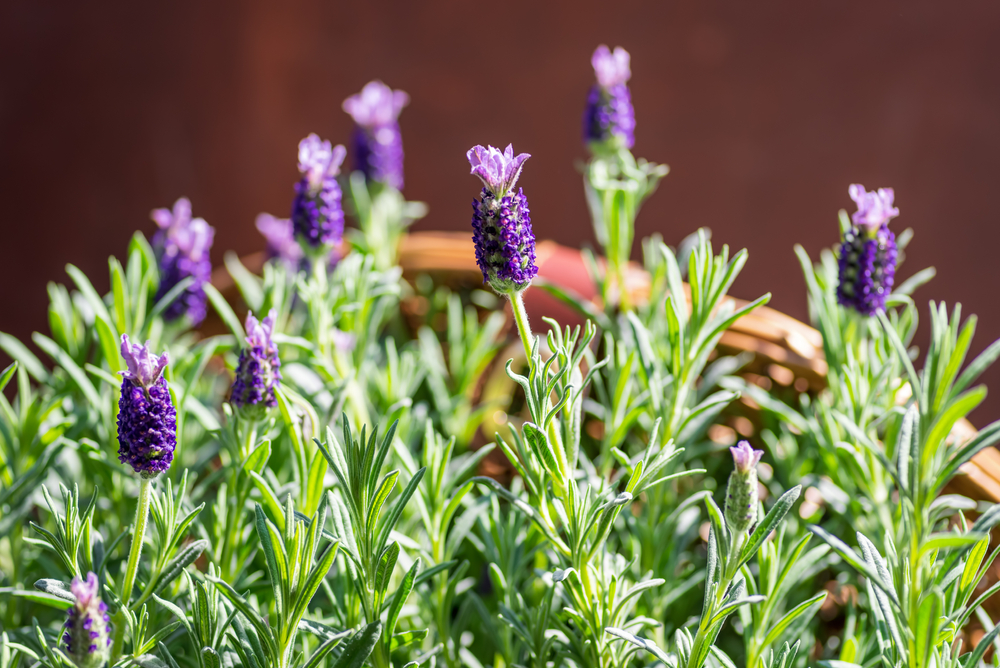
Lavender is well-known for its fragrant flowers and silvery foliage. This hardy plant thrives in well-drained soil and full sunlight, making it a perfect addition to any garden in need of drought-tolerant plants. Once established, lavender is highly resistant to dry conditions and requires minimal watering. It’s also a favorite among pollinators, attracting bees and butterflies to your garden.
In addition to its beauty, lavender is versatile and can be used in a variety of ways, from ornamental borders to culinary dishes. Prune it back after flowering to keep the plant tidy and promote healthy growth. Lavender’s ability to withstand hot, dry summers makes it a reliable choice for low-water gardens. It’s a must-have for anyone looking to create a fragrant, water-wise landscape.
Sedum
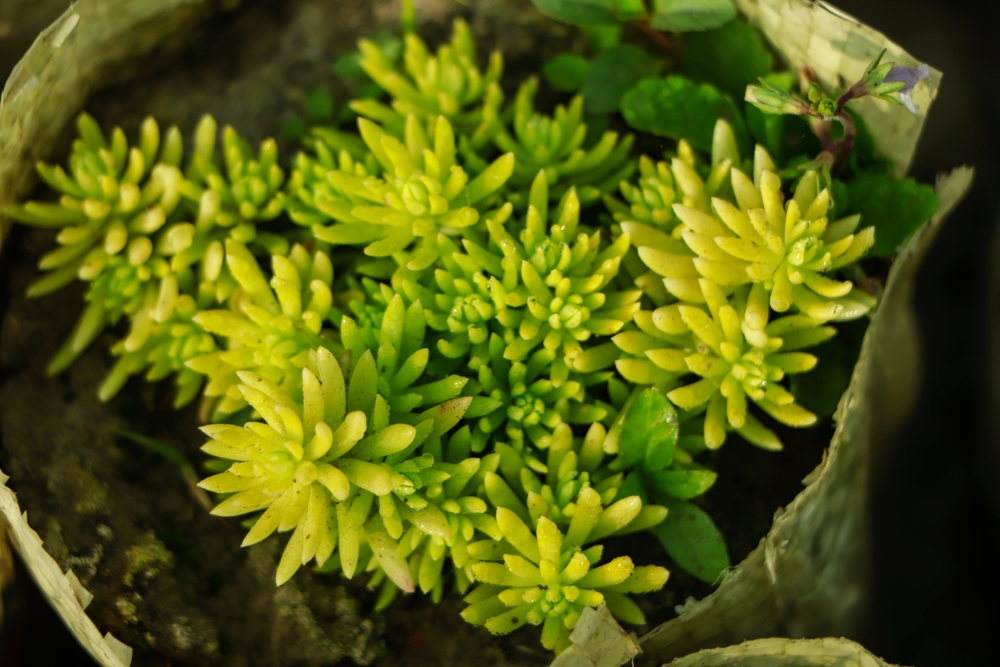
Sedum, often referred to as “stonecrop,” is a tough, low-maintenance plant that thrives in sunny, dry conditions. This succulent plant has thick, fleshy leaves that store water, making it particularly drought-tolerant once established. Sedum varieties come in a range of colors, from deep greens to vibrant reds, providing visual interest throughout the seasons. It also has the added benefit of attracting beneficial insects like bees and butterflies.
While Sedum thrives in dry soil, it can also tolerate poor, rocky conditions, making it perfect for areas where other plants might struggle. During the hotter months, the plant blooms with clusters of star-shaped flowers, adding vibrant color to your garden. To encourage strong, healthy growth, ensure that the soil is well-drained and avoid overwatering. Sedum is a perfect option for gardeners seeking a beautiful, resilient plant that doesn’t require a lot of attention.
Agave
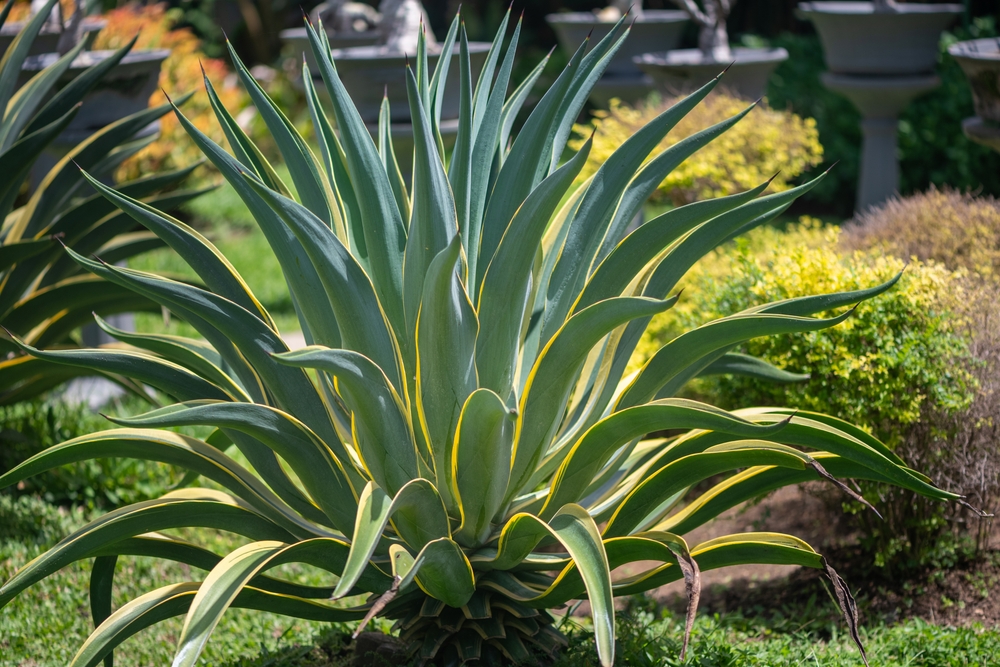
Agave is an iconic plant known for its dramatic, spiky foliage and striking appearance. Native to arid regions, agave is naturally suited for drought conditions and can survive with minimal water once established. Agave prefers well-drained, sandy soil and full sun, making it a great addition to dry landscapes or xeriscaping designs. Its bold form can serve as a focal point in gardens, creating a stunning visual contrast with softer, flowering plants.
In addition to its ornamental value, certain varieties of agave, such as Agave tequilana, are also used for producing tequila. Agave’s leaves can reach impressive sizes, with some varieties growing up to 6 feet in diameter. While agave is slow-growing, it’s incredibly low-maintenance and needs very little care once it has rooted. Keep an eye out for its unique flower spikes that can reach impressive heights, adding extra drama to your garden.
Russian Sage
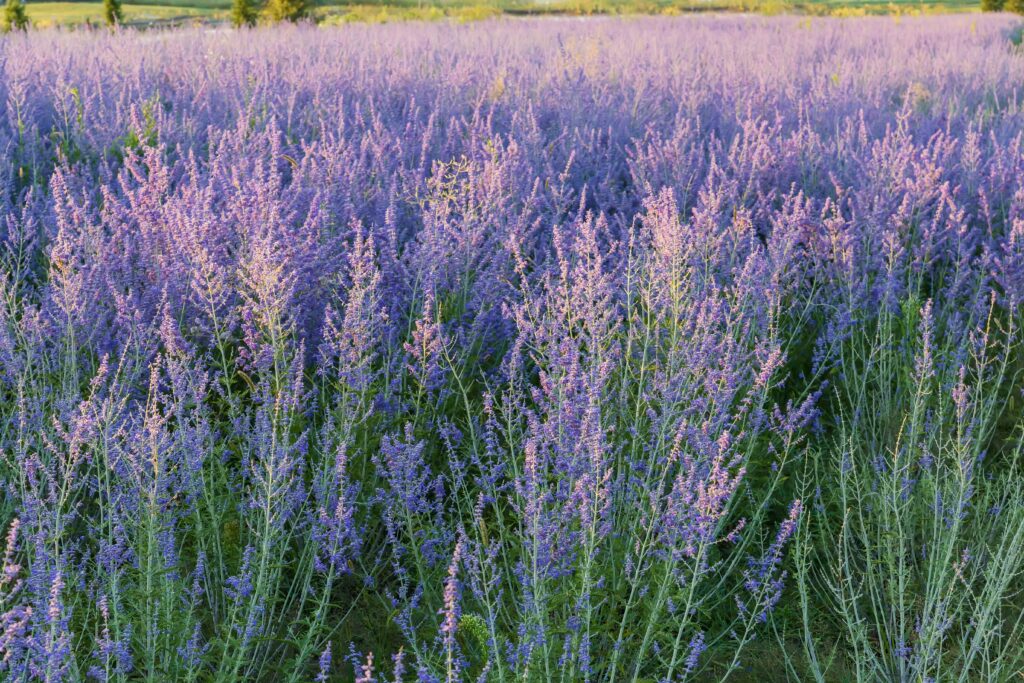
Russian Sage is a hardy, woody shrub that boasts tall spikes of purple-blue flowers, making it a great choice for adding color to a drought-tolerant garden. This plant thrives in hot, dry conditions and is well-suited to areas with full sun exposure and well-drained soil. Russian Sage is highly resistant to drought and can grow in poor, dry soil without much attention. Its aromatic, silvery-gray leaves also provide an attractive contrast to the vibrant blooms.
This perennial is perfect for filling in garden borders or growing in containers, where its airy, wispy foliage adds texture to your landscape. Russian Sage blooms profusely in the summer, with spikes of delicate flowers that attract pollinators like bees and butterflies. To maintain its shape, prune it back in the early spring before new growth begins. It’s an excellent choice for gardeners looking to add both color and resilience to their gardens.
Echinacea
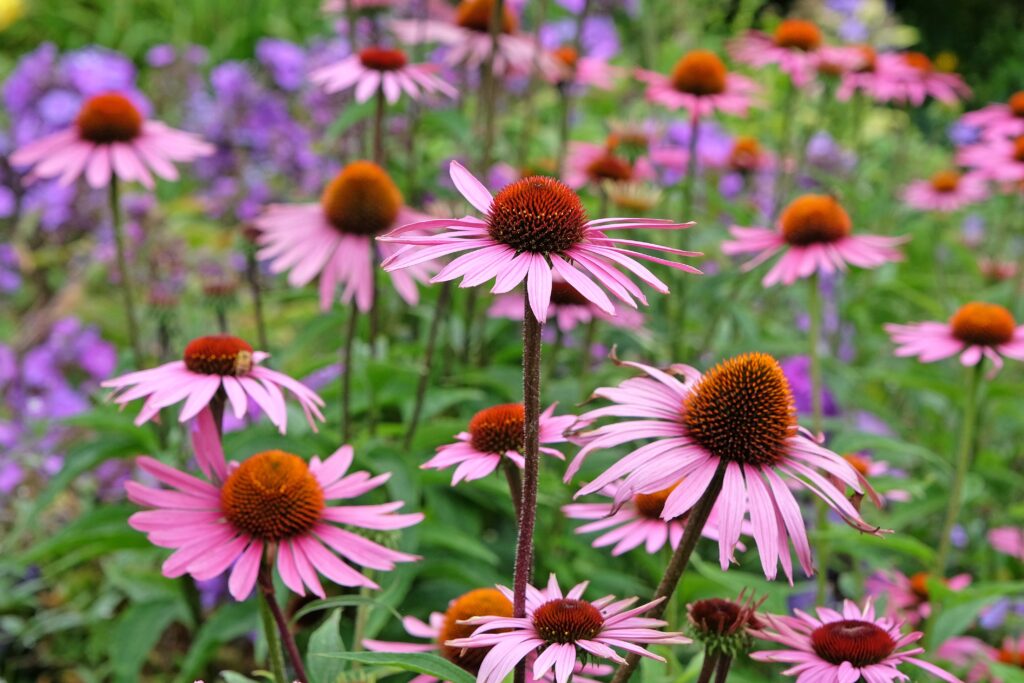
Echinacea, or coneflower, is a popular perennial that not only adds beauty to your garden but also thrives in dry, sunny conditions. With its vibrant, daisy-like flowers and sturdy, upright stems, Echinacea is a true standout in any garden. This plant’s deep taproot allows it to tolerate drought once established, making it a great choice for low-water landscapes. Echinacea comes in several colors, including purple, pink, and white, and its striking flowers attract butterflies and birds.
Echinacea is known for its medicinal properties, often used in herbal teas and supplements to boost immunity. It’s an easy-to-grow plant that requires very little maintenance after it’s established, thriving in well-drained, sandy soil. Deadheading spent flowers will encourage more blooms and help keep the plant tidy. Whether you’re looking for a hardy garden plant or a natural remedy, Echinacea is a versatile and beautiful addition to your garden.
Black-eyed Susan
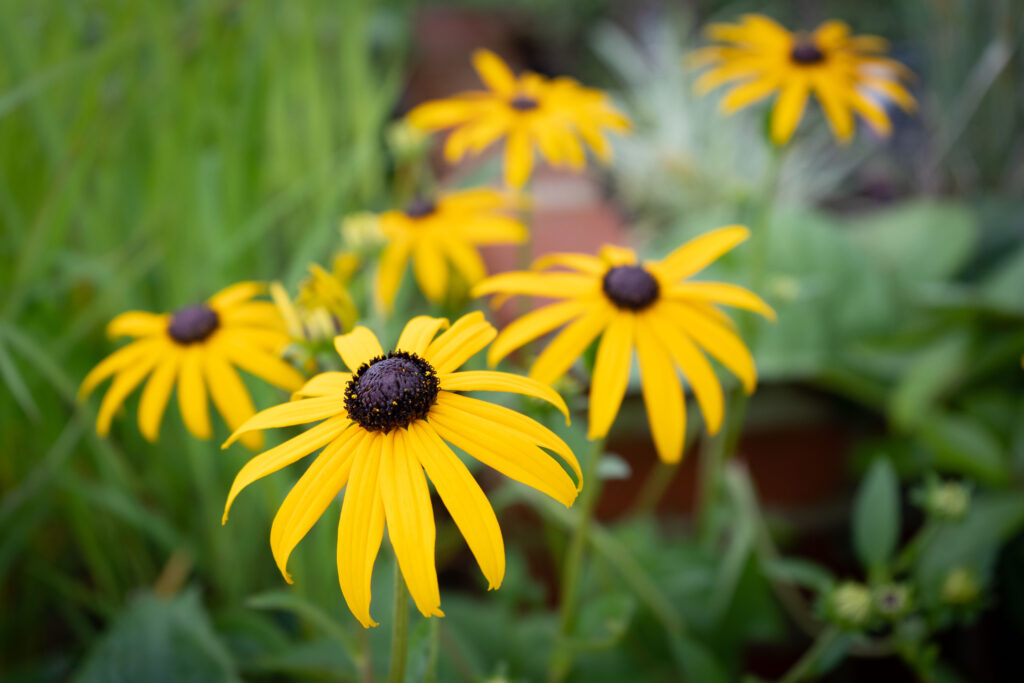
Black-eyed Susan is a tough, drought-tolerant perennial that’s perfect for creating a cheerful, low-maintenance garden. Known for its golden-yellow flowers with dark brown centers, this plant thrives in dry, well-drained soil and full sun. Black-eyed Susan is incredibly resistant to drought and will continue to bloom throughout the summer with minimal water requirements. The plant’s striking flowers attract pollinators and provide a long-lasting splash of color in any garden.
Not only does Black-eyed Susan brighten up your garden, but it’s also deer-resistant, making it ideal for areas with wildlife. This plant’s strong, upright growth makes it an excellent choice for borders or mass plantings. Once established, Black-eyed Susan requires very little care and can survive in even the driest conditions. For an easy-to-grow, vibrant addition to your landscape, Black-eyed Susan is an excellent choice.
Yucca
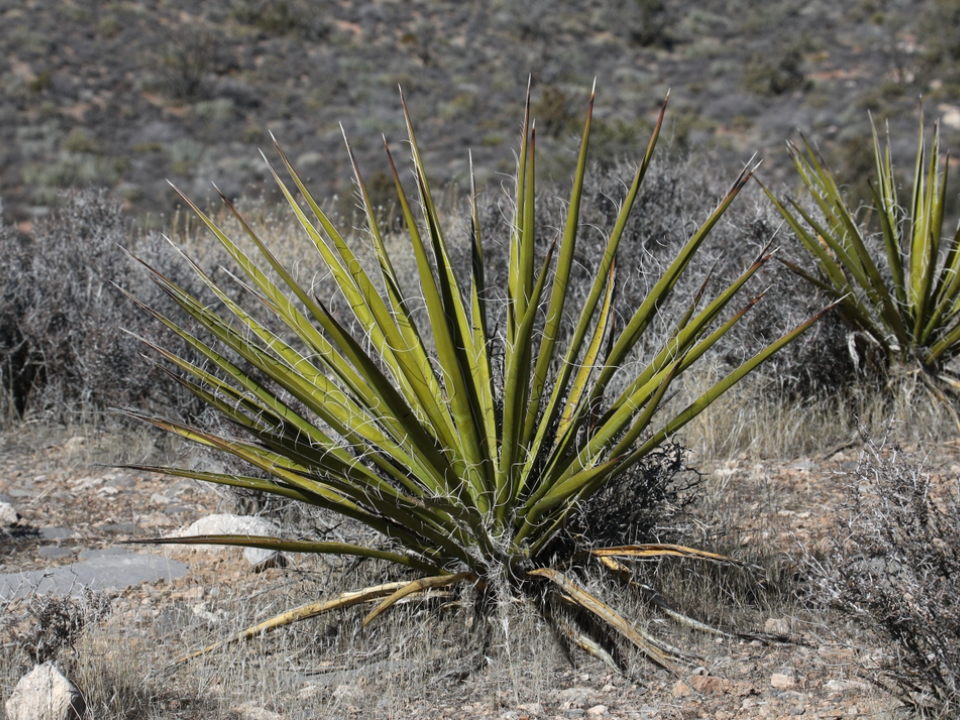
Yucca is an iconic, drought-tolerant plant with striking sword-like leaves and tall, dramatic flower spikes. Native to arid regions, this plant is well-suited for hot, dry climates and thrives with minimal water once its roots are established. Yucca’s strong, leathery leaves and architectural form make it a perfect choice for modern or desert-themed gardens. It’s particularly useful in xeriscaping, where water conservation is a priority.
Yucca plants are very low-maintenance and can tolerate poor, sandy soil, making them perfect for dry, rocky areas. Some varieties, like the Spanish Bayonet, feature sharp, spiny leaves, while others have softer foliage. In late spring to summer, Yucca produces tall flower spikes with white, bell-shaped flowers that attract hummingbirds and other pollinators. It’s an excellent choice for creating bold visual interest in your garden with minimal upkeep.
Ornamental Grasses
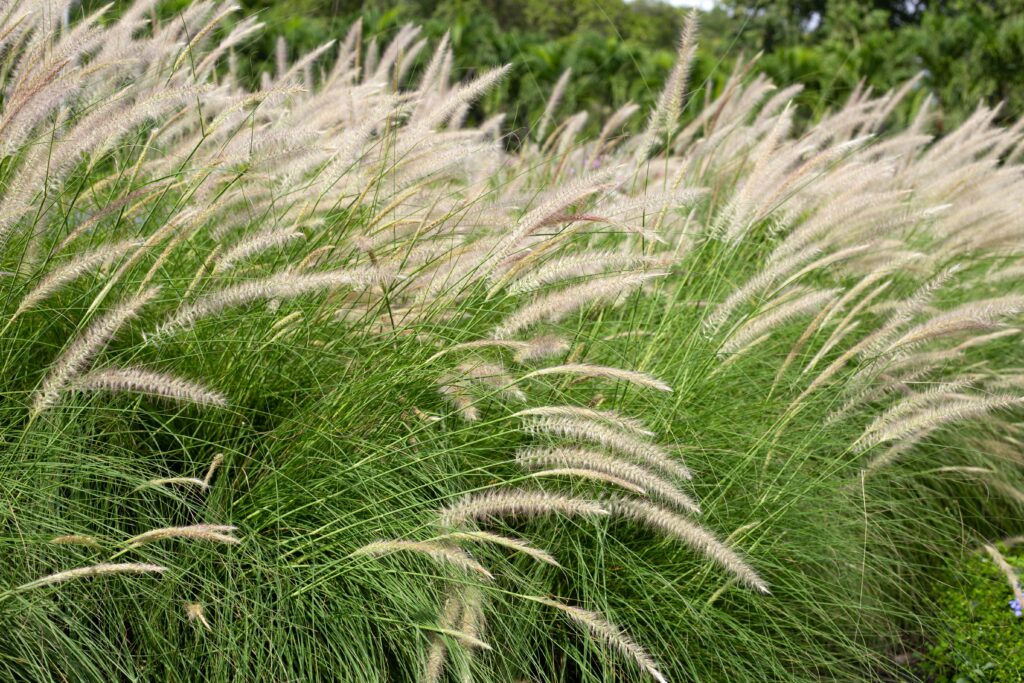
Ornamental grasses are an excellent addition to any drought-tolerant garden, providing texture, movement, and color throughout the year. Many varieties, such as Blue Fescue, Feather Reed Grass, and Mexican Feather Grass, are perfect for hot, dry climates and require very little water once established. These grasses thrive in full sun and well-drained soil, adding beauty and interest to garden borders, containers, or meadows. Their feathery plumes and arching leaves catch the wind, creating a soft, soothing visual effect.
Ornamental grasses are versatile, growing in a variety of forms, from upright, spiky clumps to flowing mounds. They are also relatively low-maintenance, needing only occasional trimming to remove dead foliage and promote new growth. In late summer, many ornamental grasses produce attractive seed heads, which add to their visual appeal. Their drought tolerance and long-lasting beauty make them a great choice for gardeners looking for water-efficient plants.
Blanket Flower
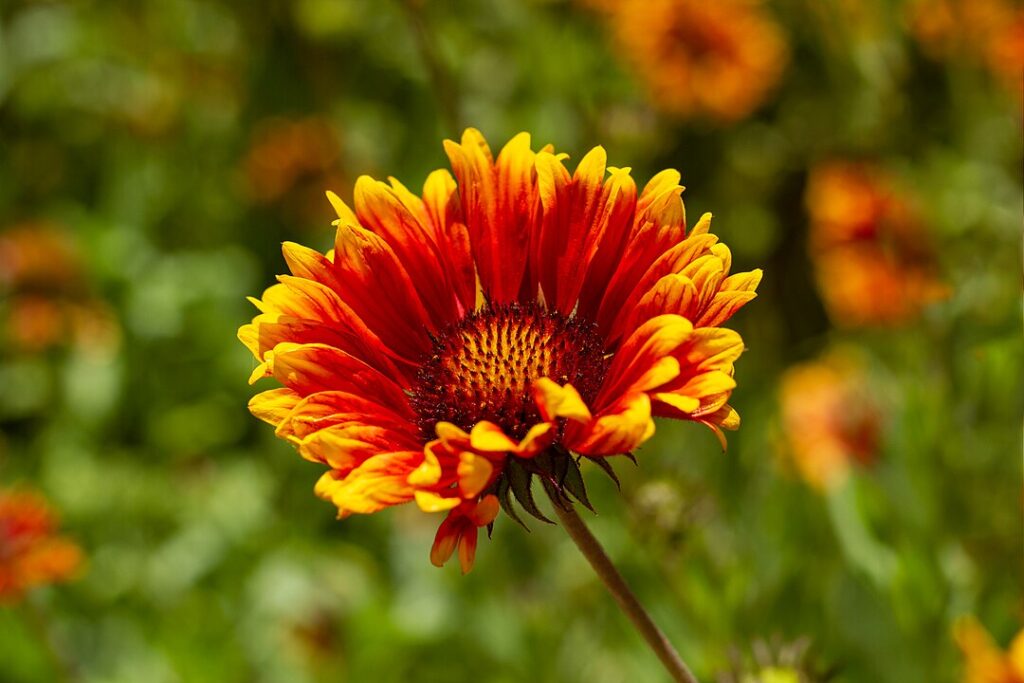
Blanket Flower, or Gaillardia, is a hardy, drought-tolerant perennial that produces vibrant, daisy-like flowers in shades of red, orange, and yellow. This plant thrives in well-drained soil and full sun, making it an ideal choice for hot, dry climates. Once established, Blanket Flower is highly resistant to drought and will continue to bloom throughout the summer, even with minimal water. Its cheerful flowers attract bees, butterflies, and other pollinators, making it a great addition to wildlife gardens.
Blanket Flower’s low-maintenance nature makes it a favorite for gardeners looking for beauty with little effort. The plant’s deep taproot allows it to tolerate dry conditions, and it’s perfect for planting in xeriscapes or water-wise gardens. Deadheading spent flowers will help encourage more blooms and keep the plant tidy. For a vibrant, drought-resistant addition to your garden, Blanket Flower is an excellent choice.
Yarrow
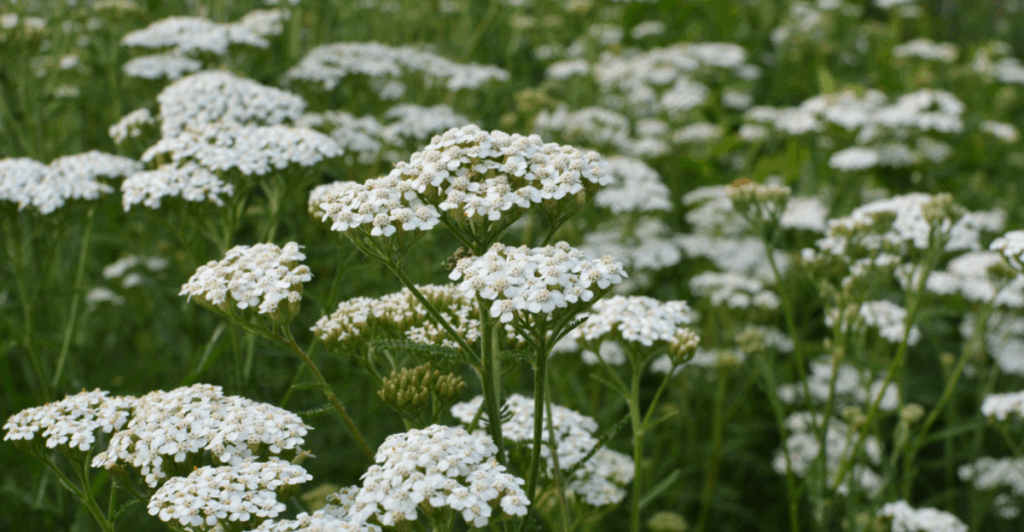
Yarrow is a hardy perennial known for its fern-like foliage and clusters of small, colorful flowers. This plant is extremely drought-tolerant and thrives in full sun and well-drained, sandy soil. Yarrow’s flowers come in a variety of colors, including white, yellow, red, and pink, and are great for attracting bees, butterflies, and other pollinators. Once established, Yarrow requires very little water, making it perfect for low-water gardens and xeriscaping.
Yarrow is also known for its medicinal properties and has been used for centuries to treat various ailments. It can be grown in a variety of garden settings, including wildflower meadows, rock gardens, and garden borders. Regular deadheading of spent flowers will help encourage more blooms and maintain the plant’s neat appearance. Yarrow’s resilience, combined with its beautiful blooms, makes it an excellent choice for a water-efficient garden.
Penstemon

Penstemon, or Beard Tongue, is a drought-tolerant perennial known for its tubular flowers that attract hummingbirds. This plant thrives in full sun and well-drained soil, making it ideal for hot, dry climates. Penstemon produces spikes of colorful flowers in shades of pink, red, purple, or white, depending on the variety. Once established, Penstemon is highly resistant to drought and requires minimal water to thrive, making it a perfect choice for low-maintenance gardens.
Penstemon is a great addition to both formal and wild gardens, as it provides vertical interest and vibrant color. It also serves as a great companion plant for other drought-tolerant perennials, such as Black-eyed Susan or Sedum. To keep your Penstemon plant healthy, prune it back after flowering to promote new growth. Its attractive flowers and ease of care make it a valuable addition to any garden.
Hens and Chicks
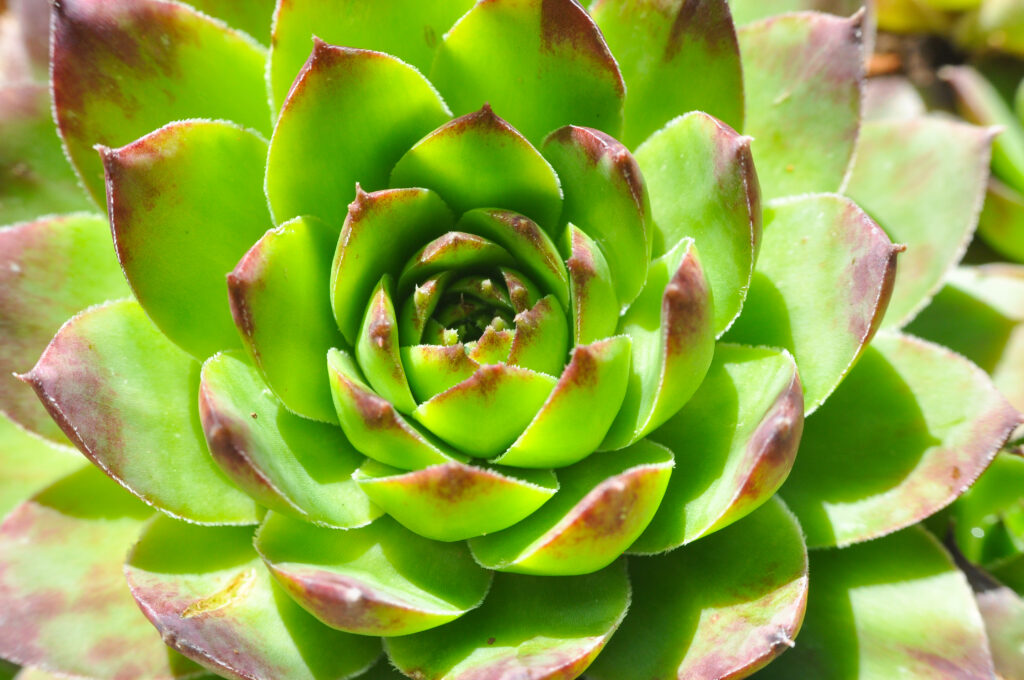
Hens and Chicks, or Sempervivum, are small succulent plants that form tight rosettes. These plants are perfect for dry, rocky gardens and can even thrive in poor, sandy soil. Hens and Chicks are highly drought-tolerant and can survive with minimal watering, making them ideal for water-efficient gardens. They form clusters of rosettes, with the “hen” in the center and “chicks” surrounding it, creating a charming, full look.
This low-maintenance plant is perfect for ground cover or container gardens, where it adds texture and interest. Hens and Chicks are hardy perennials that can withstand both extreme heat and cold, making them a versatile choice for various climates. They bloom in late spring to early summer, producing star-shaped flowers on tall stems. Their ability to store water in their leaves makes them highly resilient during dry periods, requiring little care once established.
Salvia
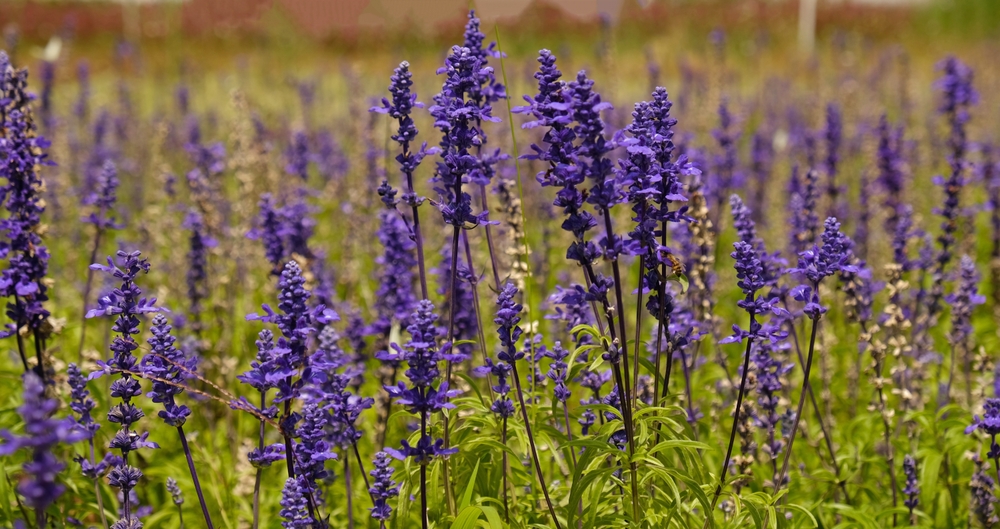
Salvia, or sage, is a vibrant, drought-tolerant plant known for its aromatic foliage and colorful spikes of flowers. This hardy perennial thrives in full sun and well-drained soil, and it requires little water once its roots are established. Salvia blooms in shades of blue, purple, red, or pink, attracting bees, butterflies, and hummingbirds. Its aromatic leaves can also be used in cooking, adding an extra layer of utility to the plant.
Salvia is a great option for low-water gardens and xeriscaping, where it can grow without the need for frequent irrigation. It pairs well with other drought-tolerant plants like Lavender or Echinacea. For best results, prune Salvia back after flowering to encourage fresh growth and keep the plant looking tidy. With its beauty, fragrance, and low-maintenance nature, Salvia is a perfect addition to any garden.
California Poppy
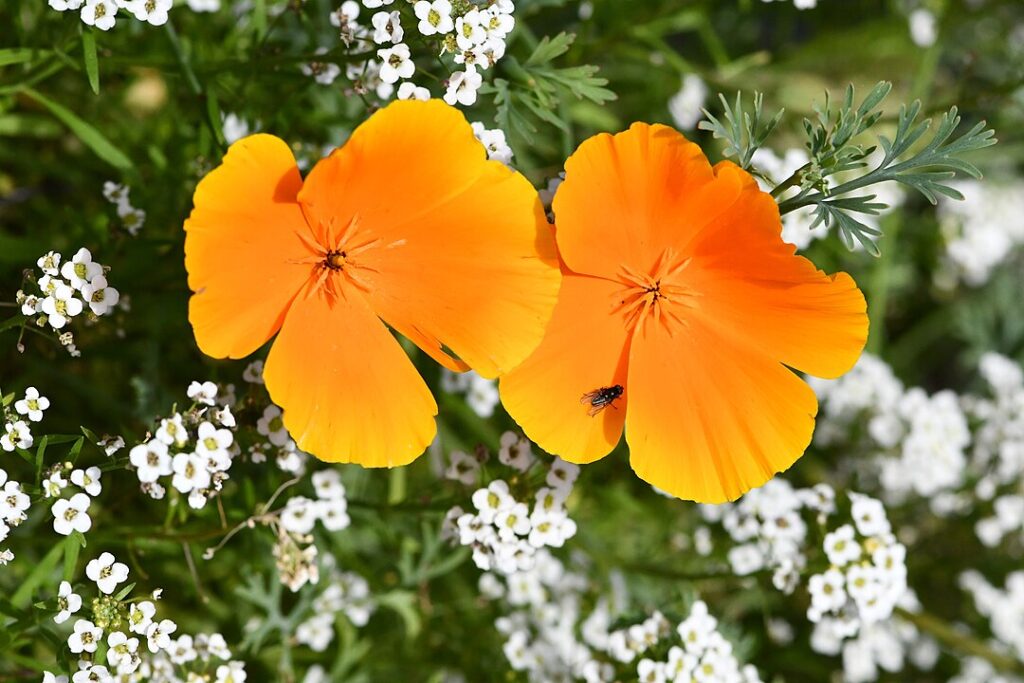
The California Poppy is a drought-tolerant, low-maintenance plant that adds a pop of vibrant orange color to your garden. This native wildflower thrives in well-drained soil and full sun, making it an ideal choice for dry climates. Once established, California Poppies require little water, and their bright, cheerful flowers bloom in the spring and summer months. These flowers also attract pollinators like bees and butterflies, helping to support local wildlife.
California Poppy is perfect for rock gardens, meadows, or along garden borders, where its bright orange flowers stand out. It’s an excellent plant for low-water landscaping, and its self-sowing nature means that it can continue to spread each year. After blooming, California Poppy’s seed pods can be collected and stored for planting the following year. For a beautiful, drought-resistant addition to your garden, California Poppy is an excellent choice.
This article originally appeared on Avocadu.