
15 Drought Tolerant Houseplants That Forgive Missed Waterings
For plant lovers with busy schedules, the idea of keeping plants that can withstand dry spells is a real relief. Drought-tolerant houseplants are ideal for those who may forget to water their plants every now and then. These hardy plants are built to withstand less frequent watering and still look great. Whether you are a seasoned gardener or a beginner, these plants offer an easy way to enjoy the benefits of indoor greenery without the worry.
This post may contain affiliate links, which helps keep this content free. Please read our disclosure for more info.
Snake Plant (Sansevieria trifasciata)
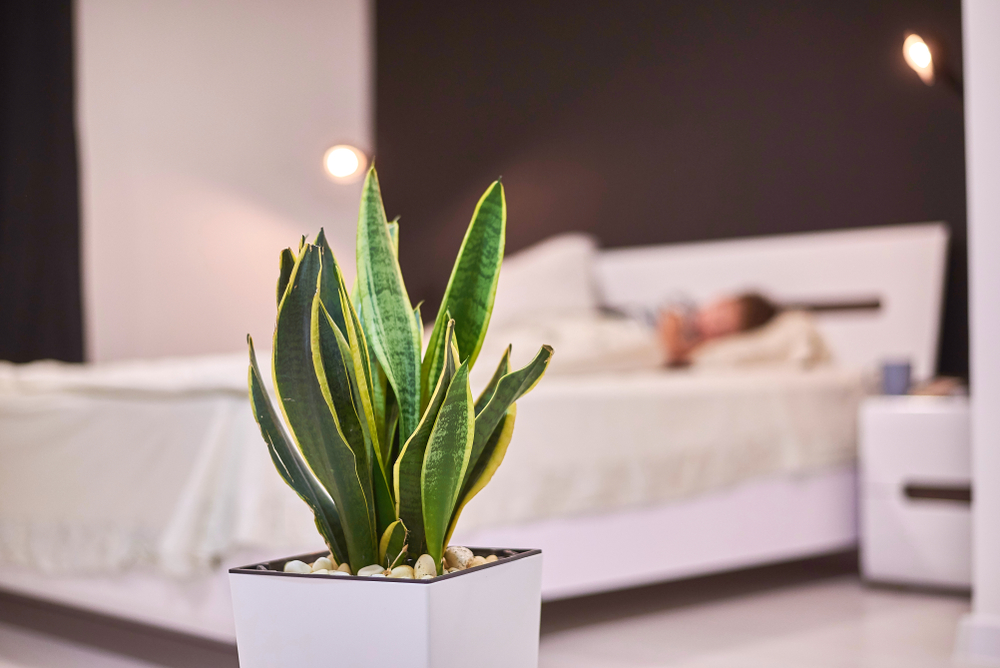
Snake plants are a popular choice for anyone looking for a low-maintenance plant that can handle dry conditions. These hardy plants can tolerate a range of light levels, from low to bright indirect light, making them adaptable to different indoor environments. Their thick, upright leaves store water, allowing them to thrive even when watering is forgotten for a few weeks. Snake plants are also known for their air-purifying qualities, which add another layer of value to their easy care.
If you tend to forget to water your plants, the snake plant is the perfect choice. It requires watering only when the soil is completely dry, and it will not suffer if neglected for a while. These plants are known for being virtually indestructible and are often recommended for beginners. Their striking appearance adds an elegant touch to any room while requiring minimal upkeep.
ZZ Plant (Zamioculcas zamiifolia)
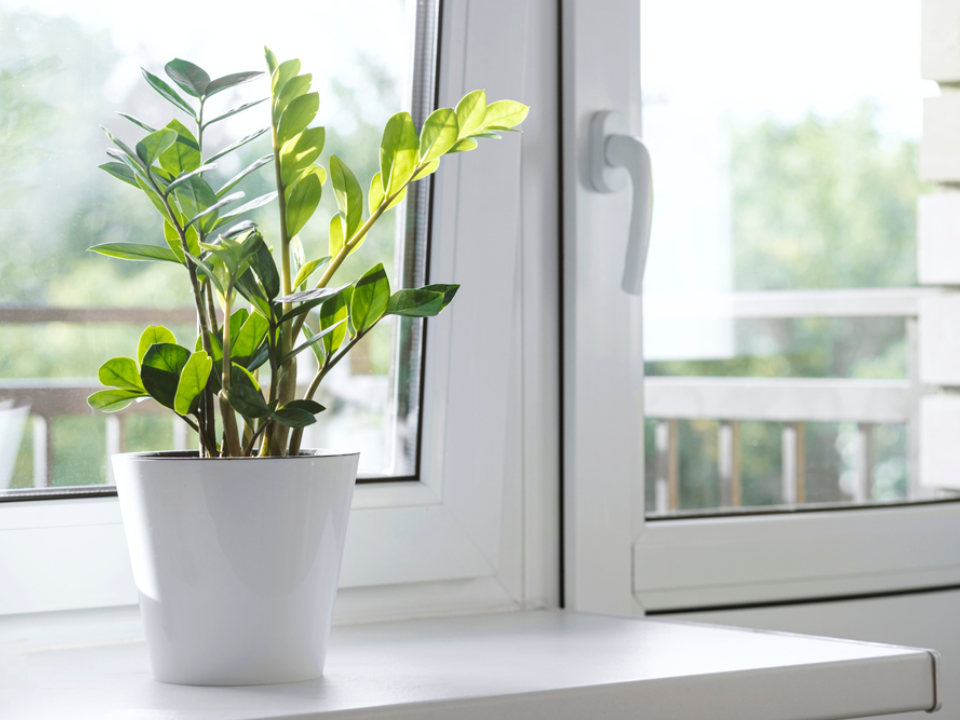
The ZZ plant is another excellent drought-tolerant houseplant that is known for its resilience. It thrives in low-light conditions and can survive without regular watering, making it perfect for those with a busy lifestyle. The plant’s waxy, dark green leaves help it store water, allowing it to go for weeks without needing moisture. Its upright growth habit and glossy leaves also make it a beautiful addition to any home or office.
This plant is perfect for forgetful waterers because it can tolerate both low light and inconsistent watering. ZZ plants are known for their ability to adapt to different environments, making them ideal for those who do not have the time to care for finicky plants. They require occasional watering, but you will not need to worry about them wilting if you forget. The ZZ plant’s minimal care requirements combined with its attractive appearance make it a favorite among plant lovers.
Aloe Vera
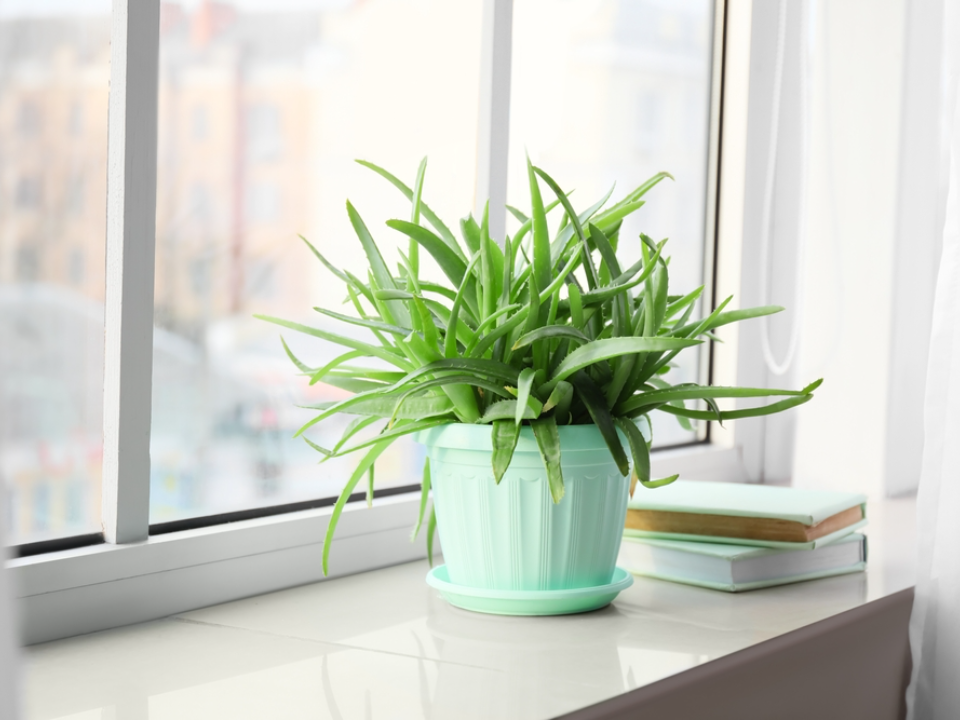
Aloe vera is not only useful for its healing properties, but it is also a fantastic drought-tolerant houseplant. This succulent thrives in bright, indirect light and requires very little water. Aloe vera’s thick, fleshy leaves store water, allowing it to survive long periods without moisture. Its ability to withstand dry conditions and its medicinal benefits make it a top choice for anyone who wants an easy-care plant with a purpose.
When caring for aloe vera, it is important to allow the soil to dry out completely before watering again. Overwatering can cause the plant to rot, so it is better to err on the side of under-watering. Aloe vera is a great plant for beginners, as it requires very little attention. It also serves as a natural remedy for burns and skin irritations, adding both beauty and practicality to your space.
Spider Plant (Chlorophytum comosum)
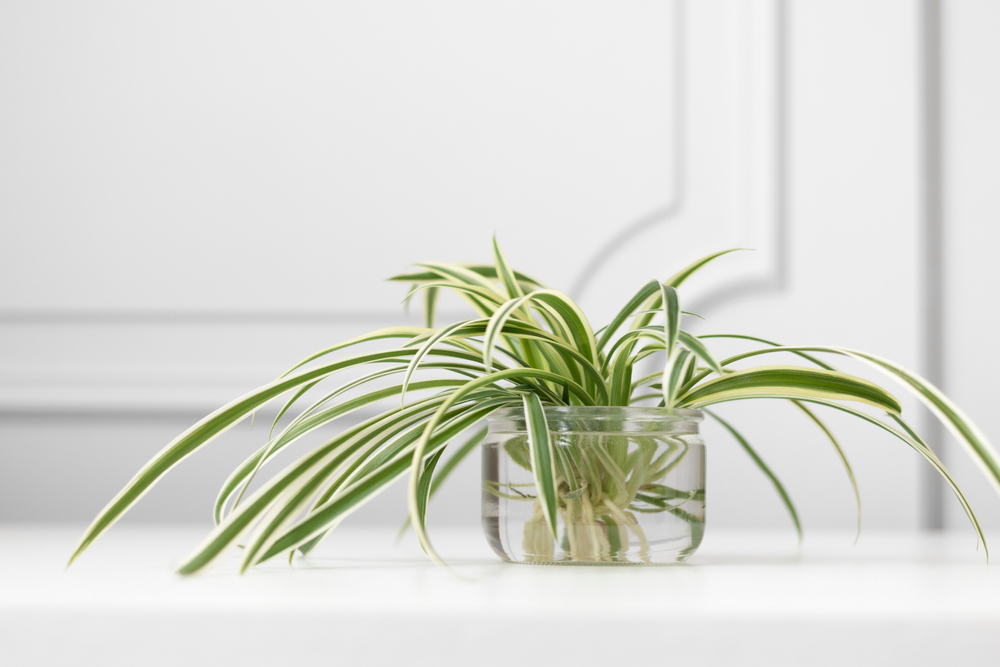
The spider plant is known for its ability to adapt to different growing conditions, including low light and dry soil. Its long, arching leaves are visually striking, and it produces small white flowers on long stems, making it an attractive option for any room. Spider plants do well in moderate to bright light but can also thrive in areas with less sunlight. They do not require constant watering and will tolerate the occasional missed watering without issue.
One of the spider plant’s biggest advantages is its ability to forgive missed waterings. It is highly resilient and can bounce back from dry periods with ease. In addition to its drought tolerance, spider plants are excellent at purifying the air, making them a great choice for indoor spaces. They are also non-toxic to pets, making them a safe option for households with animals.
Pothos (Epipremnum aureum)
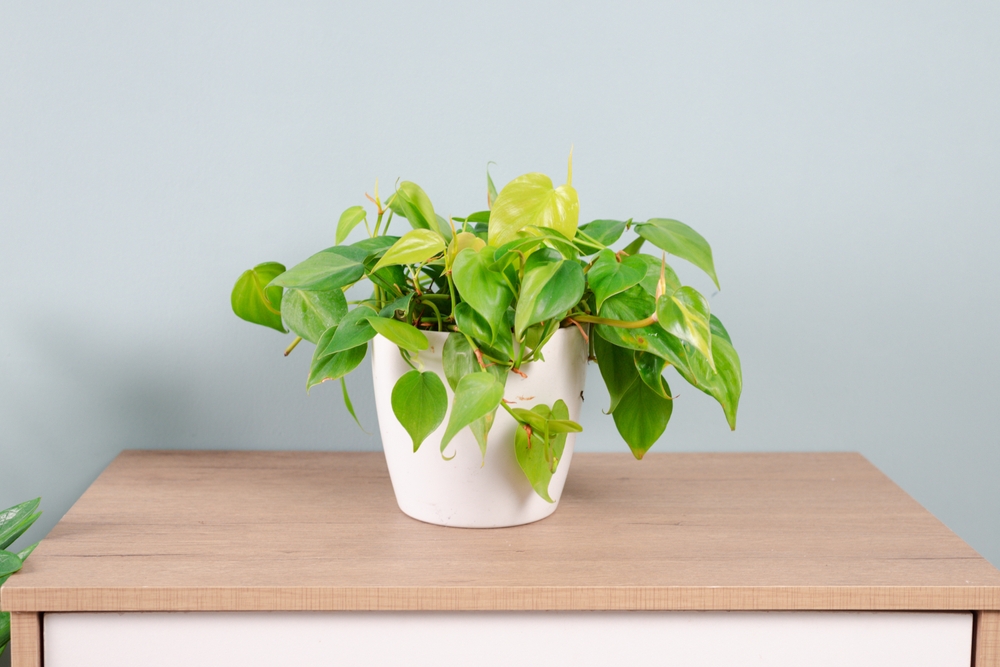
Pothos is a versatile and hardy plant that is known for its forgiving nature. It can thrive in various light conditions, from low light to bright indirect light, and it is an excellent choice for those who often forget to water their plants. Pothos stores water in its thick leaves, which allows it to go longer without needing moisture. This trailing plant can be placed in hanging baskets or allowed to trail from shelves, making it a decorative and low-maintenance option.
Caring for pothos is easy, as it requires watering only when the soil has completely dried out. It is a fast-growing plant, and its vines can quickly reach impressive lengths. Pothos is perfect for beginners due to its low maintenance and adaptability. It is also known for its air-purifying qualities, making it an even more valuable addition to your home.
Jade Plant (Crassula ovata)
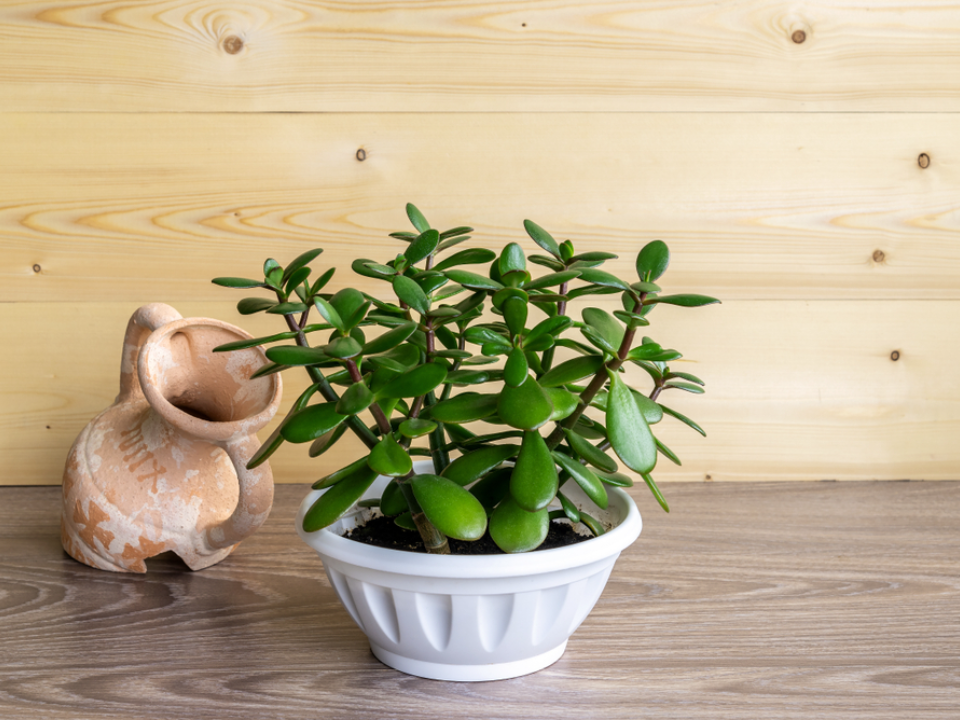
The jade plant is a beautiful succulent that is well-known for its ability to survive in dry conditions. It has thick, fleshy leaves that store water, allowing it to withstand long periods without watering. Jade plants thrive in bright, indirect light and can tolerate occasional neglect. Their thick stems and shiny leaves give them an elegant appearance, making them a popular choice for indoor gardeners.
Jade plants require minimal care, with watering only necessary when the soil has completely dried out. They are slow-growing and can live for many years with proper care. Overwatering is a common mistake when caring for jade plants, so it is better to underwater than to risk root rot. These plants are perfect for anyone looking for a low-maintenance, drought-tolerant houseplant that adds beauty to any space.
Cactus
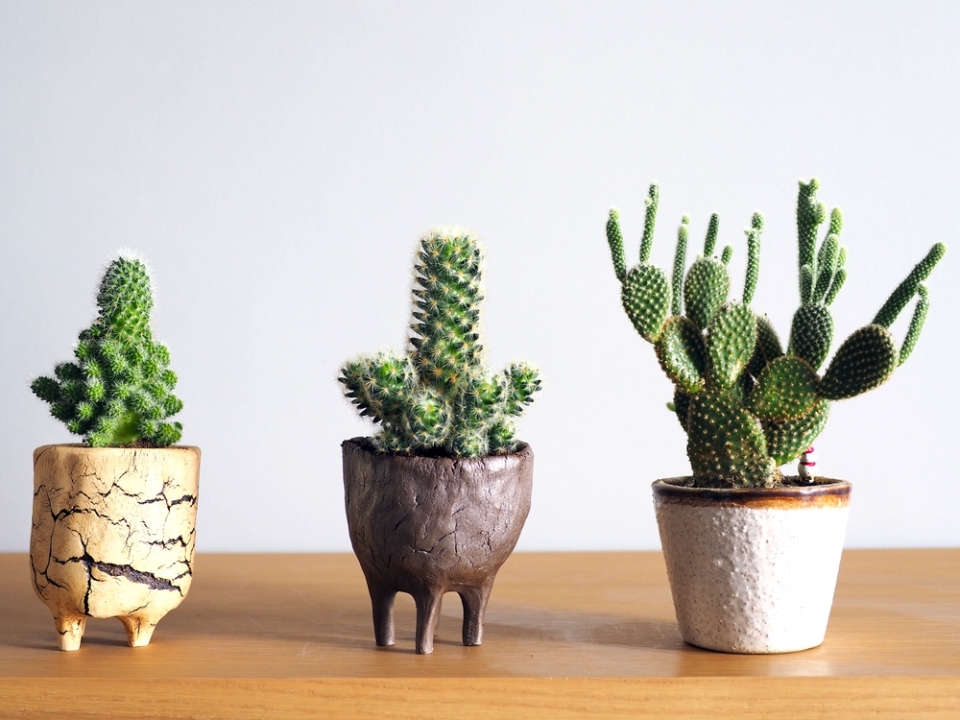
Cacti are the quintessential drought-tolerant houseplants, known for their ability to thrive in dry conditions. These desert plants store water in their thick, spiny stems, allowing them to survive long periods without any moisture. Cacti require bright sunlight and minimal water, making them a great option for anyone with a busy schedule or those who tend to forget to water. Their unique appearance adds a striking touch to any room.
To care for a cactus, water it sparingly, allowing the soil to dry out completely between waterings. Overwatering is the leading cause of cactus decline, so it is essential to be cautious when watering. Cacti come in various shapes and sizes, from small desk plants to large statement pieces, making them versatile for any space. With their low maintenance requirements and distinctive look, cacti are a great choice for drought-tolerant houseplant enthusiasts.
Cast-iron Plant (Aspidistra elatior)
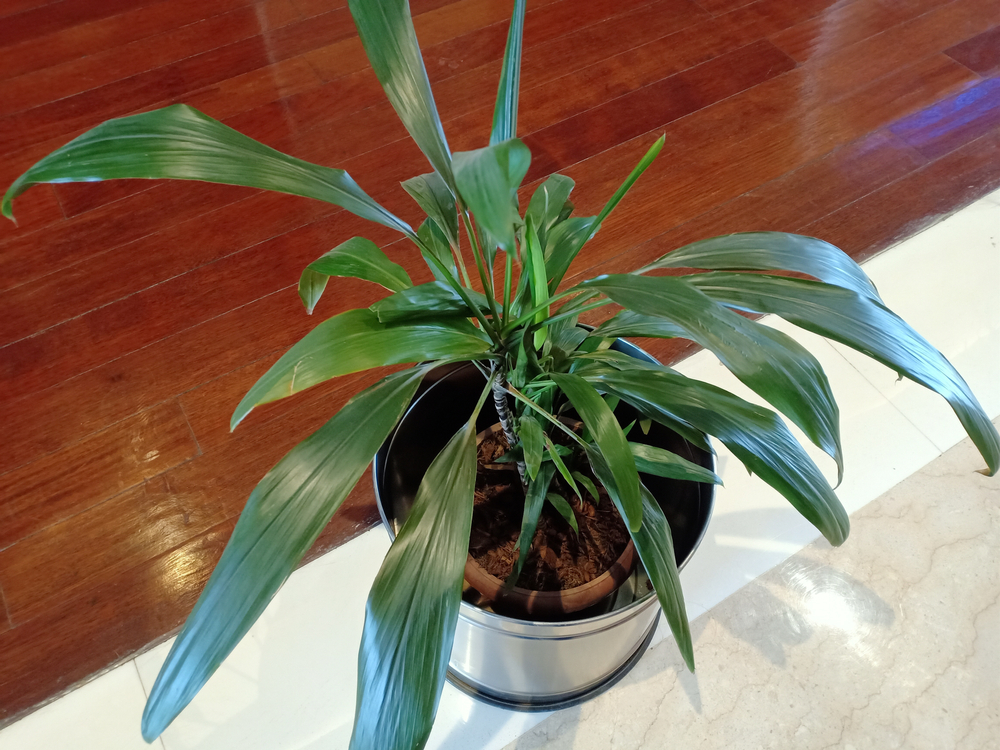
The cast-iron plant is one of the toughest houseplants available, able to thrive in low light and dry conditions. It is perfect for anyone who has trouble remembering to water their plants, as it tolerates neglect with ease. The plant’s broad, dark green leaves make it an attractive addition to any home, and it can tolerate a range of indoor environments. Cast-iron plants are known for their longevity, often living for decades with minimal care.
Although the cast-iron plant prefers to be watered only when the soil has dried out, it can handle a few missed waterings. It is best suited for low to moderate light, making it ideal for spaces with limited sunlight. Cast-iron plants are an excellent choice for beginners, as they are both resilient and easy to care for. This plant’s durability and adaptability make it a great addition to homes that may not have the most consistent care routines.
Ponytail Palm (Beaucarnea recurvata)
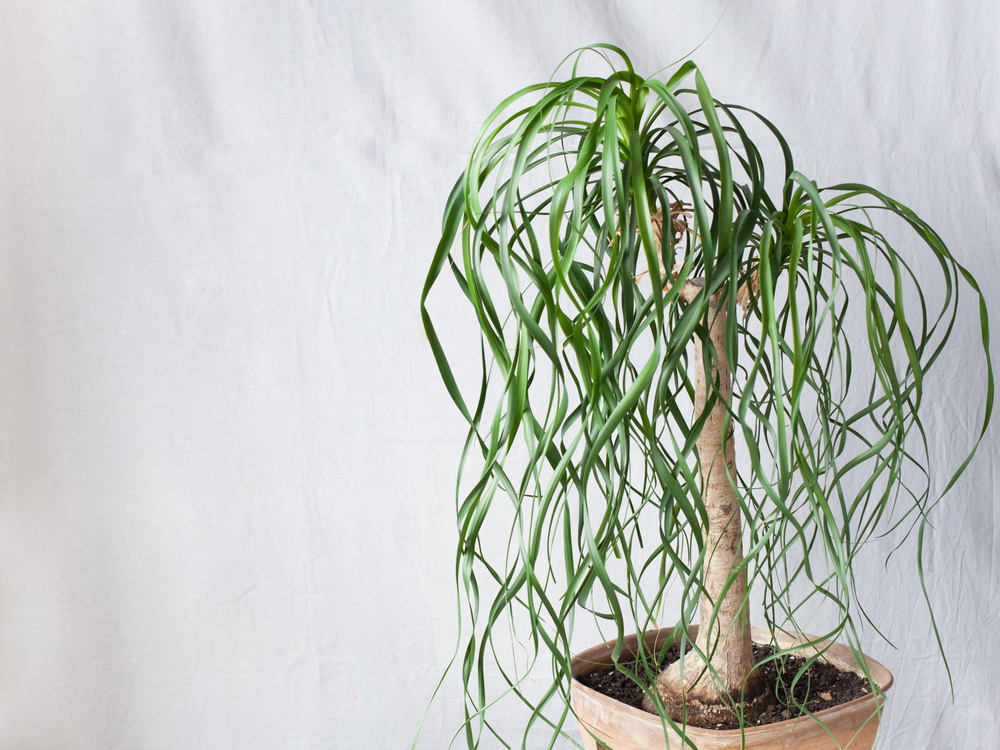
The ponytail palm is a unique, drought-tolerant houseplant that adds a touch of character to any indoor space. With its long, flowing leaves and bulbous base, this plant resembles a palm tree but is actually a member of the lily family. It stores water in its thick trunk, allowing it to survive without frequent watering. Ponytail palms thrive in bright, indirect light and do well in dry environments.
These plants require minimal watering, as their water storage abilities allow them to go for weeks without moisture. It is important to allow the soil to dry out completely before watering again, as overwatering can lead to root rot. The ponytail palm’s distinct appearance makes it a popular choice for modern, minimalist interiors. Its low maintenance requirements combined with its eye-catching design make it an ideal drought-tolerant houseplant.
English Ivy (Hedera helix)
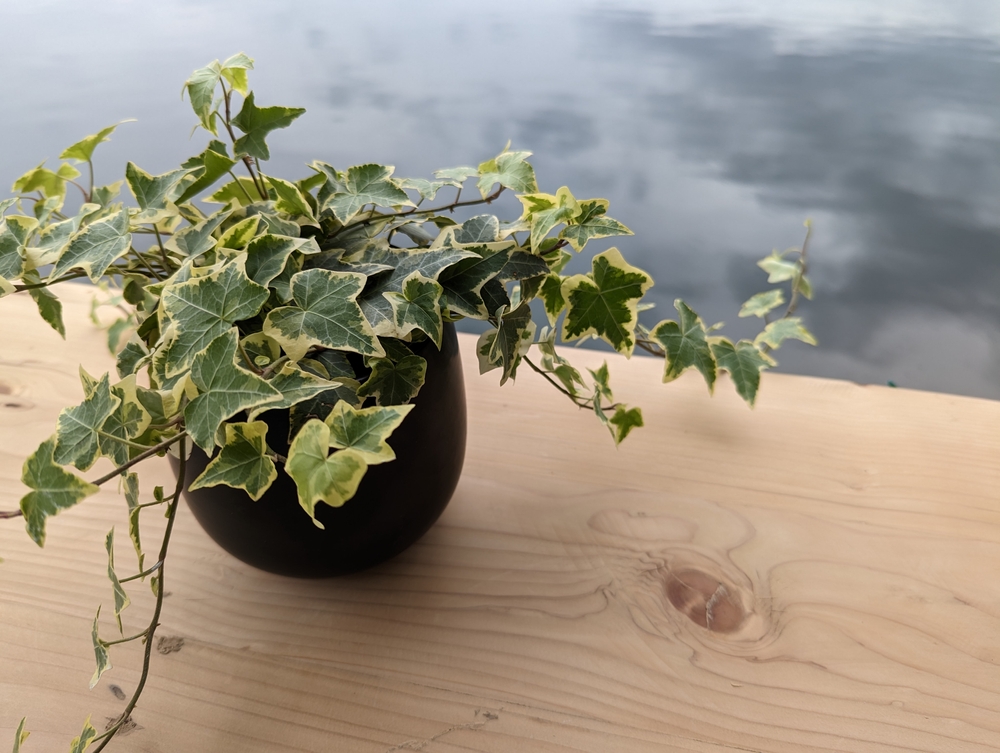
English ivy is a versatile and drought-tolerant plant that can thrive in a variety of indoor conditions. This trailing vine can grow in both bright and low light and is an excellent choice for anyone who does not have a lot of time for plant care. Ivy’s ability to tolerate dry soil between waterings makes it an easy plant to manage. It is also an excellent air purifier, making it a beneficial addition to any room.
To care for English ivy, water it when the soil has dried out completely. It grows quickly, so it may require occasional pruning to keep its size in check. English ivy can be placed in hanging baskets or allowed to trail from shelves, making it a versatile plant for different spaces. It is an excellent choice for both beginners and experienced gardeners looking for a low-maintenance plant that can thrive with minimal care.
Rubber Plant (Ficus elastica)
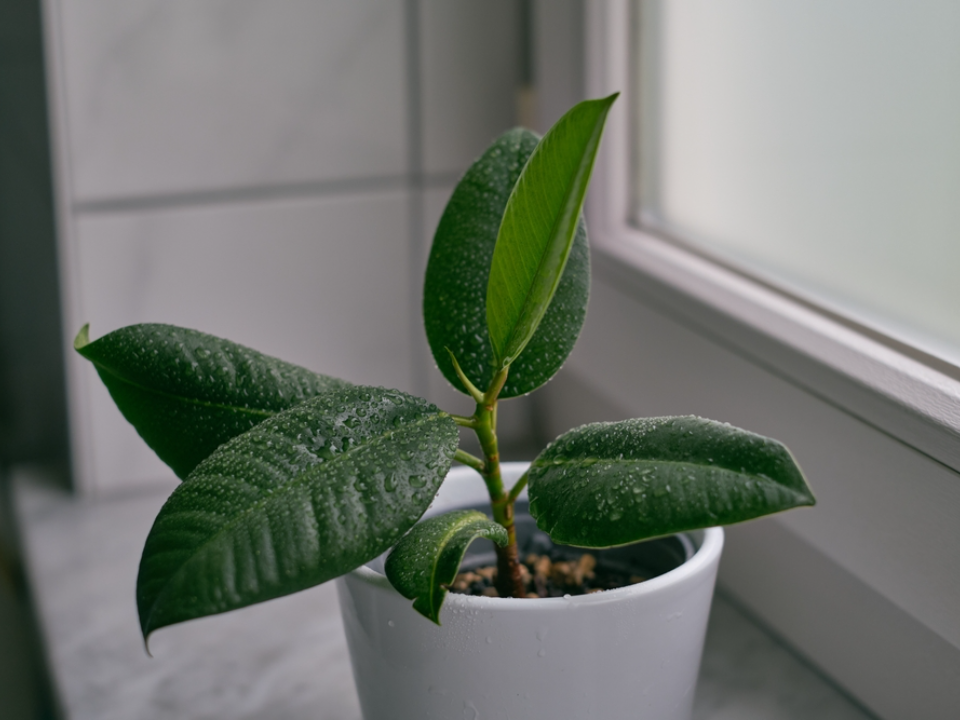
The rubber plant is known for its large, glossy leaves and its ability to thrive in dry conditions. It is an excellent choice for anyone looking for a low-maintenance plant that requires minimal watering. Rubber plants can tolerate a range of light conditions, from bright to low light, making them adaptable to various indoor environments. Their thick leaves help them store water, allowing them to survive dry spells without issue.
Watering a rubber plant is simple, as you only need to allow the soil to dry out before watering again. Overwatering can lead to root rot, so it is best to keep the soil on the dry side. Rubber plants are also great air purifiers, helping to improve the quality of indoor air. Their elegant appearance and low-maintenance needs make them a popular choice for anyone looking for a drought-tolerant houseplant.
Dracaena
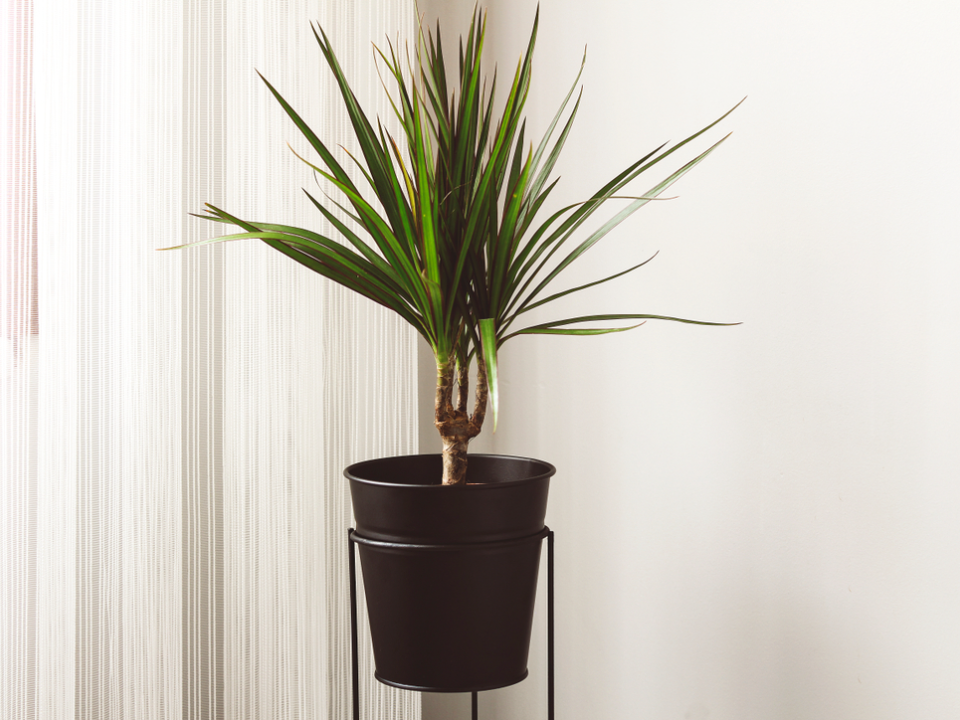
Dracaenas are a family of plants that are known for their attractive foliage and tolerance to dry conditions. They come in a variety of shapes and sizes, with some varieties featuring long, spiky leaves while others have wider, more rounded foliage. Dracaenas can tolerate low light and infrequent watering, making them a great option for busy homeowners. These plants can go for several weeks without needing water, thanks to their water-storing capabilities.
To care for a dracaena, allow the soil to dry out between waterings. They do not need frequent attention, making them ideal for those with busy lifestyles. Dracaenas are not only low-maintenance but also purify the air, improving indoor air quality. Their attractive leaves and adaptability to different indoor conditions make them a great choice for anyone looking for a drought-tolerant plant.
Kalanchoe
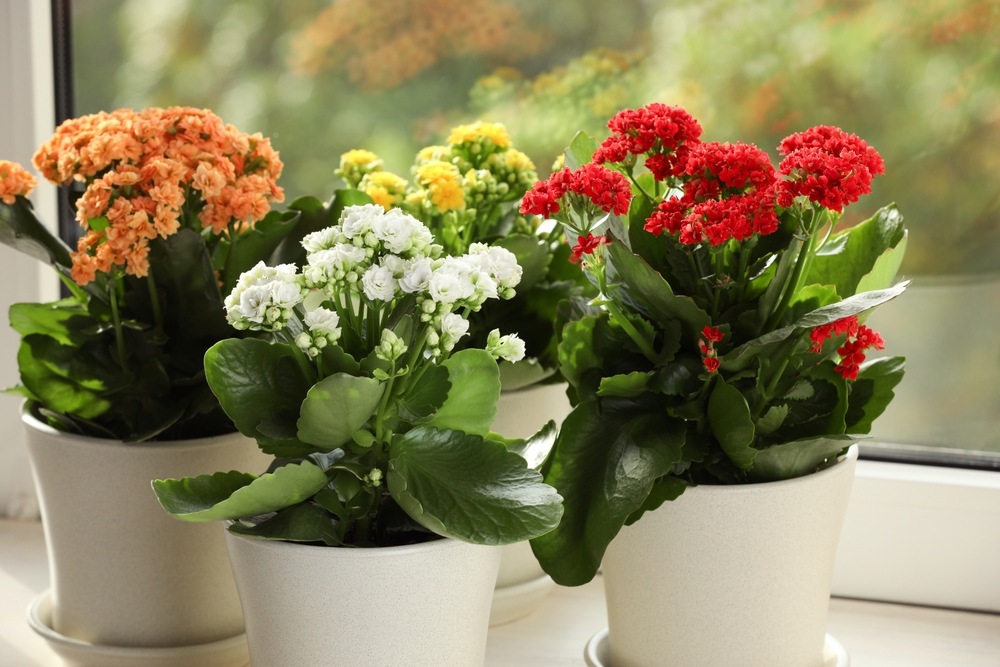
Kalanchoe is a drought-tolerant succulent that is known for its beautiful flowers and easy care requirements. It thrives in bright light and requires very little water. Kalanchoe’s fleshy leaves store water, allowing it to survive dry spells. Its vibrant blooms, which come in various colors, add a burst of color to any indoor space.
This plant requires watering only when the soil has dried out completely. It is a great plant for anyone who enjoys colorful blooms but does not want the hassle of frequent watering. Kalanchoe is a slow grower, so it does not require constant attention. Its drought tolerance and stunning flowers make it a favorite among succulent lovers.
Echeveria
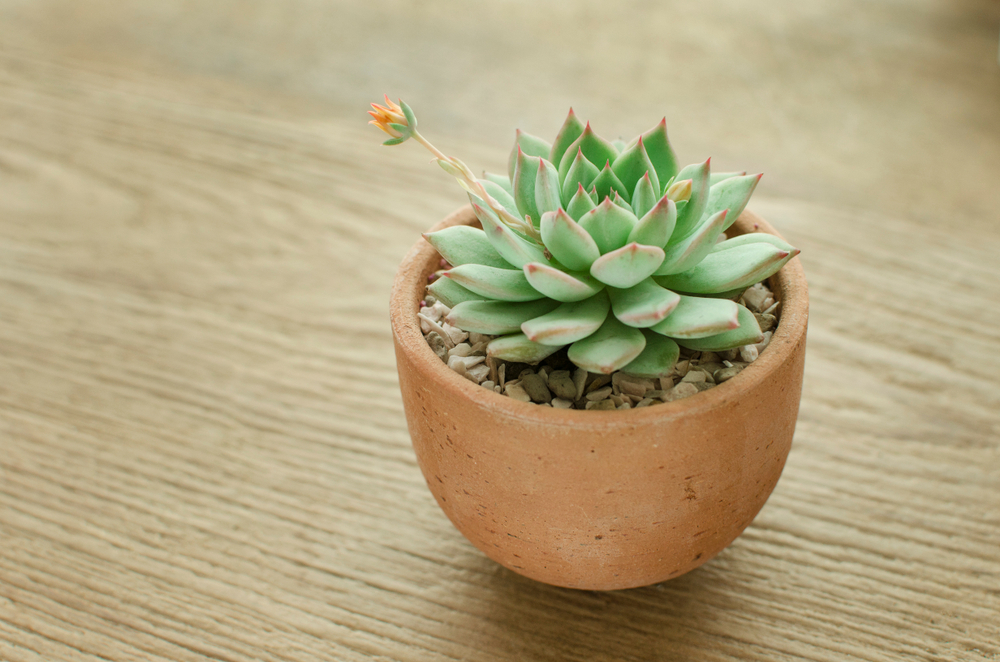
Echeveria is a type of succulent that thrives in dry conditions and bright light. This plant is known for its rosette-shaped growth, which makes it an attractive addition to any home. Echeveria can tolerate periods of drought, as its leaves store water for future use. It is perfect for busy individuals who want a beautiful plant that does not require constant care.
To care for echeveria, allow the soil to dry completely before watering again. Overwatering can lead to root rot, so it is best to err on the side of caution. Echeveria comes in many different colors and sizes, adding variety to your collection of drought-tolerant houseplants. Its stunning appearance and minimal care requirements make it an ideal choice for beginners.
Haworthia
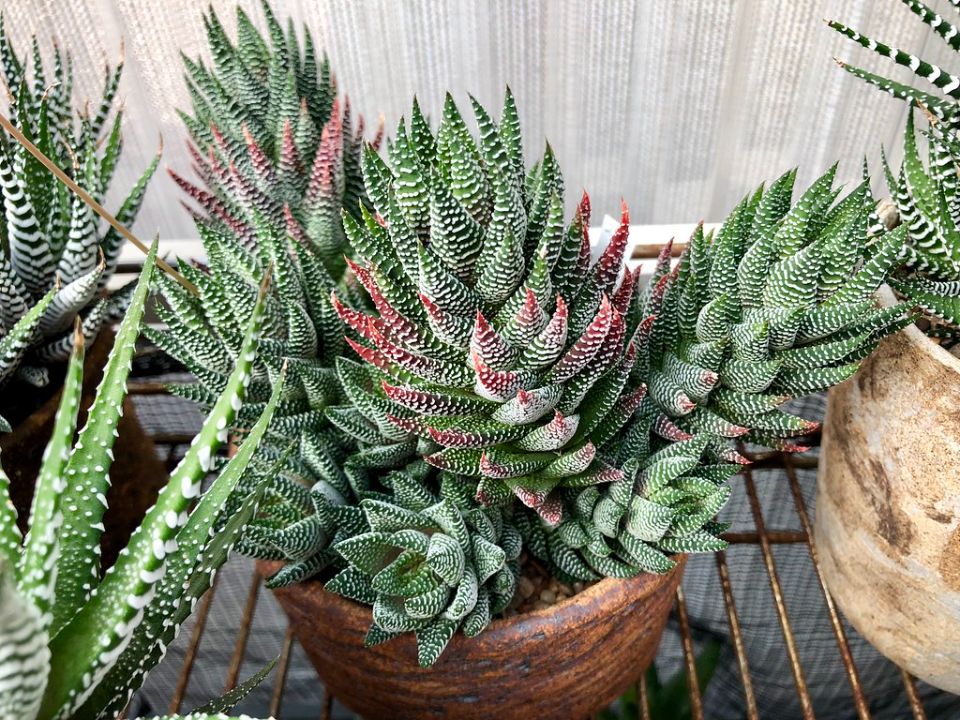
Haworthia is a small, drought-tolerant succulent that is perfect for small spaces. It has thick, fleshy leaves that store water, allowing it to go for extended periods without needing moisture. This plant thrives in bright, indirect light and requires minimal care. Haworthia’s compact size and striking appearance make it an excellent choice for anyone looking for a low-maintenance plant.
Watering haworthia is simple, as it only needs to be watered when the soil has dried out completely. It can tolerate neglect, making it perfect for those who have a busy schedule. Haworthia is also known for its air-purifying qualities, adding both beauty and functionality to your space. This plant’s drought tolerance and attractive appearance make it a great addition to any home.
This article originally appeared on Avocadu.