
13 Documentaries Worth Rewatching for the Lessons You Missed the First Time
Some documentaries are worth rewatching because they keep giving you practical takeaways. You notice new details each time, from how people make tough choices to how big systems shape everyday life. Here are documentaries that still leave you with something you can use after the credits roll.
This post may contain affiliate links, which helps keep this content free. Please read our disclosure for more info.
Jiro Dreams of Sushi
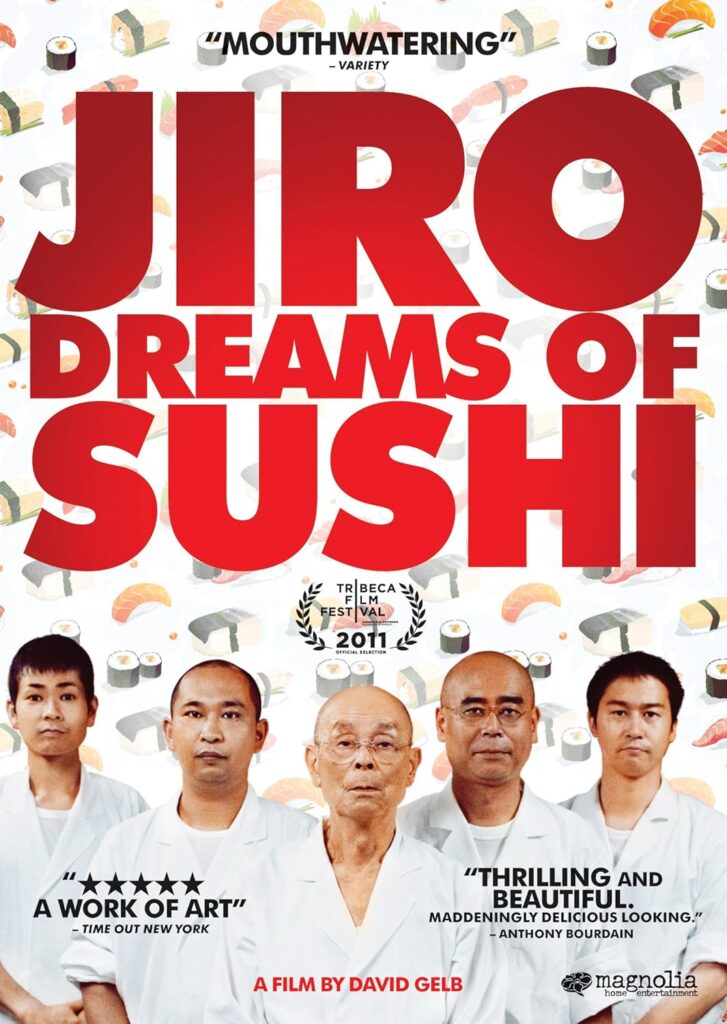
Jiro Dreams of Sushi follows a tiny Tokyo restaurant where tiny details matter, from how rice is cooked to how fish is handled. It is a reminder that real quality comes from repeating the basics until they are second nature. You also see how a team works in quiet coordination when standards are clear. The film makes you pay attention to what you can improve in your own routine, even if it is something simple.
One useful takeaway is how Jiro breaks work into stages, which makes hard skills feel learnable instead of mysterious. The apprentices do not rush, and that slow pace shows why consistency beats quick wins. Rewatching it can shift how you think about practice, feedback, and patience. It also highlights how small habits, like showing up early and staying focused, stack up over years.
Man on Wire
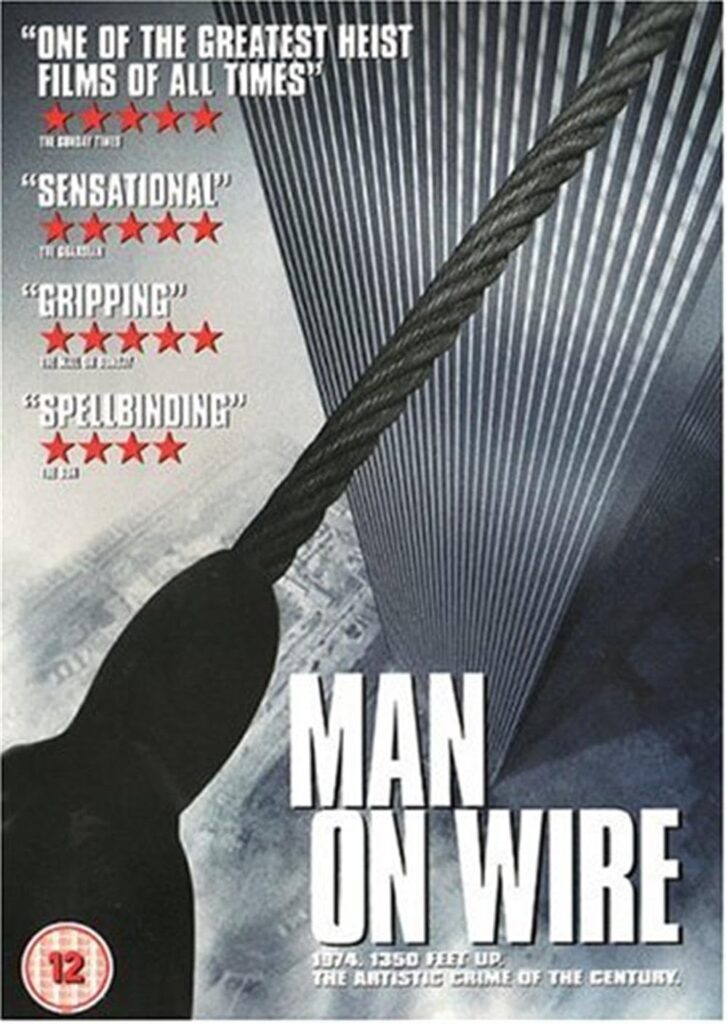
Man on Wire tells the story of Philippe Petit walking a wire between the Twin Towers, and it plays like a careful, high-stakes puzzle. The film shows how planning, timing, and teamwork can turn a huge idea into a real event. You learn how people manage fear by focusing on the next step instead of the whole drop. It also shows how creative goals still need structure behind them.
What sticks on repeat viewings is how the group prepares in layers, testing pieces, adjusting plans, and staying calm when things shift. Philippe’s confidence looks less like luck and more like the result of rehearsal and trust. It is a great reminder that nerves are normal and that preparation is a form of comfort. If you have a big goal, the film pushes you to work backward from it and map the small moves.
Free Solo
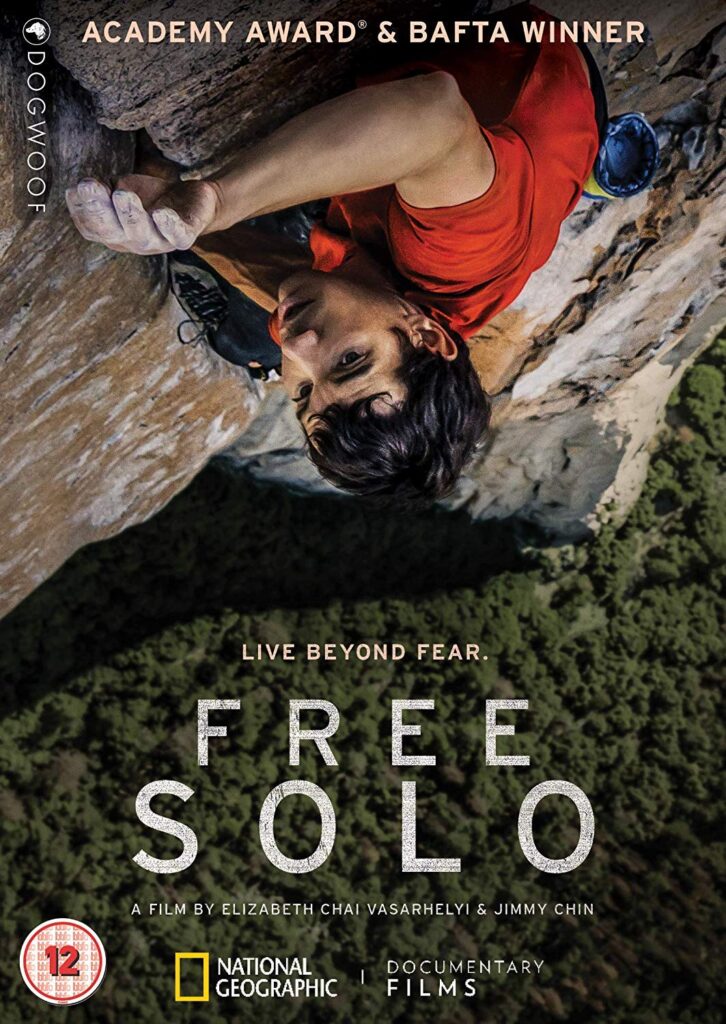
Free Solo follows Alex Honnold as he trains to climb El Capitan without ropes, and it is hard to forget how exposed he is. It shows how discipline can look quiet and normal even when the goal is extreme. You watch him train, repeat moves, and talk through risks with a clear head. The film also raises questions about motivation and what people are willing to trade for a dream.
Rewatching helps you notice how often he checks details, from weather to hand placements, and how little he leaves to chance. It is a lesson in preparation and in being honest about what you can handle. The people around him also matter, and their reactions show how choices affect families and friends. It can make you rethink the way you plan hard projects, especially the parts you tend to ignore.
The Last Dance

The Last Dance looks at Michael Jordan and the Chicago Bulls during their final title run, but it is really about pressure and leadership. The series shows how a team can be full of talent and still need structure to win. You see competing personalities, hard practices, and the constant push to stay sharp. It also shows how success can come with tension that does not always fade.
On repeat viewings, you catch how Jordan uses standards to pull everyone up, even when his style feels harsh. The film makes a point about effort, accountability, and how hard it is to stay focused when you are already famous. There are also lessons about timing, since even great teams have a window that can close fast. It is a strong watch when you need a reminder that consistency is built, not given.
Won’t You Be My Neighbor?
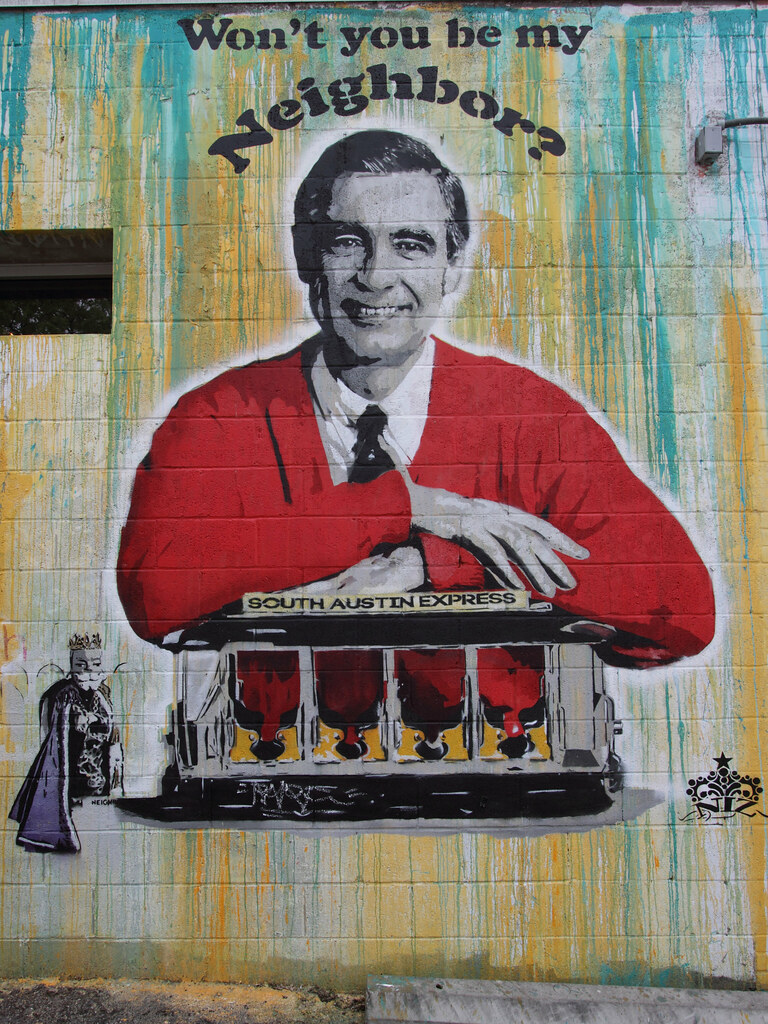
Won’t You Be My Neighbor? focuses on Fred Rogers and the values behind his quiet TV show. It reminds you that kindness is not soft, it takes practice and intention. The film shows how Rogers spoke to children with respect and honesty, even about hard topics. It also explains how he built a calm space in a world that often rewards noise.
When you rewatch it, you notice how he uses small choices, like tone, pacing, and listening, to make people feel safe. That is useful in everyday life, especially when you are dealing with kids, coworkers, or anyone who is stressed. The documentary also shows how holding firm values can be a long game. It leaves you thinking about what you model for others without realizing it.
Inside Job
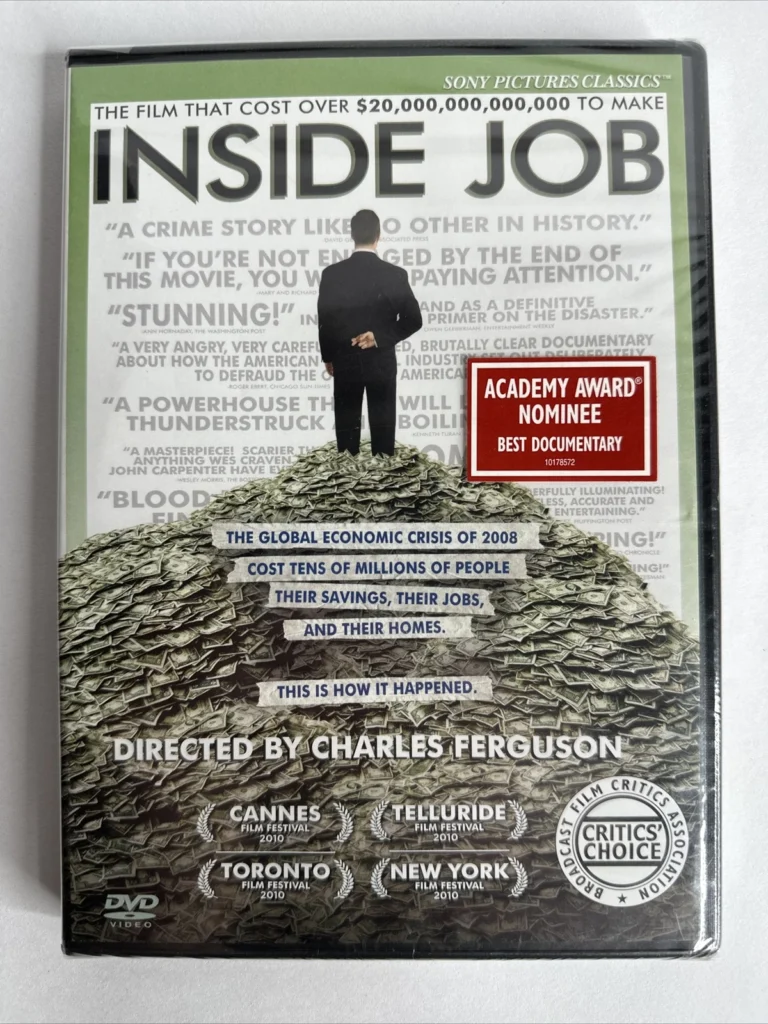
Inside Job breaks down the 2008 financial crisis in a way that makes complicated choices easier to follow. It shows how incentives, weak rules, and conflicts of interest can pile up until the system cracks. The interviews and examples make it clear that these problems did not come from one bad day. It is the kind of film that changes how you hear words like risk and regulation.
On rewatch, you catch how many warning signs were ignored because money kept flowing. That lesson applies far beyond finance, since short-term rewards can hide long-term damage in many areas of life. The film also shows why transparency matters and why simple explanations should be questioned. It can make you more careful about debt, fees, and the fine print in everyday choices.
Icarus
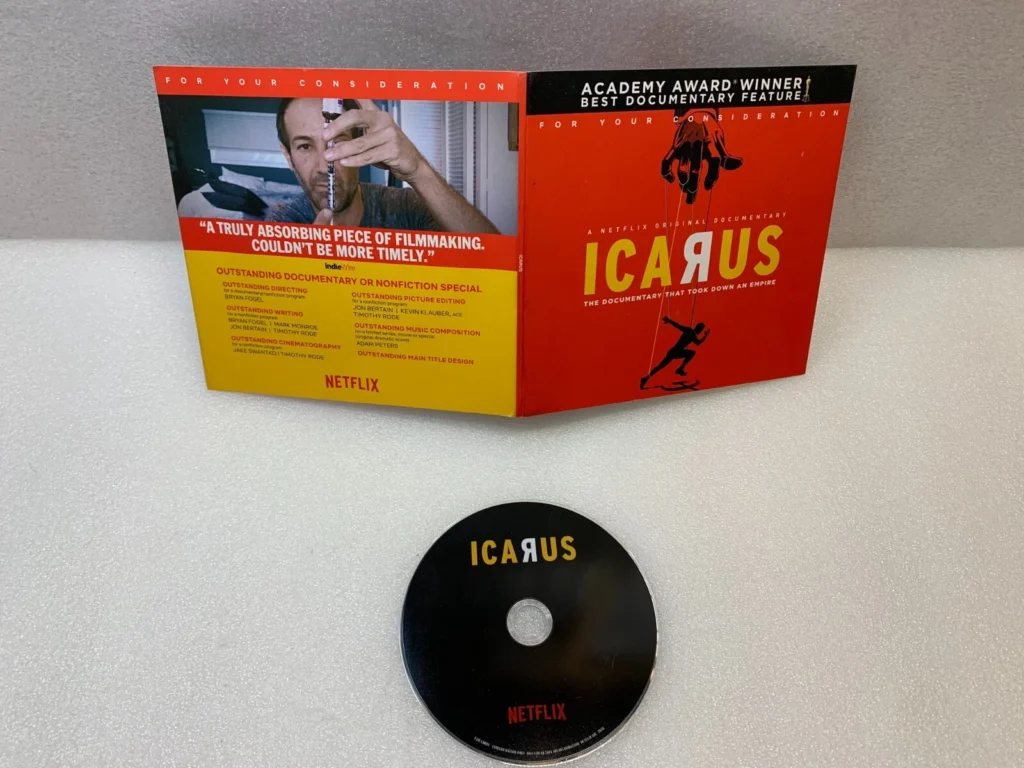
Icarus begins as a personal experiment about performance drugs in cycling and then turns into a much bigger story. The shift happens fast, and the documentary becomes a look at state-backed doping and cover-ups. You watch how one connection leads to another until the stakes are global. It is a reminder that truth can be messy and dangerous when powerful people feel threatened.
Rewatching helps you follow the turning points and notice how trust is built, then tested, then strained. The film also shows how people justify wrongdoing when careers and reputations are on the line. You learn to look for incentives and pressure, not just personal flaws. It is a good documentary for anyone who wants to think more clearly about ethics under stress.
Blackfish
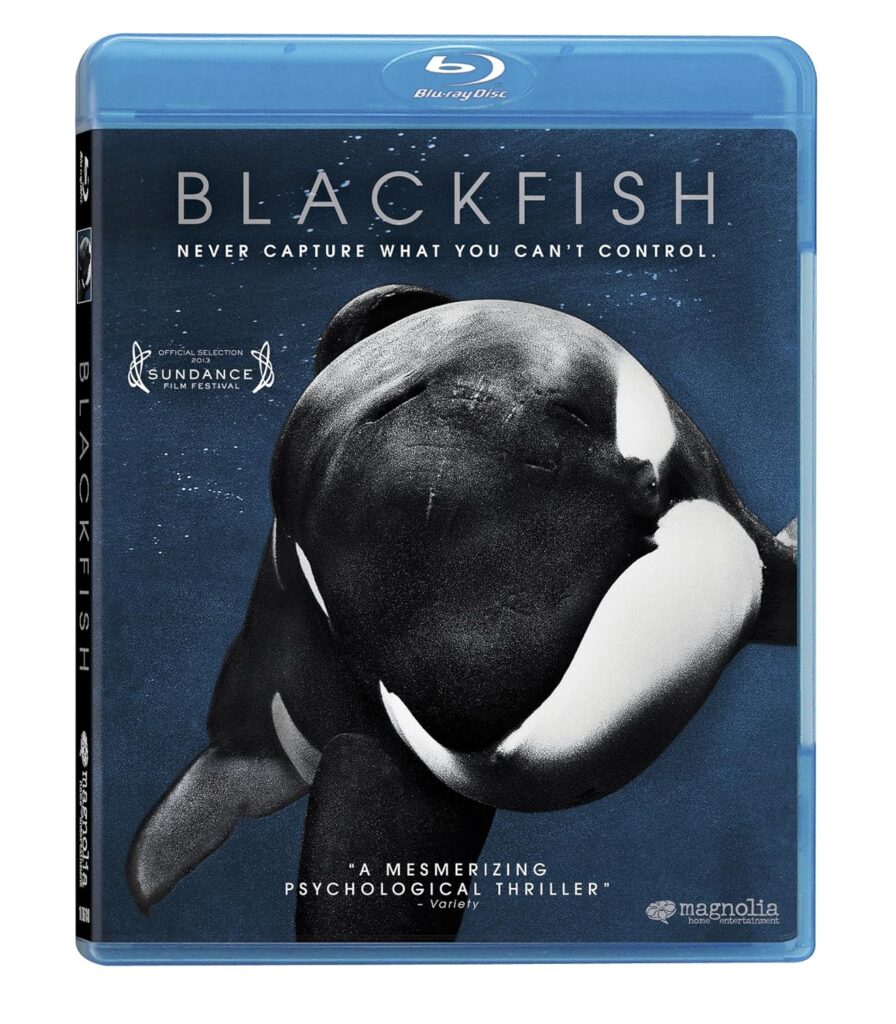
Blackfish focuses on captive orcas and the consequences for both animals and trainers. The documentary uses interviews, footage, and timelines to show how a public image can clash with what happens behind the scenes. It is emotional, but it is also a lesson in how businesses shape stories to protect themselves. The film sticks with you because it asks you to reconsider entertainment that seems harmless.
Rewatching makes you notice how warnings were dismissed and how patterns repeated after each incident. That is a useful lesson about listening to early signals before problems grow. The documentary also shows how public pressure can force change, even when companies resist. It can influence how you think about where your money goes and what you support without thinking.
Apollo 11
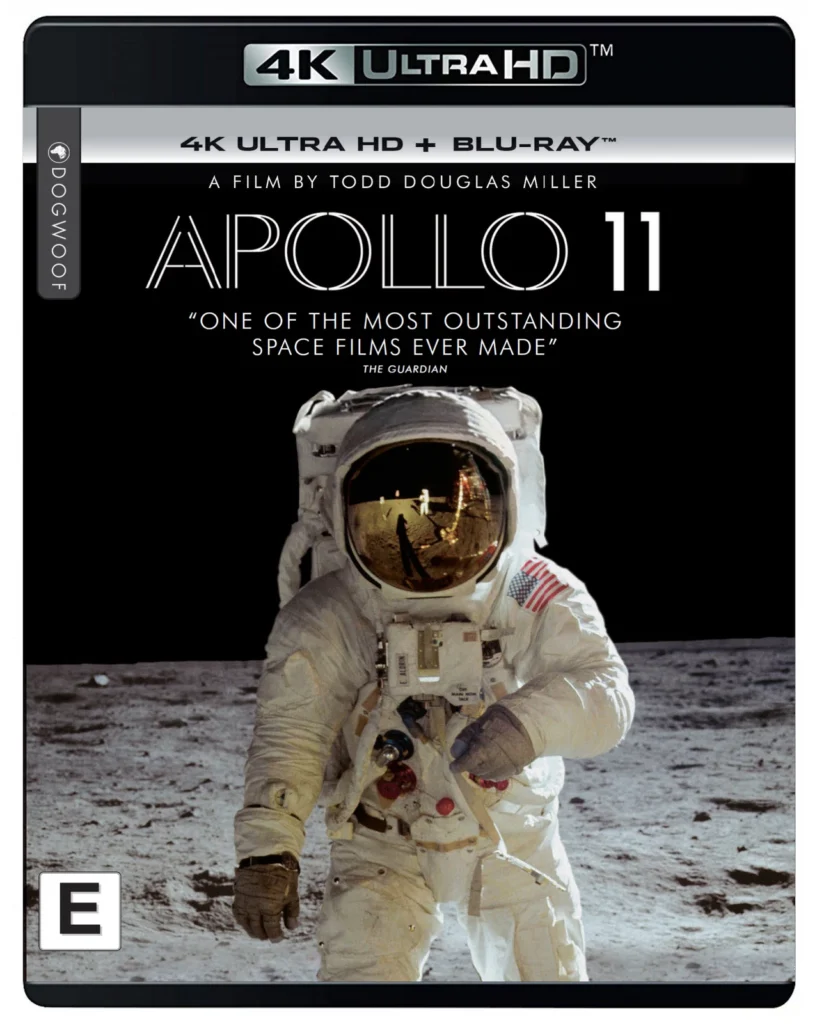
Apollo 11 uses restored footage to put you inside the mission without modern narration taking over. You see the clean problem-solving, the calm voices, and the intense focus behind each decision. The film shows how big achievements rely on thousands of small tasks done well. It also makes the moon landing feel real, not like a story you already know.
On repeat viewings, you start noticing the planning rhythms, the checklists, and the way teams communicate under pressure. That is useful for anyone who works with deadlines or high-stakes tasks. The documentary shows how calm is built through preparation and shared language. It can make you rethink how you plan projects at home or at work, especially when many people are involved.
The Fog of War
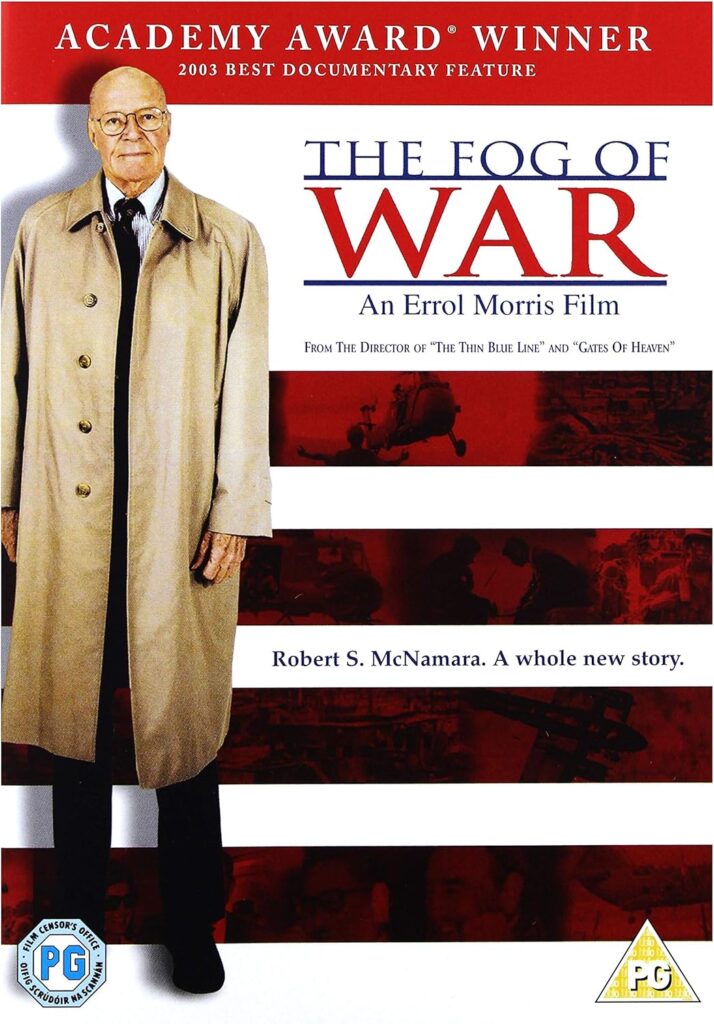
The Fog of War features Robert McNamara reflecting on war, decision-making, and moral blind spots. The film is structured around lessons, but it still feels personal and uneasy. You see how smart people can make choices that lead to tragedy, even when they think they are being rational. It pushes you to question how much information is really enough to act.
Rewatching helps you sit with the idea that data does not replace judgment, and that human emotion still drives outcomes. The documentary also shows how leaders explain their choices after the fact, which can soften hard truths. It is a helpful watch for anyone who wants to make better decisions, especially in stressful situations. You come away thinking about empathy, limits, and what you do not know.
The Act of Killing
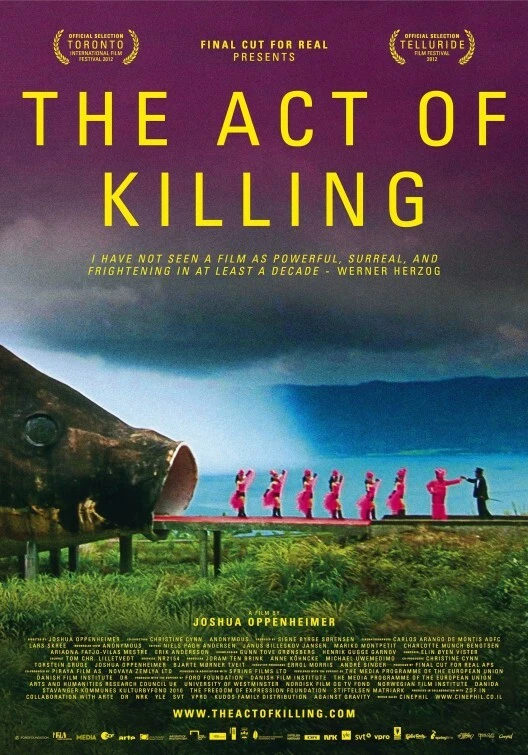
The Act of Killing is unusual because it asks former killers to reenact what they did, often in the style of movies they love. That setup is disturbing, and it reveals how people can rewrite their own past to avoid guilt. The film shows how violence can be normalized when a society rewards it. It is hard to watch, yet it stays in your mind because it is honest about denial.
Rewatching can deepen your understanding of how memory, power, and pride work together. You notice the small moments where confidence cracks and reality slips through. The documentary also teaches you to be careful about simple stories of good and bad, since people can believe almost anything about themselves. It is one of those films that changes how you think about truth and accountability.
Ken Burns: The Vietnam War
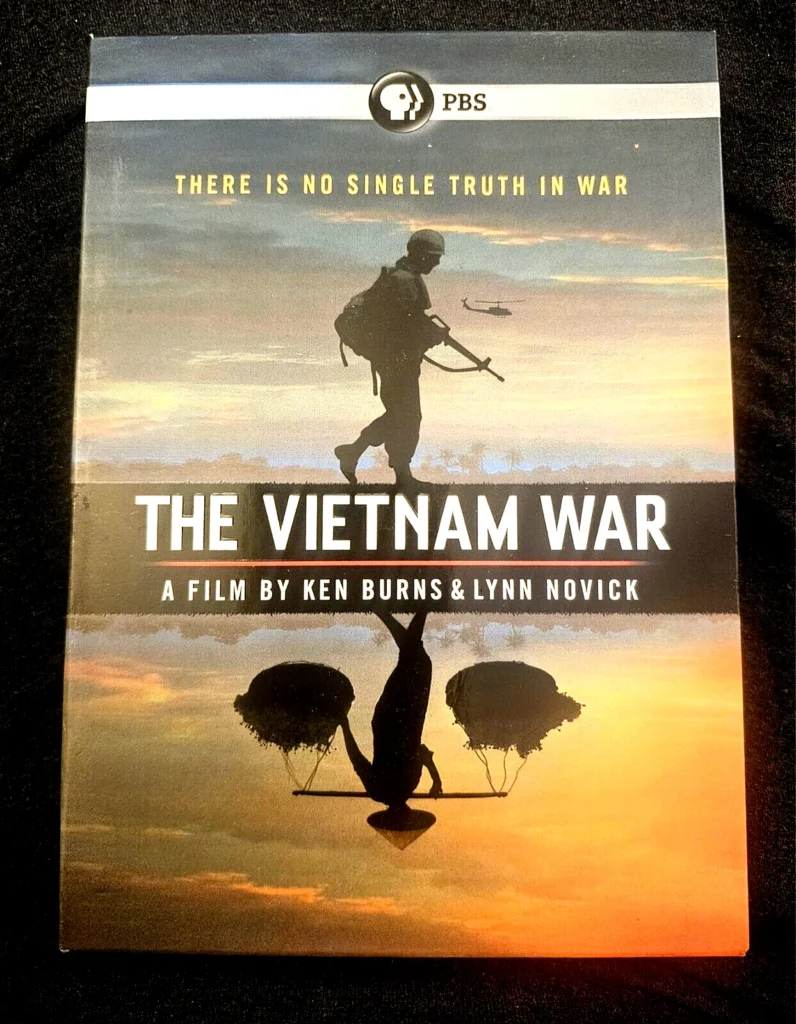
Ken Burns: The Vietnam War is long, detailed, and built from interviews, photos, film, and music that pulls you into the period. It shows how the conflict grew from choices made over many years, with consequences that hit families on all sides. The series gives space to soldiers, civilians, and protesters, which keeps it from feeling one-sided. It also shows how confusion and fear can guide policy just as much as strategy.
Rewatching helps you connect the early decisions to later outcomes, which is useful in any topic that involves long chains of cause and effect. You also notice how people talk about regret, pride, and grief in different ways. The series can teach you how to hold multiple truths at once without forcing a neat conclusion. It is a strong reminder that history is made by human choices, not just dates and speeches.
Planet Earth II
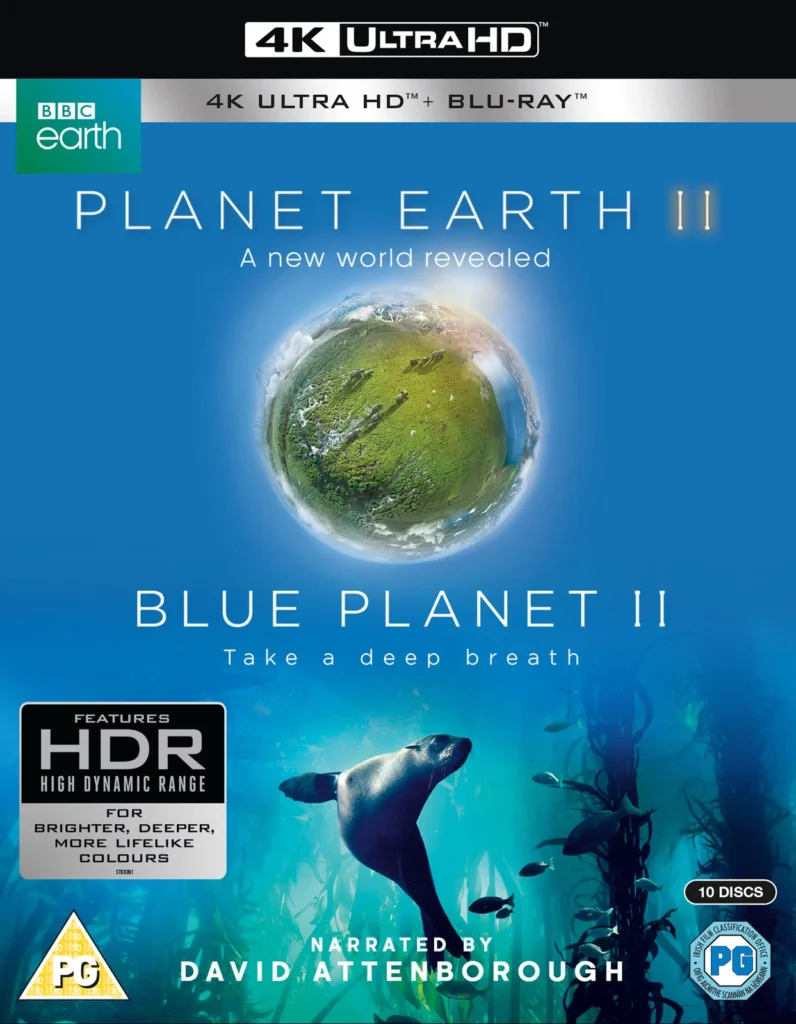
Planet Earth II is full of stunning scenes, but it is also packed with lessons about how animals survive. You see how habitats shape behavior, and how small changes can mean life or death. The documentary makes nature feel close, even if you have never traveled far. It is also a reminder that the world is more connected than it looks.
Rewatching turns into a quiet lesson in attention, since you start noticing patterns, seasons, and survival tricks you missed. The storytelling also shows how to explain complex ideas through clear visuals and simple language. It can make you more observant on walks, hikes, or even in your backyard. The series leaves you with a sense of respect for patience, timing, and adaptation without making it feel like a lecture.
This article originally appeared on Avocadu.