
9 Defunct Gas Station Giveaways Worth Big Cash
Many people remember picking up a free gift at the local gas station on their way to a road trip. While some of these items were tossed aside without a second thought, others have become sought-after collectibles. These giveaways, once seen as novelty items, have gained significant value over the years. Whether it’s branded memorabilia or promotional merchandise, some items are now worth much more than their original price. Take a look at these vintage gas station giveaways, which could be worth big cash today.
This post may contain affiliate links, which helps keep this content free. Please read our disclosure for more info.
Mobilgas Keychains and Matchbooks
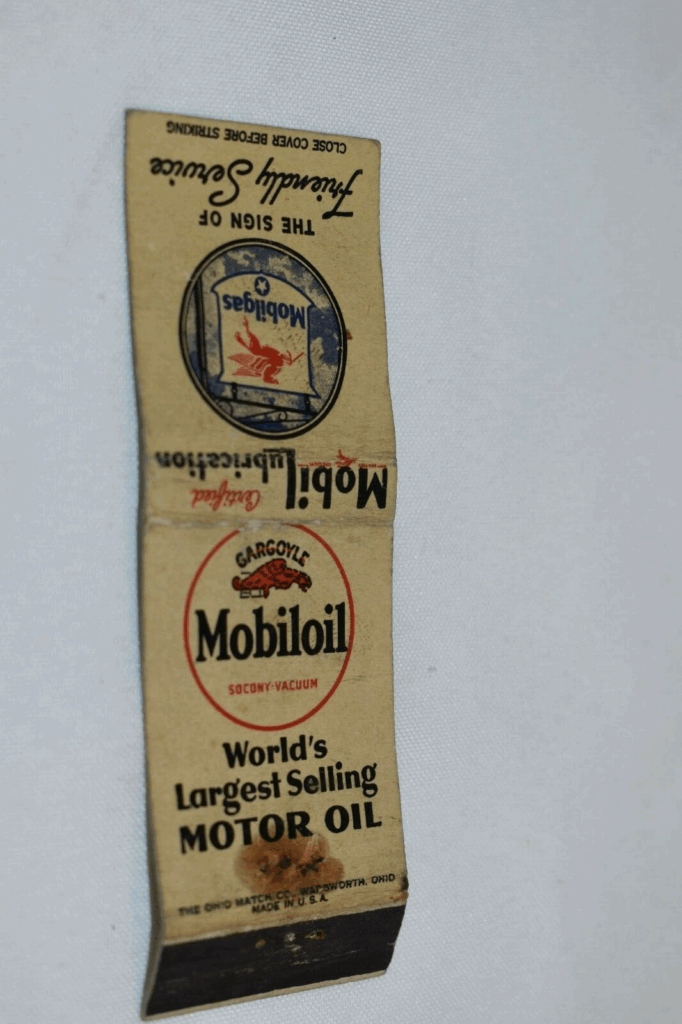
During the mid-20th century, Mobil stations gave away small promotional items such as keychains, matchbooks, and paper products. Mobil was a significant player in the oil industry until its merger in 1999, which makes these items valuable to collectors today. Items like Mobilgas keychains or vintage matchbooks are now highly sought after. Depending on rarity and condition, Mobilgas memorabilia can be priced between $15 and $100. These promotional products often carry the iconic Pegasus logo, a hallmark of the brand’s identity.
The rarity of vintage Mobil giveaways, particularly those from the pre-merger era, increases their market value. Items showing minimal wear or fading from their early branding era are often sold at higher prices. The collectible value of a vintage Mobil piece can sometimes rise above $150 in certain cases, especially for items featuring unique or early logos. For anyone looking to build a collection of gas station memorabilia, Mobil offers a memorable and historically rich starting point.
Esso Decals and Paper Giveaways
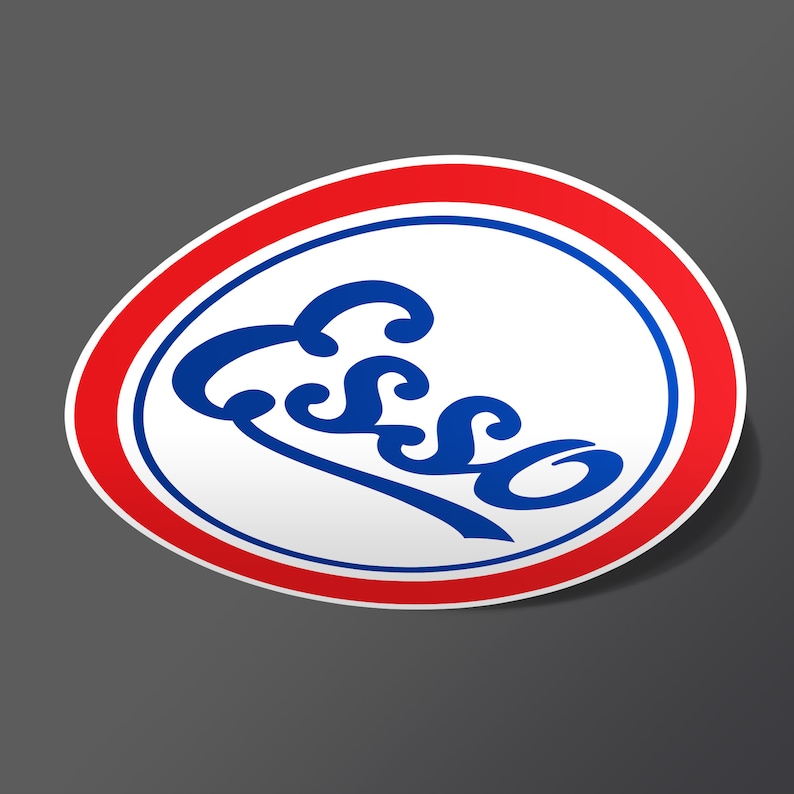
Esso, once a key brand before its eventual rebranding and mergers, distributed promotional items such as decals, posters, and small giveaways to encourage customers. The items from Esso are sought after today because they represent a major brand that no longer exists under its original name. Esso giveaways like early decals or themed paper items might fetch anywhere from $10 to $25 in the market today. Collectors are particularly drawn to the nostalgic branding, which invokes memories of the Standard Oil trust before the company broke up.
The appeal of Esso items lies in their visual design, which reflects the iconic look of mid-20th-century advertising. For well-maintained items, the value can increase, with rare pieces fetching up to $30 to $50. The scarcity of Esso items in good condition, coupled with their association with Standard Oil’s history, makes them a valuable find for petroliana enthusiasts. They are treasured not just for their rarity, but for their connection to a period of transformation in the American oil industry.
Vintage Oil Company Collectible Glasses
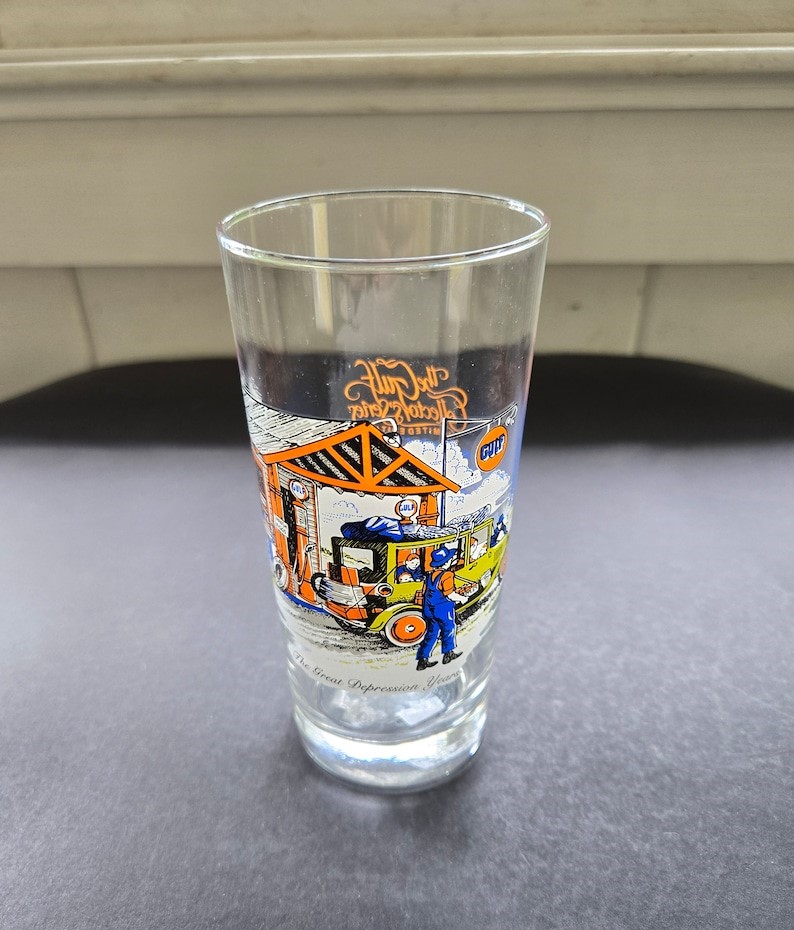
Gas stations and oil companies like Texaco, Gulf Oil, and Standard Oil used to give away branded mugs and drinking glasses in the 1950s to 1970s as part of their promotional giveaways. These glasses, often emblazoned with the company logo, are now collectible because many were discarded over the years. A well-preserved glass or mug from a defunct oil company can sell for $15 to $50, depending on its condition and branding. Collectors value these items for their retro design and their connection to a period when service stations were integral to the American road trip experience.
These glassware items represent a time when promotional items were commonly used to build brand loyalty. As many were used and discarded, surviving pieces are rare. For collectors, these glasses provide a nostalgic link to the days when gas stations offered more than just fuel.
Texaco Keychains and Road Maps
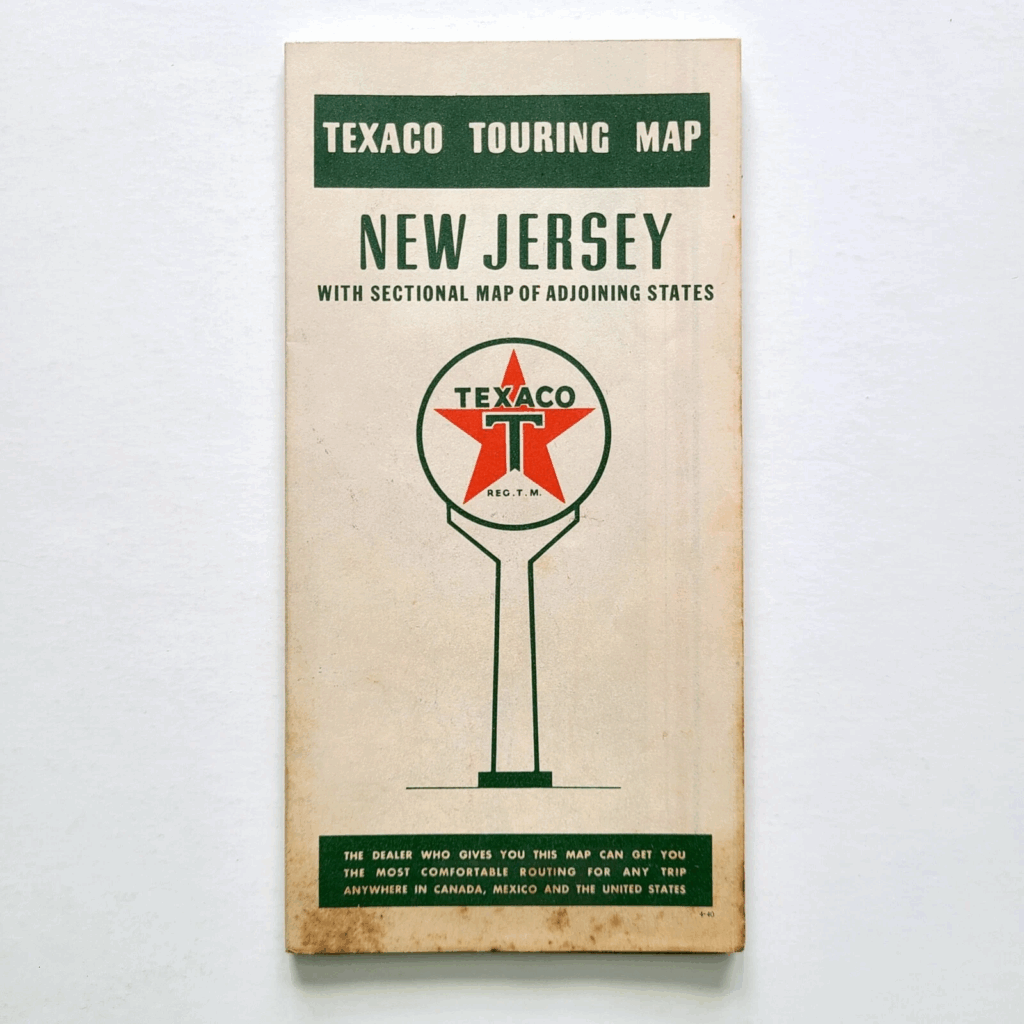
Texaco, with its long history of service stations, handed out various promotional items such as keychains and souvenir maps in the 1940s and 1950s. These items from Texaco are especially valuable today due to the long-standing history of the company and its eventual rebranding. Vintage Texaco giveaways, including matchbooks or road maps from the mid-20th century, are highly collectible. Depending on condition, these items can sell for between $15 and $40. The Texaco logo, often paired with its classic Star of Texas, adds to their charm and value.
Texaco’s place in American history as a key gas station brand, particularly along famous routes like Route 66, further elevates the value of its collectibles. Items from the company’s heyday, especially those still in good condition, can command higher prices. Rare Texaco memorabilia, such as well-preserved keychains or road maps, may reach prices as high as $60. For collectors of vintage gas station memorabilia, Texaco items represent a perfect blend of nostalgia and market value.
Original Advertising Posters or Pamphlets from Historic Station Campaigns
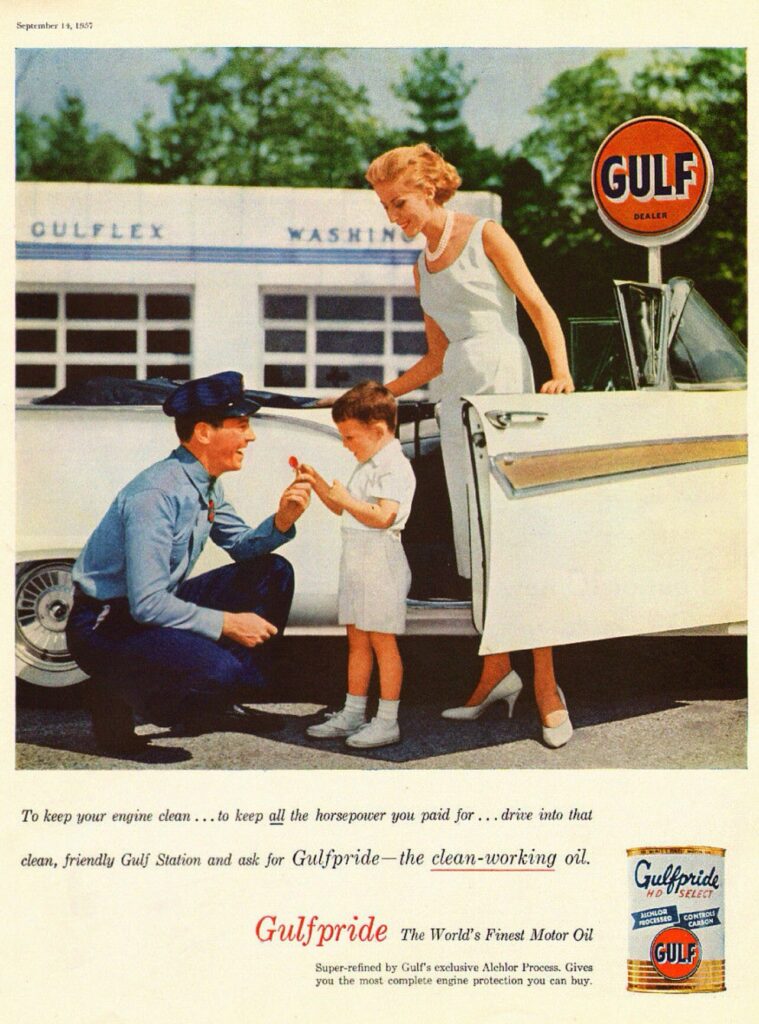
Gulf Oil, once a prominent gas station brand that eventually merged into Chevron, distributed promotional posters and pamphlets from the 1950s through the 1970s to attract customers. These printed materials often featured the company’s logo and fuel promotions. Surviving posters and pamphlets from Gulf Oil stations are now rare, especially as many were discarded when the company rebranded. Today, these items can be worth $20 to $100, depending on their condition. Collectors value them for their visual history and connection to a time when Gulf Oil was a major part of the American service station landscape.
These promotional posters and pamphlets provide a glimpse into how gas stations once marketed themselves. Their rarity, due to the closure of Gulf Oil stations and the rebranding of the company, makes them highly desirable for collectors. The branding and design of these items make them a perfect addition to petroliana collections. As more time passes, the scarcity of these promotional materials will only increase their value.
Conoco Brochures and Keychains
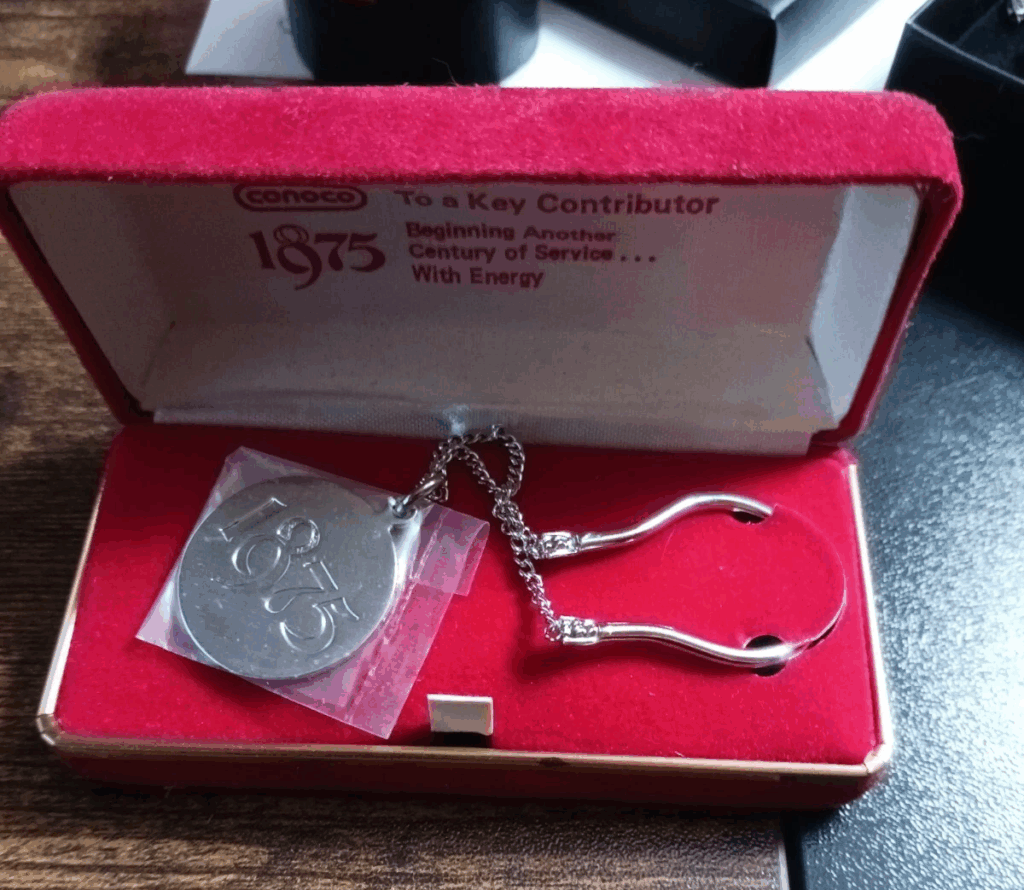
Conoco stations, which distributed promotional paraphernalia like brochures and small accessories in the mid-20th century, are a rarity today. The decline of the Conoco brand after its consolidation makes its vintage giveaways more desirable to collectors. Typical items from Conoco, like a map or brochure from the 1940s or 1950s, could be worth anywhere from $10 to $25. These promotional items appeal to collectors because of their historical value and the iconic branding they display.
Items linked to Conoco’s branding, especially those in good condition, are highly sought after. Well-preserved brochures, keychains, or promotional posters can sometimes sell for more, reaching $40 in collector’s markets. These items capture the essence of a bygone era when gas stations relied heavily on print advertising and promotional materials. Collectors value Conoco memorabilia for its nostalgia and connection to the American road culture that once defined the brand.
Sohio Stickers and Brochures
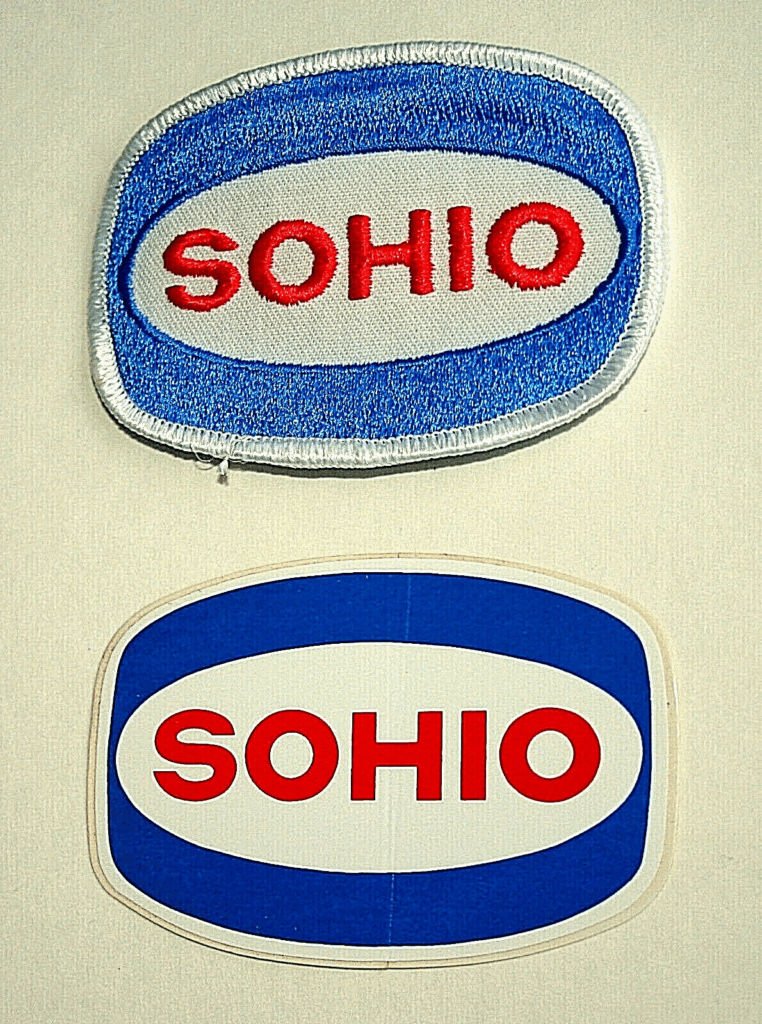
Sohio, a defunct oil company, handed out various promotional materials like stickers, brochures, and pamphlets during its time as a regional gas station operator. Today, these items are valuable because they are hard to find due to Sohio’s eventual merger with other companies. Sohio memorabilia, such as a well-preserved brochure or sticker, typically sells for about $15 to $30. The rarity of these items, coupled with the company’s regional influence, increases their appeal among collectors of petroliana.
The historical significance of Sohio, particularly in the Great Lakes and Midwest regions, gives its memorabilia a special place in gas station collections. Due to the limited number of these items available, collectors are willing to pay more for those in good condition. In some cases, rare Sohio items can fetch up to $50, depending on their condition and design. These giveaways are valuable not only for their scarcity but also for their representation of a time before Sohio’s eventual merger with BP.
Old Oil Can or Tin from Gulf Oil
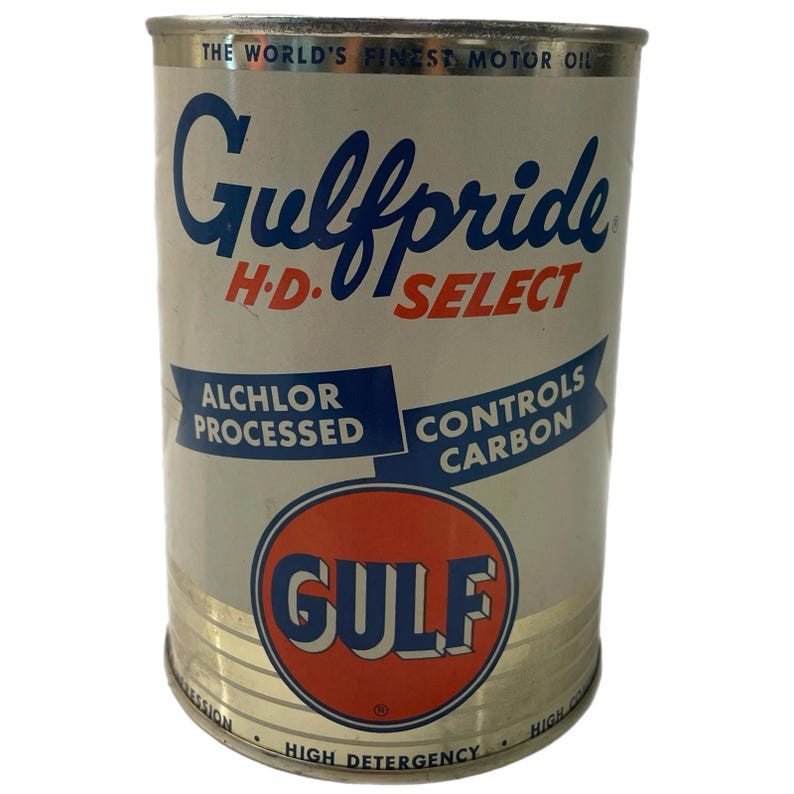
Gulf Oil, a major oil company that once operated many gas stations across the U.S., has now merged with Chevron, and its original brand is no longer active. During its operational years, Gulf gave away oil cans and tins as promotional items to customers. Today, these items have become highly collectible, especially those from Gulf stations that are no longer in business. A well-preserved oil can from Gulf can fetch anywhere from $50 to $200, depending on condition and rarity. Collectors seek these items due to their direct connection to a defunct gas station brand and the history behind the company.
Because Gulf Oil was absorbed into Chevron, the items from its early days have become even more valuable. These oil cans often display vibrant artwork and branding that reflect the company’s past identity. The rarity of these cans, due to the closure of Gulf Oil stations, increases their collectible worth. For petroliana collectors, these oil cans are not only visually appealing but also serve as tangible pieces of history. Their value grows as fewer examples remain available.
Old Station Uniform Caps or Hats
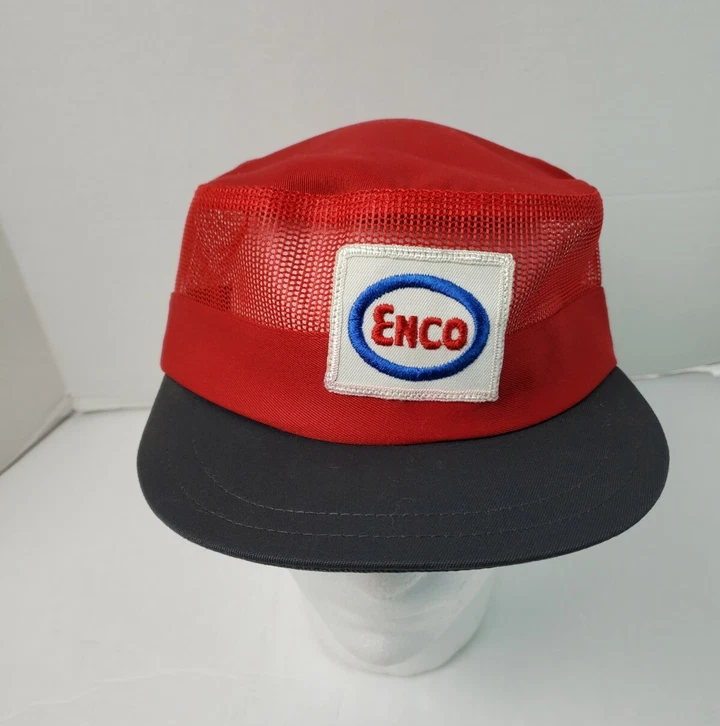
Enco often issued branded caps and hats to their attendants and customers. After the company shut down in the 1980s, these items became rare and highly collectible. A vintage uniform cap from Whiting Brothers or a similar defunct station can be worth between $40 to $150, depending on condition and visibility of the logo. These caps serve as tangible relics of a defunct service station chain and provide collectors with a direct connection to the past. As fewer of these stations remain, the caps’ value increases.
These uniform hats and caps offer a connection to the workers who staffed these long-closed stations. As these stations are no longer in operation, the rarity of these items makes them more desirable for collectors. The logos and condition of the hats add to their marketability. For petroliana collectors, these items evoke a sense of nostalgia for a bygone era of full-service gas stations.
This article originally appeared on Avocadu.