
16 Deer Resistant Plants to Try Before New Growth Gets Nibbled
Deer can be a real challenge for gardeners, especially when they start nibbling on new growth. If you have a garden that is frequently visited by these hungry creatures, you know how frustrating it can be to watch your plants get chewed down to nothing. Luckily, there are several plants that deer tend to avoid, and they can help protect your garden while still adding beauty and interest. Choosing the right deer-resistant plants is essential for keeping your landscape thriving, even in areas where deer roam freely. From fragrant herbs to vibrant flowers, there are plenty of options to choose from. By selecting these deer-resistant picks, you can create a garden that not only survives but flourishes.
This post may contain affiliate links, which helps keep this content free. Please read our disclosure for more info.
Lavender
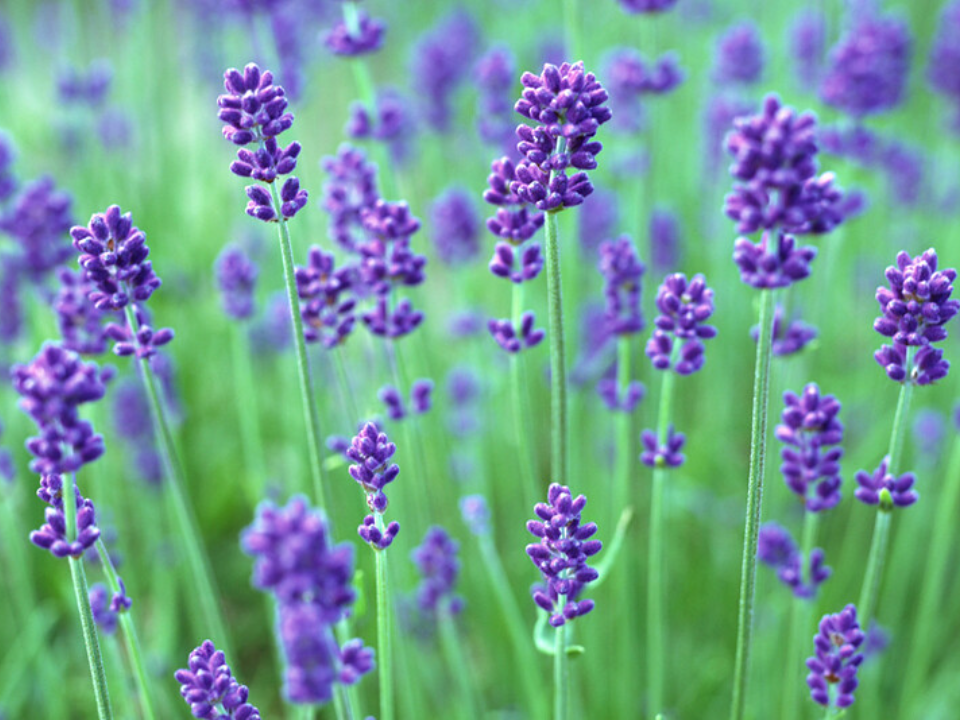
Lavender is a fragrant herb that not only adds a lovely scent to your garden but also acts as a natural deterrent for deer. Known for its purple spikes and silvery-green foliage, lavender is a hardy plant that thrives in sunny, well-drained soil. Deer tend to stay away from lavender due to its strong aroma, which they find unappealing. It is also drought-tolerant, making it an ideal choice for low-maintenance gardens.
Lavender grows well in both garden beds and containers, and its flowers attract pollinators like bees and butterflies. You can use the dried flowers in homemade sachets or potpourri, offering another benefit beyond its deer-resistant nature. Consider planting lavender along the edges of your garden to help protect other more vulnerable plants from being nibbled on.
Marigolds
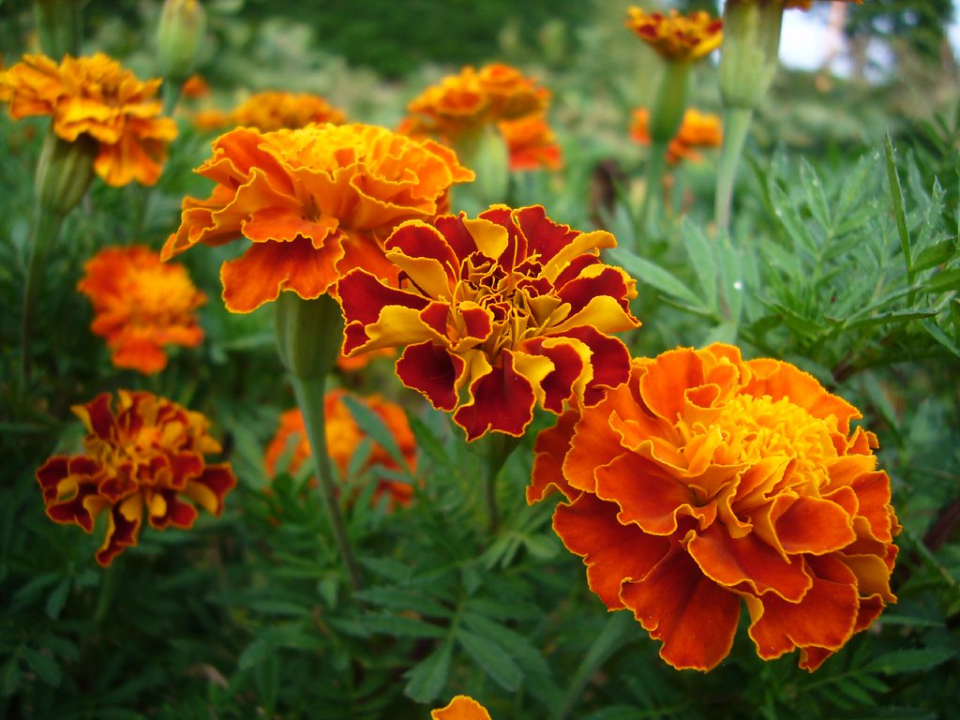
Marigolds are a classic choice for gardeners looking for a deer-resistant option. These bright, colorful flowers have a strong scent that deer tend to avoid. The pungent odor of marigolds is a natural repellent, making them an excellent choice to deter these animals. Marigolds thrive in full sun and well-drained soil, and they are relatively easy to grow. They bloom profusely, offering vibrant orange and yellow hues that brighten up any garden.
In addition to their deer-resistant properties, marigolds also help keep pests like aphids and nematodes at bay. Their compact size makes them suitable for both flower beds and containers, and they can be planted alongside other plants for added protection. Marigolds are also known to attract beneficial insects, which can further support the health of your garden.
Daffodils
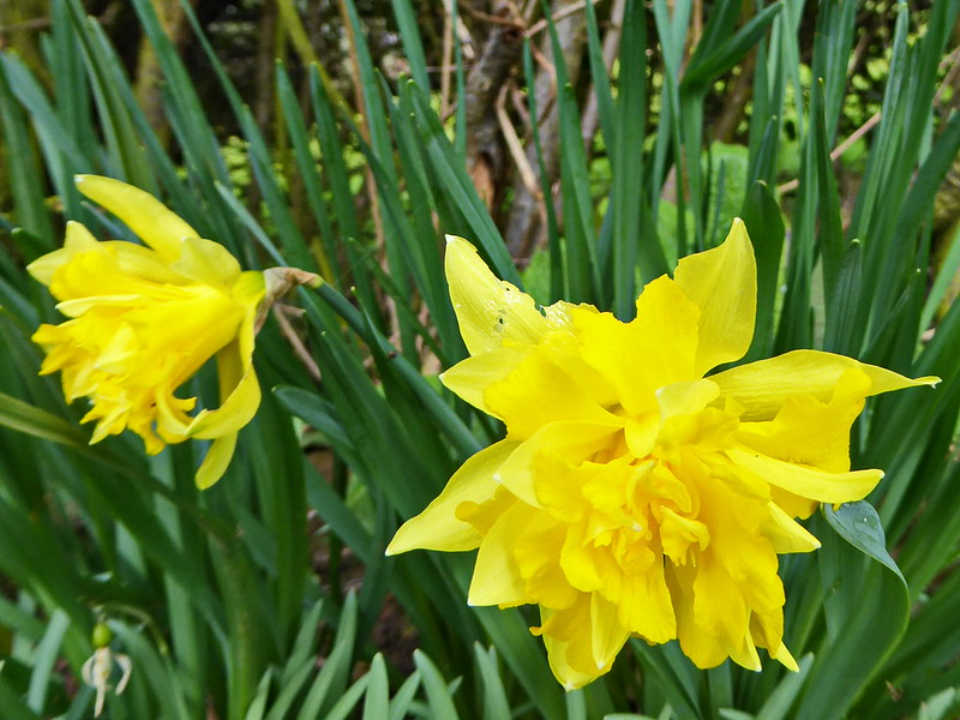
Daffodils, also known as Narcissus, are a favorite spring flower that deer tend to avoid. These cheerful yellow and white blooms have a strong scent that is unappealing to deer, making them a great addition to your garden if you’re trying to keep these animals away. Daffodils are easy to grow and thrive in a variety of soil types, though they prefer well-drained soil with a bit of acidity.
They are perfect for naturalizing in lawns or planting in flower beds, where their bright blooms can stand out in early spring. In addition to being deer-resistant, daffodils are also low-maintenance and hardy, requiring little care once established. They multiply over time, providing even more flowers to enjoy with each passing year. If you plant daffodils early in the season, they can help protect other, more delicate plants from deer foraging later on.
Bee Balm
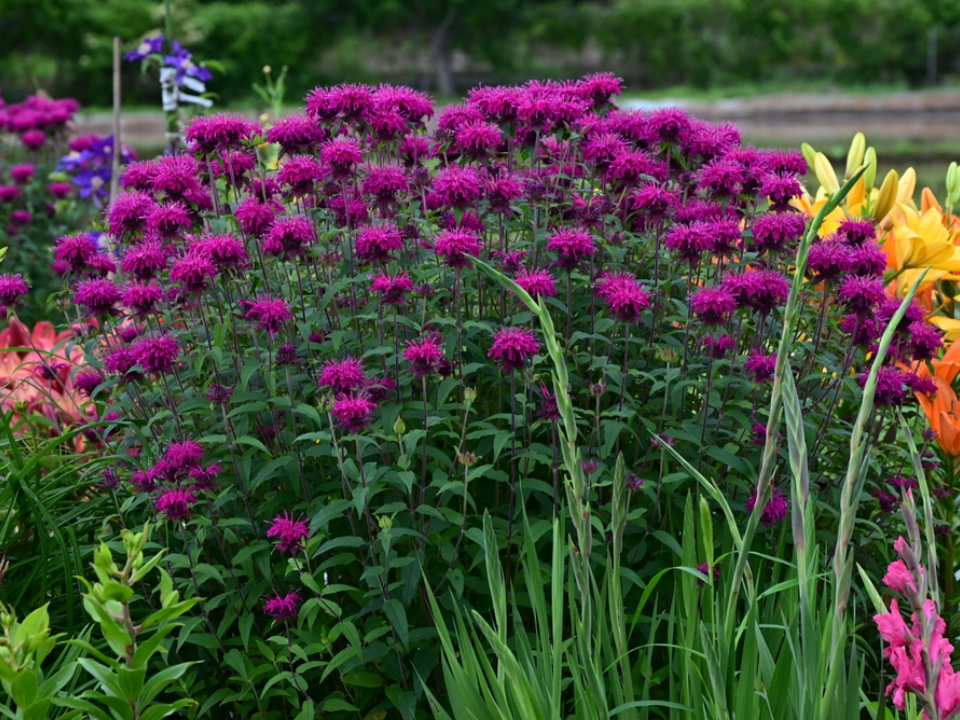
Bee balm is a beautiful and fragrant plant that naturally repels deer, thanks to its strong scent and medicinal qualities. Its vibrant red, pink, and purple flowers attract pollinators, including bees and butterflies, but deer tend to stay away. This plant thrives in moist, well-drained soil and partial sun, making it an excellent choice for a range of garden settings.
Bee balm’s aromatic leaves are known for their minty, slightly spicy scent, which can be quite strong, especially when the leaves are bruised or crushed. Deer are often put off by this scent, making it an effective deterrent. Bee balm is also relatively easy to grow, and its attractive flowers can add a pop of color to garden beds or borders. Additionally, bee balm has medicinal uses, and its leaves can be used to make herbal teas that are said to have soothing properties.
Black-Eyed Susan
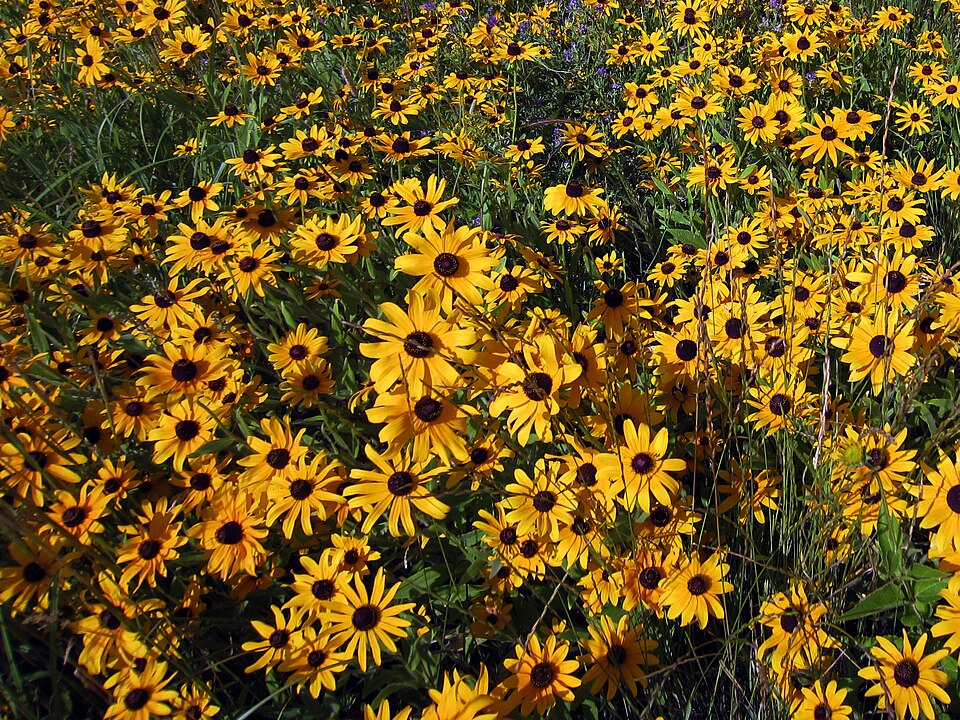
Black-eyed Susan is a well-loved perennial that offers both beauty and deer resistance. Its bright yellow petals and dark centers stand out in the garden, making it a favorite among gardeners. Deer are generally not fond of Black-eyed Susans because of their rough foliage and coarse texture. This plant thrives in full sun and well-drained soil, and it can tolerate drought once established.
Black-eyed Susan blooms profusely in the summer, providing a long-lasting splash of color in your garden. It is low-maintenance and hardy, making it a great option for both novice and experienced gardeners. Deer may browse on the flowers when food is scarce, but they are unlikely to cause significant damage, especially if there are other, more appealing food sources available.
Lamb’s Ear
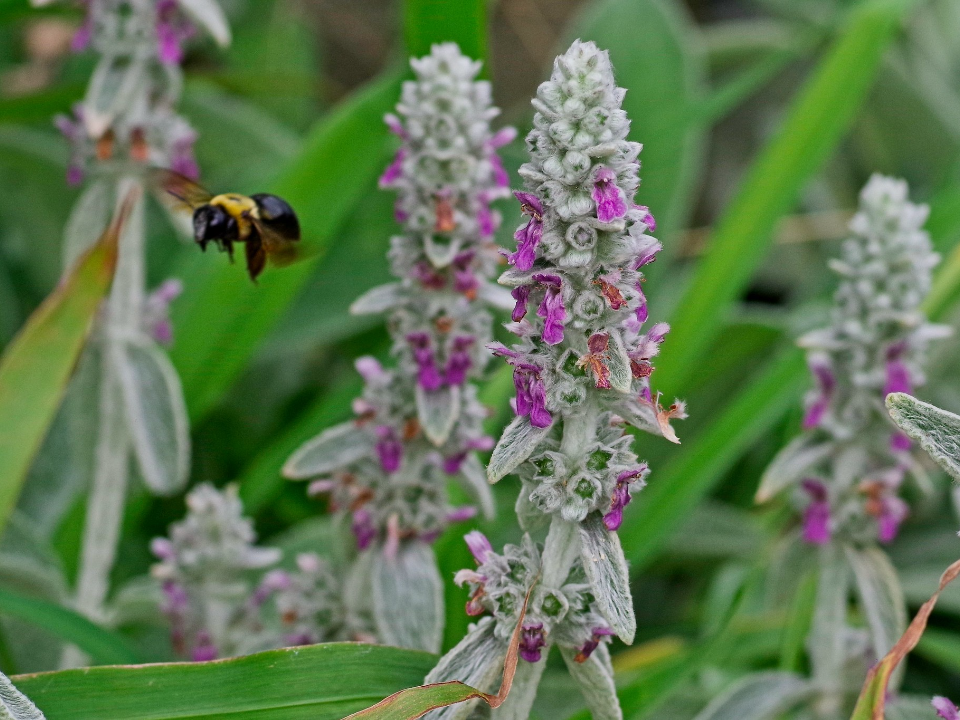
Lamb’s ear, with its soft, velvety leaves, is another plant that deer tend to avoid. Its silvery-gray foliage is attractive in the garden, and the texture of the leaves makes it unappealing to deer. Lamb’s ear thrives in full sun and well-drained soil, making it a great option for areas where other plants might struggle. It is also drought-tolerant, requiring minimal care once established.
The plant produces small, purple flowers that add to its charm, though they are not the main attraction. Deer are often deterred by the fuzzy texture of the leaves, which they find unpleasant to chew. Lamb’s ear works well as a ground cover, in borders, or even in containers, where it can help protect other plants from deer browsing.
Ferns (such as Autumn Fern)
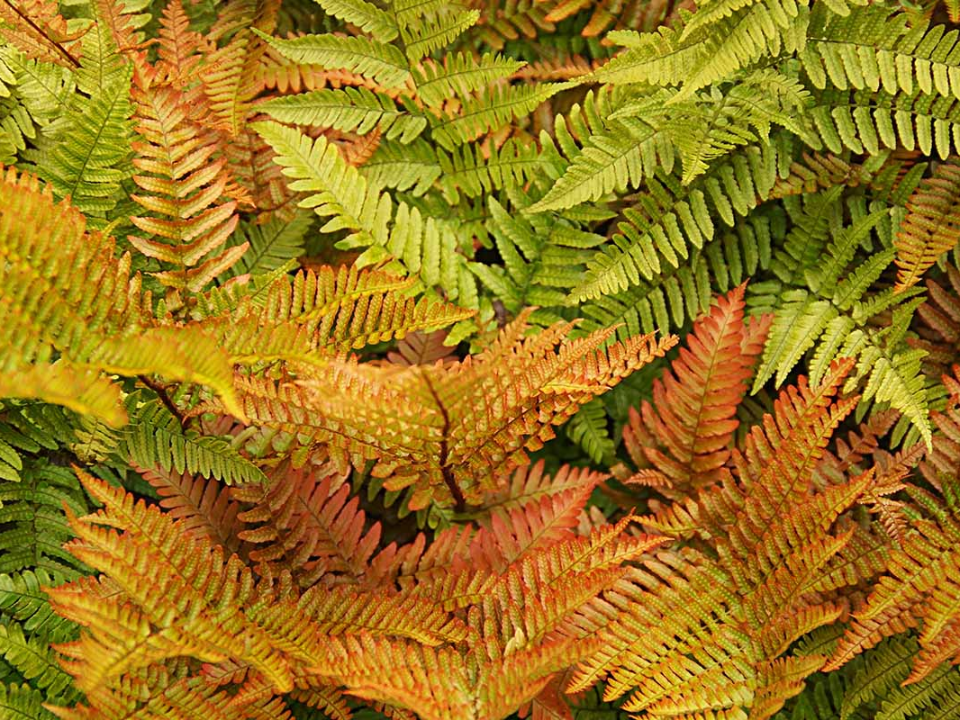
Ferns are a great addition to shaded gardens and can offer deer resistance when planted correctly. The Autumn fern, in particular, is known for its beautiful, leathery fronds, which deer tend to avoid. Ferns thrive in moist, well-drained soil and partial to full shade, making them ideal for woodland gardens or shady corners of the yard. The delicate fronds provide an attractive contrast to other plants in your garden, adding texture and interest.
Deer are less likely to nibble on ferns due to their fibrous and somewhat tough leaves. In addition to being deer-resistant, ferns are also low-maintenance and provide year-round interest, with some varieties offering colorful foliage in the fall. Ferns can be used to fill in gaps under trees or in shady garden beds where other plants may not thrive.
Yarrow
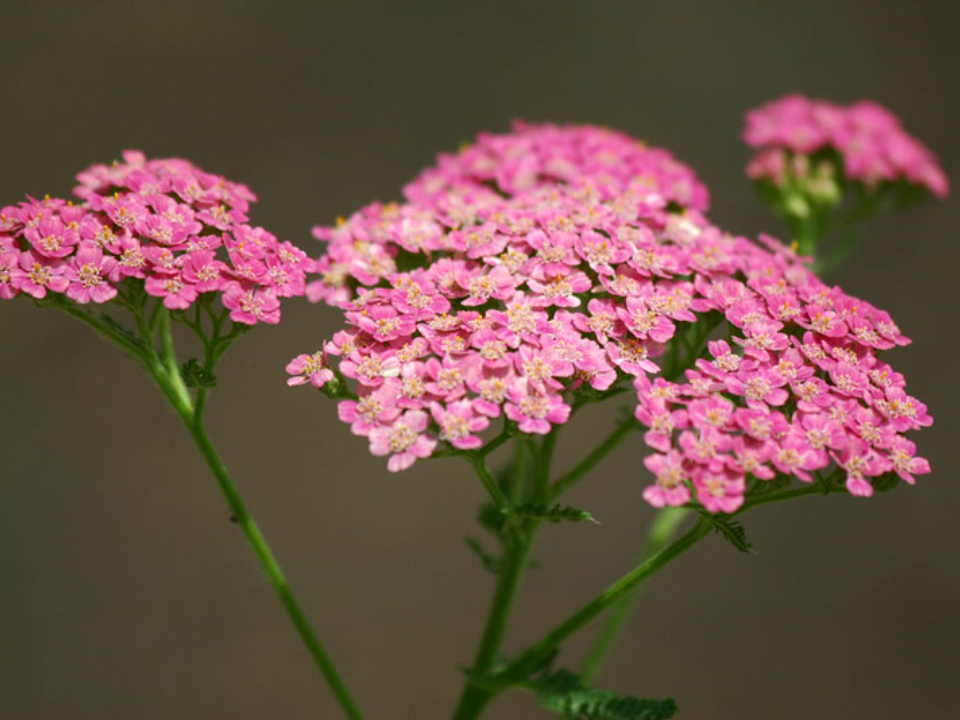
Yarrow is a hardy perennial known for its beautiful clusters of small flowers and its ability to repel deer. Deer tend to avoid yarrow due to its bitter taste and aromatic leaves, making it a great addition to any garden where deer are a problem. Yarrow thrives in well-drained soil and full sun, and it is drought-tolerant once established.
Its feathery foliage and colorful flowers, which can range from white to red to yellow, add texture and vibrancy to the garden. Yarrow is also a low-maintenance plant, requiring little care after it is established. It is often used in herb gardens, borders, and wildflower meadows. Beyond being deer-resistant, yarrow also attracts pollinators, helping to support a healthy garden ecosystem.
Bleeding Heart

Bleeding heart is a perennial plant known for its striking, heart-shaped flowers that dangle from arching stems. Its delicate appearance makes it a favorite in shaded garden spots, but it also has deer-resistant properties. Deer tend to avoid the plant’s toxic foliage, which can deter them from nibbling. Bleeding heart thrives in partial to full shade and moist, well-drained soil, making it a perfect choice for woodland gardens.
The plant blooms in the spring, showcasing beautiful pink, red, or white flowers that add a touch of elegance to any garden. Once established, bleeding heart is relatively low maintenance, though it benefits from some protection during the hottest summer months. This plant’s beauty and deer resistance make it a valuable addition to any shaded garden, where it can complement other plants and fill in gaps with its arching form.
Japanese Blood Grass
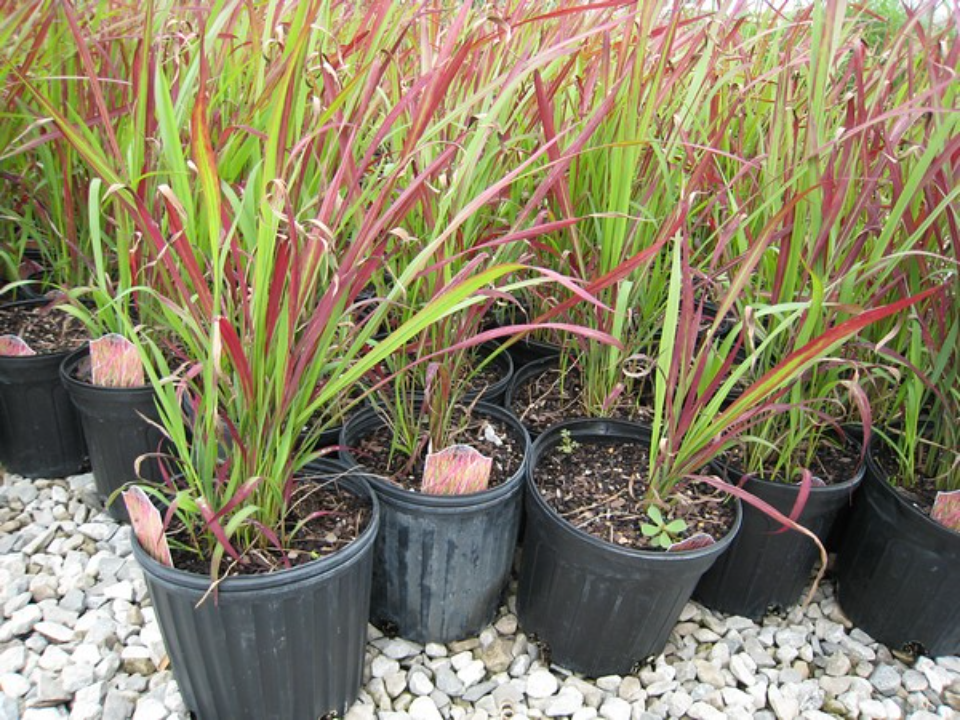
Japanese blood grass (Imperata cylindrica) is a unique ornamental grass that offers both beauty and deer resistance. Known for its striking red tips, Japanese blood grass adds a bold splash of color to your garden, especially in the late summer and fall. Deer are typically deterred by the plant’s sharp, grass-like leaves and its unusual red coloration.
This grass thrives in full sun and well-drained soil, making it ideal for sunny borders or as a specimen plant. Japanese blood grass is drought-tolerant once established, and its vibrant color intensifies as the weather cools. Its upright, clumping habit adds vertical interest to the garden, and it pairs well with other grasses or flowering plants. The plant also offers great winter interest, as its dried foliage retains its structure even after the first frost.
Hellebores

Hellebores, also known as Lenten roses, are early-blooming perennial plants that thrive in shaded garden areas. These plants produce beautiful, nodding flowers in shades of white, pink, purple, and green, making them a lovely addition to any garden. Deer typically avoid hellebores due to their leathery leaves and the toxic compounds in the plant that are harmful if ingested.
Hellebores prefer moist, well-drained soil and can tolerate a variety of light conditions, from full shade to partial sun. Their flowers bloom in late winter to early spring, providing early color when other plants are still dormant. Once established, hellebores are relatively low-maintenance and can live for many years with little care. These plants are perfect for filling in gaps in shaded garden beds, and they add year-round interest with their evergreen foliage.
Sedum
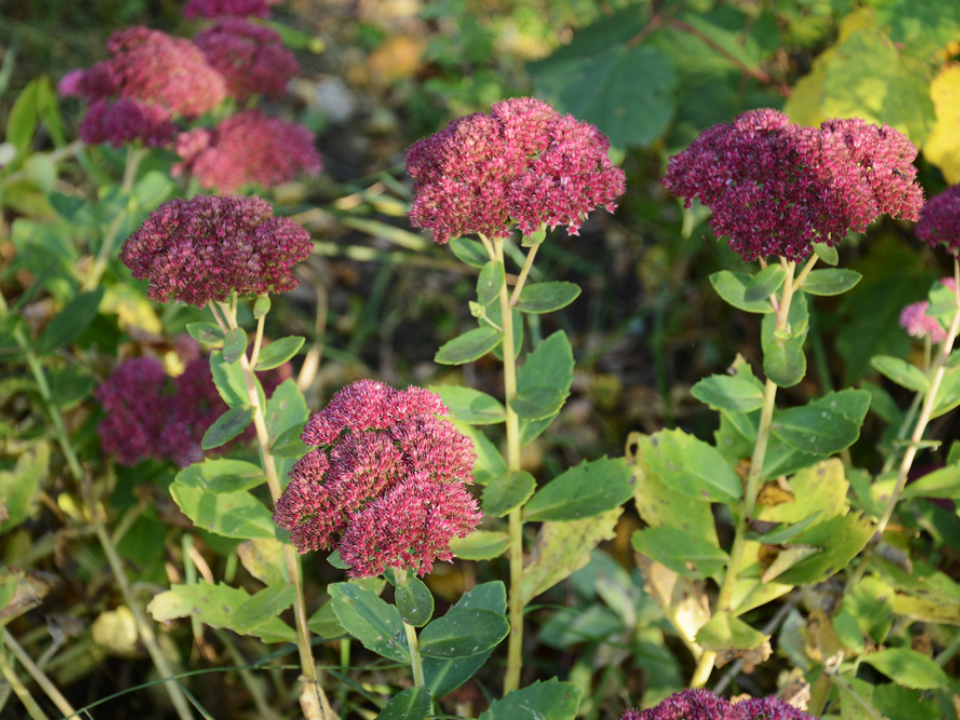
Sedum, often referred to as “autumn joy” or “stonecrop,” is a tough, drought-tolerant perennial that is naturally resistant to deer. This plant forms dense clumps of succulent foliage that are less appealing to deer due to their thick, fleshy leaves. Sedum thrives in full sun and well-drained soil, and it is perfect for dry, rocky areas where other plants might struggle.
In late summer to fall, sedum produces clusters of star-shaped flowers that attract pollinators like bees and butterflies. Its fleshy leaves help the plant retain moisture, making it an excellent choice for xeriscaping or low-water gardens. Sedum requires little maintenance once established and can be cut back in late winter to encourage new growth. Its deer-resistant nature, coupled with its low-maintenance requirements, makes sedum a reliable option for adding color and texture to the garden.
Coreopsis
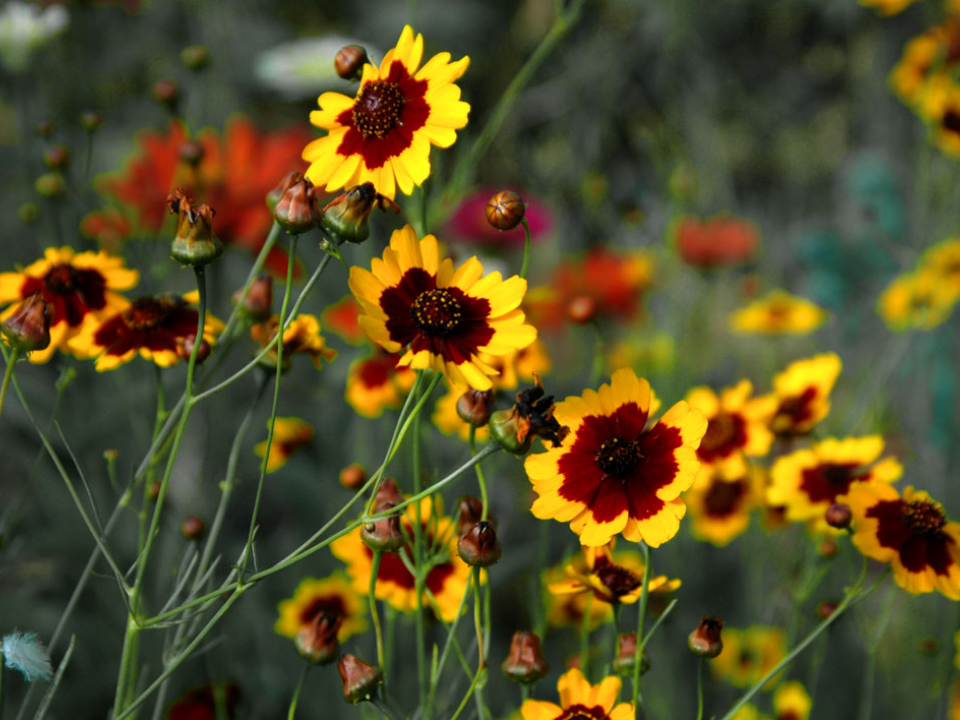
Coreopsis, commonly known as tickseed, is a cheerful, yellow-flowered perennial that deer tend to avoid. The plant’s fragrant leaves and bright flowers are generally unappealing to deer, who typically shy away from its coarse texture. Coreopsis thrives in full sun and well-drained soil, making it a perfect addition to sunny garden beds or borders. It blooms profusely in the summer, offering a burst of yellow or orange color that lasts for several weeks.
Coreopsis is relatively easy to grow and is drought-tolerant once established, making it a great choice for low-maintenance gardens. The plant’s fine-textured foliage also helps prevent weeds from growing, and it can be deadheaded to encourage continuous blooming throughout the season. In addition to its deer-resistant qualities, coreopsis is a valuable plant for attracting butterflies and other beneficial insects.
Coneflower
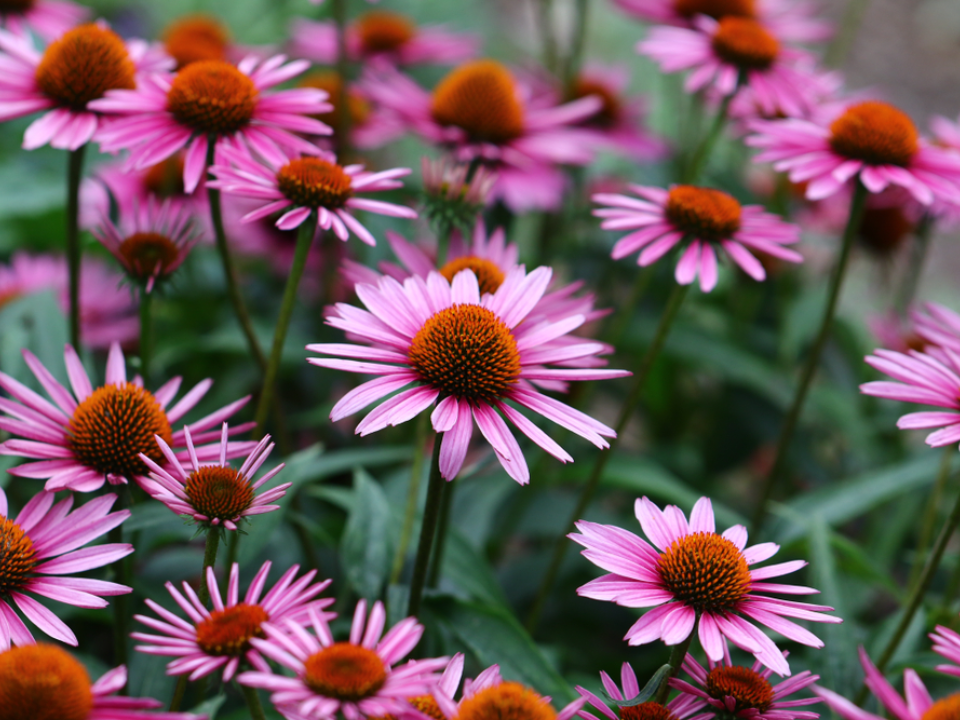
Coneflower, also known as Echinacea, is a popular perennial that not only offers vibrant blooms but also serves as a deterrent for deer. Deer typically avoid this plant due to its coarse texture and the spiny, cone-shaped center of the flower. Coneflower thrives in full sun and well-drained soil, and it is drought-tolerant once established, making it ideal for low-water gardens.
The plant produces large, daisy-like flowers in shades of purple, pink, white, and orange, attracting bees and butterflies. Coneflower blooms throughout the summer, adding long-lasting color to the garden. Its tough, upright habit makes it an excellent choice for borders, meadow gardens, or cutting gardens. Additionally, coneflower produces seeds in the fall, providing food for birds and adding value to your garden even after the blooms have faded.
Columbine
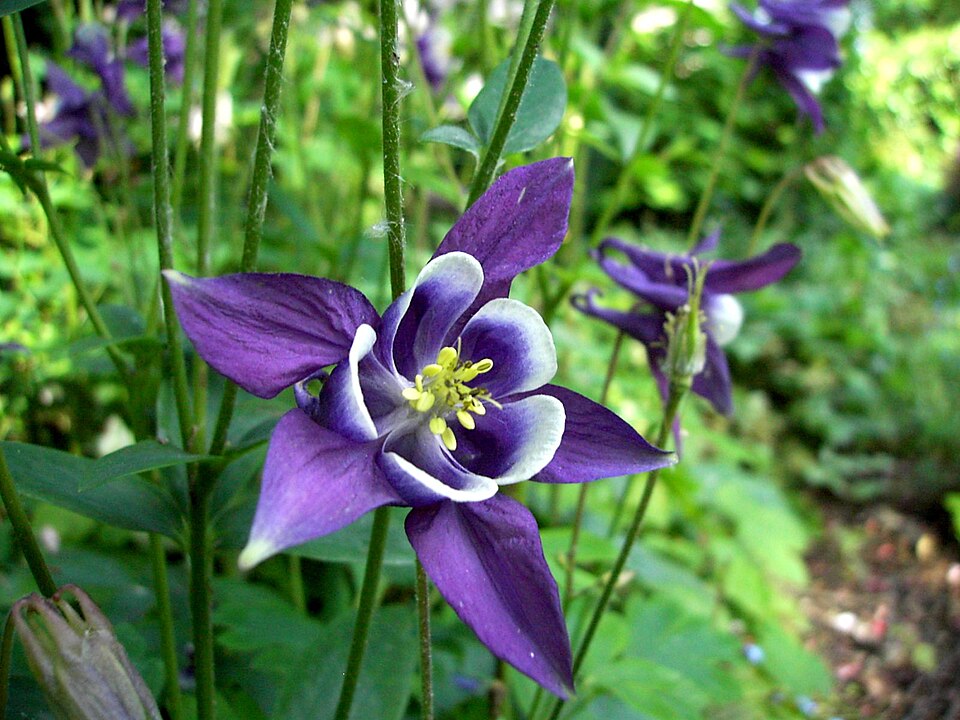
Columbine is a delicate, deer-resistant perennial that thrives in shaded to partly shaded garden areas. The plant’s unique, nodding flowers are available in a range of colors, including red, yellow, pink, and purple. Deer are generally not interested in columbine due to its bitter-tasting foliage and the plant’s slightly toxic properties. Columbine grows best in moist, well-drained soil, and it can tolerate a variety of light conditions, though it prefers partial shade.
The plant is also relatively low-maintenance and can be easily grown from seed. Columbine’s attractive, finely-divided foliage adds texture to the garden, while its vibrant flowers provide interest in late spring to early summer. This plant is perfect for filling in gaps in shaded garden beds or woodland gardens where deer might otherwise cause damage to other plants.
Daylilies

Daylilies are hardy, deer-resistant perennials that produce bright, showy flowers in a wide range of colors, from yellow and orange to red and purple. Despite their tender, vibrant blooms, daylilies are not typically favored by deer due to their tough, grass-like foliage. They thrive in full sun and well-drained soil, and they are drought-tolerant once established, making them perfect for sunny garden spots. Daylilies are also known for their ability to bloom prolifically, often producing multiple flowers per stem.
The plant’s flowers last for a day or two, but new buds continuously open throughout the season, providing long-lasting color. Daylilies are easy to grow and maintain, and they can tolerate a range of soil types, making them ideal for low-maintenance gardens. They are also a popular choice for borders, flower beds, and containers, where they provide reliable color and texture.
This article originally appeared on Avocadu.