
11 Cult Classic Cartoons That Never Got the Credit They Deserved
Some cartoons slipped through the cracks even though they took risks and left a lasting mark on animation fans. These shows often aired briefly, landed on the wrong network, or arrived before audiences were ready for them. Over time, word of mouth kept them alive and turned them into favorites that still feel special today.
This post may contain affiliate links, which helps keep this content free. Please read our disclosure for more info.
The Pirates of Dark Water
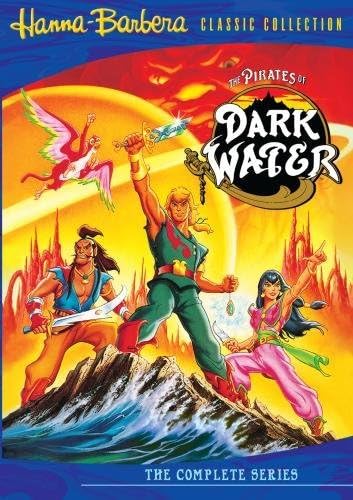
This fantasy adventure stood out for its rich world, serialized storytelling, and darker tone than most cartoons of its time. The oceans felt dangerous, the villains felt threatening, and the stakes stayed high from episode to episode. Characters carried emotional weight that went beyond simple good versus evil setups. Many viewers remember how unfinished arcs added to its mystique.
The animation leaned heavily into atmosphere, using shadow and strange designs to make the world feel unstable and alive. Its long story threads were unusual for early 1990s television animation. That structure made it harder to follow casually, which limited its reach. Years later, fans still point to it as a show that deserved a full ending.
Exosquad
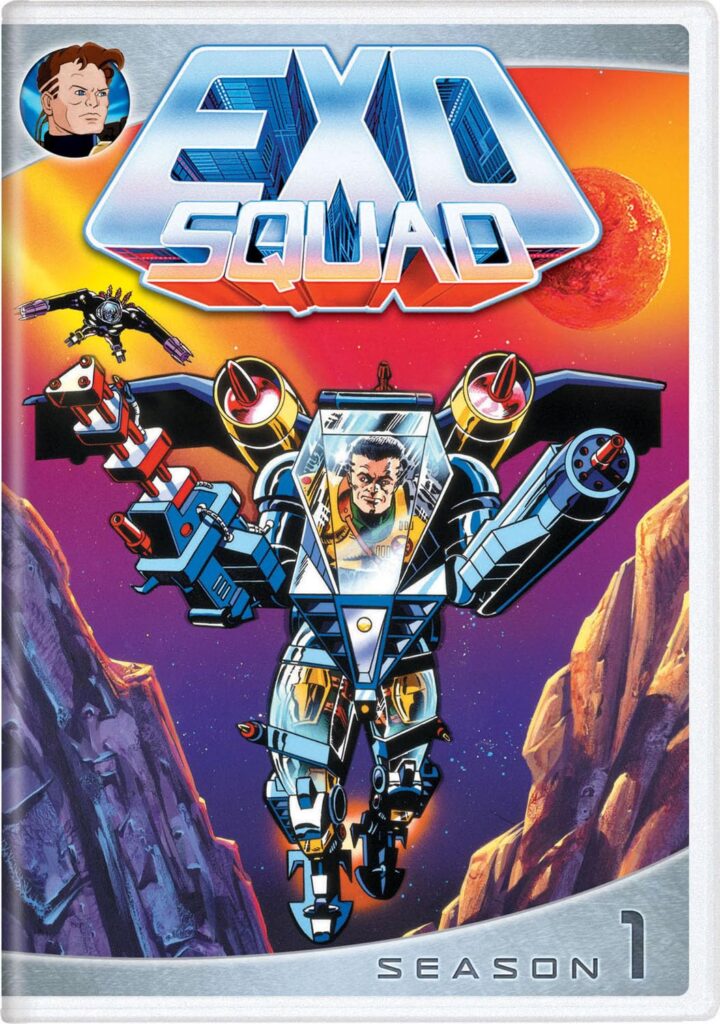
Exosquad treated war, politics, and loyalty with surprising seriousness for a weekday cartoon. Characters faced loss, moral conflict, and long term consequences that stayed with them. The tone trusted viewers to keep up with complex ideas. That approach set it apart from many shows airing alongside it.
Its multi season storyline unfolded more like a science fiction drama than a toy driven series. The animation may look simple now, yet the writing carried emotional force. Story arcs rewarded attention and patience. That depth helped it gain loyal fans long after it left the air.
Gargoyles
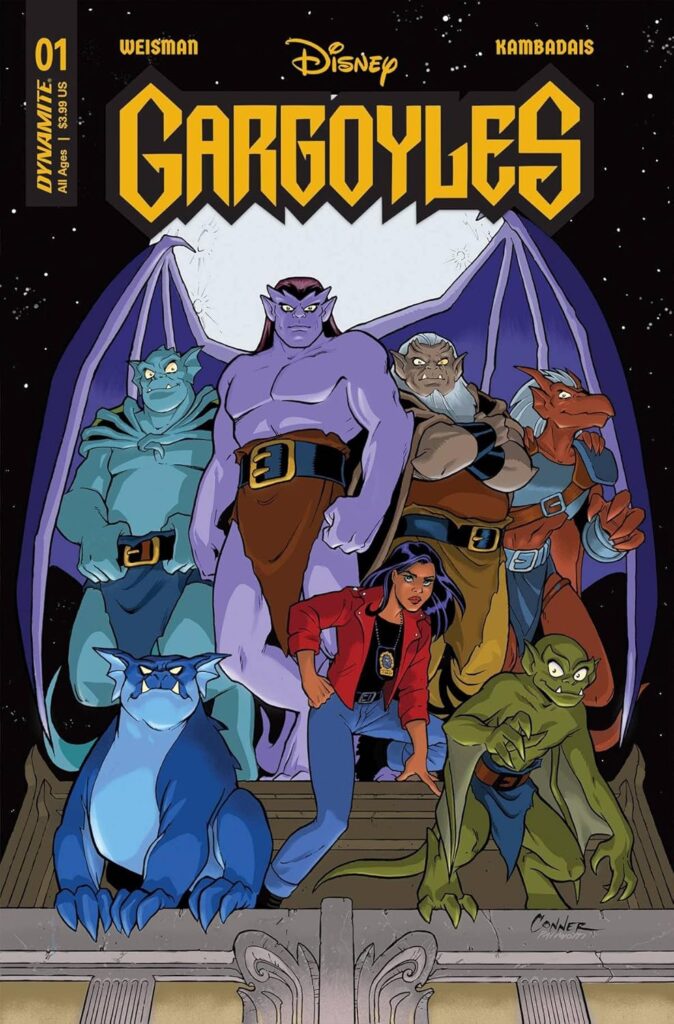
This series mixed modern city life with mythology in a way that felt grounded and dramatic. Characters wrestled with identity, loyalty, and responsibility across long arcs. Shakespearean themes appeared without feeling forced or academic. The tone treated young viewers with real respect.
Nighttime settings and detailed backgrounds gave the show a moody visual style. Villains were rarely simple, often driven by pride or fear rather than pure malice. Episodes built on one another instead of resetting each week. That layered approach helped it age better than many of its peers.
The Maxx
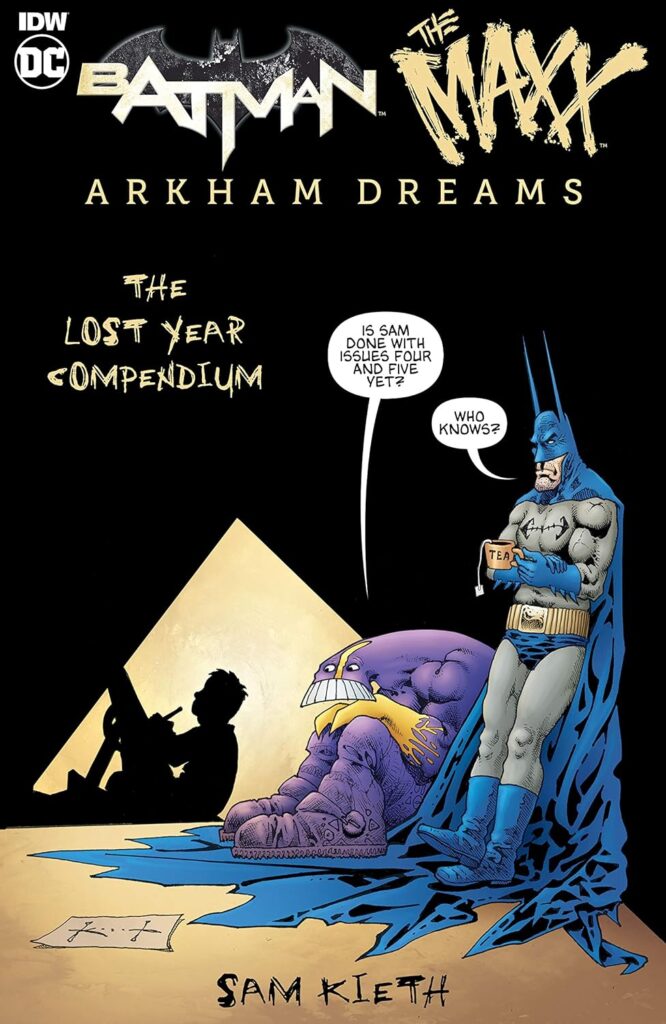
The Maxx pushed animation into raw emotional territory through symbolism and fractured storytelling. Reality and imagination blurred constantly, forcing viewers to piece things together. Trauma, isolation, and identity shaped the core of the narrative. It felt closer to an art film than a typical television cartoon.
Its rough animation style matched the unsettling themes perfectly. Silence and discomfort were used as tools rather than avoided. Many episodes left questions unanswered on purpose. That refusal to explain everything helped give the show lasting power.
Mission Hill
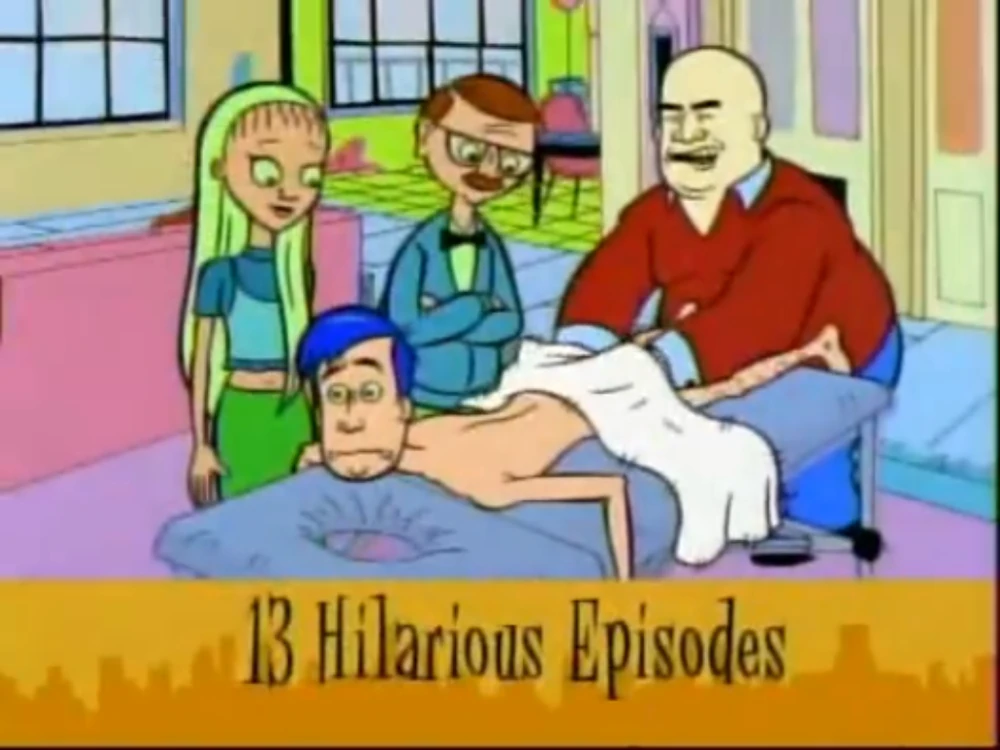
Mission Hill captured young adult life with honesty and warmth rather than shock humor. Characters felt awkward, hopeful, and unsure in relatable ways. Everyday problems drove most of the stories instead of big plot twists. That grounded focus made it quietly special.
The animation used muted colors that matched the laid back tone. Jokes often came from character behavior instead of punchlines. It struggled to find an audience during its original run. Over time, viewers found it and appreciated its sincerity.
Duckman
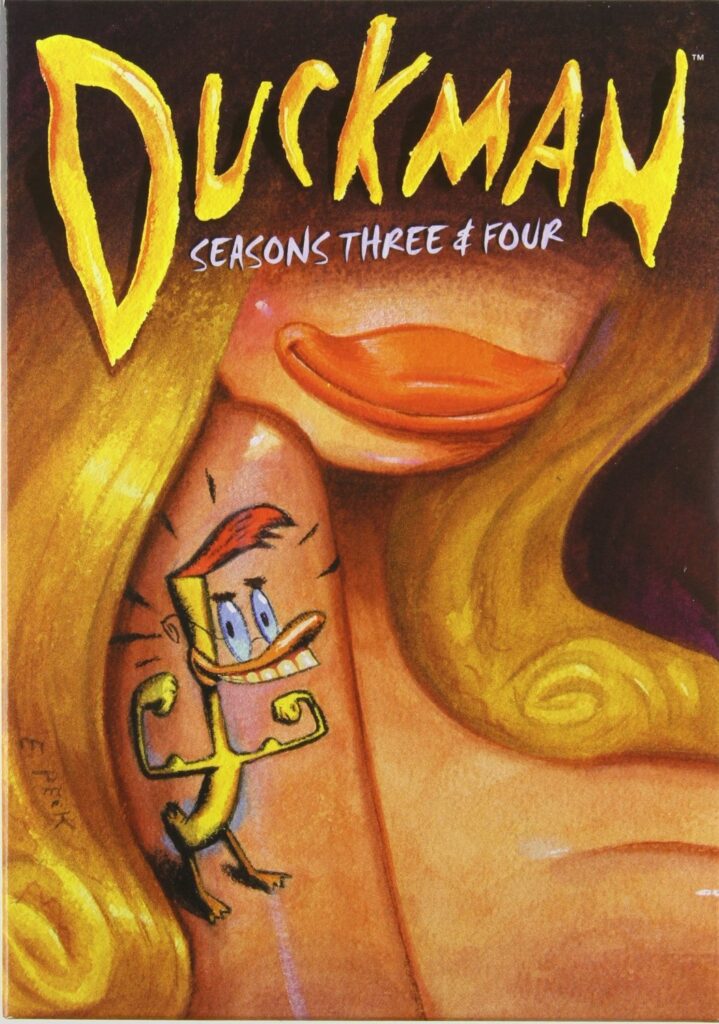
Duckman leaned into cynicism and chaos while still building a consistent world. The humor felt sharp, messy, and deeply personal. Characters were deeply flawed yet strangely sympathetic. It never tried to soften its edge for comfort.
The animation style matched the abrasive tone with exaggerated movement and loud visuals. Social commentary appeared constantly beneath the jokes. That intensity turned some viewers away. Others connected with its honesty and refusal to play nice.
The Oblongs
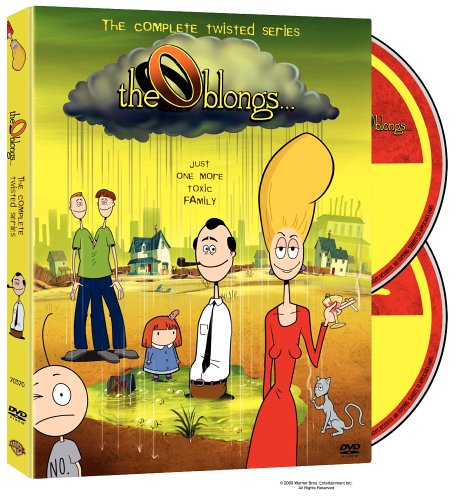
This show used exaggeration to explore class division and social neglect. Characters were kind despite living in harsh circumstances. Humor came from absurd situations rather than cruelty. That balance gave the show heart.
Its visual style was intentionally awkward, which reinforced the themes. Episodes highlighted empathy without becoming sentimental. Network scheduling issues limited its exposure. Fans later embraced its strange charm and sincerity.
Aeon Flux
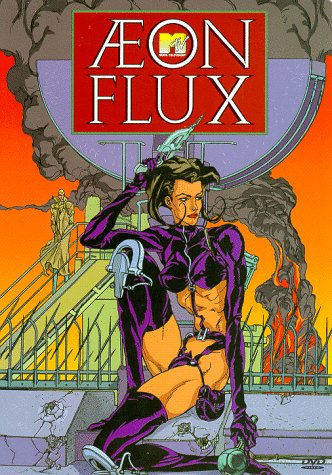
Aeon Flux challenged viewers by refusing clear explanations or comfort. Stories often ended abruptly or without resolution. The lead character was strong, strange, and unpredictable. Death was treated as part of the narrative rather than a shock moment.
Minimal dialogue forced visuals to carry meaning. The animation used sharp angles and surreal imagery. Viewers had to stay alert to follow what was happening. That demanding style kept it niche but unforgettable.
Jonny Quest
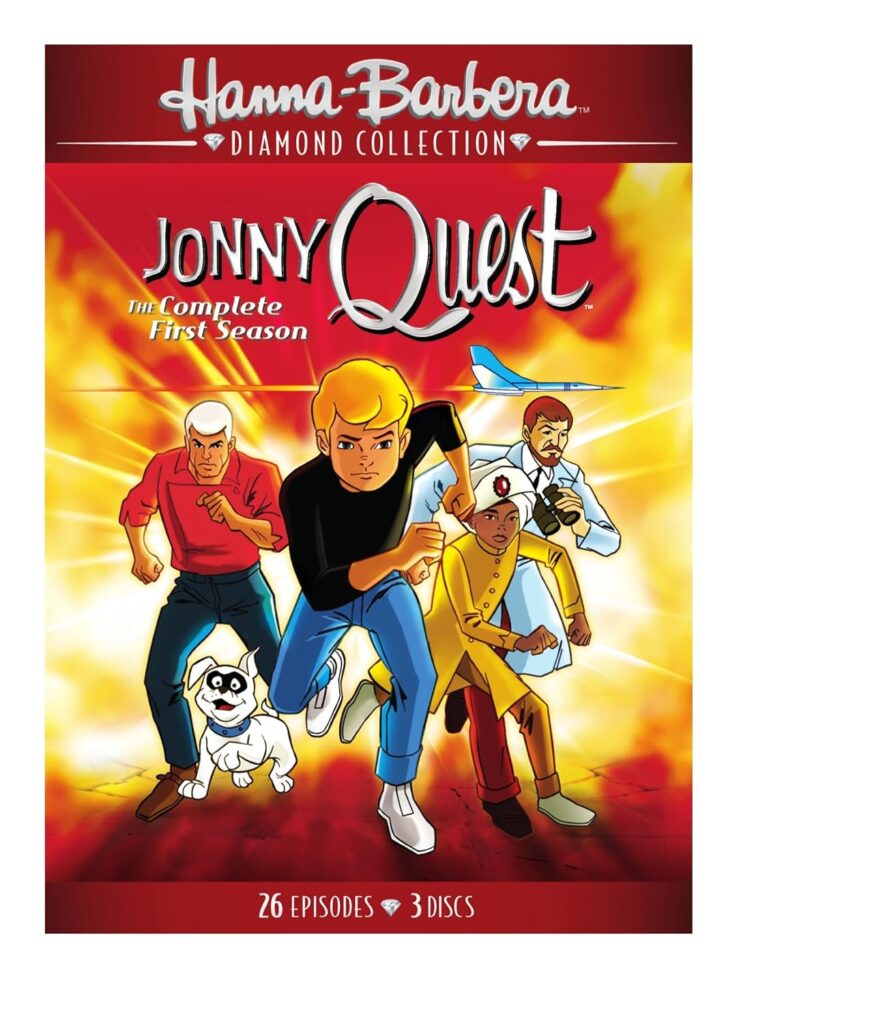
This classic series laid groundwork for serious adventure animation. It introduced danger and realism rarely seen in cartoons of its era. Exotic locations and scientific themes fueled curiosity. The tone felt tense and exciting.
Limited animation was offset by strong atmosphere and sound design. Episodes often felt like short action films. Its influence can be seen in many later shows. Despite that legacy, it often gets overlooked in broader discussions.
Samurai Jack
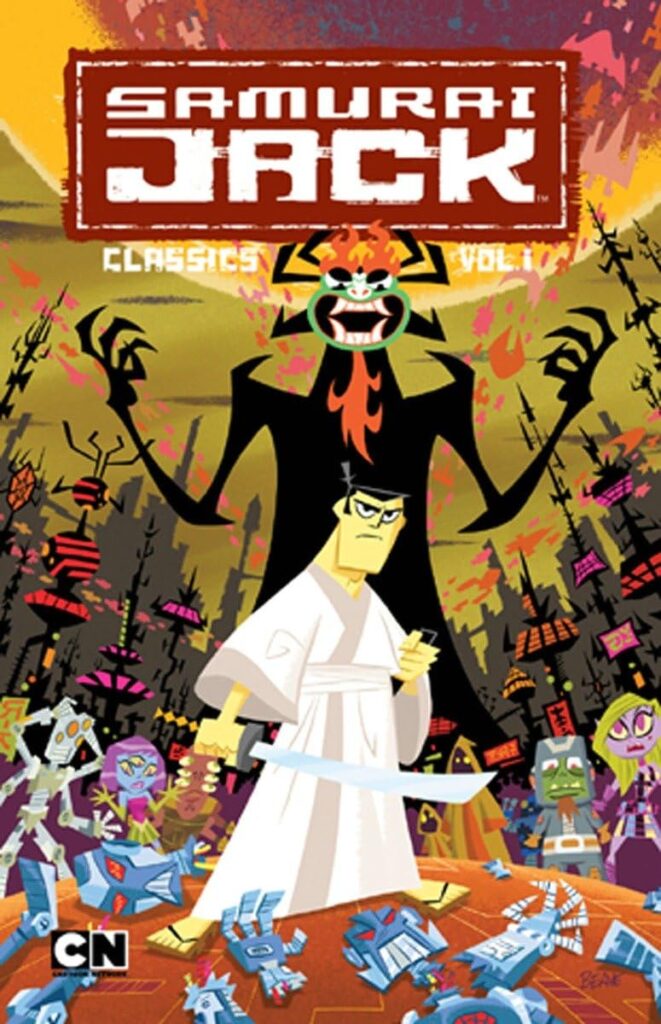
Samurai Jack relied on visual storytelling more than dialogue. Long stretches of silence built mood and tension. Each episode felt carefully paced and deliberate. Action scenes played out like moving paintings.
The show trusted viewers to feel emotion without constant explanation. Stylized combat and bold framing created a timeless look. Some early audiences did not know what to make of its quiet tone. Later appreciation cemented its place as something special.
Freakazoid
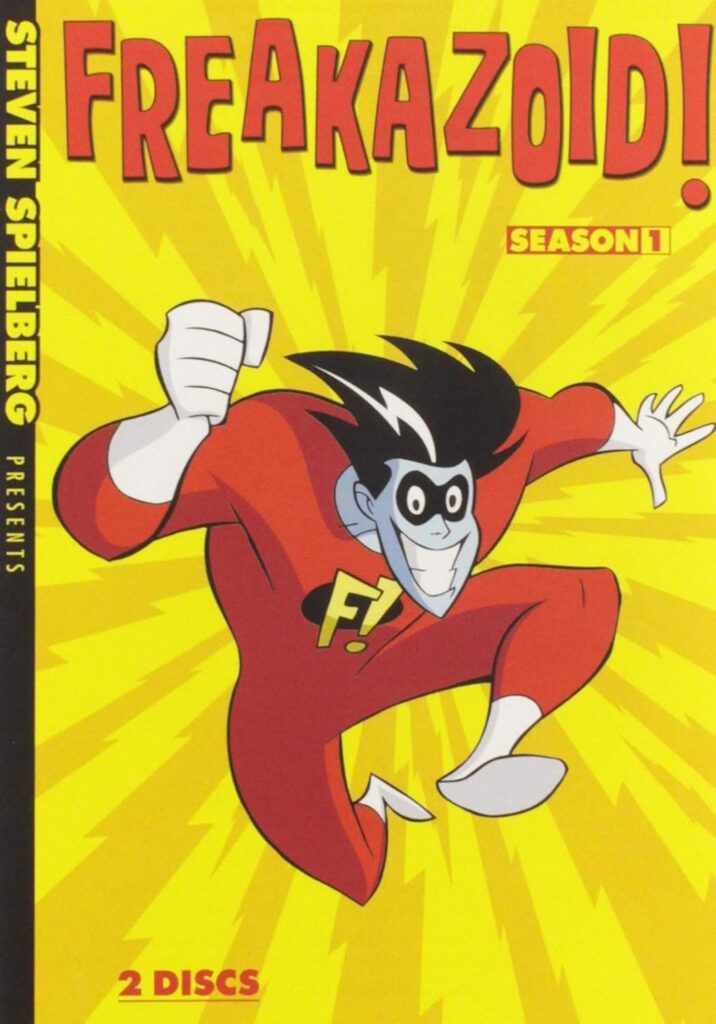
Freakazoid thrived on chaos and self awareness. Jokes broke rules and ignored logic entirely. The humor moved fast and rewarded attention. It felt like controlled nonsense.
Animation stretched reality as far as possible. Pop culture references appeared constantly. That style confused viewers expecting traditional storytelling. Fans who embraced the madness stayed loyal.
This article originally appeared on Avocadu.