
13 Cozy Reading Challenges That Keep You Off Your Phone at Night
If your nights often end with endless scrolling, you are not alone. Reading challenges offer a softer way to wind down before sleep. They help create a clear break between the day and bedtime. Even small goals can make a big difference in how you rest.
This post may contain affiliate links, which helps keep this content free. Please read our disclosure for more info.
Read One Chapter Before Sleep

This challenge centers on committing to a single chapter each night, which feels approachable while still giving reading a clear place in your evening routine. Knowing there is a natural stopping point makes it easier to choose a book instead of opening your phone out of habit. The structure removes pressure and helps reading feel like a reward rather than another task. Over time, this simple goal builds consistency without effort.
Reading one chapter creates a gentle signal that the day is winding down and rest is coming next. It works especially well with novels that move steadily without heavy cliffhangers. Many people notice that their minds settle more quickly when they follow this pattern. The routine grows quietly into something reliable and comforting.
Create a Bedside Book Only Rule

This challenge asks you to choose one book that is read only in bed and nowhere else during the day. Keeping that book on your nightstand gives it a clear purpose tied to rest rather than productivity. The separation makes nighttime reading feel intentional and slightly special. It also removes the need to decide what to read each night.
Over time, your brain begins to associate that specific book with slowing down and preparing for sleep. Light or familiar genres tend to work best for this habit. Reaching for the book starts to feel automatic once the pattern settles in. The phone slowly loses its place in that moment.
Reread a Comfort Favorite

This challenge encourages revisiting a book you already know and enjoy, which removes the pressure to focus hard or keep track of details. Familiar stories allow your attention to soften without losing interest. The pace naturally slows because there is no rush to find out what happens next. That sense of ease makes it easier to stay present.
Rereading often brings back scenes or emotions that feel grounding after a long day. Many readers notice small moments they overlooked the first time. This approach works especially well on nights when mental energy feels low. The book becomes a source of reassurance rather than stimulation.
Set a Soft Time Window

Instead of focusing on pages or chapters, this challenge invites you to read for a loose window of time that feels realistic for your evenings. The length does not need tracking down to the minute, which keeps the habit flexible. Giving reading a space in your schedule helps protect it from distraction. When the time ends, stopping feels natural instead of abrupt.
A low lamp and quiet setting support this approach and help the time pass gently. Many people find that once they settle in, they often read longer without planning to. Even short sessions feel satisfying because the intention was clear. The phone stays out of reach during that protected window.
Read by Lamplight Only

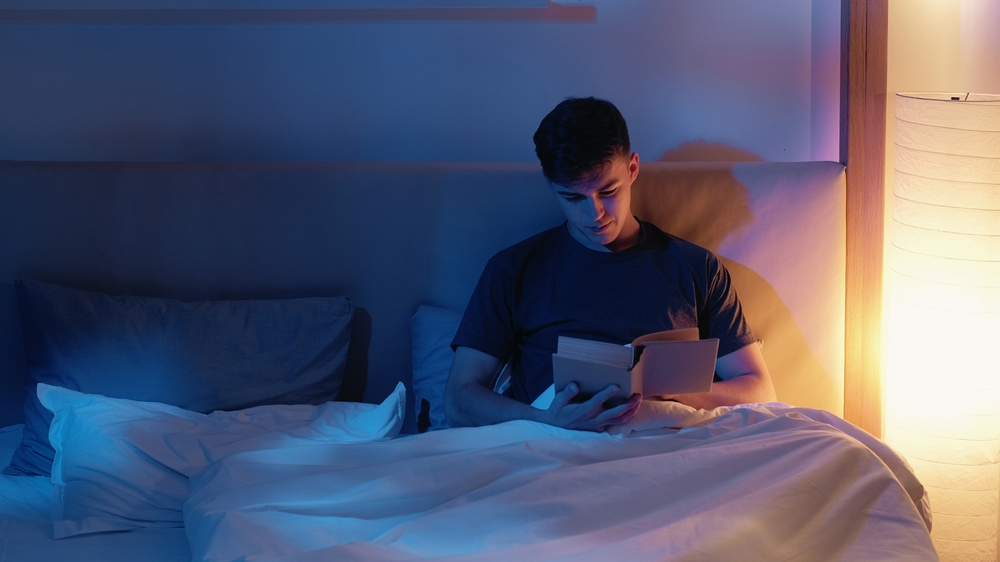
This challenge focuses on creating a visual cue that separates nighttime reading from the rest of the day. Turning off overhead lights and reading by a soft lamp shifts the mood of the room almost immediately. The calmer setting helps your body understand that rest is approaching. Reading becomes part of that transition.
Lower light reduces stimulation and makes screens feel less appealing. Over time, lamplight itself becomes associated with quiet and focus. Many readers notice they relax faster in this environment. The atmosphere does much of the work for you.
Read One Poem Each Night
Poetry reading shifts focus away from quantity and toward presence. One poem gives you something complete to sit with without rushing forward. The language invites reflection and quiet attention. This change in rhythm helps slow the mind.
Poems can be reread many times without losing their effect. Many readers keep a small poetry book beside the bed for easy access. The short format makes it easier to choose reading over scrolling. The habit feels gentle and intentional.
Keep a Reading Journal Nearby

This challenge pairs reading with a small act of reflection to anchor attention. Writing one or two sentences about what stood out helps deepen engagement. The journal stays informal and pressure-free. It exists only to support the reading experience.
The act of writing helps slow the transition into sleep. It also reinforces memory without requiring effort. Over time, the journal becomes a quiet record of evening moments. The phone stays completely out of that loop.
Read Aloud for a Few Pages

Reading aloud naturally slows the pace and demands focus on sound and rhythm. This challenge works well on restless nights when silent reading feels difficult. Speaking the words creates a physical connection to the story. Even a few pages can bring calm.
Many people lower their voice instinctively, which adds to the soothing effect. The practice encourages steady breathing and attention. It becomes a grounding ritual rather than a performance. The phone feels unnecessary in that moment.
Pick a Seasonal Book Theme

This challenge connects reading choices to the time of year, which reduces decision fatigue at night. Seasonal stories often feel more comforting and fitting after dark. The theme gives direction without limiting enjoyment. Reading feels aligned with the moment.
Changing themes as the seasons shift adds rhythm to your year. Many readers look forward to selecting books that match the weather or mood outside. The anticipation makes reading more appealing than scrolling. The habit stays fresh without effort.
Limit Reading to Physical Books

This challenge removes screens from nighttime reading entirely, which helps separate evening reading from the constant pull of notifications and digital noise. Physical books do not light up, vibrate, or interrupt your attention, making it easier to stay focused on the page without distraction. The simple act of turning pages becomes part of a slower, more mindful routine that feels different from daytime habits. Keeping your phone in another room or well out of reach reinforces that boundary.
Many people notice that physical books feel gentler on the eyes late at night compared to screens. The weight of the book and the texture of the pages naturally encourage slower reading and fewer mental jumps. Without screens nearby, the mind has fewer reasons to stay alert. Over time, this habit supports a calmer transition into sleep.
Read While Drinking a Warm Beverage

This challenge pairs reading with a warm drink to create a steady and comforting evening rhythm. Holding a warm mug encourages slower movement, relaxed posture, and a more present mindset. Reading naturally follows that unhurried pace as sipping and turning pages happen together. The pairing feels familiar and soothing, especially after a long day.
Warm drinks often signal rest to the body, which helps support relaxation before sleep. Many readers find that this habit gently replaces late night snacking or aimless scrolling. The ritual becomes something they associate with comfort rather than obligation. Reading slips easily into the moment without feeling forced.
Choose Books With Gentle Pacing

This challenge focuses on choosing books that unfold at a calm and steady pace rather than pulling you into high tension late at night. Stories that move slowly help avoid overstimulation when your body is already preparing for rest. The narrative flows without urgency, allowing you to pause without feeling pulled forward. That sense of ease supports a smoother end to the day.
Gentle pacing does not mean the story lacks meaning or depth. Many thoughtful novels and reflective nonfiction work especially well during quiet evenings. Some readers keep these books reserved only for nighttime reading so they always feel safe and familiar. When the story feels steady, the phone becomes far less tempting.
Read in the Same Spot Every Night

This challenge depends on consistency rather than willpower, which makes it easier to maintain over time. Reading in the same spot each night builds a strong association between that place and quiet evening time. The chair, bed, or corner begins to carry its own sense of calm. Simply sitting down becomes a signal to slow your thoughts.
Over time, the body starts responding automatically to that familiar setting. Distractions feel easier to ignore once the routine settles in. The environment itself begins to support focus without effort. Reading becomes part of the space rather than another task to manage.
This article originally appeared on Avocadu.