
17 Cool Weather Annuals That Look Good Before Summer Heat
When the weather is still cool, it feels good to fill pots and garden beds with flowers that can handle the season with ease. These annuals bring fresh color, soft texture, and plenty of charm while spring is still settling in. They are a great way to brighten the yard after winter without waiting for hot weather flowers to take over. Some stay low and full, while others add height and movement that make planters and borders feel livelier. This kind of planting can keep your outdoor space looking cheerful during that stretch between chilly mornings and the first real heat.
This post may contain affiliate links, which helps keep this content free. Please read our disclosure for more info.
Pansies
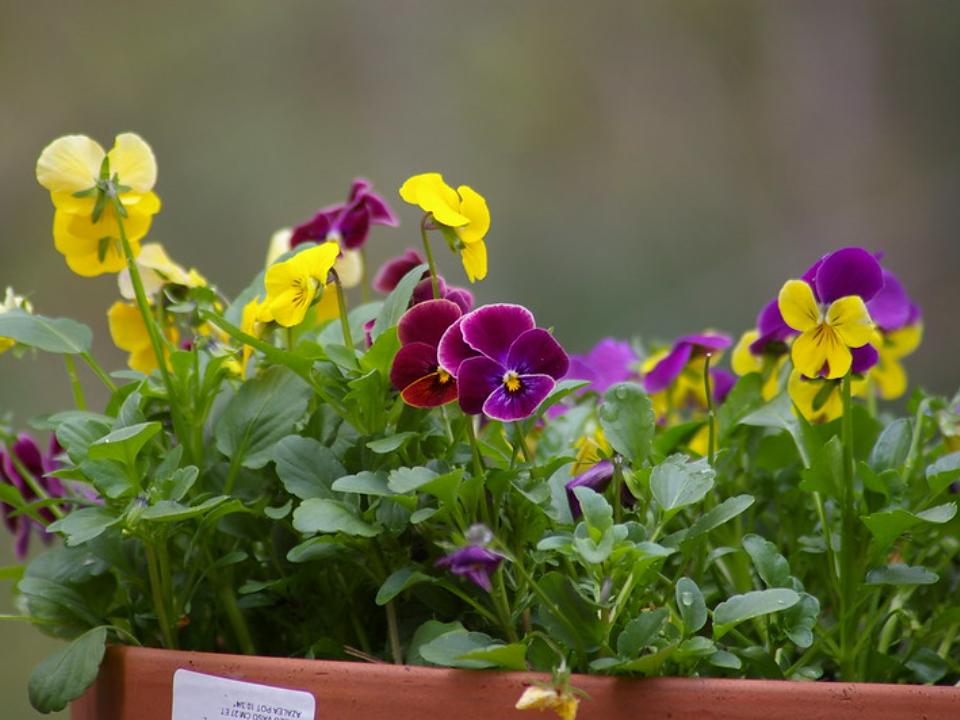
Pansies are one of the first annuals gardeners reach for when the air still feels chilly and the ground is just starting to wake up. Their wide, cheerful faces come in shades like purple, yellow, cream, orange, blue, and deep burgundy, so they can fill beds and containers with color long before summer flowers settle in. They handle light frosts well, which makes them a great pick for early spring planting in a lot of regions.
Pansies also stay compact and tidy, so they give flower beds a neat look without asking for much work. When deadheaded on a regular basis, they keep pushing out blooms for weeks and often stay attractive until the weather turns hot. They look especially nice mixed with tulips, daffodils, or dusty miller because their rounded flowers soften the whole planting.
Violas
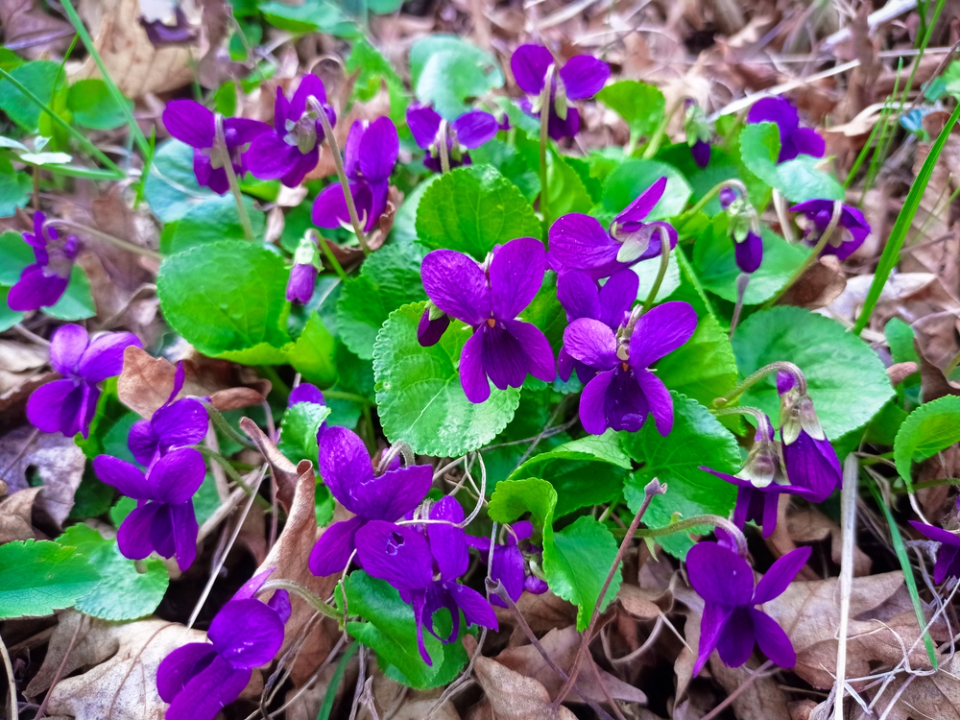
Violas have a softer and slightly smaller look than pansies, yet they are just as useful for giving a garden early color. Their flowers may be small, but they appear in large numbers, which helps beds and containers look full and lively without much waiting. These plants are especially good for cool weather because they bloom happily in lower temperatures and can shrug off a light chill. Violas often keep going longer into spring than some other annuals, especially when the weather stays mild.
Their gentle shape works well in cottage-style plantings, border edges, and hanging baskets where they can spill a little over the side. They come in rich jewel tones, creamy pastels, and even bi-color forms, so there is plenty of room to mix shades in a pleasing way. Violas also have a delicate, graceful feel that helps them blend with almost any spring planting scheme.
Snapdragons
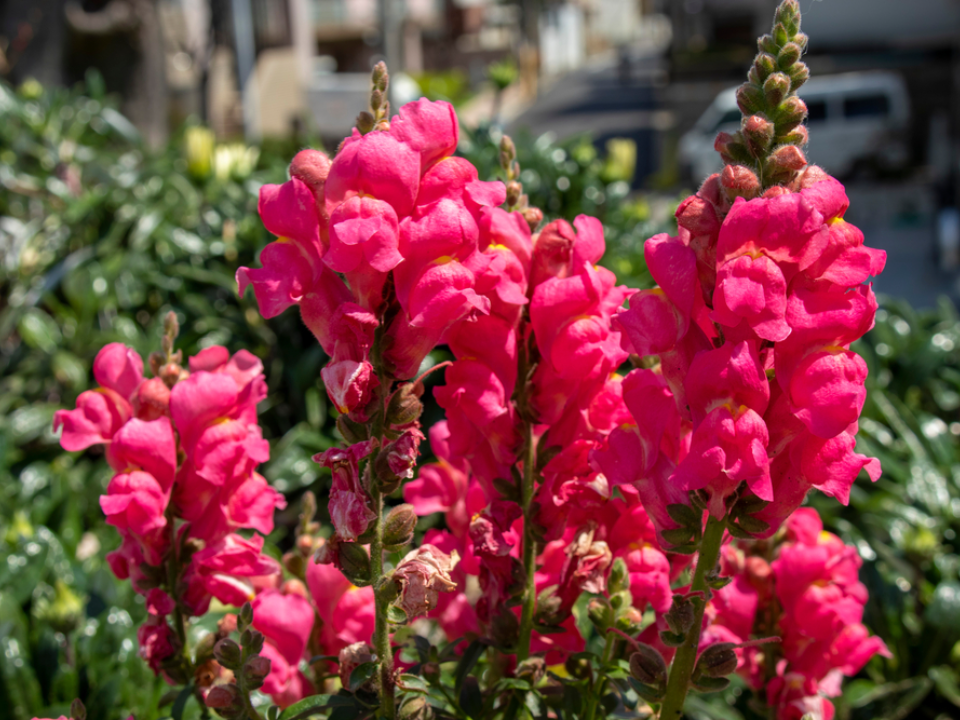
Snapdragons bring height and structure to cool season plantings, which helps them stand out from lower growing annuals. Their tall spikes are packed with blooms that open slowly, so they keep looking fresh for a long stretch in spring. These flowers handle cool temperatures very well and usually perform best before the hottest part of the year settles in. They come in shades like pink, white, red, peach, yellow, and soft lavender, which makes them useful in both soft and vivid color themes.
Snapdragons are especially useful in mixed beds because they add an upright shape that breaks up mounded or trailing plants. They also make very nice cut flowers, so they can bring spring color indoors as well as outside. With regular trimming, they often send up more flower spikes and keep the display going longer than expected. For gardeners who want early color with a little height and form, snapdragons do a beautiful job.
Calendula
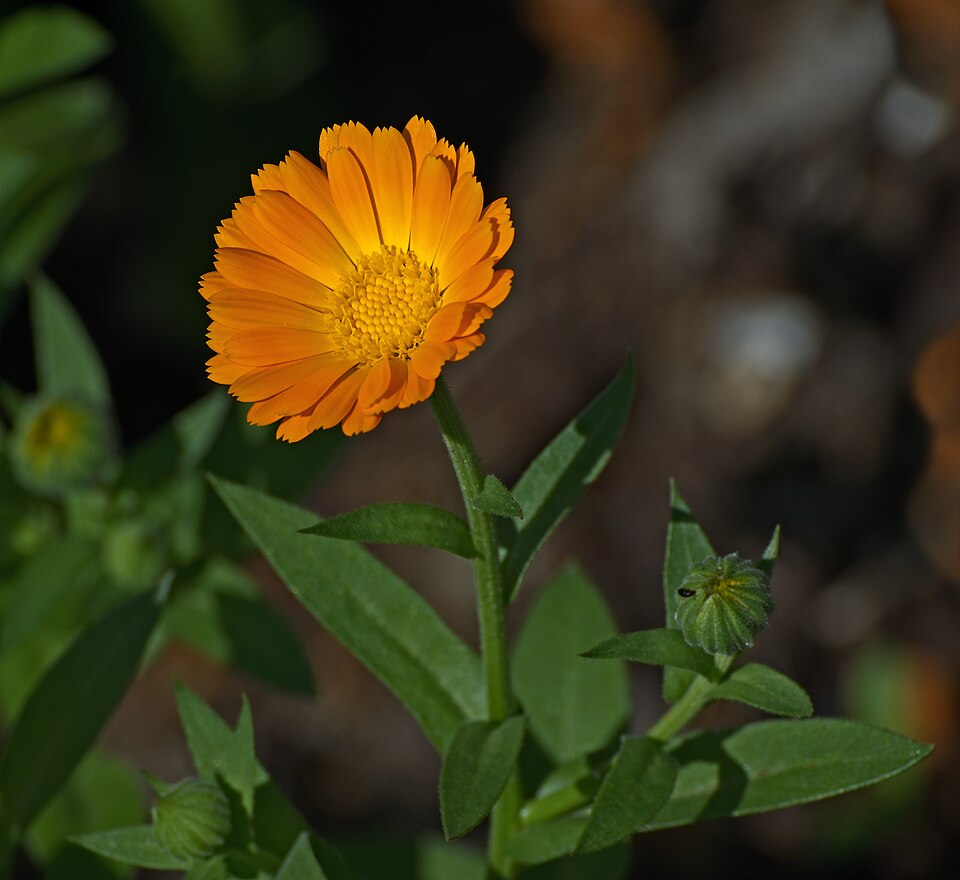
Calendula is a classic cool weather annual that gives gardens a sunny and easygoing look during spring. Its daisy-like flowers appear in warm shades of gold, orange, apricot, and yellow, which stand out nicely against the softer greens of early season foliage. This plant does best when temperatures are still on the mild side, and it often starts to fade when strong summer heat takes over. Calendula has a slightly informal look that fits well in vegetable gardens, cottage borders, and simple container plantings.
The blooms are useful for cutting, and some gardeners even like growing them near herbs and leafy greens because they fit that relaxed garden style so well. Their petals can be single or fully double, so the overall look can vary from simple to quite full and ruffled. Calendula also has a long bloom period in spring when spent flowers are removed often. If you want a flower that brings warmth to the garden without waiting for summer, calendula is a lovely pick.
Sweet Alyssum
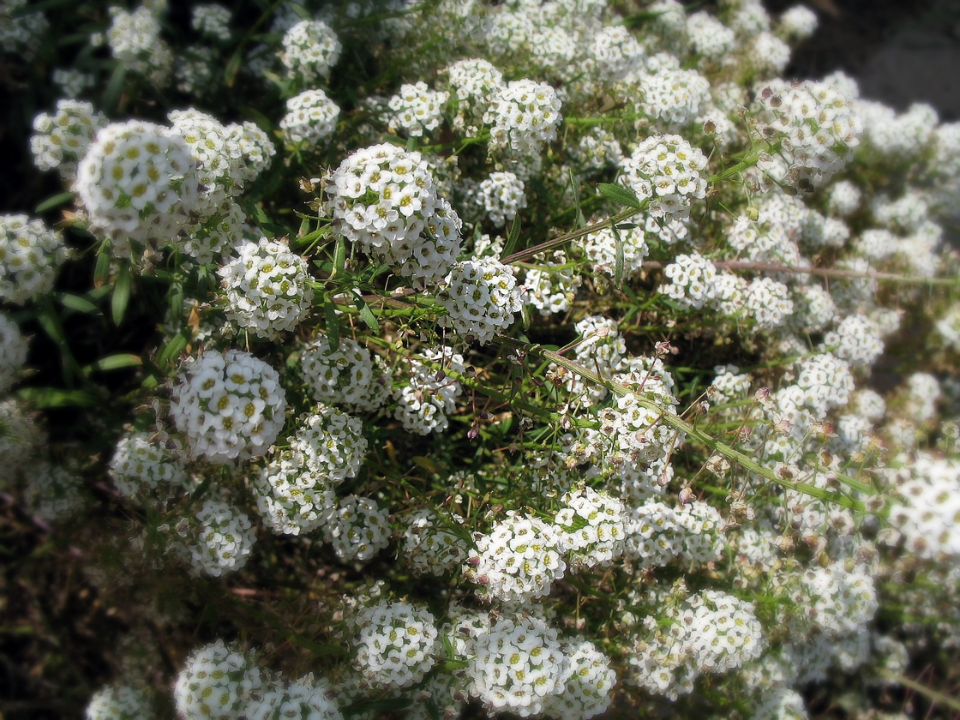
Sweet alyssum is a low growing annual that forms soft mounds covered with tiny flowers, giving beds and pots a gentle cloud-like look. It is especially good in cool weather, when it grows neatly and blooms heavily without struggling through extreme temperatures. White is the shade most people know best, though it also comes in pink, lavender, and purple tones that work well in spring combinations. The flowers are small, yet they appear in such large clusters that the plant looks full and delicate at the same time.
Sweet alyssum is useful along path edges, in rock gardens, and around the rims of containers where it can spill slightly over the sides. Its light fragrance is another reason gardeners enjoy planting it near doors, patios, and walkways. It pairs well with taller spring annuals since its low habit helps cover bare soil and soften the base of larger plants. Before the weather gets too hot, sweet alyssum gives a garden a soft, fresh look that feels just right for the season.
Larkspur
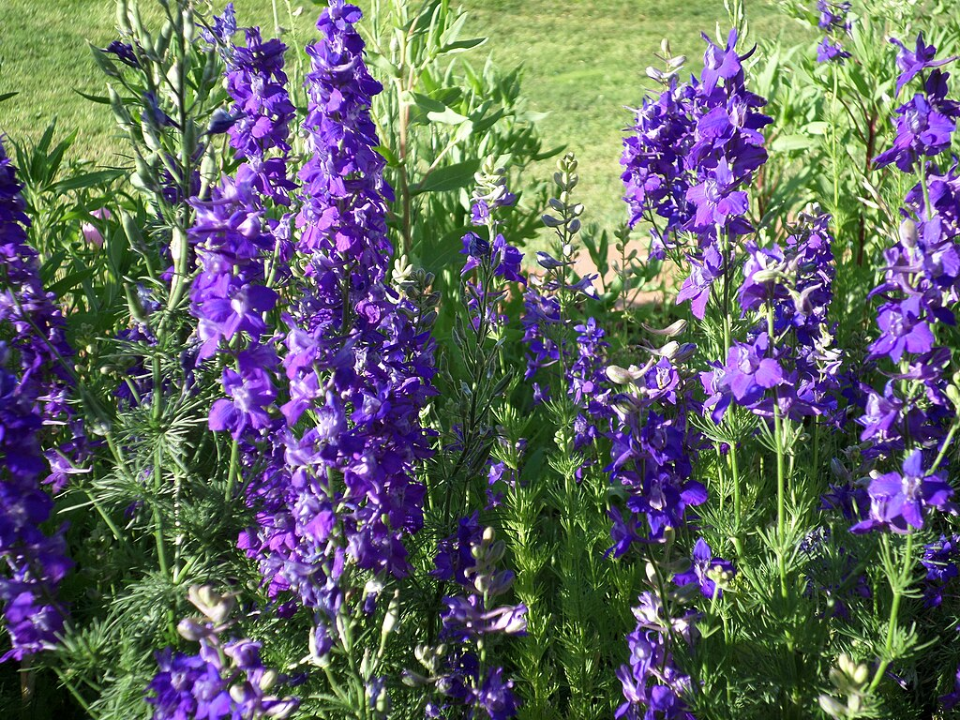
Larkspur adds a graceful vertical shape to spring gardens and gives them a light, airy feeling. Its tall stems carry many small blooms that open along the spike, creating a soft and elegant effect in flower beds. This annual like cool weather and often performs much better in spring than it does once hot temperatures arrive. Shades usually include blue, lavender, pink, and white, which all work nicely in calm and romantic garden color themes.
Larkspur looks especially good in the back of borders or tucked among lower annuals where its height can stand out without looking heavy. It also makes an excellent cut flower, adding a delicate and somewhat classic feel to indoor arrangements. Because of its slender habit, it gives movement and softness instead of a dense block of color. If a garden needs a touch of height and spring charm before the heat builds, larkspur is a very pretty answer.
Nemesia
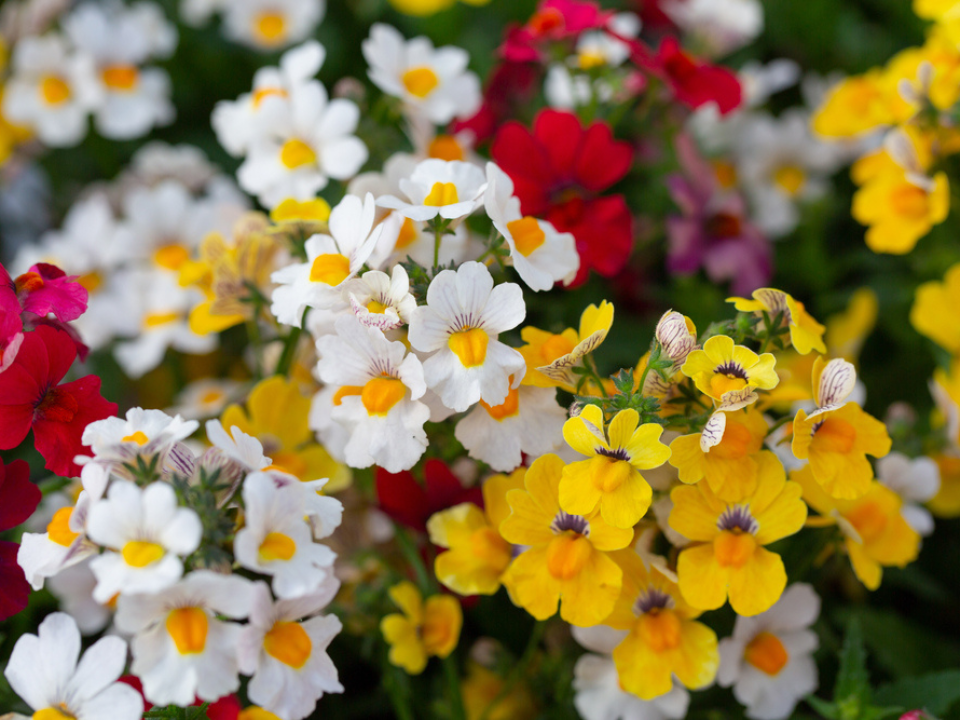
Nemesia is a charming annual with small orchid-like flowers that cover the plant in cool weather. It blooms best when temperatures stay mild, which makes it a strong pick for spring containers, borders, and front-of-bed plantings. The flowers come in a wide mix of shades, including white, pink, purple, blue, yellow, and soft blends that look almost painted by hand.
Nemesia usually keeps a tidy, mounded shape, so it fits easily into smaller spaces without looking messy. Some kinds have a light sweet scent, which adds another reason to place them where people pass by often. Their flowers are small but very plentiful, so the plant reads as a colorful mound from a distance. Nemesia pairs beautifully with violas, alyssum, and snapdragons for a layered spring arrangement with plenty of texture.
Iceland Poppy
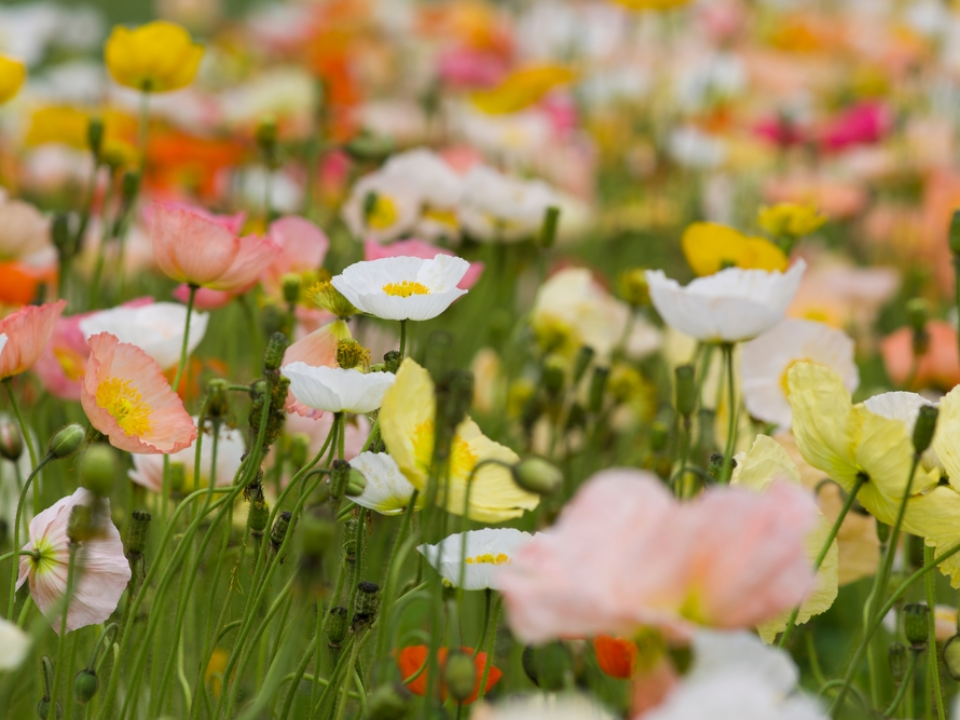
Iceland poppy brings a soft, glowing look to spring gardens with its papery blooms and slender stems. The flowers sway lightly in the breeze, which gives planting beds a relaxed and natural feel. These annuals do best in cool weather and are often at their prettiest before hot conditions make them slow down. Their colors usually include creamy white, pale yellow, orange, peach, and soft pink, all of which seem to shine in gentle spring light.
Iceland poppies have a delicate look, though they make a strong visual impact when planted in groups. They are especially effective in borders where their thin stems let other spring plants remain visible around them. Gardeners often like cutting them for small indoor arrangements because the flowers have such a light and graceful presence.
Dianthus
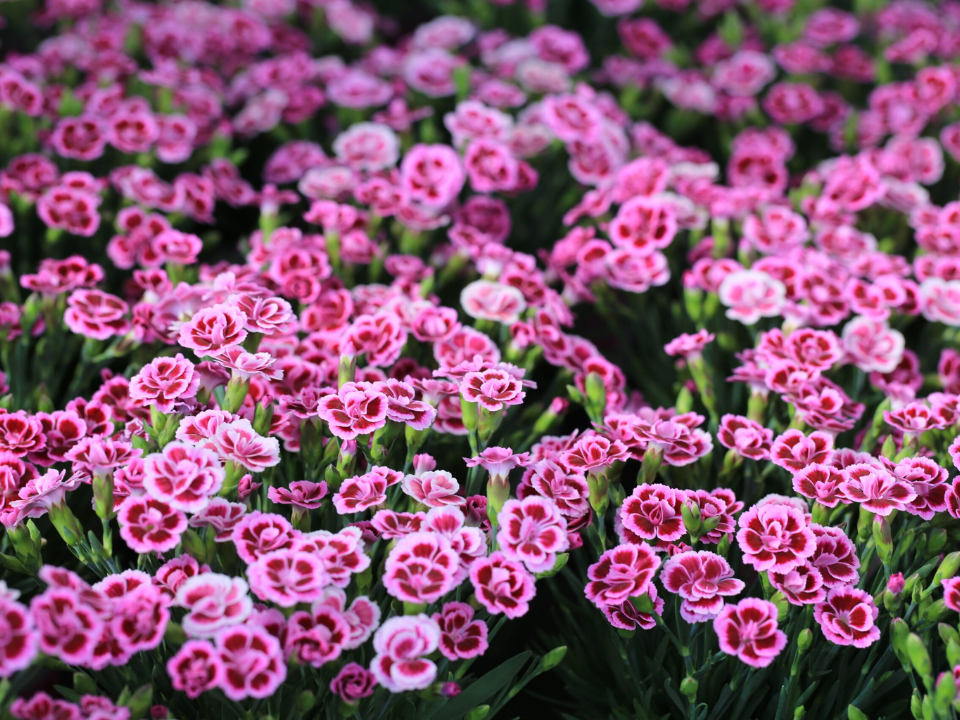
Dianthus is a cool weather favorite that brings tidy shape and bright color to spring beds and containers. Its flowers often come in pink, red, white, and soft lavender, with petals that look lightly fringed at the edges. The plants stay fairly compact, which makes them useful along borders or near the front of mixed plantings. Dianthus enjoys mild days and cool nights, so it often looks freshest before the summer sun starts wearing plants down.
Some kinds have a light clove-like scent, which gives them extra charm near doors or patios. The gray-green foliage stays neat and helps the blooms stand out even more. Dianthus also works well with pansies, alyssum, and ornamental kale for a layered early season look. If you want something crisp, colorful, and easy to fit into spring displays, dianthus is a very good pick.
English Daisy
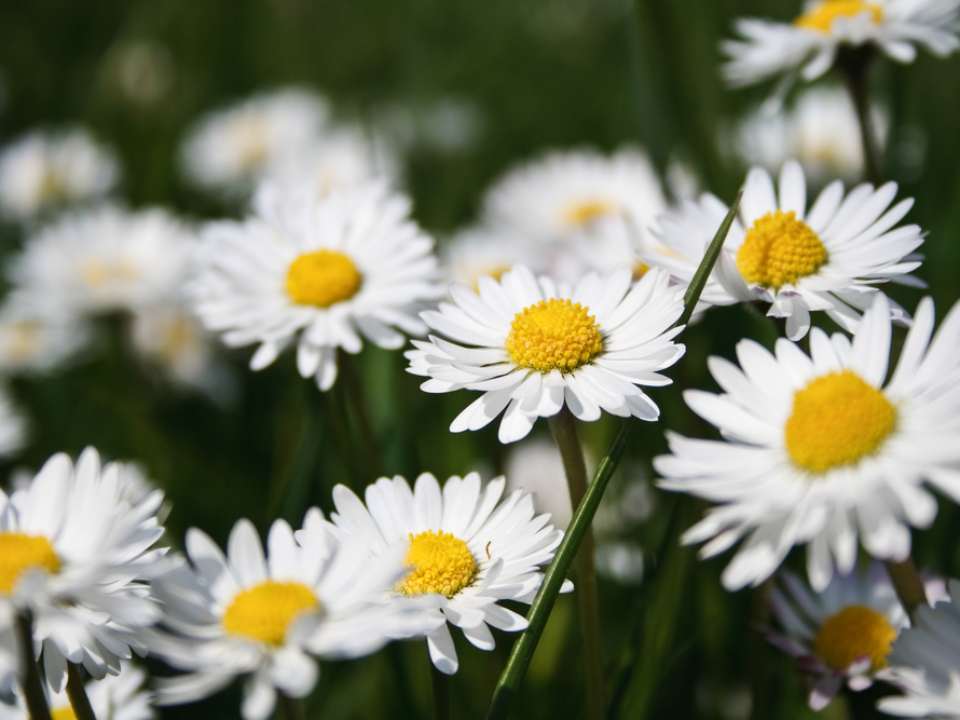
English daisy has a sweet old-fashioned look that suits cool weather gardens beautifully. Its flowers are small and rounded, with tight petals in shades of white, pink, and red that sit above low green leaves. This annual does best when temperatures stay on the cool side, which is why it often shines in spring before the weather turns harsh.
English daisy looks especially nice in small clusters where the blooms can create a soft carpet of color. It also fits well in edging, containers, and window boxes where its compact habit can be appreciated up close. The flowers have a cheerful look that pairs nicely with violas and sweet alyssum in simple spring combinations. Because the plant stays low and tidy, it helps beds look finished without taking over the space.
Cornflower
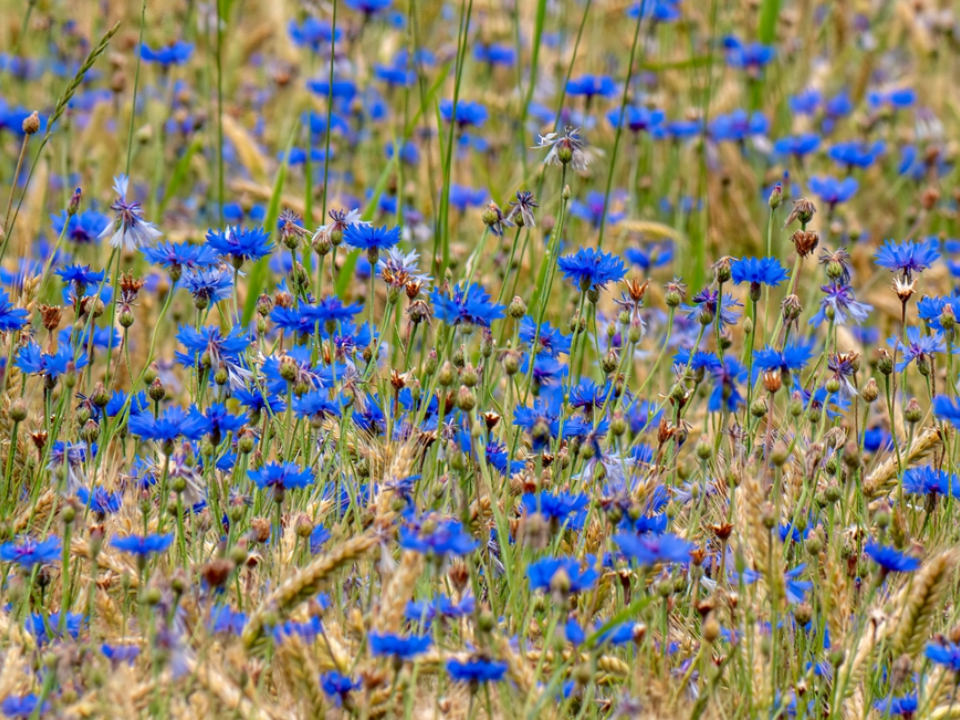
Cornflower is loved for its clear color and easygoing look in spring gardens. The best known shade is bright blue, though it also comes in white, pink, purple, and burgundy tones. Its flowers have a slightly fringed look that gives planting beds a lighter and more relaxed feel. Cornflower grows best in cool weather, so it often blooms well before stronger summer heat starts cutting its season short.
The upright stems give it a meadow-like style that works nicely in cottage gardens and mixed borders. It is also a strong choice for cutting, since the flowers bring a fresh pop of color indoors. Cornflower looks especially pretty when planted in drifts, where the bloom color can really stand out against spring greens.
Sweet Pea
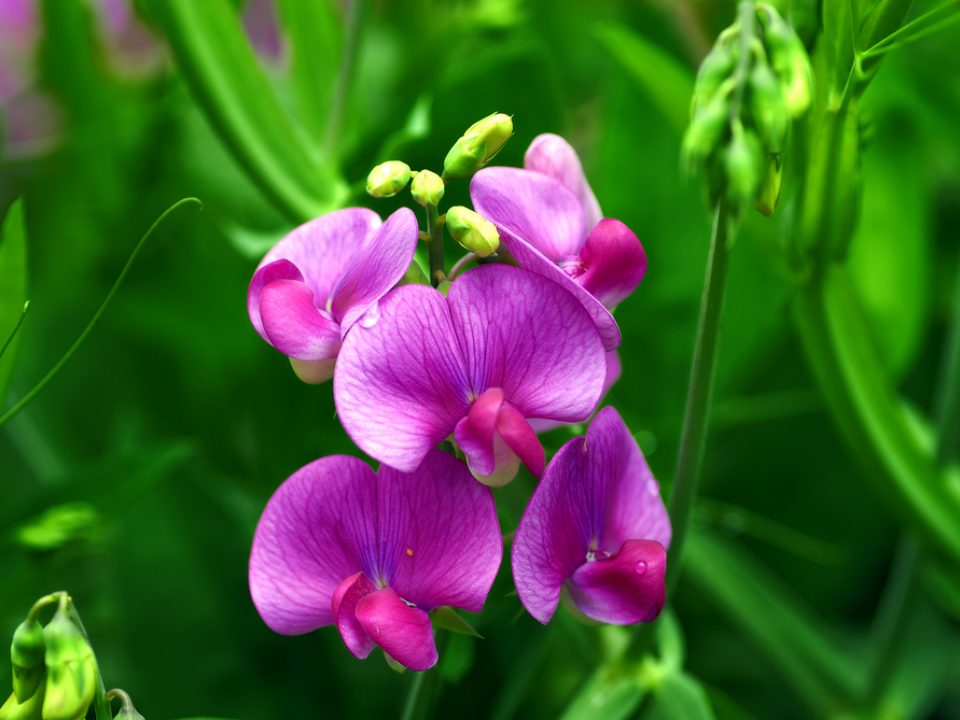
Sweet pea is one of the most loved cool season annuals for gardeners who want both flowers and fragrance. Its climbing stems carry soft, fluttery blooms that come in white, pink, lavender, purple, red, and soft blends. Sweet pea does its best work before the weather gets hot, which makes it a classic choice for spring gardens. When given a trellis, fence, or small support, it adds height without feeling heavy or stiff.
The flowers have a romantic look that fits cottage gardens especially well, though they can also soften more formal spaces. Their scent is one of the biggest reasons people plant them near patios, paths, and entry areas. Sweet peas are also wonderful for cutting, and regular picking often helps the plants keep blooming. For early season beauty with a soft and graceful feel, sweet pea is hard to beat.
Candytuft

Candytuft is a low growing annual that gives beds and borders a clean and polished spring look. It is usually grown for its clusters of white flowers, though some forms lean toward pale pink or lavender. The blooms sit above neat green foliage and create a soft blanket of color when planted in groups.
Candytuft is happiest in cool weather, so it is a useful choice for early planting before summer heat starts causing stress. Its low habit makes it a natural fit along path edges, in rock gardens, and near the front of containers. The flowers have a fresh and simple look that mixes easily with taller annuals like snapdragons or larkspur. Candytuft can make a planting look brighter without feeling too busy or crowded.
Diascia
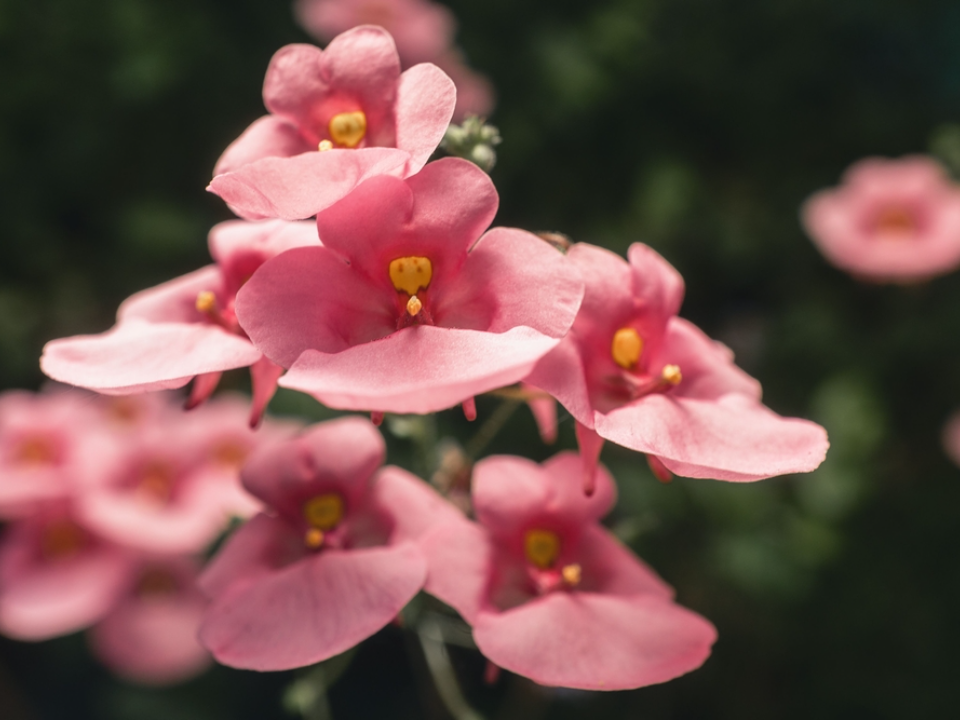
Diascia is a soft and colorful annual that often looks best while the air is still mild. It produces lots of small snapdragon-like flowers in shades of pink, coral, salmon, white, and light purple. The plant usually forms a loose mound or a gentle spill, which makes it especially useful for containers and raised planters.
Diascia can bloom very freely in spring, giving a long stretch of color before high heat begins to slow it down. Its flowers are small, but the plant makes up for that by covering itself well when conditions are right. It blends nicely with pansies, nemesia, and alyssum in layered spring displays. The overall look is soft and cheerful, with a relaxed shape that keeps arrangements from feeling stiff.
Annual Phlox
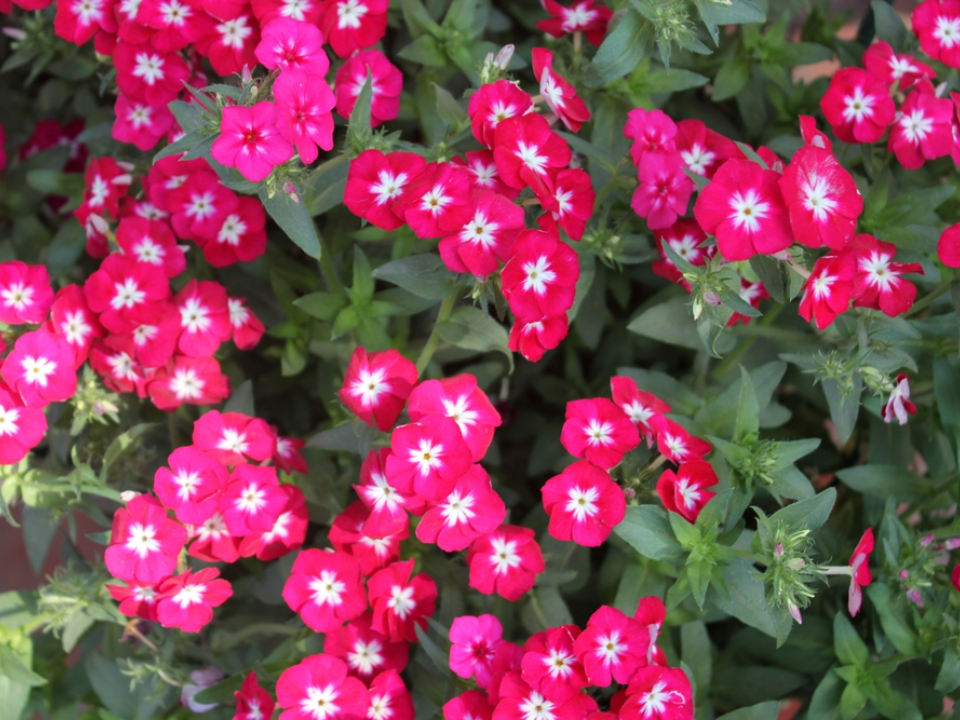
Annual phlox brings bright color and a gentle spreading habit to cool season beds and containers. Its star-shaped flowers bloom in shades like pink, red, white, purple, and bi-color mixes that can look quite lively in spring. This plant usually stays low to medium in height, which makes it useful for filling gaps between taller flowers and edging plants.
Annual phlox prefers mild weather and often gives its best display before the hottest part of the growing season arrives. When planted in groups, it can create wide patches of color that help a garden look fuller early in the year. The blooms have a cheerful and open look that suits cottage gardens, porch planters, and small border spaces. It is a nice flower for tying different parts of a planting together because the color spreads so evenly.
Nigella
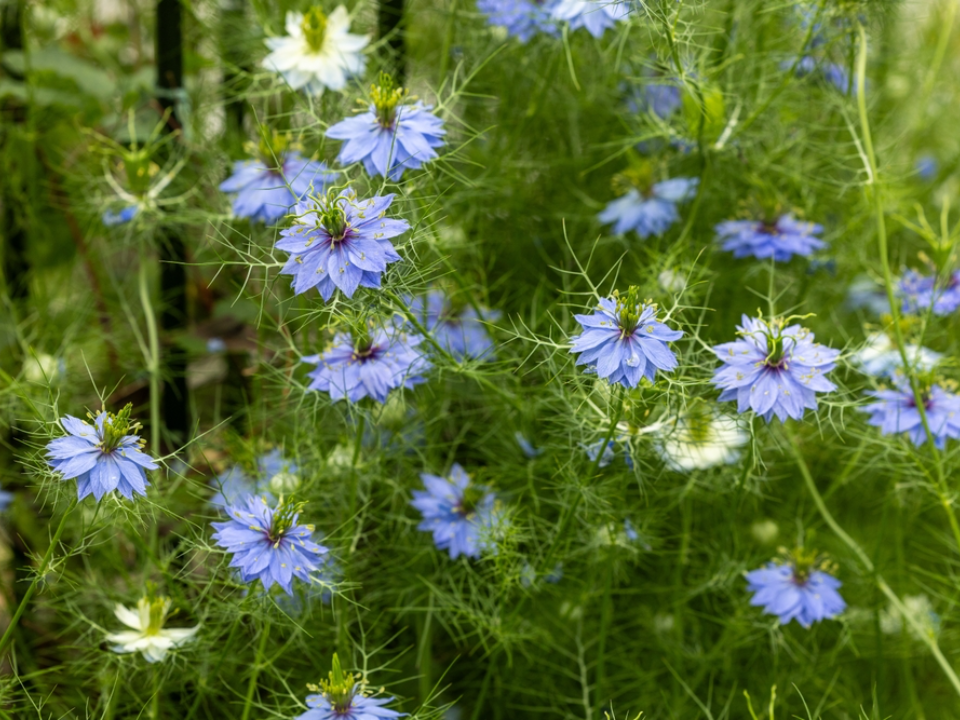
Nigella, often called love-in-a-mist, gives spring gardens a light and delicate texture that stands out from heavier blooms. Its flowers usually appear in soft blue, white, pink, or pale purple and sit above feathery foliage. The leaves are so fine that the whole plant seems almost misty, which explains its common name. Nigella enjoys cool growing conditions and often performs best before stronger heat takes over.
It has a natural and slightly wild look that fits beautifully in cottage gardens and loose mixed borders. After flowering, the seed pods remain attractive and add another layer of interest to the planting. Nigella also works well in cut flower arrangements because both the blooms and pods have a graceful shape. For a spring garden that needs airy texture and a softer touch, nigella is a lovely annual to include.
Clarkia
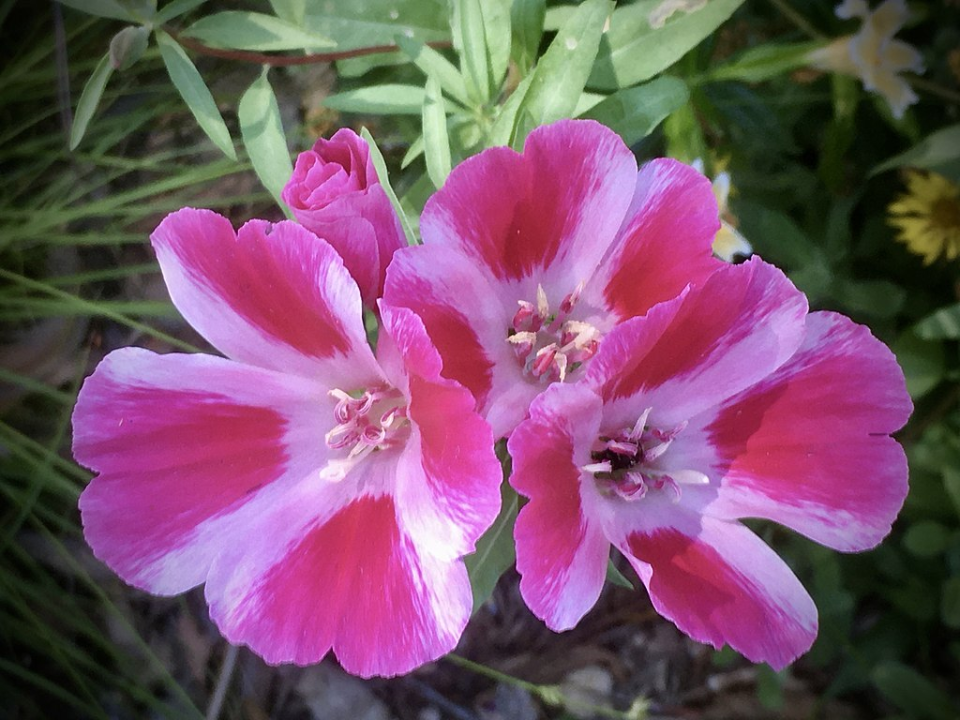
Clarkia is a cool season annual with silky flowers that bring a light and graceful look to spring beds. The blooms often come in pink, rose, white, and lavender shades, and they open along upright stems that sway gently in the breeze. Clarkia likes mild weather, so it is especially useful for adding color before the hot months arrive. Its upright habit gives it a bit of height without making the garden feel too formal.
The flowers can look almost satiny in good light, which gives them a fresh and elegant feel. Clarkia works well in mixed borders where it can rise above lower mounding annuals and add some movement. It is also a nice choice for cut flower use, especially in loose spring arrangements. If you want an annual that feels soft, airy, and a little romantic, clarkia is a beautiful fit.
This article originally appeared on Avocadu.