
17 Cool Season Veggies You Can Plant Right Now
If you’re looking to get a jump start on your garden, planting cool season vegetables is a great way to enjoy fresh produce even before the warmer weather hits. These veggies thrive in the mild temperatures of early spring or fall, making them perfect for gardeners who want to make the most of the cooler months. Whether you’re growing them in the ground or in containers, cool season vegetables are relatively easy to care for and offer a quick harvest. From leafy greens to root vegetables, there are plenty of options to choose from. Not only are these vegetables packed with nutrients, but they also help brighten up your garden during the off-season.
This post may contain affiliate links, which helps keep this content free. Please read our disclosure for more info.
Spinach
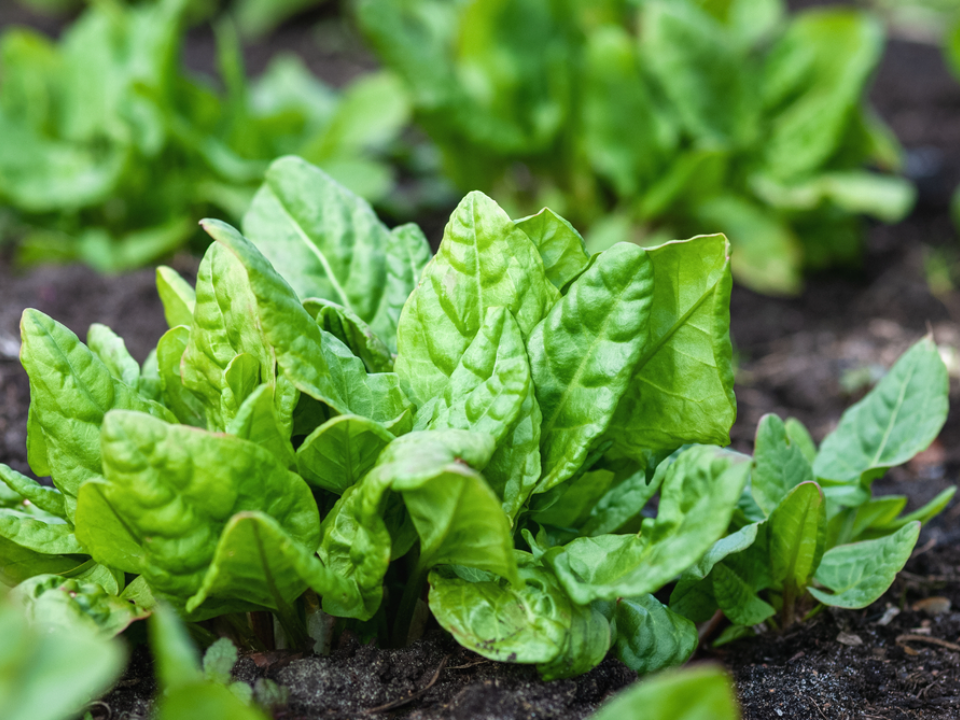
Spinach is a fast-growing leafy green that thrives in cooler weather, making it ideal for planting during the cooler months. This vegetable is packed with vitamins and minerals, including iron and vitamin A, making it a healthy addition to any garden. Spinach prefers a well-drained soil and can tolerate light frost, which actually helps to improve its flavor.
It can be direct seeded into the ground or started in containers and then transplanted. Regular watering is essential for spinach to grow well, and it does best in partial to full sunlight. Spinach also grows quickly, and you can begin harvesting in as little as four weeks after planting. To keep your crop going throughout the season, make sure to harvest the outer leaves first and let the center continue to grow.
Kale
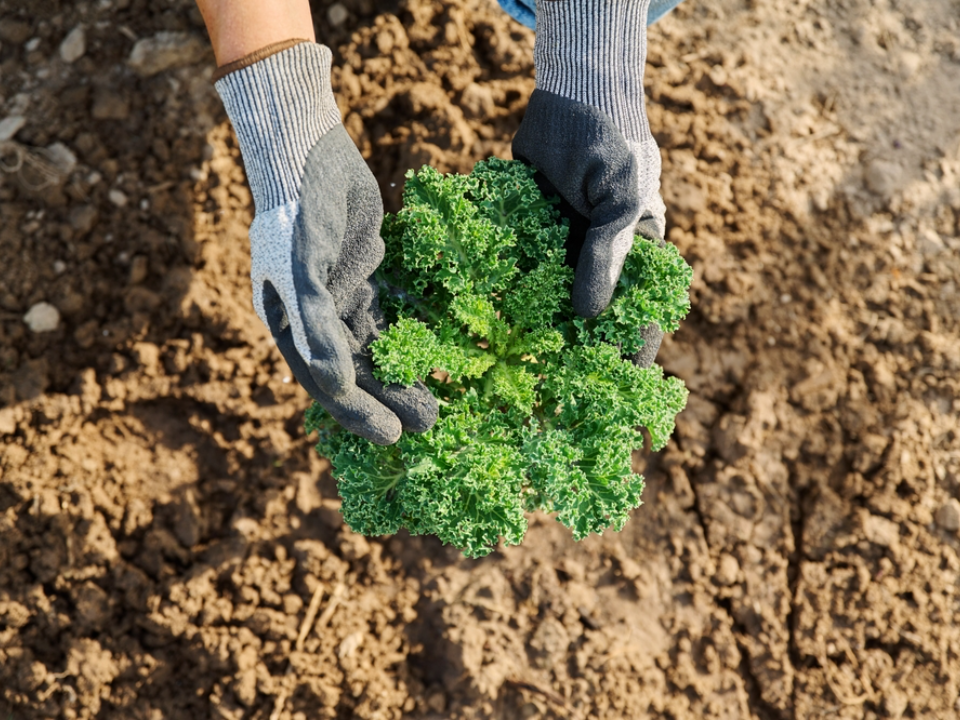
Kale is another vegetable that flourishes in the cooler months. It can survive frost and even becomes sweeter after exposure to cold temperatures. Kale is known for its rich nutrient profile, including high levels of vitamins K, C, and A. It does well in a variety of soil types, but like spinach, it prefers well-drained, fertile soil. Kale grows best in full sun but can also tolerate some shade, making it a versatile option for various garden layouts.
Starting seeds indoors can give you a jump start, but kale can also be sown directly into the soil. As a hardy vegetable, it requires regular watering but can tolerate some dry spells once established. Harvest your kale by picking off the outer leaves, allowing the center of the plant to continue producing.
Lettuce
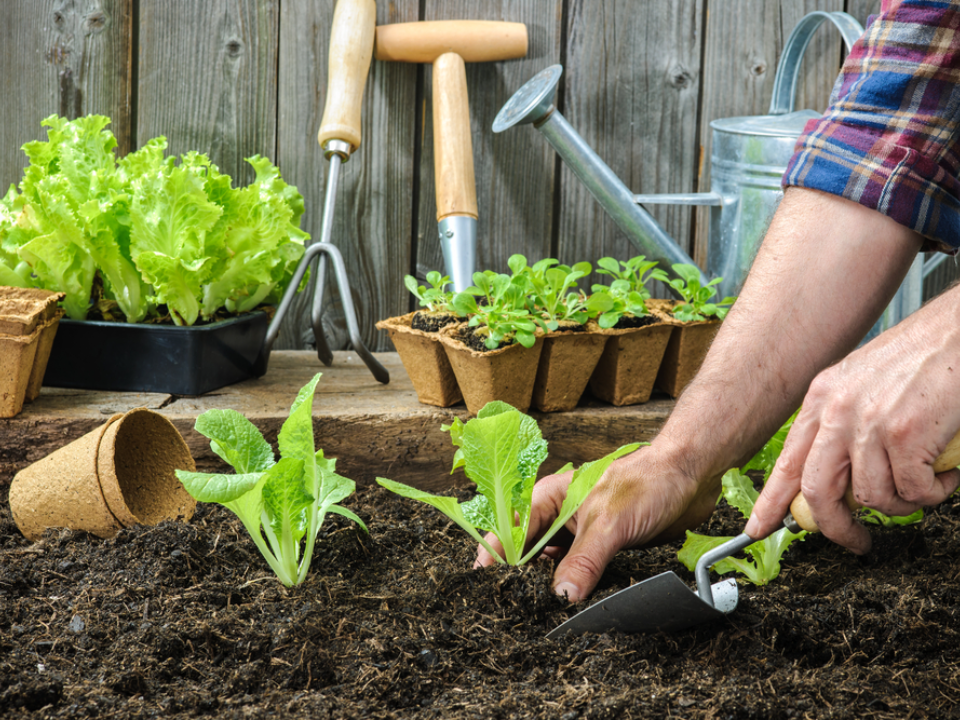
Lettuce is a cool-season vegetable that can be planted early in the season and grows quickly. It is perfect for growing in areas with mild winters or in regions that experience cold snaps. Lettuce prefers rich, loamy soil and can be planted in partial or full sunlight, although it may benefit from some afternoon shade during hotter months.
You can plant lettuce directly in the ground or in containers, which makes it adaptable for various garden spaces. Regular watering is important to prevent the leaves from becoming tough or bitter. Lettuce can be harvested as early as 30 days after planting, with some varieties ready in even less time. For continuous harvest, consider sowing seeds every few weeks to ensure a steady supply of fresh leaves.
Swiss Chard
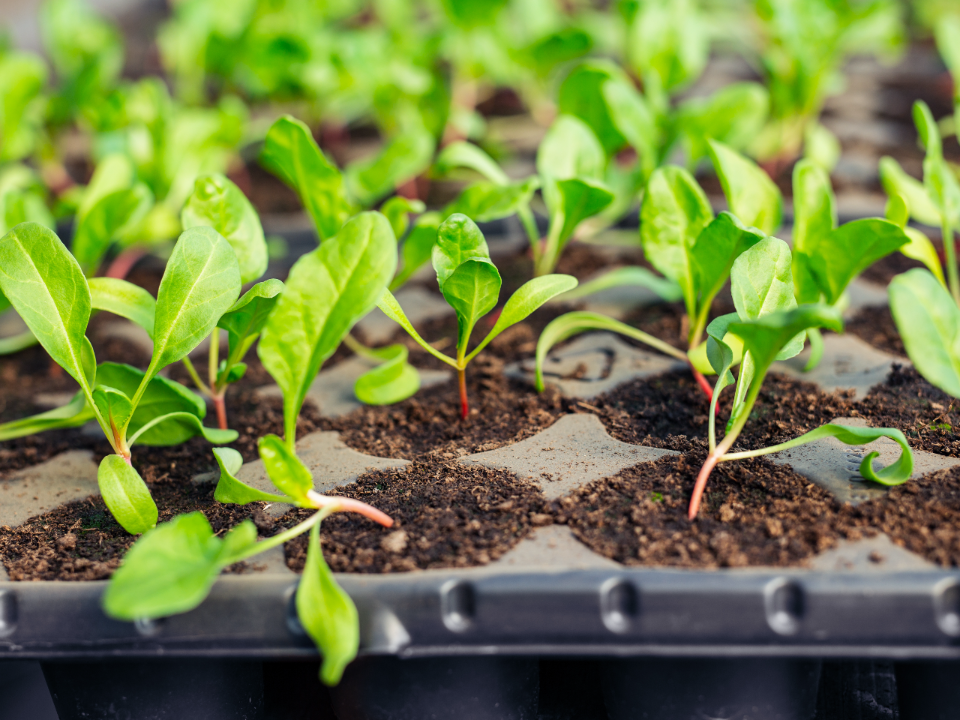
Swiss chard is a versatile and hearty green vegetable that grows well in cooler temperatures. It is known for its brightly colored stems, which add a vibrant touch to any garden. Swiss chard can tolerate both frost and light freezes, making it a great option for early spring or fall planting. It thrives in well-drained soil and requires regular watering to keep the leaves tender and full of flavor.
This vegetable grows quickly and can be harvested by picking the outer leaves, leaving the central stem to continue growing. Swiss chard is packed with nutrients, including vitamin K, vitamin A, and magnesium, making it a great addition to your diet. With regular care, Swiss chard can continue to produce throughout the cool season.
Peas
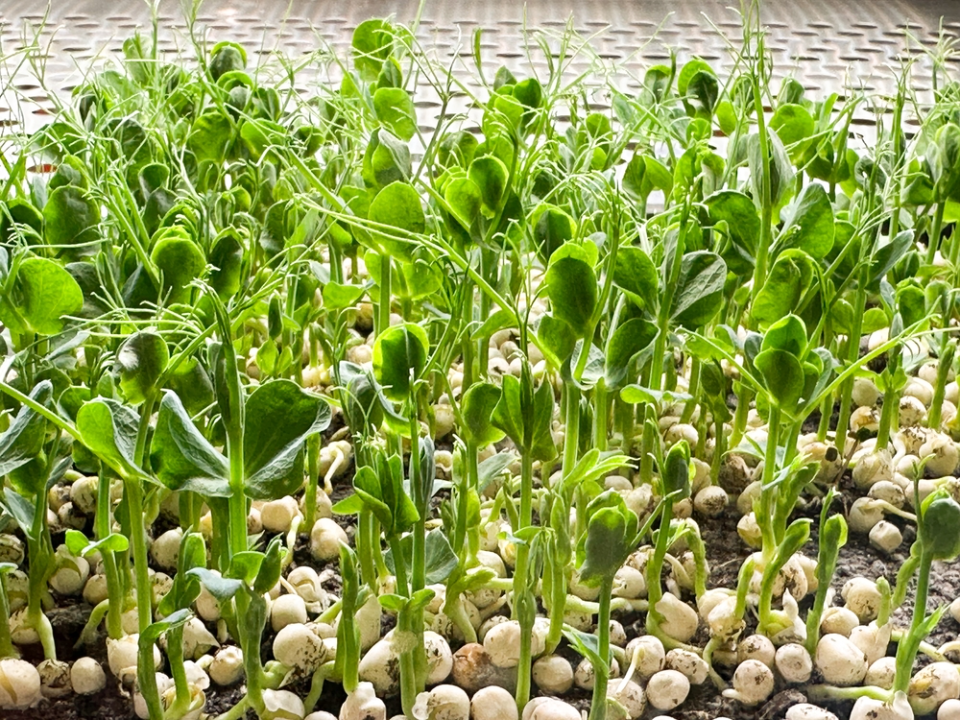
Peas are one of the first vegetables to plant in the cool season. They grow best in mild temperatures, typically between 50 to 70 degrees Fahrenheit, which makes early spring and fall ideal times for planting. Peas prefer well-drained, fertile soil and benefit from being planted in a spot with full sunlight. The plants will need support, so installing a trellis or some other form of vertical support can help maximize space in your garden.
Peas grow quickly and can be ready for harvest in as little as 50 days, making them a rewarding vegetable to grow. Regular watering and keeping weeds at bay will help your pea plants thrive. Whether you are planting snow peas, snap peas, or garden peas, these cool-season veggies will provide a fresh, sweet treat to enjoy straight from the garden.
Radishes
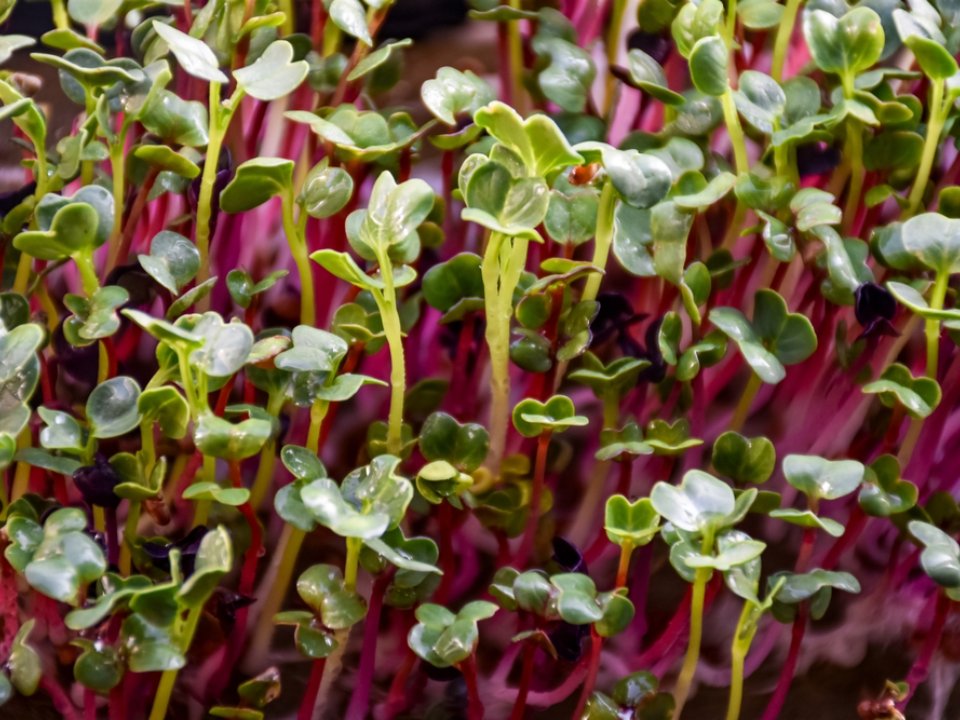
Radishes are one of the easiest vegetables to grow, making them perfect for beginners or anyone with limited space. They thrive in cool temperatures and can be direct-seeded into the soil. Radishes prefer well-drained, loose soil, and they grow best with plenty of sunlight. These vegetables grow quickly, and many varieties can be harvested in just 30 days after planting.
Radishes need regular watering to prevent them from becoming tough, and thinning seedlings ensures that they have enough room to develop their characteristic round roots. While radishes are typically known for their spicy flavor, cooler weather helps reduce this bitterness, producing a milder taste. They make a great addition to salads, or they can be eaten fresh as a crunchy snack.
Carrots
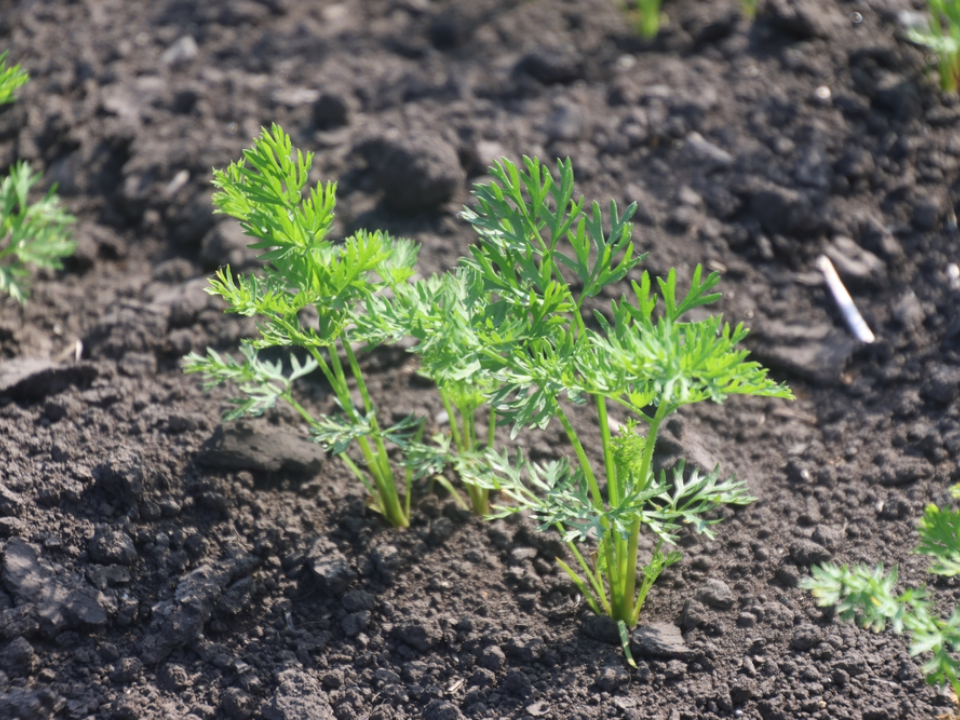
Carrots are a classic cool-season vegetable that can be planted in early spring or fall. They grow best in deep, loose soil that allows the roots to expand freely. Carrots require plenty of sunlight and regular watering to develop strong, sweet roots. While they can take a bit longer to mature compared to other vegetables, typically requiring about 70 days, the wait is well worth it.
Carrots grow best when direct seeded into the soil, as they do not transplant well. To ensure they grow evenly, make sure the soil is free of large clumps and rocks that could hinder root development. Carrots can be harvested as soon as they reach your desired size, and for an extended harvest, you can plant them in succession.
Broccoli
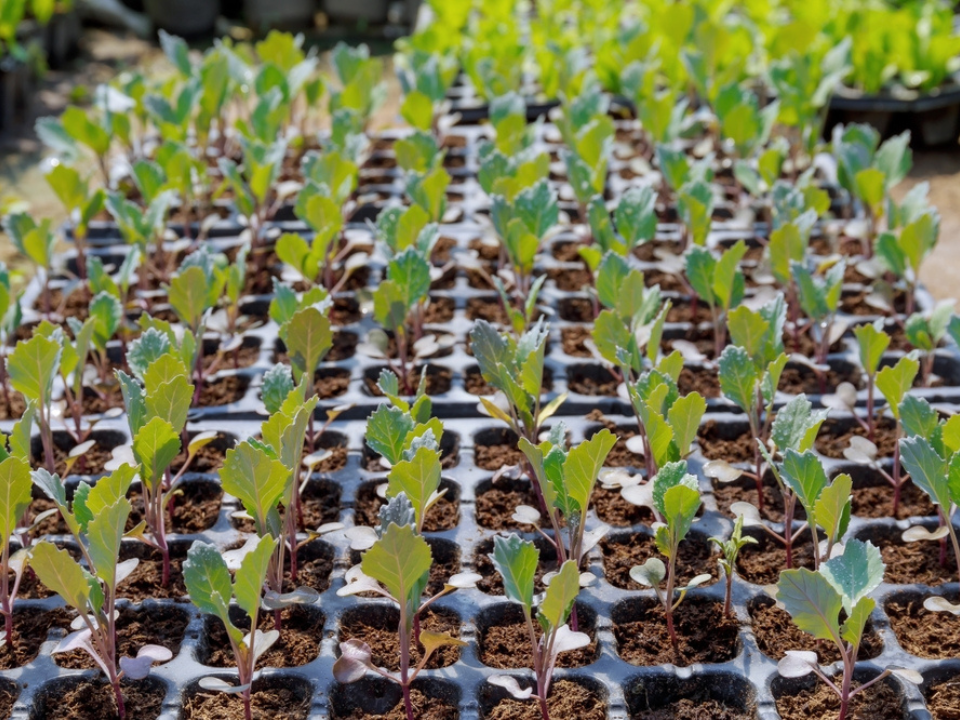
Broccoli is a cool-weather vegetable that can thrive even in the colder months, especially when the soil temperature is kept between 55 and 75 degrees Fahrenheit. It grows best in rich, fertile soil that is well-drained. While broccoli can be started from seed, it is often easier to transplant seedlings into your garden once they have developed a bit.
Broccoli needs plenty of space for its large, broad leaves to grow and should be watered consistently to prevent it from drying out. The plant will produce heads, which should be harvested before the florets begin to bloom into yellow flowers. You can harvest the main head first and continue to pick smaller side shoots that will appear after the main head is cut. Broccoli is rich in vitamin C and other nutrients, making it a great addition to your vegetable garden.
Cauliflower
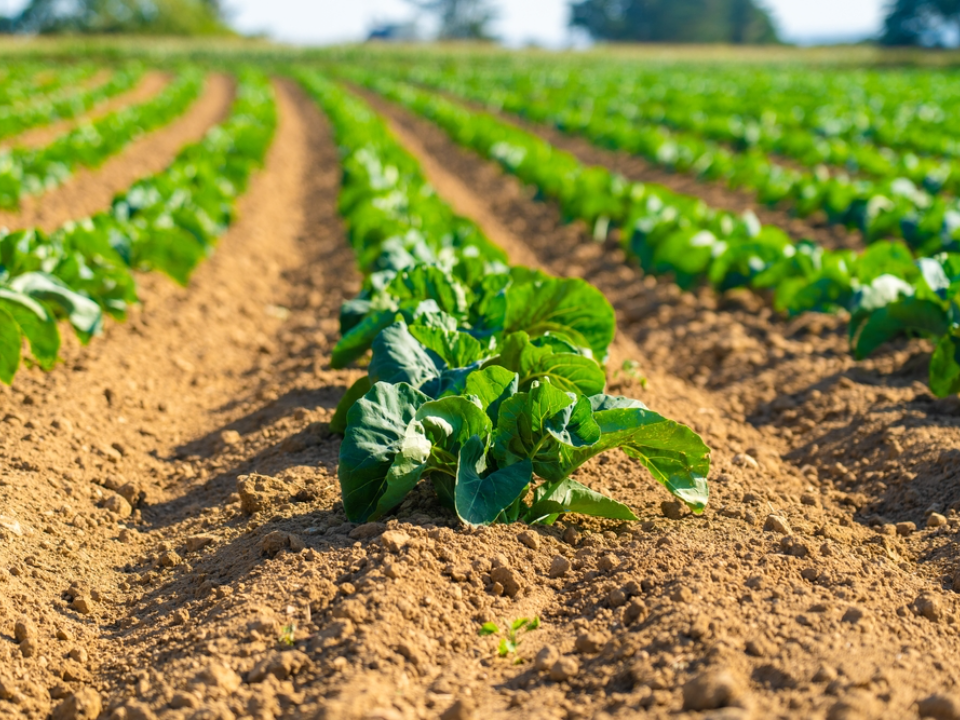
Cauliflower, like broccoli, is a cool-season vegetable that does well in early spring or fall gardens. It prefers a mild climate and grows best in well-drained, fertile soil. Cauliflower requires consistent moisture to develop its large, white heads, and it should be planted in a location that receives full sun.
When growing cauliflower, it is important to blanch the heads by covering them with the leaves as they grow to protect them from sunlight. This helps maintain their white color and tender texture. Typically, it takes about 60 to 85 days for cauliflower to reach maturity. It is best to harvest when the heads are firm and compact, as overripe cauliflower can become tough and dry.
Mustard Greens
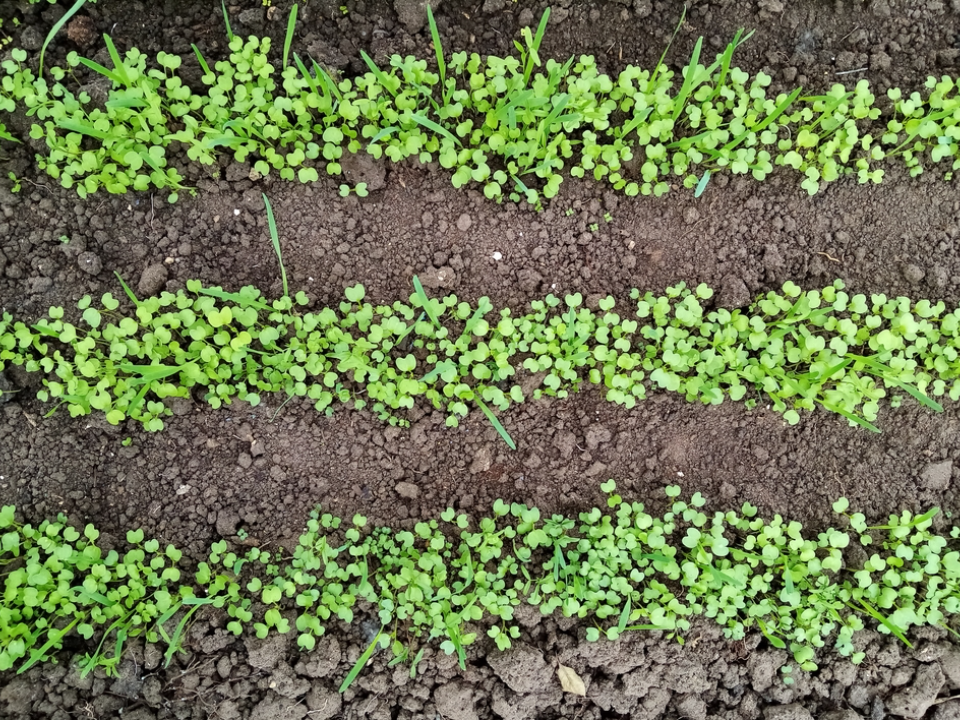
Mustard greens are another excellent option for cool-season gardening. These greens grow quickly, maturing in about 40 to 60 days, depending on the variety. They thrive in cooler temperatures and can tolerate light frost, which enhances their peppery flavor. Mustard greens prefer well-drained soil and should be planted in a location that receives full sunlight.
Regular watering is crucial to keep the leaves tender and to avoid any bitterness. As the leaves grow, you can begin harvesting the outer ones, allowing the inner leaves to continue growing. Mustard greens are full of vitamins A and C, making them a nutritious choice for your cool-season vegetable garden.
Beets
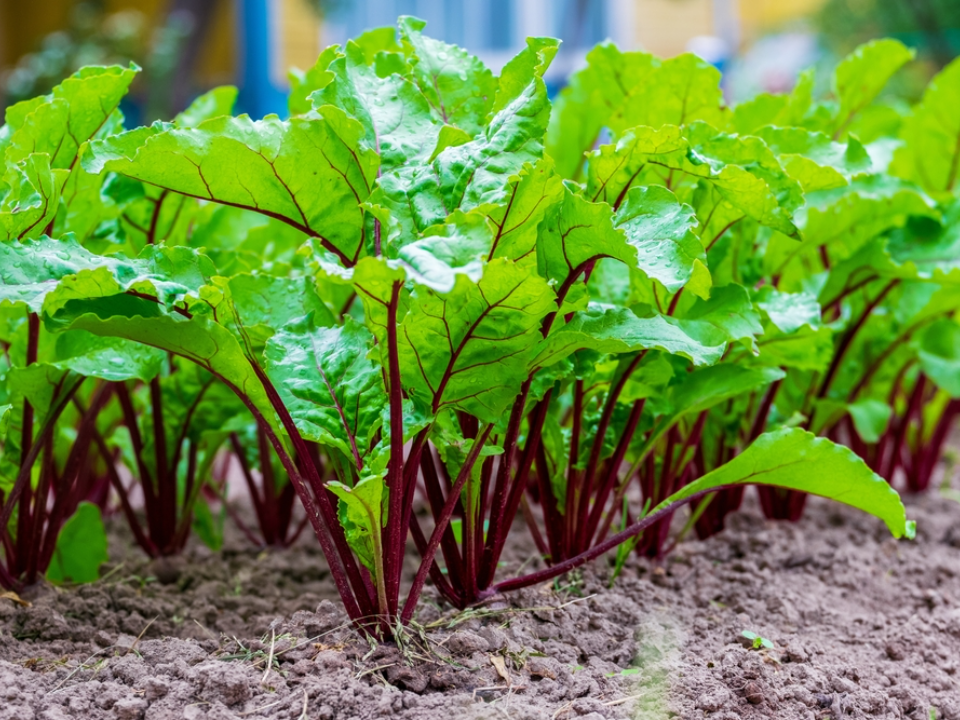
Beets are a hardy root vegetable that thrives in the cooler months, making them an excellent choice for your garden during early spring or fall. They grow best in well-drained, loose soil that allows their roots to develop properly. Beets require full sunlight and should be watered consistently to ensure their roots grow evenly.
In addition to their nutrient-rich roots, beet greens are also edible and can be harvested early in the growing process. Beets can be direct-seeded into the ground, and they mature in about 50 to 70 days. When harvesting, you can pull both the roots and greens for use in a variety of dishes. Whether roasted, boiled, or used raw in salads, beets are an incredibly versatile and nutritious vegetable.
Turnips
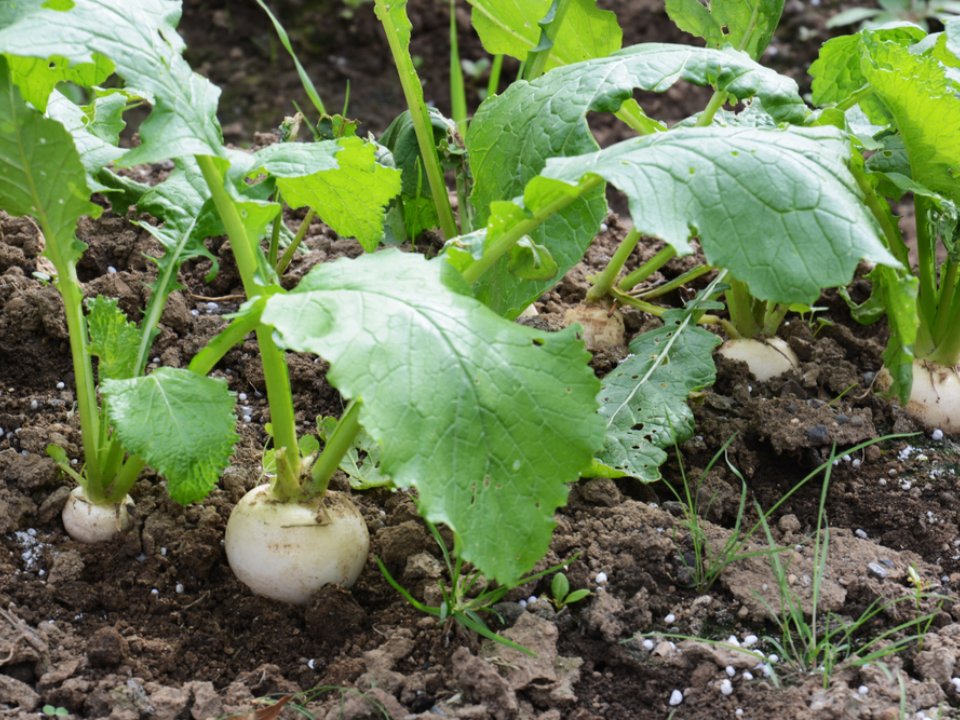
Turnips are a cold-weather crop that grows well in the cooler months of spring and fall. These root vegetables thrive in well-drained, fertile soil and prefer a spot in full sunlight. Turnips grow quickly, with many varieties ready to harvest in about 60 days. Their mild, slightly peppery flavor is a great addition to soups, stews, or roasted vegetable mixes.
For the best taste, turnips should be harvested before they become too large, as they can develop a tougher texture. The greens are also edible and can be used in salads or cooked alongside the roots. Regular watering is necessary to maintain a steady growth rate and prevent any bitterness in the turnips.
Arugula
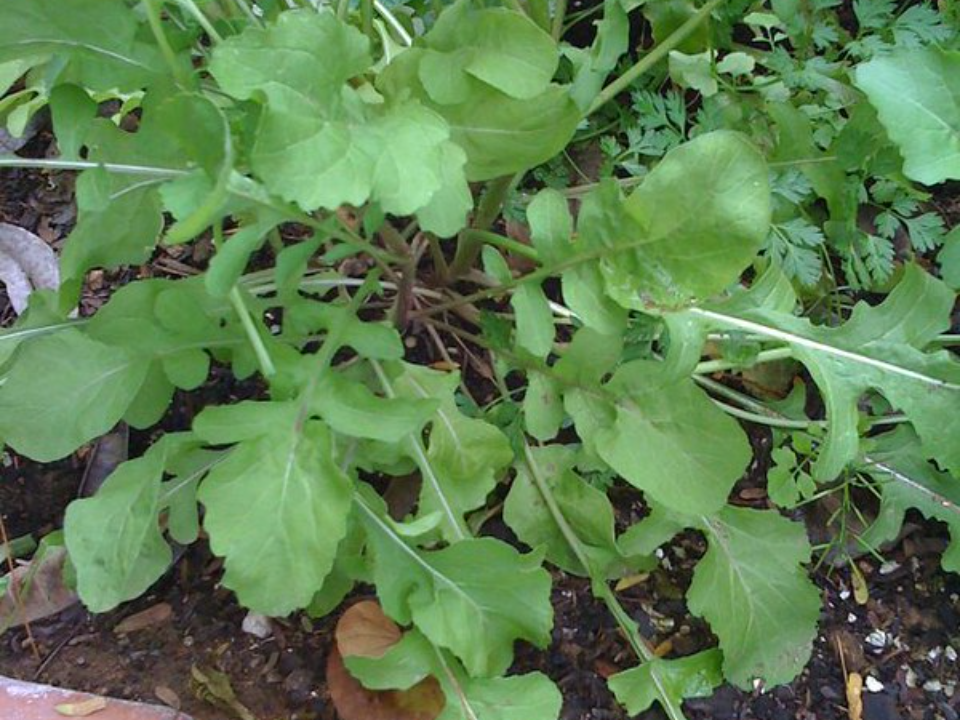
Arugula is a fast-growing leafy green that thrives in cooler weather and can be planted early in the season. It prefers well-drained soil and full sunlight, though it can tolerate some shade during the warmer part of the day. Arugula grows quickly, and you can harvest the tender leaves in just 30 days after planting.
The leaves have a unique, peppery flavor that adds a punch to salads, sandwiches, and garnishes. Regular watering will help prevent the leaves from becoming too bitter or tough. Arugula is also packed with vitamins A, C, and K, making it a healthy addition to your garden. It can be grown in small spaces, making it perfect for container gardening.
Celery
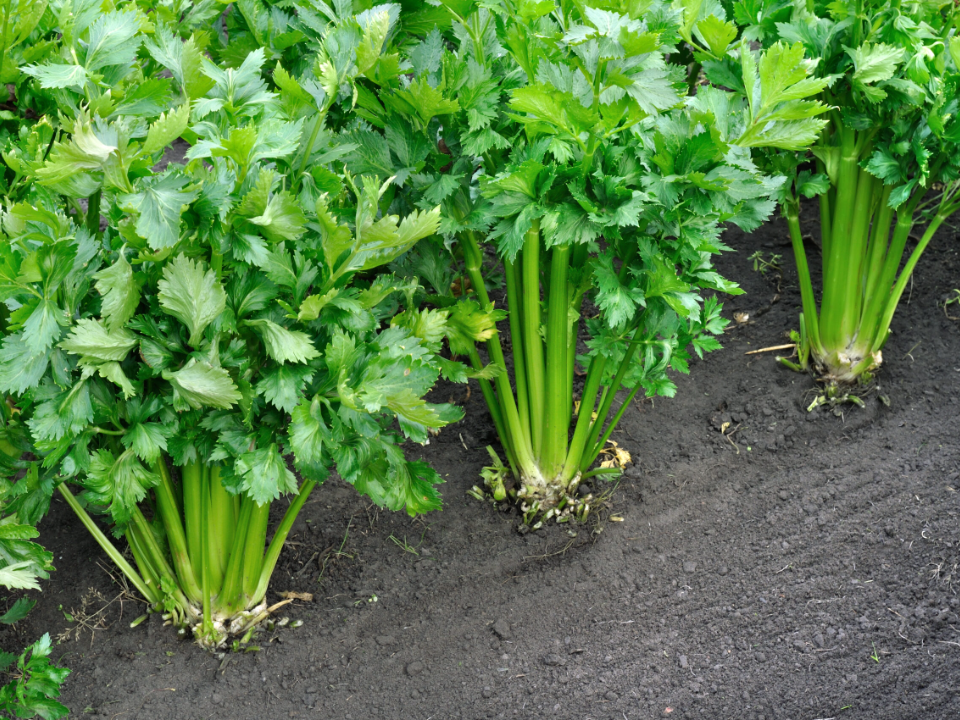
Celery is a cool-season vegetable that grows well in both spring and fall. It requires a long growing season, so be prepared for a wait of around 80 to 100 days before you can harvest your crop. Celery prefers moist, fertile soil and needs plenty of water to prevent the stalks from becoming bitter. It does well in full sunlight and should be planted in rows, with enough space between the plants for proper growth.
Celery can be grown from seeds or transplanted from seedlings. Regularly harvest the outer stalks to encourage the plant to continue producing. Celery is a great addition to salads, soups, and stews, and it is a great source of vitamins and minerals like vitamin K, potassium, and folate.
Leeks
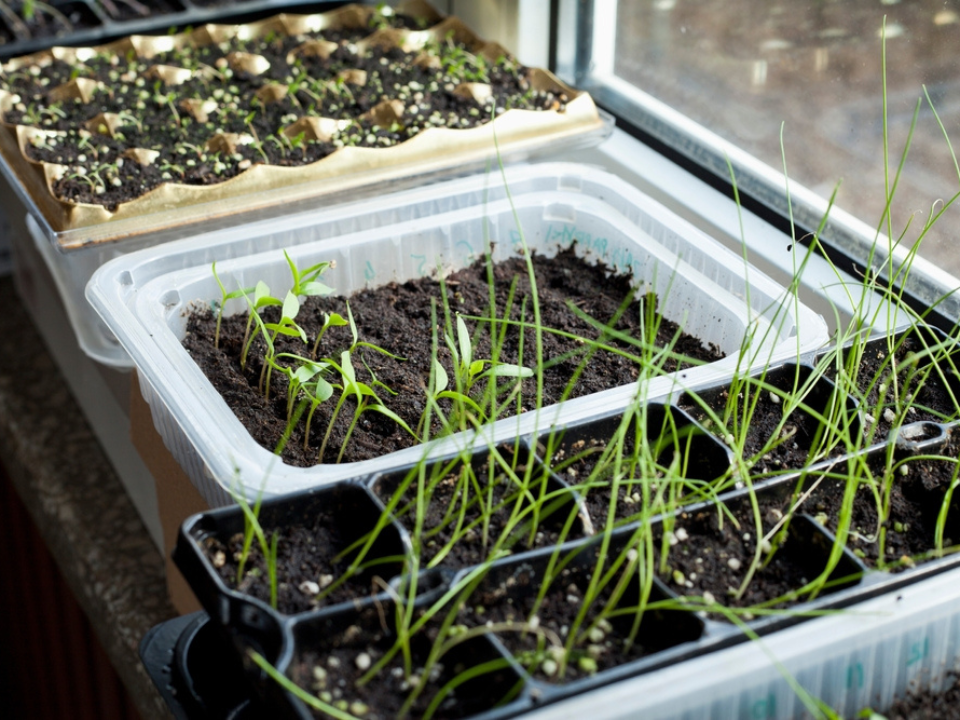
Leeks are another excellent cool-season vegetable that grows well in early spring and fall gardens. They are part of the onion family and have a mild, sweet flavor compared to their more pungent relatives. Leeks prefer rich, well-drained soil and full sunlight but can tolerate some partial shade. They take a bit longer to mature, usually around 100 days, so it is important to plan ahead.
Leeks require regular watering to prevent their tall stalks from drying out or becoming tough. The best time to harvest leeks is when their stems are about 1 to 2 inches in diameter. They are excellent for soups, stews, or roasted dishes, and they store well for several months when properly harvested.
Endive
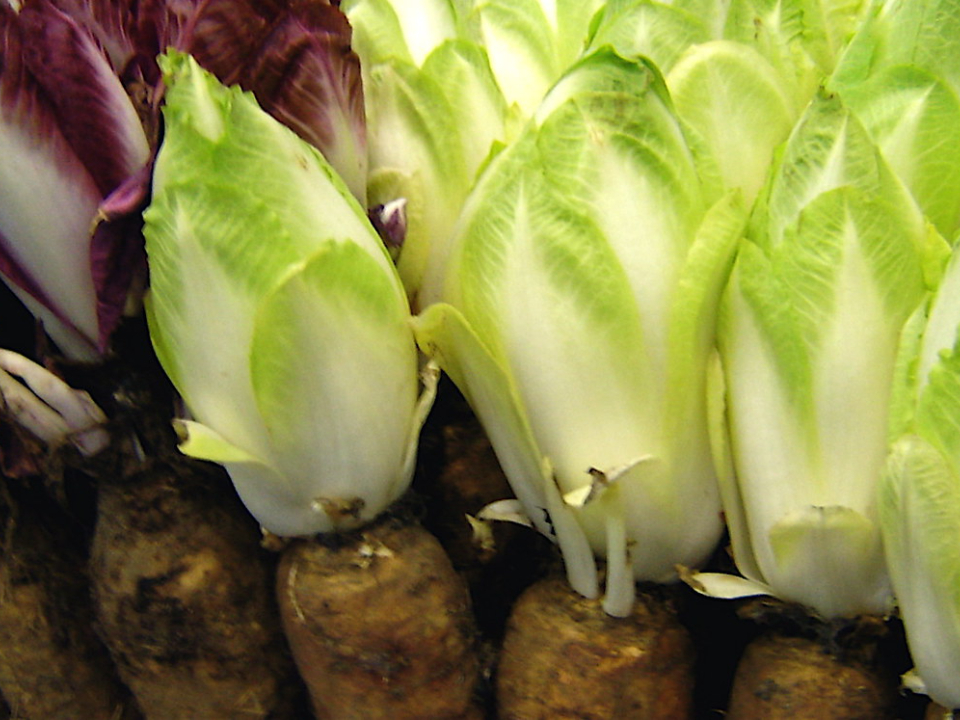
Endive is a leafy green that prefers cooler temperatures and grows well in early spring or fall gardens. It can be grown in well-drained soil that is rich in organic matter, and it does best in full sunlight or partial shade. Endive is known for its slightly bitter flavor, which becomes milder when grown in cooler conditions. T
he leaves are typically harvested when they are young and tender, though they can also be allowed to mature for a stronger flavor. Endive can be planted directly into the ground or started in containers and then transplanted. The plant grows quickly and is ready to harvest in about 40 to 50 days. It is great for salads, soups, or as a garnish.
Shallots
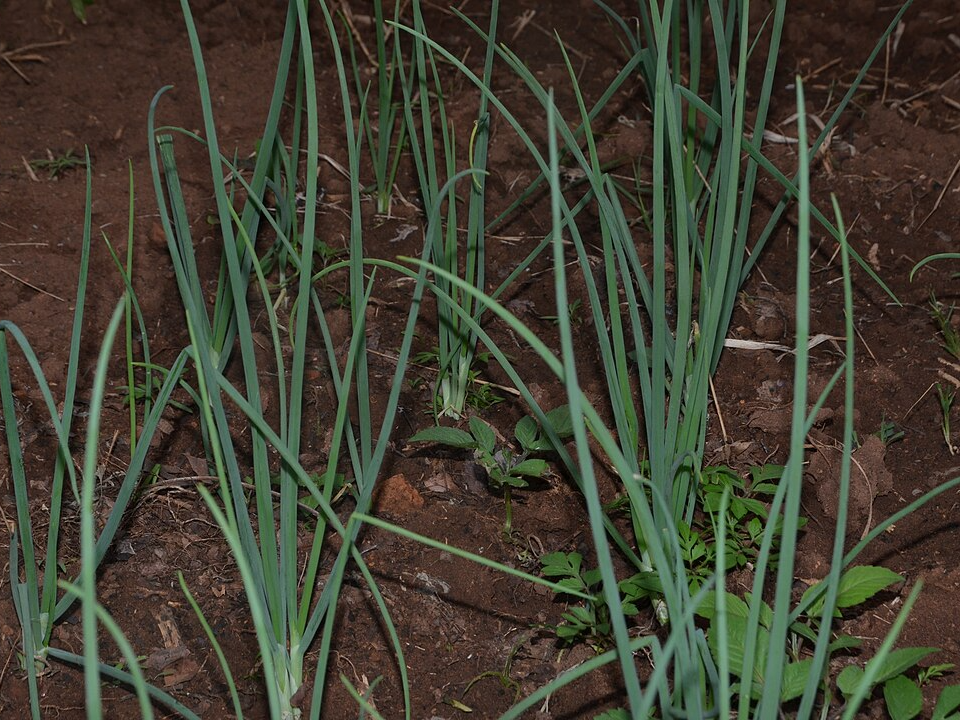
Shallots are a cool season crop that belongs to the onion family. They are known for their mild, sweet flavor, which is less pungent than regular onions. Shallots prefer well-drained, fertile soil and full sunlight to grow effectively. They can be planted from bulbs or seeds, and like onions, they grow best when spaced apart to allow the bulbs to develop.
Shallots take about 90 to 120 days to mature, so patience is key. Regular watering and consistent care will help the plants produce large, flavorful bulbs. Once harvested, shallots can be stored for several months in a cool, dry place. They add a rich, subtle flavor to a variety of dishes, such as salads, dressings, and sauces.
This article originally appeared on Avocadu.