
14 Cool Season Vegetables That Taste Best in Spring
Spring is a sweet spot for cool season vegetables. The weather is mild, the plants grow fast, and the flavors stay clean and fresh instead of turning bitter. These picks are some of the best tasting vegetables to look for at the market or grow at home when spring arrives.
This post may contain affiliate links, which helps keep this content free. Please read our disclosure for more info.
Sugar Snap Peas
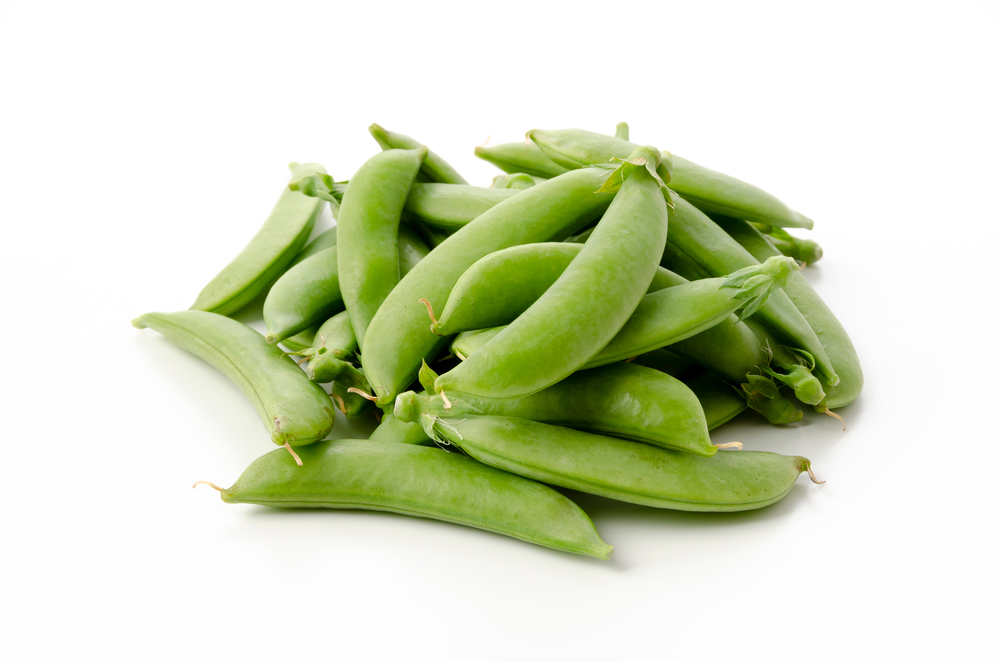
Sugar snap peas are at their best in spring because the pods stay crisp and sweet instead of getting tough. Look for bright green pods that feel firm and make a clean snap when you bend one. They are easy to eat raw, so they are great for lunchboxes, snack plates, and quick salads. If you get peas with the strings still on, a fast pull along the seam makes them much nicer to chew.
A simple way to serve them is to toss them with olive oil, lemon, and a pinch of salt, then eat them cold. For a warmer option, you can blister them in a hot pan for a minute or two, which keeps the crunch but adds a toasty edge. They also pair well with mint, feta, or shaved Parmesan when you want something a little more filling. If you have leftovers, they stay crisp in the fridge and still taste good the next day.
Asparagus
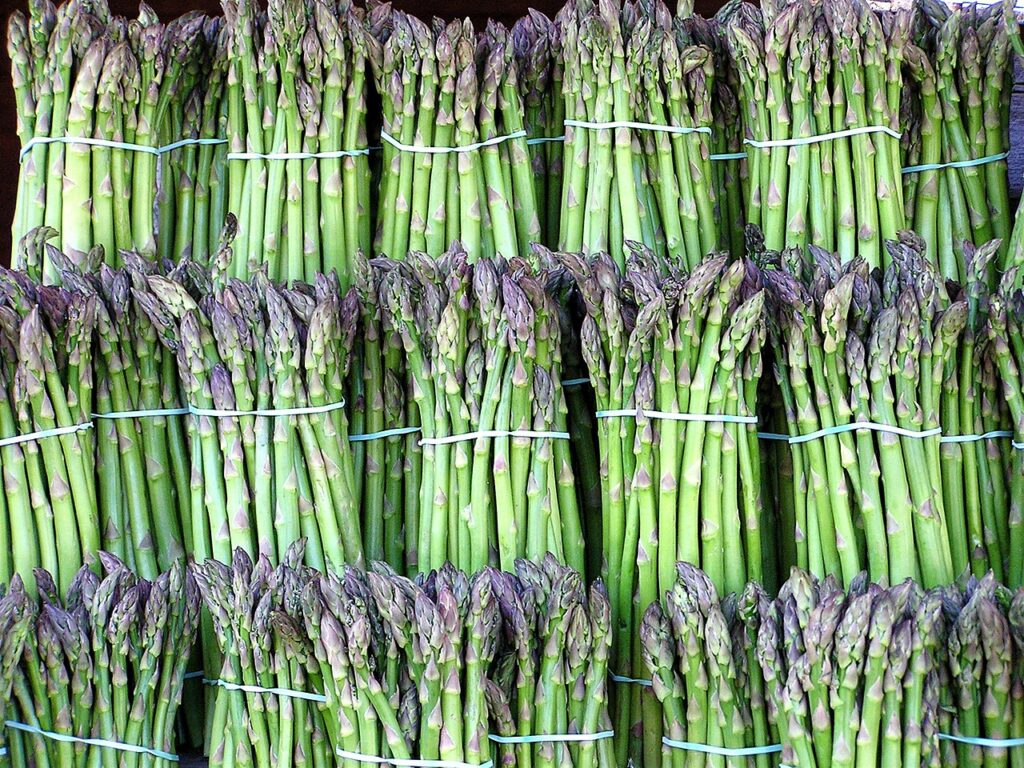
Asparagus is one of those spring vegetables that tastes clean and grassy when it is fresh, not woody or dull. Thinner stalks cook fast and tend to be more tender, while thicker ones can be great if you peel the lower part. Look for tight tips and stalks that feel firm, not limp. The cut ends should look moist rather than dried out and cracked.
Roasting brings out a nutty flavor, especially if you add olive oil and salt and cook until the tips crisp. Grilling is another easy option, and it gives you a little char that goes well with lemon or a sprinkle of cheese. If you want something quick, you can steam it for a few minutes and serve it with butter or a simple vinaigrette. Asparagus also tastes great chopped into eggs, like a soft scramble or an easy frittata.
Radishes
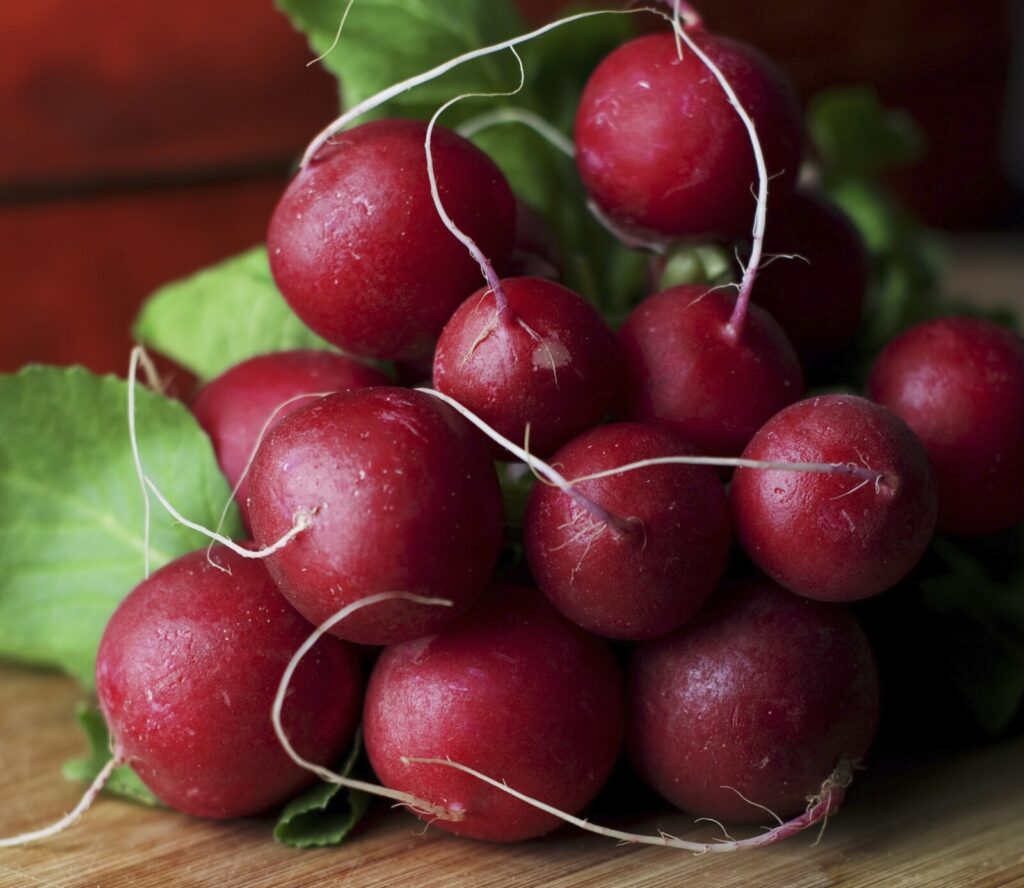
Radishes shine in spring because they are crisp, peppery, and extra juicy when the weather stays cool. Choose radishes that feel heavy for their size with smooth skin and bright color. If the greens are attached, they should look perky rather than wilted, which is a good clue they were picked recently. They are one of the easiest vegetables to use because they need almost no cooking.
Sliced thin, radishes add crunch to tacos, salads, and sandwiches without taking over the whole dish. You can also eat them the classic way with butter and salt, which softens the bite and makes them taste richer. Roasting radishes is surprisingly good because the heat turns them mellow and slightly sweet. If you have the greens, they can be sautéed like spinach for a quick side.
Spring Onions
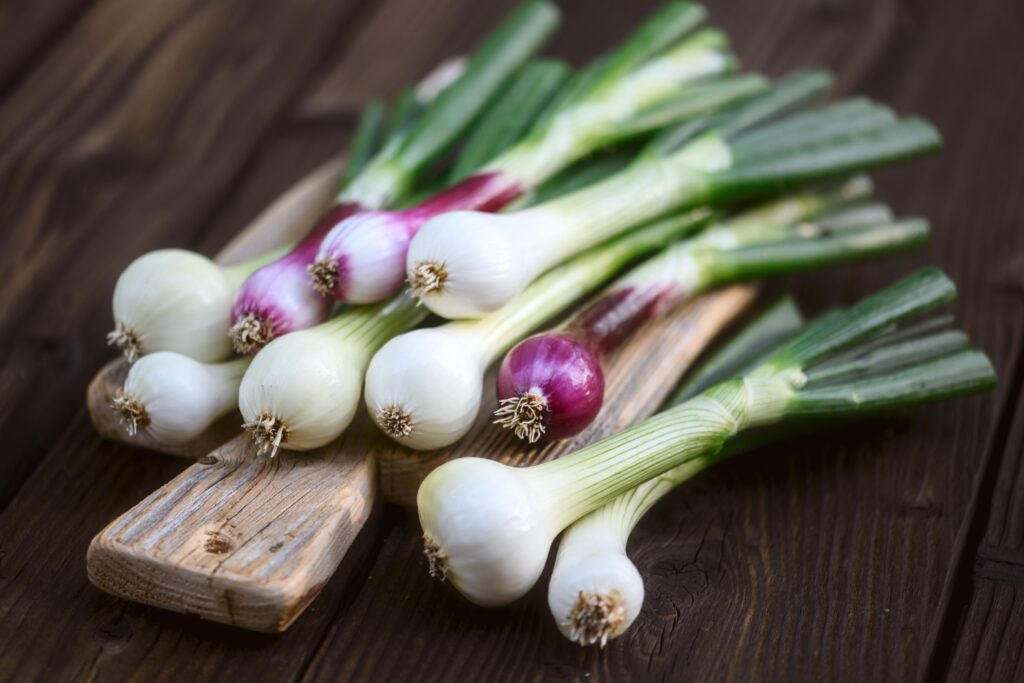
Spring onions are mild and fresh, with a gentle onion taste that fits spring cooking really well. You get both the white base and the green tops, and each part works in a different way. Look for bunches that feel firm with clean, bright greens and no slimy spots. They are great when you want onion flavor without the sharpness of a storage onion.
You can slice the greens into eggs, rice bowls, or noodle dishes for an easy finish. The white parts taste great grilled or sautéed because they get soft and a little sweet. Spring onions also work well in quick pickles, especially with vinegar, salt, and a bit of sugar. If you make a salad dressing, chopped spring onion can give it a fresh bite without making it feel heavy.
Leeks
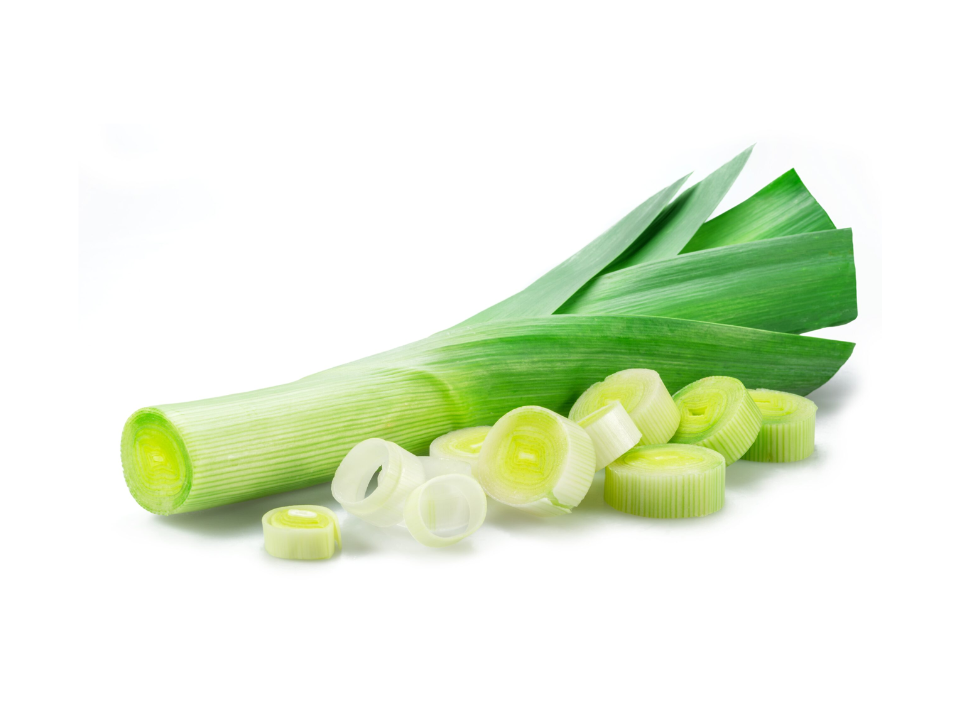
Leeks have a softer, sweeter flavor than many onions, and spring leeks can be especially tender. Choose leeks that are firm with lots of pale white and light green, and avoid ones that look dried out. They often hold dirt between layers, so a careful rinse after slicing makes a big difference. Once cleaned, they cook down into silky strands that taste gentle and savory.
Leeks are great sautéed in butter or olive oil until they melt, then used as a base for soup or pasta. They also pair well with potatoes, mushrooms, and chicken because their flavor stays calm and rounded. If you roast them, the edges caramelize and the centers turn soft like a vegetable side dish that feels special without being fussy. Leftover cooked leeks can go into eggs, grain bowls, or even a quick grilled cheese.
Green Garlic
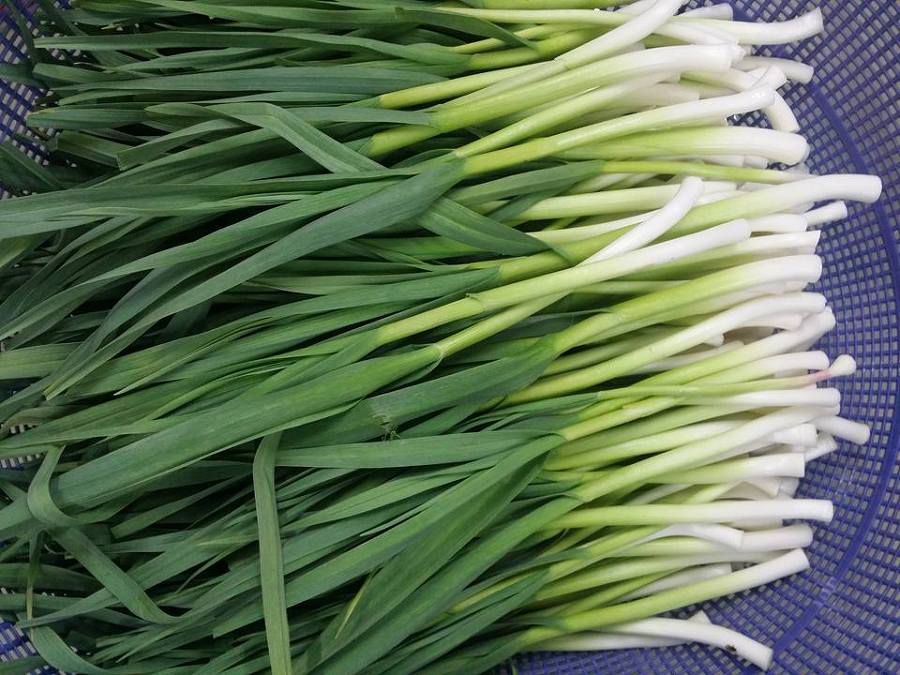
Green garlic is young garlic that has not formed a full head yet, so it tastes bright and mild. It looks a bit like a skinny leek, and the whole plant is usually usable after trimming the roots. The flavor is garlicky, but it will not hit you as sharply as cured garlic cloves. Spring is when it is easiest to find, and it can make simple food taste more lively.
You can chop green garlic and sauté it in oil as a quick base for soup, pasta, or stir fry. It is also great blended into sauces, like a green garlic pesto with herbs and nuts. If you like roasted vegetables, green garlic adds a nice savory note when tossed on the pan with carrots or potatoes. Any extra can be sliced and frozen, so you can pull out a handful later.
Artichokes
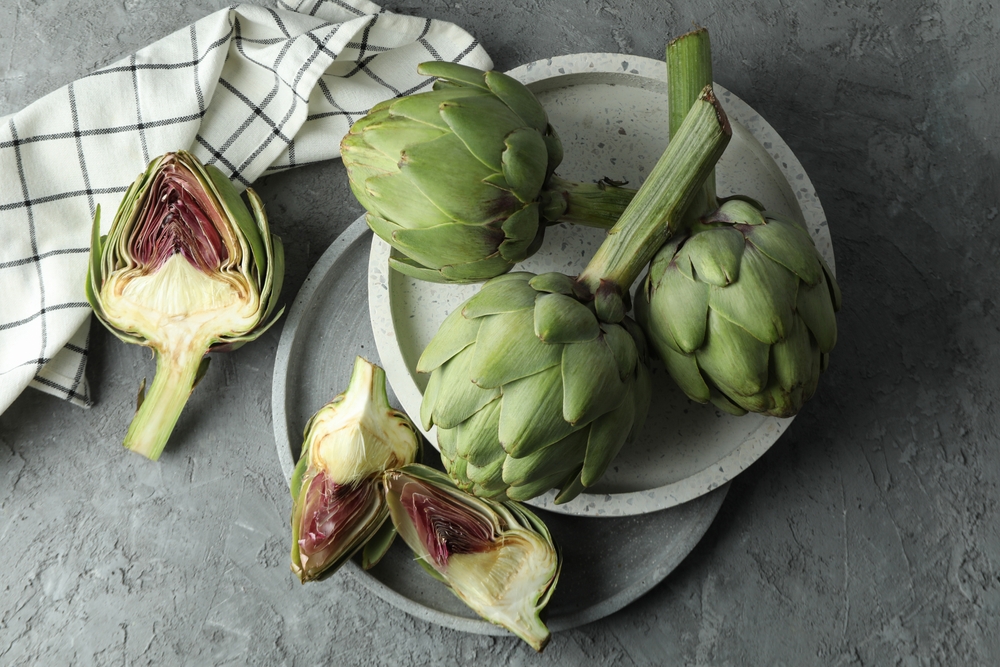
Artichokes feel like a spring project in the best way because they are hands on and slow enough to enjoy. Pick artichokes that feel heavy with tight leaves, and avoid ones that are dried out or overly open. The leaves should squeak a little when you squeeze them, which can be a good sign of freshness. They take some prep, but the flavor is worth it when they are in season.
Steaming is a classic approach, and it keeps the leaves tender while the heart stays rich and buttery. Dipping sauces make them fun, and you can keep it simple with lemon and mayo or a garlicky yogurt dip. If you cook the hearts, they are great in pasta, salads, or on pizza. The leftovers also hold up well, especially if you toss the pieces in olive oil and lemon before chilling.
Fava Beans
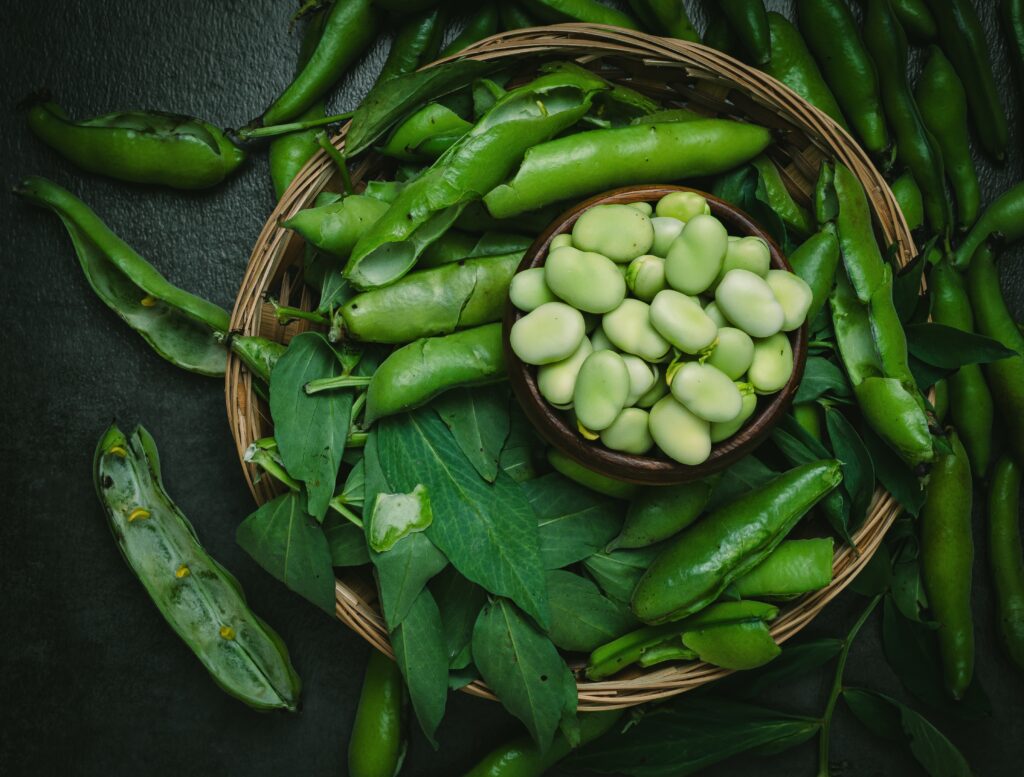
Fava beans are a spring favorite because they taste fresh and slightly nutty, almost like a cross between peas and beans. Fresh favas come in big pods, and you usually have to shell them, then peel the thin outer skin from the beans. It is a bit of work, but the texture you get is smooth and creamy. When they are young, their flavor stays sweet and clean.
Once peeled, favas cook fast, and a quick boil or sauté is usually enough. They taste great with lemon, olive oil, and herbs like mint or parsley. You can mash them into a spread for toast, or toss them into salads with cheese and crunchy greens. If you find them at the market, it is worth grabbing them at least once in spring for something different.
Spinach
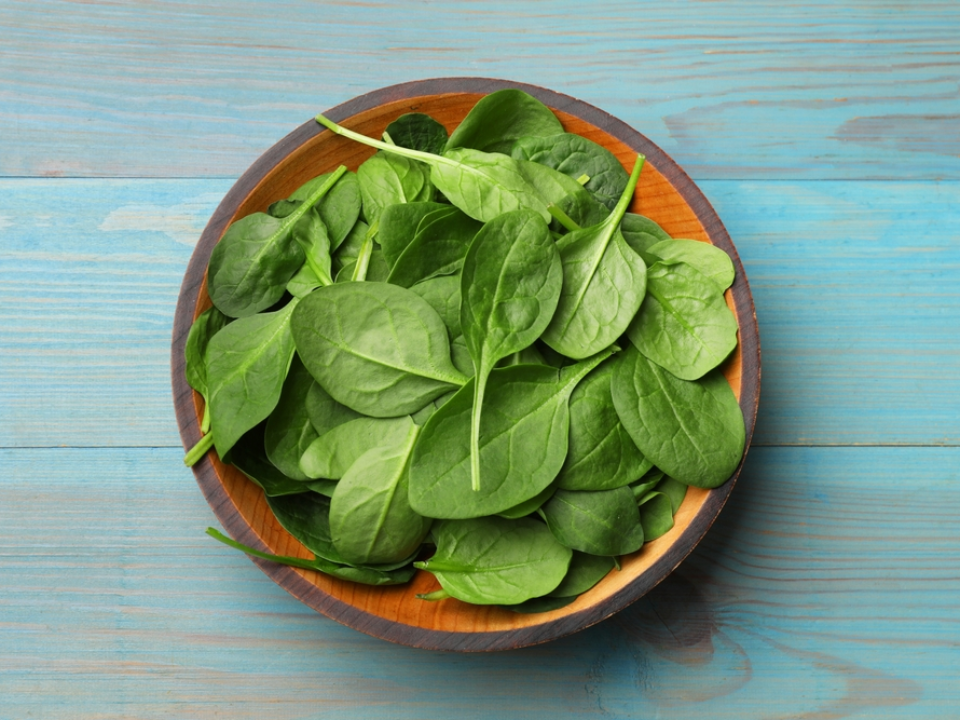
Spinach grows well in cool weather, so spring spinach tends to be tender and less bitter than hot season leaves. Look for leaves that are crisp and deep green without slimy patches. Baby spinach is great for salads, while bigger leaves are better cooked because they hold their shape a bit more. Since spinach shrinks a lot, a big pile in the pan is normal and not a mistake.
For a fast side, you can wilt spinach in a hot skillet with olive oil and a little salt. It also works well stirred into soups, pasta, or rice right at the end because it cooks in minutes. If you want it raw, spinach is great with strawberries, nuts, and a tangy dressing. Leftover cooked spinach can be mixed into eggs, creamy sauces, or even a simple sandwich.
Arugula
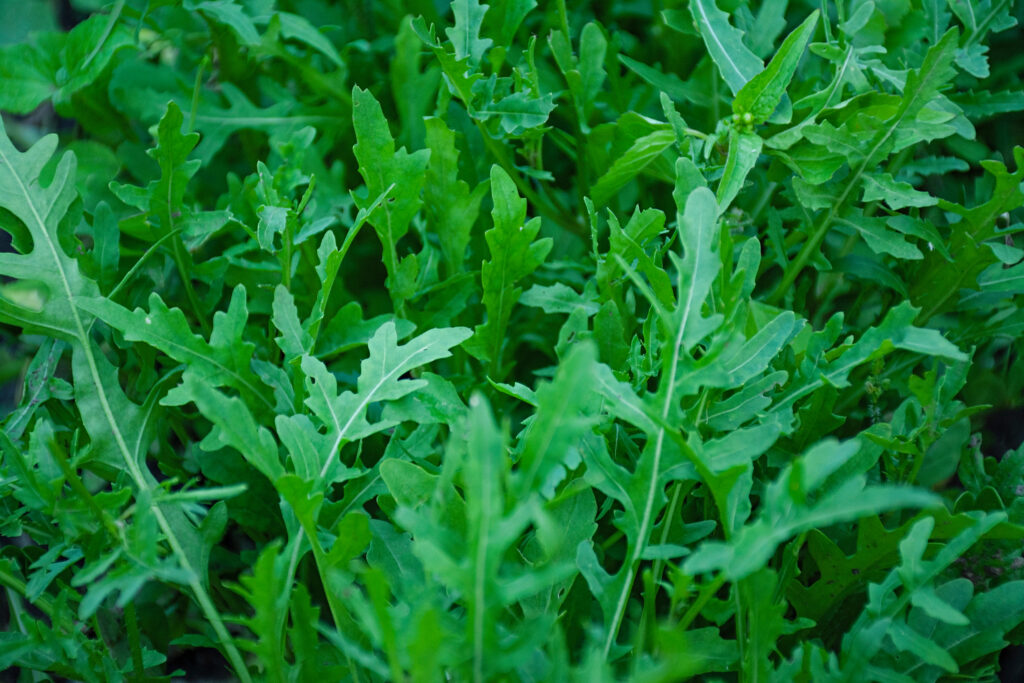
Arugula tastes peppery and fresh, and in spring it usually feels less harsh than in the heat of summer. The leaves should look perky and dry, not limp or wet in the bag. Baby arugula is mild and easy, while larger leaves have more bite and can stand up to stronger flavors. It is a quick way to add a little edge to meals that might feel plain.
Arugula works well in salads with lemon, olive oil, and shaved cheese, especially when you want something fast. It is also great on sandwiches, pizza, or pasta because the heat gently wilts it without turning it soggy. You can blend it into pesto for a peppery sauce that tastes different from basil. If you have extra, toss a handful into a bowl of soup right before eating for a fresh finish.
Baby Turnips
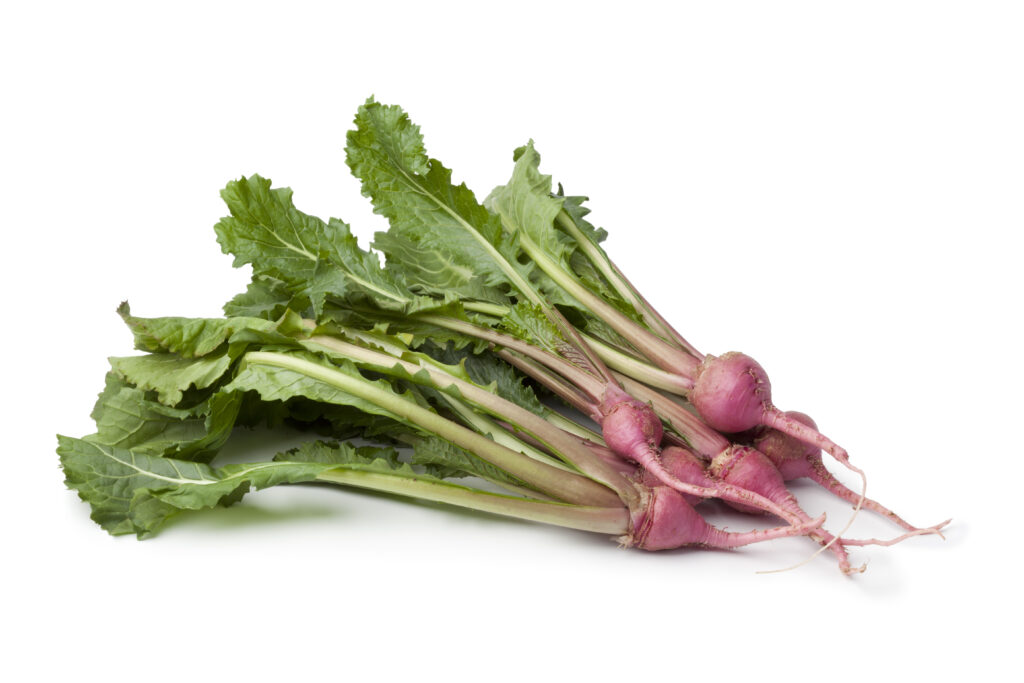
Baby turnips are mild and sweet in spring, and they do not have the strong bite that older turnips can have. Look for small, smooth turnips that feel firm, and if the greens are attached they should look fresh. The flesh is crisp, almost like an apple, when eaten raw. When cooked, they turn soft and lightly sweet, which makes them easy to like.
You can roast baby turnips with olive oil and salt until the edges brown and the centers turn tender. They also taste good sautéed with butter because the flavor stays gentle and a little creamy. If you slice them thin, they work in salads or quick pickles for crunch. The greens are worth keeping too, since they cook like a mild bitter green in a fast sauté.
Carrots
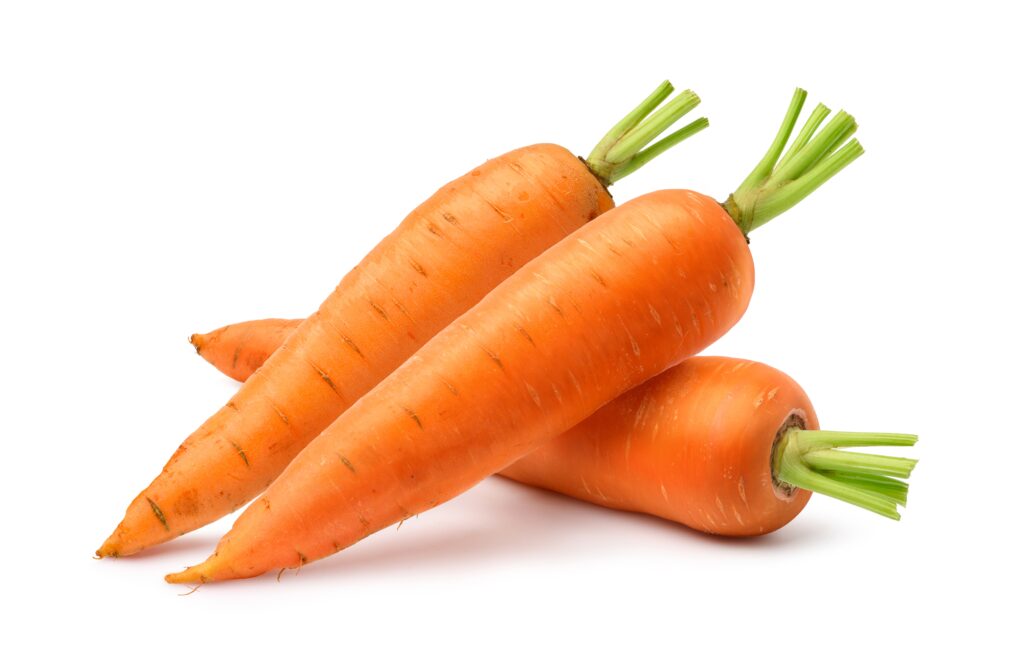
Spring carrots are often sweeter and more tender because they grow in cooler soil and do not get woody as easily. Smaller carrots or bunch carrots with tops tend to have great flavor and a snappy texture. Look for carrots that feel firm with bright color and no rubbery bend. If the tops are attached, greens that still look lively usually mean the carrots are fresh.
Raw spring carrots are great for snacks, salads, and quick slaws because they taste sweet without needing much dressing. Roasting carrots brings out even more sweetness, especially with olive oil and a pinch of salt. They also cook well in a simple glaze with butter and a little honey if you want a side dish that feels special. If you have extra, shredded carrots hold up well in the fridge and are easy to add to meals all week.
Broccoli Rabe
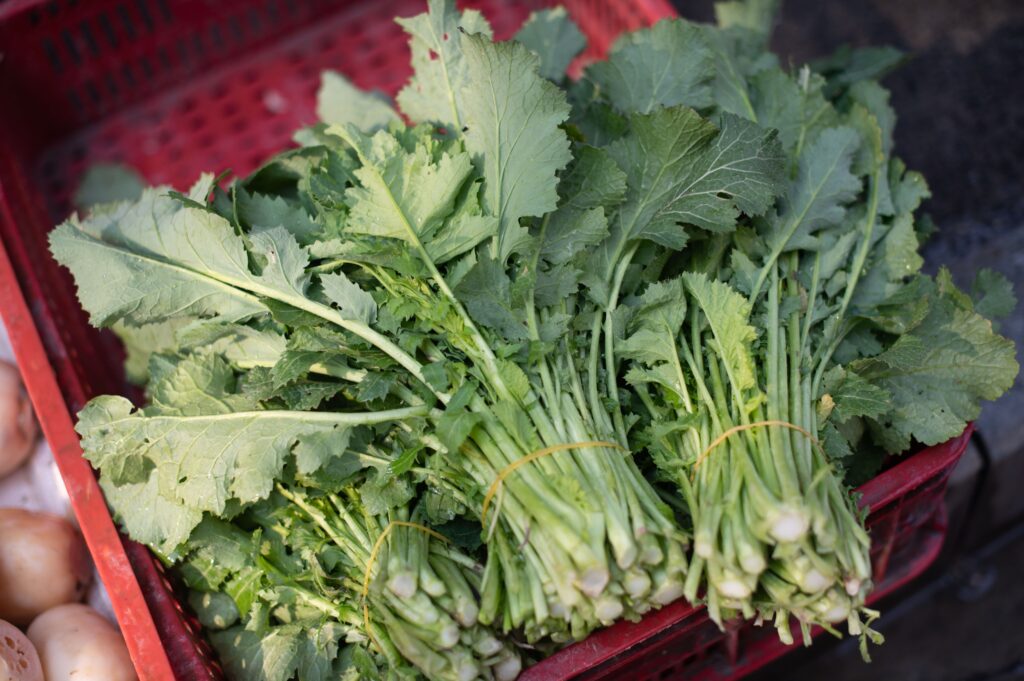
Broccoli rabe, sometimes called rapini, has a bold, slightly bitter flavor that is really nice in cool spring weather. Look for bunches with firm stems and tight buds, and avoid ones with lots of yellow flowers. The leaves and stems are both edible, so you get a mix of textures in one bunch. It is a good vegetable for anyone who likes greens with a little bite.
A quick blanch can soften the bitterness, and then you can sauté it with olive oil, salt, and red pepper flakes. It pairs especially well with pasta, sausage, beans, and lemon because those flavors balance the sharp edge. If you roast it, the leaves get crisp and the stems stay tender, which is a fun contrast. Leftovers are great tucked into a sandwich or served with eggs for an easy meal.
Napa Cabbage
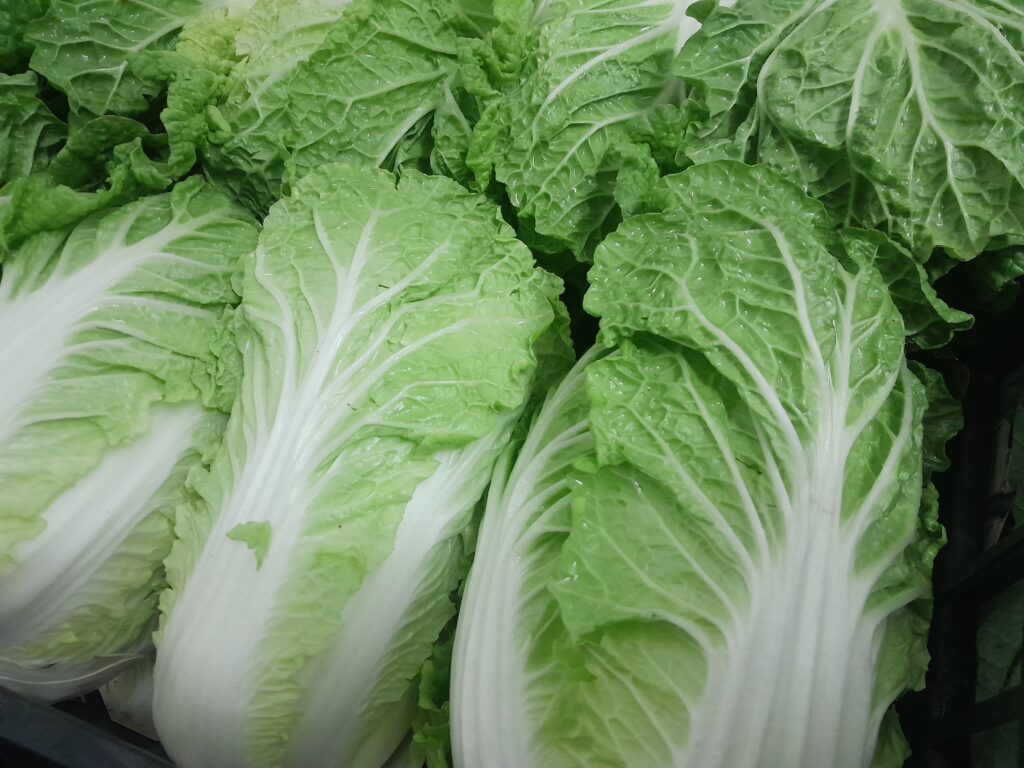
Napa cabbage is crisp, light, and slightly sweet, and it tends to taste especially good in cool spring weather. The leaves are tender compared to many cabbages, so it feels less heavy in salads and quick cooked dishes. Choose a head that feels dense with pale green leaves and no brown spots. It holds up well in the fridge, which makes it handy for weeknight meals.
Thinly sliced napa cabbage is great in slaws because it stays crunchy and soaks up dressing without getting limp too fast. It also cooks quickly in stir fries, soups, or simple skillet meals, where it turns silky but still keeps a little bite. If you like quick pickles, napa cabbage takes on vinegar and salt fast and stays crisp. It is also a good base for dumpling fillings or noodle bowls when you want extra vegetables without a strong flavor.
This article originally appeared on Avocadu.