
15 Cool Season Vegetables That Can Handle Late Winter Nights
The cold does not have to put an end to your vegetable garden. Some vegetables are built to withstand late winter nights, offering both flavor and nutrition. These plants can handle frost and freezing temperatures with ease, making them perfect for winter gardening. If you are looking for ways to keep your garden growing during the colder months, this list will guide you.
This post may contain affiliate links, which helps keep this content free. Please read our disclosure for more info.
Kale
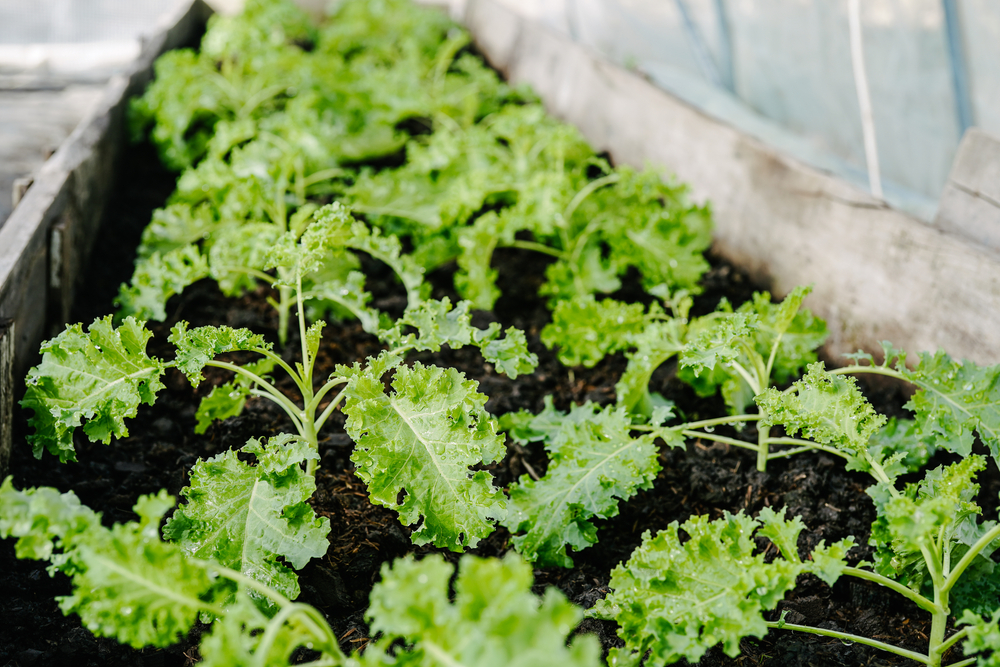
Kale is one of the hardiest cool-season vegetables, able to survive through frosty nights and even snow. It thrives in the cooler months, growing well in temperatures as low as 20°F. The cold weather actually enhances the flavor, making the leaves sweeter after a frost. Kale is rich in vitamins and antioxidants, making it a healthy addition to any winter garden.
This vegetable grows quickly and can be harvested multiple times throughout the season. It is versatile in the kitchen, perfect for salads, soups, and smoothies. For the best results, choose varieties like Winterbor or Siberian Kale, which are known for their cold tolerance. Kale can continue producing until spring, making it a reliable and nutritious vegetable throughout the winter months.
Spinach
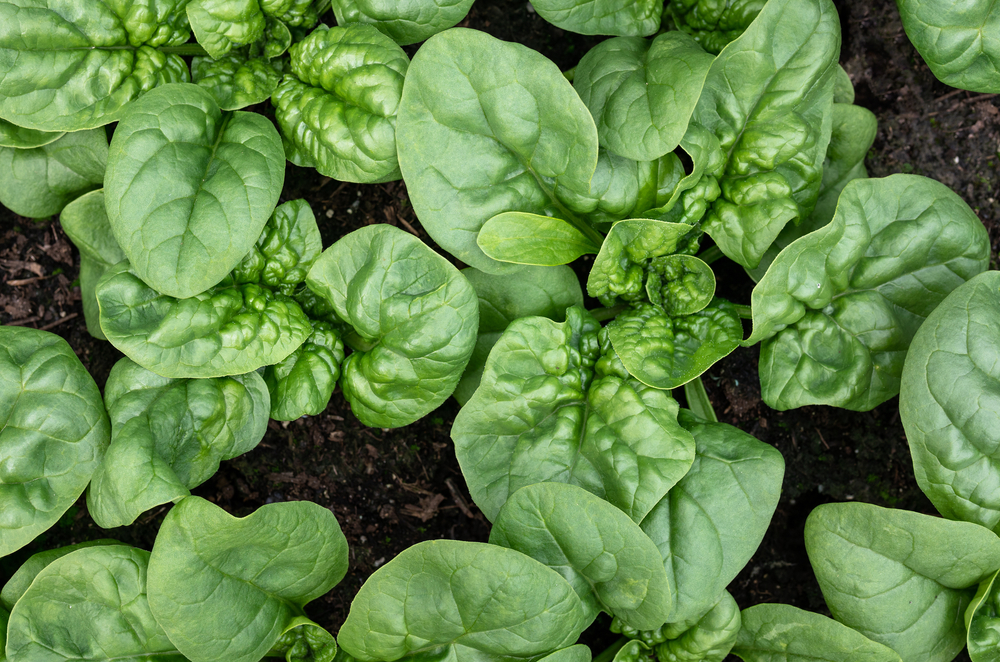
Spinach is another cool-season vegetable that can handle late winter nights with ease. It grows best in the cooler weather of early spring and late fall, but it can survive frosty conditions as well. The leaves are tender and rich in vitamins A and C, offering a healthy addition to any winter diet. Spinach tends to bolt when the weather gets too warm, but it thrives in the cold, making it perfect for late winter gardening.
Spinach is easy to grow and can be harvested in as little as four to six weeks. It grows quickly and can be used fresh or cooked in a variety of dishes. When planting spinach for the winter, choose varieties like Winter Bloomsdale or Tyee, known for their cold tolerance. This vegetable is also very versatile, from adding it to salads to mixing it in soups and stews.
Carrots
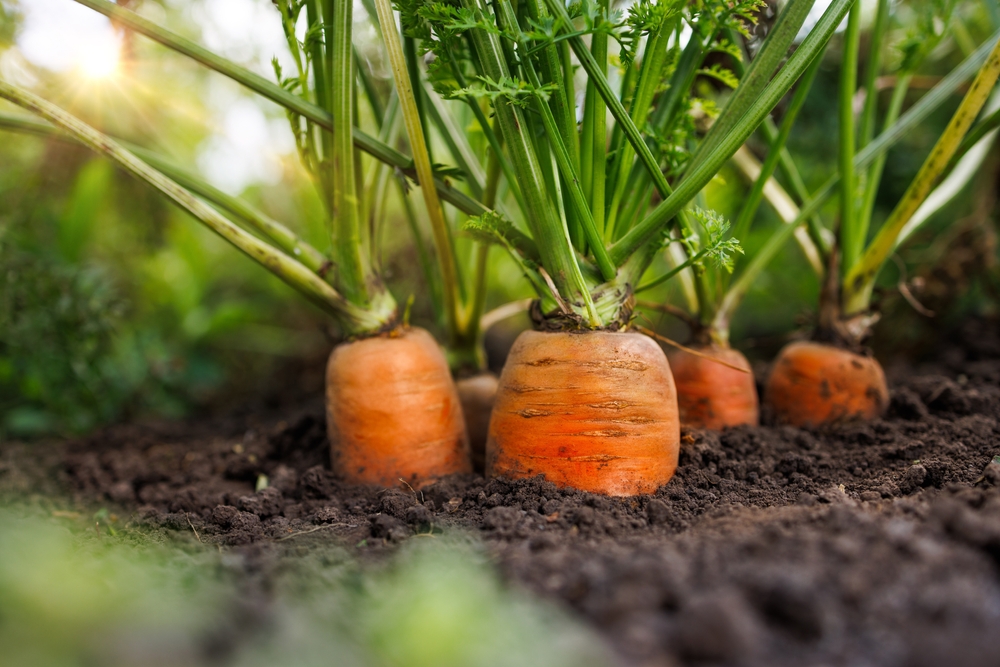
Carrots are another root vegetable that performs well in cooler temperatures. While they take a bit longer to grow, they can handle frost and can even grow sweeter after being exposed to cold. Carrots thrive in soil that remains cool, and they will continue to develop until they reach maturity in late winter or early spring. They grow best when planted in the fall, giving them plenty of time to develop through the colder months.
For optimal flavor and texture, wait until the temperatures dip to harvest your carrots. Varieties like Nantes and Chantenay are perfect for late winter harvesting, as they can handle the cold without compromising quality. The sweet, crisp texture of carrots after a light frost is a gardening favorite. Carrots can be stored for months, making them an excellent choice for winter storage in cool conditions.
Brussels Sprouts
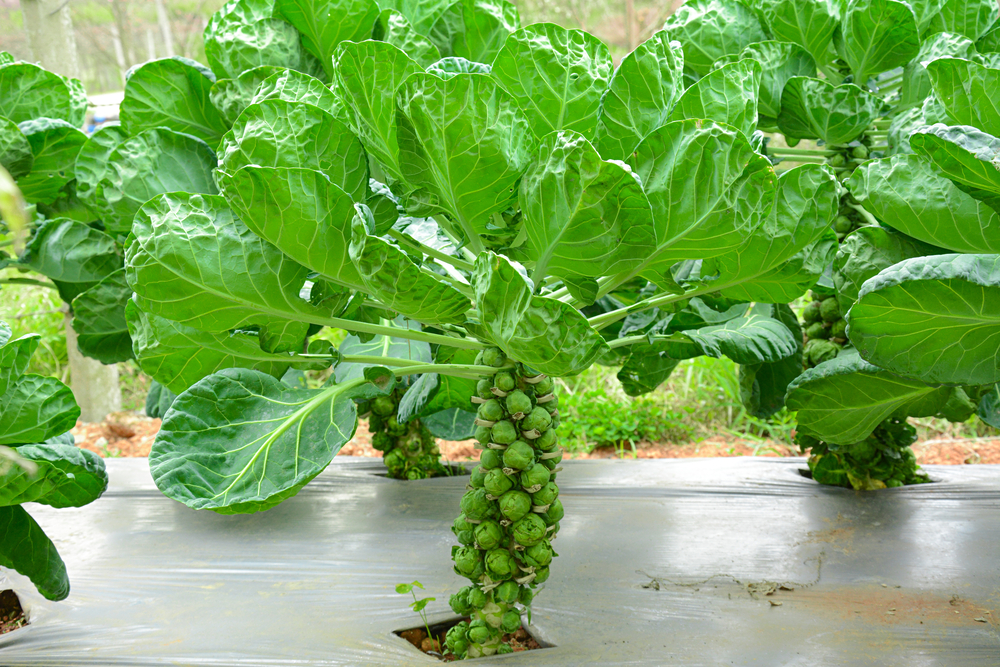
Brussels sprouts are among the best vegetables for late winter gardening, as they thrive in cold weather. These plants actually benefit from the frost, with the cold weather helping to improve the flavor and texture of the sprouts. When properly cared for, Brussels sprouts can be harvested well into the winter months, even after several frosts. This makes them ideal for extending your vegetable harvest well past the fall.
Brussels sprouts require space to grow and develop, so make sure to plant them in well-drained soil with plenty of sunlight. The plants should be spaced about 18 to 24 inches apart to give them room to mature. Varieties such as Long Island Improved or Catskill are cold-hardy and perfect for late winter harvesting. After a frost, these tiny cabbages are sweeter and have a firmer texture, making them a favorite for roasting or sautéing.
Cabbage
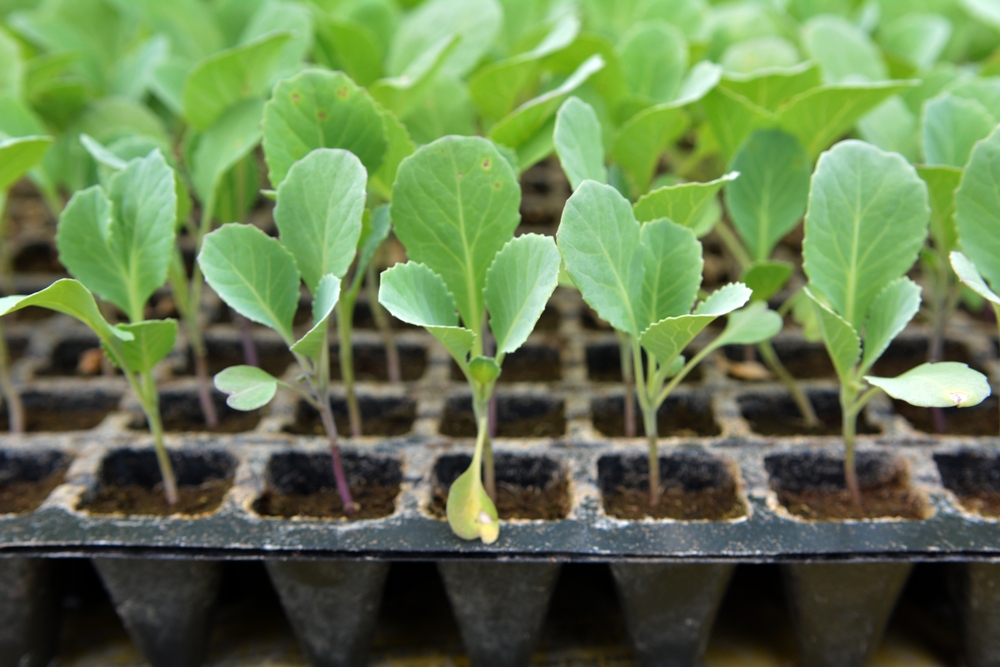
Cabbage is a cold-hardy vegetable that can survive late winter nights with ease. It grows slowly in cooler temperatures, and its dense leaves help protect the plant from frost. Cabbage is rich in fiber and vitamin C, making it an excellent addition to any diet. The cold weather enhances the flavor, often giving it a mild sweetness that you will not find during warmer months.
Cabbage grows best when planted in well-drained, fertile soil. Varieties such as Winter Density or Savoy cabbage are particularly well-suited for late winter harvests. These cabbages are known for their ability to withstand frost and continue to grow throughout the cold months. Once harvested, cabbage can be used in salads, soups, or fermented into sauerkraut for long-term storage.
Leeks
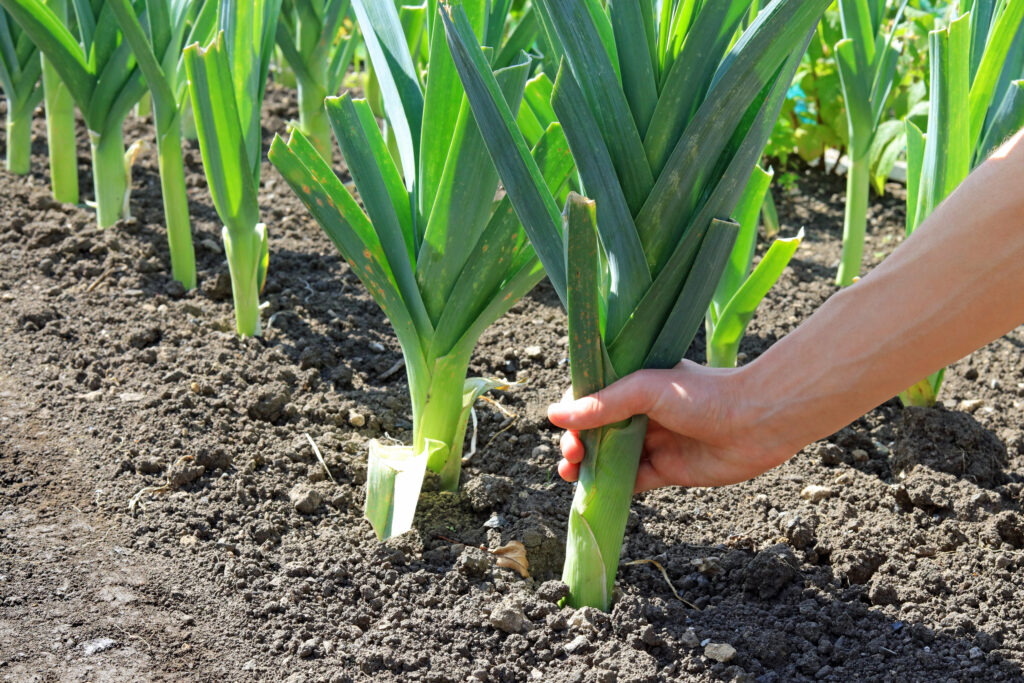
Leeks are another vegetable that can handle the late winter chill without skipping a beat. They are known for their mild onion flavor, and they can grow slowly but steadily through the cold season. Leeks tolerate frost well, and the cold conditions help them develop a sweeter flavor. Planting leeks in the fall allows them to mature slowly through winter, giving gardeners a tasty vegetable well into the colder months.
Leeks should be spaced adequately to allow for healthy growth, as they require room to expand. They thrive in well-drained, fertile soil with consistent moisture. Varieties like American Flag or Winter Regent are perfect for harvesting during late winter. Leeks are often used in soups, stews, and savory pies, making them a staple in many winter recipes.
Swiss Chard
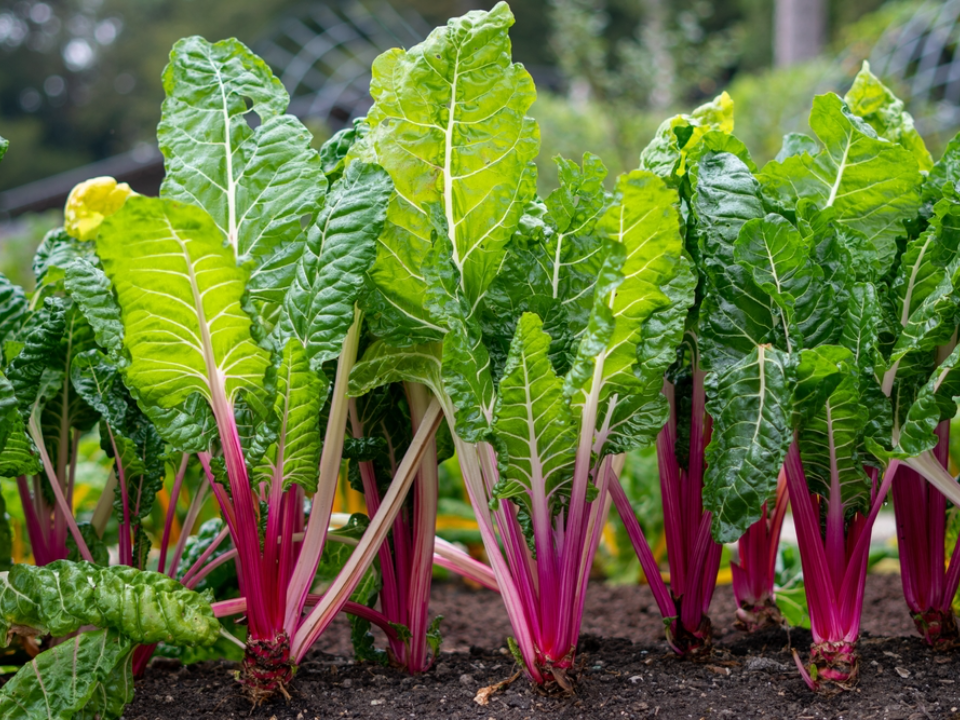
Swiss chard is a leafy green vegetable that is known for its ability to thrive in cool temperatures. It can survive frost and will continue to produce leaves well into the winter months. The vibrant, colorful stalks and dark green leaves make Swiss chard a striking addition to any winter garden. This vegetable is also packed with vitamins A, C, and K, making it a healthy choice for the colder months.
Swiss chard is a versatile vegetable that can be eaten both raw and cooked. It grows quickly and can be harvested throughout the winter for continual use. Varieties like Fordhook Giant or Bright Lights are excellent for late-season growth. Swiss chard tolerates a wide range of temperatures and can even withstand light snow, making it an ideal vegetable for late winter harvests.
Radishes
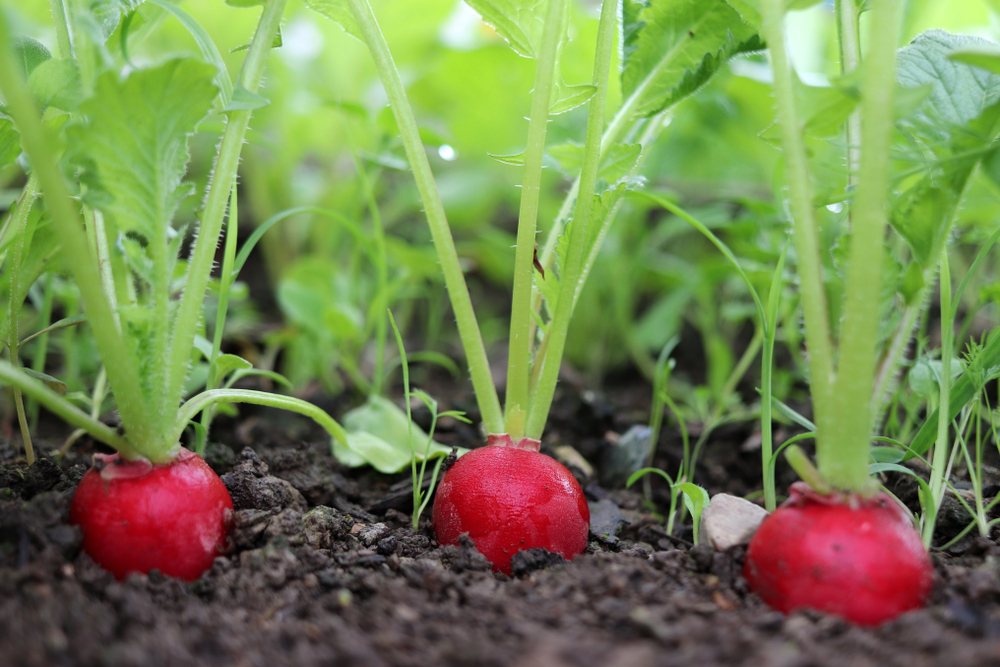
Radishes are fast-growing and can be harvested quickly, even during the cooler months. These vegetables thrive in the colder temperatures of late winter and early spring, often developing a mild, crisp flavor after a frost. Radishes grow well in well-drained soil, and they can be harvested in as little as four weeks, making them perfect for quick winter crops. The cool weather helps prevent them from becoming too spicy, making them a crisp and refreshing addition to any winter meal.
Radishes come in a variety of colors and shapes, from traditional red to white and purple varieties. For the best results, choose winter-hardy varieties like Daikon or Watermelon radishes, which can survive frost and cold temperatures. Radishes can be eaten raw in salads or roasted for a savory side dish. They are easy to grow and are a great way to add variety to your winter garden.
Mustard Greens
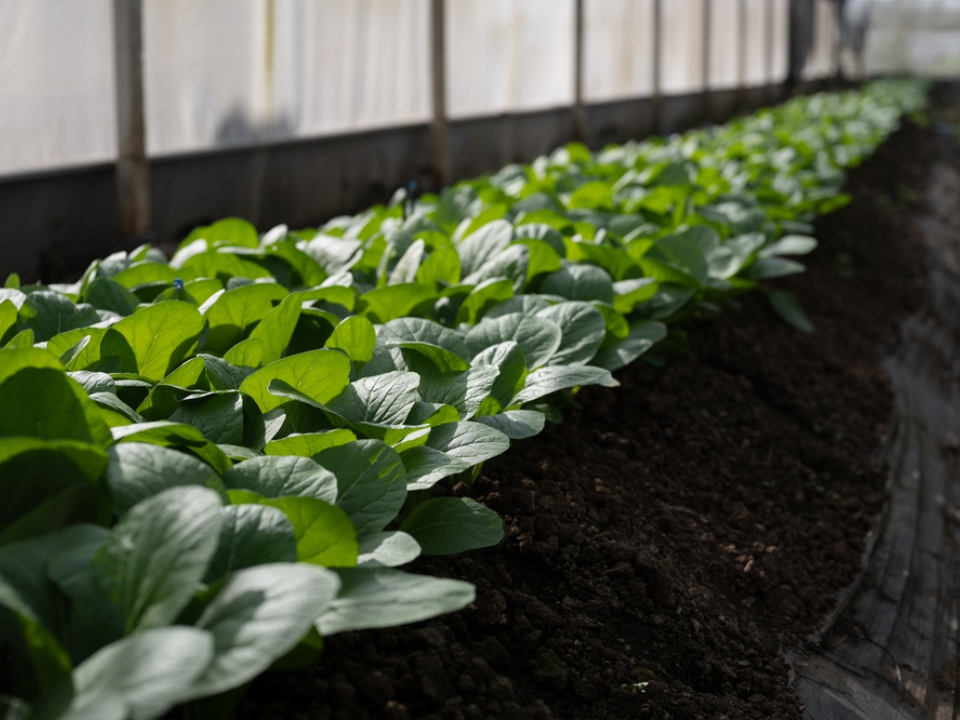
Mustard greens are a cool-season vegetable that thrives in the colder months, making them perfect for late winter gardening. These leafy greens are known for their spicy, peppery flavor, which is enhanced by cold weather. Mustard greens can withstand light frost and continue to grow strong, producing nutritious leaves throughout the winter. They are rich in vitamins A, C, and K, making them a healthy choice for the colder months.
Plant mustard greens in well-drained soil and space them properly to allow for healthy growth. Varieties like Southern Giant Curled or Green Wave are ideal for colder temperatures. The flavor of mustard greens becomes milder after exposure to frost, making them perfect for use in salads, soups, and stir-fries. Harvest them regularly to encourage new growth, and you will have fresh greens throughout the late winter season.
Broccoli
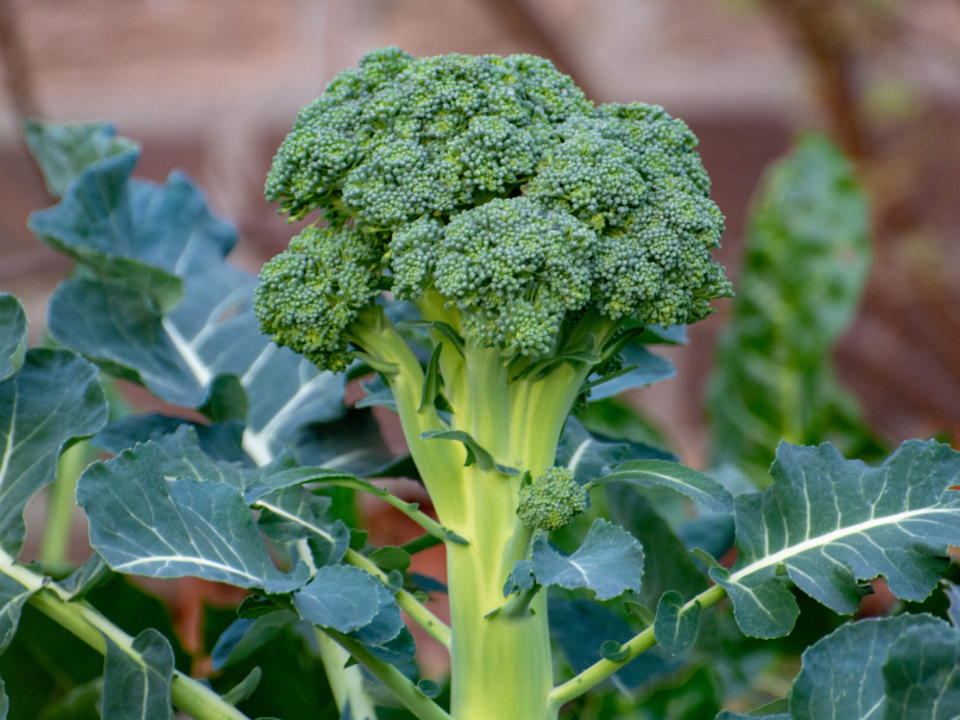
Broccoli is a cold-tolerant vegetable that thrives in cool weather and can handle late winter nights. It is best planted in the fall, allowing it to develop through the colder months. Broccoli’s flavor improves after a frost, becoming sweeter and more flavorful. With its rich vitamin content, it is a nutritious addition to any winter garden.
Broccoli requires full sun and well-drained soil to grow successfully. Varieties like Winterbor and Calabrese are known for their cold tolerance and ability to produce quality heads even during the winter. When the weather turns cold, broccoli will continue to develop, and its heads can be harvested as needed. Broccoli can be steamed, roasted, or eaten raw, adding versatility to winter meals.
Turnips
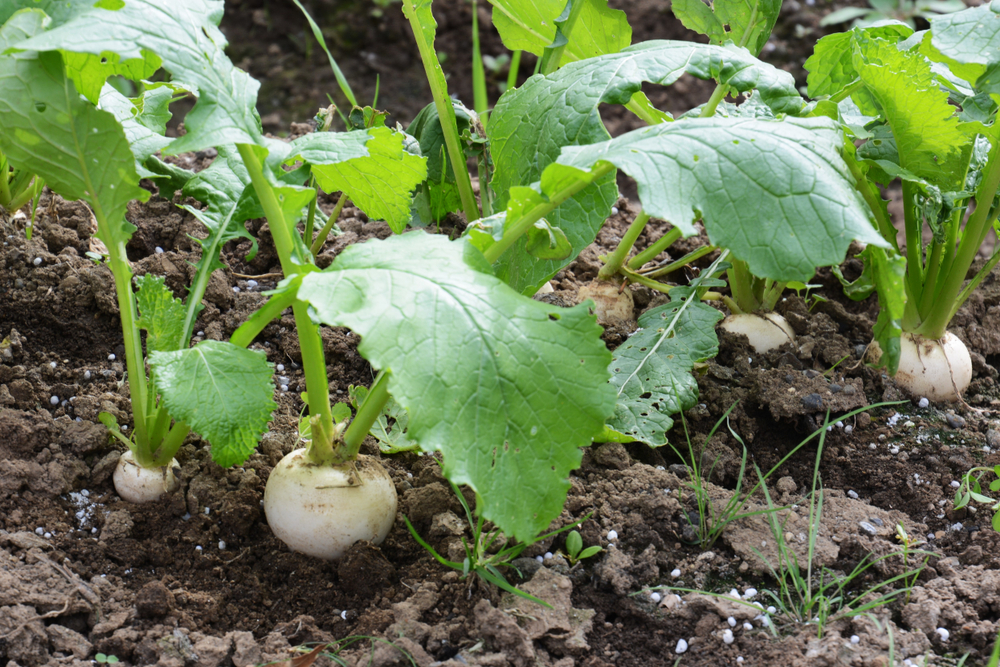
Turnips are another root vegetable that thrives in the cold, making them perfect for late winter gardening. They grow well in cooler temperatures, and frost actually improves their flavor, making them taste sweeter. Both the roots and the greens of turnips are edible, offering a versatile vegetable for various dishes. The hearty nature of turnips makes them an excellent choice for overwintering.
Plant turnips in well-drained, fertile soil and allow them plenty of space to grow. Varieties like Purple Top White Globe or Hakurei turnips are great for late winter harvests. The root vegetables can be roasted, mashed, or added to soups and stews, while the greens can be sautéed or used in salads. Turnips are a valuable vegetable to have in any late winter garden.
Parsnips
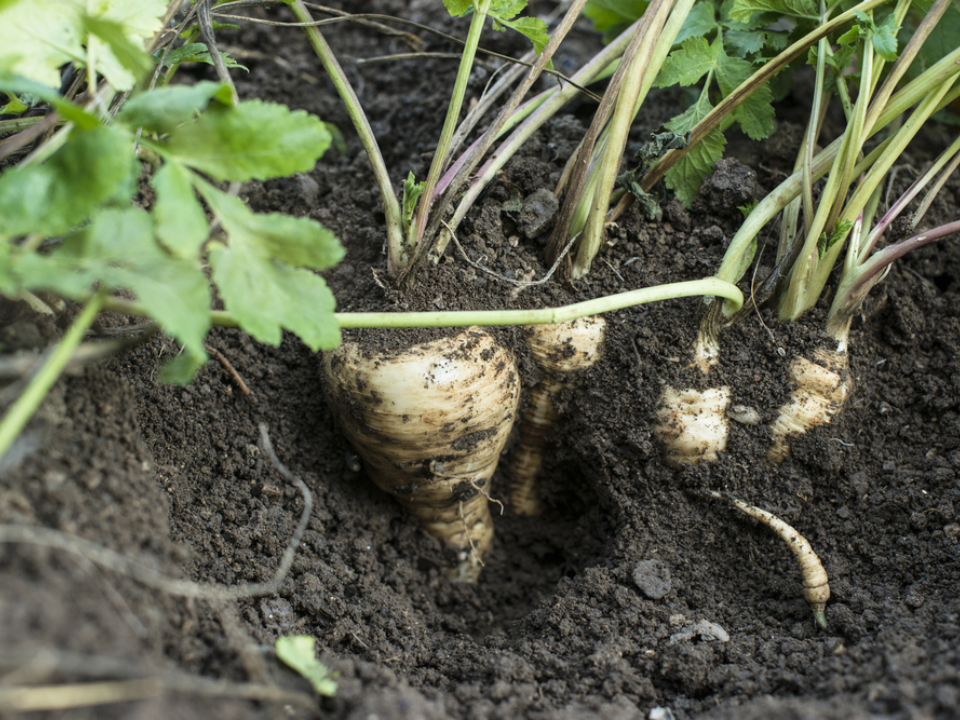
Parsnips are a hardy root vegetable that grows well in cool weather, making them perfect for late winter gardening. Like carrots, parsnips sweeten after a frost, offering a rich, nutty flavor. They are slow-growing, requiring several months to mature, but they can be harvested well into the winter months. Their ability to withstand cold makes them ideal for gardens in colder climates.
Parsnips prefer well-drained, fertile soil and ample space to grow. Varieties like Hollow Crown and All-American are known for their cold tolerance and excellent flavor. The roots are typically harvested in late winter, after they have been exposed to a few frosts. Parsnips are excellent for roasting, mashing, or adding to hearty winter soups.
Endive
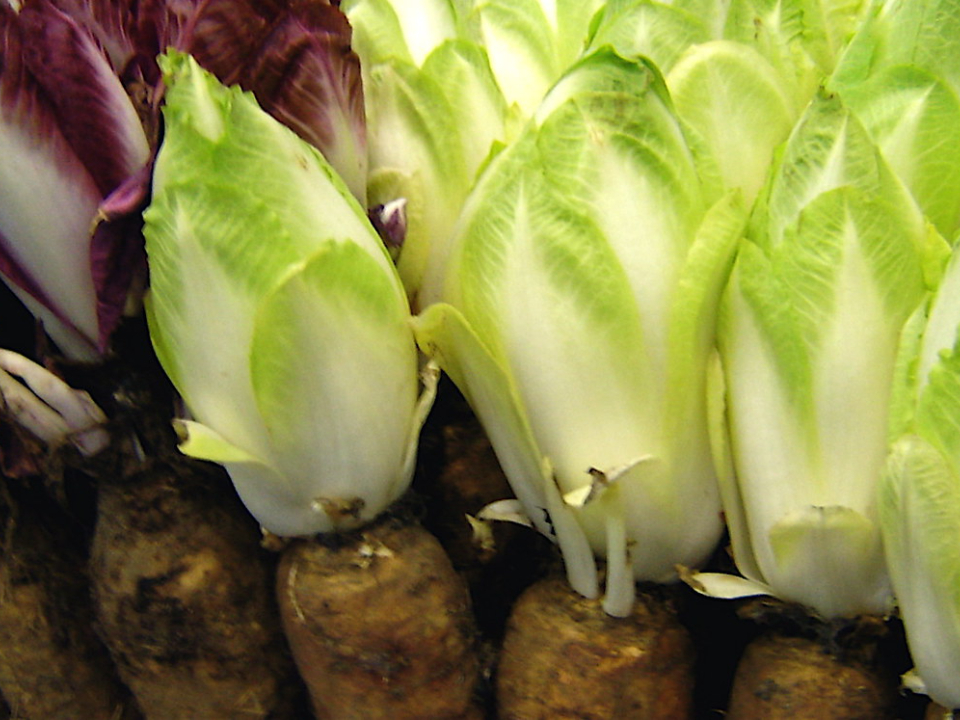
Endive is a cold-hardy leafy vegetable that thrives in the winter months. It grows best in cool temperatures, developing crisp, slightly bitter leaves that are perfect for salads. Endive can withstand frost and continues to produce leaves throughout the colder months. The bitterness of the leaves is mellowed by the cold, making it a popular choice for winter salads and dishes.
Endive requires well-drained soil and consistent moisture for optimal growth. Varieties like Belgian Endive and Curly Endive are particularly suited for late winter gardening. Endive is often used in salads, but it can also be grilled or sautéed for a unique twist. Its versatility and cold tolerance make it a valuable vegetable for the late winter garden.
Collard Greens
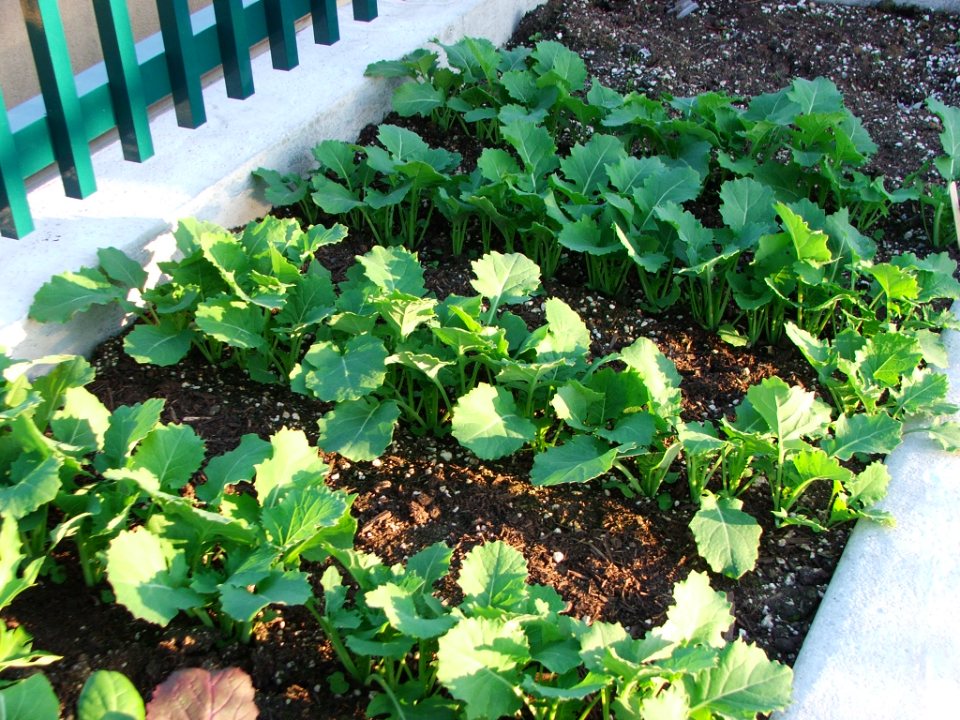
Collard greens are another hardy vegetable that thrives in cool weather. They can handle frost and continue to grow strong through late winter. Collards are rich in vitamins and nutrients, making them a healthy choice for winter meals. They have thick, dark leaves that become more tender after being exposed to the cold.
Plant collard greens in well-drained soil and space them properly to allow for healthy growth. Varieties like Georgia Southern or Vates are excellent for late winter harvesting. Collard greens can be used in soups, stews, or sautéed as a side dish. Their rich, hearty flavor makes them a favorite in many southern dishes, especially during the winter months.
Green Onions
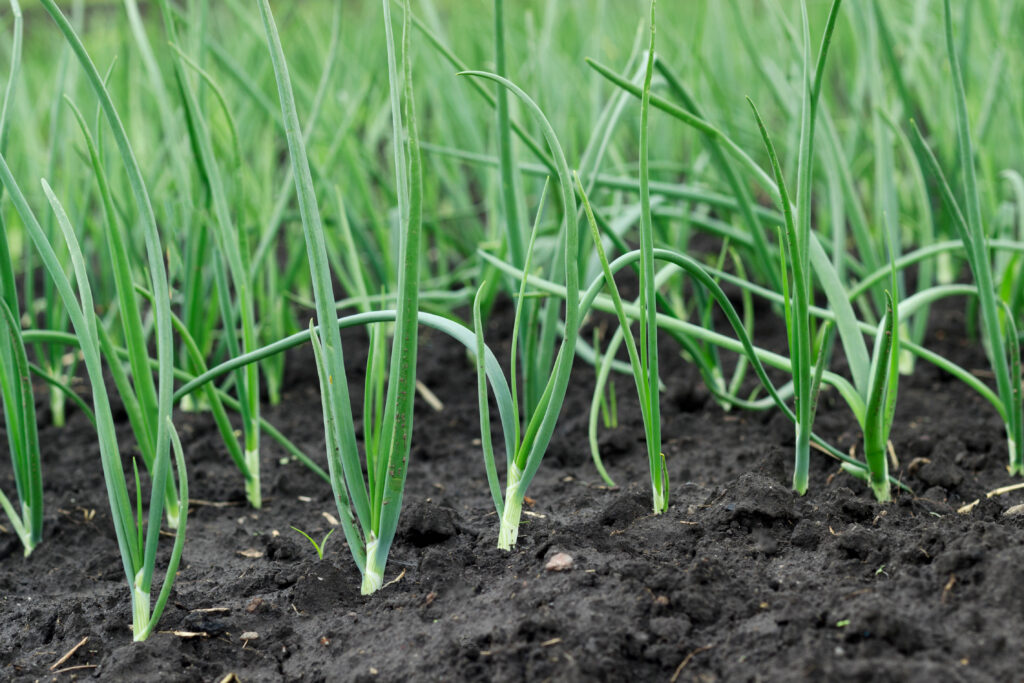
Green onions are a great vegetable for late winter gardening, as they thrive in cool weather. They are easy to grow and can tolerate frost, offering a fresh, mild onion flavor even in the cold. Green onions are versatile, often used in salads, soups, and as a garnish for various dishes. Their ability to grow quickly makes them an excellent choice for winter gardening.
Green onions prefer well-drained soil and can be grown in containers or garden beds. Varieties like Evergreen Hardy and White Lisbon are perfect for cold temperatures. These onions can be harvested as soon as they are large enough to use. Their fresh, mild flavor adds a crisp bite to winter meals, making them a staple in any garden.
This article originally appeared on Avocadu.