
15 Container Plants That Can Stay Outside Through Cold Spells
Winter can be tough on plants, but some container varieties are built to withstand the cold. With the right selection, your outdoor space can still look vibrant, even during colder spells. These hardy plants don’t mind a little frost, making them perfect for winter gardening.
This post may contain affiliate links, which helps keep this content free. Please read our disclosure for more info.
Ornamental Kale
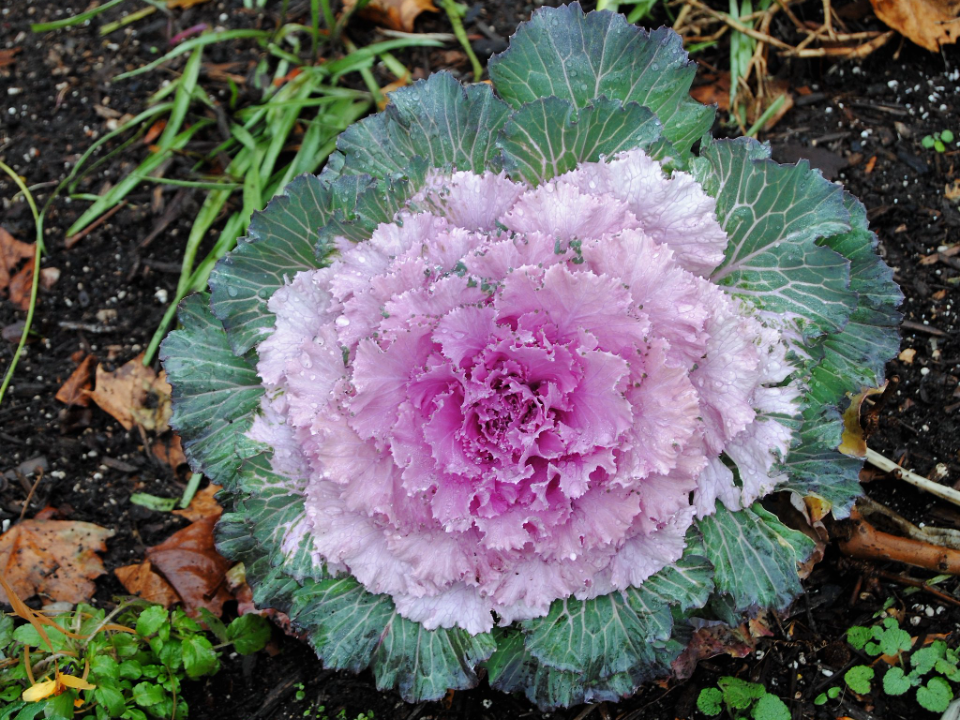
Ornamental kale is a striking addition to any cold-weather container garden. Known for its vibrant, ruffled leaves that come in purple, pink, or white, it thrives in cooler temperatures and can handle a light frost. This plant grows well in both full sun and partial shade, making it versatile for different garden setups. With its low maintenance and beautiful foliage, ornamental kale adds a pop of color to your winter landscape.
Though primarily grown for its decorative appeal, ornamental kale is also fairly resilient. It can survive cold spells as long as it is placed in well-drained soil and protected from harsh winds. It’s important to note that while it can withstand the cold, the plant’s colors intensify during frosty conditions. To keep it looking its best, make sure to water it regularly but avoid overwatering, which can lead to root rot.
Pansies
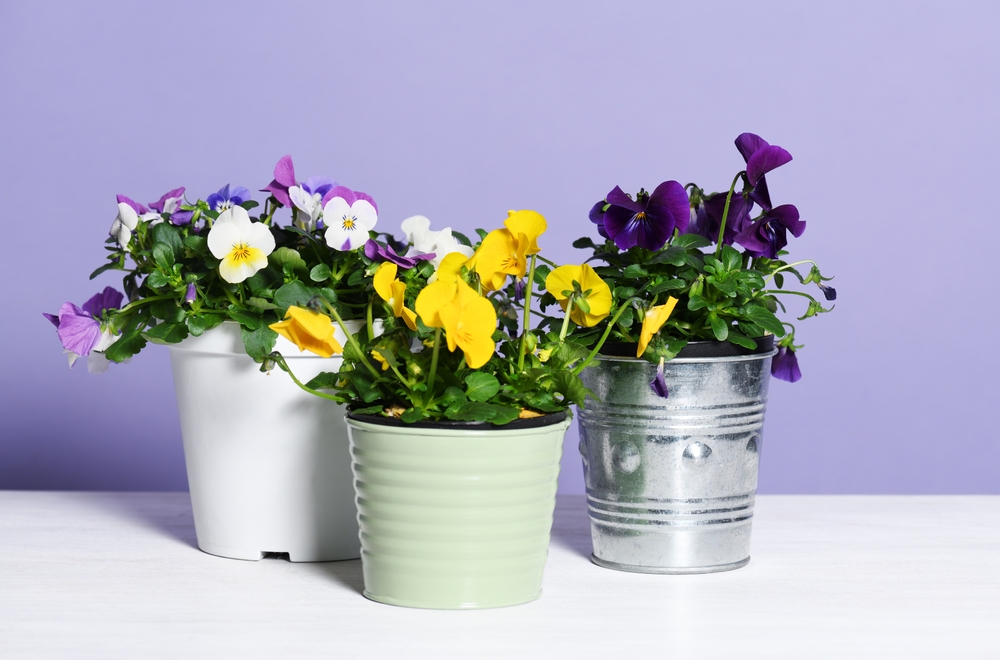
Pansies are hardy, colorful flowers that can thrive in cold temperatures, often blooming throughout the winter months. They are one of the most popular winter-blooming container plants due to their ability to handle frost and snow. Available in a range of vibrant colors, from purples to yellows, they add a cheerful touch to your garden. Pansies do best in containers with well-draining soil, and they require a spot that gets partial sunlight.
These flowers can tolerate cold temperatures down to 26°F or -3°C and still bloom beautifully. When winter weather sets in, pansies will slow down their growth, but will generally survive through the cold spells. To keep them thriving, ensure your containers are placed in sheltered locations where they will be protected from the wind. With proper care, pansies will bloom well into the early spring months.
Winter Jasmine
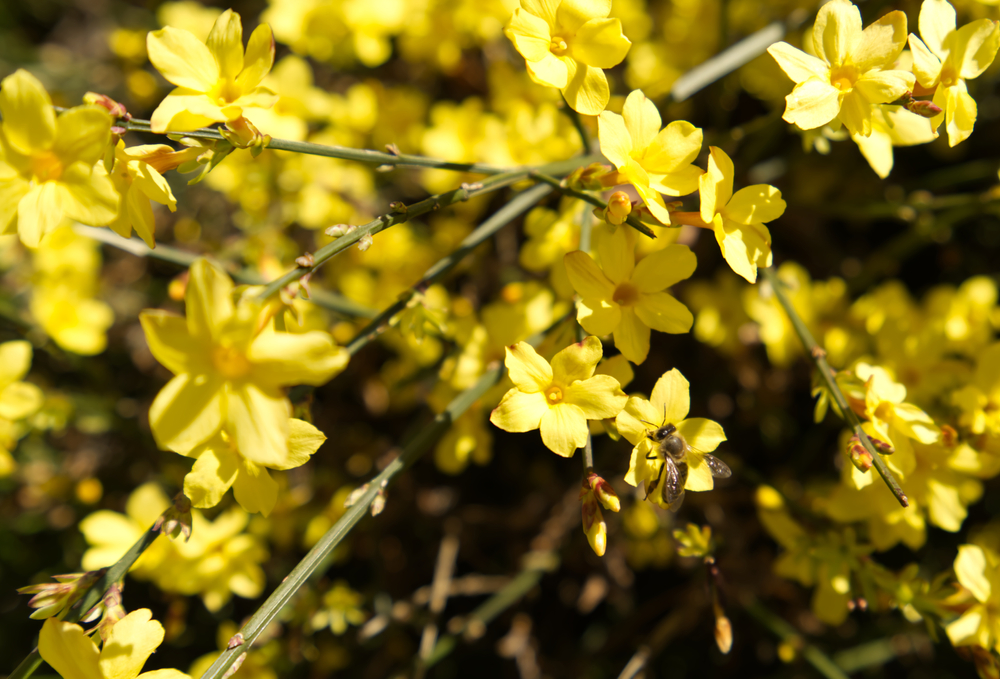
Winter jasmine is a hardy shrub that can bring bright yellow flowers to your container garden even during cold weather. Known for its vigorous growth and ability to thrive in colder temperatures, this plant is perfect for adding a bit of sunshine to your winter garden. The plant produces small, fragrant blooms in late winter or early spring, creating a stunning contrast against the grey skies. Winter jasmine prefers full sun but can tolerate some shade.
This plant is resilient to freezing temperatures and can survive through cold spells without any problem. While it’s known for its flowers, it’s also valued for its evergreen foliage, which provides greenery throughout the year. Regular watering is essential, but make sure the soil is well-drained to avoid waterlogged roots. Winter jasmine’s spreading habit makes it ideal for growing in larger containers.
Heuchera (Coral Bells)
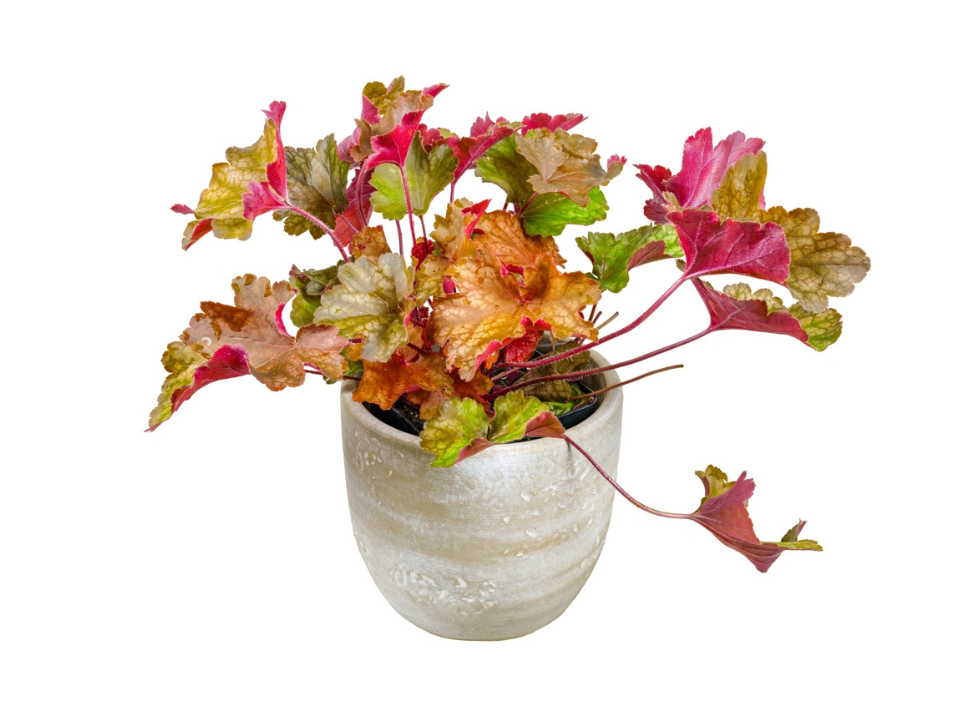
Heuchera, or coral bells, is a versatile and hardy plant that can thrive in containers through the coldest months. This perennial is known for its colorful foliage, which comes in shades of red, purple, silver, and green, and adds year-round beauty. It does well in both full sun and partial shade, making it ideal for different areas of the garden. Heuchera is a slow-growing plant, which makes it perfect for smaller containers that can endure the winter chill.
Coral bells are highly tolerant of frost and can survive temperatures well below freezing. The plant’s foliage often turns more vibrant in cold weather, especially during the first frosts. Heuchera thrives in well-drained, moist soil, but it’s essential not to overwater. With its striking color and winter resilience, coral bells can continue to brighten up your containers even when the weather turns cold.
Hellebores (Lenten Roses)
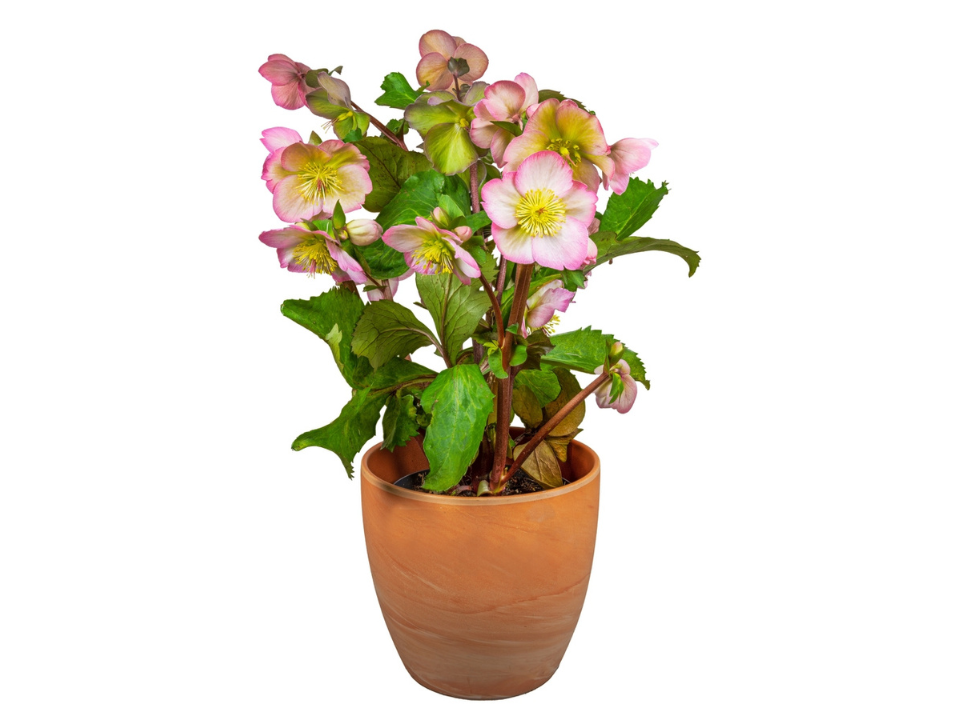
Hellebores, commonly known as Lenten roses, are one of the most cold-tolerant flowering plants available. These perennials are often the first to bloom in the garden, even in late winter or early spring. Their attractive, nodding flowers come in a variety of shades, including white, pink, and purple, making them a beautiful addition to any container garden. Hellebores prefer well-drained, fertile soil and a shaded location for optimal growth.
These plants are hardy and can withstand cold temperatures down to 0°F or -18°C, making them perfect for containers in areas with harsh winters. While they bloom early, they remain an attractive foliage plant throughout the winter months. A key to keeping hellebores happy is to ensure their containers don’t sit in water, as they dislike soggy roots. With their early blooms, they offer a welcome touch of color in the cold months.
Boxwood
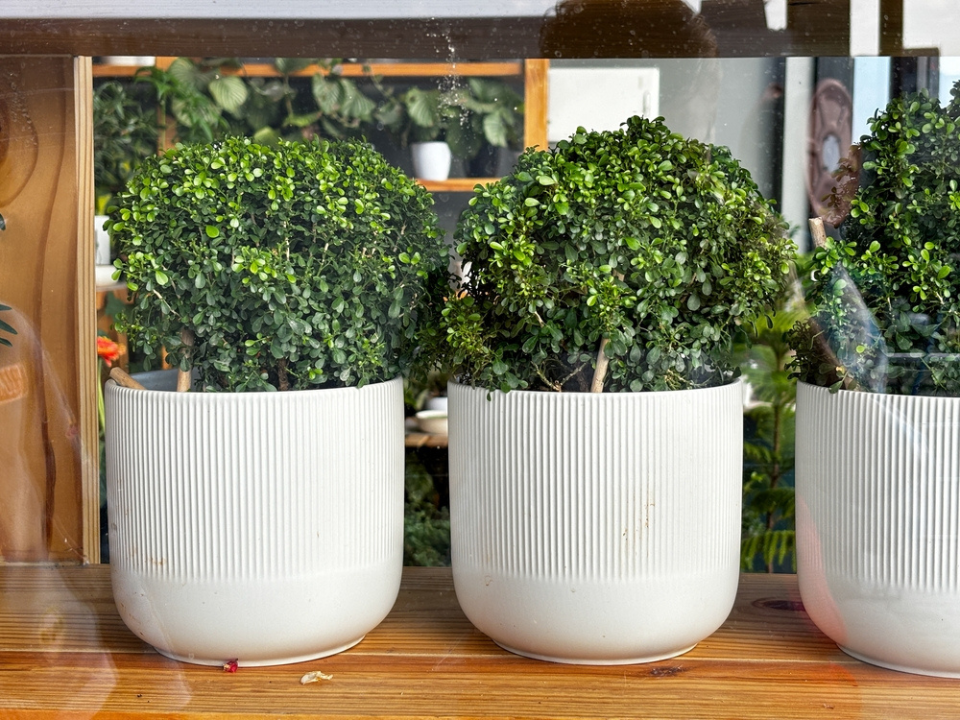
Boxwood is a classic evergreen shrub that can add structure and greenery to any cold-weather container garden. Known for its dense foliage and tidy appearance, boxwood is a great option for creating a sculpted look during the winter. These plants do well in both sun and shade, but they prefer a sheltered spot with well-drained soil to avoid winter burn. Boxwood can be pruned into different shapes, making it an ideal option for formal container gardens.
Boxwood is incredibly cold-hardy and can tolerate freezing temperatures without much trouble. It’s important to provide regular watering during the winter months, especially during dry spells, but make sure the container has good drainage. While this plant is resilient, strong winds can damage its leaves, so placing it in a protected area is key to keeping it healthy through the winter. Boxwood adds sophistication to any container garden and thrives in cold spells.
Dusty Miller
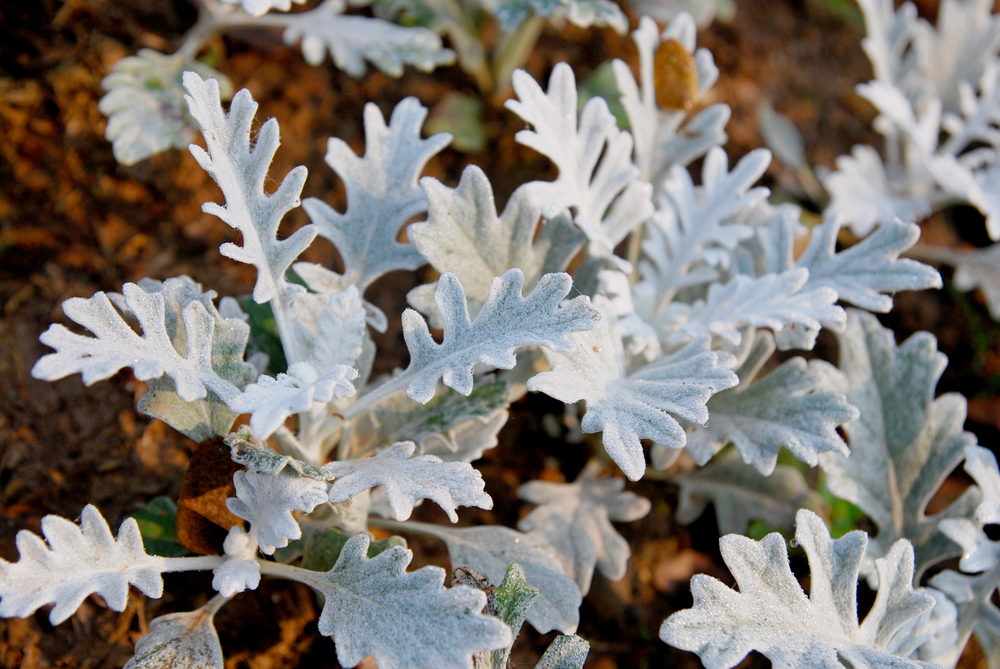
Dusty Miller is a silvery, low-maintenance plant that is perfect for colder months. Its soft, silvery leaves create a stunning contrast against the deep green of other winter plants. Often used in container arrangements, Dusty Miller can tolerate frost and chilly temperatures, making it an excellent choice for a winter garden. It thrives in well-drained soil and requires only minimal care to flourish.
The plant’s hardy nature allows it to endure cold temperatures down to 20°F or -6°C, making it perfect for container gardens during the winter months. Dusty Miller doesn’t require much water and does well in full sun or partial shade. It works especially well as an accent plant in larger container arrangements, providing texture and a striking visual element. Its ability to survive cold spells without difficulty makes it a reliable winter container plant.
Primroses
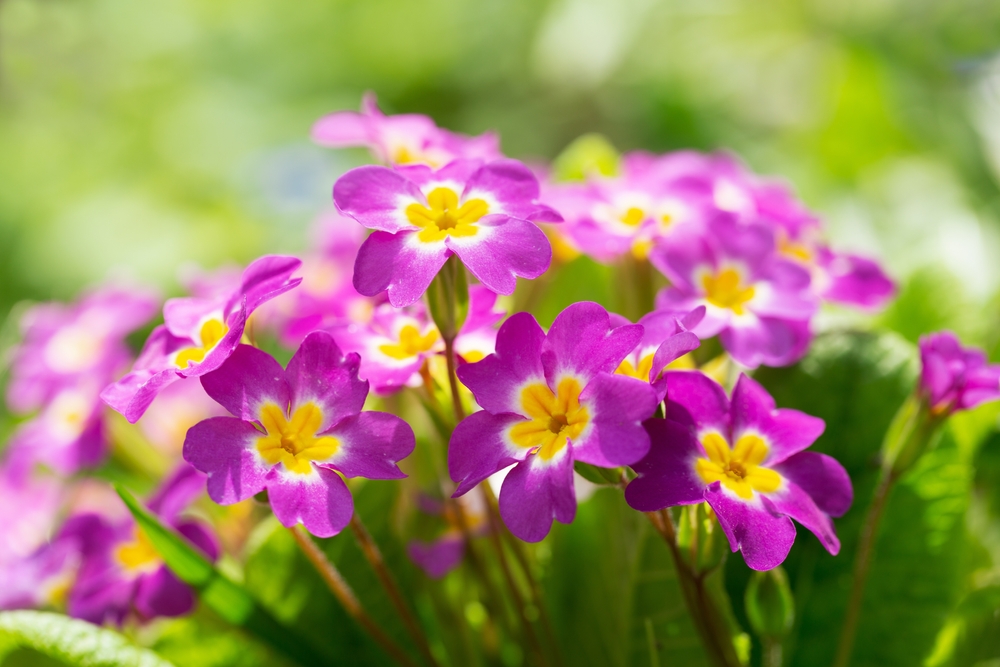
Primroses are beautiful, early-blooming flowers that can tolerate the cold and still produce vibrant blooms. These plants are available in many colors, including yellow, pink, and purple, making them a cheerful addition to any garden. Primroses do well in containers, especially if they are placed in a spot with some shelter from harsh winter winds. They prefer moist, well-drained soil and will benefit from regular watering.
Though primroses can handle some frost, they thrive best in temperatures that are slightly above freezing. The plant’s early blooms are a sure sign that spring is on its way, but it can survive through the coldest winter spells. If you’re growing them in containers, it’s best to place them in a spot where they won’t be exposed to freezing temperatures for too long. With their bright, happy blooms, primroses are a lovely addition to any cold-weather container garden.
Lavender
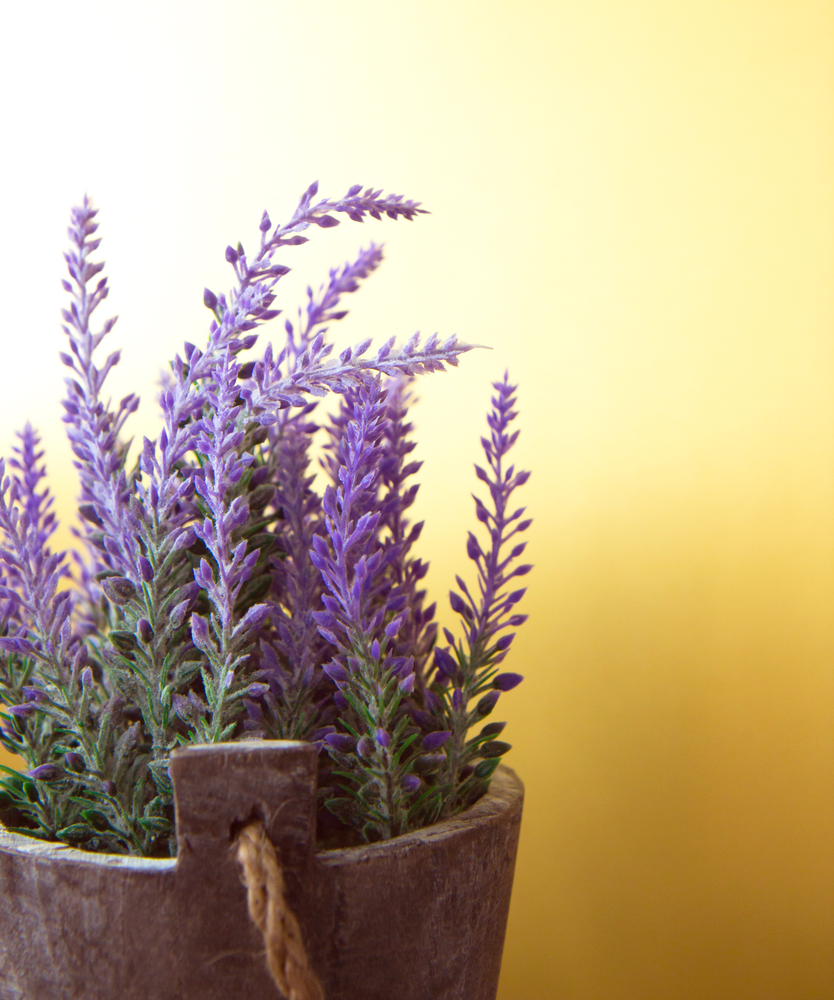
Lavender is not only aromatic but also surprisingly resilient in cold weather, making it an ideal choice for winter containers. Known for its fragrant purple flowers, lavender can thrive in colder climates if protected from strong winds. It needs well-drained, slightly alkaline soil and full sunlight to flourish. Lavender is perfect for adding a bit of fragrance and color to your outdoor space even during the colder months.
While lavender is typically a Mediterranean plant, many varieties can tolerate cold temperatures as long as they are kept in containers with good drainage. It can survive temperatures as low as 20°F or -6°C with minimal damage. The key to keeping lavender healthy is ensuring it doesn’t get waterlogged, as it thrives in dry conditions. During the winter months, lavender can still provide beauty and fragrance, even when surrounded by frost.
Daffodils
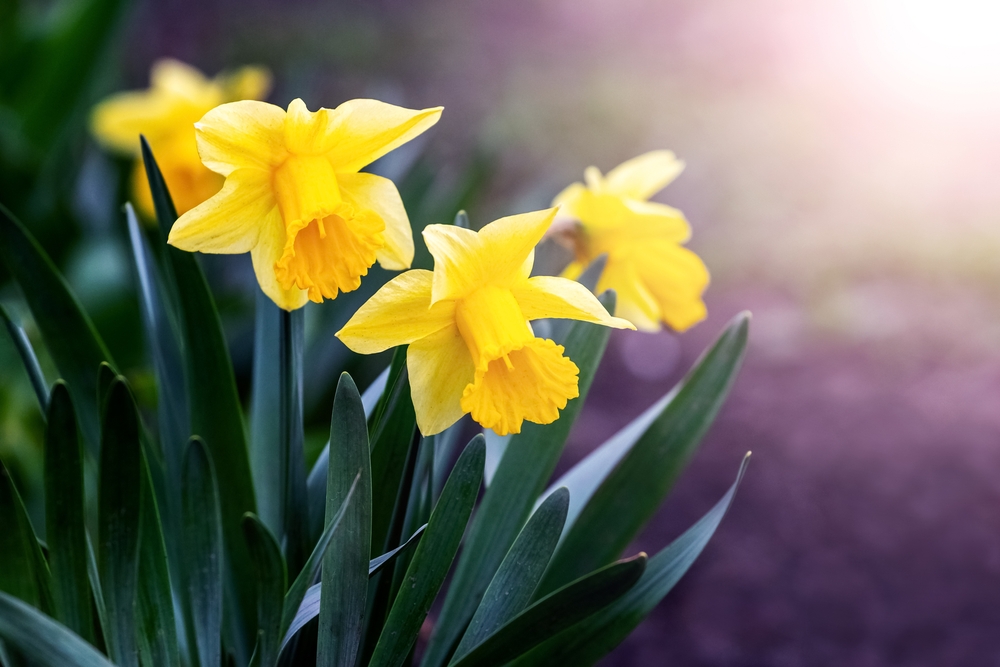
Daffodils are known for their cheerful, trumpet-shaped blooms that appear early in the spring, but they can also handle cold weather in containers. These perennial bulbs are hardy and can survive freezing temperatures, making them a great choice for late-winter and early-spring containers. Daffodils are easy to grow and require minimal maintenance once they’re planted. They thrive in well-drained soil and should be placed in a sunny location to encourage blooming.
These plants are resilient to cold weather and can be left in containers throughout the winter. Daffodils grow well in temperatures as low as 20°F or -6°C, making them a perfect candidate for containers that will be exposed to frost. By late winter, the flowers begin to bloom, signaling the arrival of spring. With their bright yellow and white flowers, daffodils bring an uplifting touch to any garden during the colder months.
Hosta
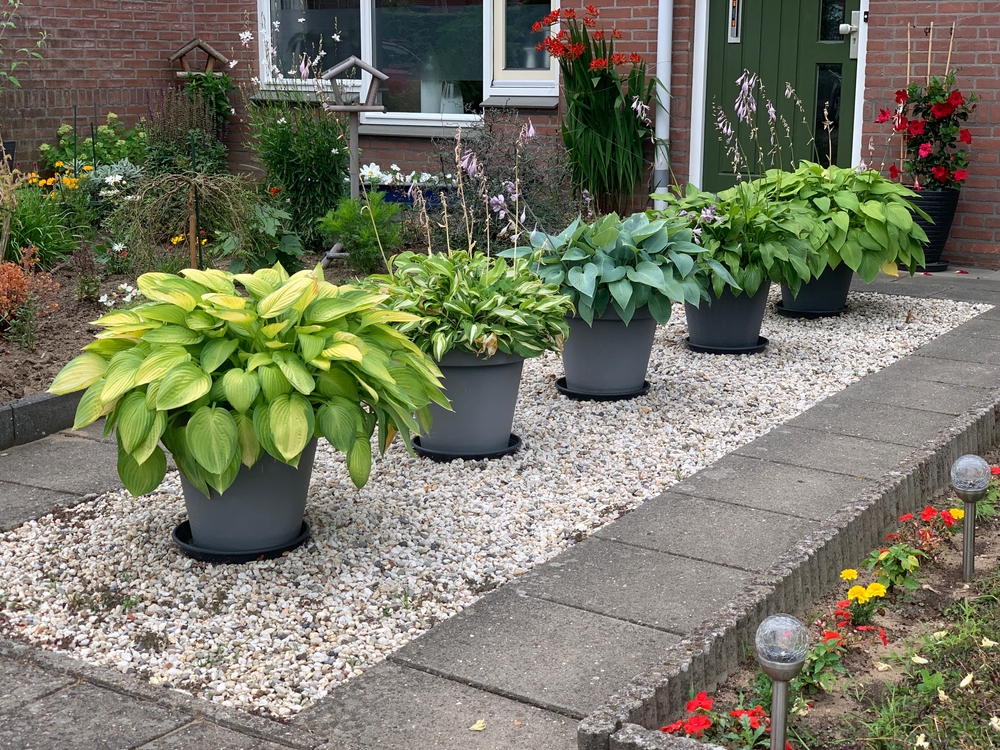
Hostas are shade-loving perennials that are known for their lush foliage and adaptability to various conditions. They can tolerate cold weather and are great in containers during the winter months, especially if they are placed in a sheltered spot. Hostas are typically grown for their attractive leaves, which can range from green to blue to variegated colors. They prefer rich, moist soil and do well with regular watering.
While hostas are usually considered summer plants, they can survive through winter in containers, especially in milder climates. They are hardy and can tolerate temperatures as low as 20°F or -6°C with some protection. The plants go dormant in the winter, but their foliage still adds texture to the garden even when the weather turns cold. By early spring, hostas start to grow again, making them an ideal choice for year-round container gardening.
Cyclamen
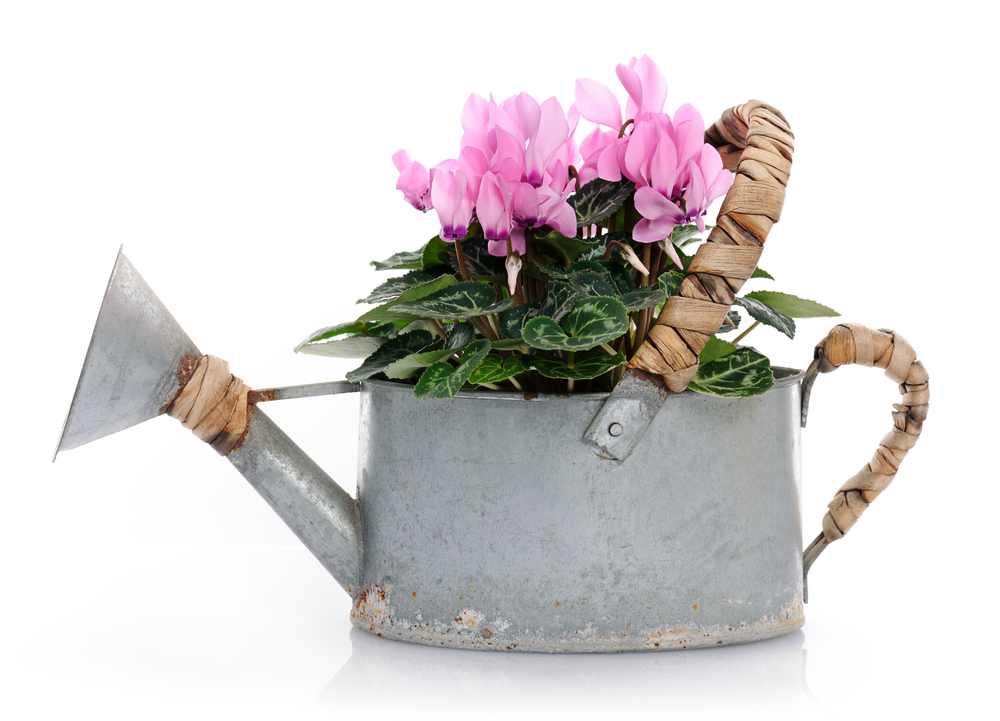
Cyclamen is a small, winter-blooming perennial that adds a touch of elegance to any cold-weather garden. With its distinctive flowers in shades of white, pink, and red, cyclamen can survive through the cold and continue to bloom throughout the winter months. These plants prefer a cool, shaded location with well-drained soil, making them perfect for containers placed in sheltered spots. Cyclamen is often grown for its beautiful flowers, which can bloom even when the temperatures drop.
This hardy plant can tolerate cold temperatures down to 25°F or -4°C and can thrive in the winter garden as long as it is protected from freezing winds. The flowers can continue to bloom even in sub-freezing temperatures, making it a wonderful choice for containers during the colder months. Cyclamen also does well in low-light conditions, adding vibrancy to shaded corners of your garden. Keep the soil moist but not overly wet to ensure the plant’s longevity throughout the winter.
Sweet Alyssum
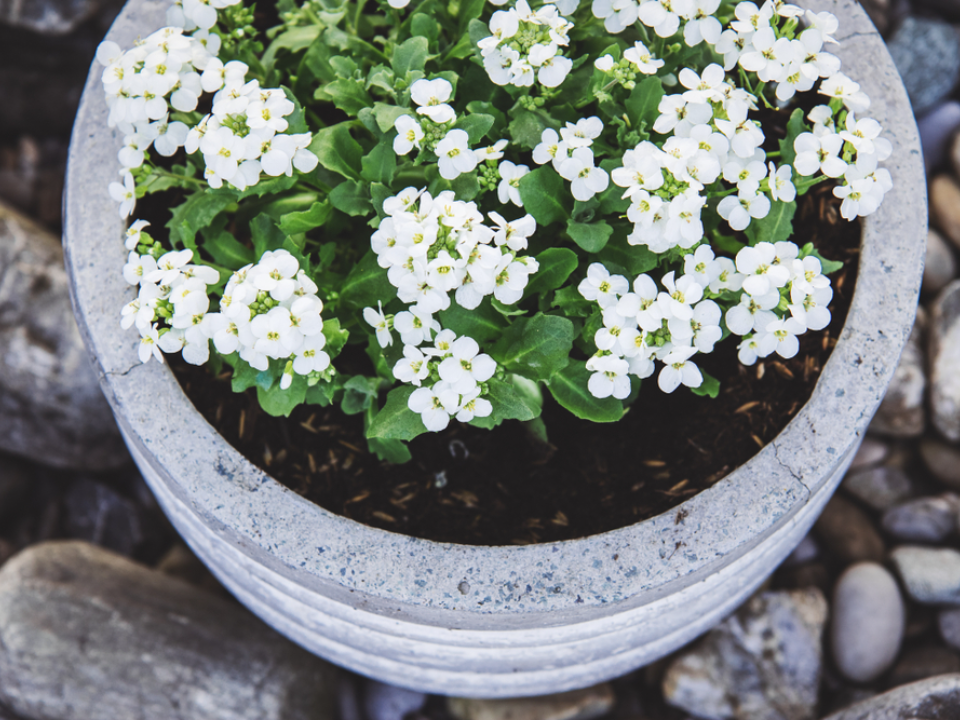
Sweet alyssum is a fragrant, low-growing annual that thrives in cold temperatures, making it perfect for winter container gardening. Known for its tiny, white, purple, or pink flowers, sweet alyssum adds a soft touch of color to any garden. This plant grows best in full sun or partial shade and prefers well-drained soil. It’s a fast-growing option that will quickly fill a container with delicate flowers, even during the colder months.
This hardy annual can tolerate frost and cold temperatures down to 30°F or -1°C, which makes it an excellent choice for winter gardens. Sweet alyssum’s sweet fragrance is another reason why gardeners love it, and it can often be found thriving alongside other winter-friendly plants. To keep it blooming, ensure it has good drainage and is protected from freezing winds. Sweet alyssum will provide a continuous display of blooms throughout the winter season.
Asters
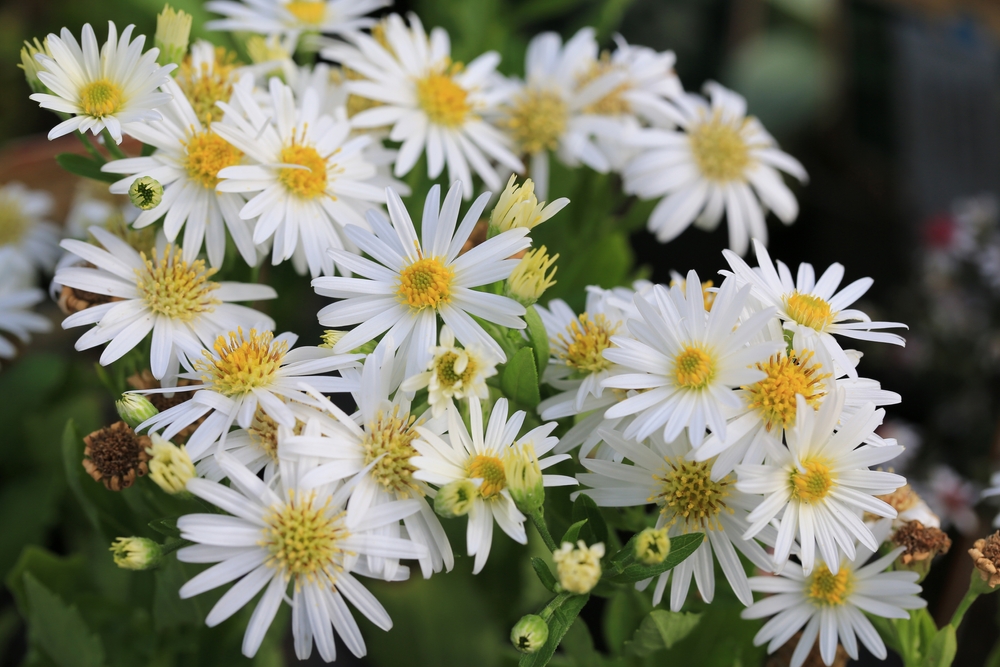
Asters are hardy perennials that are well-suited to cold-weather gardens, especially when grown in containers. These plants are known for their vibrant, daisy-like flowers that come in shades of purple, pink, and blue. Asters prefer well-drained soil and a location with full to partial sun. They are resilient enough to handle cold temperatures, making them an ideal choice for winter containers.
While asters typically bloom in late summer or early fall, many varieties will continue to thrive through the colder months, especially in sheltered containers. Their ability to survive frost makes them a reliable option for winter gardening. Asters are easy to maintain and can last for years in containers if properly cared for. They provide a burst of color and texture even as the weather turns cold.
Red Twig Dogwood
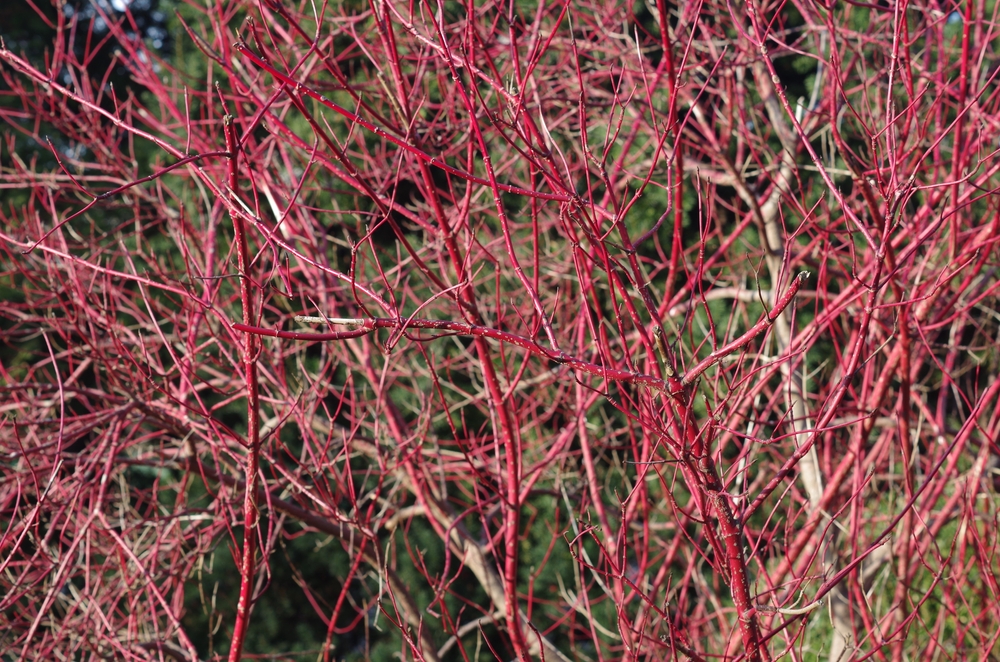
Red twig dogwood is a deciduous shrub known for its striking red stems, which provide interest in the winter garden. This plant does well in containers, especially when used as an accent to create visual contrast against evergreen plants. Red twig dogwood thrives in moist, well-drained soil and requires full sun to partial shade. Its vibrant red stems stand out, even when the plant is dormant.
Red twig dogwood is hardy and can survive freezing temperatures, making it perfect for cold spells. The plant’s colorful stems are its main feature, and they add a pop of color to your winter garden. While the plant may lose its leaves in winter, its red stems are a stunning focal point. For best results, ensure the container has good drainage and is placed in a sheltered location.
This article originally appeared on Avocadu.