
14 Container Plants That Can Stay Outside in Late Winter
Container plants are perfect for those who want to add a bit of greenery to their outdoor spaces without a lot of hassle. Since they are grown in pots, they are easy to move or cover when temperatures drop. While many plants would wither in cold weather, some container plants are made for the winter months. If you’re wondering which plants can stay outside in late winter, read on to learn about a few hardy options. These plants are perfect for adding life to your garden when the weather turns cold.
This post may contain affiliate links, which helps keep this content free. Please read our disclosure for more info.
Winter Jasmine (Jasminum nudiflorum)
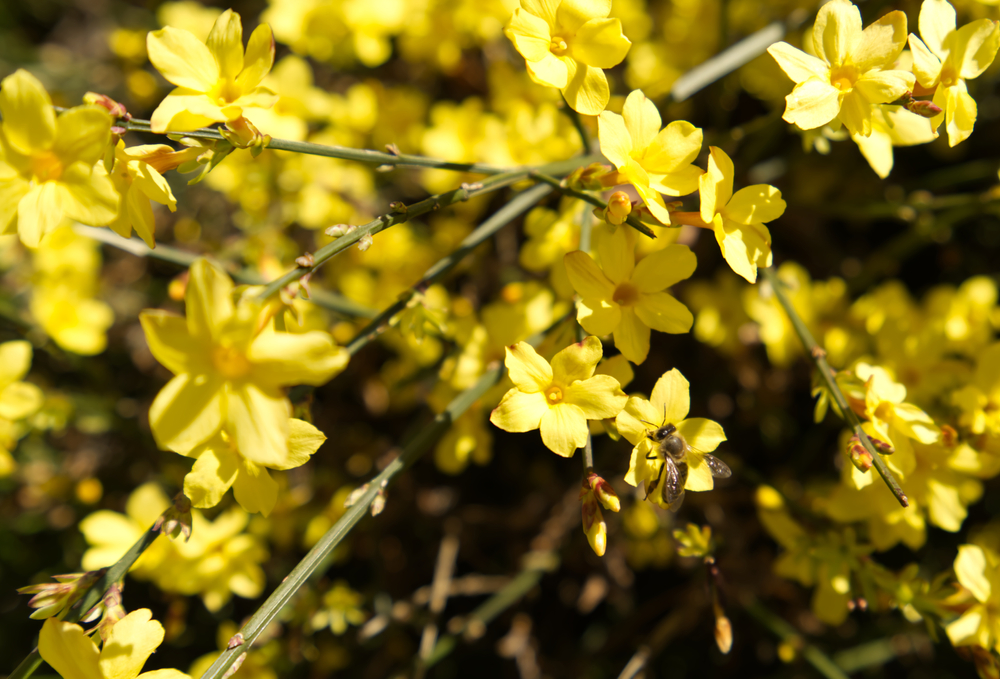
Winter Jasmine is a hardy shrub that can withstand cold temperatures down to 20 degrees F (-6 degrees C). It thrives in containers and brings a touch of yellow color to the dreariness of winter. While this plant can tolerate frost, it is essential to place it in a sheltered location to protect it from strong winds. Ensure the soil is well-drained and water the plant sparingly during the winter months to prevent root rot. Prune it in the early spring to maintain its shape and encourage new growth.
To care for Winter Jasmine in late winter, make sure the container is elevated off the ground to prevent freezing. If temperatures drop below 20 degrees F, consider covering the plant with a frost cloth or moving it to a more sheltered spot. As the plant begins to bloom, make sure it gets enough sunlight to maintain healthy growth through the winter.
Heuchera (Coral Bells)
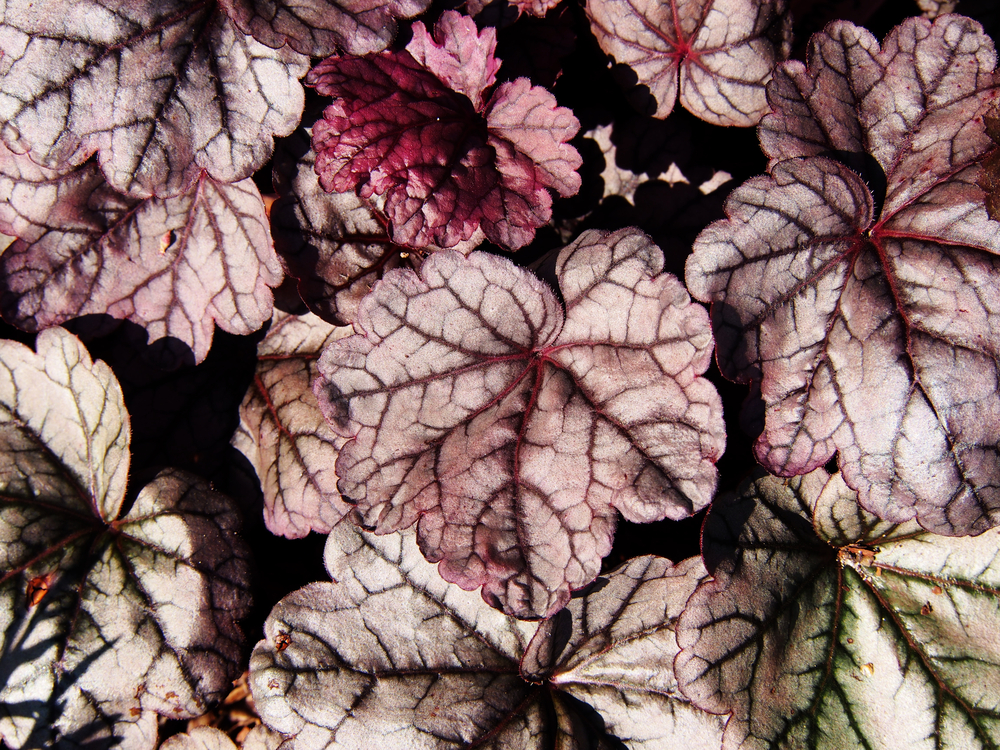
Heuchera is known for its colorful foliage, and many varieties are tolerant of winter conditions, with some able to survive temperatures as low as 0 degrees F (-18 degrees C). This perennial can stay outside in a container, as long as it is sheltered from extreme winds. When caring for Heuchera during late winter, avoid overwatering, as the plant is more susceptible to rot when the ground is frozen. Make sure to check the container’s drainage to keep the soil from becoming soggy.
Although Heuchera can handle cold temperatures, it is important to provide some protection during severe cold spells. A layer of mulch on top of the soil will help insulate the roots. Additionally, place the container in a spot that receives partial sunlight to avoid stress caused by winter’s fluctuating temperatures.
Pansies (Viola tricolor var. hortensis)
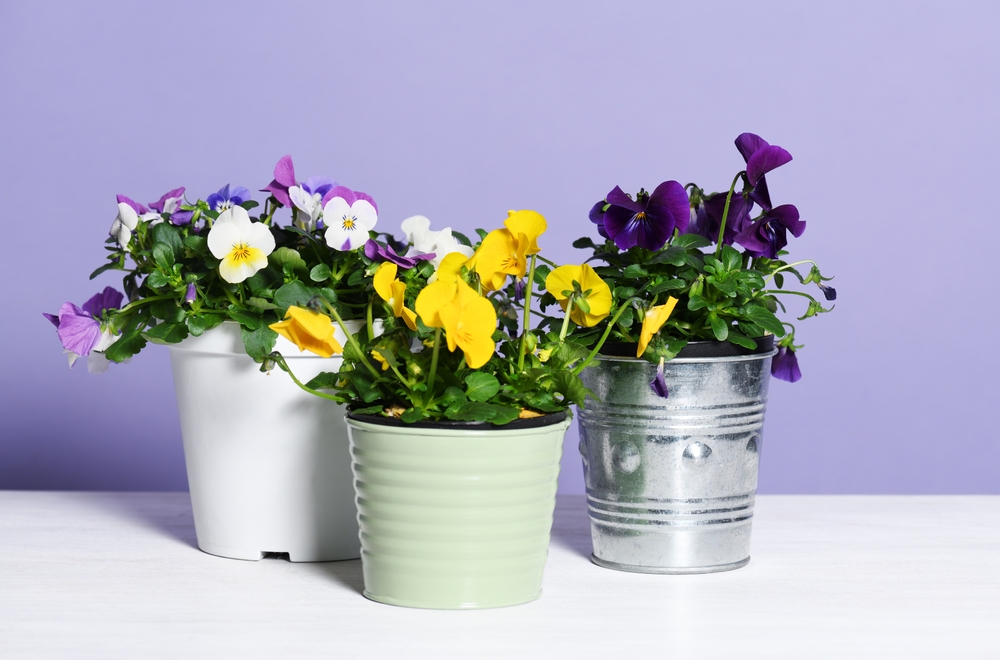
Pansies are resilient flowers that can endure temperatures down to 25 degrees F (-4 degrees C) and are perfect for adding a splash of color to your garden in late winter. These cheerful flowers thrive in containers and will continue to bloom even during chilly days. For the best results, plant them in well-draining soil and ensure the container has proper drainage holes. Water them lightly, but avoid saturating the soil as it could lead to frost damage.
Keep your pansies in a spot that gets some sunlight during the day, as this will help them stay healthy through the cold months. If a hard freeze is expected, cover the plants with a frost blanket or move the container into a more protected area. Pansies will bloom through winter and can be deadheaded to encourage more flowers.
Hellebore (Helleborus orientalis)
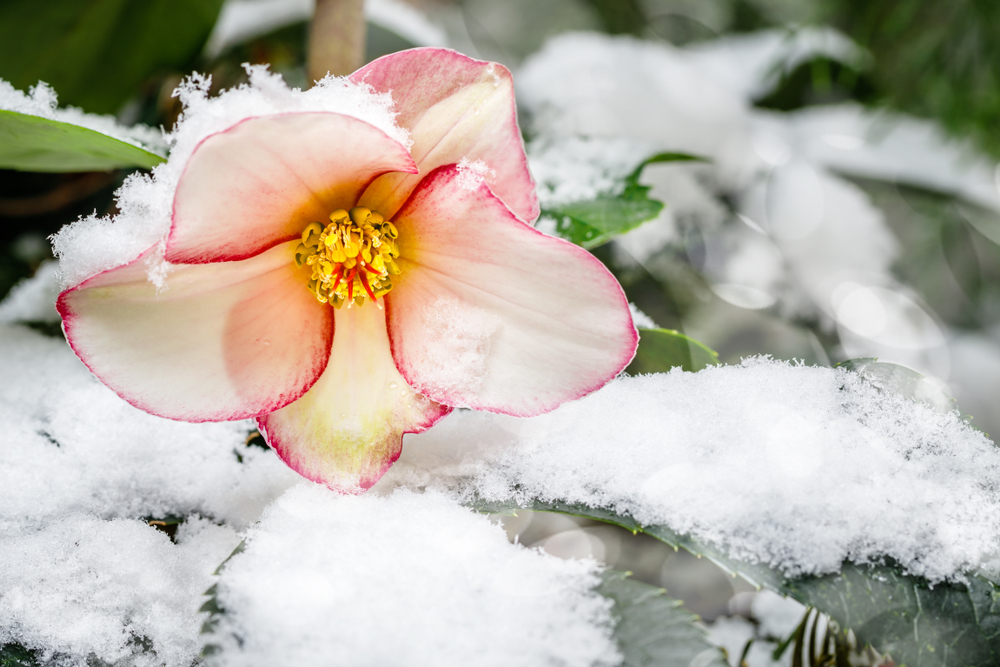
Hellebores, also known as Lenten roses, are incredibly cold-hardy plants that can withstand temperatures as low as -10 degrees F (-23 degrees C). These plants thrive in shaded areas and are perfect for late winter when little else is blooming. To care for your hellebore in late winter, ensure the container is kept in a frost-free location, ideally under a tree or in a sheltered area. Water sparingly, as hellebores prefer slightly dry soil in the winter months.
Hellebores are long-lasting perennials, so once you plant them, they’ll continue to bloom each year. Be sure to remove any damaged leaves in late winter to encourage new growth as the weather warms up. Adding a layer of mulch around the base of the plant will help protect the roots from extreme temperatures.
English Ivy (Hedera helix)
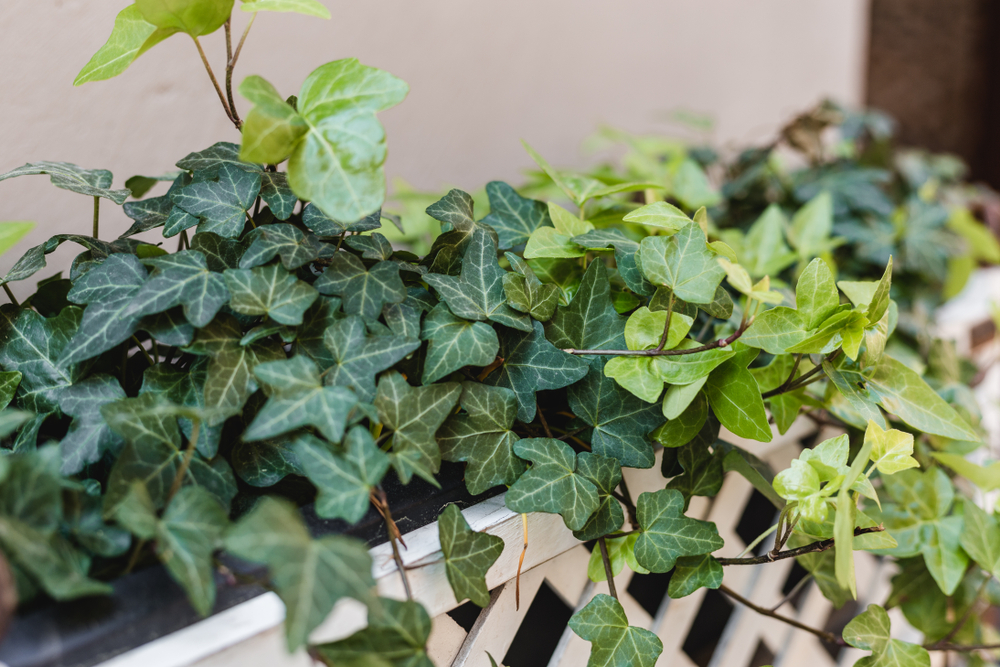
English Ivy is an evergreen vine that can tolerate temperatures as low as 20 degrees F (-6 degrees C) and thrives in containers during the winter months. Its ability to adapt to low light conditions makes it an ideal plant for colder weather. To care for English Ivy in late winter, ensure the container has good drainage and place it in a location that receives some indirect sunlight. Water it infrequently, but make sure the soil stays slightly moist without being soggy.
For extra protection, consider placing a frost cover over the ivy during extreme cold spells. English Ivy can be trimmed back in early spring to keep it looking tidy and encourage fresh growth. It’s a low-maintenance plant that can endure winter temperatures if properly cared for.
Boxwood (Buxus spp.)
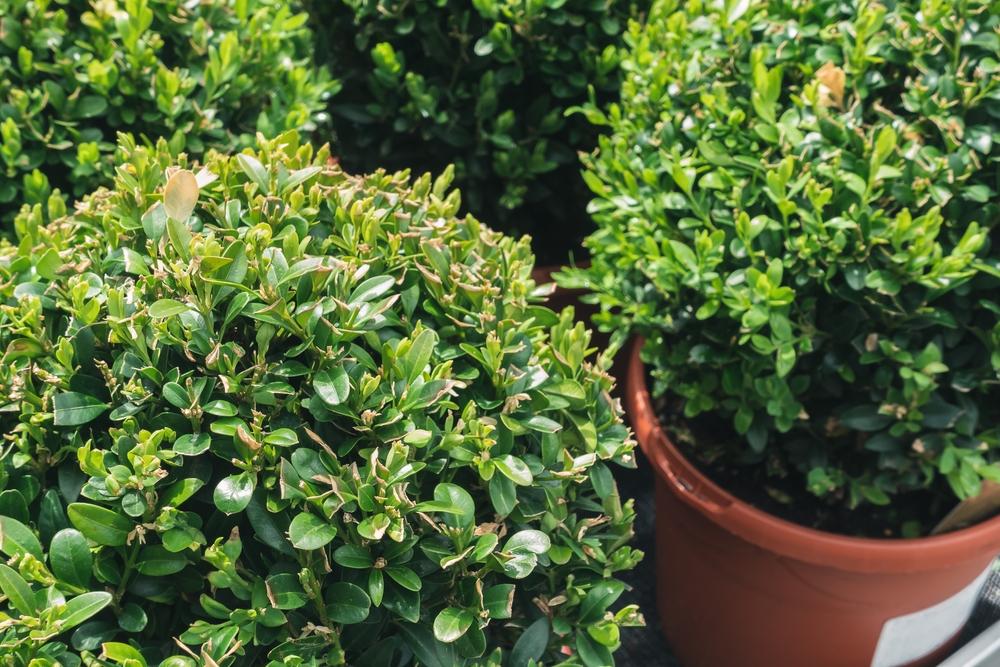
Boxwood is a hardy evergreen shrub that can survive temperatures down to 10 degrees F (-12 degrees C) and makes an excellent container plant for late winter. This plant thrives in well-drained soil and needs to be watered sparingly during the winter months. Boxwood should be placed in a sheltered spot to protect it from harsh winds, which can cause the foliage to dry out. Apply mulch around the base of the plant to help insulate the roots.
Boxwood can withstand the cold as long as the container has proper drainage to prevent water from freezing around the roots. To maintain its shape, trim the plant back in early spring before new growth begins. This shrub is perfect for adding structure and greenery to your garden in the colder months.
Primrose (Primula vulgaris)
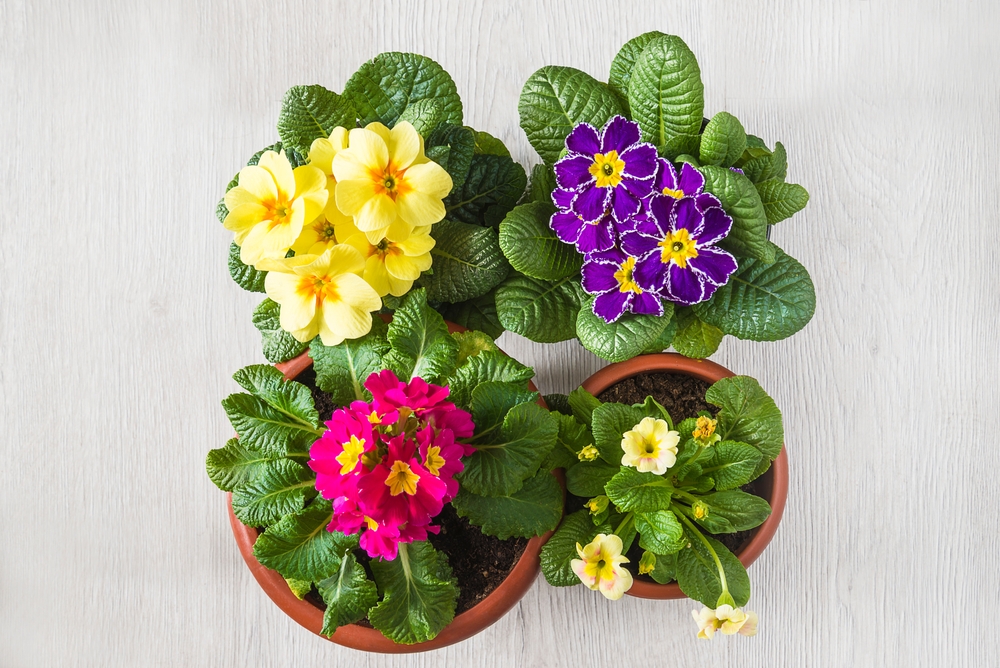
Primrose is a colorful flower that can tolerate temperatures as low as 20 degrees F (-6 degrees C) and is an excellent choice for containers in late winter. These flowers thrive in cooler conditions and will bloom even when snow is still on the ground. For the best results, plant primroses in a container with good drainage and ensure they are kept in a location that receives some morning sunlight. Water them lightly, and be cautious of overwatering during the winter months.
If the temperature drops too low, cover the plant with a frost cloth to protect it from freezing. Primroses will continue to bloom through late winter and can be deadheaded to encourage further flowering. These plants bring bright colors to a winter garden, even in the coldest temperatures.
Sedum (Sedum spp.)
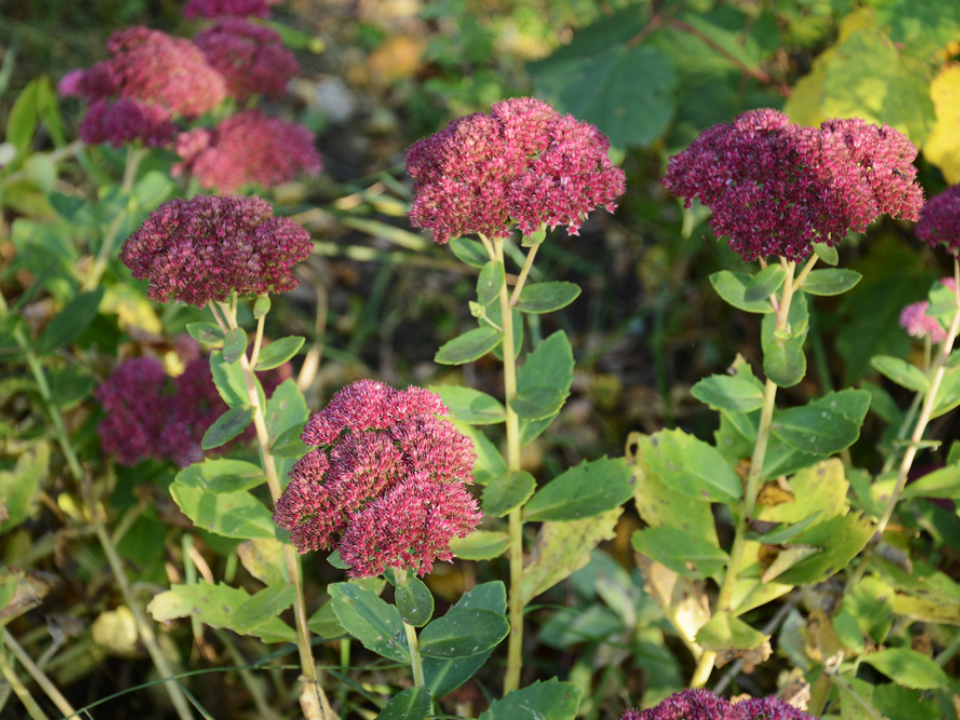
Sedum, also known as stonecrop, is a hardy succulent that can tolerate temperatures down to -20 degrees F (-29 degrees C). These plants are well-suited for containers and make excellent choices for late winter gardens. To care for sedum, make sure the container has excellent drainage and the soil isn’t too wet, as they are prone to root rot in overly saturated conditions. Place them in a sunny spot to keep them healthy throughout the winter.
While sedum is incredibly cold-tolerant, they should be protected from excessive moisture during winter. These plants benefit from a layer of mulch to insulate the roots and keep them warm. Sedum can be pruned in early spring to remove any dead growth and encourage fresh blooms.
Cabbage (Brassica oleracea)

Cabbage is a cold-hardy vegetable that can endure temperatures as low as 20 degrees F (-6 degrees C). When grown in containers, cabbage continues to thrive and grow during late winter, adding some green to your outdoor space. To care for cabbage in winter, ensure the container is well-drained and place it in a location that receives partial sunlight. Water it lightly but avoid soaking the soil to prevent frost damage.
For best results, keep the cabbage covered with frost cloth or a protective cover when temperatures drop below freezing. Cabbage plants can be harvested in early spring, making them a great option for fresh vegetables during the colder months. These plants provide both beauty and functionality in a winter garden.
Swiss Chard (Beta vulgaris)
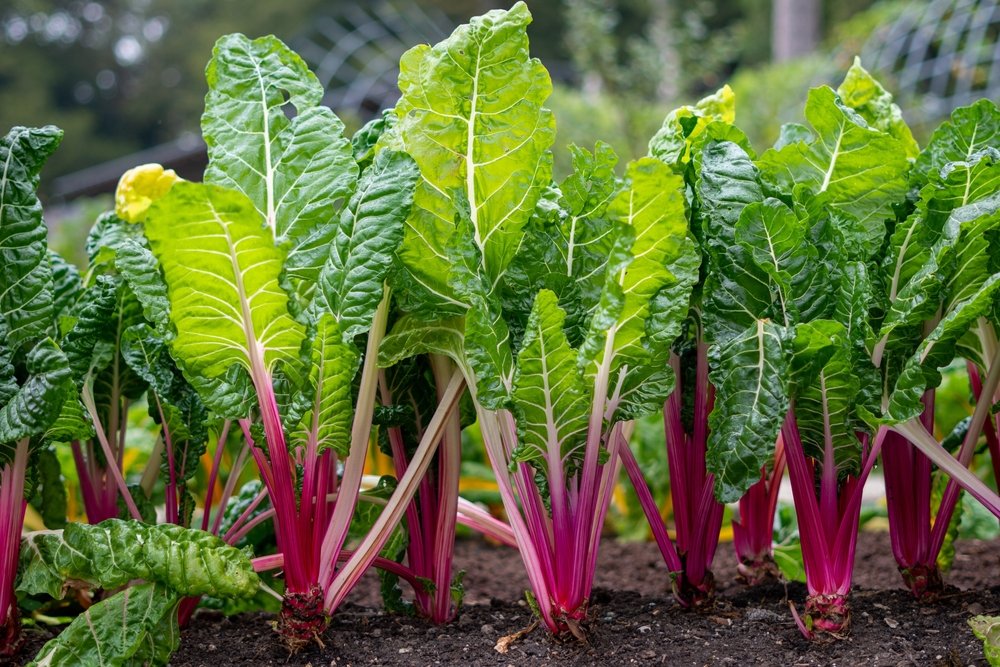
Swiss Chard is a frost-tolerant vegetable that can handle temperatures as low as 15 degrees F (-9 degrees C) and is perfect for container gardening during late winter. This plant prefers cooler weather and will continue to produce edible leaves even in the colder months. Keep the container in a location that receives partial sunlight and ensure the soil is well-drained. Water sparingly, but make sure the plant does not dry out completely.
Swiss chard benefits from a light mulch layer to protect the roots from freezing temperatures. If a deep freeze is expected, cover the plant with a frost cloth. Swiss chard can be harvested throughout winter, providing fresh greens for your meals.
Cyclamen (Cyclamen persicum)
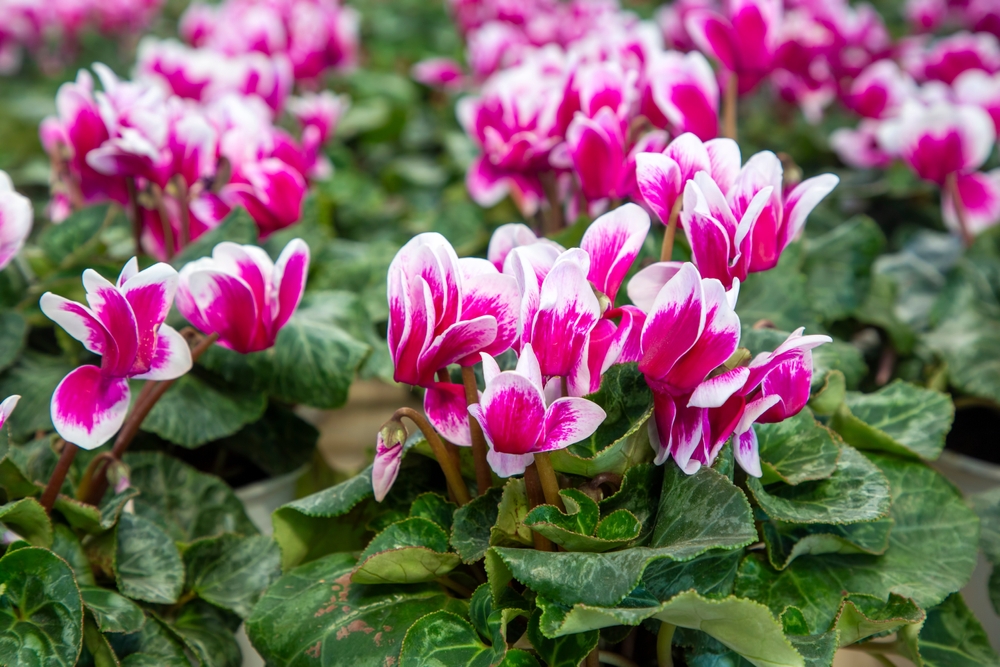
Cyclamen is a beautiful winter-flowering plant that can endure temperatures as low as 20 degrees F (-6 degrees C). With its delicate pink or red flowers, cyclamen adds color to late winter gardens. To care for cyclamen, plant them in well-drained soil and make sure the container is positioned in a cool, sheltered spot that receives indirect sunlight. Water them carefully to avoid wetting the tuber, which can lead to rot.
Cyclamen thrives in cooler temperatures, making it perfect for the winter months. If temperatures dip too low, consider covering the plant with frost protection. These plants can bloom for several months, brightening your garden during the colder season.
Thyme (Thymus vulgaris)

Thyme is a hardy herb that can survive temperatures down to 20 degrees F (-6 degrees C) and makes a great addition to outdoor container gardens in late winter. It is a low-maintenance herb that can thrive in well-drained soil and needs minimal watering during the colder months. To protect thyme during late winter, make sure the container is positioned in a sunny spot and ensure proper drainage to avoid root rot.
If the temperature drops below freezing, cover the plant with a frost cloth or move it to a more sheltered location. Thyme is a versatile herb that can be harvested for cooking throughout the winter. It continues to grow slowly, making it a perfect addition to a container garden.
Chives (Allium schoenoprasum)
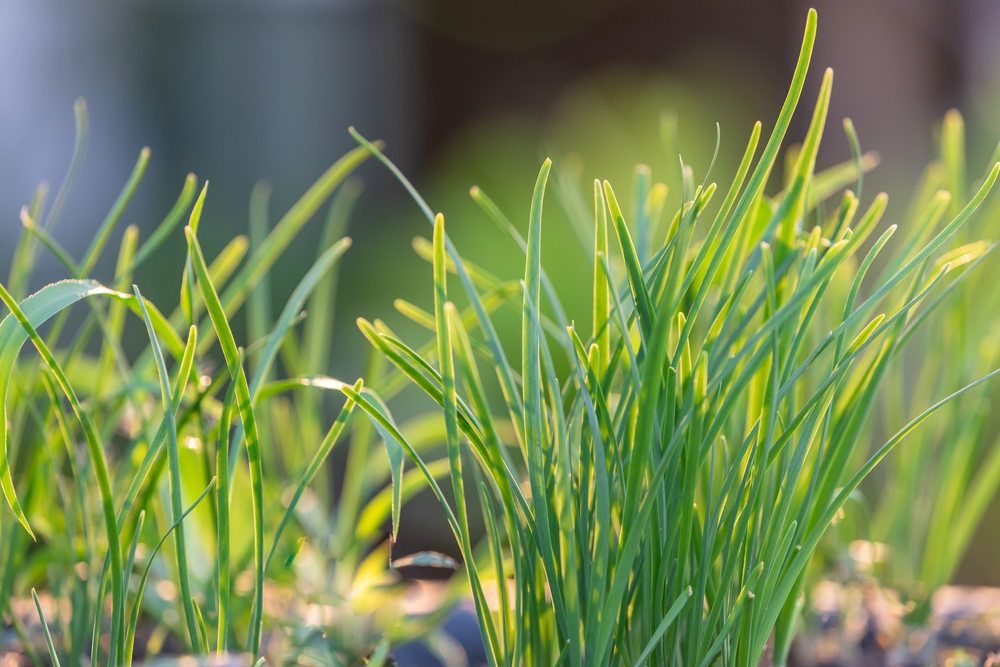
Chives are a hardy herb that can withstand temperatures as low as 0 degrees F (-18 degrees C). These plants grow well in containers and can be kept outdoors during late winter, especially in protected areas. Water them lightly and make sure the container has good drainage to prevent water from freezing. Keep chives in a sunny spot to ensure they continue to grow through the winter months.
During extreme cold, consider covering the chives with a frost blanket to protect them from freezing. In early spring, they’ll start to regrow, and you can begin harvesting fresh chives for cooking. Their hardiness and usefulness make them a valuable addition to your winter container garden.
Dianthus (Dianthus spp.)
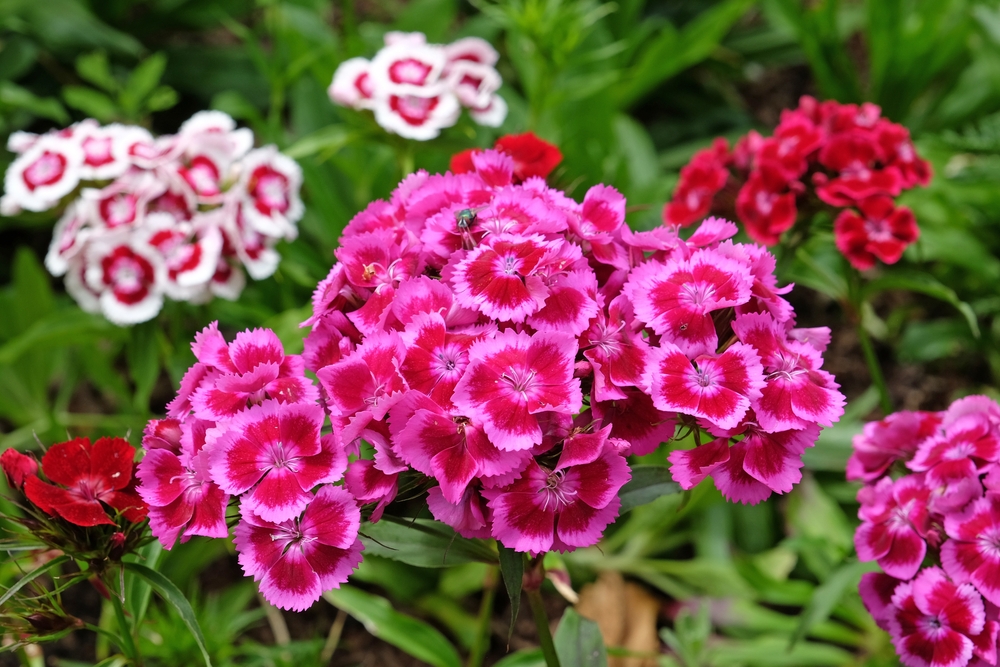
Dianthus, also known as pinks, can survive temperatures down to 10 degrees F (-12 degrees C) and makes a colorful addition to your winter garden. Plant it in a container with good drainage and ensure it receives some sunlight during the day. Water the plant lightly, as it is drought-tolerant and does not require heavy watering in the winter.
Cover the plant with frost protection if the temperature is expected to drop below 10 degrees F. Dianthus will continue to bloom through late winter, adding vibrant pink, white, or red flowers to your outdoor space. It’s a hardy plant that can add beauty and color to your winter garden, even in cold temperatures.
This article originally appeared on Avocadu.