
16 Container Gardening Plans to Start in January
Starting a garden in January might seem like a challenge, but container gardening offers a simple solution for anyone looking to grow fresh plants indoors during the colder months. With the right plan and a bit of care, you can enjoy a variety of plants right inside your home. Whether you’re interested in growing herbs for cooking, flowers to brighten up your space, or even vegetables for a winter harvest, containers make it easy to manage. Plus, they allow you to control the environment, ensuring your plants thrive despite the chill outside. If you’re new to container gardening, January is the perfect time to experiment and see what works best in your indoor space.
This post may contain affiliate links, which helps keep this content free. Please read our disclosure for more info.
Herb Garden for the Kitchen Window
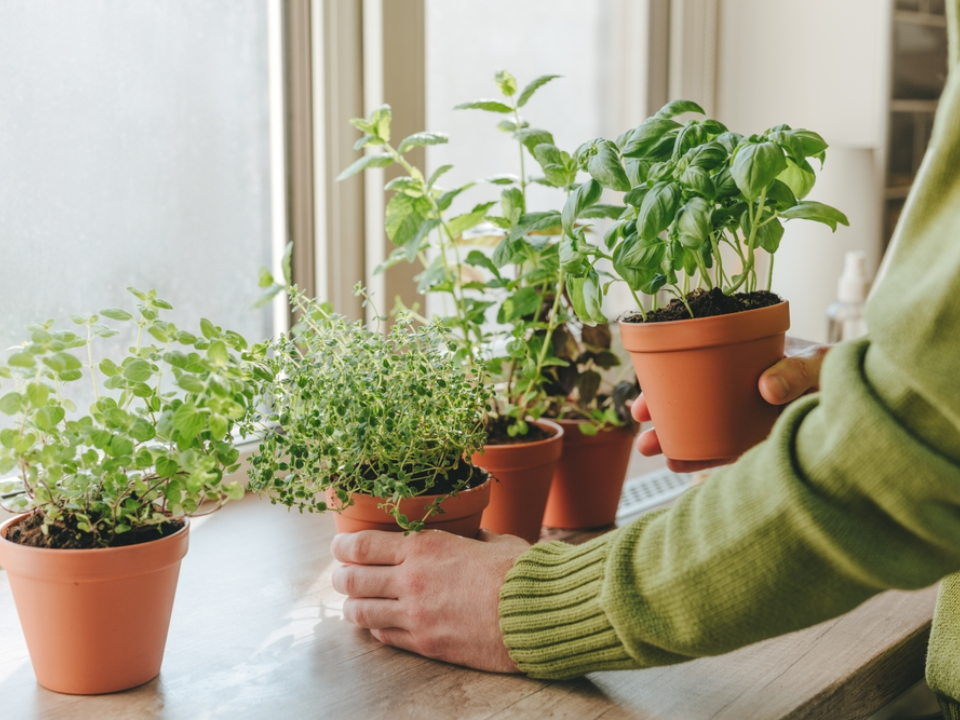
Starting a small herb garden in a container on your kitchen windowsill is a great way to have fresh ingredients at your fingertips all year round. Herbs like basil, parsley, cilantro, and thyme thrive in containers and can be placed in a sunny spot. By growing them in smaller pots, you create an easy-to-maintain garden right inside your home.
For January, you can begin by using seed starting trays or small pots. Keep them close to a bright window and ensure they receive plenty of indirect sunlight. Water them as needed, but be cautious not to overwater. This herb garden not only brightens up the space but also makes cooking more convenient, as you can snip fresh herbs whenever needed.
Indoor Lettuce and Greens Garden
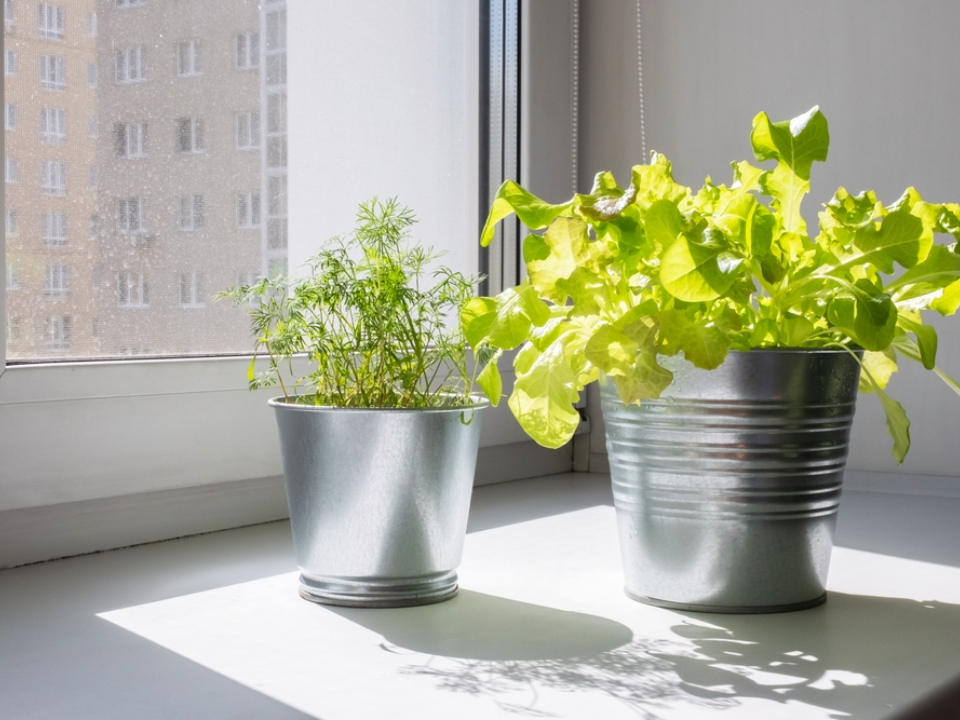
January is an excellent time to grow leafy greens indoors, especially when outdoor gardening isn’t possible due to the cold weather. A container filled with lettuce varieties like romaine, butterhead, or arugula will thrive indoors with minimal care. Choose a wide, shallow container to give the roots enough space to grow, and place it near a sunny window.
These greens tend to grow quickly, so you can enjoy fresh salads in just a few weeks. Make sure to use a well-draining soil mix to avoid waterlogging, and provide them with regular water to keep the soil moist. Adding a light fertilizer once a month can also help support healthy growth. This container garden is a perfect way to enjoy homegrown greens even during winter.
Pea Plants in Containers
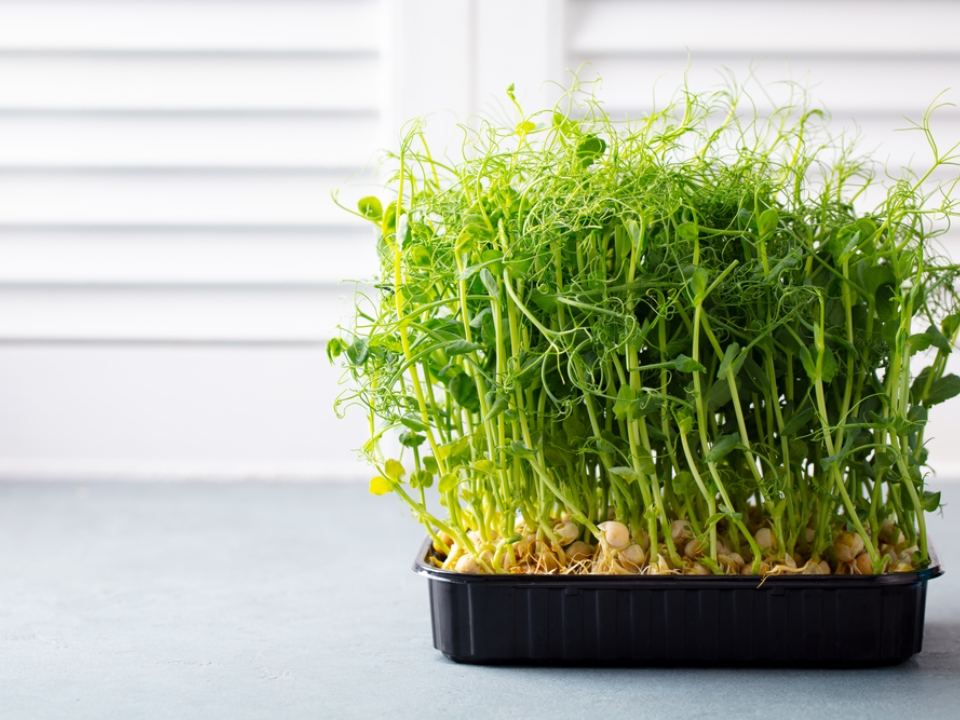
Peas are a cool-weather crop that can be started indoors in January and later moved outdoors as temperatures rise. For container gardening, choose a deep pot that can support the long roots of pea plants. Use a trellis or stakes to help the vines grow vertically. Peas do well in containers because they don’t require a lot of space to spread out, making them ideal for small gardens or balconies.
By starting them indoors in January, you get a head start on the growing season. Make sure to plant the seeds in rich, well-drained soil and water them regularly, but avoid waterlogging. This is a fun and rewarding way to grow peas that can be harvested fresh in the spring.
Flowering Primroses in Pots
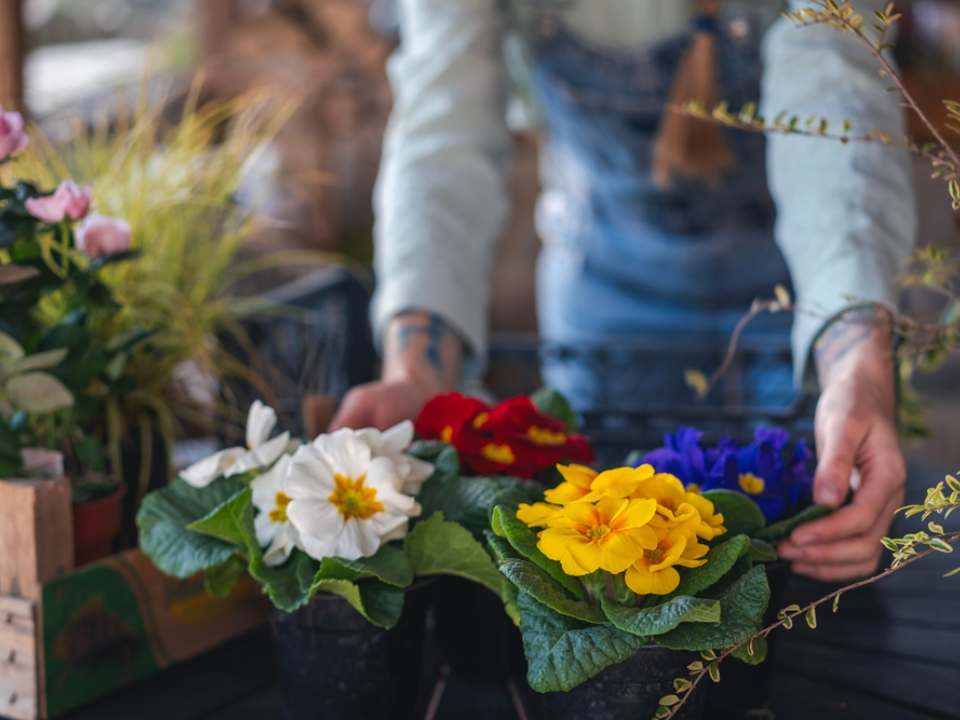
Primroses are beautiful flowering plants that can brighten up any indoor space during the winter months. Start by planting primroses in a container with good drainage and a well-balanced potting mix. Primroses prefer cooler temperatures, so they thrive in the mild indoor conditions of January.
Keep them near a window that gets bright, indirect sunlight. Regular watering is important, but allow the soil to dry slightly between waterings to prevent root rot. Primroses also benefit from occasional feeding with a liquid fertilizer. These colorful flowers will add cheer to your home and provide a splash of color to your indoor garden.
Miniature Tomato Plants for Indoors
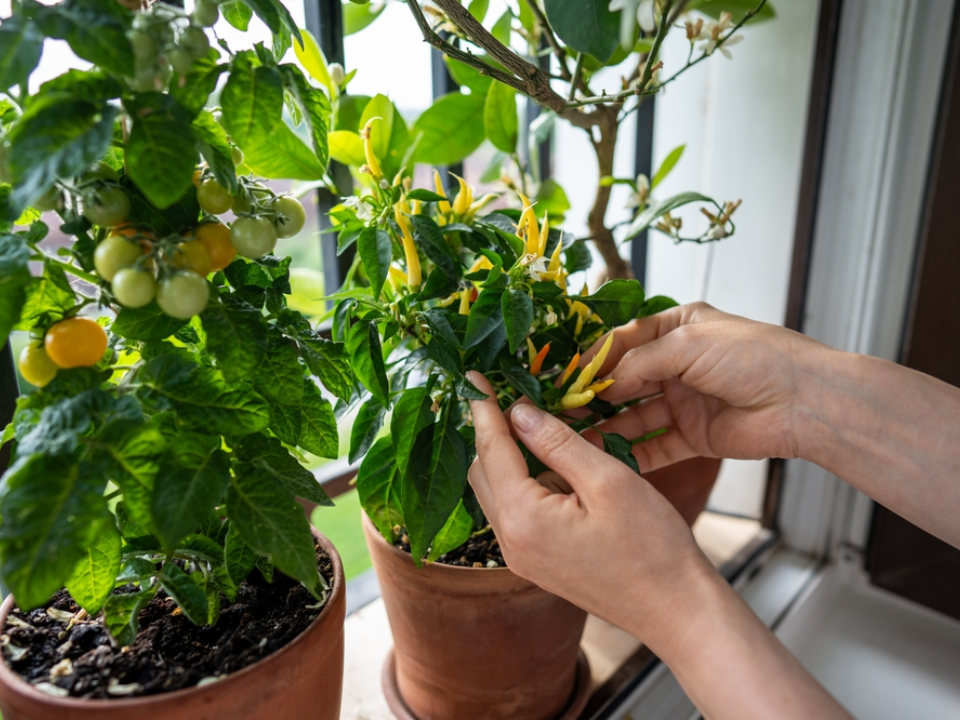
If you’re craving fresh tomatoes in winter, consider growing miniature varieties in containers indoors. Smaller tomato varieties like cherry tomatoes or tiny heirloom types can grow well in pots as long as they receive enough light. Choose a container that is at least 12 inches deep to give the plant space for its roots.
Place the pot in a sunny spot and ensure the plant gets about 6 hours of sunlight a day. Indoor tomatoes need consistent watering, especially when they start to flower and fruit, so be sure the soil is kept moist but not soggy. These small, indoor tomato plants are a great option for gardeners who want to enjoy homegrown tomatoes even during the colder months.
Citrus Trees in Containers
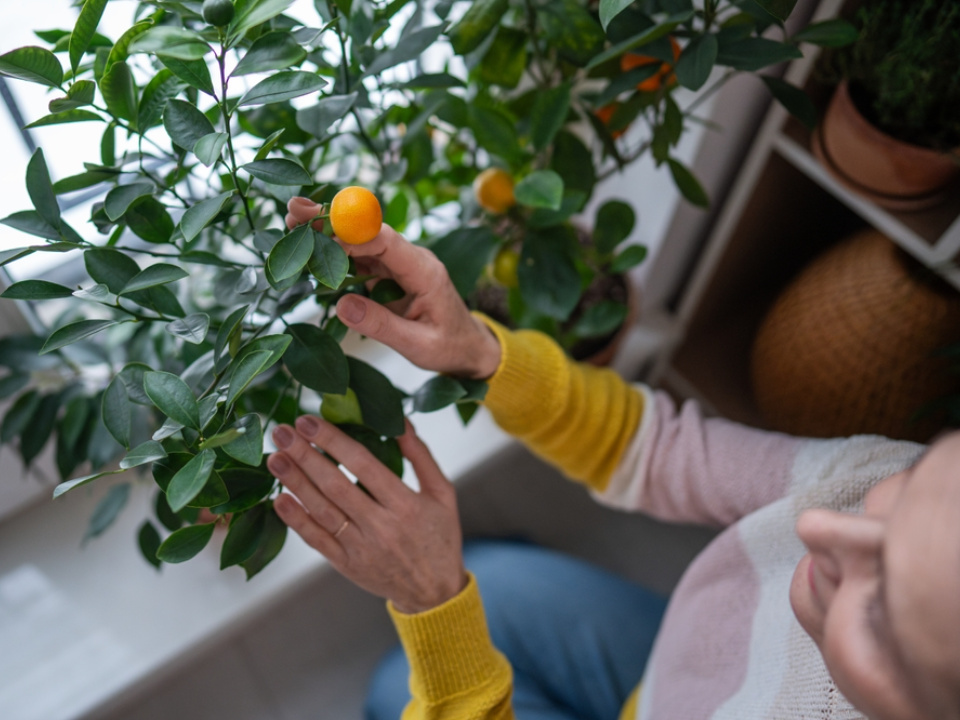
Starting a dwarf citrus tree in a container is a wonderful way to add greenery and fresh fruit to your home. January is a good time to plant small citrus varieties like dwarf lemon or lime trees. These trees do well indoors and require a bright, sunny spot with temperatures between 60 and 70°F.
Use a pot with good drainage and well-draining soil. Keep the soil consistently moist but allow it to dry slightly between waterings. During the winter months, citrus trees may need some extra humidity, so consider placing them on a pebble tray or using a humidifier. Over time, you’ll be able to enjoy fresh, homegrown fruit straight from your container garden.
Succulent Garden for Winter
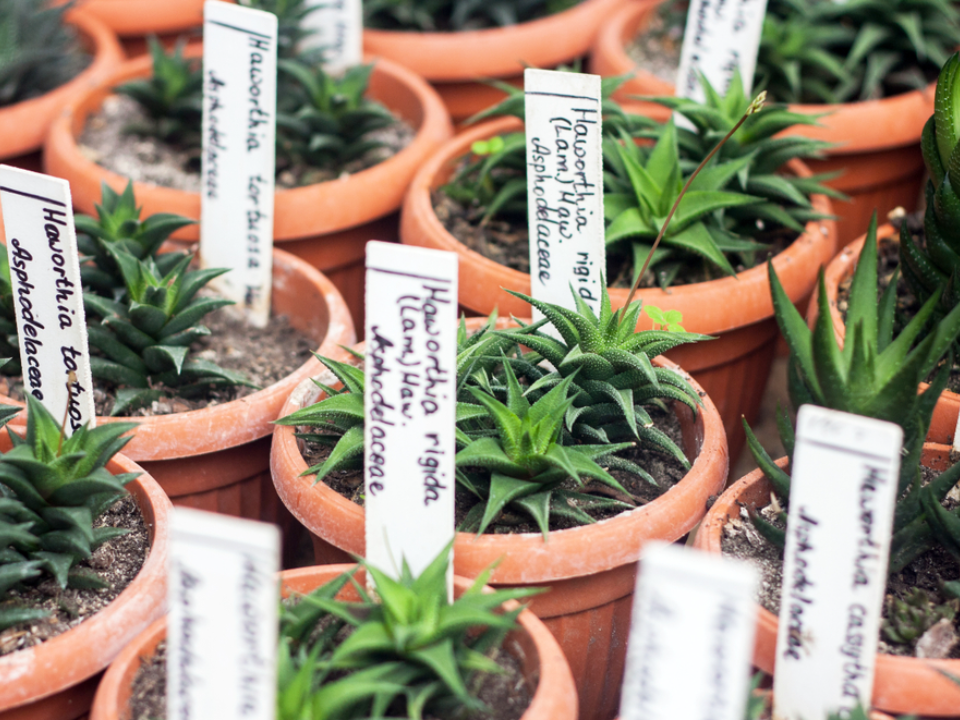
Succulents are perfect for container gardening because they are low-maintenance and thrive in dry conditions. In January, you can plant a variety of succulents in a shallow container, ensuring good drainage. These plants are known for their ability to store water in their leaves, making them drought-tolerant and perfect for busy gardeners.
Place the container in a spot that receives plenty of sunlight, as succulents need bright light to grow well. Water sparingly, only when the soil feels dry to the touch. Succulent gardens are not only easy to care for but also offer a stylish addition to any room with their unique shapes and vibrant colors.
Carrot and Radish Planters
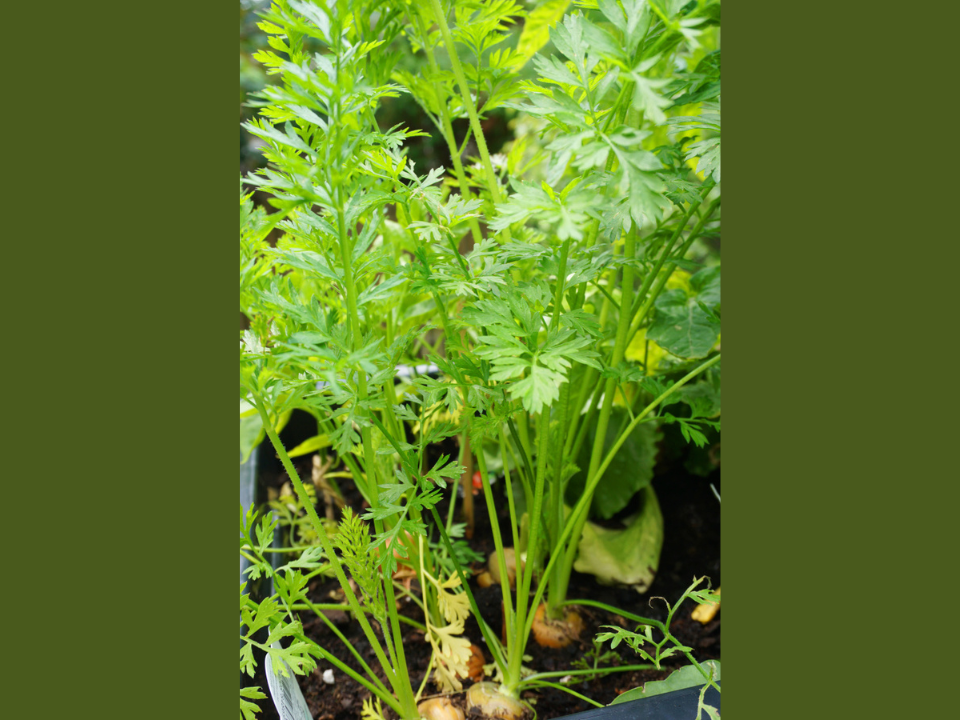
Growing root vegetables in containers can be surprisingly easy, and January is a great time to start planting carrots and radishes indoors. Choose a deep container, as both carrots and radishes require space to grow their roots. Radishes grow quickly, often ready to harvest in a month or less, while carrots take longer.
Use loose, well-draining soil to encourage healthy root development. Place the container in a sunny spot and keep the soil moist but not soggy. Radishes will grow rapidly, and carrots will need a little patience, but both crops are great for small container gardening. Plus, the fresh taste of these veggies will make the effort worthwhile.
Herbal Tea Garden in Containers
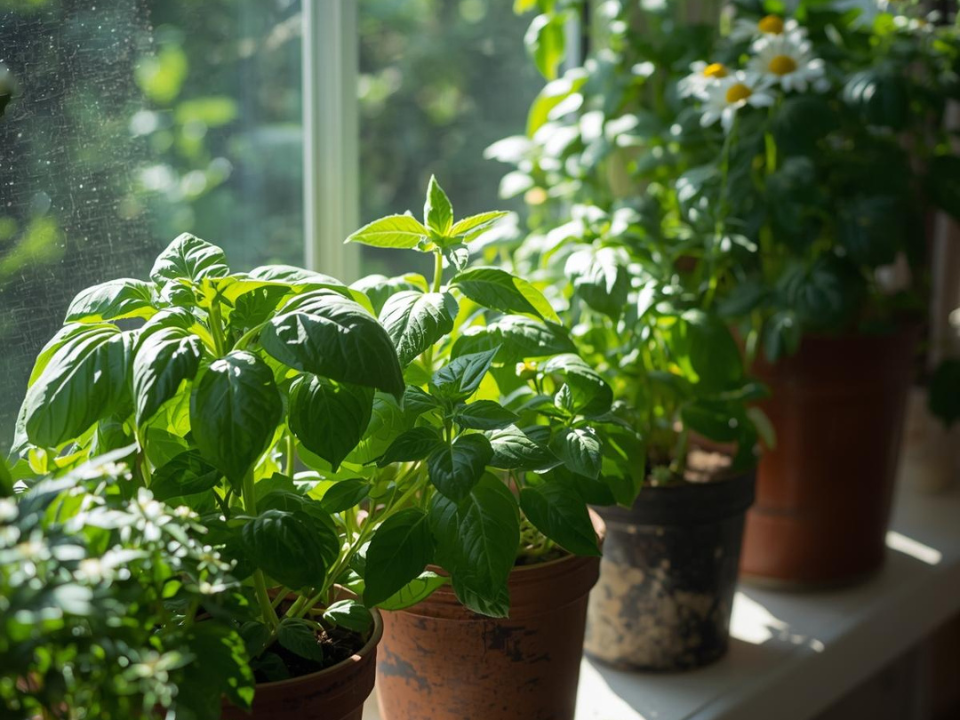
A herbal tea garden is a wonderful and practical way to enjoy fresh, homegrown herbs in the winter. Start planting herbs like chamomile, peppermint, lemon balm, and lavender in separate containers. These herbs are well-suited for small pots and thrive indoors with the right care.
Place your containers near a bright window to ensure the plants get enough light. Regularly water the herbs and trim them as they grow to encourage healthy foliage. You can enjoy fresh herbal teas straight from your garden, or dry the herbs for later use. This indoor container garden provides both beauty and functionality during the cold winter months.
Winter-Blooming Cyclamen
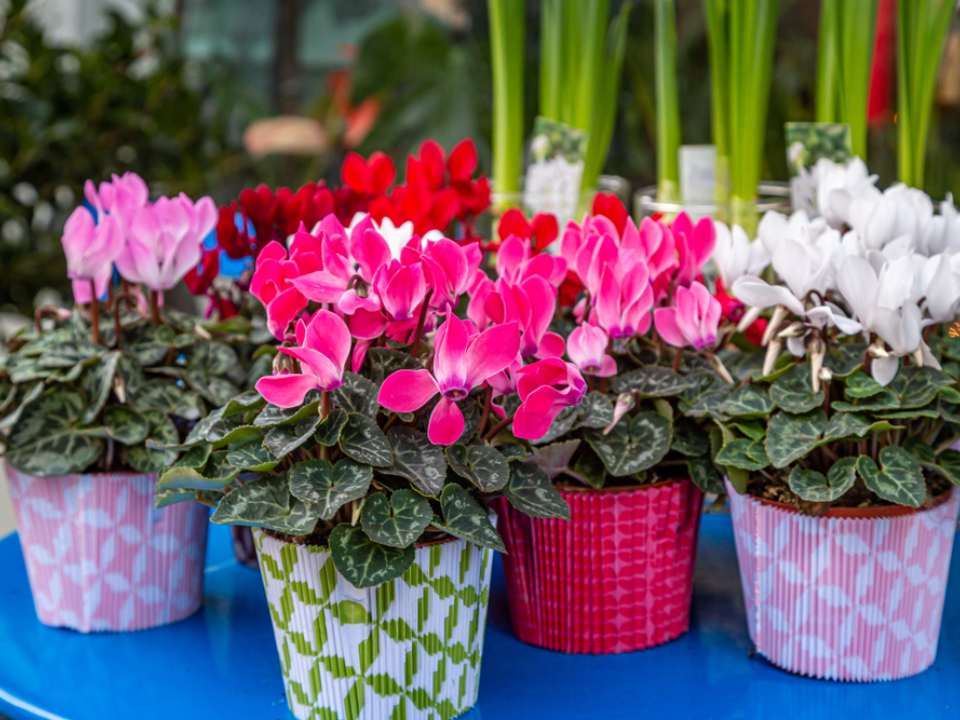
Cyclamen is an excellent choice for container gardening in January, as it thrives in cooler indoor temperatures. These plants produce stunning flowers in shades of pink, red, or white, adding beauty to your indoor space. Cyclamen prefer bright, indirect light and well-drained soil.
Water the plant carefully, making sure not to get the leaves or tuber wet, as this can lead to rot. These plants need a bit of rest after they bloom, so reduce watering once the flowers start to fade. However, with the right care, cyclamen can bloom beautifully through the winter and into early spring.
Kale in Pots
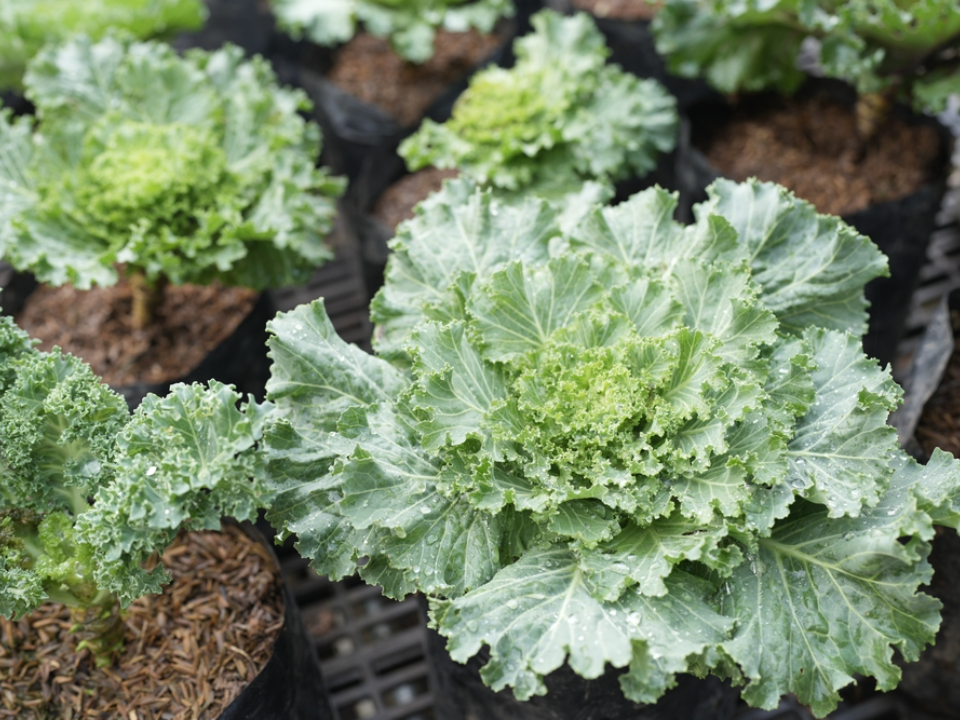
Kale is a hardy green that can easily be grown in containers, making it a perfect choice for January gardening. A deep pot filled with nutrient-rich soil allows the kale’s roots to spread out. Kale thrives in cooler weather and does well indoors as long as it receives enough light.
It grows best when placed near a bright window, though a grow light can also be used if natural sunlight is insufficient. Regular watering is essential, but be careful not to overwater, as kale does not like soggy soil. This nutritious plant can be harvested for fresh salads or smoothies. With the right care, kale will continue to grow throughout the winter, providing you with fresh greens.
Spinach in Containers
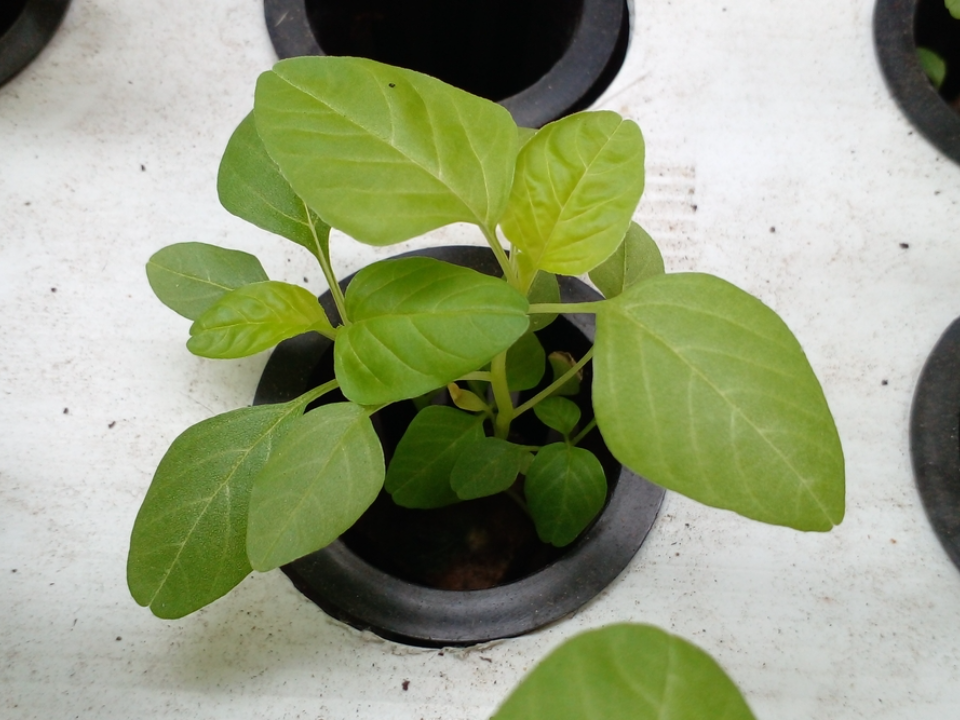
Spinach is another great vegetable to grow indoors during the winter months. By starting spinach in containers, you can have fresh, tender leaves for salads or cooked dishes. Choose a shallow pot with good drainage and fill it with a well-draining potting mix. Spinach prefers cooler temperatures, making it ideal for indoor gardening in January.
Place the container in a bright location where the plant can receive plenty of indirect sunlight. Keep the soil moist, but not soggy, and feed the plant with a balanced fertilizer every few weeks. Spinach will grow quickly and can be harvested as needed, providing you with fresh greens all season long.
Dwarf Sweet Peppers
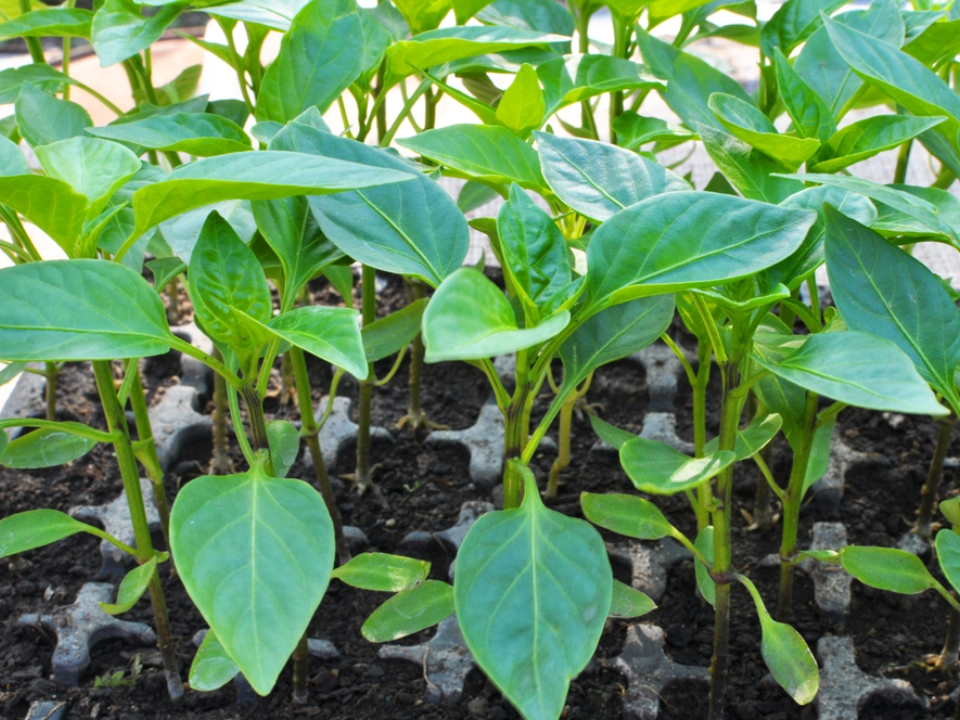
Dwarf sweet pepper plants are well-suited for container gardening, making them a great option for growing indoors during the colder months. These compact plants produce small peppers that pack a punch in flavor. Start by planting the seeds in a container that is at least 10 inches deep to accommodate the root system.
Sweet peppers require lots of sunlight, so make sure the plant is placed in a location with plenty of direct light. Keep the soil consistently moist but avoid overwatering. You may need to rotate the plant every few days to ensure even light exposure. These mini peppers are a fun and flavorful addition to any indoor garden.
Chard in Containers
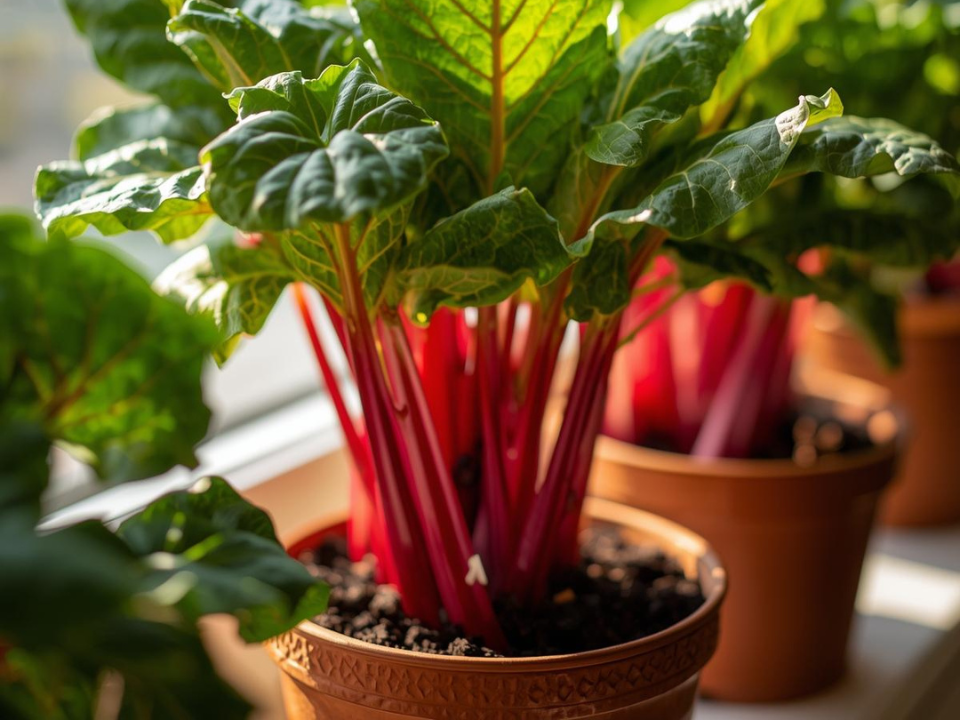
Chard is another easy-to-grow leafy green that thrives in containers. It does well in cooler indoor conditions, making it perfect for January gardening. Use a deep pot with rich, well-draining soil to plant chard seeds. Chard grows quickly and can be harvested regularly, providing fresh, nutrient-dense leaves for a variety of dishes.
Place the container in a location with bright, indirect sunlight. Regular watering is necessary, but be sure the soil drains well to prevent root rot. Chard is both beautiful and practical, with its colorful stems and hearty leaves that can be enjoyed in salads, soups, or sautéed dishes.
Cress in Small Containers
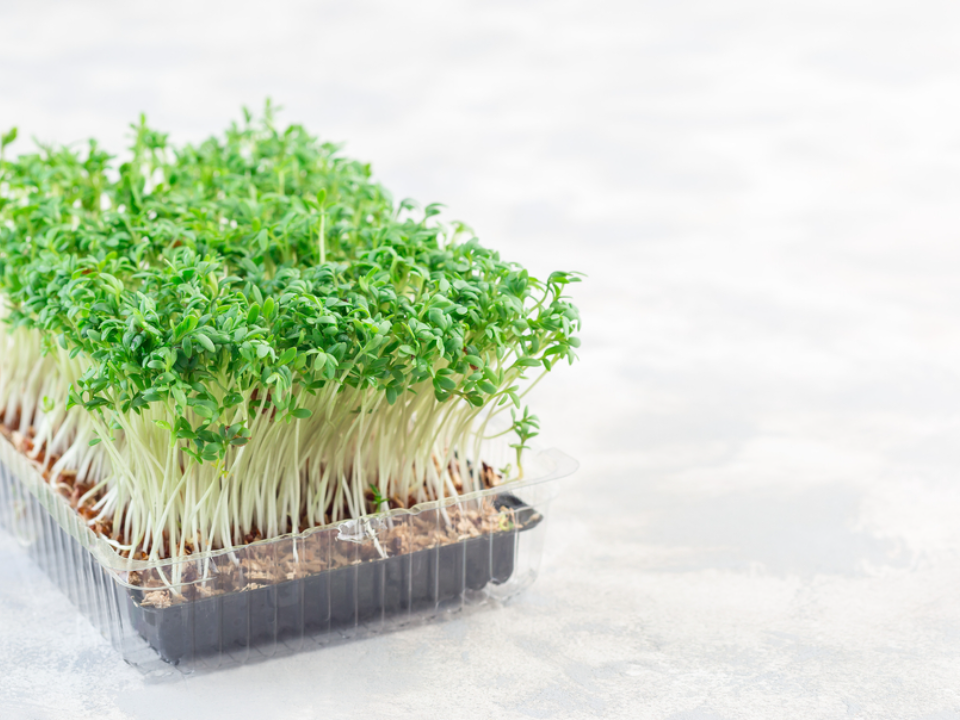
Cress is a fast-growing herb that can be planted in small containers and harvested in as little as a week. Known for its peppery flavor, cress is perfect for adding a zesty kick to salads, sandwiches, and garnishes. Use a shallow container with good drainage and plant the cress seeds in a fine, moist soil mix.
Keep the container in a spot with indirect light and water regularly, but avoid soaking the soil. Cress grows quickly, and the small, tender leaves can be harvested once they reach a few inches tall. It’s an excellent choice for gardeners who want to see results quickly and enjoy fresh, homegrown herbs.
Indoor Chrysanthemums
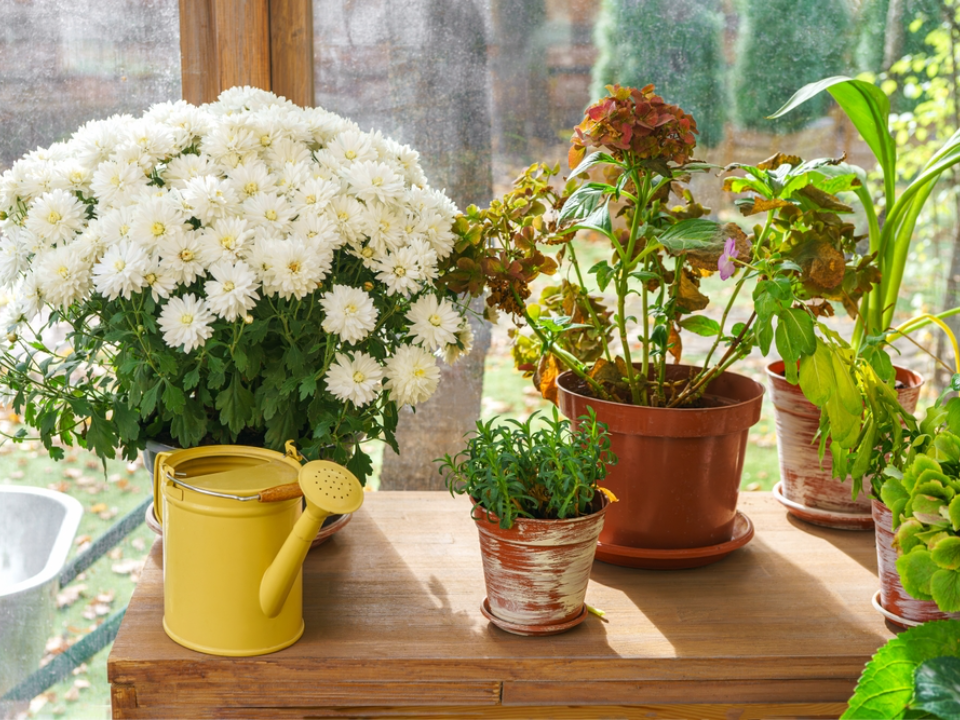
Chrysanthemums, also known as mums, are beautiful flowering plants that can brighten up any room during the winter months. These plants can be grown in containers and placed near a window that receives plenty of light. Mums prefer cooler temperatures, so they are perfect for indoor gardening in January.
They require regular watering, but be cautious not to overwater them, as this can lead to root rot. These plants will reward you with vibrant blooms, adding color and charm to your home. Chrysanthemums are also known for their air-purifying qualities, making them a great addition to any indoor space.
This article originally appeared on Avocadu.