
10 Container Garden Prep You Can Do on a Porch or Patio
Starting a container garden on a porch or patio is a practical way to grow herbs, vegetables, and flowers when yard space is limited. With the right preparation, even a small outdoor area can support healthy plants and steady growth. Simple steps such as choosing suitable pots, using quality potting mix, and arranging containers where they receive six to eight hours of sunlight make a noticeable difference. A thoughtful setup also keeps the garden easy to reach, easy to maintain, and simple to adjust as the season changes.
This post may contain affiliate links, which helps keep this content free. Please read our disclosure for more info.
Selecting Pots with Proper Drainage
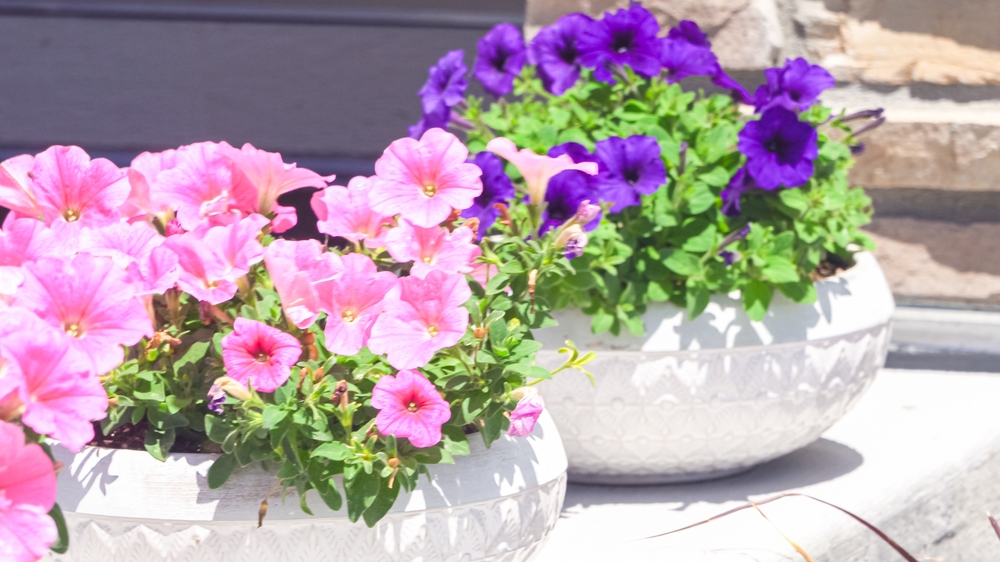
Choosing the right pots is one of the first steps when preparing a container garden on a porch or patio. Containers with drainage holes allow excess water to leave the soil, which helps prevent soggy roots and plant stress. Terracotta, plastic, resin, and glazed ceramic containers are common options, and each offers a different balance of weight and moisture retention. For small outdoor spaces, lightweight materials are often easier to move and rearrange as the season progresses.
Good drainage supports healthy root growth, especially when plants grow in a confined space. Without drainage holes, water can collect at the bottom and cause roots to weaken over time. Gardeners who use decorative pots without holes often place a smaller nursery pot inside so water can drain freely. This approach works well on porches and patios where keeping the area clean and tidy is important.
Choosing High Quality Potting Mix
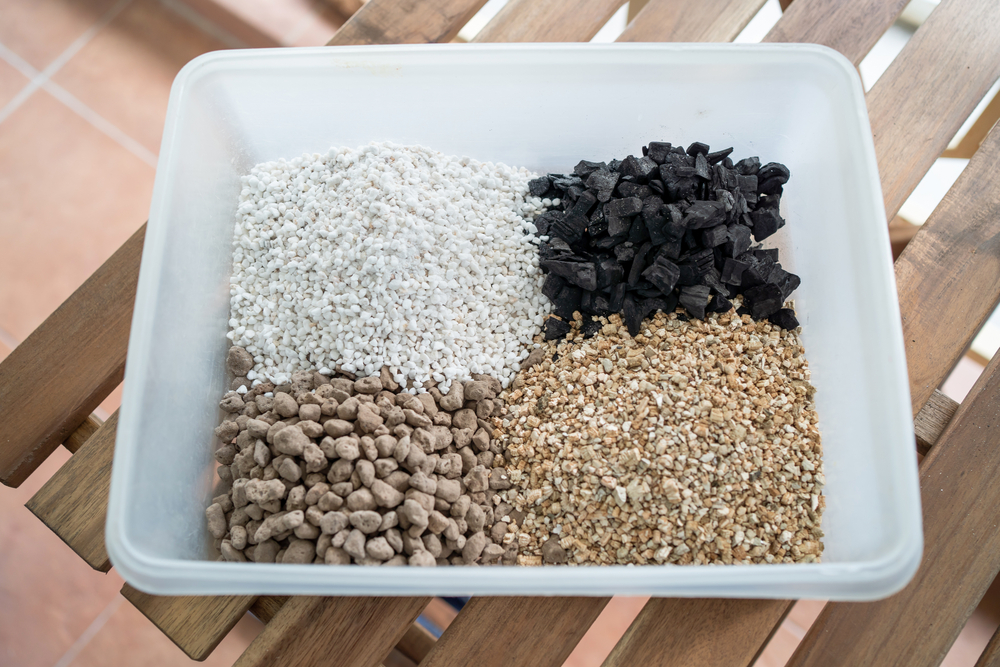
A quality potting mix forms the foundation of any successful container garden. Unlike garden soil, potting mix stays loose and airy, which allows roots to spread easily in a limited space. Many mixes include ingredients such as peat, coconut coir, perlite, or compost that help balance moisture and airflow. These materials help the soil hold enough water for plants while still draining well.
Using the right mix makes plant care easier for gardeners working with a porch or patio setup. Containers dry out faster than in-ground beds, so a mix that holds moisture without becoming heavy helps plants stay healthy between waterings. Fresh potting mix also reduces the risk of soil pests or diseases that sometimes appear in reused garden soil. Starting with clean, well-blended soil gives young plants a strong beginning.
Arranging Containers for Maximum Sunlight
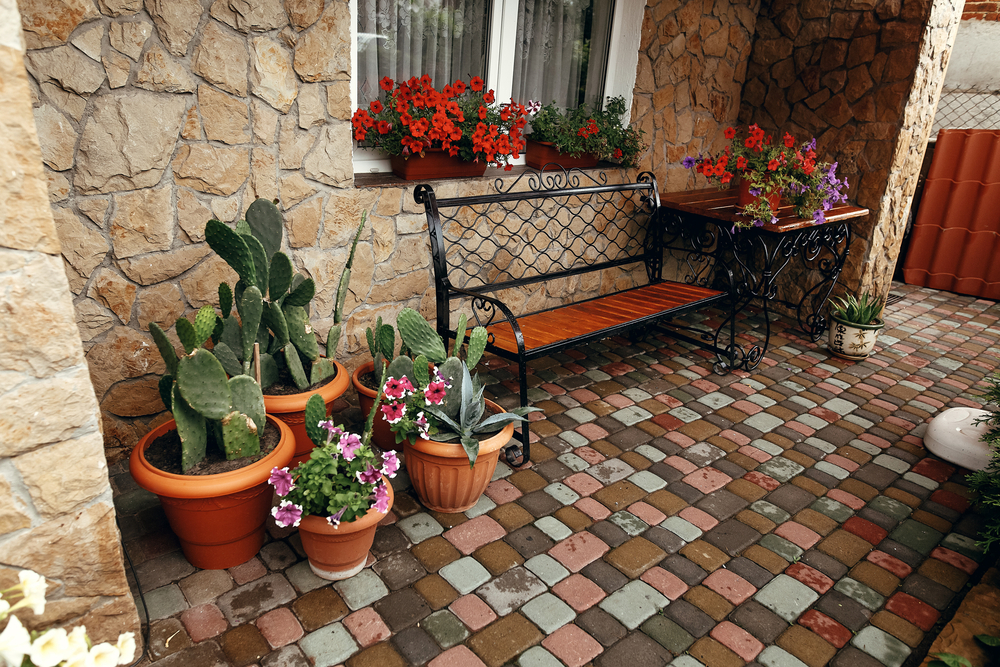
Sunlight is one of the most important factors when planning a porch or patio garden. Most vegetables, herbs, and flowering plants grow best with about six to eight hours of sunlight each day. Before placing containers, it helps to observe how sunlight moves across the space during the morning and afternoon. This simple step helps gardeners decide where each plant will receive enough light.
Arranging containers with sunlight in mind helps prevent slow growth or weak plants. Taller containers can be placed toward the back, while shorter pots stay closer to the edge of the space. This arrangement allows all plants to receive a fair share of sunlight. Because containers are easy to move, gardeners can adjust their layout as the season changes or as nearby structures cast different shadows.
Considering Weight Limits on Porches and Decks
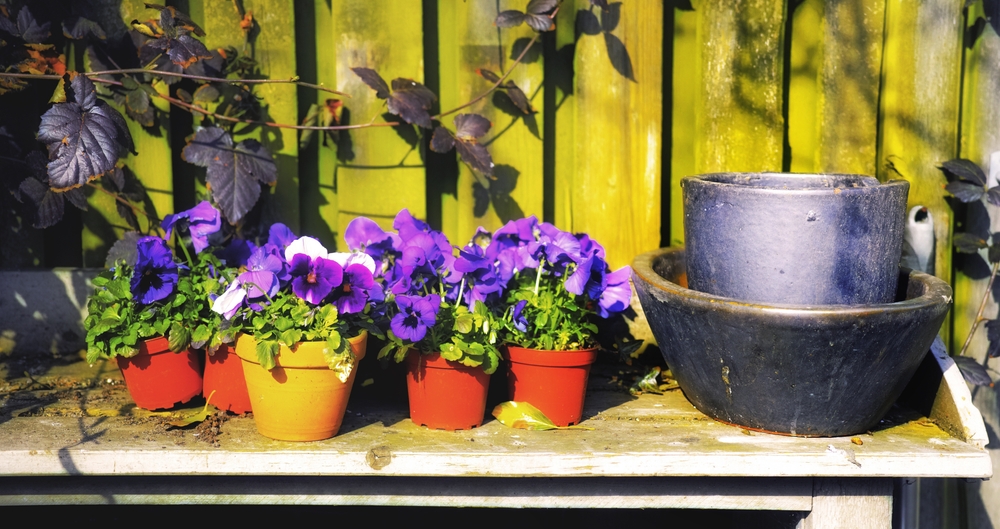
Weight is an important factor when setting up containers on a porch, balcony, or raised deck. Large pots filled with soil and water can become surprisingly heavy, especially after rainfall. Using lighter containers made from plastic or resin helps reduce stress on wooden structures. Gardeners often spread pots across the space instead of clustering them in one area.
Being mindful of weight helps protect the structure beneath the garden. Elevated surfaces such as balconies and upper-level patios have limits on how much weight they can safely support. Using pot feet or small stands also allows air to circulate under containers and prevents moisture from sitting against the surface. This small step helps keep both the garden and the structure in good condition.
Grouping Containers by Water Needs
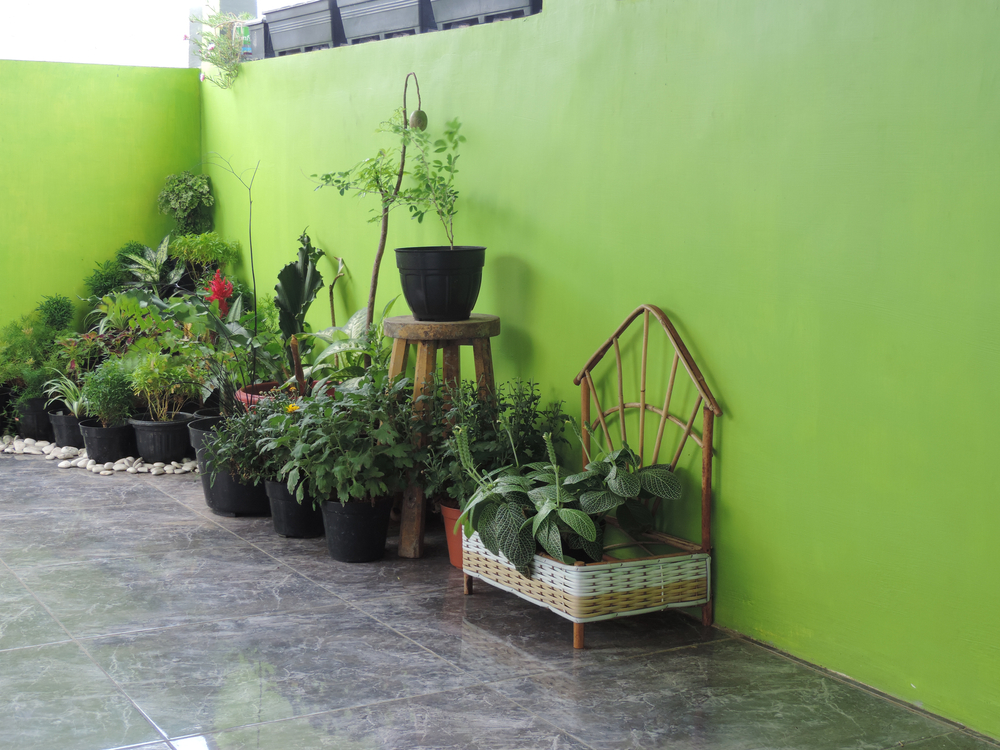
Grouping plants with similar water needs simplifies daily care on a porch or patio. Some plants prefer consistently moist soil, while others grow better when the soil dries slightly between waterings. When containers with similar needs sit close together, watering becomes easier and more consistent. This approach prevents accidental overwatering or neglect.
Small space gardens benefit from organized watering routines. Herbs such as basil or parsley often enjoy regular moisture, while plants such as rosemary prefer drier conditions. Keeping them in separate groups helps maintain the right balance. A well-organized layout also makes it easier to check soil moisture quickly while spending time on the porch.
Using Pot Feet or Risers
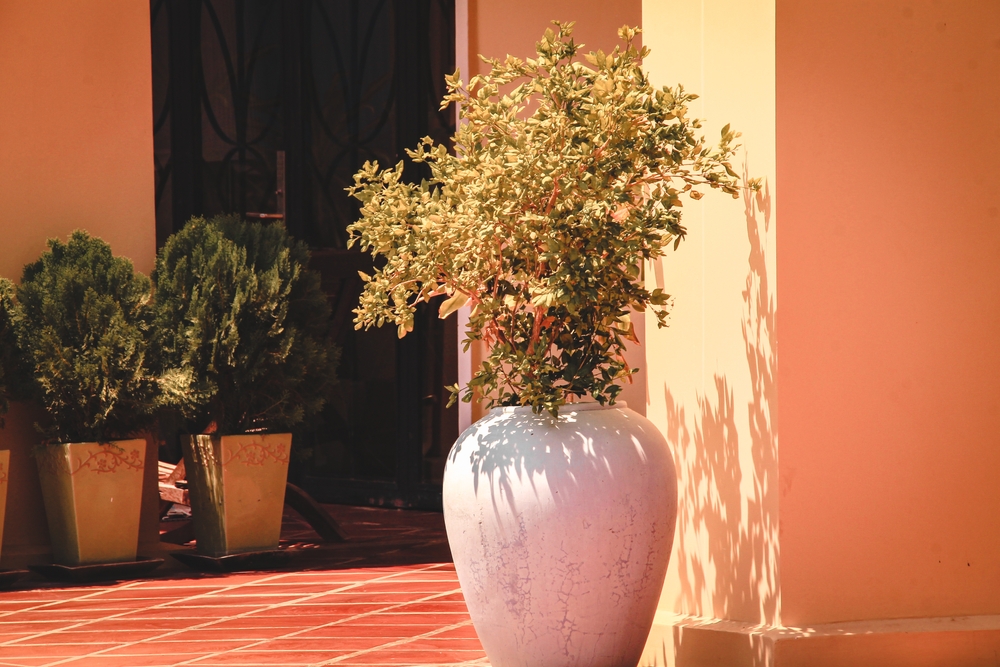
Pot feet or risers lift containers slightly above the ground. This small detail allows water to drain freely from the bottom of the pot instead of collecting underneath. Good drainage protects both the plant roots and the surface of the porch or patio. It also prevents water stains from forming on wood or concrete.
Raising containers also improves airflow around the base of the pot. Better air movement helps the soil dry evenly after watering or rain. This reduces the chance of root problems caused by standing water. Pot risers are simple to place and can be adjusted easily when containers move around the space.
Planning for Mobility
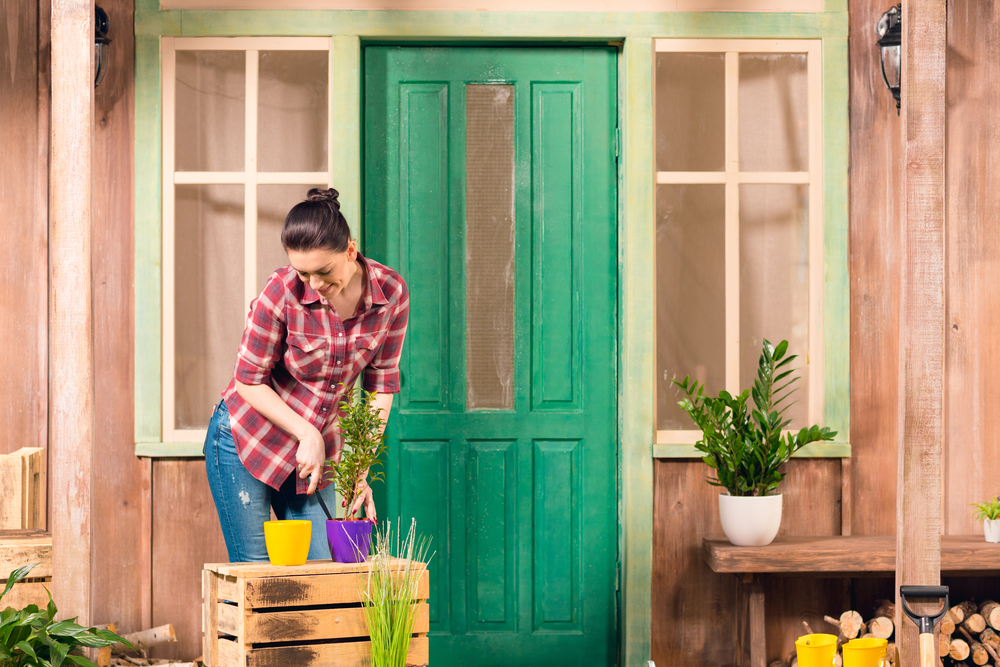
One of the main benefits of container gardening is the ability to move plants when needed. Preparing for mobility makes gardening on a porch or patio much easier throughout the season. Rolling plant stands, or wheeled trays, allow heavy containers to move without lifting. This helps gardeners adjust plant placement when sunlight patterns change.
Mobility also helps during extreme weather or temperature swings. Containers can move into shade during very hot days or closer to a wall when cooler weather arrives. Some gardeners even bring smaller pots indoors during sudden cold nights. This flexibility makes container gardening a practical option for small outdoor spaces.
Selecting Plants Suited for Containers
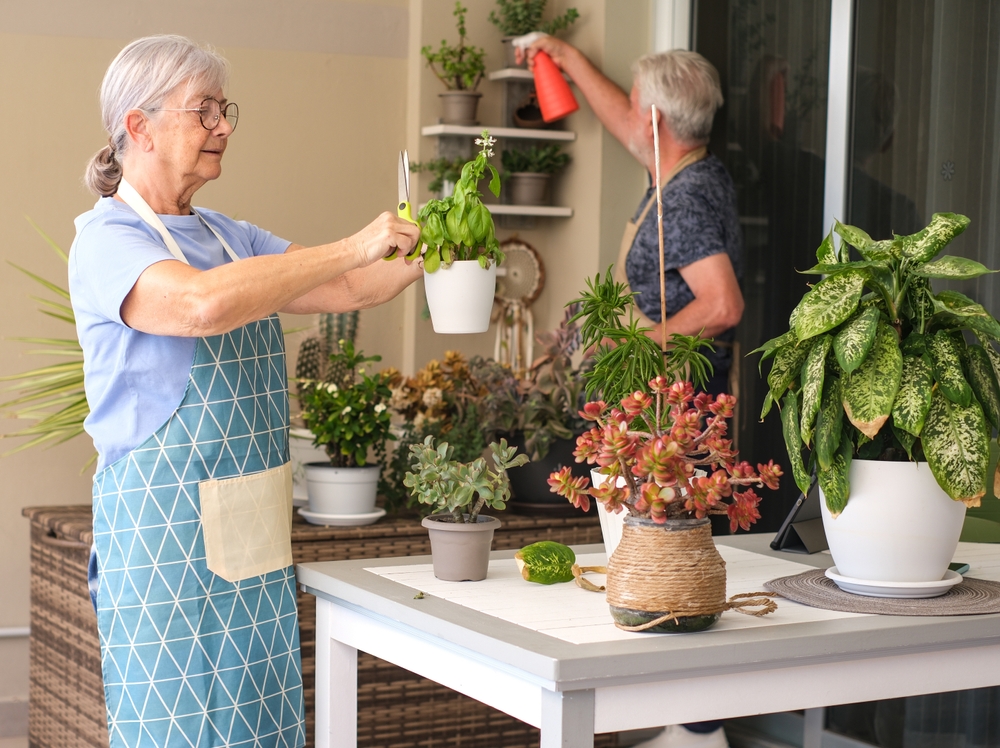
Not every plant grows well in containers, so choosing the right varieties is important. Compact vegetables, herbs, and flowering plants tend to adapt best to limited root space. Cherry tomatoes, peppers, lettuce, basil, and marigolds are common choices for porch gardens. These plants produce well while remaining manageable in pots.
Plants bred for container growth often stay smaller while still producing flowers or harvests. This helps prevent overcrowding in tight spaces. When plants match the container size, roots remain healthy, and growth stays balanced. Careful selection leads to a garden that looks full without becoming crowded.
Preparing a Simple Watering Plan
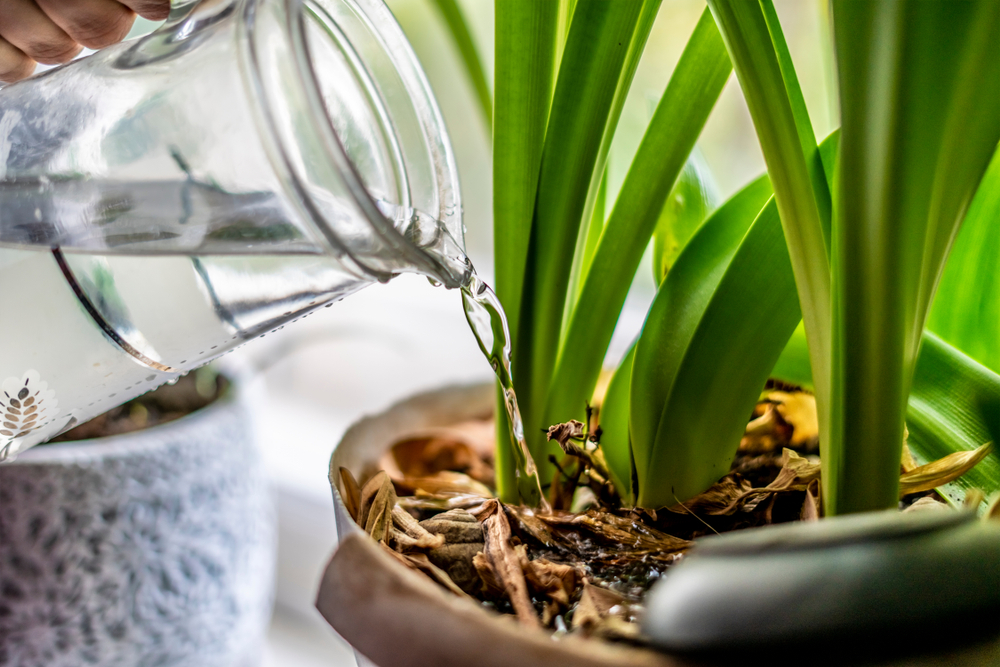
Containers dry out faster than garden beds, so planning a watering routine makes daily care easier. Checking soil moisture regularly helps prevent plants from becoming stressed. Many gardeners water early in the morning, so plants have moisture before the day warms up. Consistent watering keeps plants growing steadily.
Porch gardens benefit from simple routines that fit daily schedules. Some gardeners place containers close together so watering can happen quickly with a watering can or hose. Others use trays or saucers to catch excess water and protect the surface below. A clear watering plan keeps the garden healthy without requiring long periods of work.
Adding Slow-Release Fertilizer
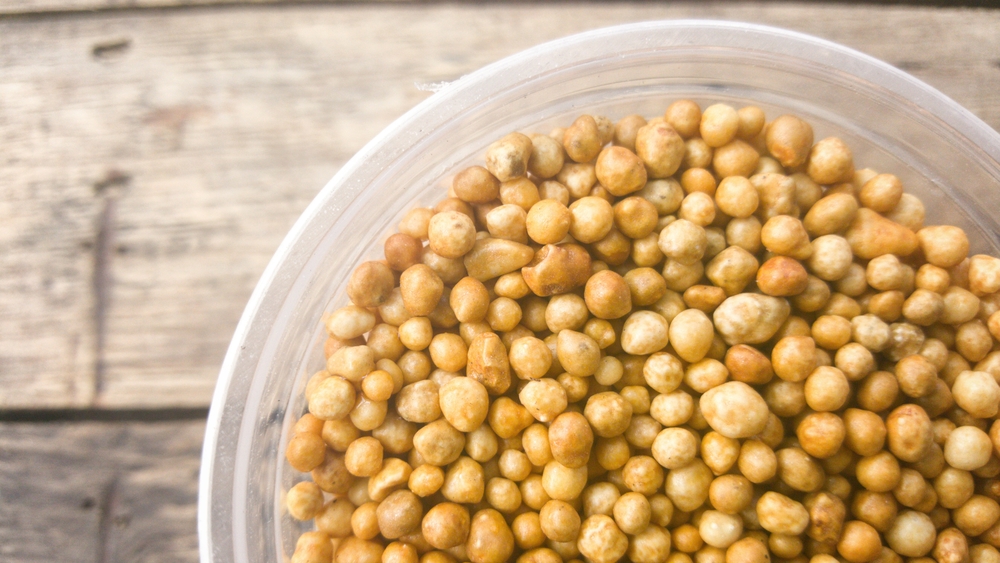
Plants growing in containers rely on the nutrients within their potting mix. Over time, those nutrients become depleted as plants grow and produce leaves or flowers. Adding slow-release fertilizer at planting time provides a steady supply of nutrients over several weeks. This helps plants remain strong throughout the season.
Because containers hold limited soil, feeding plants becomes more important than in garden beds. Slow-release fertilizer reduces the need for frequent feeding while still supporting healthy growth. Gardeners often mix the fertilizer gently into the top layer of soil. This method allows nutrients to spread gradually with watering.
This article originally appeared on Avocadu.