
11 Conservation Projects With the Biggest Before and After Changes
In many parts of the world, nature has slowly returned to areas that once looked worn down. Years of protection, restoration work, and community care helped these places recover. Because of that, the before and after views can be remarkable. Take a closer look at places where conservation made a visible impact.
This post may contain affiliate links, which helps keep this content free. Please read our disclosure for more info.
The Loess Plateau in China
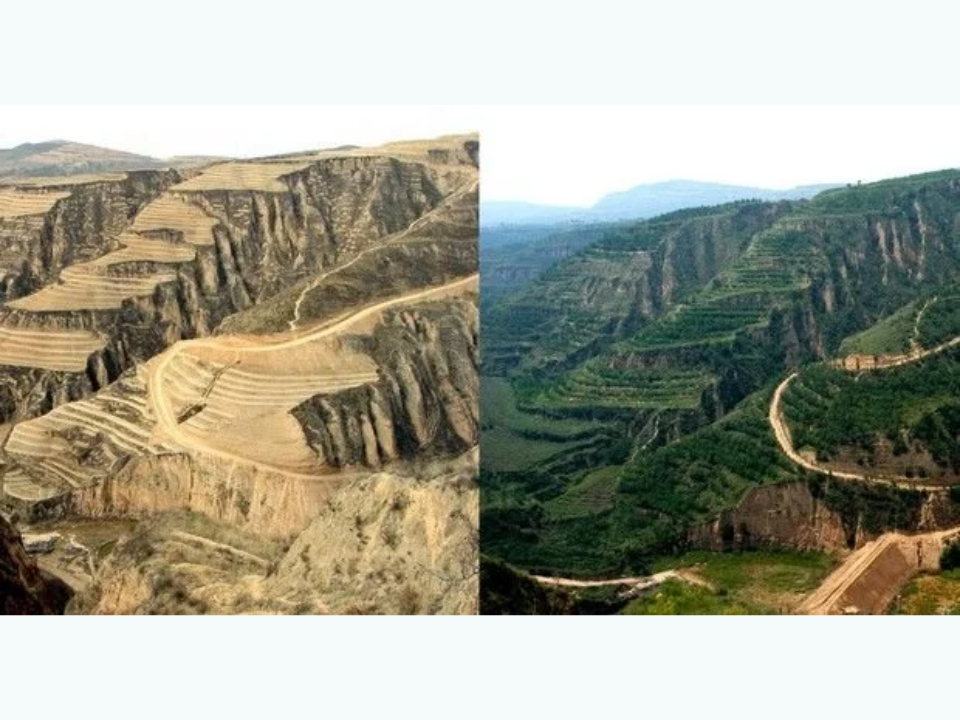
Across northern China, the Loess Plateau once suffered from severe erosion, poor soils, and stripped hillsides. World Bank material says centuries of overuse and overgrazing left the area heavily degraded before large recovery work began. Terracing, tree planting, grazing controls, and better water management slowly changed the area. The difference between dusty slopes and greener hills became easy to see over time.
Another reason this place is often mentioned is the sheer scale of the work. The World Bank described it as one of the world’s largest erosion control efforts, with goals tied to ecological recovery and better farming conditions. As vegetation cover improved, sediment flowing into the Yellow River was reduced, and local production improved as well. It is a strong example of a damaged region looking visibly healthier after long-term care.
The North Aral Sea in Kazakhstan
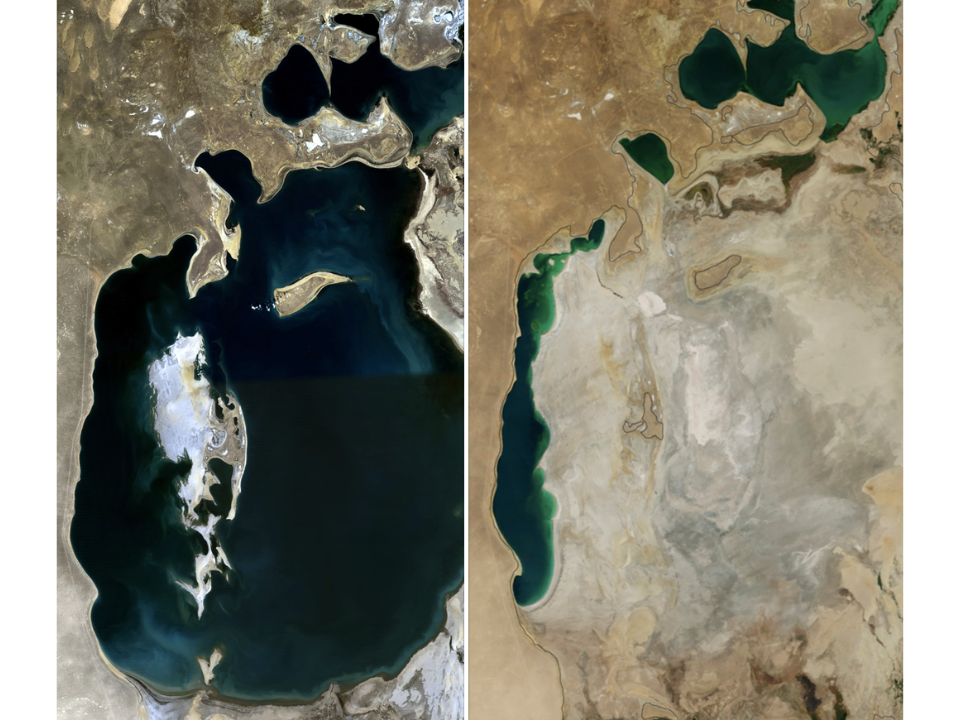
In Central Asia, the North Aral Sea became a powerful symbol of environmental loss after the larger Aral Sea shrank badly. World Bank reporting says the northern section began to recover after the Kok-Aral Dam helped raise water levels. That change lowered salinity and brought fish back to waters that had once seemed close to lost. Old images of stranded boats now contrast with a partial return of water and fishing activity.
What makes this case so striking is that the change can be seen in both the shoreline and local life. The World Bank said restoration of the northern Aral helped reduce salinity and supported the return of fisheries and health gains in nearby communities. While the full Aral crisis was not reversed, this section showed that part of a broken system could still improve. It remains one of the clearest before and after stories in water recovery.
Yellowstone National Park in the United States
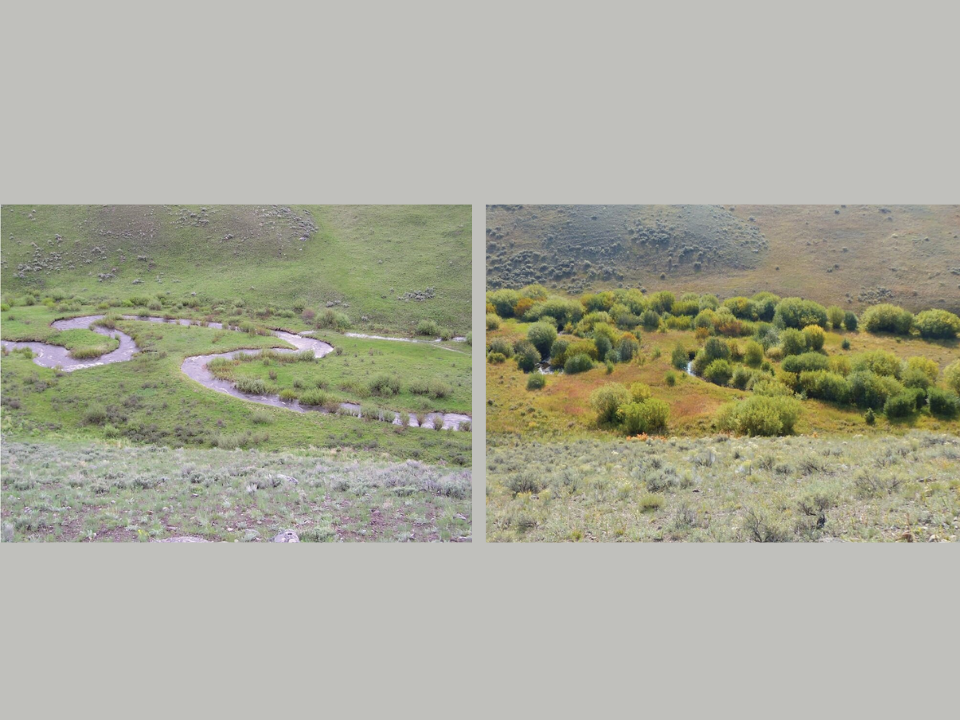
Few places show a clearer before and after story than Yellowstone. Wolves returned in 1995 after being gone for decades, and park staff says their return helped reshape how elk used valleys and stream edges. That change gave some willows and aspens more room to recover in parts of the park. The result was a visible shift in food webs and habitat use across a large area.
What stands out here is how many parts of the park changed together. The National Park Service says wolves influenced prey behavior, other predators, and the wider food web, which made Yellowstone a classic example of ecosystem recovery. Visitors often notice the contrast between old accounts of heavily browsed stream banks and newer scenes with more woody growth in some sections. It is one of the best-known cases where wildlife return changed the look and feel of a place.
Gorongosa National Park in Mozambique
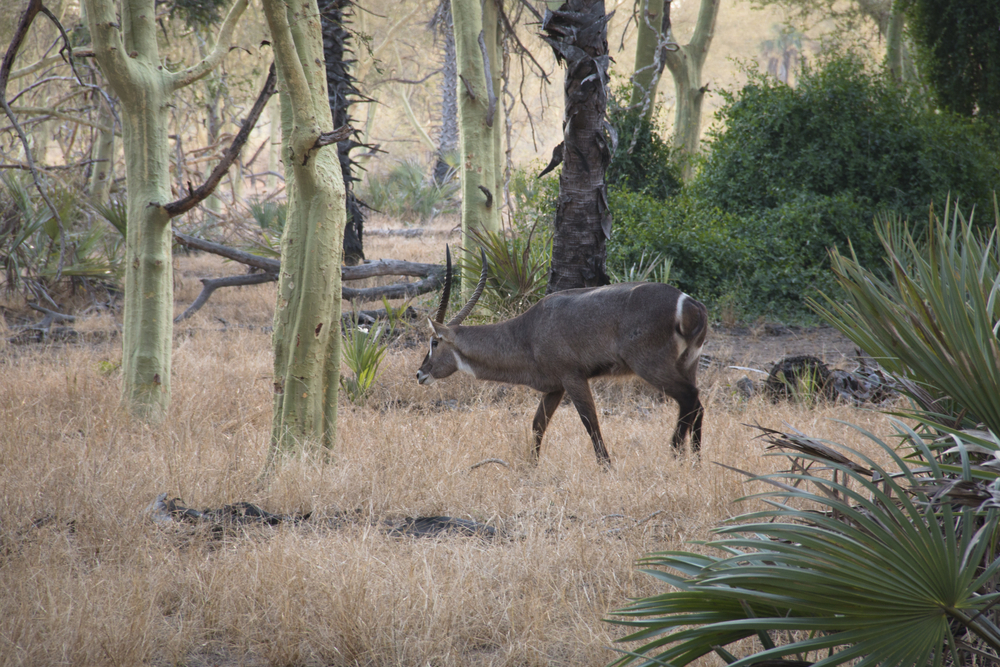
During and after Mozambique’s civil war, Gorongosa lost much of its wildlife and suffered severe damage. The park’s own history says a long public-private partnership began in 2008 to rebuild wildlife, habitat, and nearby communities. Since then, the park has become widely known for its recovery. The contrast between wartime loss and the present park is plain to visitors and researchers alike.
Equally important is that the work did not stop with animals alone. Recent reporting and park information describe a recovery model that tied ranger work, species return, schools, farming, and local jobs together. That broader approach helped cut poaching pressure while bringing life back to the park itself. Gorongosa is now often held up as a place where conservation changed both the land and the surrounding human story.
The Kissimmee River in the United States
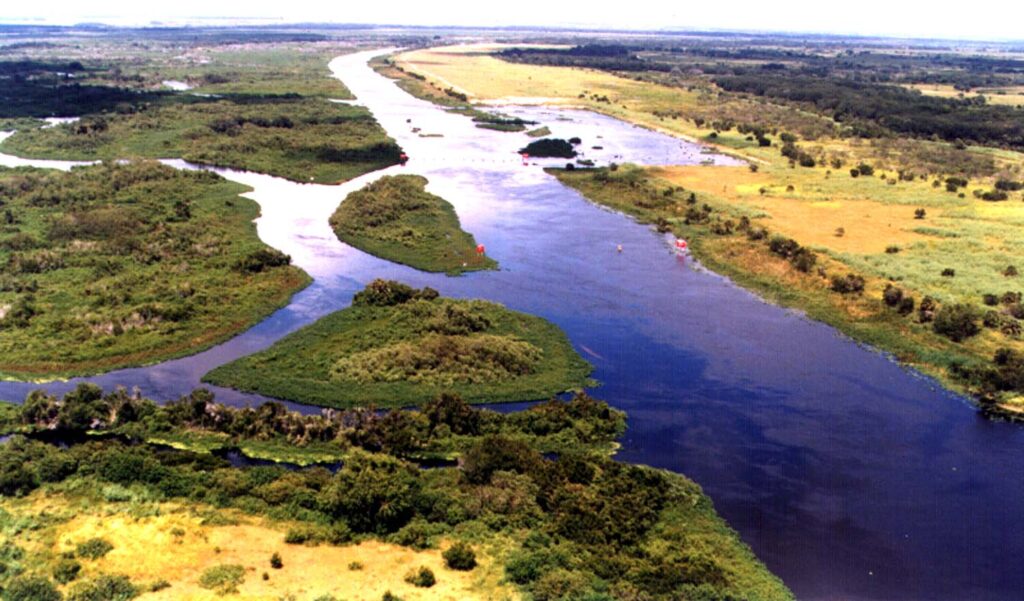
South Florida’s Kissimmee River once flowed through broad floodplains, then was straightened into a canal for flood control. The U.S. Army Corps of Engineers says the recovery project set out to bring back more than 40 square miles of river floodplain system, nearly 20,000 acres of wetlands, and 44 miles of historic river channel. That gave the river a chance to look and function more like it once did. The before and after contrast is easy to grasp in aerial views and field photos.
In practical terms, the project changed a simplified canal back toward a living river. Official project pages explain that refilling canal sections and reopening old channels helped restore wetland habitat and water movement. Birds, fish, and floodplain life gained from that shift, and the visual change in the river corridor became one of the best-known examples of river repair in the United States. It is a place where engineering was used to undo older engineering.
Costa Rica’s forests
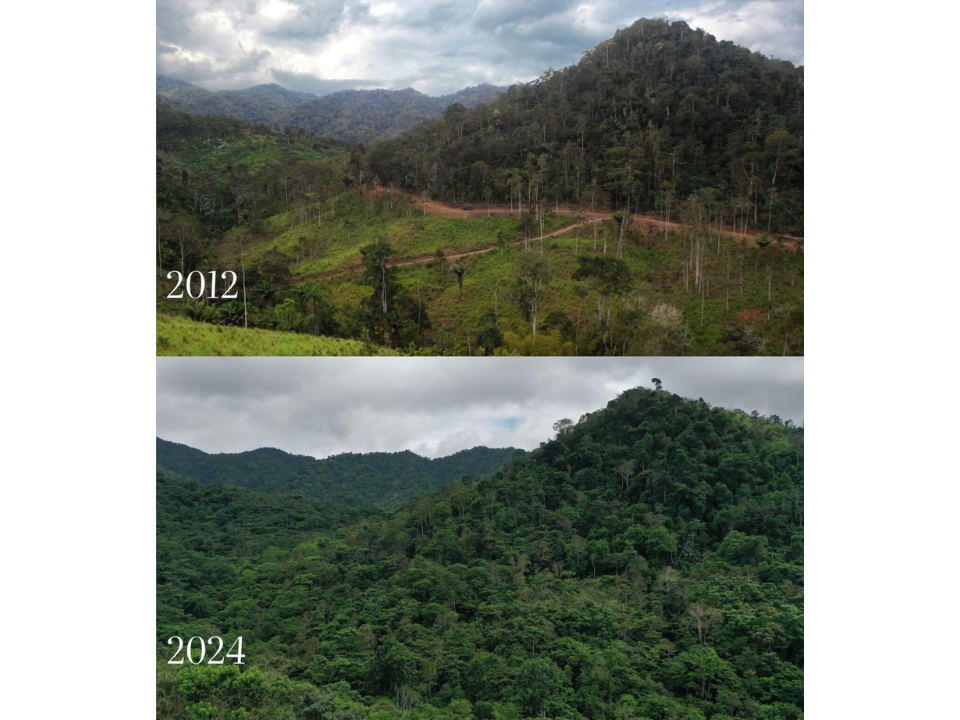
Costa Rica once lost forest at a worrying pace, especially during the late twentieth century. IUCN material says the country reversed forest loss and reported forest cover of 57.1 percent of its continental territory by 2021. That recovery followed years of protection, policy change, and payment programs that rewarded forest care. The shift from cleared land toward greener hillsides is one of the country’s most visible environmental stories.
What makes the Costa Rica case stand out is how broad the recovery became. Forest return improved habitat links, water protection, and biodiversity across much of the country, according to restoration reporting. Older images of pasture and cleared slopes now sit beside newer views with much heavier tree cover in many regions. It is a good example of a nation changing course and seeing the results on the ground.
Hakalau Forest National Wildlife Refuge in Hawaii
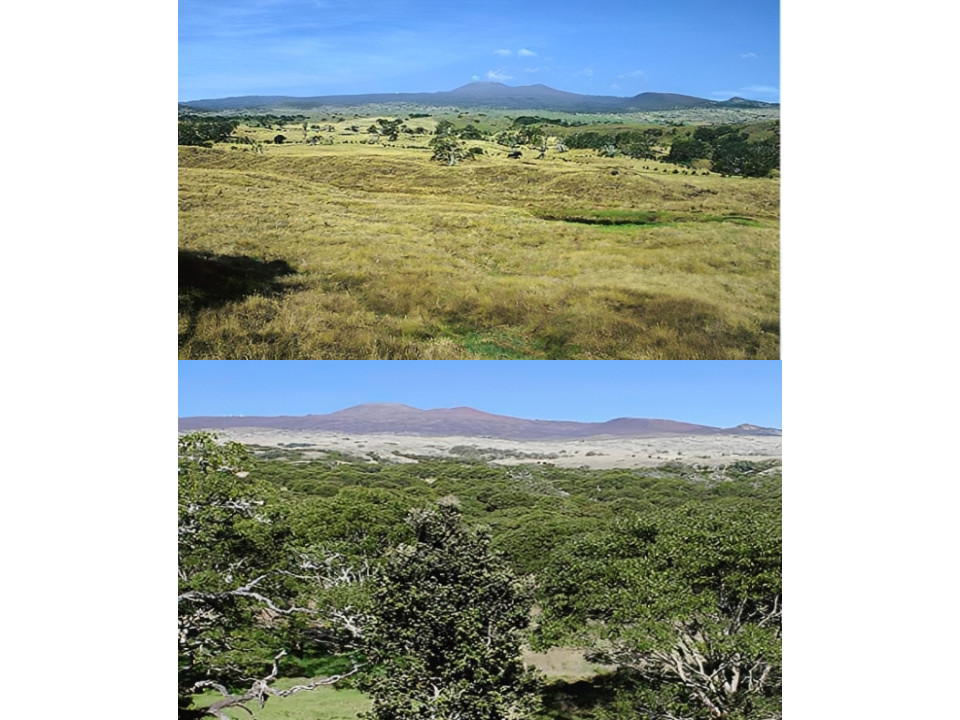
High on Hawaii Island, Hakalau Forest shows what patient native forest planting can do. The U.S. Fish and Wildlife Service says about 12,000 acres of former pasture have been turned into a thriving native forest, with more than 600,000 plants put in since 1985. That is a major visual change from grassland used for cattle to a habitat aimed at native birds and plants. It is hard to miss how different the area looks after decades of work.
Another useful detail is that this recovery was built step by step by agencies, partners, and volunteers. Official refuge information describes the site as a sanctuary for endangered Hawaiian forest birds and a place shaped by long planting efforts. The value here lies in how clear the shift is from degraded pasture to restored woodland. Hakalau shows that even heavily altered uplands can look alive again with steady care.
Apo Island in the Philippines
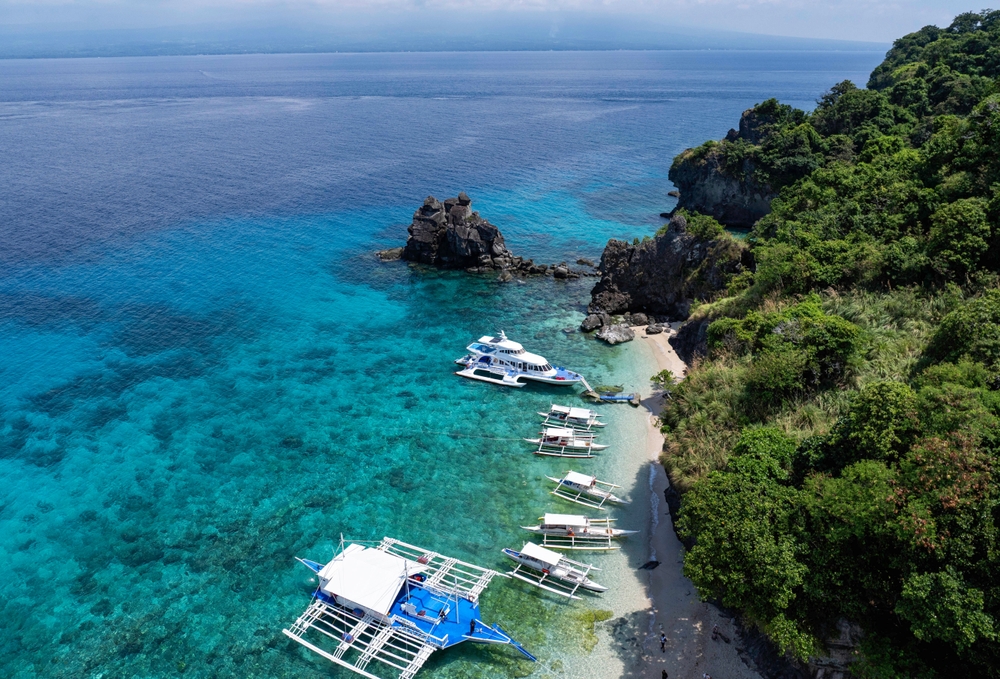
Off Negros Oriental, Apo Island became known for community-led reef protection after years of damaging fishing practices. Long-term work described in scientific and conservation sources found that fish biomass inside the reserve increased over the years and that nearby fishers also benefited. That gave the island a strong before and after identity, with reef life becoming much richer than in earlier times. It is one of the Philippines’ best-known marine conservation stories.
Just as important, Apo Island showed that local involvement could change a reef’s condition in a lasting way. The long-term record summarized by researchers pointed to higher fish biomass in the no-take reserve and spillover benefits outside it. This made the place useful far beyond its small size, since it helped inspire many similar protected areas. Apo Island remains a clear example of a reef area looking and functioning better after steady protection.
The Elwha River in the United States
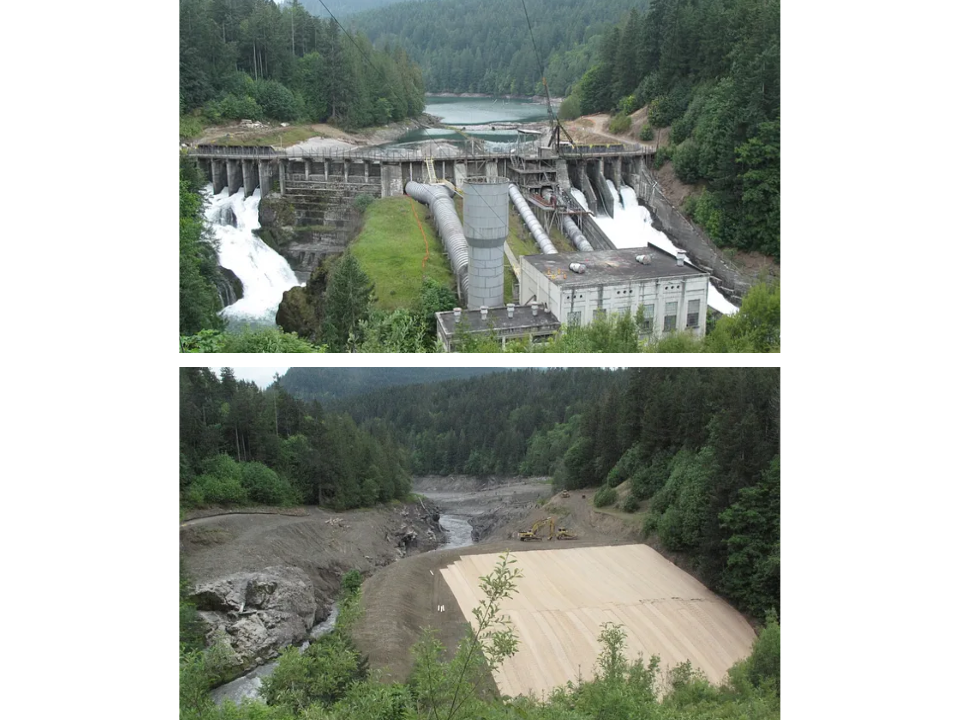
On Washington’s Olympic Peninsula, the Elwha River became one of the most famous dam removal stories in the world. National Park Service pages explain that removing two dams opened the river again for salmon and other migratory fish. That changed the river from a blocked system into one with returning natural flow and renewed fish access. The before and after difference can be seen in channels, sediment movement, and recovering habitat.
Seen over time, the Elwha story is about a river regaining room to work like a river. Federal sources say the goal was to restore fish abundance and diversity and let the system rebuild itself after dam removal. As sediment moved downstream and habitat opened up, the area began to look less constrained and more natural. It remains one of the clearest examples of large-scale river repair in North America.
Chesapeake Bay oyster reefs in the United States
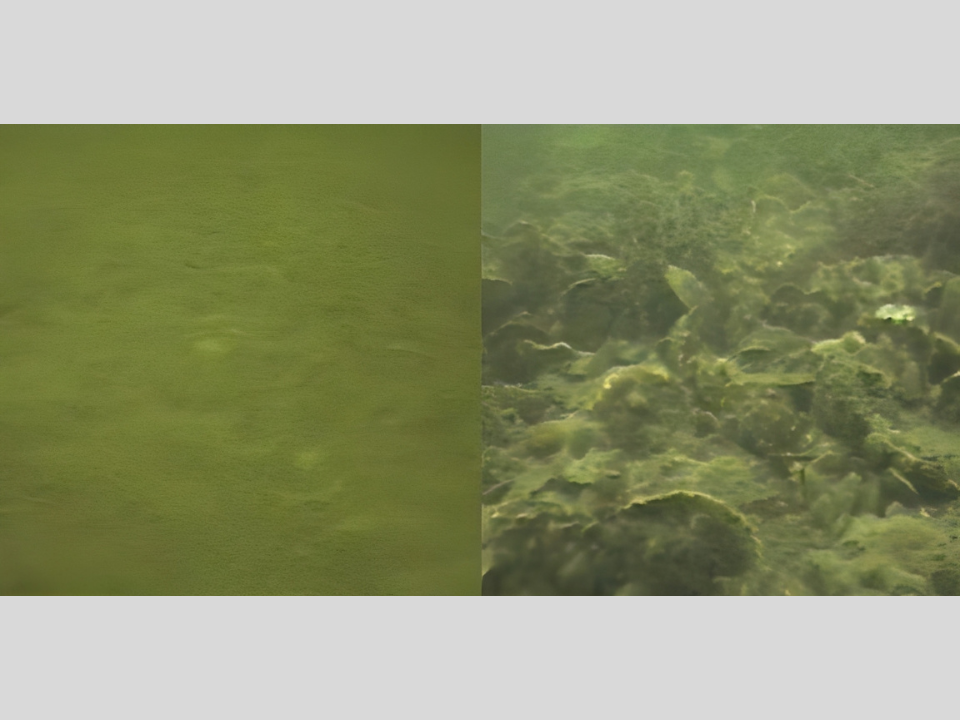
Beneath the water, Chesapeake Bay has its own dramatic before and after story. NOAA reports that restored oyster reefs in the bay have shown strong success, with most monitored acres meeting reef success targets after several years. These reefs matter because oysters filter water and build habitat for other life. In areas once marked by loss and decline, rebuilt reefs are now changing water quality and habitat conditions.
What makes this recovery easy to notice is that the change is measurable and structural at the same time. NOAA says successful oyster reefs can remove far more nitrogen each day than unrestored bottoms, and restored tributaries have shown strong results. Maryland also reported in 2025 that large tributary scale projects were highly successful at bringing back oyster populations and habitat. This is a case where conservation changed what lies on the bay floor and what happens in the water above it.
Akagera National Park in Rwanda
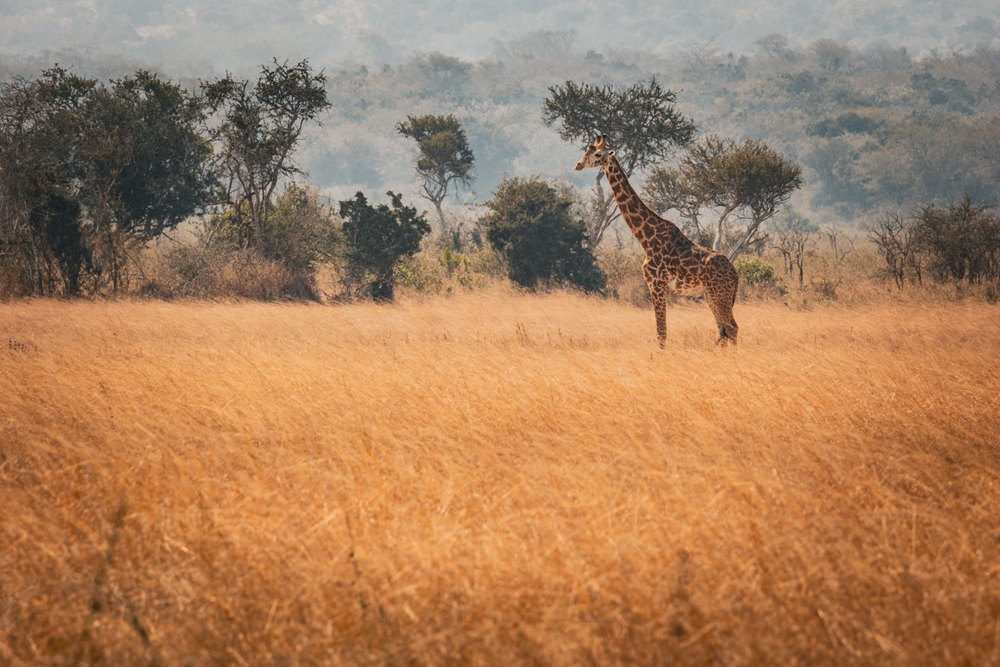
After war, settlement pressure, and poaching, Akagera was left in poor shape. African Parks says the Rwandan government brought them in during 2010 to help manage and restore the park, and later wildlife numbers rebounded strongly. Lion and rhino returns became part of that shift, along with stronger protection. The change from a damaged park to a thriving safari area is one of Rwanda’s clearest conservation stories.
A big reason the change feels so visible is that Akagera now looks full of wildlife again. Park information says it now supports strong populations of lion, rhino, elephant, buffalo, giraffe, zebra, leopard, hippo, and crocodile. That is a very different picture from the years when the park was badly depleted. Akagera shows how firm management and time can bring a protected area back into shape.
Cabo Pulmo National Park in Mexico
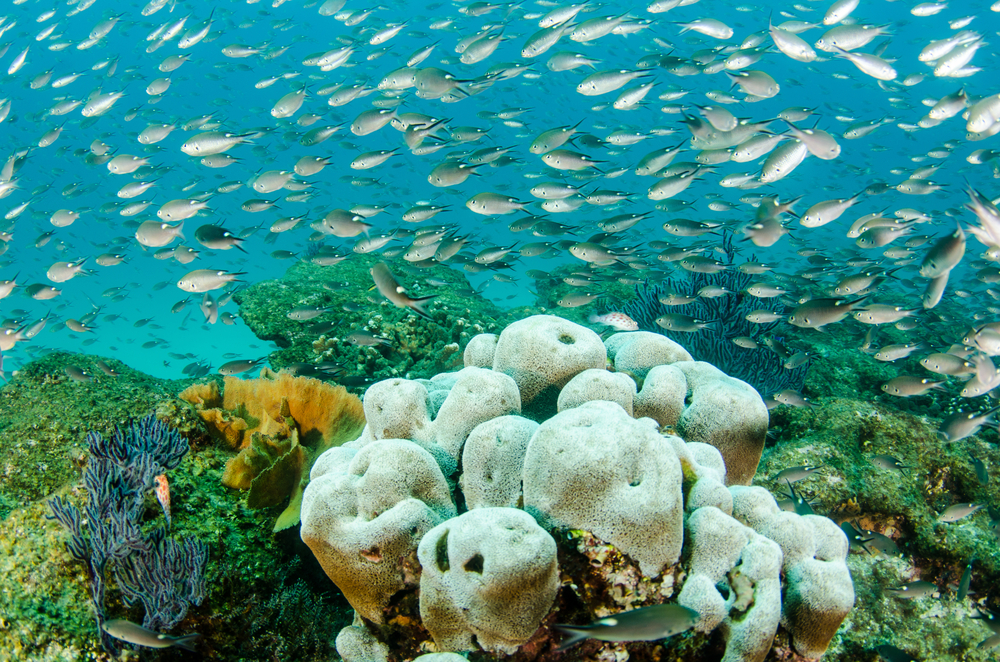
Along the Gulf of California, Cabo Pulmo shifted from an overfished reef area into a famous marine reserve. A widely cited scientific paper found that fish biomass increased by 463 percent in about a decade after full protection. That kind of gain is hard to ignore and helped turn Cabo Pulmo into a standout marine recovery case. The place changed from a fading reef fishery into a far richer underwater habitat.
Looking at Cabo Pulmo today, the main story is how much life returned once fishing pressure eased inside the reserve. The research recorded strong gains in fish biomass and top predators, giving the site a very visible underwater before and after pattern. People often point to Cabo Pulmo when explaining why marine reserves can work when they are strongly protected. It remains one of the clearest reef recovery stories in Mexico.
This article originally appeared on Avocadu.