
12 Concert Films You Can Play Like Background Music and Still Enjoy
There are concert films that feel just as good playing quietly in the background as they do front and center. They create a steady atmosphere that makes a space feel warmer and more alive. You do not have to sit still to enjoy them, which makes them easy to return to again and again. When a favorite song hits, it naturally draws your attention for a moment. Stick around and find a few that work this way perfectly.
This post may contain affiliate links, which helps keep this content free. Please read our disclosure for more info.
Stop Making Sense (1984)
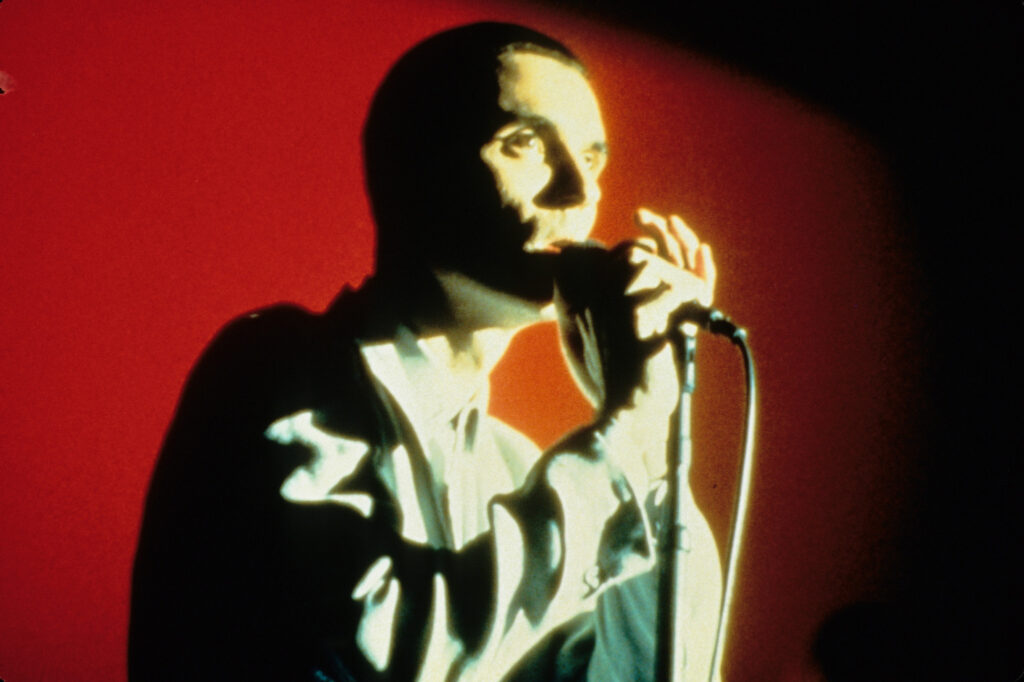
This Talking Heads concert film captures the band during a peak creative period, using clean staging and gradual musical build-ups that make the experience feel calm and inviting even when you are not watching closely. The songs layer naturally, allowing the sound to carry the room while you focus on something else, yet the performances remain interesting enough to draw you back in at unexpected moments. Rather than relying on fast cuts or heavy visuals, the film trusts the music to set the tone.
David Byrne’s expressive movements and the carefully planned stage layout add character without overwhelming the viewer. The audio mix stays clear and balanced, which helps the music work just as well through speakers as it does with full attention. Each song flows into the next with purpose, creating a sense of continuity that feels effortless. It is the kind of concert film that quietly settles into your space and stays welcome.
The Last Waltz (1978)
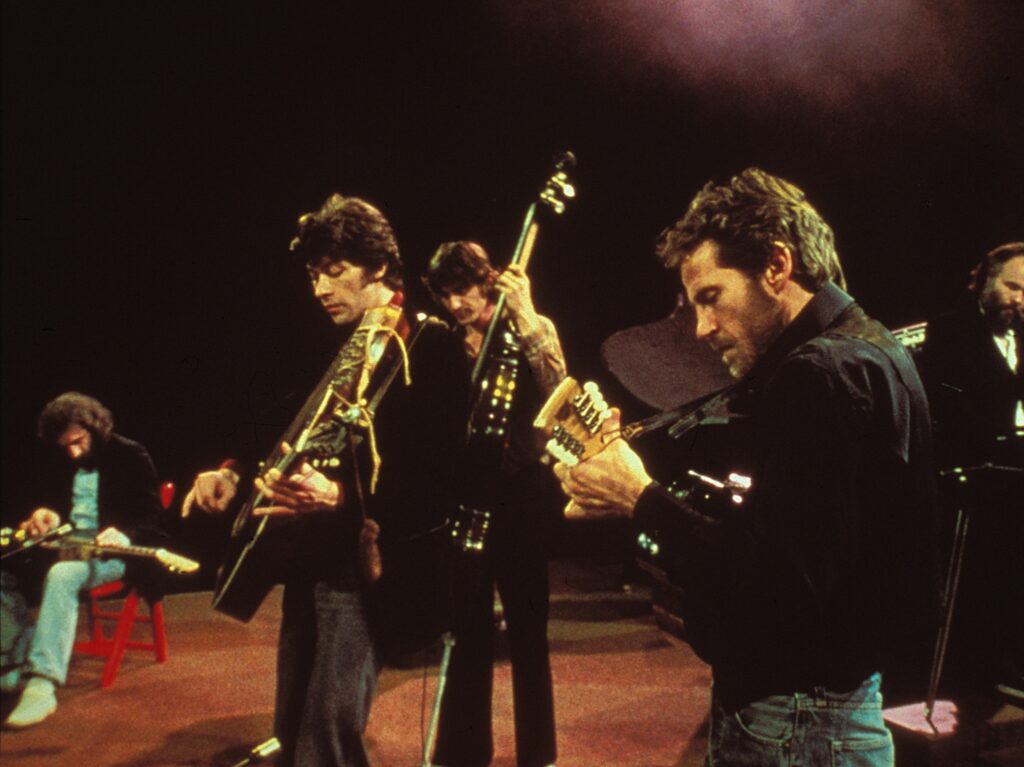
Filmed as a farewell performance for The Band, this concert film blends live music with thoughtful direction that never pulls focus away from the songs themselves. The setlist moves at a relaxed pace, making it easy to enjoy as background sound while still feeling complete and meaningful. Guest performers appear throughout the night, adding variety without disrupting the flow. The music feels warm and familiar, which helps it settle naturally into the background.
Interviews are included sparingly and placed carefully between performances, so they do not interrupt the listening experience. The film feels more like an extended evening with musicians than a formal event. Its steady rhythm allows you to drift in and out without losing the sense of what is happening. That balance makes it especially comfortable to revisit.
Homecoming (2019)

This film documents Beyoncé’s Coachella performance with a strong focus on sound, structure, and musical continuity. Even when playing quietly in the background, the layered arrangements and steady rhythms keep the energy consistent. The set moves with intention, which helps it feel cohesive rather than chaotic. You can step away and still feel connected to the performance.
Behind the scenes moments are woven in smoothly, adding context without interrupting the overall flow. The sound design remains rich and full, making it enjoyable even when you are not watching the screen. When a standout moment arrives, it naturally pulls your attention back. That balance makes it work well for casual viewing.
Sign o’ the Times (1987)
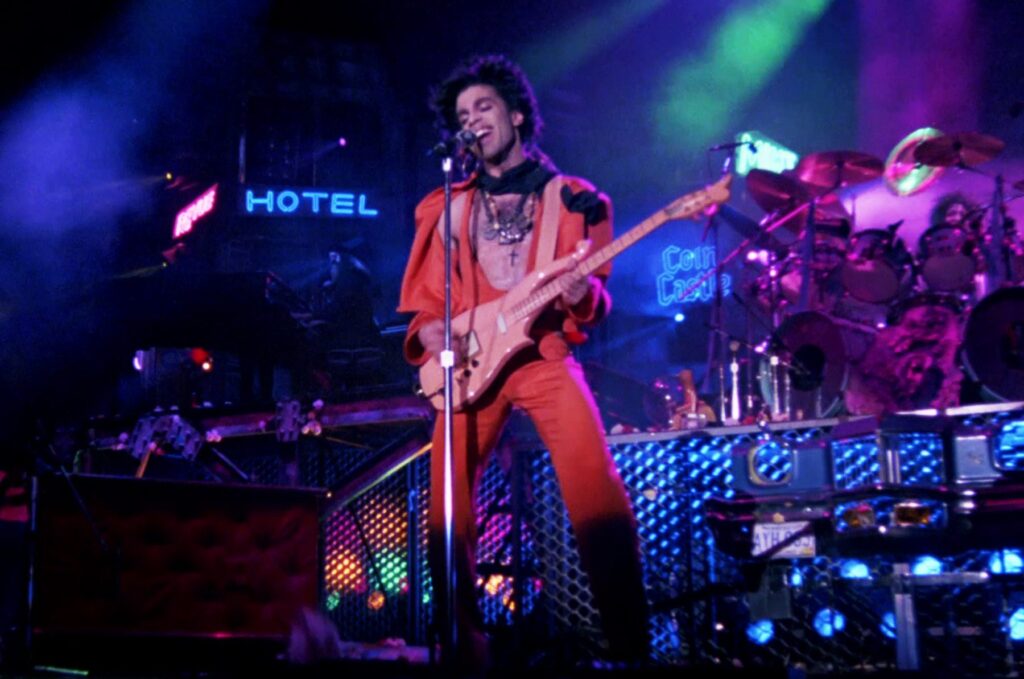
Prince’s concert film blends live performance with stylized segments that feel loose and playful rather than rigid. The music moves easily between styles, which keeps the background sound interesting without becoming distracting. Each song feels complete on its own, allowing you to tune in at any point. The pacing never feels rushed or uneven.
Prince’s presence comes through clearly even when you are only listening, thanks to a strong vocal mix and confident performances. The film does not rely on constant visual engagement to stay enjoyable. It creates an easy listening experience that still rewards moments of focused attention. That flexibility makes it well-suited for background play.
Live at Pompeii (1972)
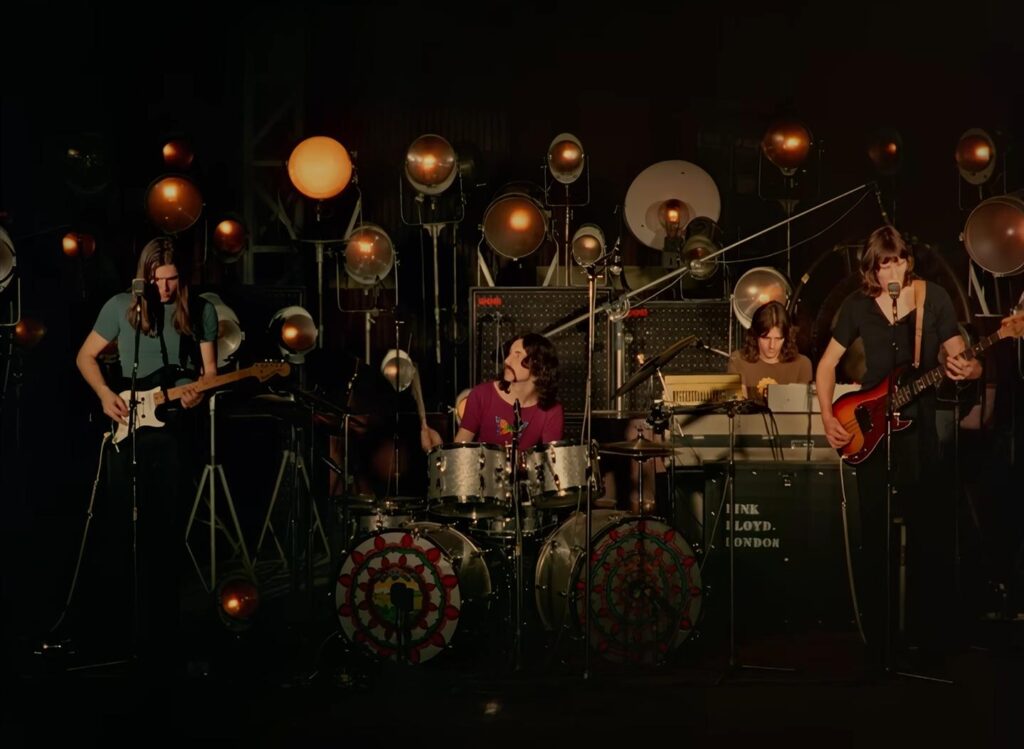
Recorded without an audience, this Pink Floyd performance leans heavily on atmosphere and extended instrumental sections. The slow unfolding of each piece makes it ideal for background listening, especially during quieter moments of the day. Rather than pushing for big reactions, the film allows the music to breathe. That approach gives it a calm and immersive feel.
The empty amphitheater adds visual interest, but the sound remains the main focus throughout. Songs stretch out naturally, making it easy to let them play without interruption. It feels less like a traditional concert and more like a mood-setting experience. This makes it especially comfortable to leave on for long periods.
MTV Unplugged in New York
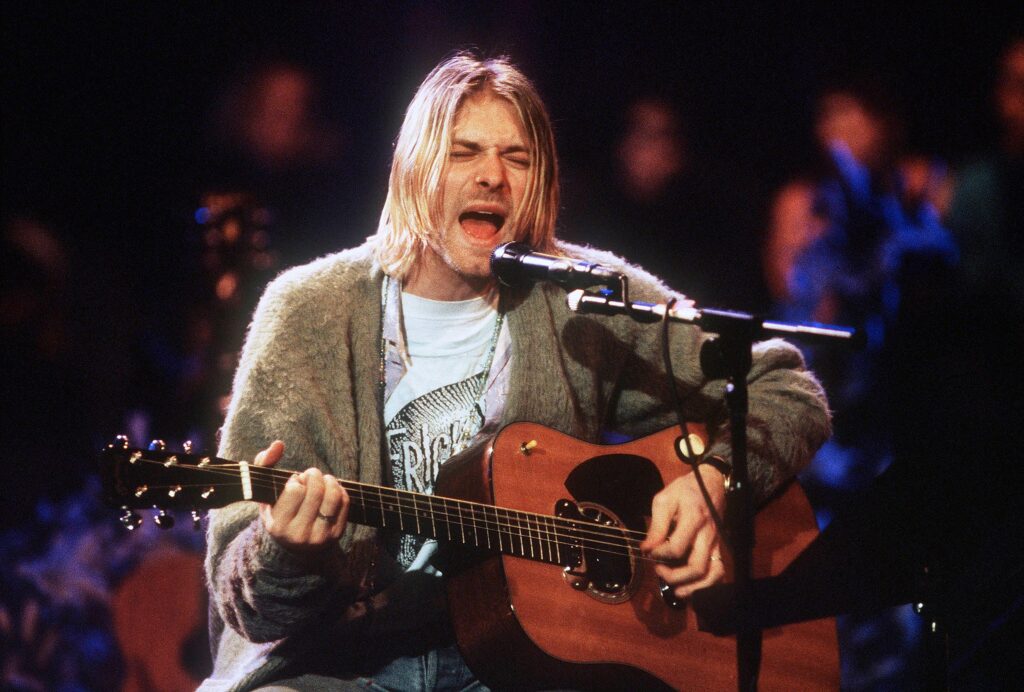
Nirvana’s acoustic performance presents their songs in a stripped-down setting that brings out texture and emotion without relying on volume or distortion. The arrangements feel carefully paced, which makes the music easy to live with while it plays in the background during quieter moments at home. Familiar tracks unfold gently, allowing the sound to fill the room without demanding attention. The performance feels steady from start to finish, which helps maintain a relaxed listening experience.
Because the crowd remains subdued, there are fewer distractions competing with the music. Vocals and instruments sit clearly in the mix, making the set sound strong even at lower volume levels. The overall mood leans reflective, which suits evenings when you want music present without feeling intrusive. It is the kind of concert film that can run its full length without ever feeling tiring.
U2 Rattle and Hum (1988)
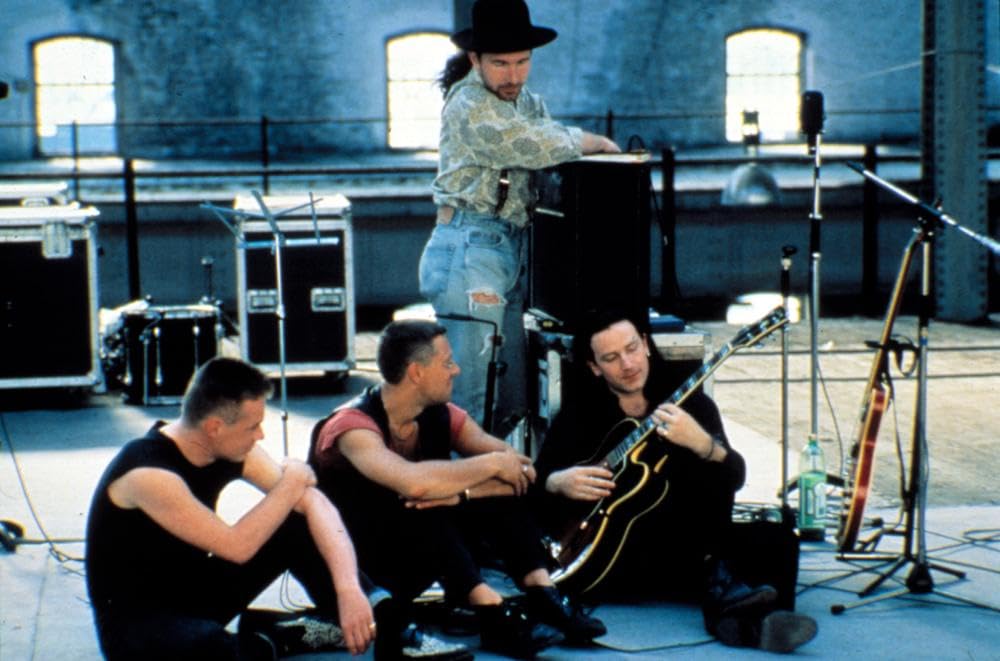
This concert film blends live performances with documentary moments from U2’s late eighties touring period, creating a listening experience that feels steady and familiar. Songs are given room to breathe, which makes them comfortable to enjoy while doing everyday tasks. Transitions between studio recordings and live tracks happen smoothly, keeping the flow intact. The overall structure feels unified rather than scattered.
The black and white visuals contribute to a calmer presentation that does not compete with the music. Sound remains the anchor throughout the film, making it easy to listen without watching closely. There is a reflective quality that fits the band’s material from this era. That tone makes it easy to revisit casually.
The Song Remains the Same (1976)
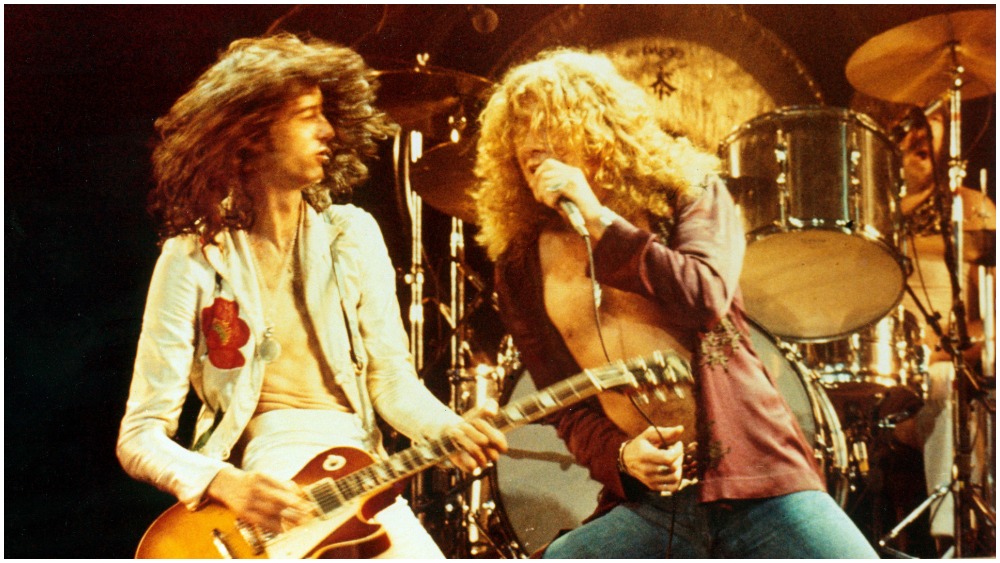
Led Zeppelin’s concert film leans heavily into extended performances that allow songs to stretch and unfold at their own pace. Long instrumental sections make the music easy to leave playing without needing constant attention. The sound fills the room steadily, creating an ongoing presence rather than a series of peaks. There is a sense of patience throughout the set.
Fantasy segments appear between performances, yet the music remains uninterrupted and dominant. The audio mix stays consistent, keeping the listening experience smooth. It works especially well for listeners who enjoy letting albums or live recordings play all the way through. The film relies on sound more than visuals to leave an impression.
Amy (2015)
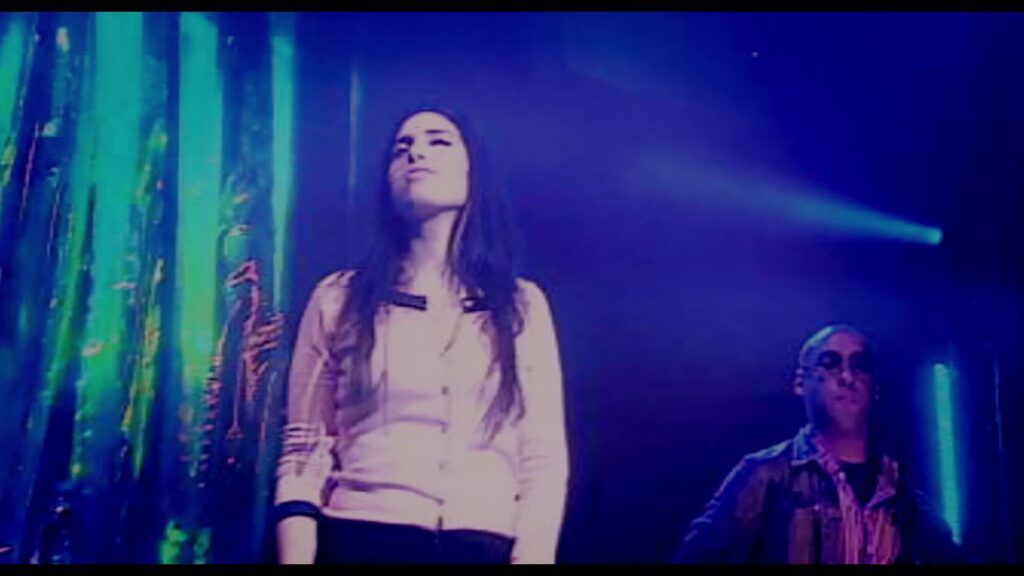
This film weaves concert footage into a broader look at Amy Winehouse’s life and career, allowing music to surface naturally throughout the story. Songs appear without feeling forced, making them easy to enjoy even when the screen is not your main focus. The pacing leaves room between performances, which keeps the sound from feeling overwhelming. Music remains emotionally present without dominating every scene.
Audio often guides transitions rather than competing with dialogue or narration. This balance makes the film comfortable to leave playing quietly in the background. When you do stop to watch, added context gives the performances deeper meaning. It works equally well as sound and as a viewing experience.
Metallica Through the Never (2013)
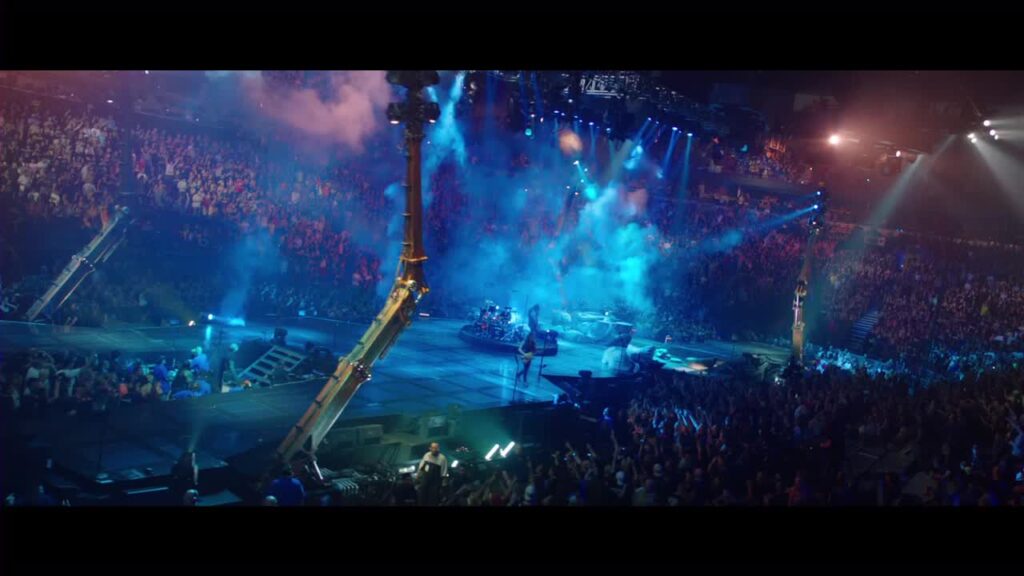
This concert film places Metallica’s live performances front and center, using a loose narrative thread that never competes with the music itself. The sound remains steady and full throughout the set, which makes it work well when playing in the background during long stretches of time. Songs are mixed clearly, allowing guitars and drums to carry weight without overpowering the room. Even without watching the screen, the performance feels complete through sound alone.
The narrative elements can easily fade away while the music continues uninterrupted. Energy stays consistent across the setlist, avoiding sudden shifts that might pull attention away. It suits moments when you want heavier music present without needing to follow visuals closely. The experience relies on the strength of the performances rather than story or spectacle.
Woodstock (1970)
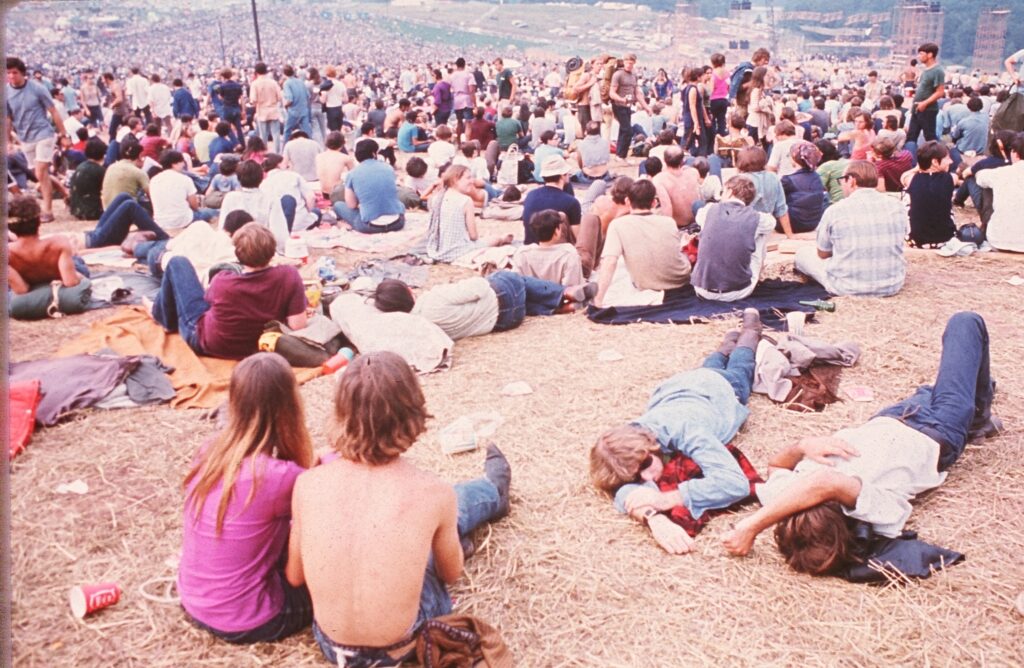
This documentary captures live performances from the historic festival in a way that feels loose, natural, and unforced. Songs move gently from one artist to the next, creating a long listening experience that feels more like a shared moment than a structured program. The lack of rigid order allows the music to breathe, which adds to its comfort as background sound. It never feels rushed or overly directed.
Crowd footage and short interviews help set the scene without distracting from the performances. Music remains the anchor throughout the film, even when visuals shift. It works especially well when left playing for extended periods during relaxed activities. The overall tone feels communal and grounded rather than dramatic.
Shine a Light (2008)
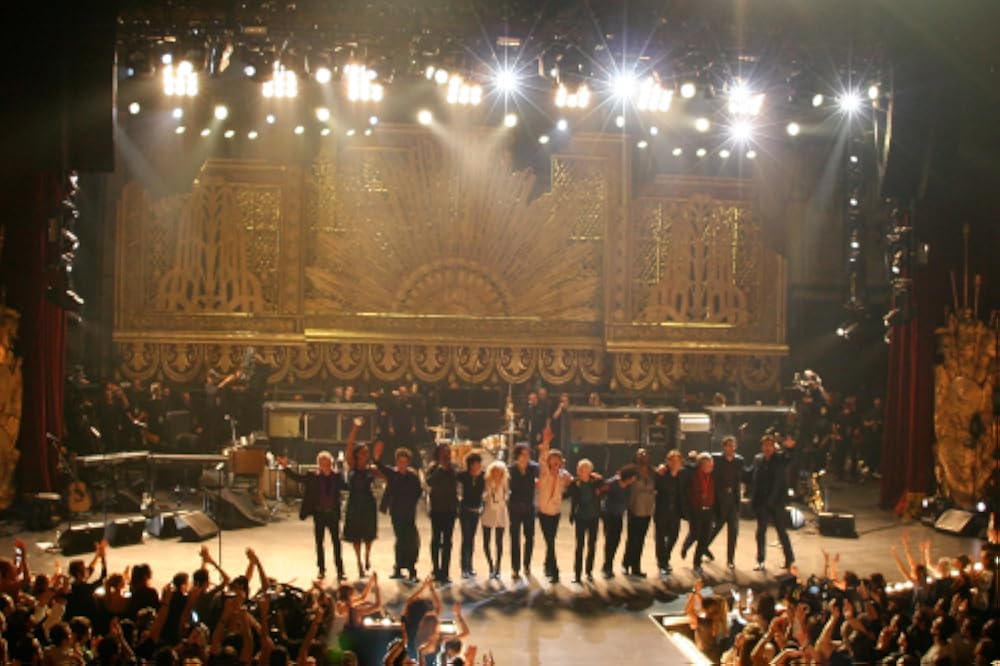
This Rolling Stones concert film keeps its focus firmly on performance, using a restrained visual style that never competes with the music. The setlist moves with an even rhythm, which makes it comfortable to enjoy as background sound. Familiar songs unfold naturally, allowing the music to fill the space without demanding attention. The pacing stays measured throughout the performance.
Camera work remains simple and unobtrusive, letting the band take the lead at all times. The sound mix stays consistent from start to finish, which helps maintain a steady listening experience. It creates a musical presence that can remain on without interruption. You can drift in and out without losing the enjoyment.
This article originally appeared on Avocadu.