
14 Colorful Houseplants That Break Up Winter Gray
Winter can often feel dreary, with gray skies and cold temperatures. However, adding vibrant houseplants to your home can instantly lift the mood and brighten your space. Whether it is a bold flowering plant or a lush green beauty, houseplants offer more than just color. They also improve indoor air quality and bring nature indoors. Let us explore some wonderful plants that can bring life to your home during the colder months.
This post may contain affiliate links, which helps keep this content free. Please read our disclosure for more info.
Anthurium
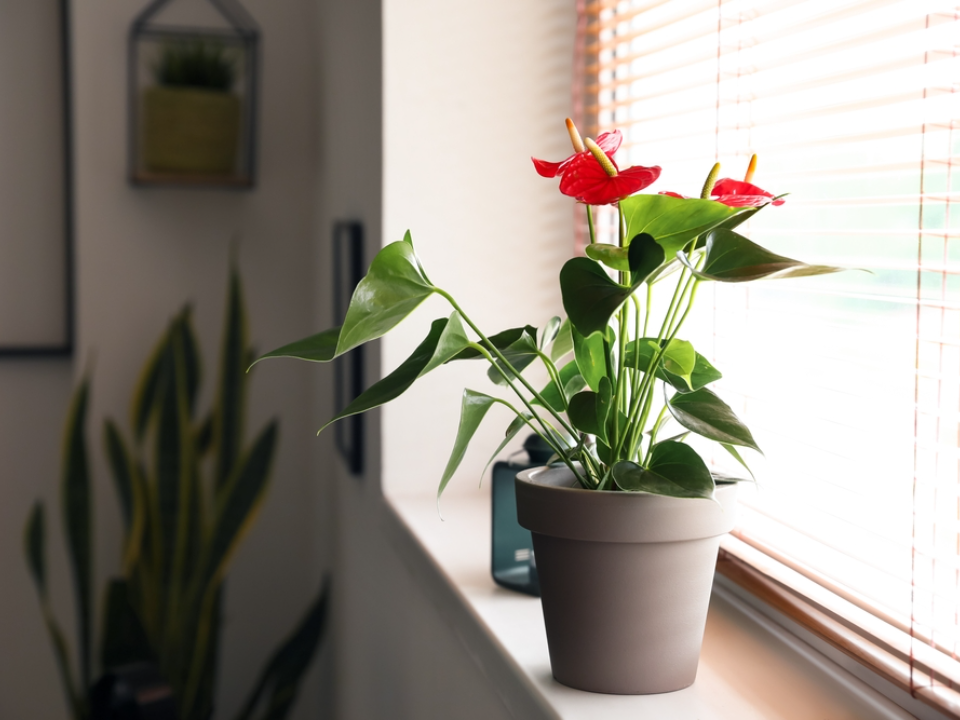
Anthurium, commonly known as the “flamingo flower,” is an attractive plant that adds a burst of color to any space. The red, pink, or white spathes combined with its deep green leaves make it a striking addition to your home. Known for its resilience, it thrives in bright, indirect light and requires moderate watering. Its tropical nature adds an exotic touch to your home during the gray winter months.
This plant not only brightens a room but also purifies the air, making it an excellent choice for indoor spaces. The anthurium can bloom year-round, bringing consistent beauty and color. Keep in mind that this plant prefers higher humidity, so misting or placing it near a humidifier may be beneficial. It is easy to care for and works well as a focal point in any room.
Bromeliad
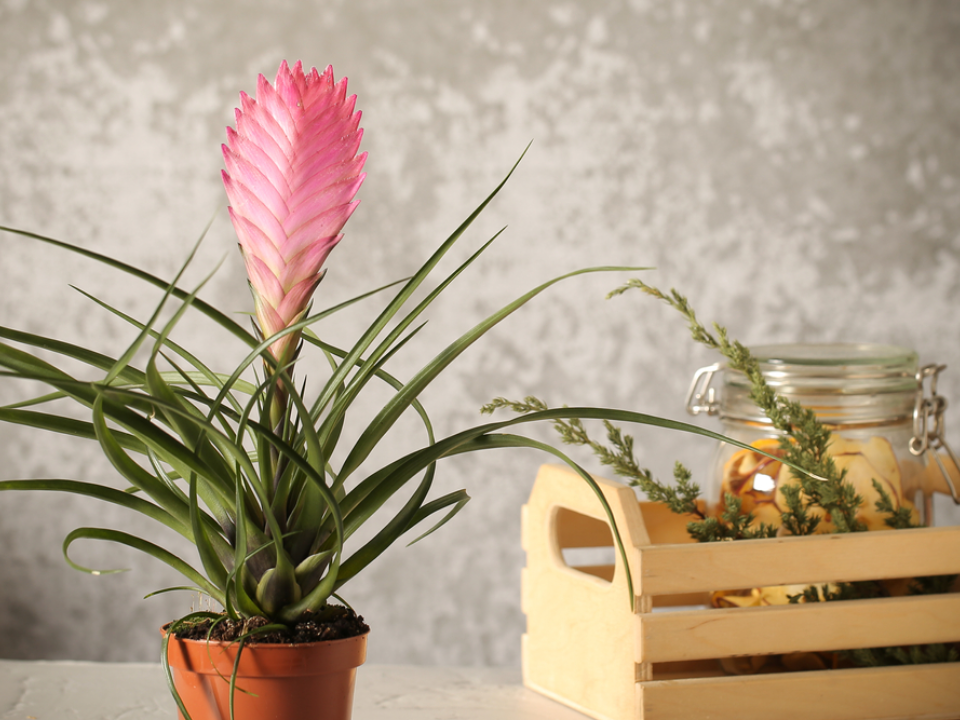
Bromeliads are a stunning addition to any home, especially during the colder months when vibrant color is most needed. These plants feature a wide range of colors, including bright reds, pinks, oranges, and yellows, thanks to their striking flowers. Bromeliads thrive in bright, indirect light, and their unique rosette shape adds architectural interest to any room. They also require minimal care, making them an ideal choice for those with busy schedules.
Their ability to bloom for weeks adds to their appeal, and their low maintenance makes them easy to care for. Bromeliads are also known for their air-purifying qualities, which can help improve the overall atmosphere in your home. A little watering and good drainage are all they need to thrive. Place them in a decorative pot to bring a pop of color to your winter decor.
African Violet
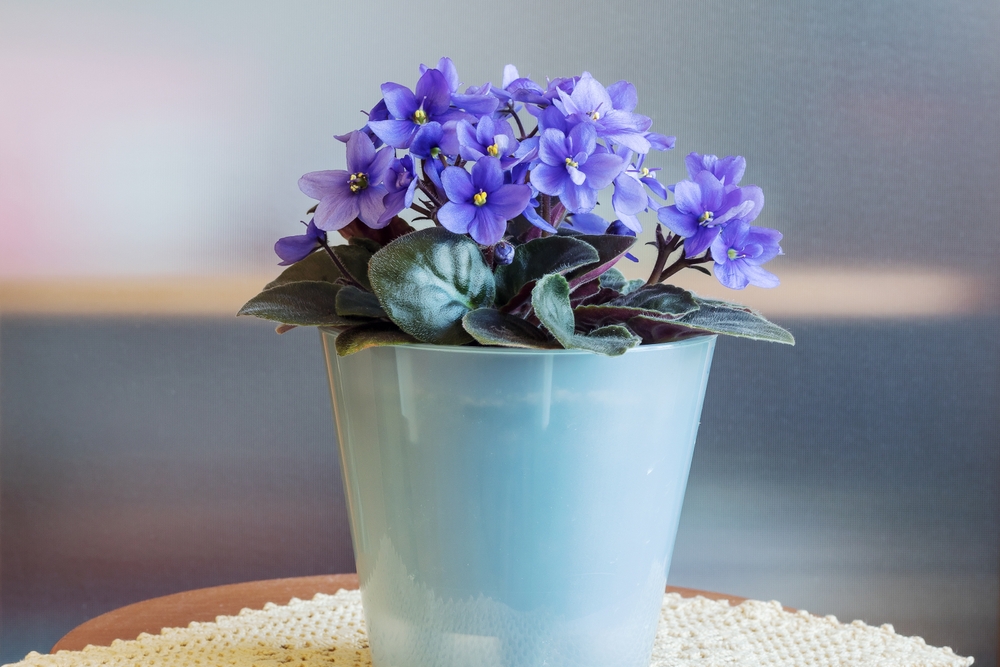
African violets are beloved for their small, colorful flowers that bloom in shades of purple, blue, and white. These plants are perfect for indoor environments, especially during the winter, as they enjoy moderate light and consistent temperatures. With their compact size, they fit well on windowsills or tabletops, making them an ideal choice for homes with limited space. Regular watering and well-draining soil are key to keeping them healthy.
Known for their ability to bloom year-round, African violets will continually bring bursts of color to your home. Their soft, fuzzy leaves also add an interesting texture to any room. African violets can be grown in small containers, making them easy to display in groups for maximum effect. They require only occasional fertilizing to maintain their vibrancy.
Christmas Cactus
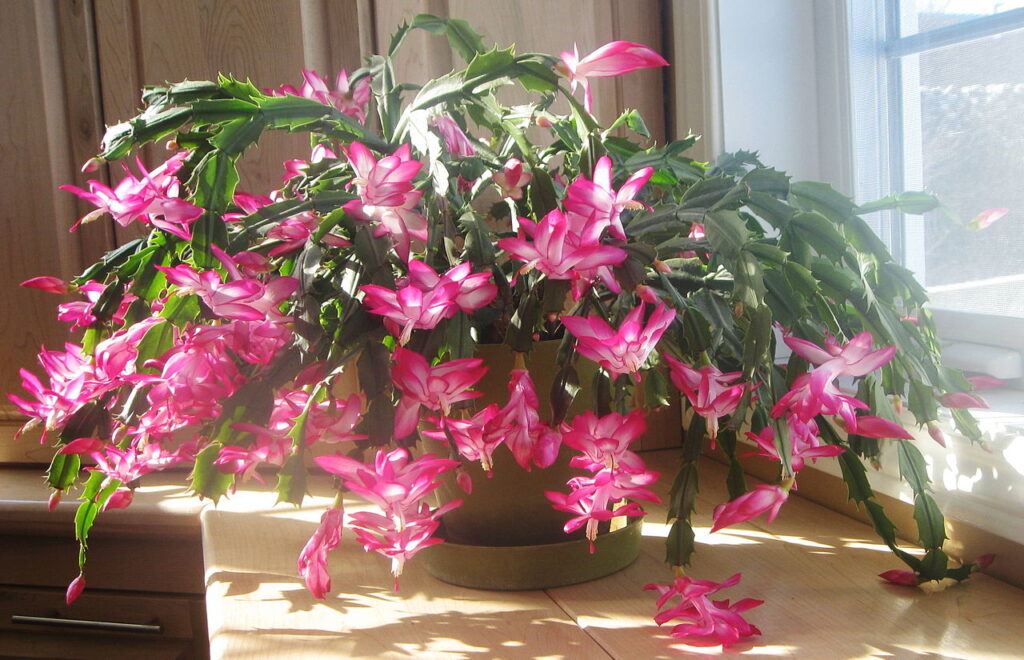
Christmas cactus is a beautiful flowering plant known for its unique blooms that appear in red, pink, or white during the winter months. This plant is a favorite during the holiday season, as it often blooms just in time for Christmas. Unlike other cacti, the Christmas cactus prefers slightly cooler temperatures and indirect light, which makes it perfect for indoor spaces. It needs regular watering, but be careful not to overwater it, as it can lead to root rot.
In addition to its stunning flowers, the Christmas cactus is a long-lived plant that can be passed down through generations. It has a forgiving nature, making it easy to care for, even for beginner plant owners. As a bonus, it purifies the air, adding to its appeal in your home. Its colorful blooms will brighten up your winter and make any room feel festive.
Coleus
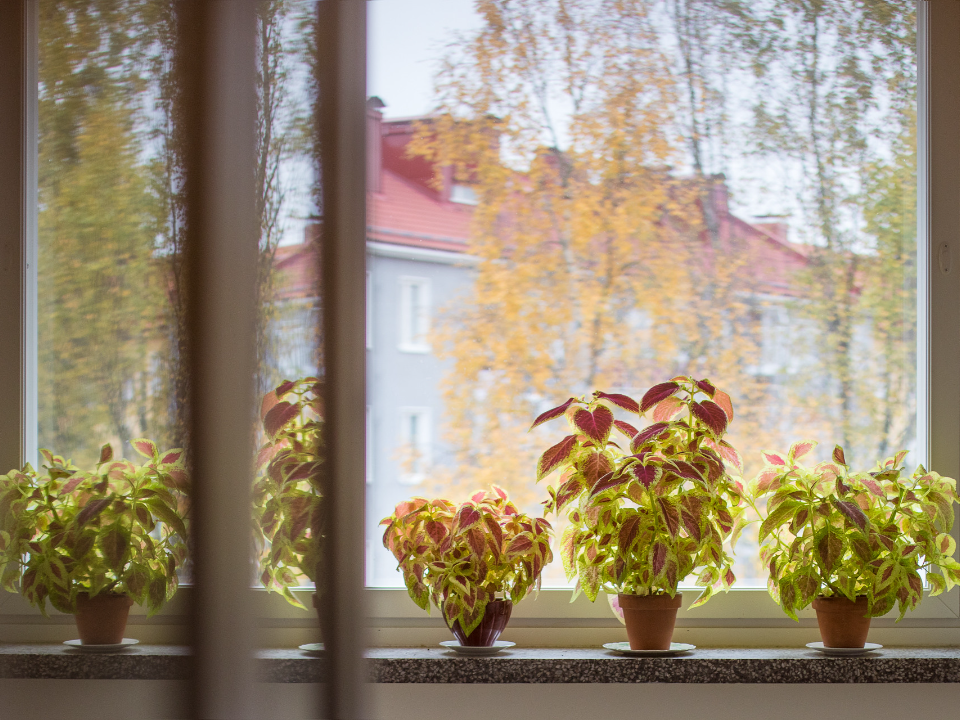
Coleus plants are known for their vibrant, multicolored foliage that makes them an excellent choice for adding brightness to a home. The leaves come in a variety of colors, including deep reds, purples, and greens, creating a lively contrast with the dull winter months. This plant thrives in indirect light and requires regular watering to maintain its color. Coleus is also relatively easy to care for, making it perfect for both novice and experienced gardeners.
These plants not only bring color to your home but also add a unique texture with their soft, velvety leaves. Coleus is a quick-growing plant, so it can fill a space in no time. It does well in pots or hanging baskets, offering versatility in how you display it. With the right care, coleus will continue to provide beauty and color throughout the winter months.
Calathea
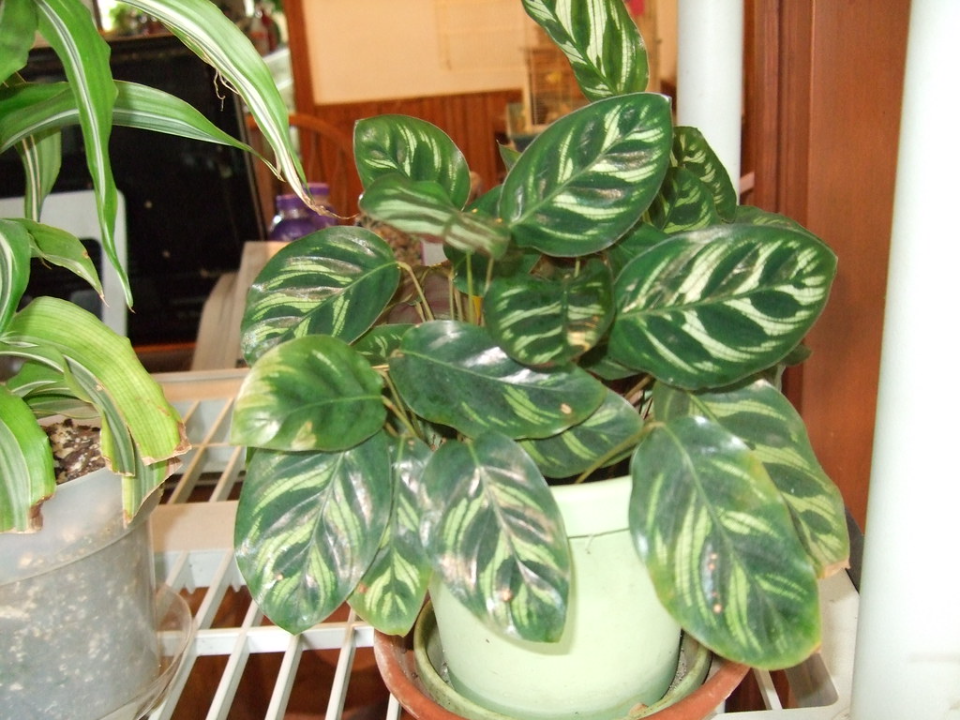
Calathea, known for its stunning patterned leaves, is a perfect plant to brighten up any room. Its green, purple, or white foliage comes in intricate designs that make it visually striking. This plant thrives in low to medium light, making it suitable for areas of your home that may not receive direct sunlight. It requires regular watering to keep the soil moist but should never be waterlogged.
Calathea is also known for its air-purifying qualities, helping to maintain healthy indoor air. The plant’s unique “prayer” movement, where the leaves fold up at night and open during the day, adds a touch of magic to any room. With its low-maintenance nature, it is an ideal choice for indoor gardening, adding a touch of color and life to your winter decor.
Croton
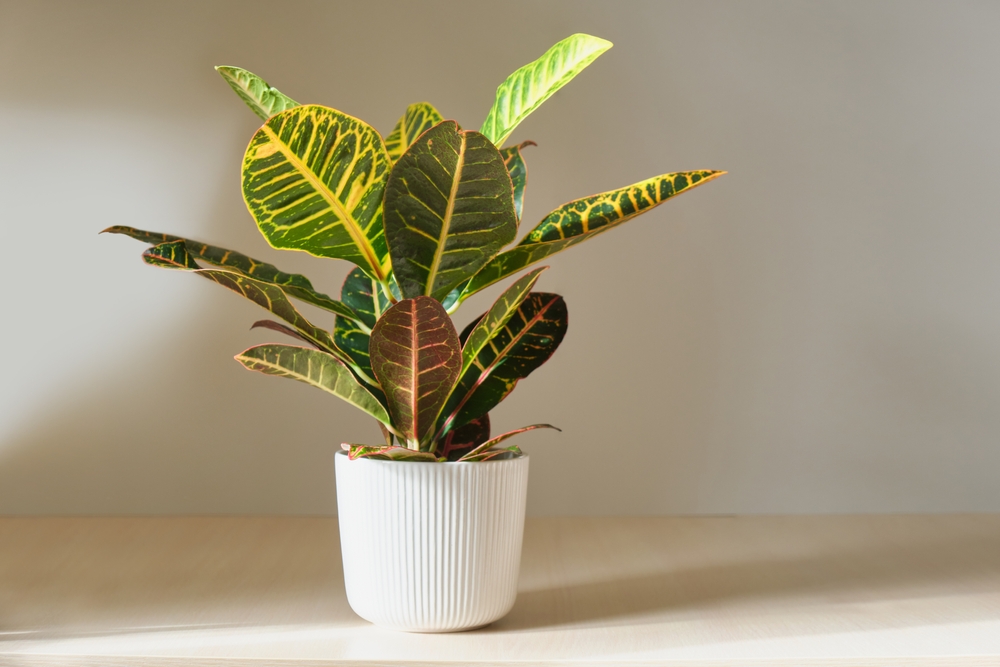
Croton plants are known for their bold, colorful foliage, which includes hues of red, yellow, and green. These plants make a dramatic statement in any room, especially during the winter months when other plants may be dormant. Crotons thrive in bright, indirect light, and their vibrant leaves are the perfect antidote to the dreary winter weather. They require regular watering, but be cautious not to overwater them, as they prefer to dry out between waterings.
The croton is a low-maintenance plant that adds both color and texture to your home. It grows quickly, making it an excellent choice for filling empty spaces with bold foliage. Additionally, it can be easily pruned to maintain its shape and size. Its striking appearance and minimal care requirements make it a perfect indoor plant for winter.
Poinsettia

Poinsettias are iconic plants during the winter holiday season, known for their red and green foliage. These colorful plants are often seen decorating homes and businesses during the holiday season. While they are traditionally associated with Christmas, poinsettias can bring color to your home all winter long. They prefer bright, indirect light and require consistent watering, though they should not be overwatered.
In addition to their vibrant colors, poinsettias have a long history tied to holiday celebrations, adding a sentimental touch to your decor. They are relatively easy to care for, making them an excellent choice for both novice and experienced gardeners. Their red, pink, and white varieties are sure to brighten up your space, giving your home a festive touch during the colder months.
Gerbera Daisy
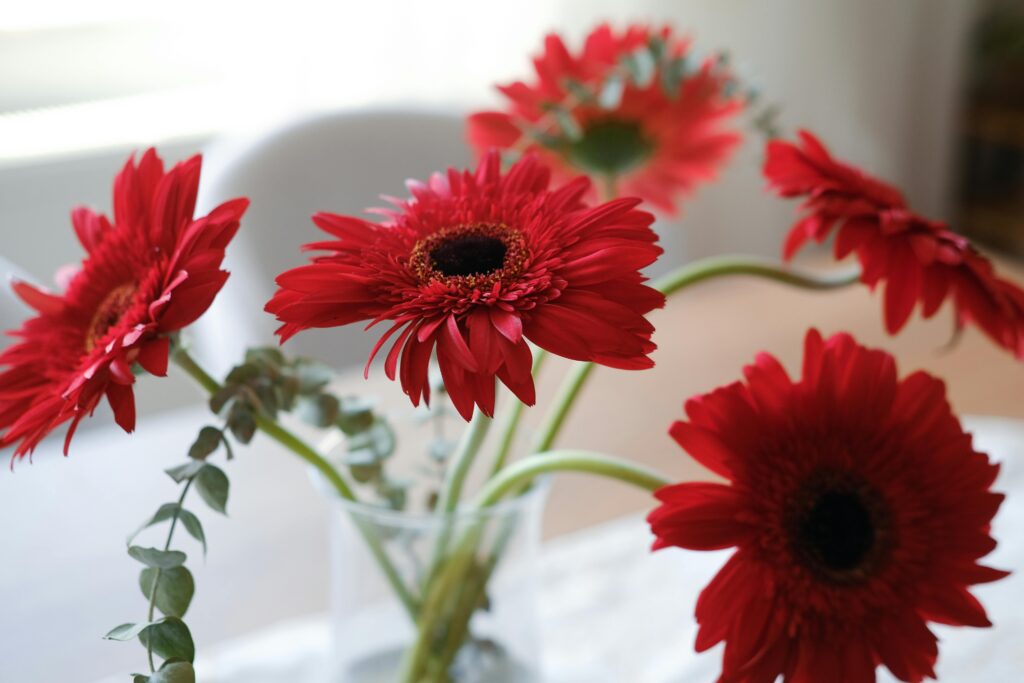
Gerbera daisies are one of the most popular flowering plants, known for their bright, cheerful blooms. Available in a range of colors including red, yellow, orange, and pink, they can instantly bring warmth and color to any room. Gerbera daisies thrive in bright, indirect light and should be watered regularly but not allowed to sit in water. They are relatively low-maintenance, making them a great choice for anyone looking to add a touch of color during winter.
These plants are often used as cut flowers in bouquets, but they also make great houseplants. Gerbera daisies are known for their long-lasting blooms, which can continue to flower for weeks. With proper care, they will add a lively burst of color to your home, making them an excellent choice for breaking up winter’s gray.
Hibiscus
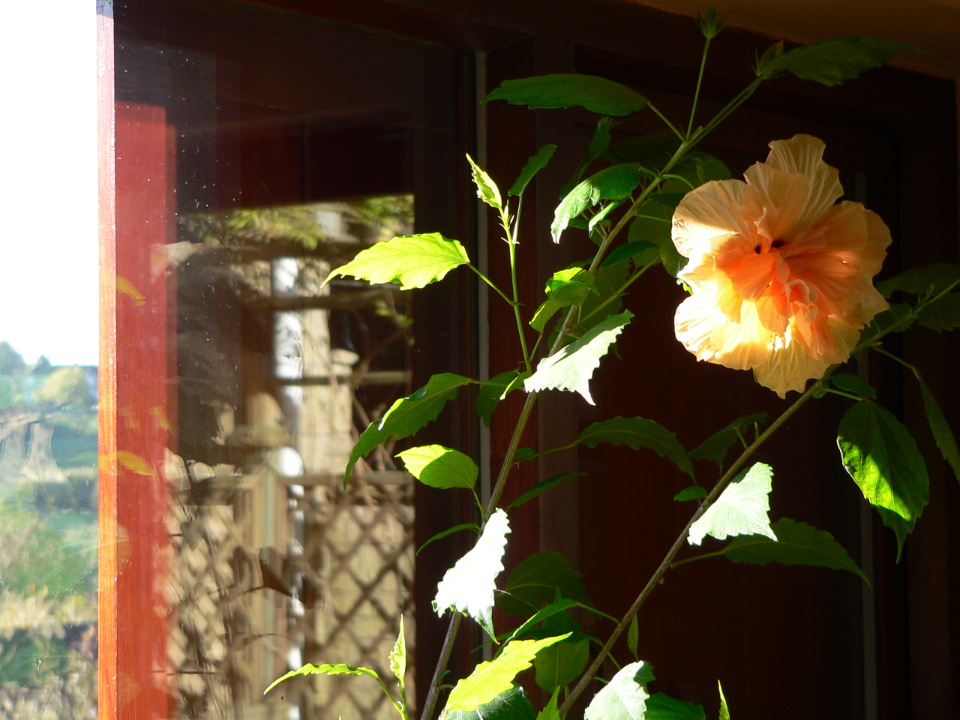
Hibiscus plants are famous for their large, vibrant blooms in shades of red, orange, pink, and yellow. These tropical beauties add a touch of paradise to your home, especially during the colder months. Hibiscus plants thrive in bright, indirect light and require regular watering to keep the soil moist but well-drained. Their bold flowers will create a striking focal point in any room.
Hibiscus plants also grow quickly, making them ideal for adding instant color to your space. While they may require a bit more attention than other plants, their beauty makes the effort worthwhile. Whether placed near a sunny window or in a brightly lit room, hibiscus plants will brighten your winter and provide color for months.
Kalanchoe
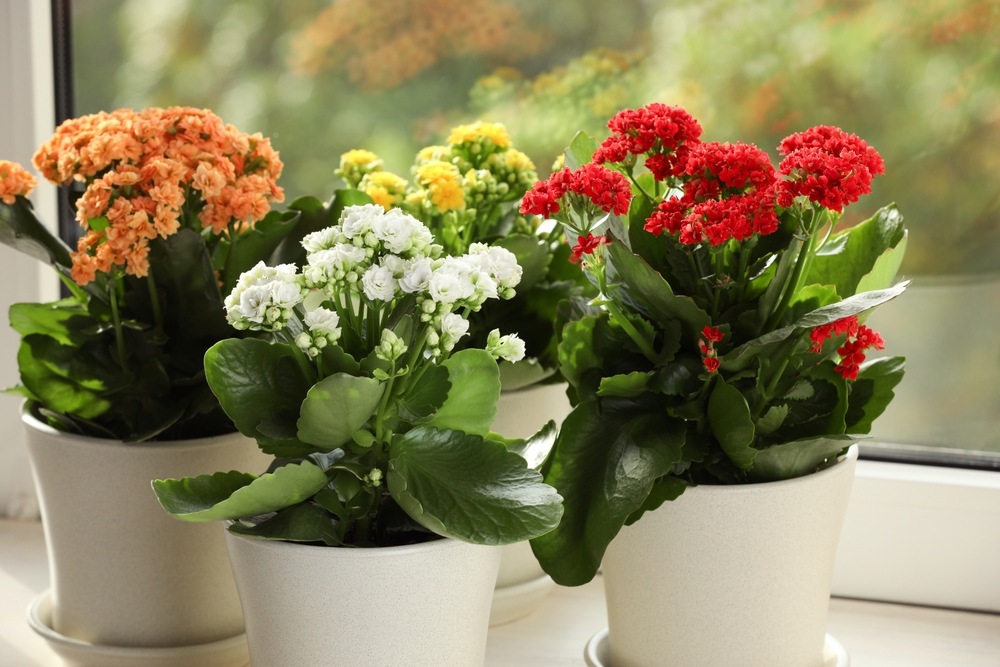
Kalanchoe is a popular succulent known for its colorful blooms that appear in a variety of shades such as pink, red, orange, and yellow. These hardy plants are easy to care for and are perfect for adding a burst of color to your home during the winter months. They require minimal watering, as they are drought-tolerant, and prefer bright, indirect light. The small, compact size of kalanchoe makes it ideal for windowsills and small spaces.
The vibrant flowers of kalanchoe add a cheerful touch to any room, and their long-lasting blooms make them a favorite for indoor gardening. Their low-maintenance nature makes them a perfect choice for beginner plant owners or those looking for a plant that does not require constant care. Whether placed on a shelf or as part of a tabletop arrangement, kalanchoe will brighten your home during the winter season.
Fuchsia
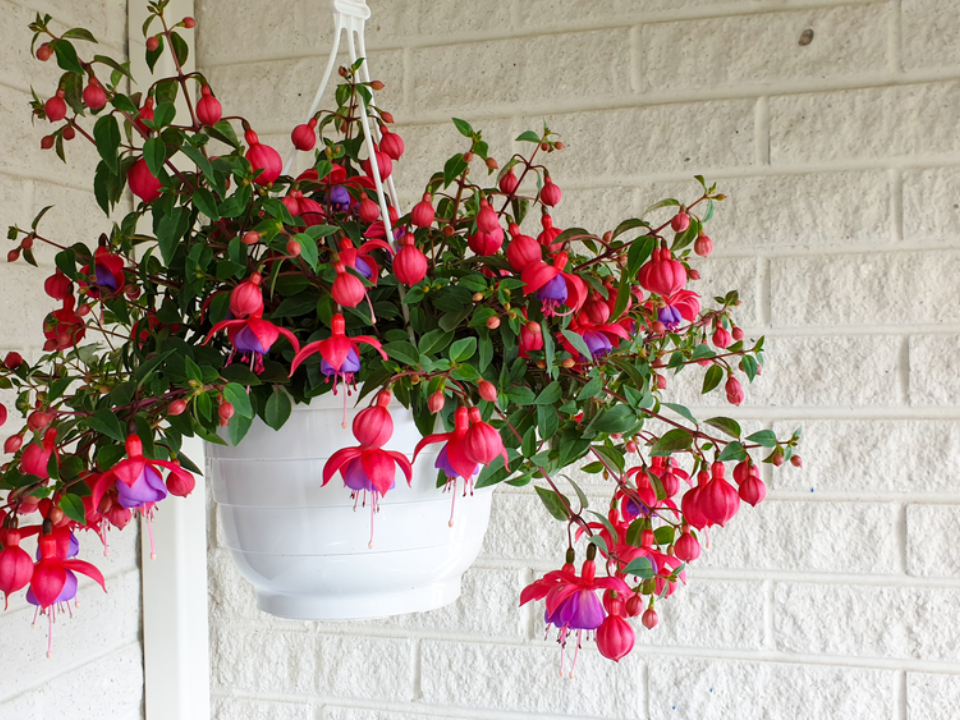
Fuchsia plants are known for their drooping, colorful flowers that bloom in shades of pink, purple, and red. These plants are perfect for adding a touch of elegance and color to your indoor space. Fuchsia thrives in bright, indirect light and prefers cooler temperatures, making it a great plant for winter. It requires regular watering but should not be overwatered, as it does not like standing water.
Fuchsia plants are ideal for hanging baskets, where their flowers can cascade down beautifully. These plants bloom profusely during the winter, adding a vibrant burst of color to your home. Fuchsia is a low-maintenance plant that adds a bit of charm and sophistication to any room, making it an excellent addition to your indoor garden.
Oxalis
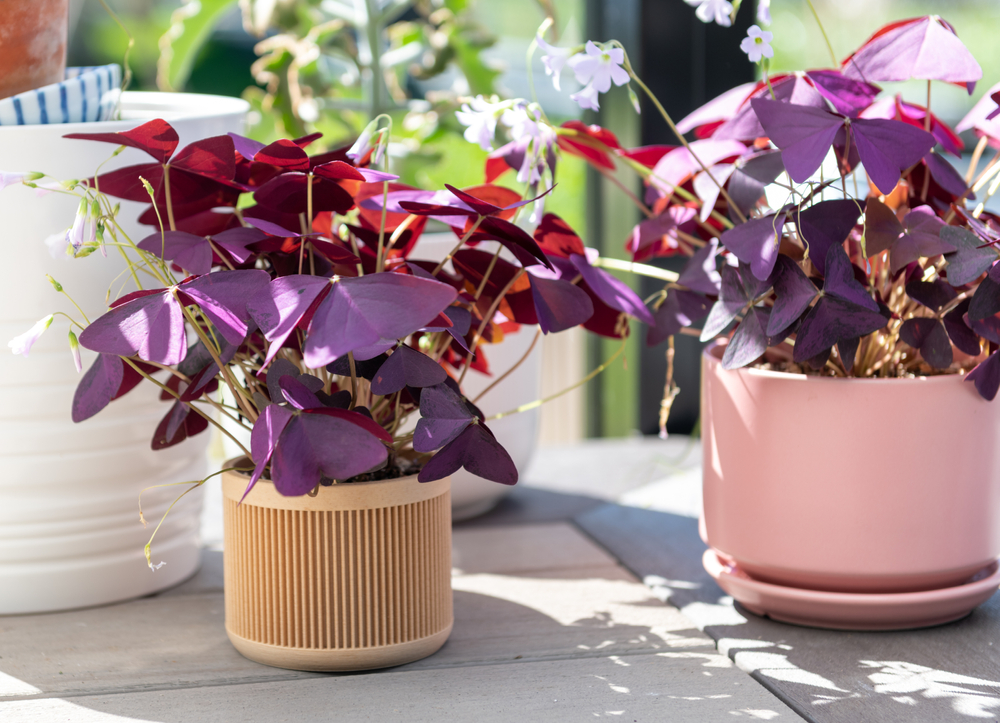
Oxalis, also known as “false shamrock,” is a charming plant that adds a splash of color with its delicate, triangular leaves and vibrant flowers. The leaves come in shades of purple, green, and maroon, while the flowers bloom in hues of white, pink, or purple, creating a striking contrast. Oxalis thrives in bright, indirect light and enjoys slightly cooler temperatures, making it ideal for winter indoor gardens. It requires moderate watering but prefers the soil to dry out between waterings, ensuring that it does not become waterlogged.
This plant is not only visually appealing but also easy to care for, making it a perfect addition to your home. Its unique leaf shape and vibrant blooms make it stand out in any setting, whether placed on a windowsill or in a decorative pot. Oxalis also has a fun characteristic, as its leaves fold up at night and open during the day, adding an element of movement to your indoor space. Its compact size makes it a great choice for small areas or as part of a mixed plant collection.
Begonia
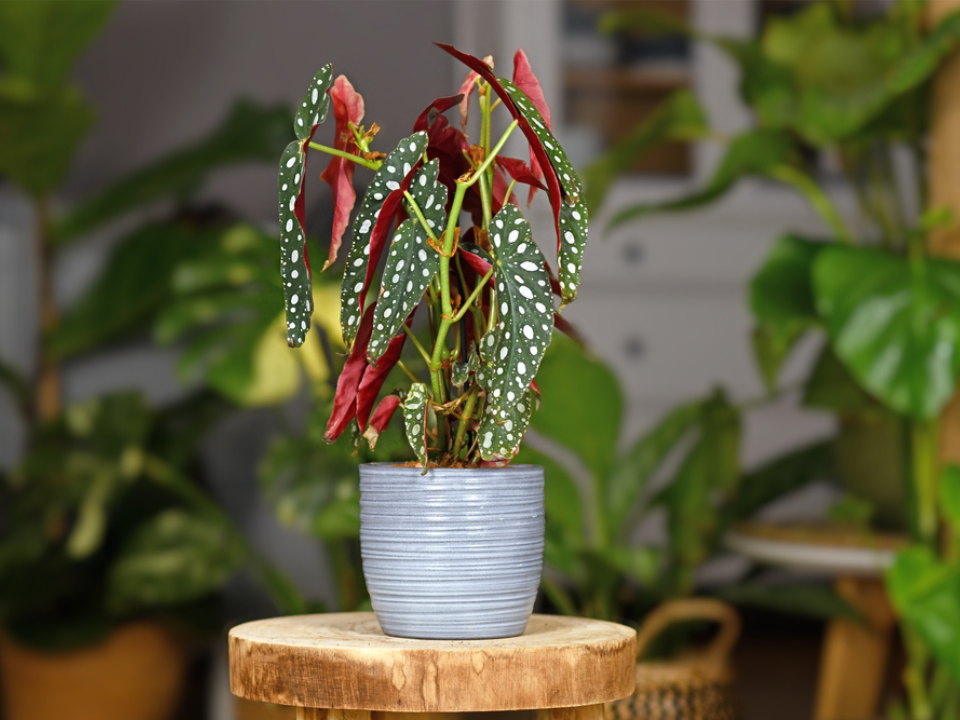
Begonias are an excellent choice for adding color to your indoor garden, with their vibrant flowers and decorative foliage. They come in a variety of colors, including red, pink, orange, and white, and their leaves can feature beautiful patterns or metallic hues. Begonias thrive in bright, indirect light and prefer a humid environment, which makes them perfect for winter when the air tends to be drier. Regular watering is necessary, but ensure that the soil is well-draining to prevent root rot.
The begonia’s striking flowers and textured leaves make it a great plant to showcase in any room. Whether placed in a hanging basket, on a tabletop, or in a decorative pot, begonia can brighten your space with its color and texture. It requires minimal maintenance but benefits from occasional feeding during its growing season to maintain its vibrant appearance. With the right care, begonia will continue to add beauty to your home throughout the winter months.
This article originally appeared on Avocadu.