
12 Colorful Houseplants That Add Pink, Red, or Purple Without Flowers
If you want to add a splash of color to your home without relying on flowers, colorful houseplants are the way to go. Many plants offer stunning hues of pink, red, or purple, bringing vibrancy to any room. These plants not only brighten up your space, but they are also easy to care for. Whether you are a seasoned plant parent or just starting, these choices are perfect for creating a lively atmosphere.
This post may contain affiliate links, which helps keep this content free. Please read our disclosure for more info.
Coleus
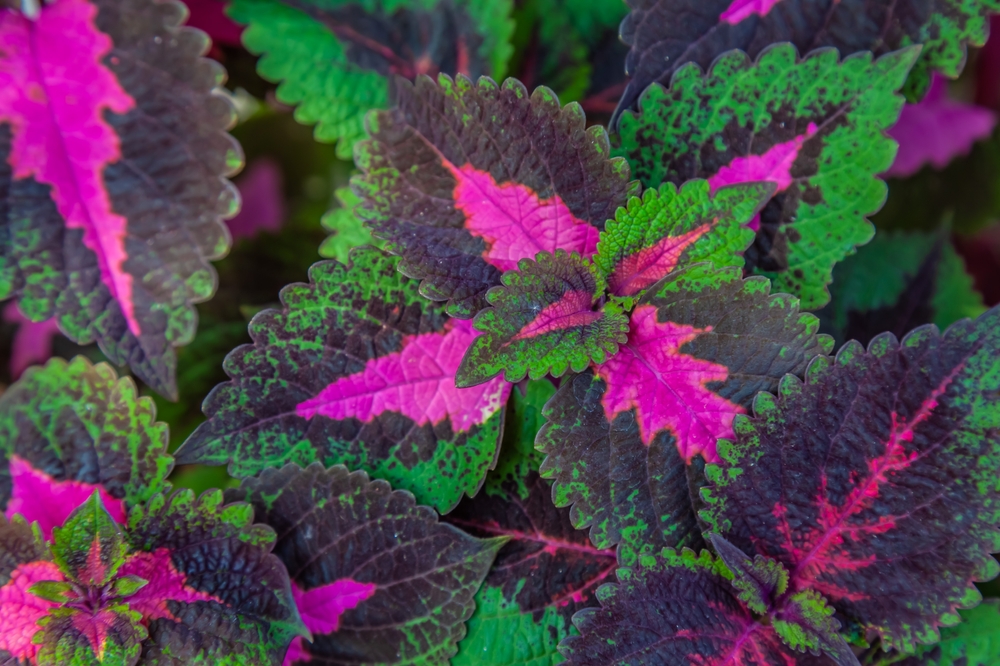
The Coleus plant is known for its stunning array of colors, featuring shades of red, purple, and pink. These plants can thrive in both indoor and outdoor settings, making them versatile for different spaces. Coleus is a fast-growing plant, and its leaves are often richly patterned, adding a vibrant pop to any room. They are perfect for those looking to create an eye-catching focal point in a low-maintenance way.
Coleus prefers bright, indirect light and well-draining soil to stay healthy. It does not require frequent watering, but it is important to avoid letting the soil dry out completely. Pruning the plant regularly encourages new growth and helps maintain its shape. With its bold colors and ease of care, the Coleus is a fantastic choice for any home.
Purple Heart (Tradescantia pallida)
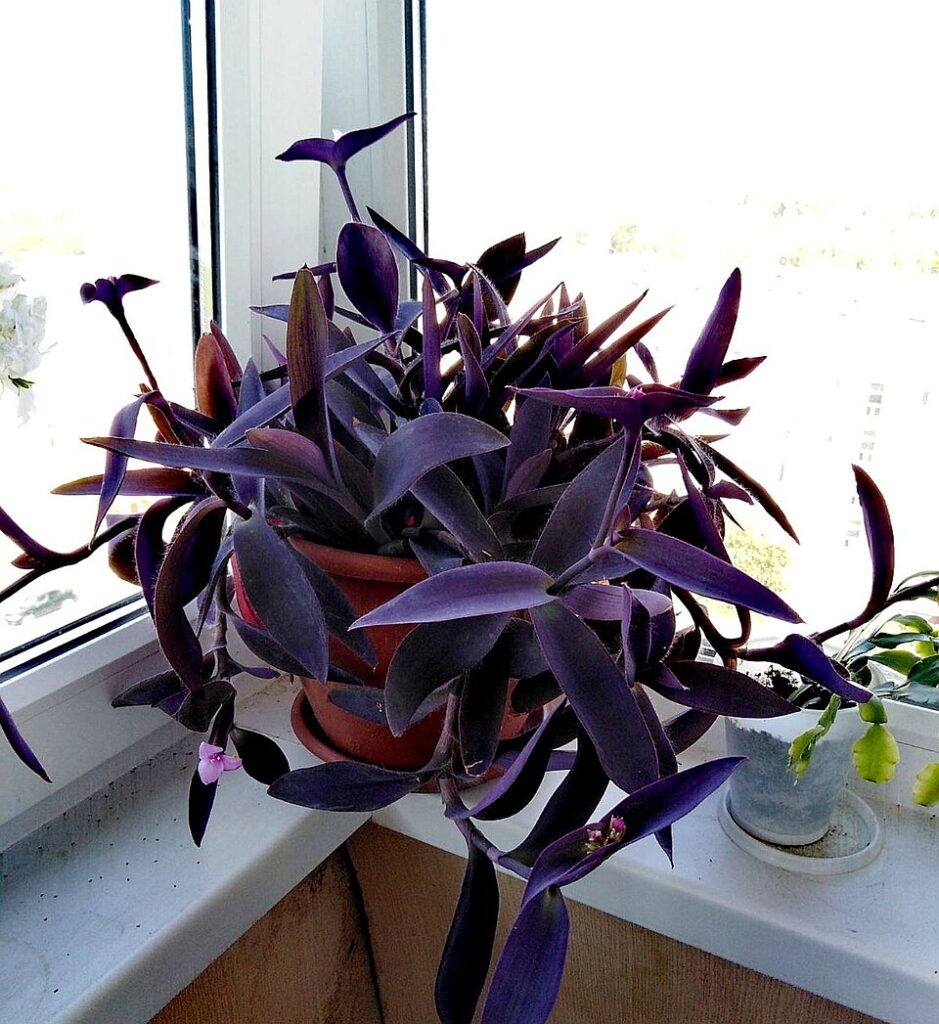
The Purple Heart is a striking plant with deep purple leaves that bring a touch of drama to any space. This plant is perfect for adding color without relying on flowers, as its rich purple hue steals the show. It grows quickly and can be used as a hanging plant or in a decorative pot on the floor. Its vibrant color will catch the light in the most stunning way, especially when paired with other green plants for contrast.
This houseplant thrives in bright, indirect light, though it can tolerate lower light conditions. It is fairly drought-tolerant and does not require frequent watering. The Purple Heart can be easily propagated, making it a great choice for expanding your collection or sharing with friends. It also enjoys warmer temperatures, so keep it away from cold drafts for the best results.
Bromeliad (Guzmania)
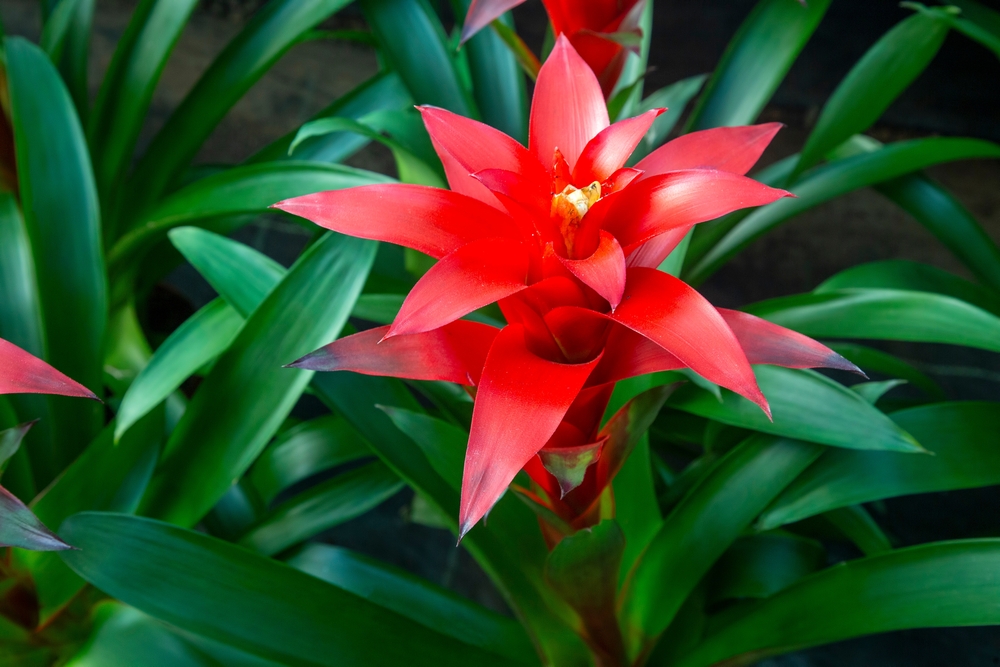
The Bromeliad is a stunning plant known for its vibrant pink, red, and purple foliage. While the flowers themselves are often the highlight, the plant’s leaves provide just as much color and visual appeal. This plant is ideal for those who want a pop of color without the fuss of constant blooms. It makes a striking addition to any home, particularly when placed in a decorative pot to showcase its unique form.
Bromeliads do best in bright, indirect light and should be watered through their central rosette. It is important not to let the plant sit in standing water, as this can lead to rot. The plant prefers humidity, making it a good choice for bathrooms or kitchens. Bromeliads are also known for their ability to purify the air, making them both beautiful and functional in your home.
Nerve Plant (Fittonia)
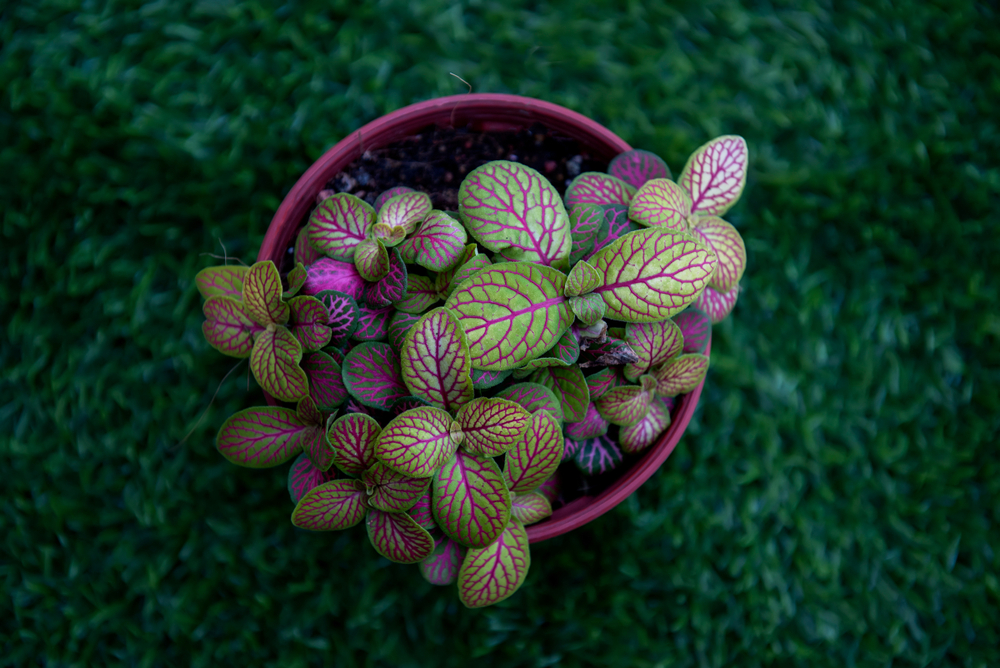
The Nerve Plant, or Fittonia, is a stunning houseplant that features veins of vibrant pink, red, or white running through its dark green leaves. Its intricate leaf patterns make it stand out in any collection, and it adds a touch of elegance without the need for flowers. This plant thrives in humid environments, making it perfect for bathrooms or kitchens. Its compact size also allows it to fit comfortably on small tables or shelves.
Fittonias prefer moderate to bright indirect light and require consistently moist soil. However, it is important to avoid letting the plant sit in water, as this can lead to root rot. Regular misting can help maintain the humidity it needs to thrive. While it may need a little extra attention to keep its leaves vibrant, the Nerve Plant is well worth the care due to its stunning color.
Caladium
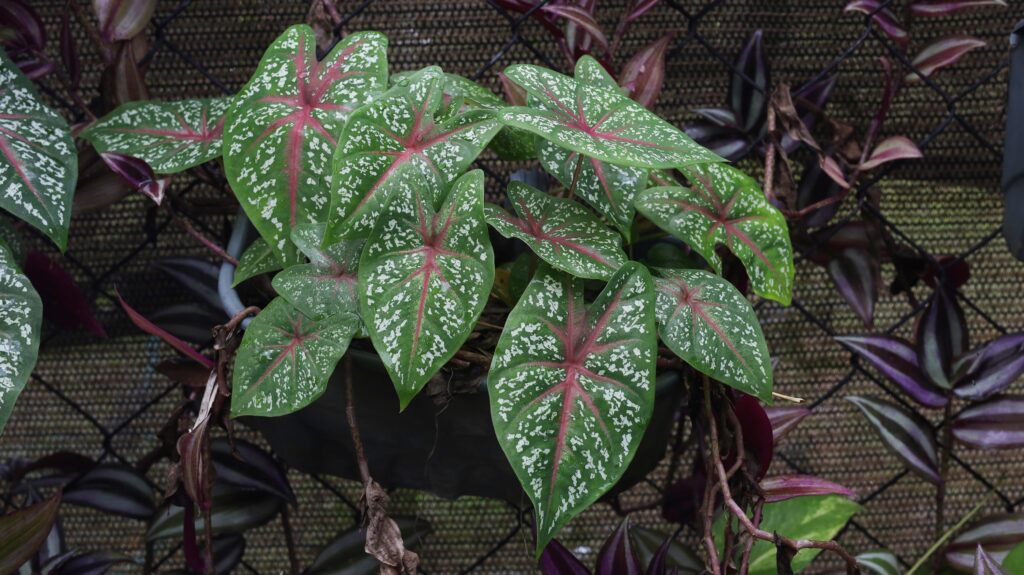
Caladiums are known for their striking, heart-shaped leaves that come in a variety of colors, including pink, red, and white. These plants can brighten up any room with their bold, eye-catching hues and large, dramatic leaves. Often referred to as “angel wings” due to the shape of their foliage, Caladiums are perfect for creating a statement piece in your home. They work particularly well in decorative containers where their vivid colors can shine.
Caladiums thrive in indirect light and require well-draining soil to keep their roots healthy. They enjoy consistently moist soil, but it is important not to overwater them. These plants are often considered seasonal, as they may go dormant during the colder months, but with proper care, they can return the following year. Their colorful leaves make them a favorite for anyone seeking a lively and colorful addition to their home decor.
Pink Syngonium (Syngonium podophyllum)
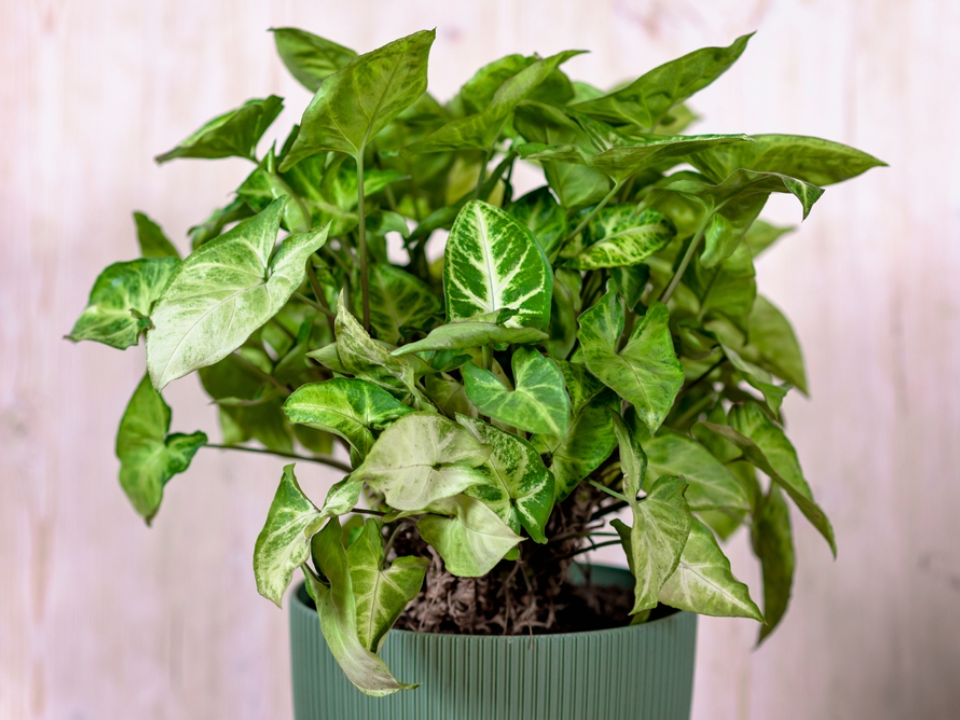
The Pink Syngonium, also known as the Arrowhead Plant, is a beautiful choice for those looking to add pink hues to their indoor garden. The leaves of this plant transition from green to shades of pink as they mature, creating a dynamic look that changes over time. This climbing or trailing plant works well in hanging baskets or as a table centerpiece. It brings a soft, elegant touch of color to any room without the need for flowers.
The Pink Syngonium thrives in bright, indirect light but can adapt to lower light conditions as well. It prefers moist, well-draining soil and should be watered regularly to keep the soil slightly damp. It is a low-maintenance plant that requires minimal attention to keep its leaves vibrant. Pruning the plant helps it maintain a neat shape and encourages healthy growth.
Pothos (Epipremnum aureum) – Golden Pothos
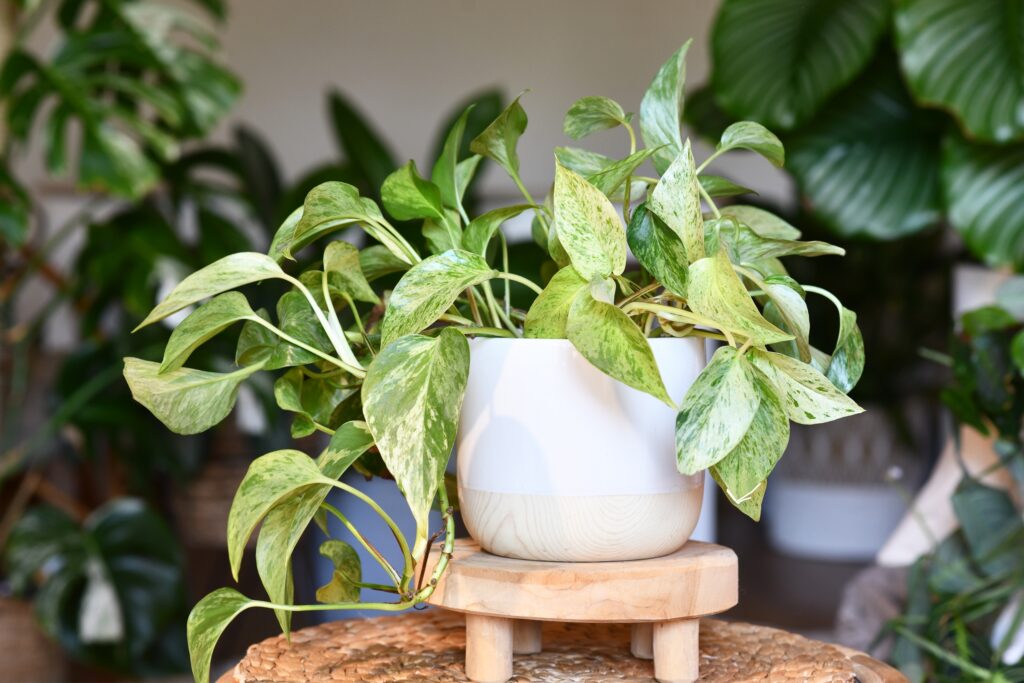
Golden Pothos is one of the most popular and easy-to-care-for houseplants, and its leaves feature a mix of green and yellow hues, giving off a slight golden tint. While it does not have the typical pink or purple foliage, its rich, variegated colors still add warmth and vibrancy to any room. The cascading vines make it a great plant for hanging baskets or draping over shelves. Its adaptability to various lighting conditions makes it a favorite for beginners and seasoned gardeners alike.
This plant thrives in indirect light but can tolerate low light, making it versatile for different spaces in your home. Pothos prefers to dry out between waterings, so it is essential to avoid overwatering. It is an excellent air-purifying plant, making it ideal for bedrooms or living rooms. The Golden Pothos can also be propagated easily, allowing you to expand your collection or share with friends.
Anthurium
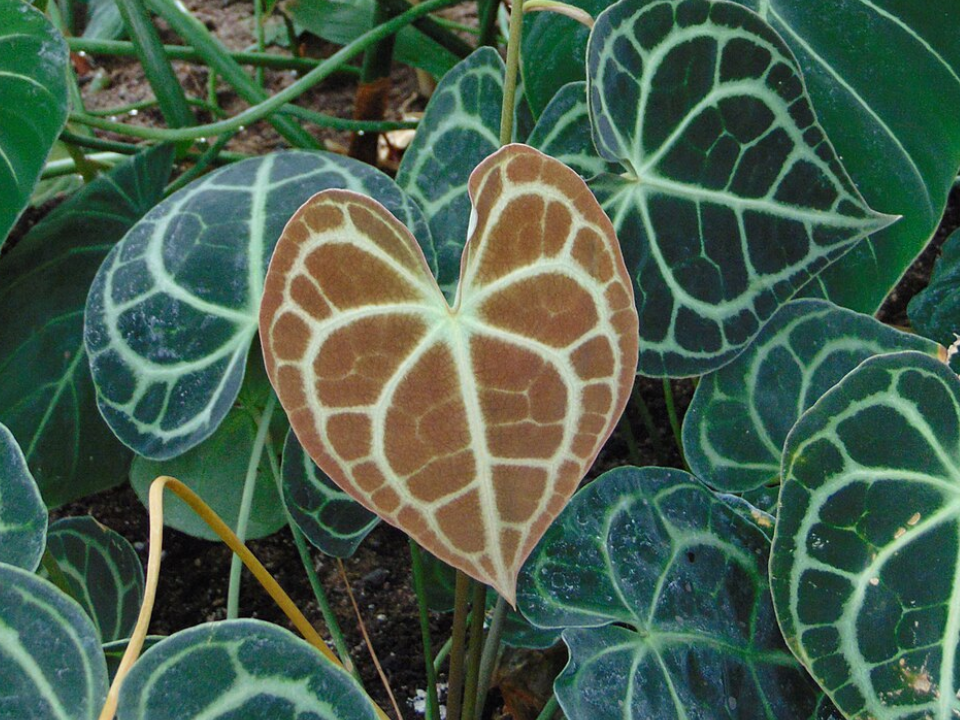
Anthuriums are often known for their vibrant red spathes, but their leaves also come in rich shades of dark green, sometimes tinged with purple or red. These plants are perfect for adding color without relying solely on flowers, as the glossy, heart-shaped leaves add visual interest. They can be placed in decorative pots to create a statement in your home or office. The plant’s elegant appearance and bold hues make it an attractive choice for any space.
Anthuriums thrive in bright, indirect light and prefer slightly moist, well-draining soil. They need regular watering but should not be overwatered, as this can lead to root rot. Regularly wiping the leaves with a damp cloth will keep them looking shiny and healthy. Anthuriums are also known for their air-purifying qualities, making them both beautiful and functional in your home.
Ti Plant (Cordyline)
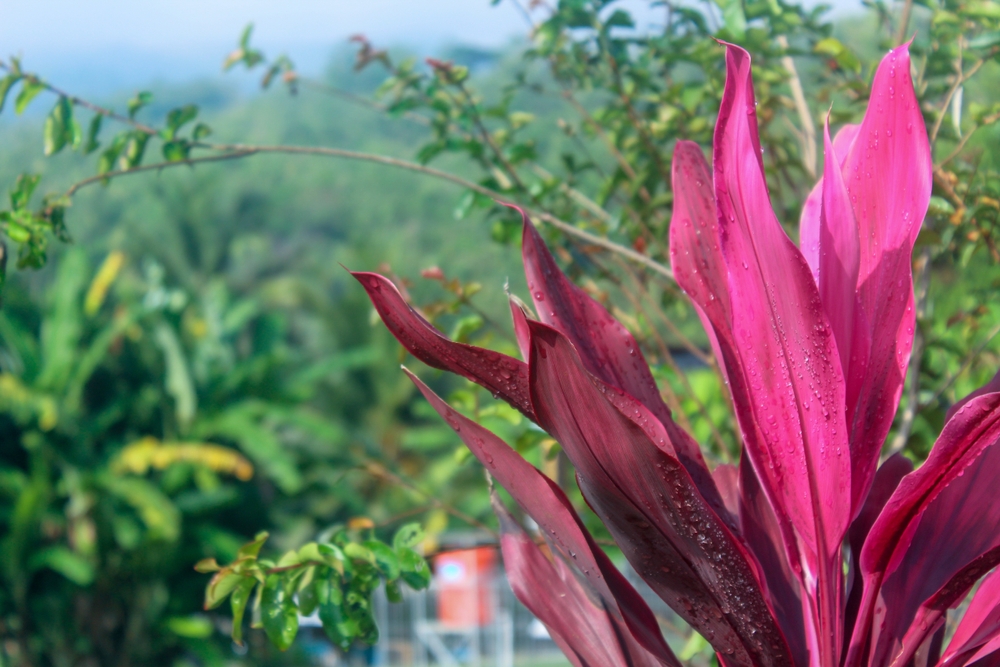
The Ti Plant, or Cordyline, features striking red, pink, or purple leaves that can bring a bold burst of color to your indoor garden. It is a tropical plant that grows upright, with its colorful foliage adding vertical interest to your decor. The plant’s ability to thrive in both low and bright light conditions makes it highly adaptable for different spaces. It is a perfect choice for anyone looking to add a splash of color without the hassle of constant flower care.
Ti Plants enjoy warm temperatures and need well-draining soil to stay healthy. They do not require frequent watering but should be kept slightly moist. Pruning the plant helps maintain its shape and encourages new growth. With its beautiful foliage and ease of care, the Ti Plant is an excellent addition to any home.
Red Aglaonema
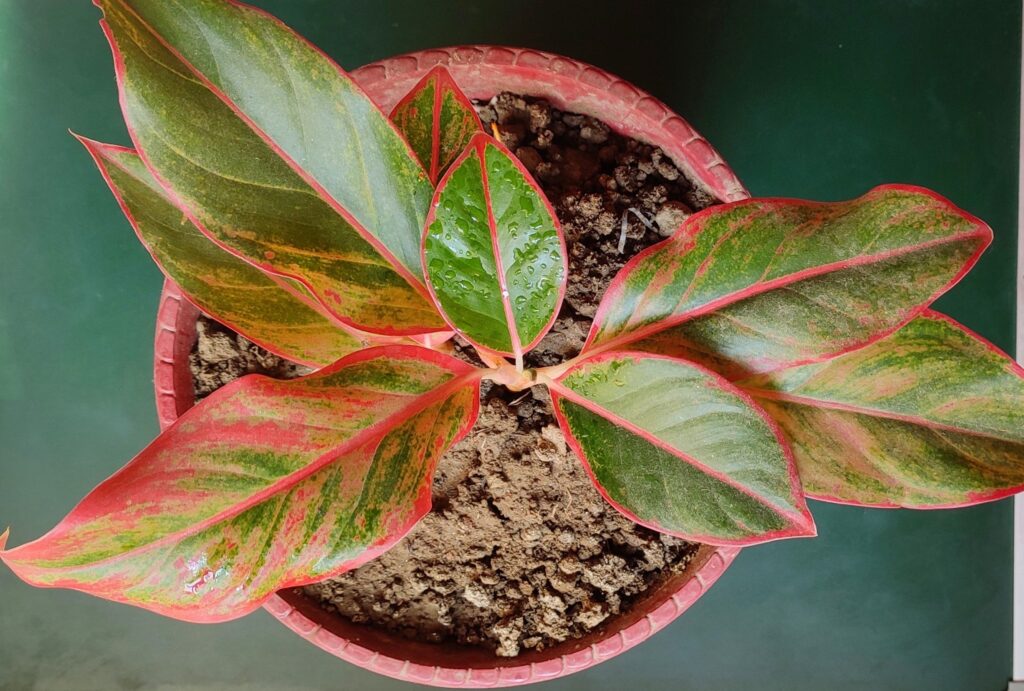
The Red Aglaonema is a stunning houseplant that offers a mix of red, pink, and green hues on its thick, glossy leaves. This plant is known for its vibrant colors, which can range from subtle pink tinges to deep red veins. Aglaonemas are incredibly resilient and can thrive in various lighting conditions, making them an ideal choice for homes or offices. They are also low-maintenance and perfect for those who want color without the effort of flower care.
This plant thrives in low to medium light and prefers well-draining soil. It is drought-tolerant and should only be watered when the top inch of soil feels dry. The Red Aglaonema is known for being an air-purifying plant, making it great for improving indoor air quality. It is a versatile plant that can add a pop of color to any room without requiring much attention.
Calathea Roseopicta
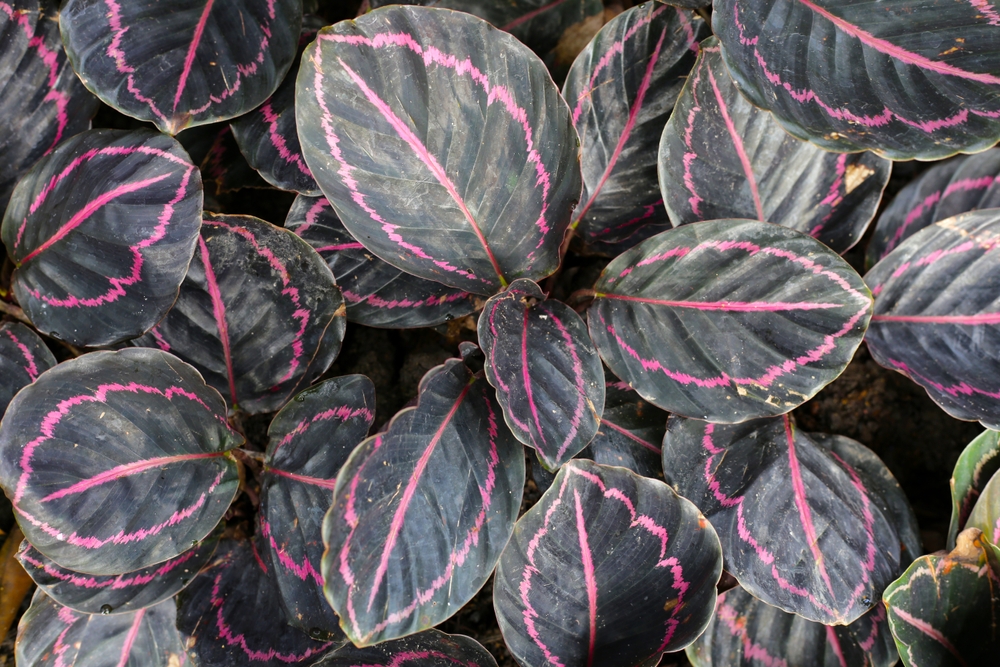
Calathea Roseopicta, also known as the Rose-Painted Calathea, is famous for its beautiful pink and purple leaf patterns. The plant’s deep green leaves are accented with pink veins, creating a soft, elegant look. While it does not produce flowers, its foliage alone provides plenty of color and texture. It is an excellent plant for brightening up a room with its gentle hues and eye-catching design.
This Calathea variety prefers low to medium indirect light and needs consistently moist soil to thrive. It is important to keep the soil evenly moist, but not soggy, to prevent root rot. Calatheas are also known for their ability to thrive in humid environments, so misting the plant regularly can help it stay healthy. While it requires a bit more care than some other houseplants, the Calathea Roseopicta’s stunning foliage makes it worth the effort.
Velvet Calathea (Calathea makoyana)
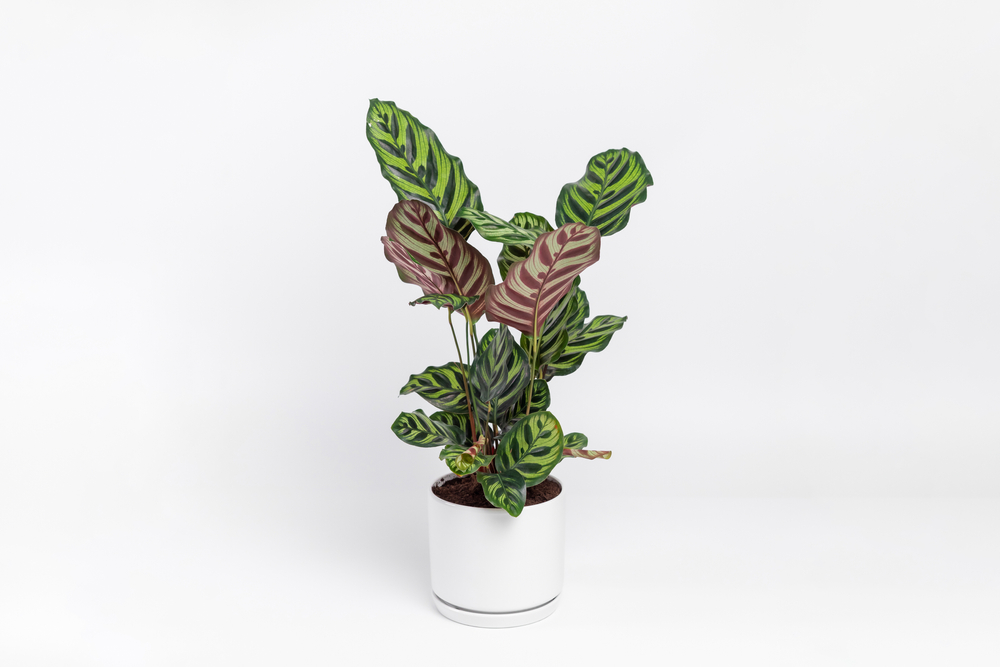
The Velvet Calathea, known for its stunning purple and pink patterns, adds depth and elegance to any space. Its leaves have a soft, velvety texture, with deep green and purple markings that resemble peacock feathers. This plant thrives in indirect light and adds a vibrant splash of color without the need for flowers. It is perfect for those seeking an easy-to-care-for yet colorful addition to their indoor garden.
The Velvet Calathea enjoys high humidity and should be kept in a room that has consistent moisture in the air. Regular watering is essential, but it is important not to let the plant sit in standing water. It does well in rich, well-draining soil and benefits from being misted periodically. While it may require a little extra care, the beauty of its colorful foliage makes it a worthwhile choice for any home.
This article originally appeared on Avocadu.