
15 Cold Weather Skincare Fixes That Matter Most in February
February can make skin feel tight, dry, and easily irritated, even if your routine worked fine in January. Small changes like gentler cleansing, better layering, and more protection can make a clear difference fast. These cold weather skincare fixes focus on the steps that matter most when wind, heat indoors, and low humidity start showing up on your face and hands.
This post may contain affiliate links, which helps keep this content free. Please read our disclosure for more info.
Switch to a Gentler Cleanser at Night

Cold air and indoor heat can leave your skin barrier touchy, so a mild cleanser matters more in February. Look for a creamy or milky formula that rinses clean without that squeaky feeling. If your face feels tight right after washing, that is a sign your cleanser may be too strong. At night, you usually only need to remove sunscreen, makeup, and daily grime, not strip everything away.
Try using one pump and washing for a shorter time, then rinse well with lukewarm water. If you wear heavy makeup, remove it first with a simple balm or micellar water, then follow with your gentle cleanser. Keep your towel pats light instead of rubbing, since friction can add to redness. When your cleanser is not doing too much, your moisturizer does a better job.
Wash with Lukewarm Water Only

Hot water can feel comforting, but it can also pull moisture from your skin fast. Lukewarm water cleans just as well for most people and usually leaves less redness behind. If your cheeks flush easily in winter, the temperature change can make that worse. Keeping the water mild is one of the quickest fixes with the biggest payoff.
Aim for a warm, not steamy, rinse and keep face washing under a minute. If you are showering, try turning the water down before you wash your face and body. For hands, use lukewarm water too, since frequent hot rinses can lead to cracking around knuckles. Small habits like this add up over a few days.
Apply Moisturizer on Damp Skin

Moisturizer works best when it traps water that is already there. If you wait until your skin is fully dry, you are starting from a tougher place. After cleansing, pat gently so your face is slightly damp, not dripping. This helps creams and lotions spread more smoothly and feel less heavy.
If your skin dries quickly, keep your moisturizer nearby so you can apply it right away. For extra comfort, follow with a second thin layer on the areas that get flaky, like around the nose or mouth. On the body, do the same right after you towel off so your legs and arms do not start itching later. This single timing change can make your products feel twice as useful.
Add a Barrier Cream to Dry Patches
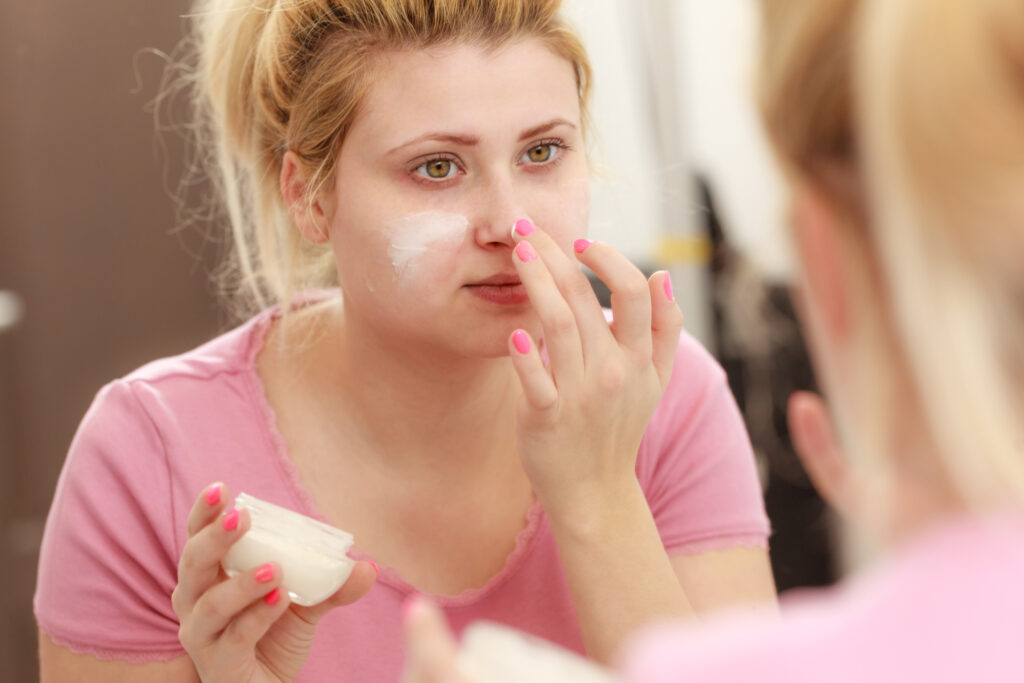
When winter dryness turns into rough patches, a barrier cream can protect while things calm down. These creams tend to be thicker and more protective than a standard lotion. They help reduce stinging and keep wind and indoor air from making the spot worse. The goal is to shield the area so it can recover, not to pile on a long routine.
Use a pea sized amount and press it over the flaky area after your regular moisturizer. If makeup clings to the patch, try the barrier cream at night and keep daytime layers lighter. Hands often need this too, especially between fingers and around cuticles. With steady use, the patch usually looks smoother within a week.
Use an Ointment on Lips Before Bed

Lips lose moisture fast in cold weather because they have less natural oil than the rest of your face. A simple ointment before bed can stop the cycle of peeling and reapplying all day. It works like a seal, keeping saliva and dry air from irritating the surface overnight. In the morning, lips often feel softer with less cracking at the corners.
Apply a lip balm first if your lips feel very dry, then add a thin layer of ointment on top. Try not to lick your lips during the day, since it makes dryness worse once it evaporates. If you wear matte lipstick, add a nourishing balm underneath when you can. Keeping a small tube in your bag makes it easier to stay consistent.
Cut Back on Exfoliation for Two Weeks
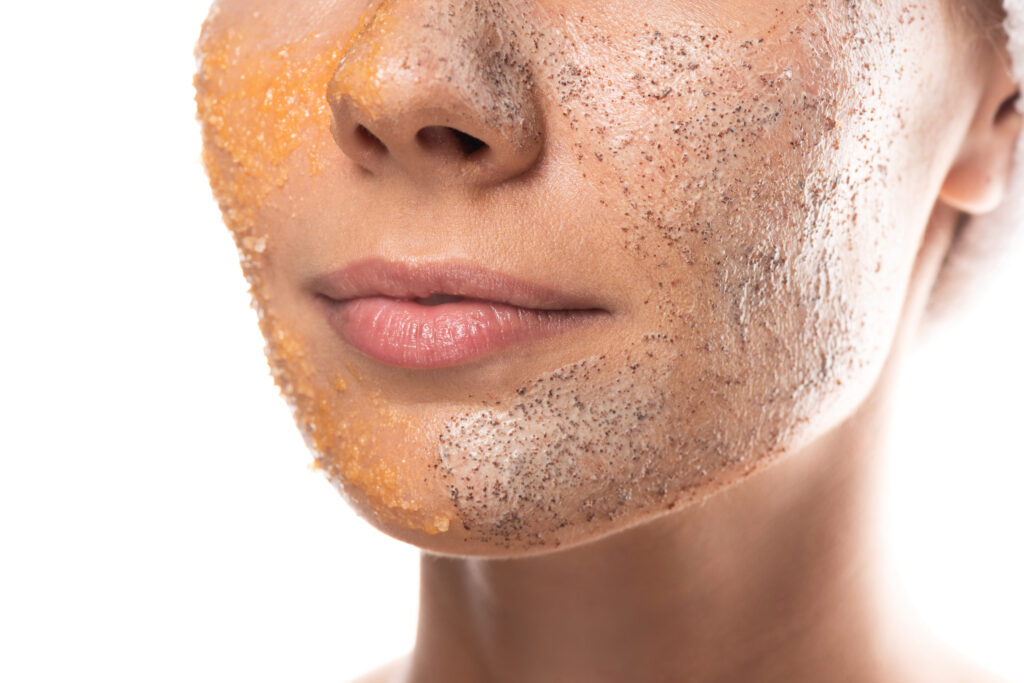
Exfoliation can be helpful, but in February it can easily tip into irritation. Dry air already makes skin feel rough, so it is tempting to scrub more, yet that often causes more peeling. Taking a short break lets your barrier settle and reduces that tight, sensitive feeling. Many people notice less redness within several days.
If you use acids, pause them or cut down to once a week for a bit. Skip gritty scrubs completely if your skin is stingy or flaky. Instead, focus on hydration and gentle cleansing, then return to exfoliation slowly when your skin feels calm again. A softer routine now usually leads to smoother skin later.
Use a Hydrating Serum Under Moisturizer

A hydrating serum can add water to the skin so your moisturizer has something to hold onto. Look for ingredients like glycerin or hyaluronic acid, especially if your face feels tight by mid afternoon. Serums feel light, so they can help without making your routine feel heavy. They also work well under sunscreen during the day.
Apply the serum to slightly damp skin, then follow with moisturizer right away. If you feel sticky, use less, since a few drops is usually enough. On very dry days, try the serum morning and night, then adjust when the weather shifts. With steady use, makeup often sits better too.
Seal Everything In With a Simple Face Oil

Face oil can be a helpful top layer when your skin feels rough or looks dull in cold weather. It helps reduce water loss, especially if indoor heat is running often. A few drops can also soften flaky areas so they look less obvious. This step is optional, but it can be a comfort move for February.
Use oil after moisturizer, not before, since oil does not add water on its own. Press two to four drops into the skin instead of rubbing fast, which can irritate dry spots. If you are acne prone, choose a lighter oil and start with just one drop mixed into your moisturizer. You can also use it only at night if you prefer a lighter daytime feel.
Protect Hands With Cream After Every Wash
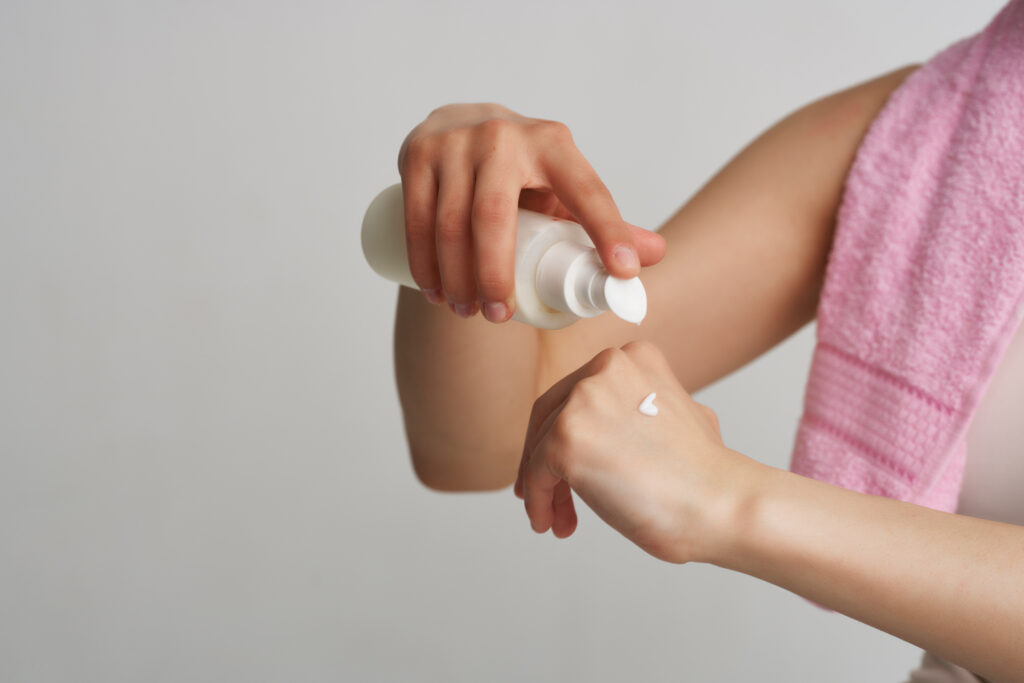
Hands take a beating in winter because they get washed often and stay exposed. Soap and water strip oils, then cold air makes the dryness show up as redness and tiny cracks. Using hand cream after each wash is a simple pattern that prevents the damage from building. Your hands can feel normal again without needing fancy products.
Keep a tube by the sink, in your bag, and near your bed so it is easy to remember. Use a richer cream at night and a lighter one during the day if you dislike a greasy feel. Pay attention to knuckles and the skin around nails, since those spots split first. Gloves outside help too, especially on windy days.
Wear SPF Every Day, Even on Cloudy Days

Winter sun can still affect your skin, and snow can reflect light upward. Even on gray days, UVA rays can reach you and contribute to dark spots and uneven tone over time. Sunscreen also protects skin that is already dry or irritated from cold wind. It is one of the most practical daily steps you can keep year round.
Choose a moisturizing sunscreen if your skin feels tight by lunch. Apply it as the last step in your morning routine, then give it a minute to settle before makeup. If you are outside for a long stretch, reapply as needed, especially if you are sweating under layers. A simple, consistent sunscreen habit keeps other skincare steps working better.
Turn On a Humidifier While You Sleep

Indoor heat can dry the air enough to make skin feel itchy or tight overnight. A humidifier adds moisture back into the room, which can help your face and hands feel less dry by morning. Many people also notice less dry throat and fewer static shocks. It is a quiet change that supports your skin without adding more products.
Place the humidifier a few feet from the bed and keep it clean so it stays fresh. Start with a moderate setting, since too much humidity can feel muggy. If you wake up with dry patches around your nose or mouth, this step can make a real difference in a few nights. Pair it with a richer night moisturizer for even better comfort.
Take Shorter Showers and Skip Hot Baths

Long, hot showers can strip the skin and make dryness worse, even if you moisturize after. Hot baths feel soothing, yet they can leave skin itchy once you get out. Keeping showers shorter helps your body hold onto its natural oils. You will likely notice it most on legs, arms, and your back.
Try setting a simple time limit and lower the water temperature a bit. Use a gentle body wash on the areas that need it, not head to toe every time. After you towel off, apply body lotion right away while your skin is still slightly damp. This routine often reduces that winter itch within a week.
Use a Fragrance Free Body Lotion Daily
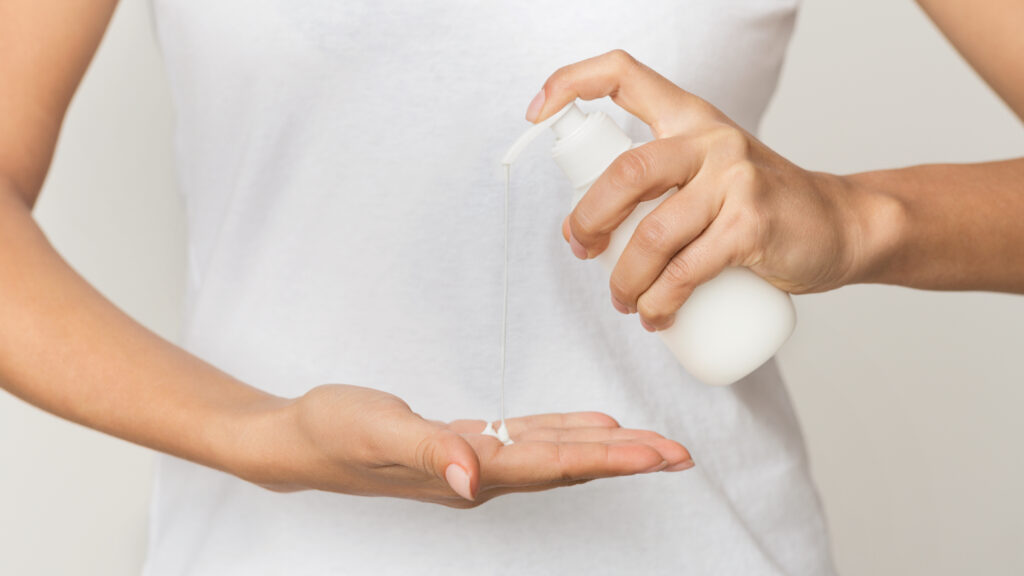
Fragrance can bother dry winter skin, especially if you already have patches that sting. A fragrance free lotion is often calmer and more comfortable, while still doing the main job of moisturizing. Daily use keeps dryness from turning into rough, scaly areas. You do not need a complicated formula for this step to work.
Apply lotion after showering and again on hands and elbows as needed. If your legs get ashy, focus on shins and knees where dryness shows first. In February, thicker lotions usually feel better than thin, watery ones. If you miss scent, save it for perfume on clothes rather than lotion on skin.
Patch Test New Products Before You Commit
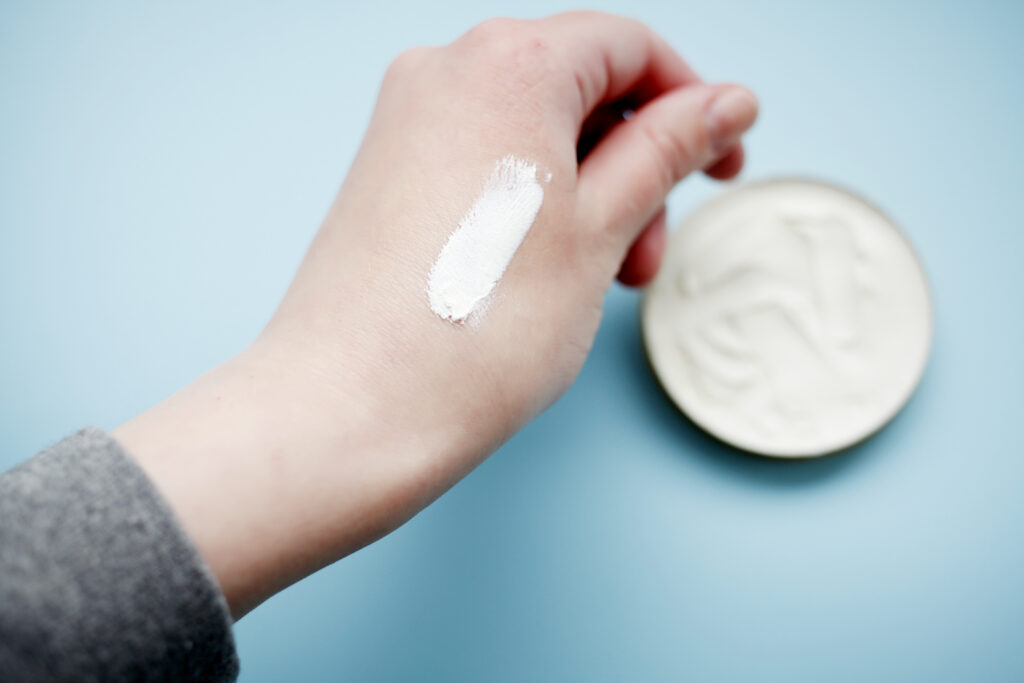
Winter skin can react faster, so adding new products without testing can backfire. A patch test helps you spot irritation before it shows up across your face. This is especially helpful for acids, retinoids, and strongly scented products. It also saves time and money in the long run.
Test a small amount behind your ear or along the jawline for a few days. If you notice burning, swelling, or a rash, stop and keep your routine simple until things calm down. Introduce one new product at a time so you know what caused a reaction. Slow changes are often safer in February.
Treat Cracked Heels With Urea Cream and Socks
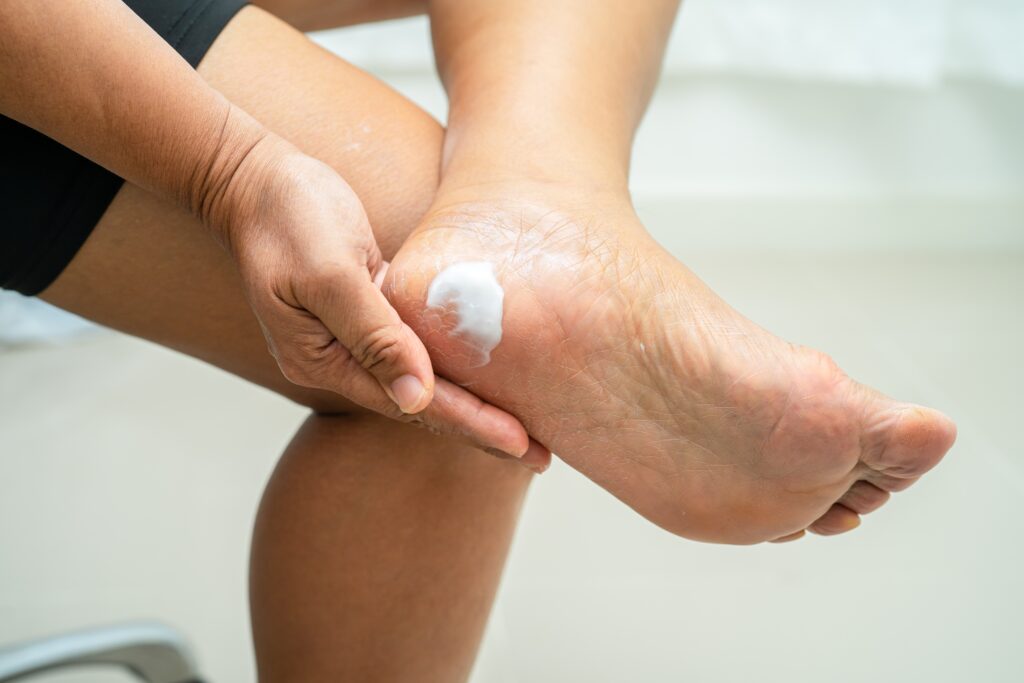
Heels can crack more in winter because dry air and thick socks create friction. Urea cream softens rough skin and helps it hold moisture so the cracks do not keep deepening. This is especially helpful if you notice snagging on sheets or soreness when walking. It can make your feet feel smooth again without a long routine.
Use the cream at night, then put on cotton socks to keep it in place. Avoid using a harsh foot file every day, since that can make skin angry and tender. If cracks are deep or bleeding, keep the area clean and consider checking with a clinician, since infection risk can rise. With steady care, heels often improve a lot within two weeks.
This article originally appeared on Avocadu.