
13 Cold Weather Hair Care Tips That Help With Static and Dryness
As the cold weather settles in, you may notice your hair becoming dry and static-filled. These changes happen when the air becomes drier, drawing moisture out of your hair. If you want to keep your hair healthy and manageable during these chilly months, there are simple steps to take. It is possible to reduce dryness and static with a few adjustments to your hair care routine.
This post may contain affiliate links, which helps keep this content free. Please read our disclosure for more info.
Switch to a Moisturizing Shampoo and Conditioner

The right shampoo and conditioner are essential for keeping your hair hydrated during the winter months. Cold weather can strip moisture from your strands, leaving them dry and brittle. Choose products designed to lock in moisture and nourish your hair. Ingredients like shea butter, glycerin, and oils such as argan or jojoba can help prevent your hair from becoming dry and static-filled.
When applying conditioner, focus on the ends of your hair where dryness is most noticeable. These products help to restore the hair’s natural moisture balance, which is important for preventing damage. However, be careful not to overuse conditioning products, as too much product can weigh hair down. Make sure to rinse thoroughly to leave your hair feeling light and soft.
Use a Deep Conditioning Treatment Once a Week
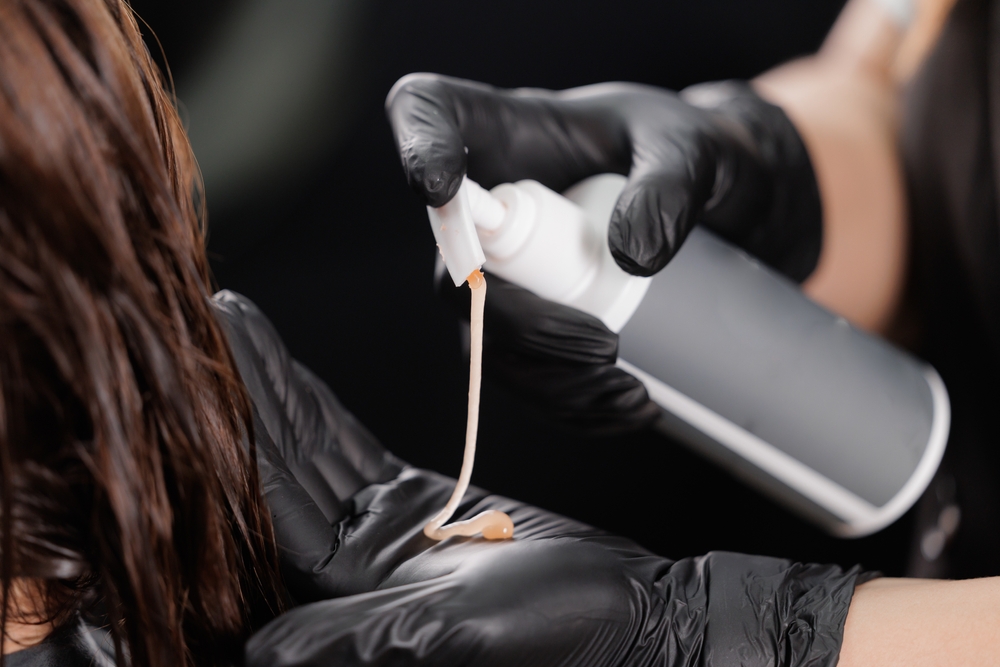
Adding a deep conditioning treatment to your routine can make a significant difference when it comes to dry hair. These treatments penetrate deeper into your strands, providing intense moisture and nourishment. Look for masks that contain hydrating ingredients like aloe vera or coconut oil. Applying a deep conditioner once a week can help restore softness and shine to your hair.
For maximum benefits, leave the deep conditioning treatment on for at least 15 to 20 minutes. You may want to wrap your hair in a warm towel or use a shower cap to keep the heat in. This allows the ingredients to absorb more effectively, resulting in more hydrated and manageable hair. Regular use of a deep conditioner can prevent your hair from becoming brittle and static-prone during winter.
Avoid Hot Showers When Washing Your Hair
It can be tempting to wash your hair with hot water, especially during cold weather, but this can actually dry it out. Hot water strips away natural oils that keep your hair moisturized and healthy. Instead, wash your hair with lukewarm water to help maintain the moisture balance in your strands. This simple change can make a huge difference in reducing dryness and static during the winter months.
In addition to washing your hair with lukewarm water, try rinsing it with cool water at the end of your shower. Cool water helps to close the hair cuticle, locking in moisture and preventing frizz. By making this small adjustment, you can keep your hair feeling softer and more manageable throughout the colder season. It also helps to preserve the natural shine of your hair.
Invest in a Humidifier for Your Home
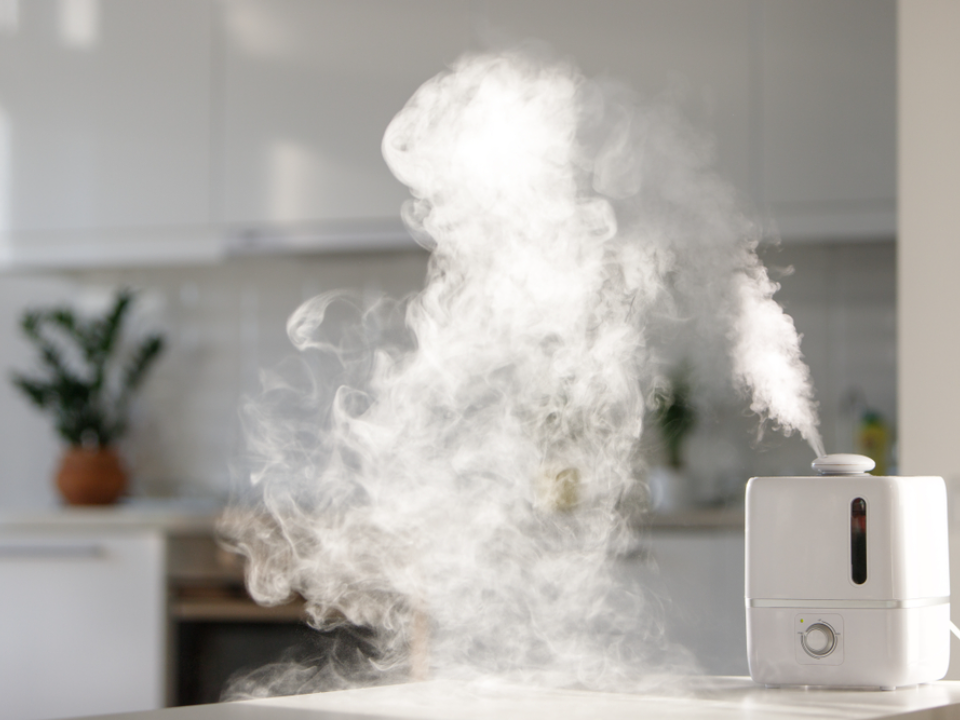
Indoor heating systems can dry out the air, which can have a negative impact on your hair. Adding a humidifier to your home helps to maintain moisture in the air, which can prevent your hair from becoming overly dry and static-filled. This is especially useful during the winter when the air is naturally drier. By introducing moisture back into your environment, you are helping your hair retain the hydration it needs.
A humidifier not only benefits your hair but also improves the overall condition of your skin and respiratory system. Consider placing a humidifier in your bedroom or living room to maintain a comfortable level of moisture in the air. Be sure to clean the humidifier regularly to prevent mold buildup, which could affect both your health and the quality of your hair care routine. This simple investment can make a big difference in managing dry hair during the colder months.
Protect Your Hair with a Hat or Scarf

When you go outdoors in the winter, your hair can be exposed to the harsh effects of cold air, wind, and snow. Protecting your hair with a hat or scarf can shield it from these damaging elements. Opt for scarves made of silk or satin, as these materials are less likely to cause static and frizz compared to wool or cotton. A hat or scarf helps to keep your hair from becoming too exposed to the cold air, preventing dryness and flyaways.
However, be careful about wearing hats that are too tight, as this can cause damage or breakage. Make sure the fabric you choose allows your scalp to breathe while offering protection from the elements. It is also a good idea to wear a silk lining underneath wool hats to avoid friction that can lead to static. Keeping your hair covered and protected can go a long way in keeping it healthy throughout the colder season.
Avoid Over-Brushing Your Hair

Brushing your hair too much during the winter months can cause unnecessary damage and make static worse. Over-brushing can strip away natural oils, leading to dryness and frizz. Instead of brushing your hair constantly, try using your fingers or a wide-toothed comb to gently detangle your hair. These methods are less likely to cause breakage, and they help preserve moisture in your strands.
If you need to brush your hair, choose a brush with natural bristles, as this will be gentler on your hair than synthetic ones. Be sure to brush from the tips upwards, avoiding pulling at tangled areas. With these simple steps, you can reduce the risk of static and dryness that often comes with over-brushing, especially during the colder months. Focus on gentle care to maintain the health of your hair.
Use Leave-In Conditioner or Hair Oil for Extra Hydration

Leave-in conditioners and hair oils are great options for adding extra moisture to your hair. These products help to keep your hair hydrated throughout the day and reduce the appearance of static. Look for products with ingredients like argan oil, coconut oil, or glycerin, which can help seal moisture into your hair. Apply these products to damp hair for better absorption and long-lasting effects.
When using leave-in conditioner or hair oil, start with a small amount and distribute evenly through your hair. Focus on the ends, as this is where hair tends to be driest. Be mindful of how much product you use, as applying too much can make your hair look greasy. These products can add extra protection against the drying effects of winter and give your hair a softer, smoother finish.
Limit Heat Styling Tools
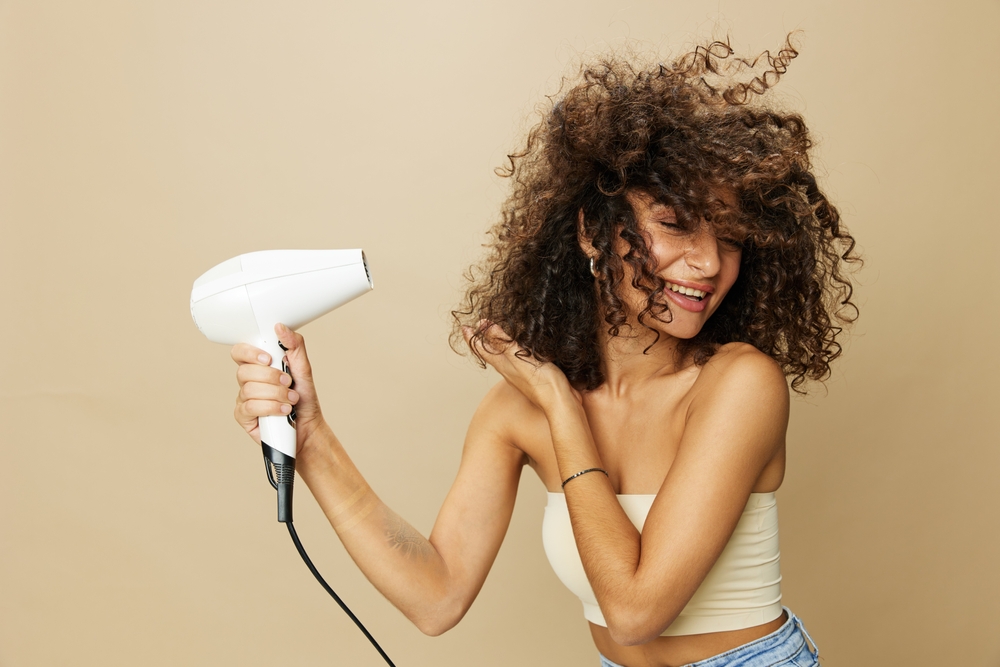
Heat styling tools like blow dryers, straighteners, and curling irons can be especially damaging during the winter months. The heat from these tools can cause your hair to become dry and brittle, leading to more static and frizz. Try to limit the use of heat styling tools, opting for air-drying your hair whenever possible. This will allow your hair to retain more moisture and reduce the chance of static buildup.
If you must use heat styling tools, be sure to use a heat protectant spray beforehand. These sprays create a barrier between your hair and the heat, reducing the amount of damage done during styling. Additionally, consider using tools with adjustable heat settings to avoid overheating your hair. Protecting your hair from excessive heat is a key step in maintaining its health during colder months.
Keep Your Hair Trimmed Regularly
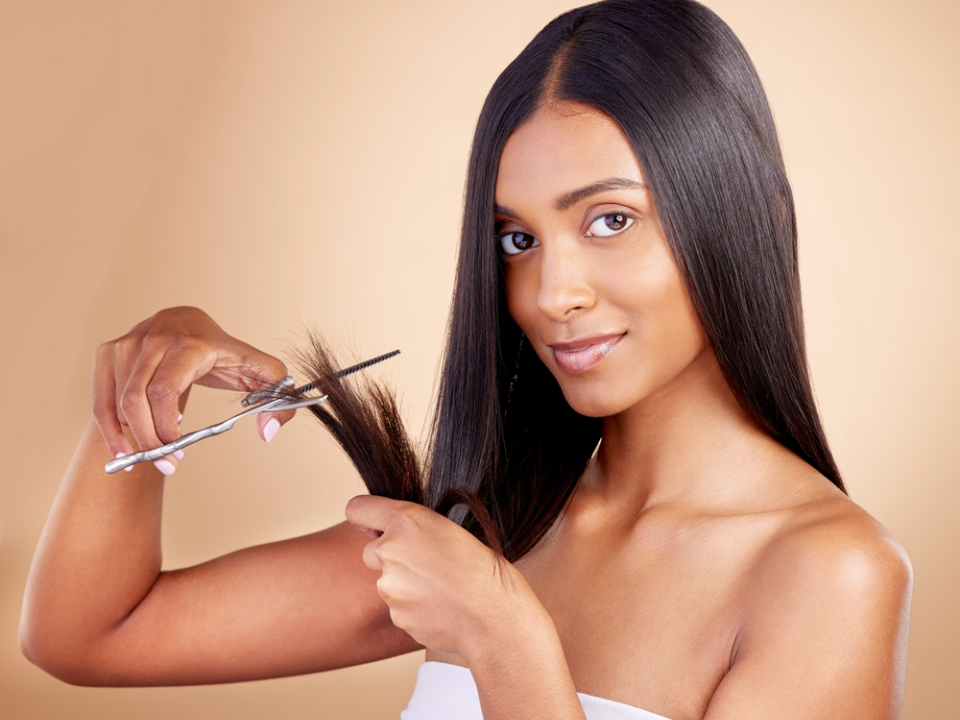
Trimming your hair regularly is an essential step in maintaining healthy, static-free hair during the winter. Split ends and damaged hair are more likely to absorb moisture from the air, leading to frizz and dryness. By keeping your hair trimmed, you ensure that it is not prone to breakage, which can make static worse. A trim can also help your hair look healthier and more manageable.
If you are growing your hair out, make sure to trim it every 6 to 8 weeks to prevent split ends from forming. A trim helps to keep your hair looking fresh and free from the damage that contributes to static. Regular maintenance will keep your hair strong, hydrated, and less likely to become brittle. This step is simple but highly effective in improving your hair’s overall condition.
Choose the Right Pillowcase
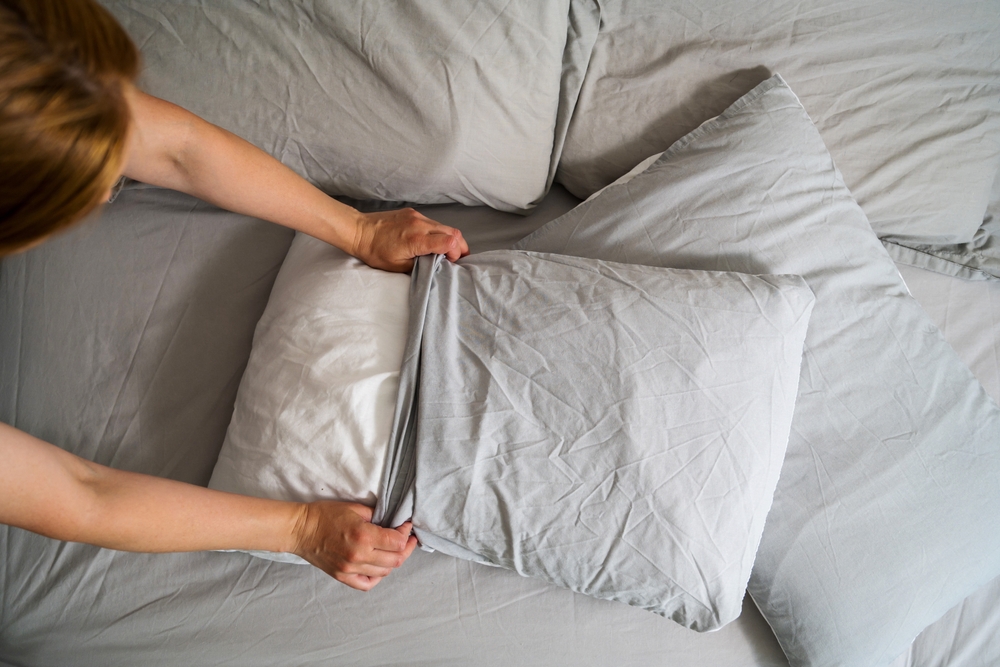
Your pillowcase may be contributing to static and dryness in your hair without you even realizing it. Cotton pillowcases can cause friction against your hair, leading to breakage and frizz. Switching to a silk or satin pillowcase can reduce friction and help maintain your hair’s moisture. These materials are gentle on your hair, allowing it to retain its natural oils overnight.
Silk and satin pillowcases also prevent your hair from becoming tangled and knotted while you sleep. This is especially helpful for those with longer hair, as tangles can lead to split ends and breakage. By making this simple switch, you can protect your hair from the harsh effects of cotton and improve its overall health. It is an easy, affordable change that can make a big difference in how your hair looks and feels.
Stay Hydrated and Eat a Nutrient-Rich Diet

Maintaining a healthy diet and staying hydrated is essential for your hair’s health, especially during the winter. Dehydration and poor nutrition can cause your hair to become dry and prone to static. Drink plenty of water throughout the day to keep your hair hydrated from the inside out. Foods rich in omega-3 fatty acids, vitamins, and minerals, such as salmon, avocado, and leafy greens, can support healthy hair growth.
A balanced diet that includes these nutrients helps to keep your hair strong, shiny, and resilient against the effects of dry air. Consider incorporating a hair-healthy supplement, such as biotin or fish oil, to further support your hair’s hydration and growth. Staying hydrated and nourishing your hair with the right foods is a natural way to improve its condition during the winter months. This practice contributes to healthier, shinier hair, even in dry, cold weather.
Avoid Washing Your Hair Too Frequently
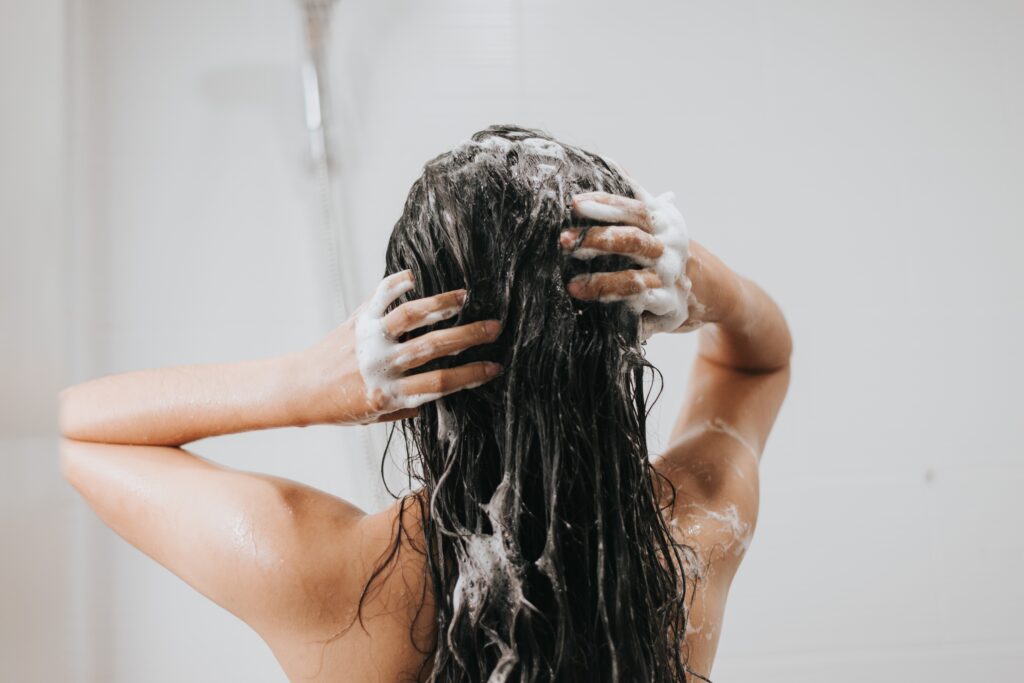
Washing your hair too often can strip it of its natural oils, leaving it vulnerable to dryness and static. In the winter months, it is important to cut back on hair washing to preserve the oils that help maintain hydration. Instead of washing your hair daily, aim to wash it every other day or even less frequently. This will allow your scalp to maintain its natural moisture balance and reduce frizz.
If you feel your hair looking greasy between washes, consider using a dry shampoo to refresh your roots. Dry shampoo helps absorb excess oil without the need for washing, which can be harsh on your hair in the winter. By reducing the frequency of washes, you are keeping your hair moisturized and less likely to experience static buildup. This is an easy adjustment that can make a big difference in how your hair feels.
Avoid Tight Hairstyles

Tight hairstyles can cause tension on your hair and lead to breakage, especially during the winter months when hair is more fragile. Hairstyles like tight ponytails, buns, or braids can lead to hair snapping due to the dry conditions. Instead, opt for looser styles that reduce stress on your hair. Soft braids or loose ponytails are great options for keeping your hair in place without damaging it.
If you need to pull your hair back, use a soft hair tie or scrunchie instead of an elastic band, which can cause pulling and breakage. Tight hairstyles can also disrupt the natural flow of your hair, making it more prone to static. By choosing looser, gentler styles, you are helping to keep your hair healthy and static-free throughout the winter season. These simple adjustments can have a lasting impact on your hair’s overall condition.
This article originally appeared on Avocadu.