
13 Cold Tough Flowers That Do Not Mind A March Chill
March can be unpredictable, with some days feeling more like winter than spring. Thankfully, there are flowers that don’t mind the cold and will continue to bloom despite the chill. If you’re eager to welcome spring, these tough blooms are perfect for your garden. These hardy flowers can add life to your yard even when temperatures are still low.
This post may contain affiliate links, which helps keep this content free. Please read our disclosure for more info.
Crocus
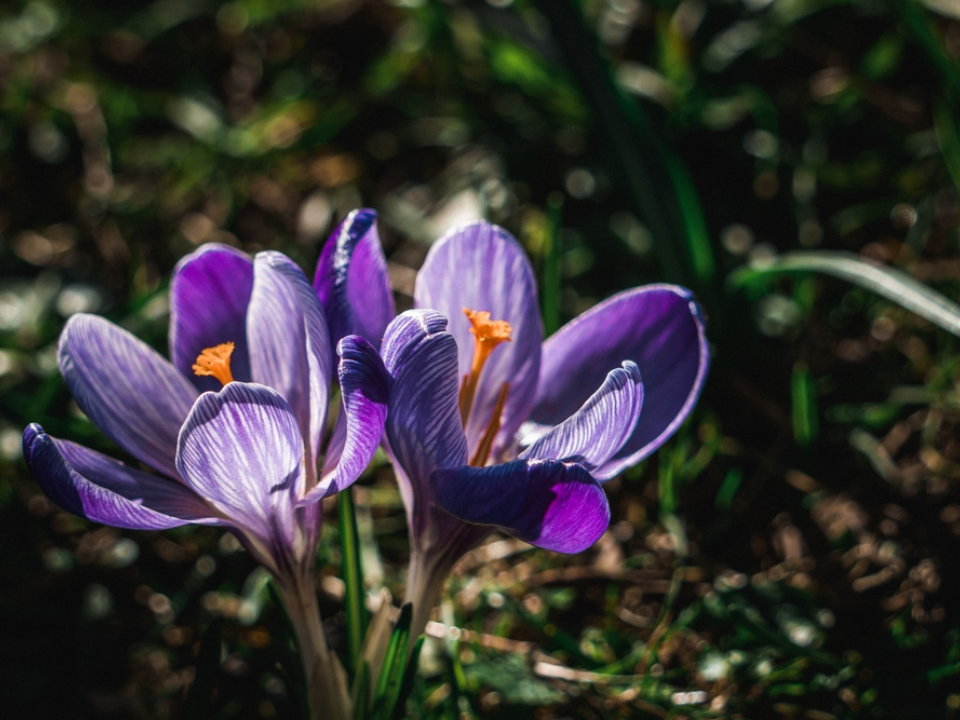
Crocuses are some of the first flowers to appear in early spring, often pushing through the snow. These flowers thrive in colder temperatures, making them a perfect choice for March gardens. With their vibrant purple, yellow, and white petals, crocuses add a cheerful touch to any landscape. Planting them in well-drained soil ensures they will bloom reliably year after year.
Crocuses can be planted in clusters for a striking effect, and they do well in both full sun and partial shade. They are quite hardy, able to withstand late frosts without much trouble. While they may fade quickly after blooming, they will often reseed and return year after year. These resilient flowers bring a bright burst of color when spring feels far away.
Snowdrop
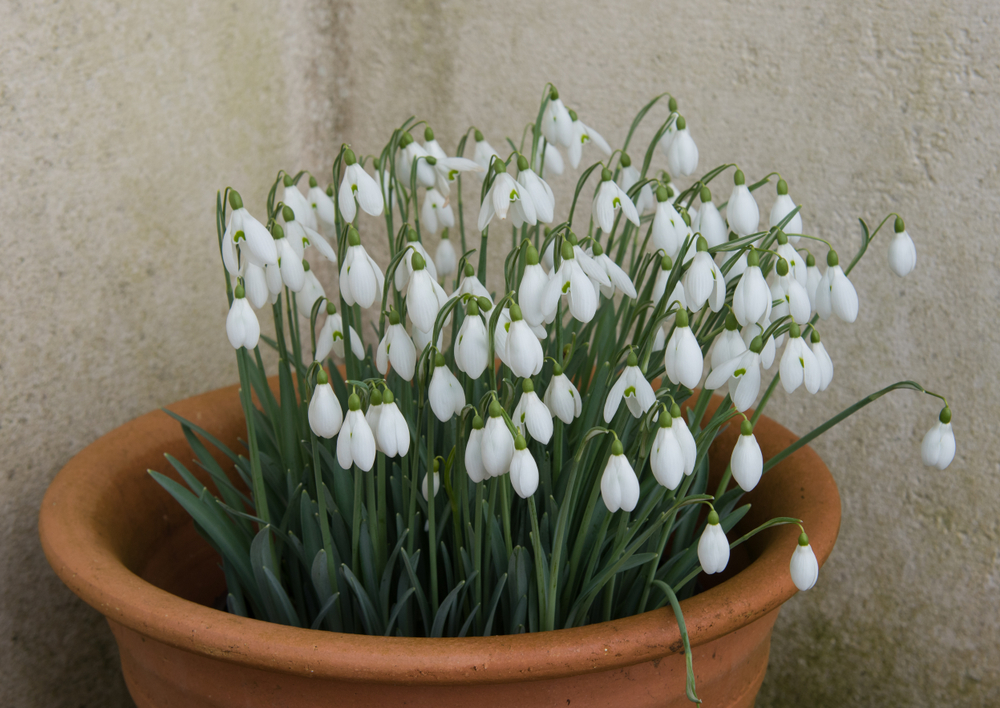
Snowdrops are often the first sign of spring, making them a popular choice for gardeners eager for color in the chill. These delicate white flowers can handle temperatures as low as 0°F, making them ideal for March. They grow best in well-drained soil and can even bloom in shaded areas, where other plants may struggle. Their pure white petals make them stand out in early spring gardens, even when surrounded by snow.
While snowdrops typically bloom in late winter to early spring, their ability to withstand frost is what makes them special. They are also one of the few flowers that are naturally deer-resistant. Once they bloom, they provide a fresh contrast to the dull brown earth, signifying the coming of warmer weather. With minimal care, snowdrops will return year after year, gradually multiplying in your garden.
Pansy
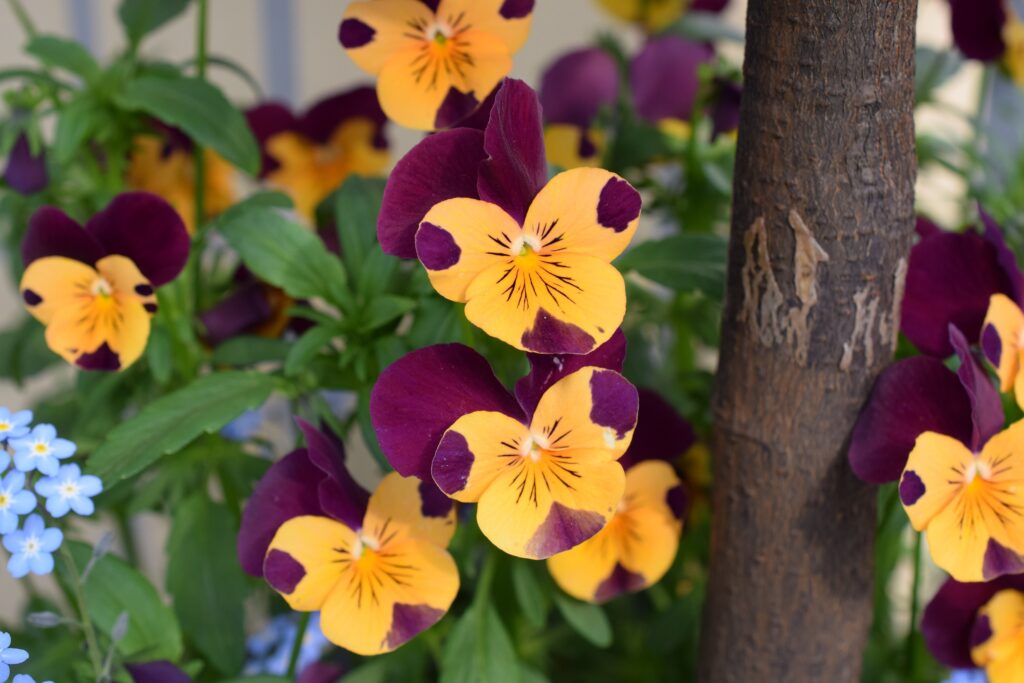
Pansies are known for their wide variety of colors and their ability to thrive in cooler temperatures. These tough flowers can handle March’s unpredictable weather, withstanding light frost and chilly nights. Pansies are versatile, growing well in both containers and garden beds, and they do best with regular watering and a little afternoon sun. Their vibrant hues range from yellow to purple to red, making them a standout in early spring gardens.
Aside from their bright appearance, pansies are low-maintenance flowers, needing only well-drained soil to grow well. While they might need a little extra attention during extreme cold spells, they are usually quite hardy during typical March weather. Pansies are also known for their fragrance, adding another sensory layer to your garden. Their versatility in both sunny and partly shaded spots makes them a great option for any garden.
Viola
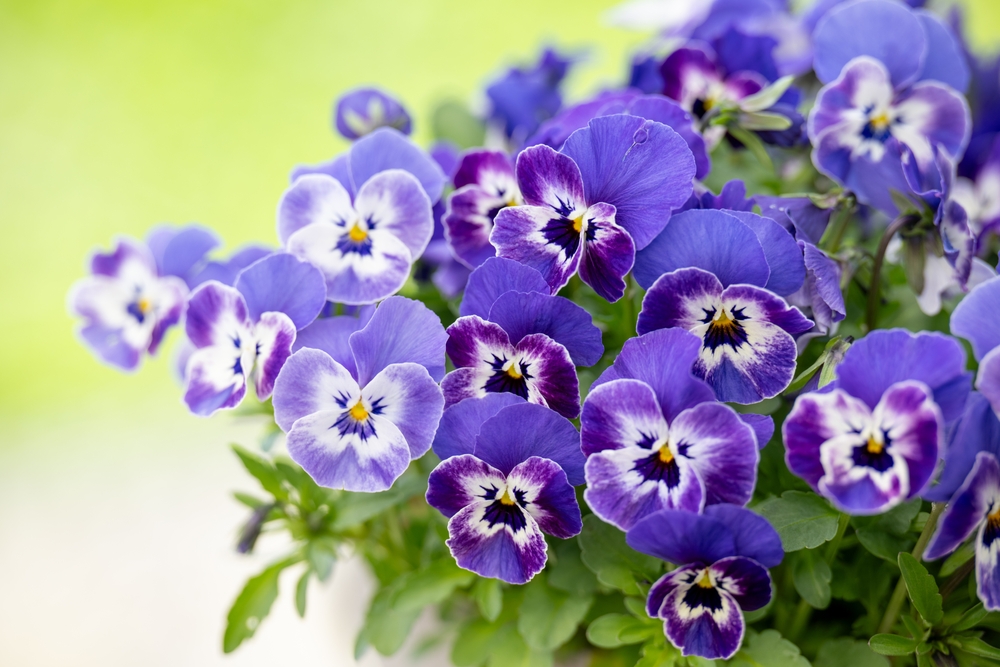
Violas are often mistaken for pansies due to their similar appearance, but they offer even greater cold tolerance. These small, colorful flowers are perfect for early spring gardens, capable of handling the March chill with ease. Violas bloom in an array of colors, including purple, yellow, and white, and their compact size makes them great for both ground planting and container gardening. They are known for their vibrant, showy blooms that brighten up even the coldest days.
Violas are hardy and will continue blooming throughout the colder months, often surviving light frosts. They thrive in both full sun and partial shade, though they perform best in cooler climates. These flowers are also relatively easy to grow, requiring only occasional watering and well-drained soil. With their cheerful presence, violas help usher in the early days of spring.
Hellebore
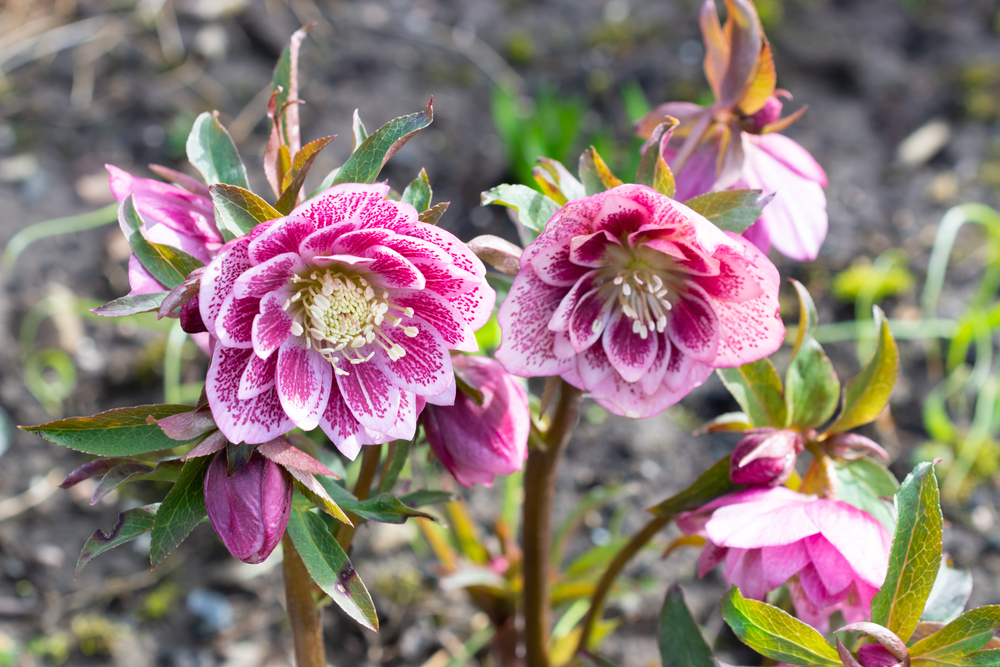
Hellebores, also known as the Christmas or Lenten rose, are perfect for adding color when the temperatures are still chilly. These hardy perennials bloom in late winter to early spring, making them ideal for the March chill. Their flowers come in a variety of colors, from white and pink to purple and even deep green. Hellebores are evergreen, adding interest to the garden even after their blooms fade.
One of the reasons hellebores are so well-suited to cold weather is their resistance to frost. They thrive in both shade and partial sun, making them perfect for gardens with a variety of light conditions. These plants prefer well-drained soil and benefit from being planted in a sheltered spot, protected from harsh winds. Hellebores can live for many years, offering dependable blooms year after year.
Primrose
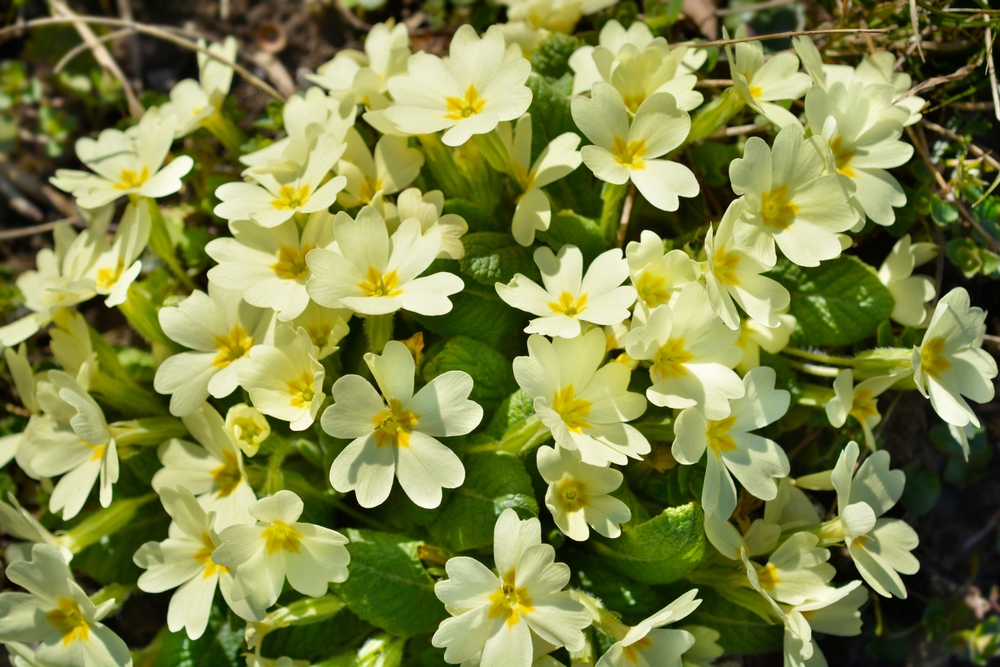
Primroses are another flower that can handle cold weather and often bloom early in the spring. With their wide range of colors, including pink, yellow, and purple, they add an instant burst of brightness to the garden. Primroses thrive in cool temperatures, making them perfect for March’s unpredictable weather. They grow best in moist, well-drained soil and prefer partial shade, making them ideal for woodland gardens or shady corners of your yard.
These flowers are particularly attractive to gardeners looking for reliable early-blooming plants. Primroses can be planted in both garden beds and containers, making them versatile for different gardening spaces. They are known for their ease of care, only requiring occasional watering and well-prepared soil. Their ability to handle cold weather, along with their charming flowers, makes them a great addition to your March garden.
Muscari (Grape Hyacinth)
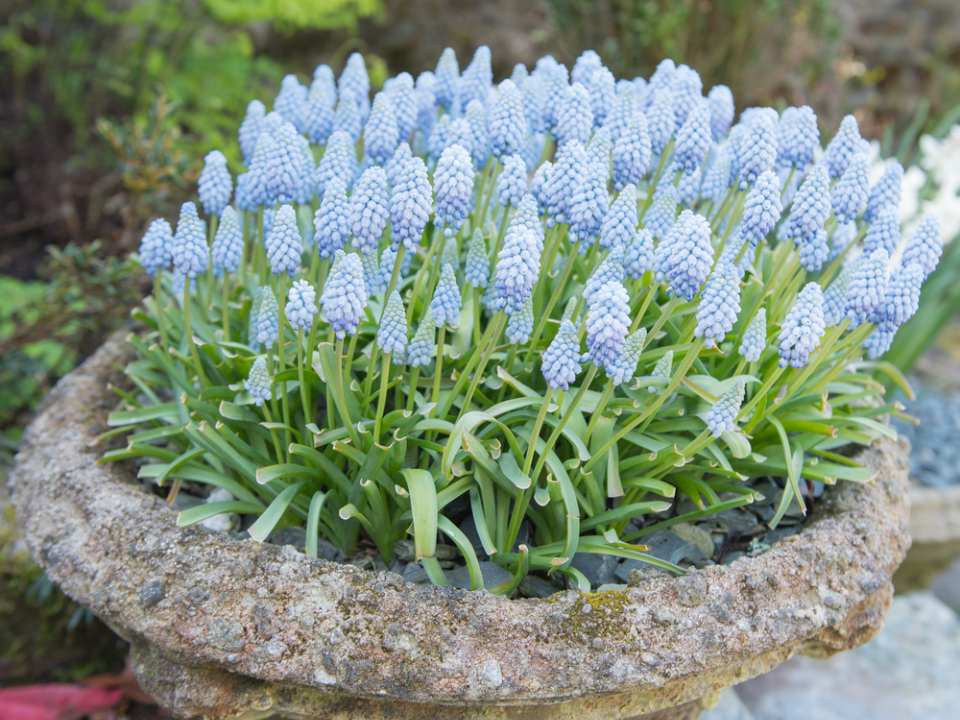
Muscari, also known as grape hyacinth, is a small but tough flower that blooms in early spring. These flowers are typically blue, though they can also come in shades of purple, pink, and white. Muscari thrive in cooler temperatures and are perfect for a March garden. They prefer well-drained soil and can be planted in both sunny and partially shaded areas. Their small, bell-shaped flowers form clusters that resemble grapes, adding a unique texture to any garden.
Muscari is a reliable spring bloomer that can handle the March chill, often surviving light frost without damage. These flowers grow well in both beds and containers, making them a versatile addition to your garden. As an added bonus, they are naturalized easily, meaning they can multiply over time and spread throughout your garden. Grape hyacinths bring early spring color and charm with minimal care, making them a favorite among gardeners.
Daphne
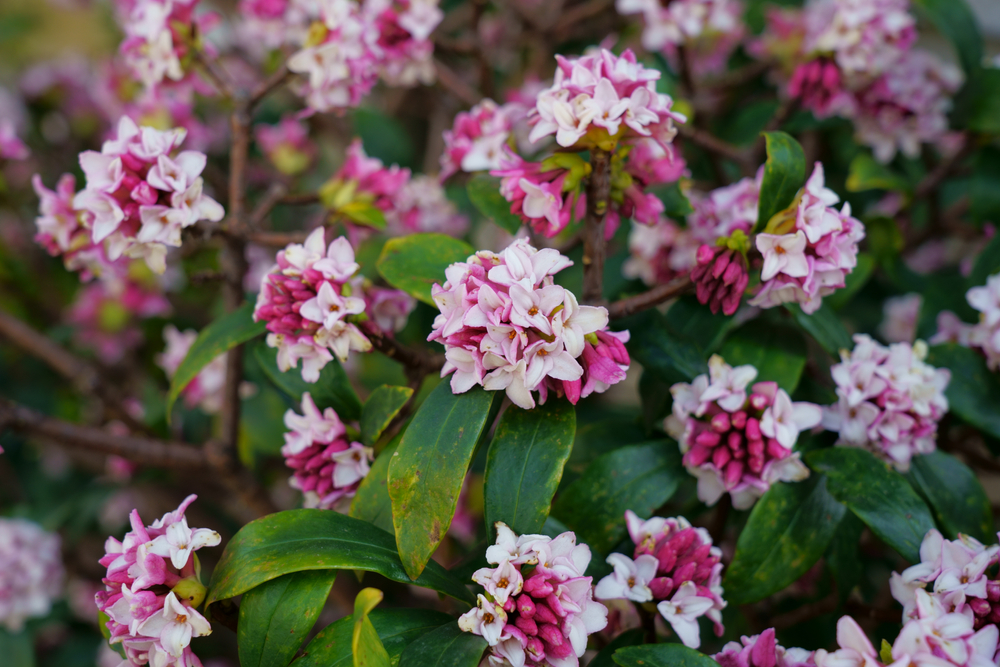
Daphne is a hardy, evergreen shrub that can handle the colder months while adding fragrance to your garden. In March, many varieties of daphne start to bloom, producing clusters of fragrant flowers in shades of pink and white. The flowers are small but aromatic, filling the garden with a pleasant scent even when the weather is still chilly. Daphne thrives in well-drained soil and performs best in partially shaded spots.
Daphne is often used as a border or foundation plant in gardens, thanks to its beautiful flowers and compact growth. While it requires minimal maintenance once established, it does benefit from regular watering and occasional fertilizing. Daphne’s resilience to cold weather and its ability to bloom early make it a standout choice for March gardens. Over time, it can grow into a stunning shrub, adding lasting beauty and fragrance to your garden.
Winter Jasmine
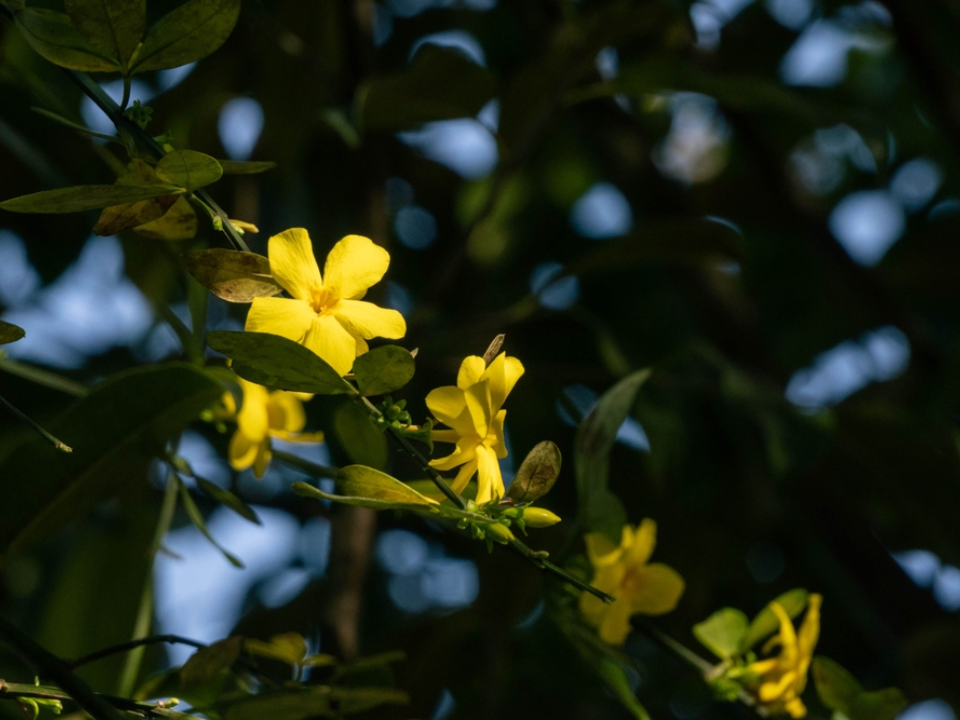
Winter jasmine is a versatile shrub that brings a splash of yellow to your garden during the coldest months. This flowering plant thrives in the chilly temperatures of early spring and can often be seen blooming in March. Its delicate yellow flowers contrast beautifully against the grey of early spring. Winter jasmine grows well in a variety of soil types and can thrive in both full sun and partial shade.
A unique feature of winter jasmine is its ability to bloom even in freezing temperatures, making it ideal for March’s unpredictable weather. It is a hardy shrub that requires little attention once established, needing only regular watering and occasional pruning. Over time, winter jasmine spreads easily, making it a great choice for groundcover or along fences. Its cheerful yellow blooms make it an enduring favorite in winter and early spring gardens.
Siberian Squill
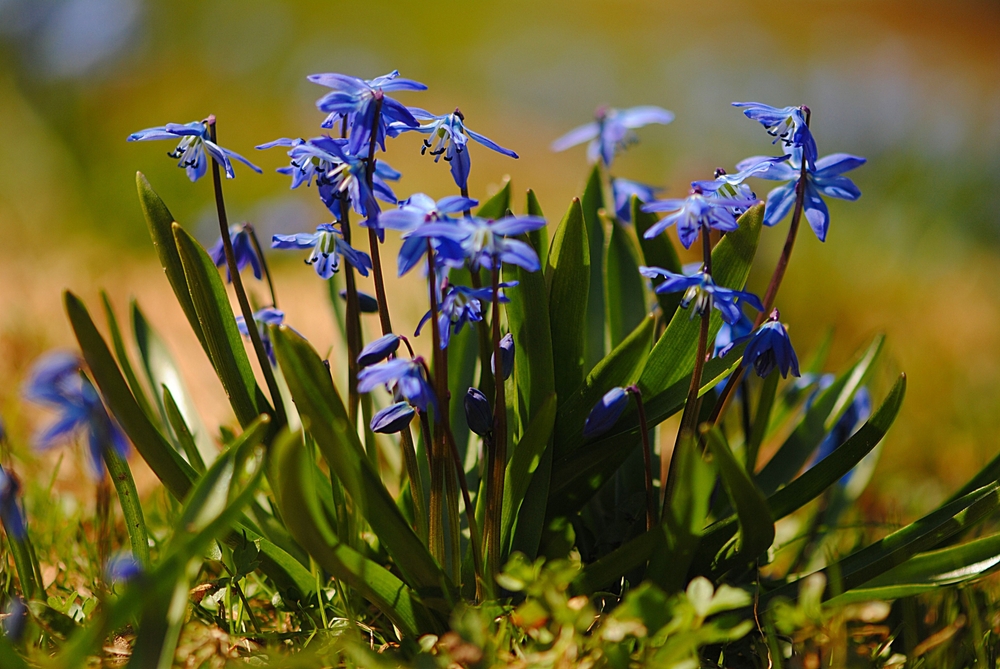
Siberian squill is a hardy perennial that thrives in cold climates, often blooming as early as March. These small, blue flowers are perfect for adding color to gardens still recovering from winter’s chill. Siberian squill grows well in well-drained soil, especially in areas with full sun or partial shade. Its ability to withstand late frosts makes it a great early bloomer for your garden.
Once planted, Siberian squill will often spread and naturalize, filling your garden with clusters of blue flowers. They can be grown in beds, along pathways, or as ground cover, where they will brighten up the space. Their resilience to the cold, combined with their low-maintenance needs, makes them a perfect choice for those looking for reliable spring blooms. These little flowers bring early spring beauty to your garden each year.
Fritillaria
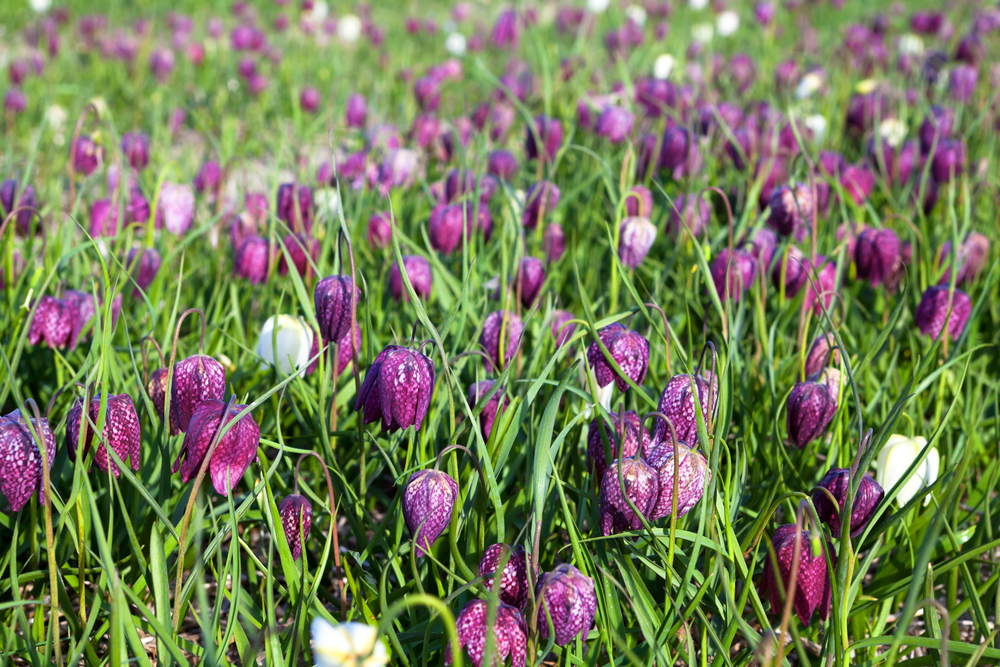
Fritillaria is a striking flower known for its unique shape and stunning colors. These flowers, which come in shades of purple, yellow, and red, thrive in cool temperatures and are perfect for March. They are a bulbous plant, often planted in the fall, and bloom in early spring. Fritillarias do best in well-drained, slightly alkaline soil and can be planted in full sun or partial shade.
What makes fritillaria particularly appealing is their unusual bell-shaped flowers, which stand out in any garden. These flowers require very little care once established and can grow year after year with minimal attention. Fritillarias are particularly effective when planted in groups, as their bold color contrasts beautifully against the rest of your garden. These tough flowers handle the March chill with ease, making them a welcome addition to any early spring garden.
Snowdrop Anemone
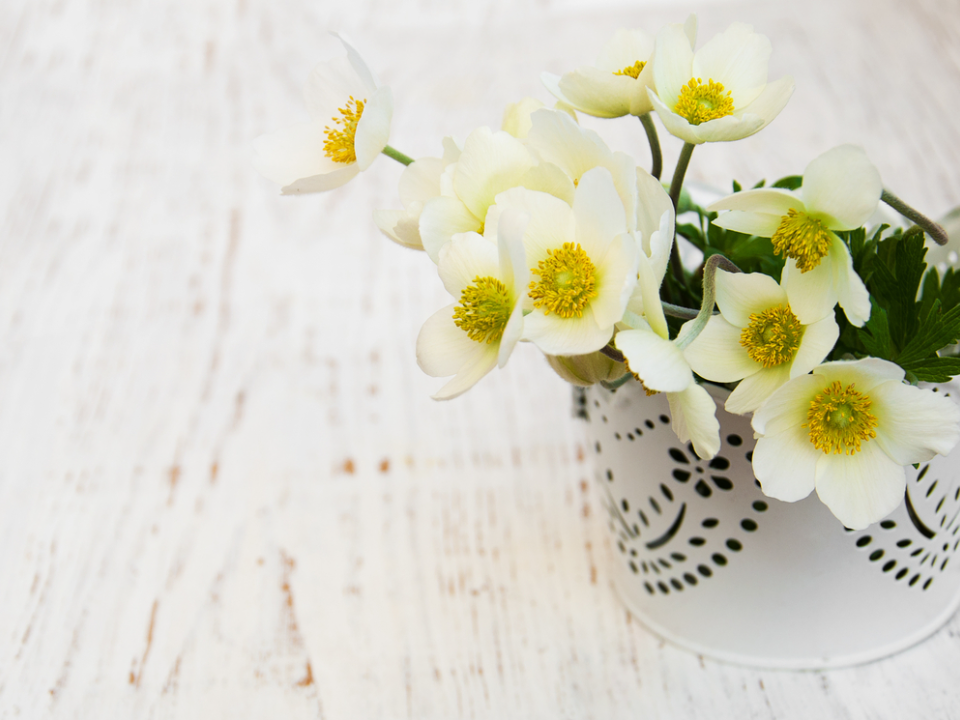
Snowdrop anemone is a tough perennial that blooms early in the season, often just as March begins. With delicate white or pink flowers and dark green leaves, this flower is perfect for adding a soft touch to your garden. It prefers cool weather and is ideal for shady areas with well-drained, slightly acidic soil. Snowdrop anemones are often seen in woodlands or shaded garden beds, where they thrive in cooler temperatures.
The snowdrop anemone’s ability to bloom in the colder months makes it a great choice for early spring gardens. Once established, these flowers are relatively easy to care for and require minimal maintenance. They often multiply over time, filling your garden with a sea of delicate blooms. Their ability to withstand late frosts while adding early color makes them a favorite for those eager to welcome spring.
Lungwort
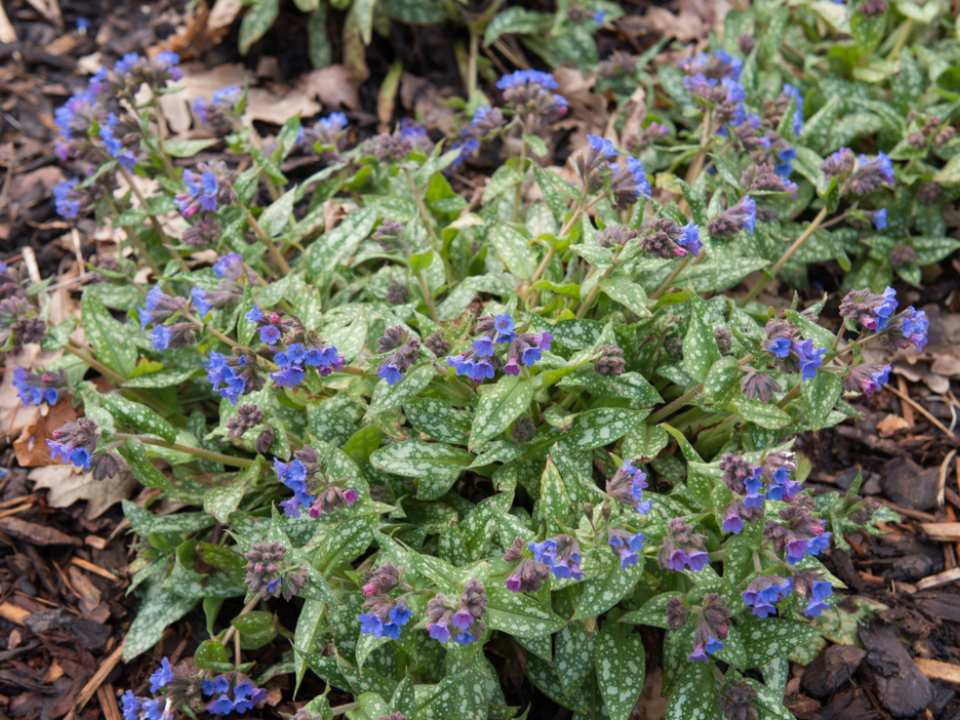
Lungwort is a perennial known for its attractive foliage and early spring flowers. These flowers, which can be pink, blue, or purple, bloom in March and thrive in the cooler temperatures of early spring. Lungwort grows best in shaded areas with rich, moist soil and is often used as ground cover. It is a low-maintenance plant that works well in woodland gardens or areas where other plants might struggle.
In addition to its colorful flowers, lungwort’s spotted, silver-flecked leaves make it a decorative choice for shady spots. These flowers bloom early, providing a splash of color when most other plants are still dormant. Lungwort is particularly valued for its ability to handle both shade and cold temperatures, making it a great addition to any garden in March. With its resilience and beauty, lungwort is a reliable plant for the early days of spring.
This article originally appeared on Avocadu.