
18 Cold-Resistant Veggies To Grow In Your Garden This Winter Season
You might think that winter is a time to put your gardening tools away, but with cold-resistant vegetables, you can keep growing fresh produce all season long. These tough vegetables thrive in the colder months, providing you with healthy options even when the temperature drops. Not only do they survive the chill, but they’re also packed with essential nutrients. Planting these vegetables ensures you’ll have a productive garden even in the harshest winter conditions.
This post may contain affiliate links, which helps keep this content free. Please read our disclosure for more info.
Kale
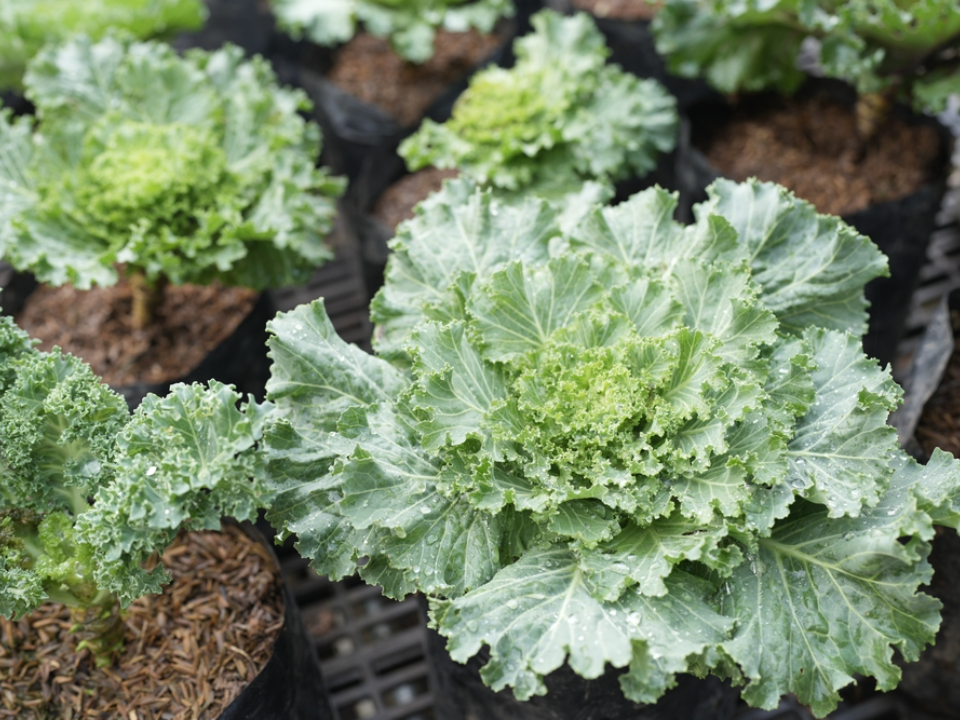
Kale is known for its hardiness and ability to thrive in cold temperatures, making it a perfect winter crop. The vegetable becomes sweeter after frost exposure, which adds to its flavor profile. Kale is rich in vitamins A, C, and K, making it a highly nutritious addition to your garden. It grows best in well-drained, fertile soil, and with proper care, can be harvested throughout the colder months. A layer of mulch can also help protect it from severe weather, ensuring a steady harvest.
Kale usually takes 50 to 75 days to mature, depending on the variety. Plant it in early fall or late summer for winter harvesting. Keep the soil consistently moist, but avoid overwatering. As the outer leaves mature, remove them to encourage new growth. Harvesting kale regularly will provide fresh greens all season long.
Spinach
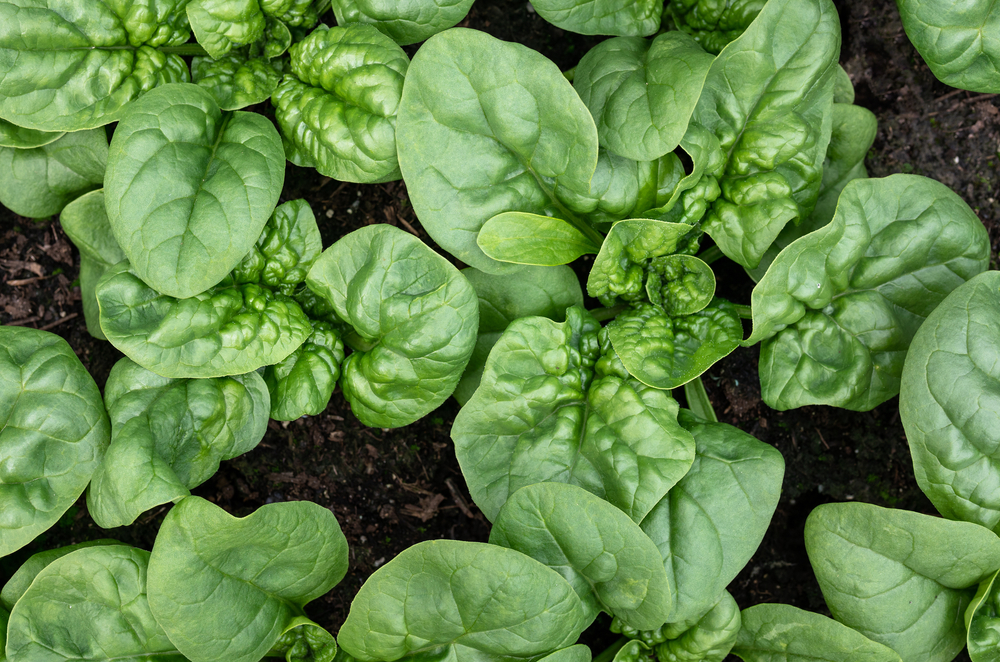
Spinach thrives in cooler weather, making it an ideal vegetable for winter gardens. With its tender leaves, spinach can survive light frost, and its flavor actually improves with cold exposure. Spinach is packed with iron and other important nutrients, making it a healthy addition to your meals. It requires moist, well-drained soil and regular watering to maintain its tender texture. Protecting it with row covers during harsh weather can help extend its growing season.
Spinach typically matures in 40 to 50 days. It’s best to sow seeds in the ground in early fall for a winter harvest. Regular watering ensures the plants grow consistently, but be cautious not to saturate the soil. Once leaves are large enough, harvest them for fresh greens. Spinach will continue producing through winter with proper care.
Brussels Sprouts
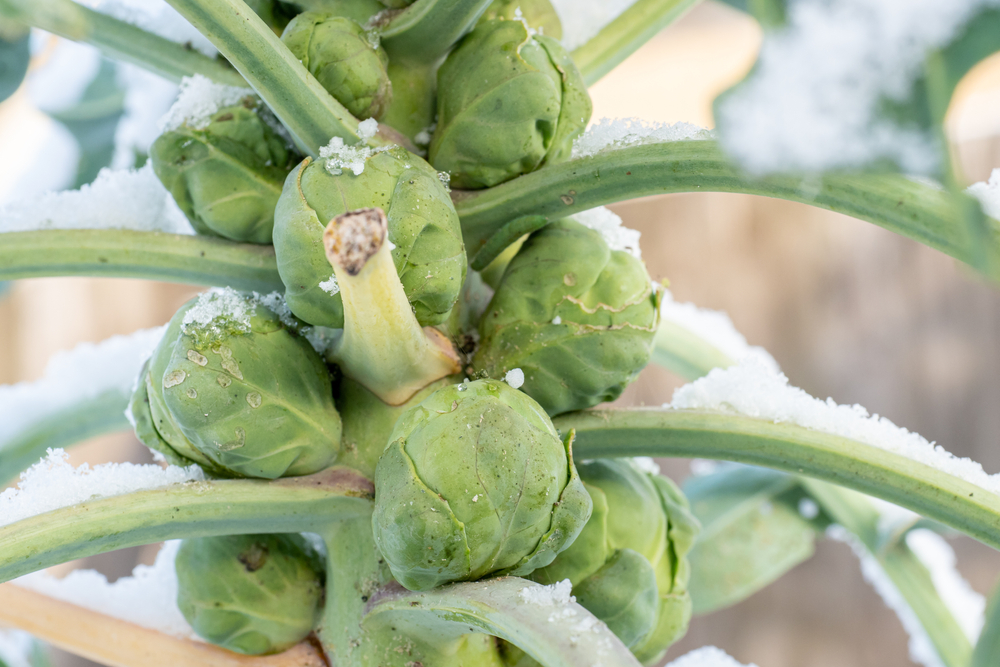
Brussels sprouts are a great cold-resistant vegetable, able to tolerate frost and even benefit from it. As the temperature drops, these mini-cabbage-like vegetables become sweeter, making them an ideal winter crop. They grow best in well-drained, fertile soil with ample sunlight. Brussels sprouts need a long growing season, so it’s important to start them in late summer or early fall for a winter harvest. A layer of mulch around the base will help protect the plants from extreme cold.
Brussels sprouts typically take 90 to 100 days to reach maturity. Plant them in late summer, allowing them to grow through the colder months. Regularly water the plants and stake them as they grow to prevent wind damage. Harvest the sprouts from the bottom up as they mature, and they will continue producing new sprouts. Enjoy this flavorful vegetable in winter dishes like soups and casseroles.
Carrots
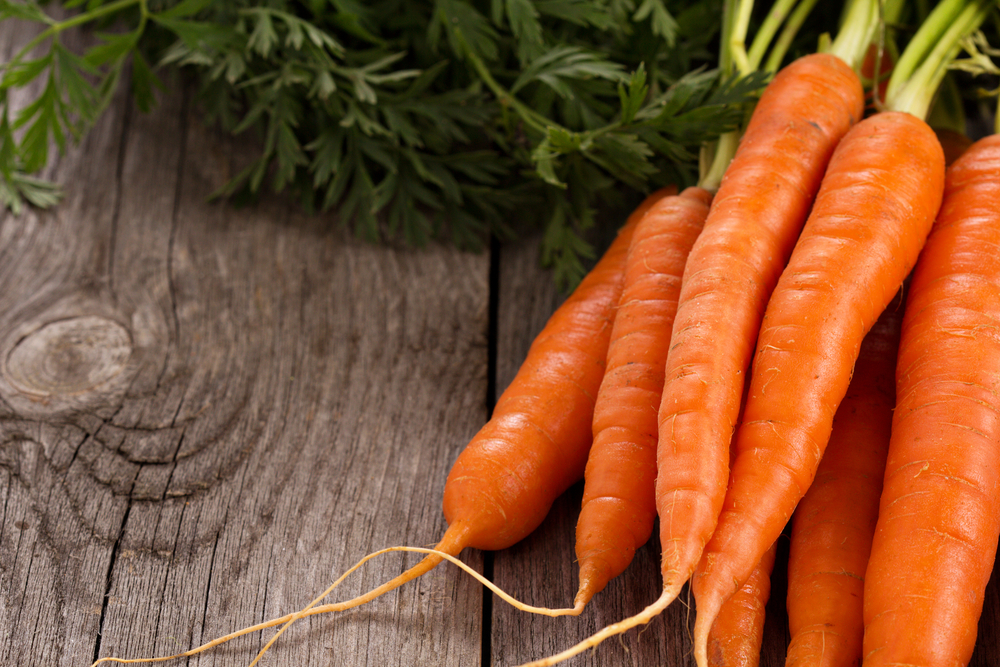
Carrots are perfect for winter gardens as they become sweeter after exposure to frost. They grow best in loose, well-drained soil, which helps their roots develop properly. Carrots are packed with vitamins and antioxidants, making them a healthy and delicious option for your winter garden. With minimal care, they can survive cold temperatures and continue growing throughout the winter. Mulching the soil around the carrots will help protect them from freezing and keep them tender.
Typically take around 70 to 80 days to mature. Sow seeds in late summer or early fall to ensure a winter harvest. Keep the soil moist, but avoid overwatering, as it can cause the roots to split. Once mature, harvest the carrots by gently pulling them from the soil. Store them in a cool, dry place to enjoy them throughout the winter months.
Swiss Chard
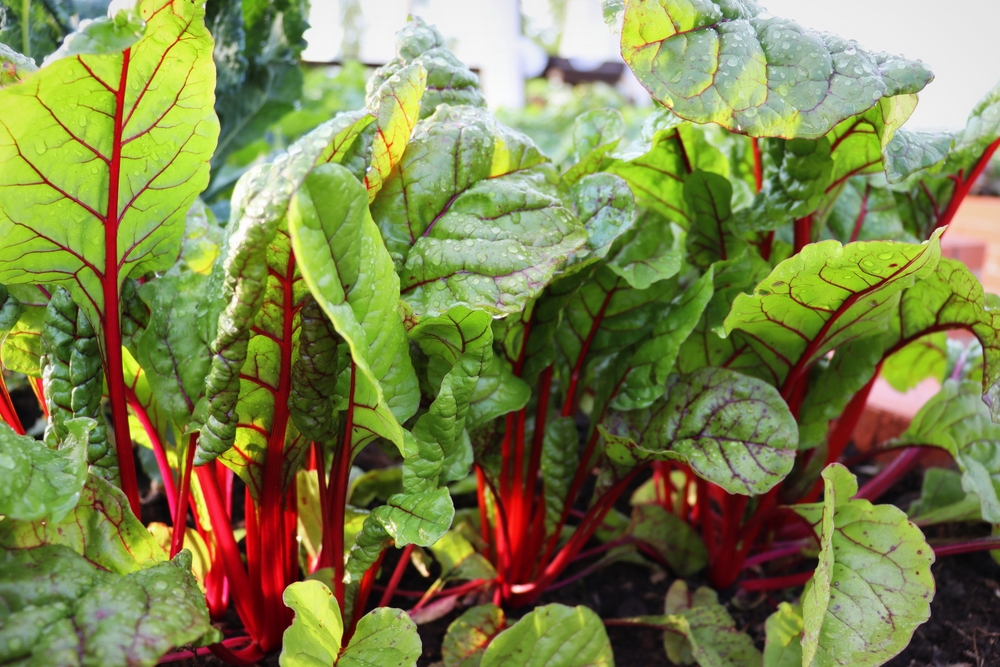
Swiss chard is a versatile, cold-hardy vegetable that thrives in winter gardens. It grows best in cooler temperatures and can survive frost, providing fresh greens throughout the colder months. Swiss chard is packed with vitamins and minerals like iron, magnesium, and vitamin K. It requires well-drained soil and regular watering, but it’s relatively easy to grow. Harvest the outer leaves as needed to allow new ones to continue growing in the center.
Swiss chard usually takes 50 to 60 days to mature. Plant it in early fall or late summer for a winter harvest. Make sure the soil stays moist, but avoid excessive watering, which can lead to root rot. As you harvest the leaves, new growth will continue, allowing you to enjoy fresh greens all winter long. Swiss chard is perfect for adding to soups, salads, or as a side dish.
Radishes
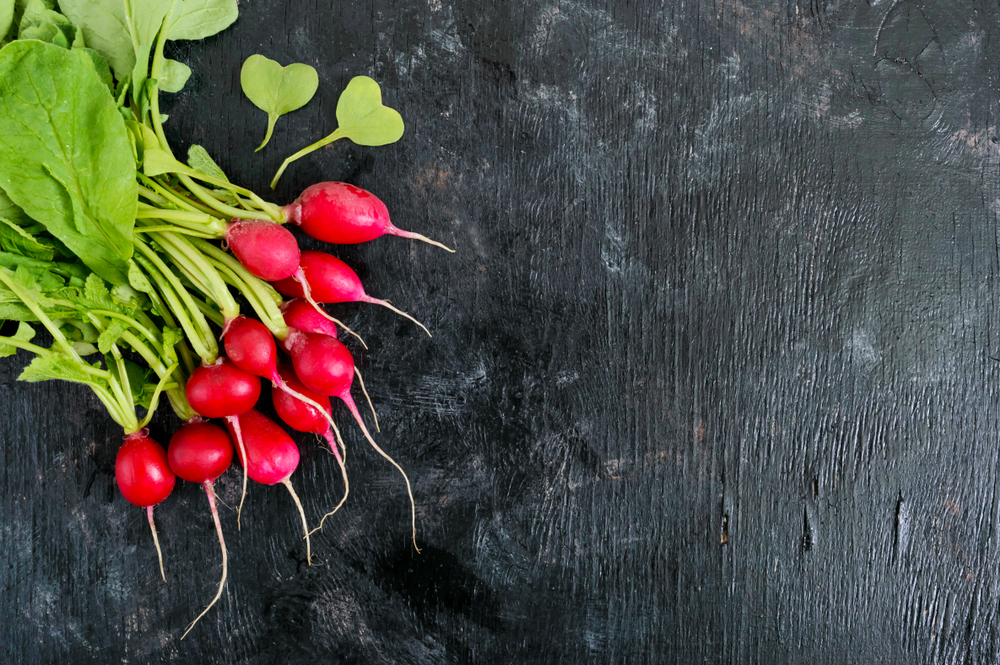
Radishes are an excellent choice for winter gardens due to their fast-growing nature. These crisp, peppery vegetables can tolerate frost and continue growing throughout the colder months. Radishes require minimal care and grow well in loose, well-drained soil. They thrive in cooler temperatures, making them perfect for winter gardening. A light frost can actually improve their flavor, making them even more enjoyable to harvest in winter.
Typically mature in 25 to 30 days, making them one of the quickest crops to grow. Directly sow seeds in early fall for a winter harvest. Keep the soil moist, but be cautious not to overwater, as radishes can rot in soggy conditions. Once they are large enough, harvest the radishes by gently pulling them from the soil. Enjoy them fresh or roasted, as they are a flavorful and easy-to-grow winter vegetable.
Collard Greens
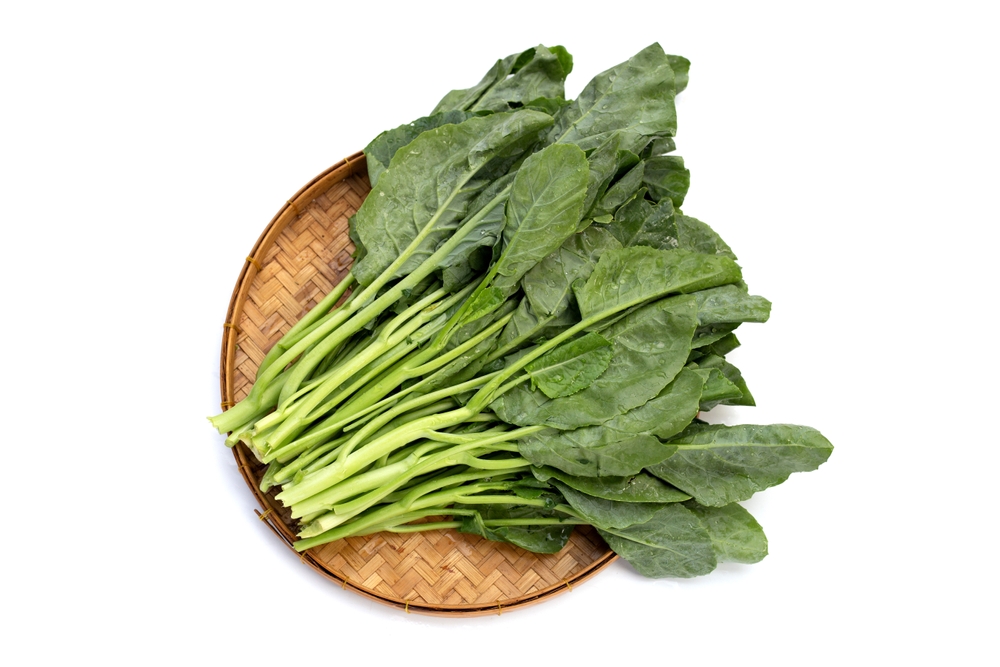
Collard greens are an excellent vegetable to grow in cooler months, offering a steady supply of fresh greens throughout the winter. These hearty plants can withstand frost and actually become sweeter after exposure to cold temperatures. Collard greens are rich in fiber, vitamins, and minerals, making them a nutritious addition to your garden. Plant them in well-drained, fertile soil and ensure they receive enough sunlight to thrive. Regular watering will help the plants grow strong and healthy.
Collard greens usually take around 60 to 85 days to mature. Start seeds in late summer or early fall for a winter harvest. These greens are cold-hardy and will continue to grow through frost. Harvest the outer leaves first, allowing the inner ones to continue growing. Collard greens are perfect for cooking in soups or adding to stir-fries for added flavor.
Turnips
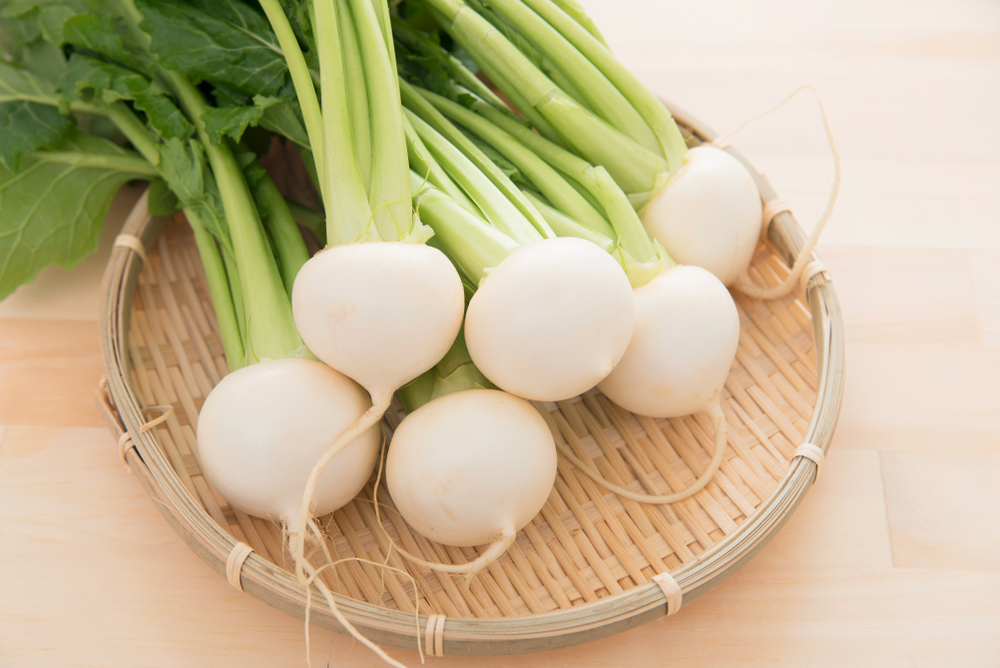
Turnips are a cold-hardy root vegetable that thrives in winter gardens. Both the roots and greens of turnips are edible, offering versatility in the kitchen. The sweet flavor of turnips improves after exposure to frost, making them perfect for winter harvesting. Turnips grow best in fertile, well-drained soil and require regular watering. A layer of mulch will help protect the roots from extreme cold and ensure a steady harvest.
Usually take 50 to 70 days to mature. Sow seeds in late summer or early fall to allow for a winter harvest. Thin the plants as they grow to ensure the roots have enough space to develop. Harvest the turnips when they reach a good size, and use the leaves in soups or salads. This vegetable is easy to grow and perfect for a winter crop.
Leeks
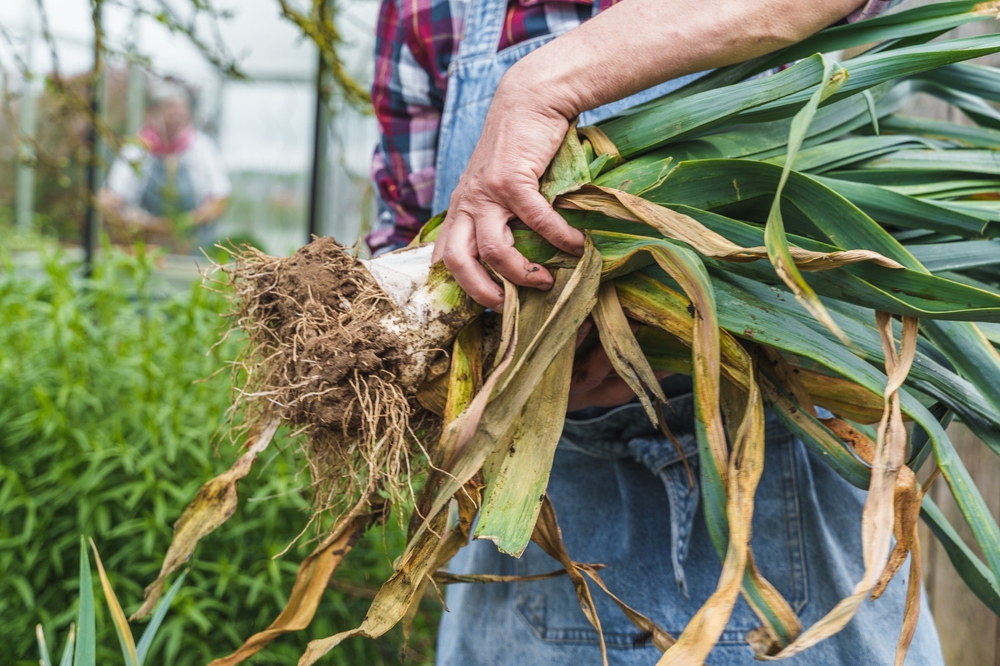
Leeks are a versatile vegetable that grows well in cold weather and can even withstand light frost. They have a mild onion flavor and are perfect for adding depth to soups, stews, and casseroles. Leeks require well-drained, fertile soil and need regular watering to grow strong. They are a slower-growing vegetable, so they need to be planted in late summer or early fall for a winter harvest. A layer of mulch can help protect the leeks from freezing temperatures during the winter.
It takes 90 to 120 days to mature. Start seeds indoors and transplant them once the weather cools. Leeks prefer slightly acidic soil and regular feeding with organic fertilizer. Once the stalks have reached the desired size, harvest them by gently pulling them out of the ground. These flavorful vegetables can be stored in a cool, dry place for later use.
Mustard Greens
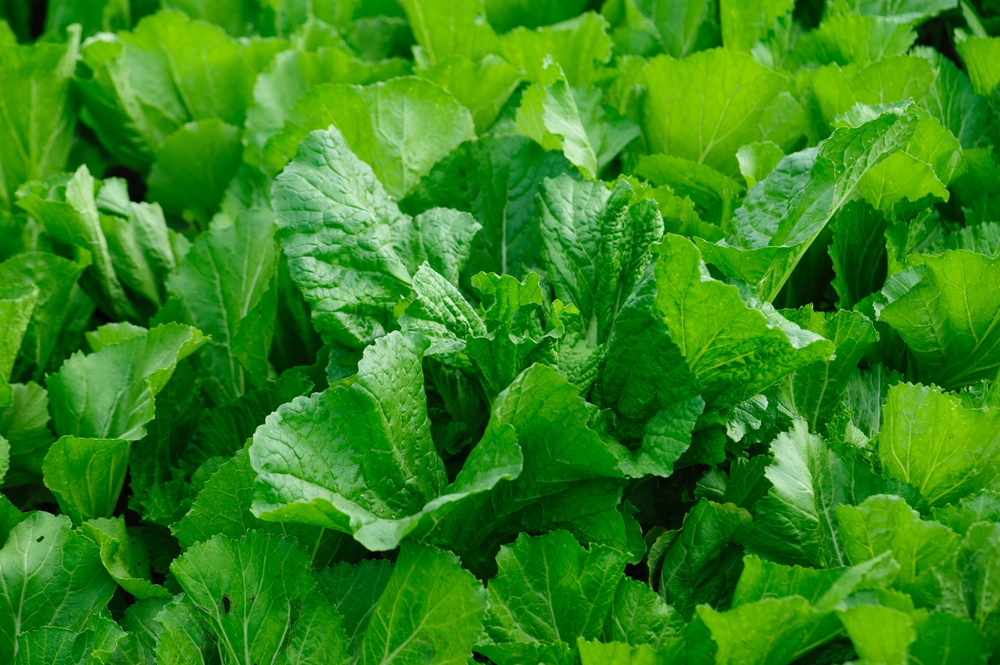
Mustard greens are a fast-growing, cold-tolerant vegetable that thrives in winter gardens. Their peppery flavor adds a unique taste to salads, sandwiches, and cooked dishes. Mustard greens grow well in cool temperatures and can even tolerate light frost. They prefer rich, well-drained soil and require consistent watering. Mustard greens grow quickly, making them an excellent choice for gardeners who want fast results.
Mustard greens usually take about 30 to 40 days to mature. They grow best when planted in late summer or early fall for a winter harvest. Regular watering is important, but make sure the soil drains well to avoid waterlogged conditions. Harvest the outer leaves as they grow, and the plant will continue producing new leaves. Mustard greens are easy to grow and offer a flavorful addition to your winter garden.
Broccoli
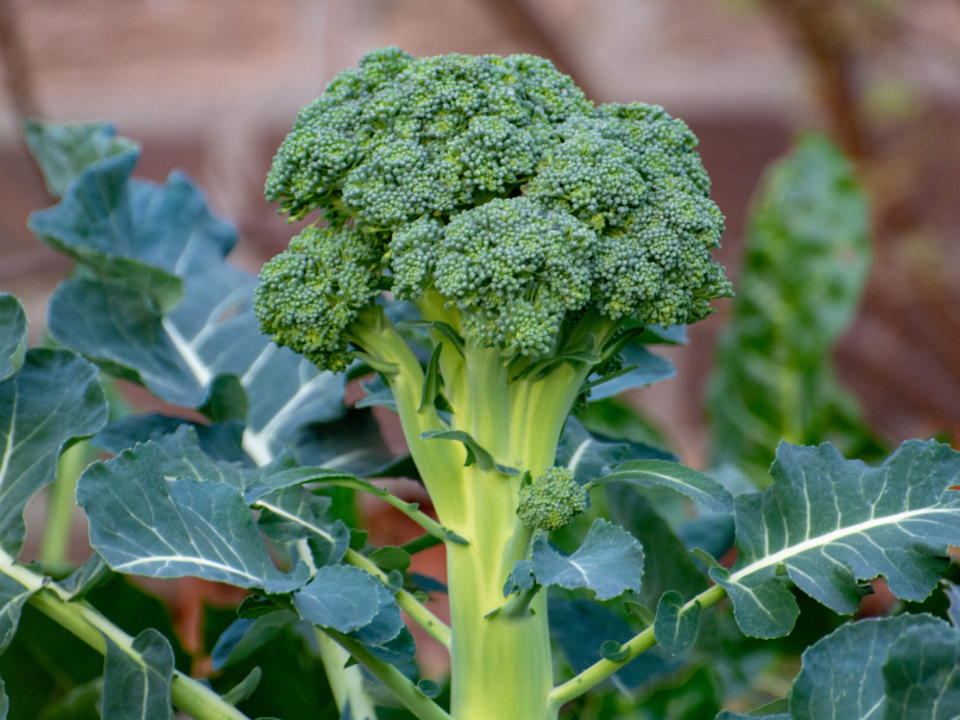
Broccoli is a cold-resistant vegetable that thrives in winter gardens. It grows best in cool weather and can tolerate light frosts, making it ideal for winter gardening. Broccoli is rich in vitamins and antioxidants, making it a nutritious vegetable for winter meals. To grow broccoli successfully, provide well-drained soil, plenty of sunlight, and consistent watering. Harvest the main head once it reaches the desired size, and side shoots will continue to grow for additional harvests.
Typically takes about 70 to 100 days to mature. Start seeds indoors and transplant them outdoors once the weather cools. Ensure that the plants receive full sunlight and water them regularly, but avoid waterlogging. Once the main head is ready, harvest it by cutting it at the base. Broccoli can be enjoyed fresh, steamed, or used in various dishes throughout the winter season.
Cabbage

Cabbage is a hardy vegetable that can withstand frost, making it perfect for winter gardens. The dense heads of cabbage continue to grow and mature throughout the colder months, providing fresh produce for winter meals. Cabbage is packed with vitamins and fiber, making it a healthy addition to your garden. It grows best in fertile, well-drained soil and requires regular watering. Cabbage can be harvested as needed by cutting off the heads or by removing the outer leaves.
Cabbage typically takes around 80 to 100 days to mature. Plant it in late summer or early fall to allow it to grow through the winter months. Cabbage prefers full sun, so choose a location that receives plenty of light. Once the head has formed, you can harvest it by cutting the stalk at the base. Cabbage stores well in a cool, dry place and can be used in a variety of winter recipes.
Parsnips
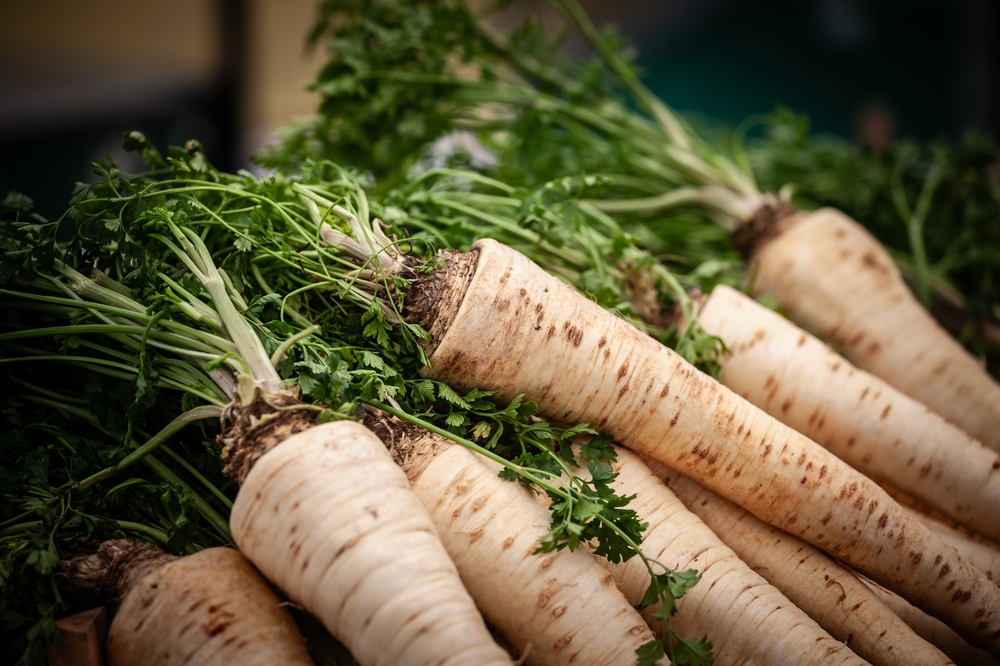
Parsnips are a cold-hardy root vegetable that thrives in winter gardens. They grow well in the cooler temperatures of late fall and early winter and improve in flavor after frost exposure. Parsnips are rich in fiber, vitamin C, and folate, making them a nutritious choice for winter meals. They grow best in deep, well-drained soil, which allows their long roots to develop properly. Parsnips can remain in the ground throughout the winter, and they are easy to harvest when needed.
Typically take 100 to 120 days to mature. Plant them in early spring and allow them to grow through the colder months. Ensure the soil is well-drained and consistently moist but not too wet. When harvesting, pull the parsnips from the soil and store them in a cool, dry place. These sweet, starchy vegetables are perfect for roasting, mashing, or adding to soups and stews.
Sorrel
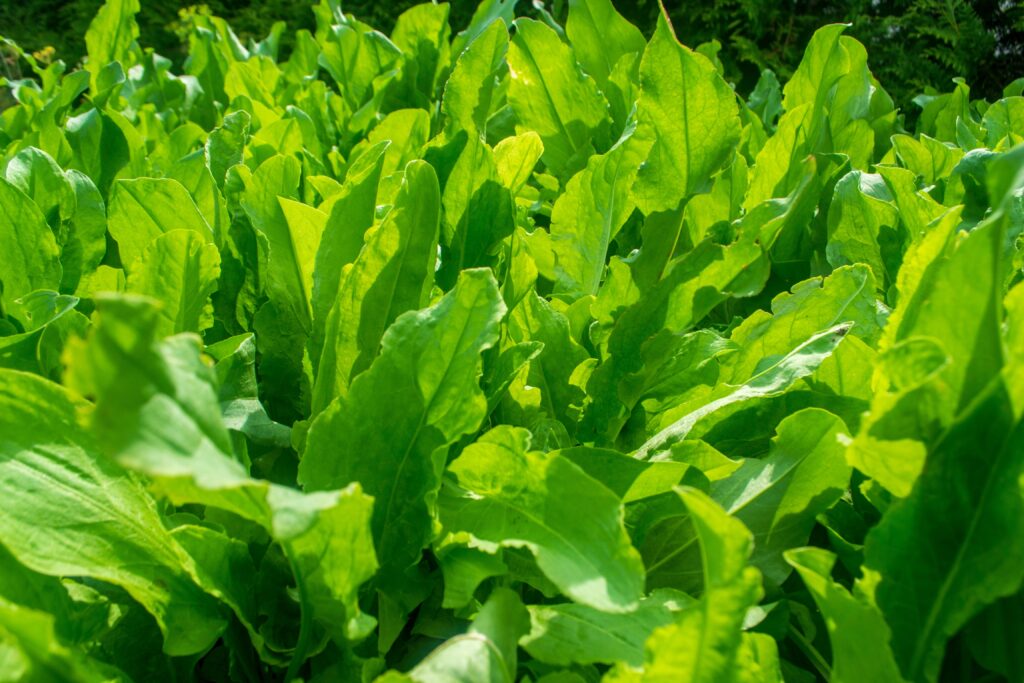
Sorrel is a hardy green that adds a tangy, lemony flavor to your winter garden. It thrives in cool weather and can even handle light frost, making it an excellent choice for winter gardening. Sorrel grows best in moist, fertile soil, where it can develop its signature sour taste. It’s perfect for adding a fresh burst of flavor to salads or as a garnish for cooked dishes. Sorrel is easy to grow and provides fresh greens throughout the winter season.
Sorrel typically takes 45 to 60 days to mature. Plant it in early fall for a winter harvest, and it will continue producing leaves throughout the colder months. Sorrel prefers partial to full sunlight, so ensure it receives enough light during the growing season. Harvest the leaves as soon as they are large enough to eat, and the plant will continue to regenerate. Sorrel is perfect for adding zest to your winter meals.
Arugula
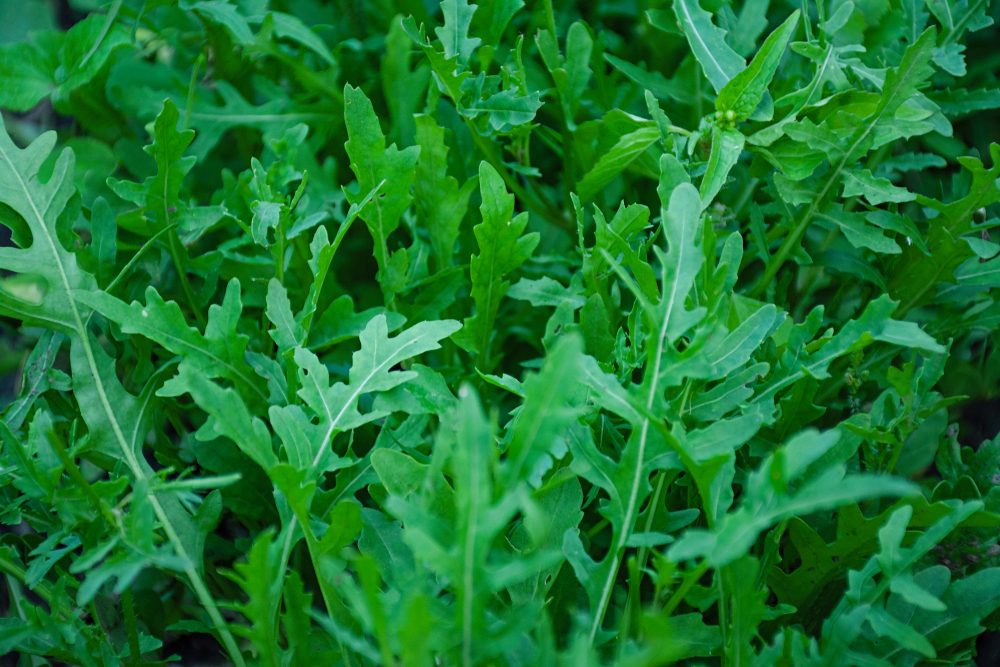
Arugula is a quick-growing, cold-tolerant leafy green that’s perfect for winter gardening. Its peppery taste adds a lively contrast to milder greens, making it a flavorful option for winter salads and sandwiches. Arugula grows best in cooler temperatures, where the frost can actually enhance its flavor. This hardy plant requires little care and will continue to thrive through the winter months. It’s a great option for gardeners looking for a fast-growing crop to enjoy throughout the colder season.
Typically takes 30 to 40 days to mature. Plant it in early fall for a winter harvest, and be sure to water regularly while ensuring the soil is well-drained. As arugula grows, thin the plants to give them space to develop. Harvest the leaves as they grow, ensuring a constant supply of fresh greens. Arugula is a great winter vegetable that offers quick, nutritious harvests.
Winter Squash
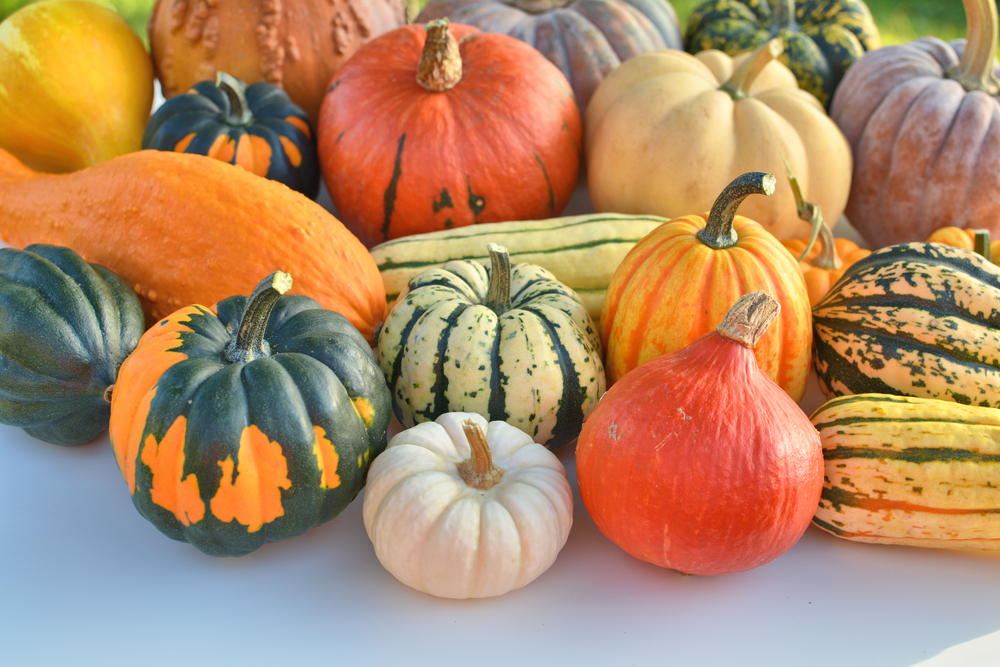
Winter squash is an excellent vegetable to grow in your winter garden. It thrives in the cooler temperatures and can survive frost without losing flavor or texture. Winter squash varieties like butternut and acorn are perfect for winter dishes, offering a sweet and nutty flavor. These vegetables require plenty of space to grow and benefit from long growing seasons, allowing them to mature in the fall and be harvested throughout the winter. With proper care, winter squash can be stored for months, offering a steady supply of fresh produce.
The plant takes 80 to 100 days to mature. Plant squash in late spring or early summer to give them plenty of time to mature before the colder weather sets in. Squash plants need full sun and regular watering to grow strong. Harvest the squash when the skin hardens and the color deepens, and they can be stored in a cool, dry place for months. Winter squash adds both flavor and nutrition to your winter meals.
This article originally appeared on Avocadu.