
11 Cold-Hardy Herbs That Handle Late Winter Weather Well
Late winter can feel unpredictable in the garden, with chilly mornings, light frost, and damp soil slowing down most plants. Still, several cold-hardy herbs continue to grow and even thrive during this stretch of the season. Perennial favorites like thyme, sage, oregano, rosemary, chives, and mint handle frost with ease, while hardy annuals and biennials such as parsley and cilantro stay productive in cool temperatures. These resilient herbs give gardeners fresh flavor long before true spring warmth settles in. If you want a steady supply of herbs despite late winter weather, choosing varieties that tolerate cold is a simple and reliable place to start.
This post may contain affiliate links, which helps keep this content free. Please read our disclosure for more info.
Thyme
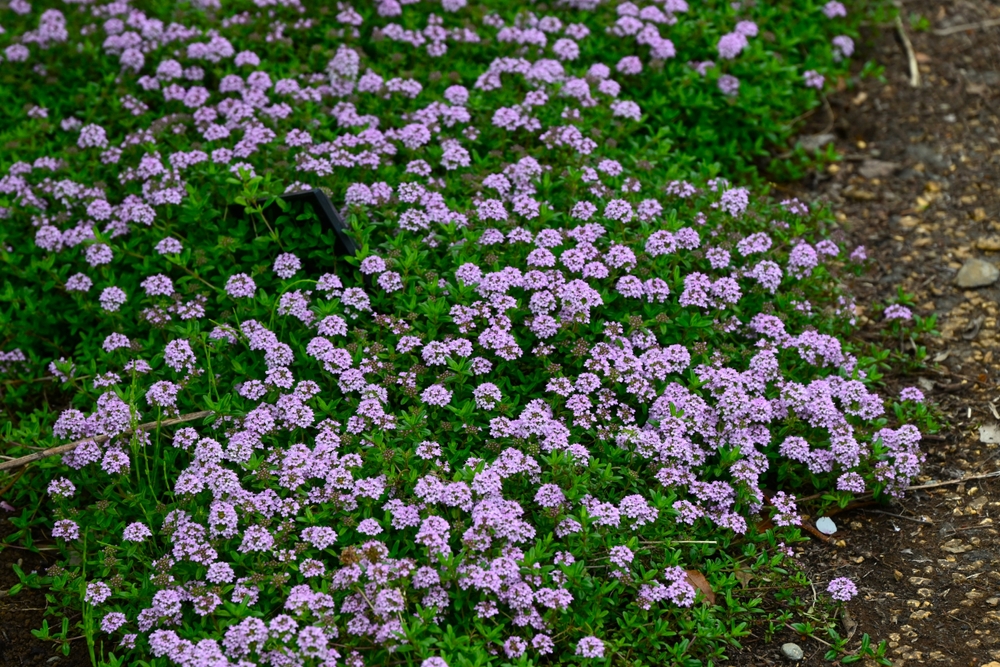
Thyme is one of the most dependable perennial herbs for late winter gardens because of its woody stems and low-growing habit. Its tiny leaves sit close to the soil surface, which helps shield them from cold winds and light snow. Even when frost settles overnight, established thyme plants often remain green and usable. The plant stores energy in its woody base, allowing it to push out fresh growth as soon as days begin to lengthen.
Well-drained soil is essential for thyme during cold months since soggy roots can cause decline faster than frost itself. Once planted in a sunny spot, it rarely needs much attention through winter. Light snow can act as insulation, protecting both stems and roots. By the time early spring arrives, thyme is already thick and ready for steady harvesting.
Sage
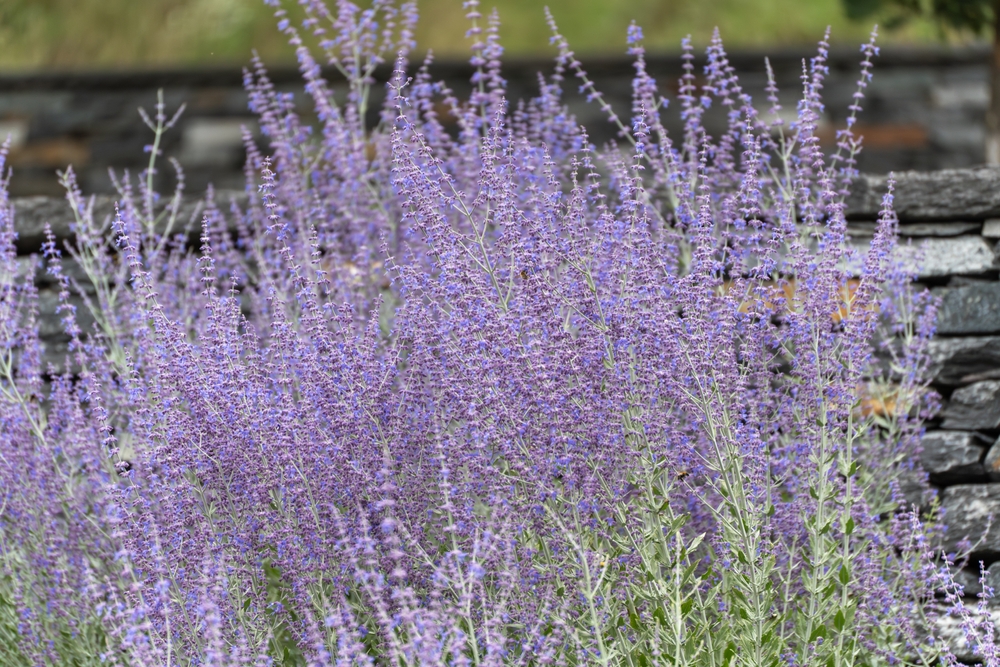
Sage is a hardy perennial with soft, slightly fuzzy leaves that tolerate cold air better than many tender herbs. The texture of its foliage helps reduce moisture loss and protects the leaf surface from light frost. Mature sage plants can survive temperatures below freezing, especially when planted in soil that drains well. In milder climates, sage often remains partially evergreen throughout winter.
Late winter sunlight encourages sage to form new shoots even before the last frost date passes. It does not require frequent watering during this time, which reduces the risk of root problems. A gentle trim in early spring removes any winter-damaged stems and encourages fuller growth. Once established, sage can remain productive for years, offering fresh leaves long before warm-season herbs are ready.
Oregano
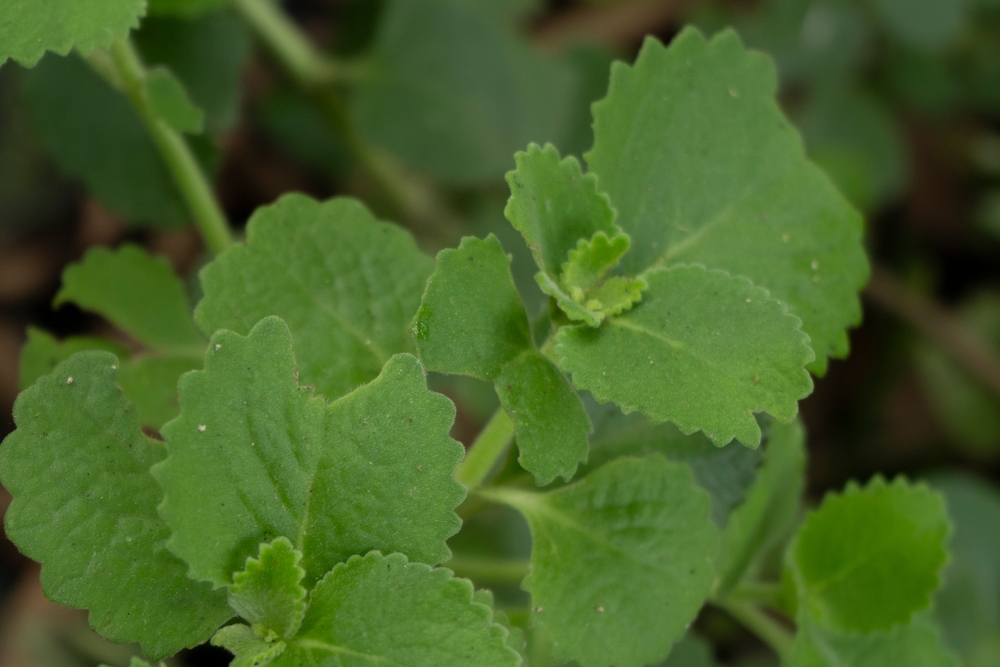
Oregano is a resilient perennial that handles cold snaps with surprising ease. During the coldest weeks, top growth may thin out, yet the root system stays active below the surface. As soon as the soil warms slightly, new shoots appear at the base. This steady return makes oregano a reliable source of greenery in late winter.
It prefers full sun and well-drained soil, which protects it from excess winter moisture. In colder zones, a light mulch layer can shield the roots without trapping too much moisture. Oregano gradually spreads to form a dense patch, which helps protect its own crown from exposure. By early spring, it often looks fuller than expected, ready to be trimmed and used.
Rosemary
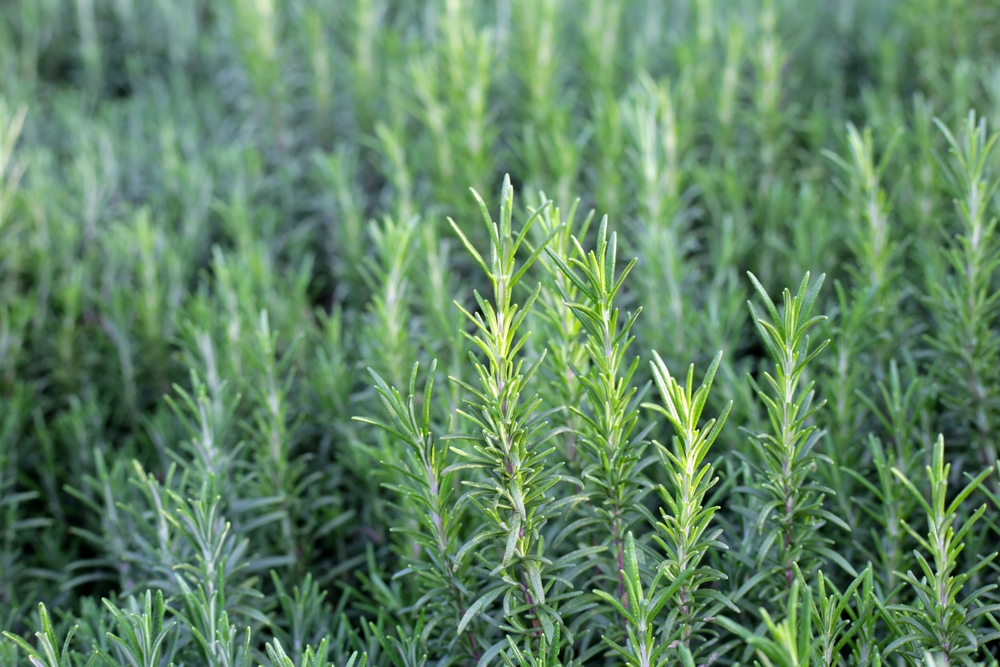
Rosemary is a woody perennial shrub, and certain varieties are better suited for colder regions. In areas with mild winters, it stays evergreen and continues slow growth even in chilly weather. The narrow, needle-like leaves help reduce moisture loss during cold, dry winds. Established plants withstand brief freezes better than newly planted ones.
Proper drainage is especially important for rosemary in late winter. Cold, combined with overly wet soil, can cause root damage more easily than frost alone. Planting rosemary near a south-facing wall or in a sheltered bed can improve its survival through colder nights. Once temperatures rise, it quickly resumes active growth and produces fragrant sprigs well before most annual herbs can be planted.
Chives
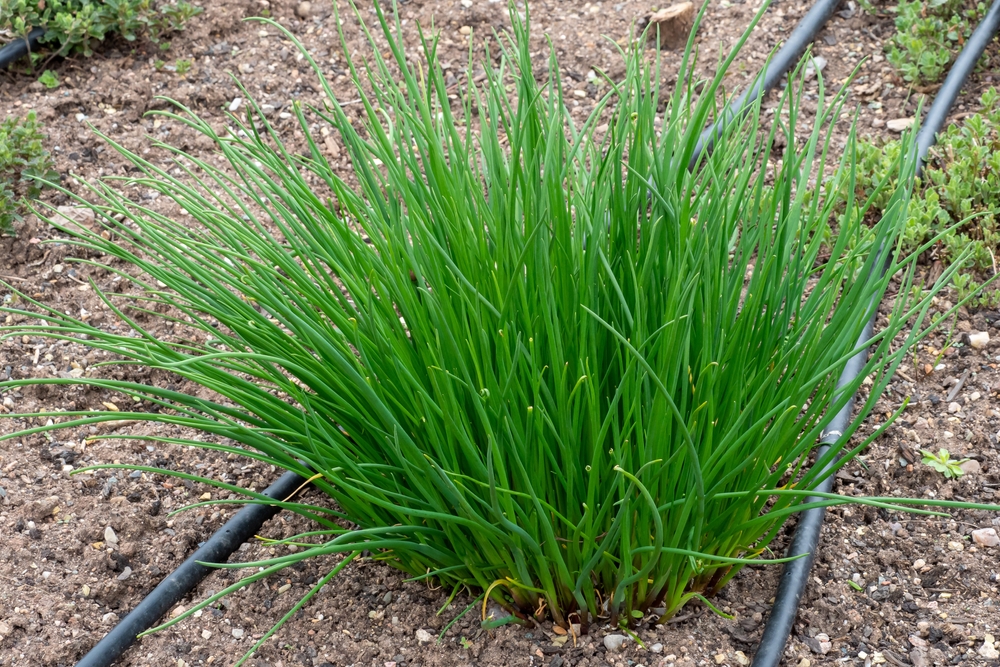
Chives are one of the earliest herbs to show signs of life as winter fades. As a hardy perennial, they survive freezing temperatures by storing energy in their underground bulbs. Even when frost causes the leaves to die back, the bulbs remain protected beneath the soil surface. This allows chives to return quickly once conditions improve.
They tolerate light frost without serious harm and can handle fluctuating temperatures common in late winter. Good drainage prevents the bulbs from rotting during wet, cold spells. Often, bright green shoots push up while patches of snow still linger nearby. Their early growth provides a steady source of fresh flavor when little else is available.
Mint
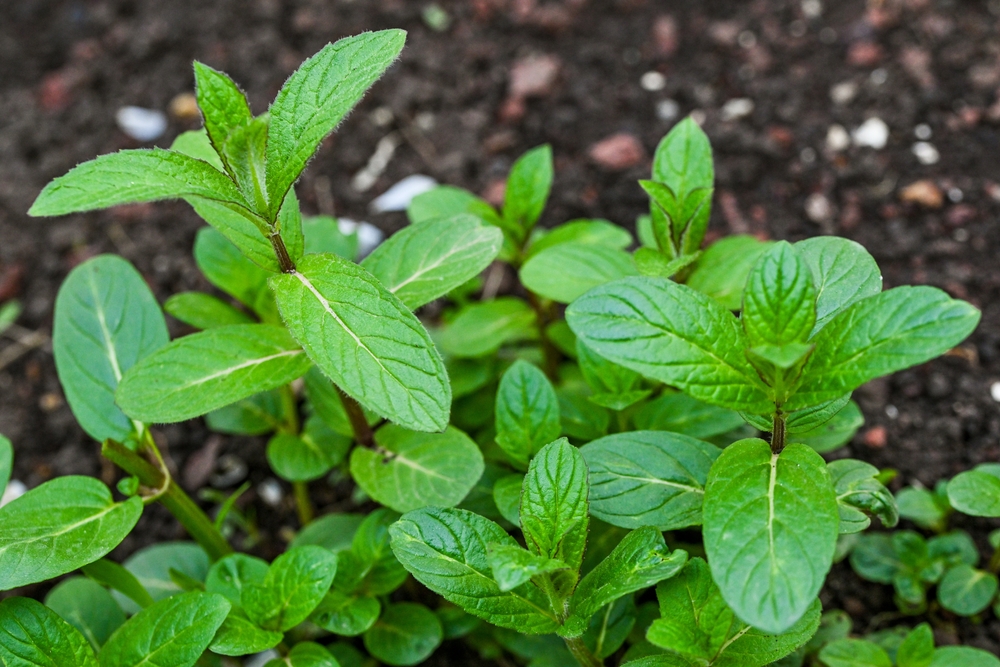
Mint is widely known for its vigorous growth, and that toughness extends to cold weather as well. The plant often dies back above ground during winter, yet its underground runners remain strong and ready to regrow. As soon as the soil begins to warm slightly, new stems emerge rapidly. This reliable pattern makes Mint a steady performer year after year.
Late winter frost rarely harms established mint roots. A light layer of mulch can offer extra protection in colder climates. Mint tolerates damp soil better than most herbs, which can be helpful during rainy winter months. By early spring, it often rebounds with thick growth, providing fresh leaves long before tender herbs can be set out.
Parsley
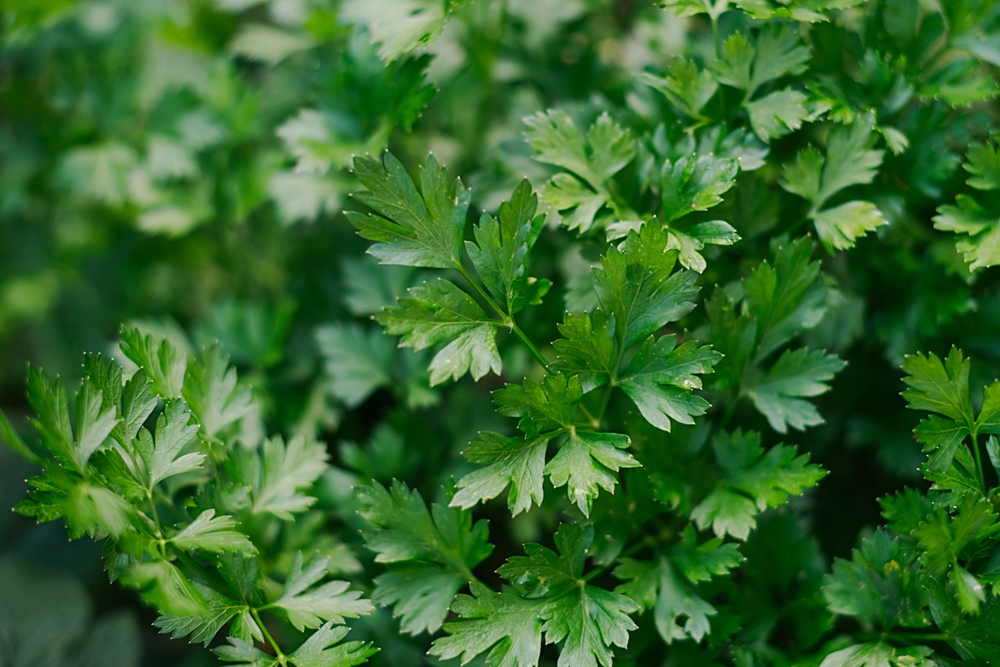
Parsley is a biennial that handles cold weather far better than most leafy herbs. In its first year, it produces abundant foliage that can survive repeated light frosts. The leaves may slow their growth in deep winter, yet they remain usable unless exposed to prolonged hard freezes. In milder regions, parsley often stays green throughout the entire cold season.
Its deep taproot helps anchor the plant and draw moisture even in chilly soil. Covering plants lightly during extreme cold can preserve leaf quality. As days grow longer, parsley quickly increases leaf production. Because it tolerates frost so well, it is often one of the last herbs to stop producing and one of the first to rebound.
Cilantro
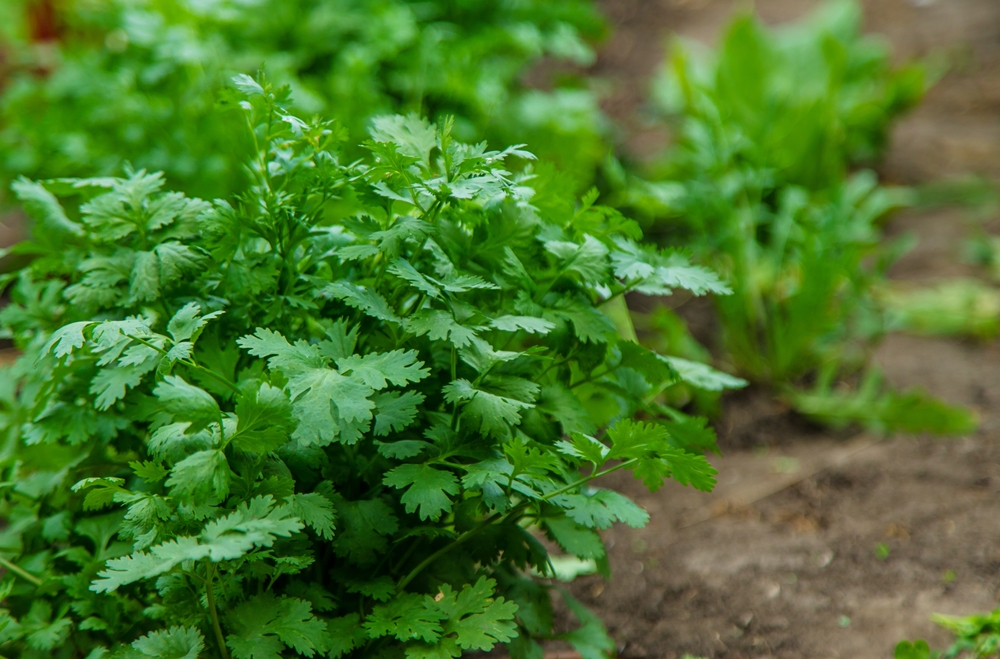
Cilantro is a hardy annual that prefers cool temperatures and often struggles once heat arrives. In late winter, it grows steadily and handles light frost without significant damage. Cold weather actually helps slow bolting, allowing for a longer harvest window. This makes it a strong choice for planting before true spring warmth sets in.
The plant develops a modest root system that adapts well to cool, moist soil. Protection from heavy frost can keep leaves tender and attractive. As temperatures remain mild, cilantro continues producing flavorful foliage. Once heat rises, it will flower and set seed, yet during late winter, it remains steady and productive.
Winter Savory
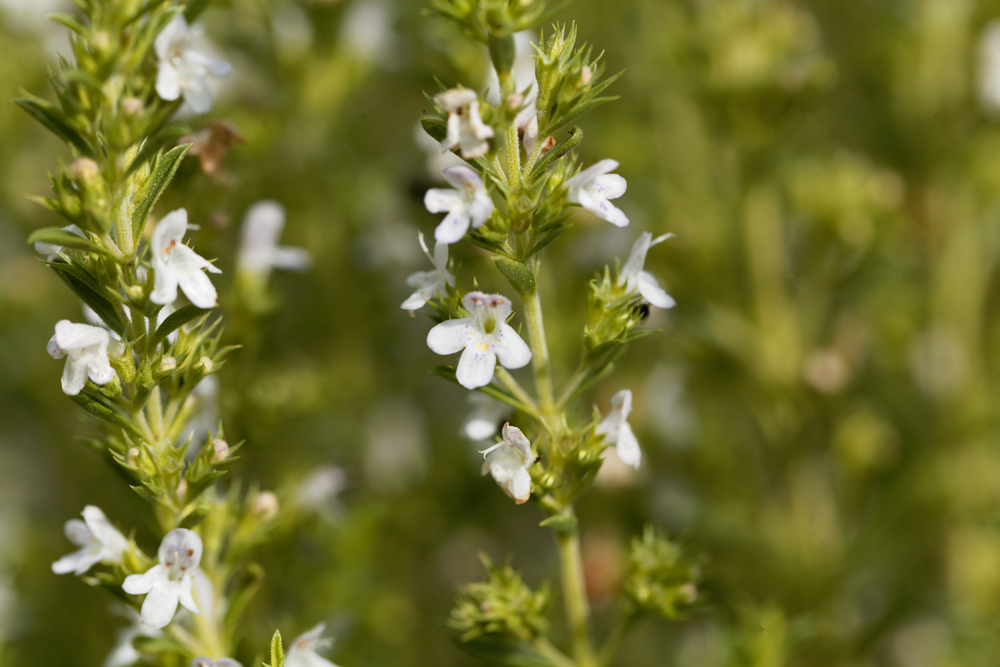
Winter savory is a perennial herb with woody stems and small, firm leaves that tolerate frost well. Unlike its summer counterpart, it stays active during colder months. The compact growth habit helps shield its base from cold exposure. Even after light snowfall, it often remains green and usable.
It prefers sunny locations with good drainage, which helps protect the roots in wet winter conditions. Light trimming in early spring keeps the plant tidy and encourages new shoots. Winter savory handles fluctuating temperatures without significant stress. Its steady performance makes it a reliable addition to cold-season herb beds.
Lemon Balm
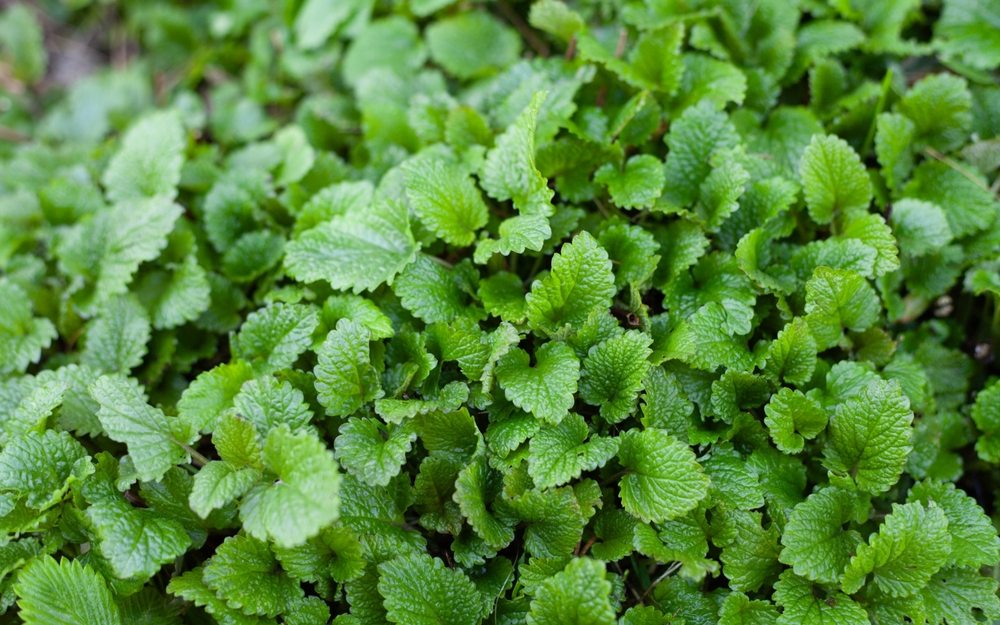
Lemon balm is a hardy perennial in the mint family that survives freezing temperatures with ease. While top growth may die back, the root system remains strong beneath the soil. As days begin to warm slightly, fresh shoots appear quickly from the crown. This dependable return makes it useful for late winter planting in suitable zones.
It tolerates partial shade and cooler soil better than many other herbs. A protective mulch layer can shield roots in colder regions. Lemon balm spreads gently over time, creating a dense clump that protects its base. By early spring, it often rebounds with bright green leaves that carry a fresh citrus scent.
Tarragon
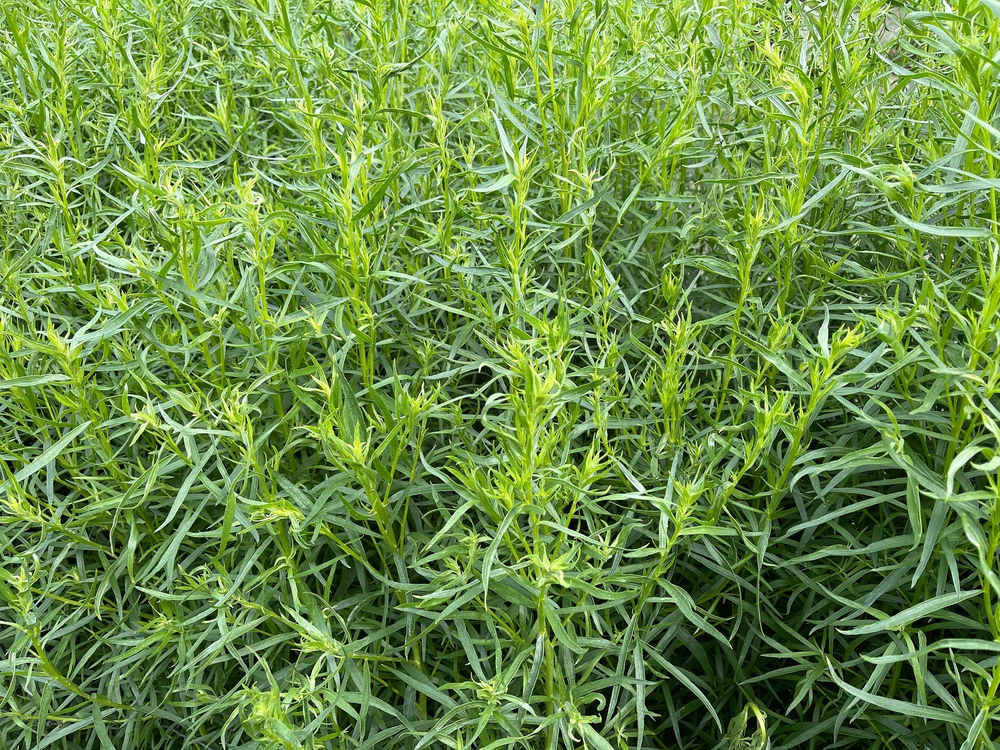
French tarragon can handle moderate cold once established, especially in well-drained soil. During late winter, it may appear dormant above ground while roots remain alive below. As temperatures rise, new shoots push upward from the base. Its woody root crown helps it endure cold spells without lasting harm.
Good air circulation and proper drainage are important to prevent winter rot. Mulching lightly can protect the crown in colder climates. Tarragon thrives in sunny spots that warm early in the season. When growth resumes, it provides delicate leaves that are ready for harvest before tender annuals are planted.
This article originally appeared on Avocadu.