
13 Cold Hardy Flowers You Can Plant In February In Mild Winter Areas
If you’re eager to get a head start on your garden, February is a great time to plant cold-hardy flowers. Mild winter areas offer the perfect climate for these flowers to thrive. With a little planning, you can enjoy beautiful blooms early in the season. From cheerful primroses to vibrant pansies, these flowers can withstand chilly temperatures.
This post may contain affiliate links, which helps keep this content free. Please read our disclosure for more info.
Primroses (Primula vulgaris)
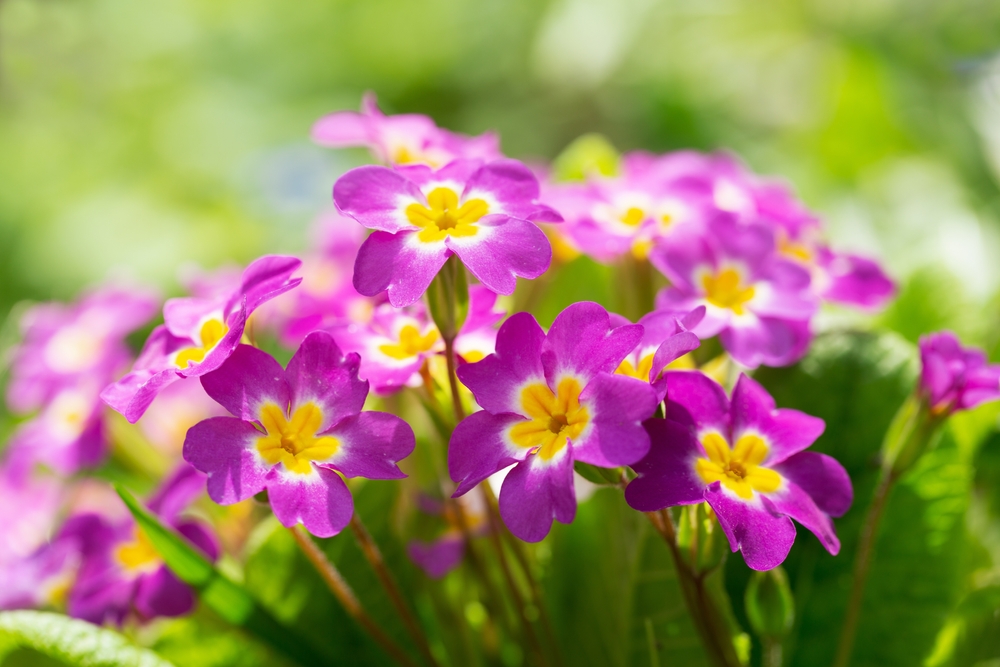
Primroses are one of the first flowers to bloom in the spring, making them an excellent choice for February planting in mild winter areas. These flowers are known for their wide range of vibrant colors, from soft pastels to rich, bold hues. They thrive in cooler temperatures and can withstand light frosts, making them perfect for early spring gardens. Primroses prefer shaded or partially shaded areas, making them great for planting under trees or along garden edges.
These hardy plants can be planted in well-drained soil and need regular watering to keep them hydrated during the cooler months. Once established, they require minimal care and will continue to bloom through early spring. Primroses are great for adding color to your garden when other flowers are still dormant. They also attract pollinators like bees and butterflies, helping to support the local ecosystem.
Pansies (Viola tricolor var. hortensis)
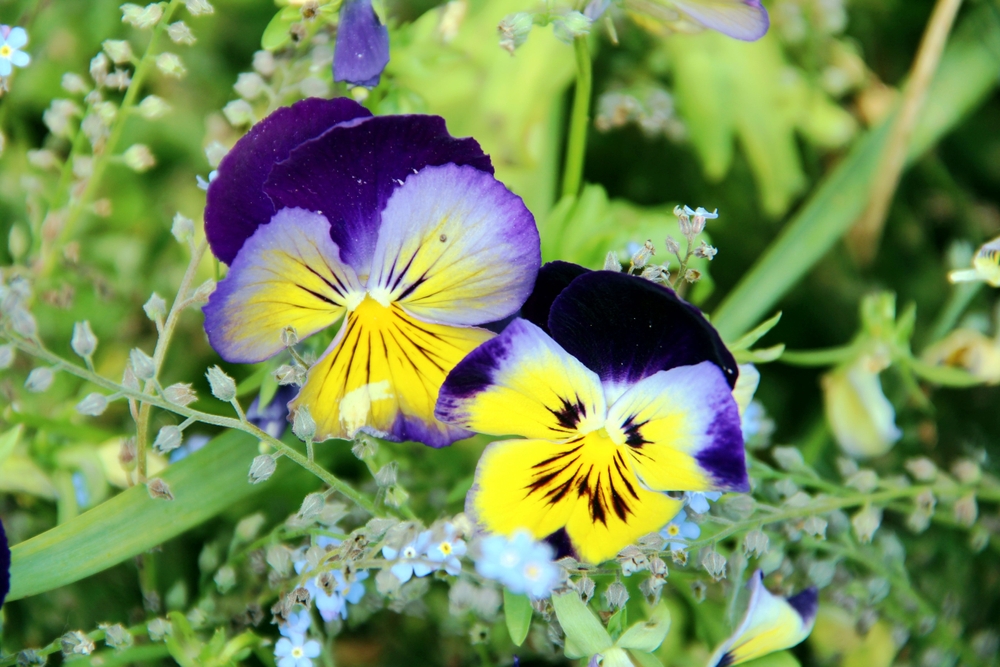
Pansies are another great choice for February planting in mild winter areas. Known for their cheerful, vibrant faces, these flowers can handle frost and are ideal for adding color to a garden when temperatures are still cool. Pansies come in a wide variety of colors and patterns, including bi-colored and frilly varieties. Their ability to withstand light freezes makes them a staple in winter and early spring gardens.
Pansies thrive in full to partial sunlight and can tolerate a variety of soil types, as long as the soil is well-drained. They are versatile and can be planted in containers, hanging baskets, or directly in garden beds. To encourage the best blooms, it’s important to deadhead spent flowers regularly. Pansies are low-maintenance and can bloom for several months, making them a great option for extending the gardening season.
Crocus (Crocus sativus)
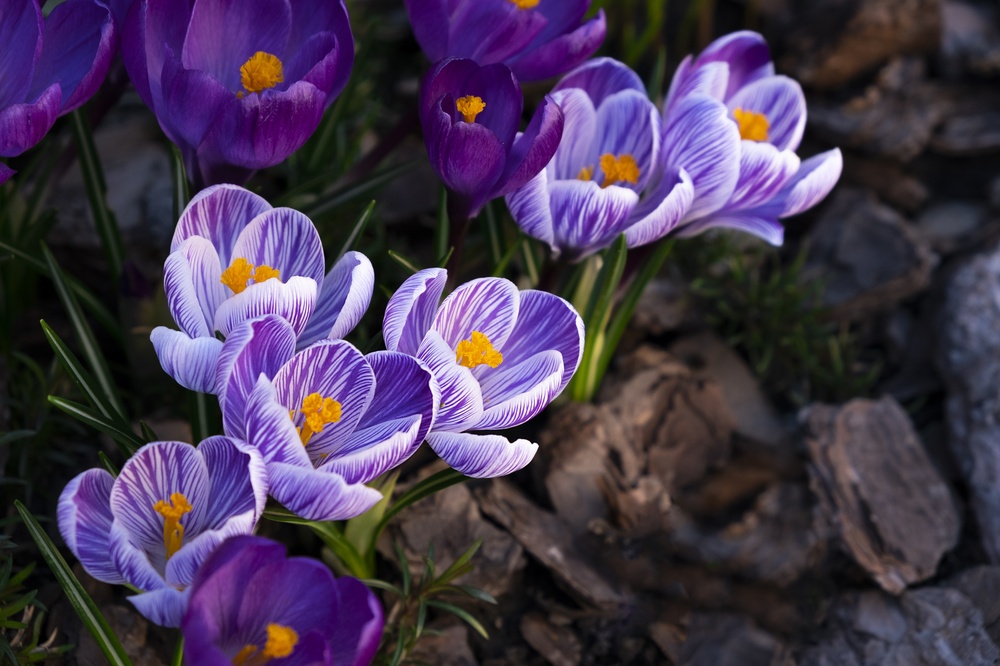
Crocus flowers are among the earliest bloomers in the spring, often pushing through the soil while there’s still a chill in the air. These small, but striking flowers are available in a variety of colors, including purple, yellow, and white. Crocus bulbs are cold-hardy and can easily withstand frost, making them perfect for planting in February. They add a touch of elegance to your garden as the first signs of spring.
These flowers thrive in well-drained, slightly acidic soil and require minimal maintenance once planted. Crocuses prefer sunny spots, where they can soak up plenty of light. They are ideal for planting in clusters to create a bright, colorful carpet in your garden. After blooming, crocus leaves die back naturally, leaving space for other plants to grow.
Snowdrops (Galanthus nivalis)
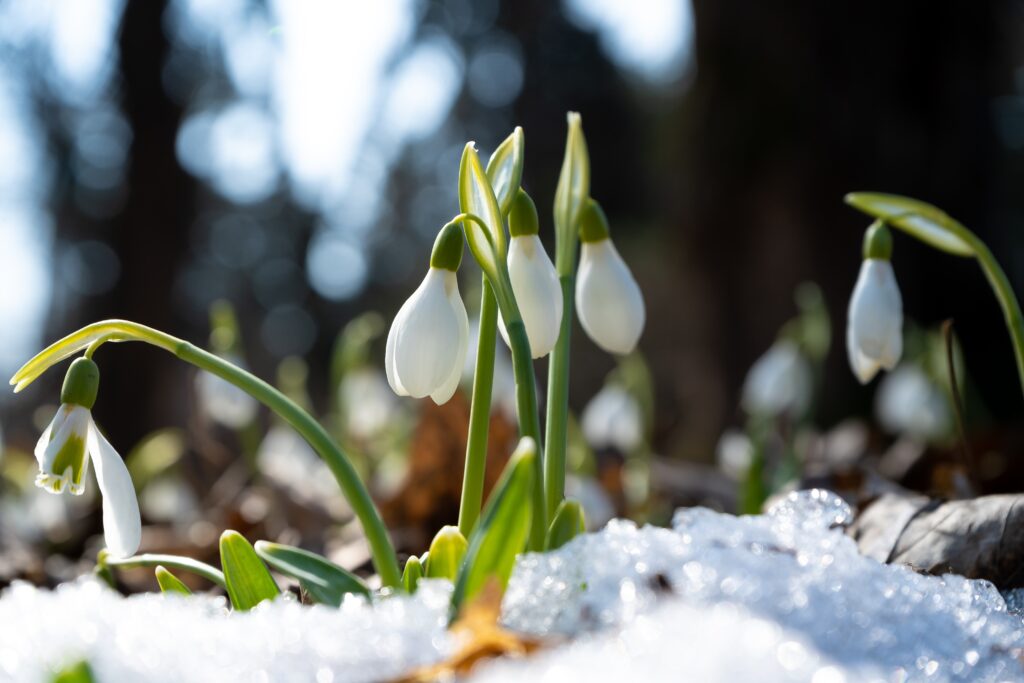
Snowdrops are known for their delicate, nodding white flowers that bloom as early as February, often before the snow has fully melted. These small, cold-hardy flowers can tolerate cold temperatures and light frost, making them perfect for planting in mild winter areas. Snowdrops are often seen poking through the last remnants of snow, symbolizing the arrival of spring. They can be planted in borders, woodlands, or rock gardens to create a natural, early bloom display.
Snowdrops prefer moist, well-drained soil and partial shade, although they can adapt to full sunlight in colder regions. These flowers thrive in areas where they receive a little protection from the harshest elements, like under shrubs or trees. Snowdrops are low-maintenance and will naturalize over time, spreading to create a beautiful, seasonal display. They are also excellent for attracting early-season pollinators.
Iris (Iris reticulata)
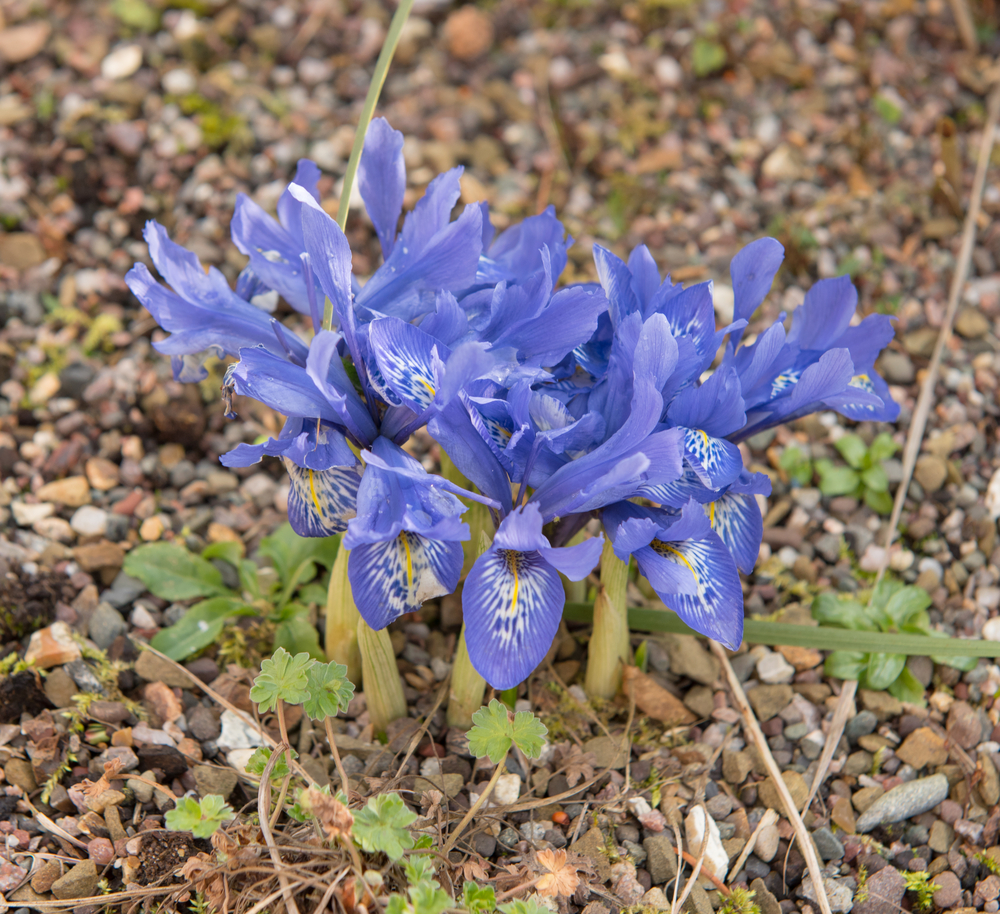
Iris flowers, particularly the early-blooming varieties like Iris reticulata, are a great option for planting in February in mild winter areas. These flowers are cold-hardy and can bloom as early as late winter, providing a burst of color when most other flowers are still dormant. Irises come in a range of colors, from deep purple to bright yellow, and their intricate petals make them a favorite among gardeners.
Irises prefer well-drained soil and thrive in full sun to partial shade. They require minimal maintenance, though they should be planted in areas where water drains well to avoid rot. Irises are perfect for planting in garden beds, borders, or even in containers for a pop of color on a patio. Once established, they will bloom every year, providing long-lasting beauty.
Tulips (Tulipa spp.)
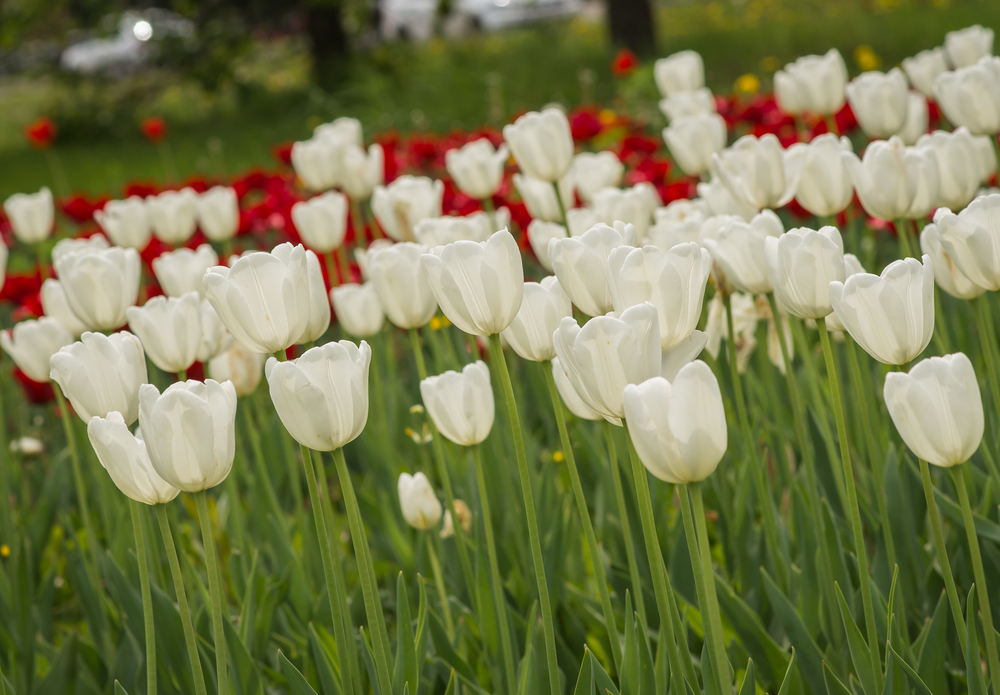
Tulips are another classic flower that can be planted in February in mild winter areas. Known for their wide range of colors and striking petals, tulips are a popular choice for early spring gardens. While they are typically planted in the fall, early-blooming varieties of tulips can be successfully planted in February in warmer regions. These flowers add a pop of color to your garden as the season transitions from winter to spring.
Tulips prefer well-drained soil and full sun, which helps them bloom at their best. They are relatively easy to grow, requiring only moderate watering and minimal care once established. After blooming, tulip leaves should be left in place to help nourish the bulb for next year’s growth. Tulips are ideal for creating vibrant displays in flower beds or as part of a mixed border.
Daffodils (Narcissus spp.)
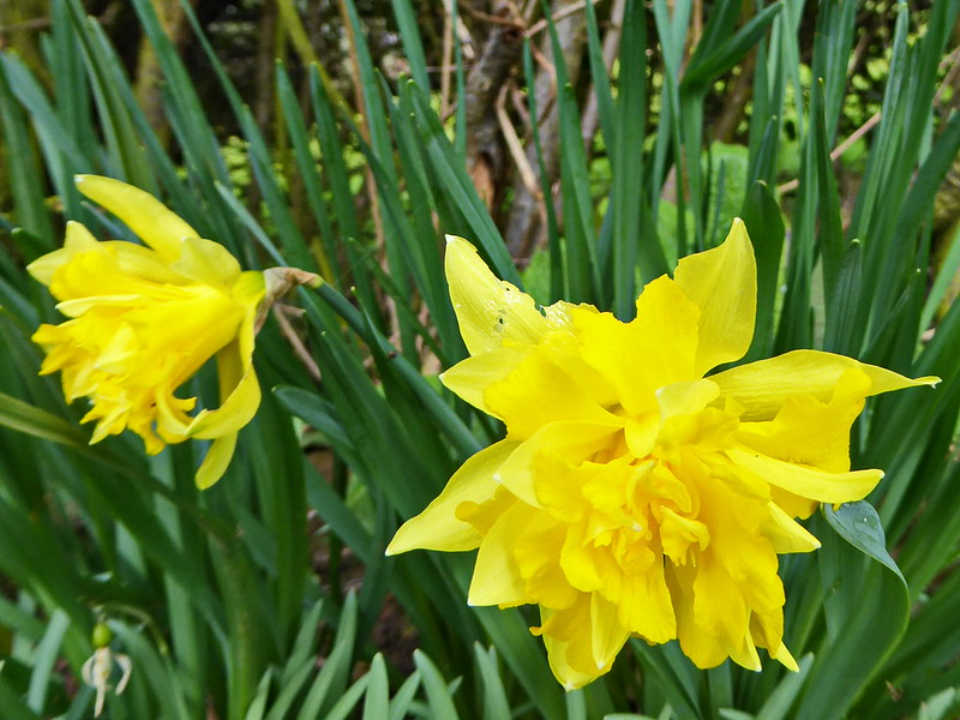
Daffodils are one of the most recognizable early spring flowers, often appearing in gardens before the last frost has passed. These cold-hardy flowers come in various shades of yellow, white, and orange, and are perfect for brightening up your garden after a long winter. Daffodils can handle light frosts and bloom reliably every year, making them a staple in many gardens.
These flowers thrive in well-drained, fertile soil and full sun. They are relatively low-maintenance and can be planted in garden beds, borders, or naturalized areas for a cheerful, natural look. Daffodils are also deer-resistant, making them a great choice for gardens where animals are an issue. They are best planted in clusters to create a vibrant, eye-catching display.
Forget-Me-Nots (Myosotis spp.)
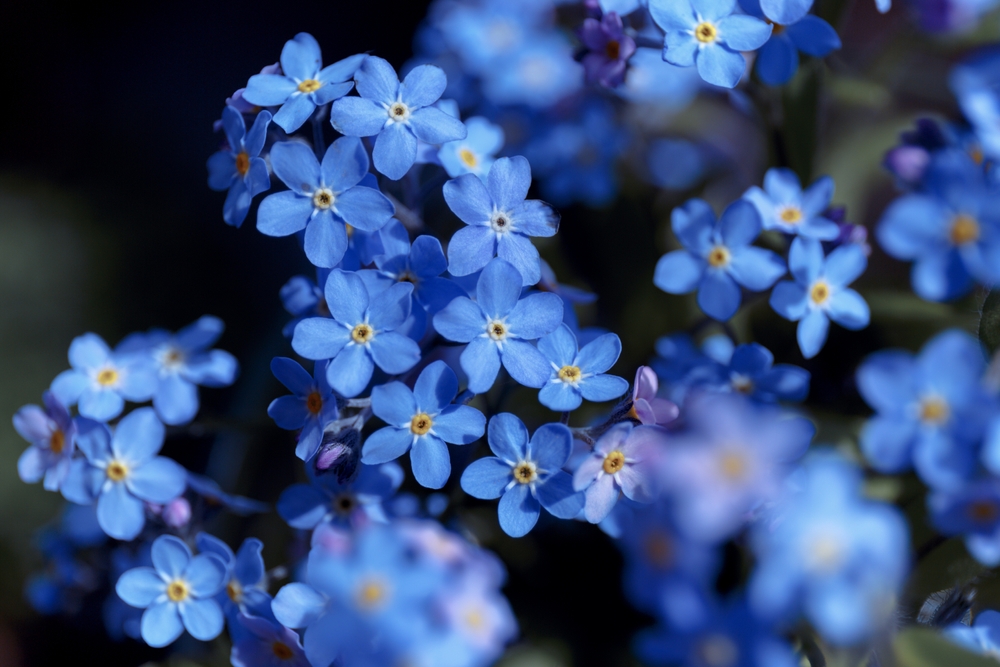
Forget-me-nots are charming, small flowers that are perfect for planting in February in mild winter areas. These flowers are known for their delicate blue petals and their ability to bloom in the cooler months. Forget-me-nots are great for adding a touch of color to shaded areas or areas with partial sun. Their soft, airy blooms are a favorite in cottage gardens and woodland settings.
Forget-me-nots prefer moist, well-drained soil and can handle light frost, making them ideal for early spring gardens. These flowers are particularly effective when planted in mass for a carpet of blue in your garden. Forget-me-nots are easy to grow and require little maintenance once established. They are also excellent for attracting pollinators like bees and butterflies, adding an ecological benefit to your garden.
Winter Aconite (Eranthis hyemalis)
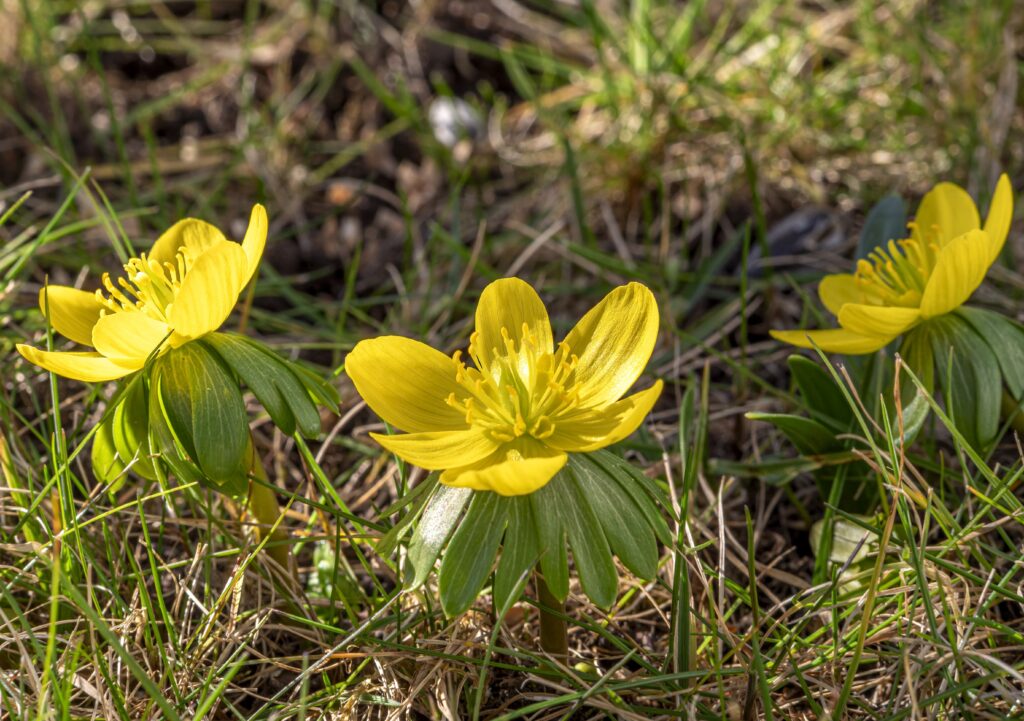
Winter aconite is a small but striking flower that blooms early in the season, often pushing through the ground while there’s still snow on the ground. These flowers are bright yellow and provide a splash of color in the winter landscape. Winter aconites are cold-hardy and can thrive in the cooler temperatures of February, making them perfect for early spring gardens.
These flowers prefer well-drained, slightly acidic soil and partial to full sun. Winter aconites are ideal for planting in shaded woodland areas or in gardens where other early spring flowers, like snowdrops, are planted. They are low-maintenance and will naturalize over time, creating beautiful carpets of color in your garden. Winter aconites also attract early-season pollinators, adding extra benefits to your garden’s ecosystem.
Anemone (Anemone blanda)
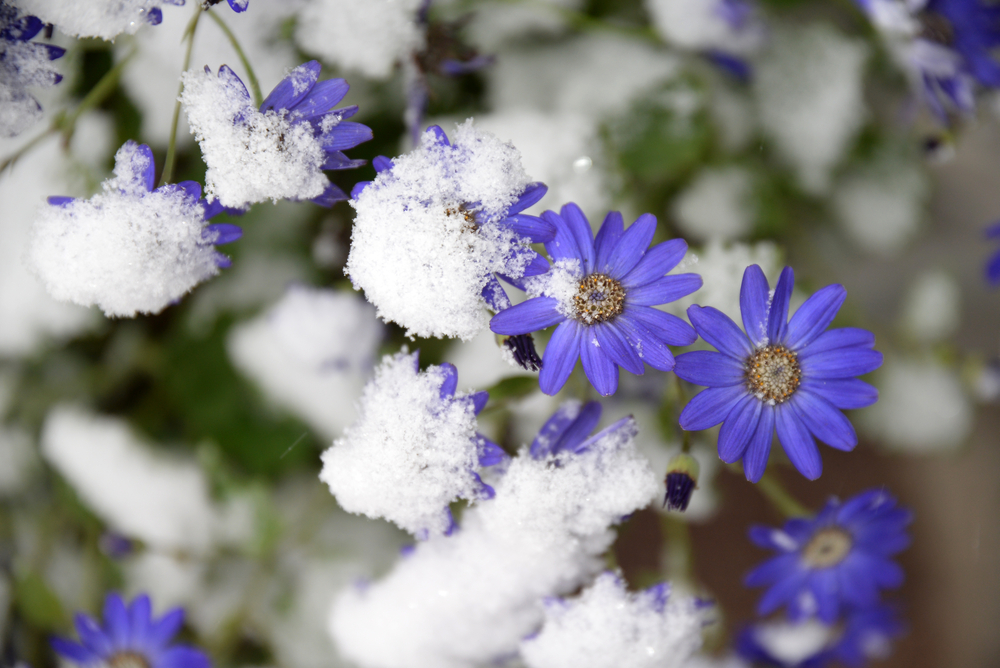
Anemones, particularly the Anemone blanda variety, are cold-hardy flowers that can handle early spring frosts. These flowers bloom in a range of colors, from soft blues and purples to vibrant pinks and reds. Anemones are perfect for planting in February, as they can handle the chill and add early color to your garden. Their daisy-like blooms brighten up any garden space.
These flowers prefer well-drained, slightly acidic soil and partial shade. They thrive in cool, moist conditions and can be planted in garden beds, borders, or containers. Once planted, anemones are relatively low-maintenance and will bloom reliably every year. They are also a favorite of pollinators, helping to support your garden’s ecosystem.
Hellebore (Helleborus orientalis)
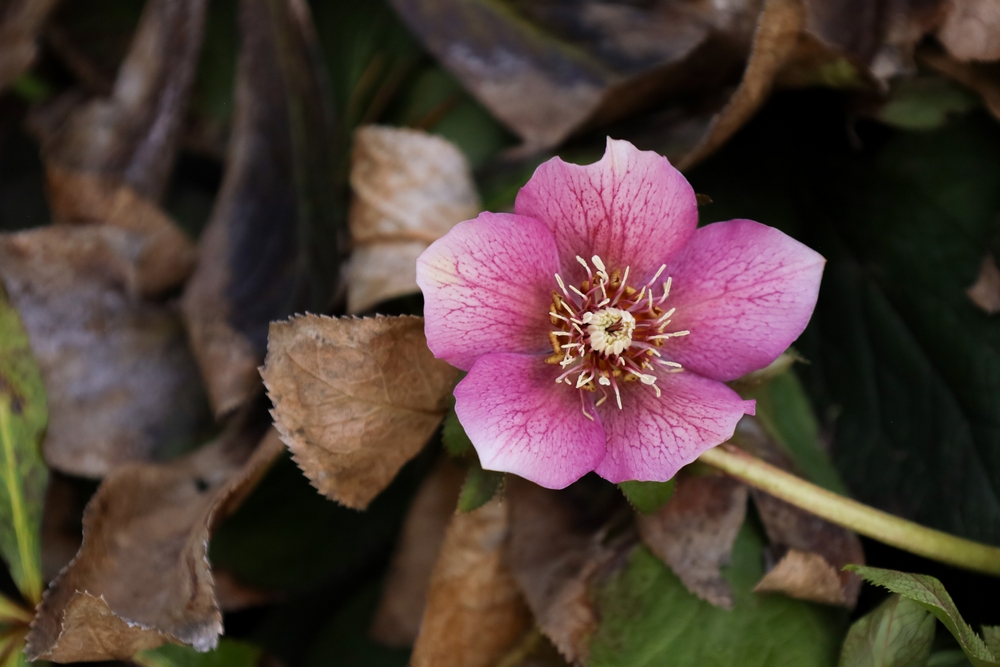
Hellebores are known for their ability to bloom in the winter and early spring, making them an excellent choice for planting in February in mild winter areas. These cold-hardy flowers come in shades of pink, purple, white, and green, adding a sophisticated touch to your garden. Hellebores thrive in shady, woodland areas, making them perfect for planting under trees or along garden edges.
These flowers prefer rich, well-drained soil and will continue to bloom through the cooler months, providing interest when other flowers are still dormant. Hellebores are low-maintenance once established and can live for many years. They are also deer-resistant, making them ideal for gardens where wildlife is a concern. Their unique blooms add beauty and structure to any garden.
Lungwort (Pulmonaria spp.)
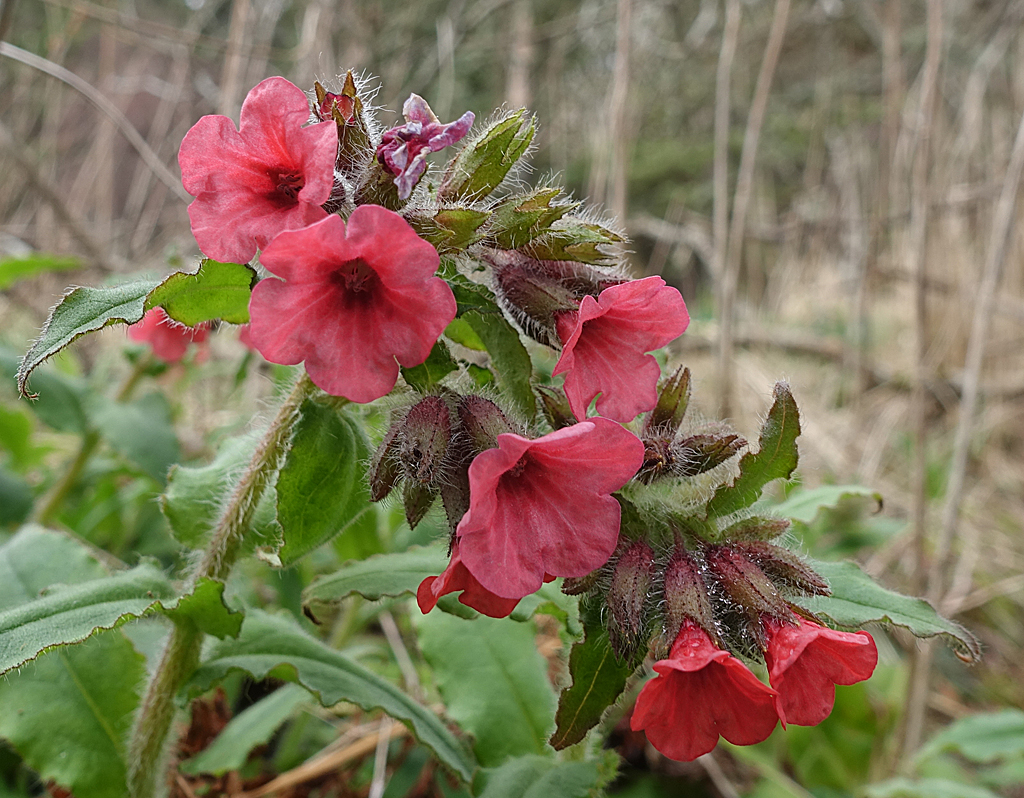
Lungwort is a hardy perennial that blooms early in the season, often as early as February. Known for its striking foliage and delicate flowers, lungwort is perfect for adding color to shaded garden areas. The flowers range from pink to blue and create a lovely contrast with the plant’s spotted or silver-toned leaves. Lungwort can handle frost and light freezes, making it an excellent option for early spring planting.
Lungwort thrives in moist, well-drained soil and prefers shaded to partially shaded areas. These flowers are low-maintenance and require little care once established. They are a great choice for woodland gardens or areas with other early-blooming flowers. Lungwort is also a favorite of pollinators, particularly bees, adding extra value to your garden’s ecosystem.
Bleeding Heart (Dicentra spectabilis)
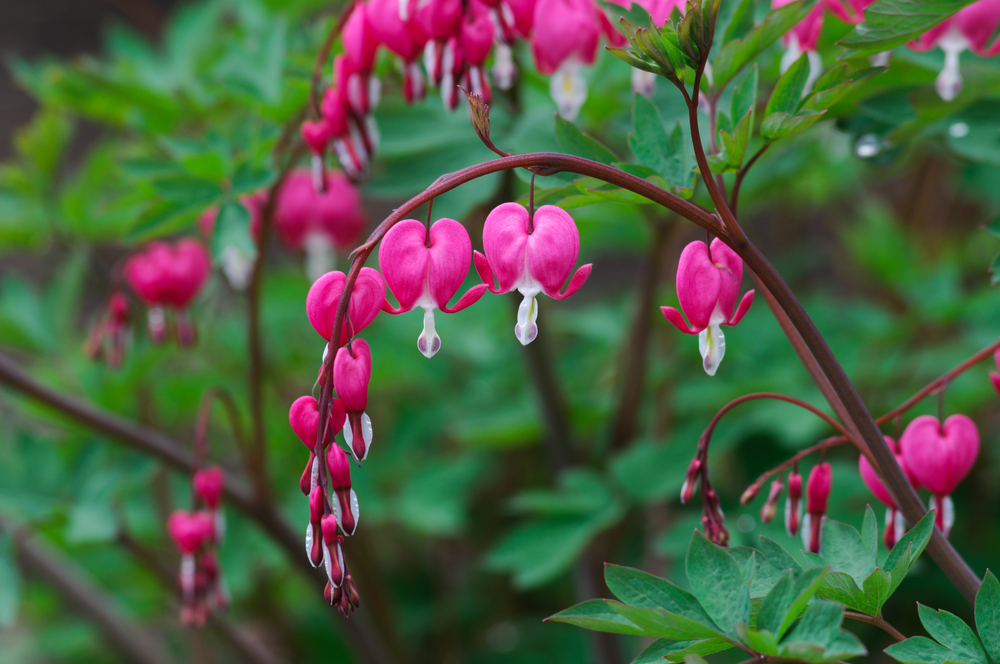
Bleeding heart flowers are another excellent choice for planting in February in mild winter areas. These heart-shaped blooms are one of the most unique flowers in early spring gardens. The flowers, which are typically pink or white, bloom on arching stems that add an elegant touch to any garden. Bleeding hearts thrive in cool temperatures and can withstand frost, making them perfect for February planting.
These flowers prefer moist, well-drained soil and partial to full shade. Bleeding hearts are best suited for woodland gardens or areas with dappled sunlight. Once established, they require little care and will continue to bloom every year. These flowers also attract pollinators like bees, making them an excellent addition to any garden looking to support local wildlife.
This article originally appeared on Avocadu.