
17 Cold Frame Crops To Harvest Before Spring
As winter starts to give way to spring, many gardeners are eager to extend their harvest and enjoy fresh produce even before the warmer months arrive. Cold frames offer a simple yet effective way to grow crops that can withstand cooler temperatures, providing a boost of flavor and nutrition during the transition. These handy garden structures help protect your plants from frost while capturing the warmth of the sun, creating a perfect environment for early-season vegetables. Whether you’re growing leafy greens, root vegetables, or herbs, cold frames allow you to enjoy the fruits of your labor long before spring officially arrives. By planning ahead, you can ensure a steady supply of fresh, homegrown produce during the final stretch of winter.
This post may contain affiliate links, which helps keep this content free. Please read our disclosure for more info.
Spinach
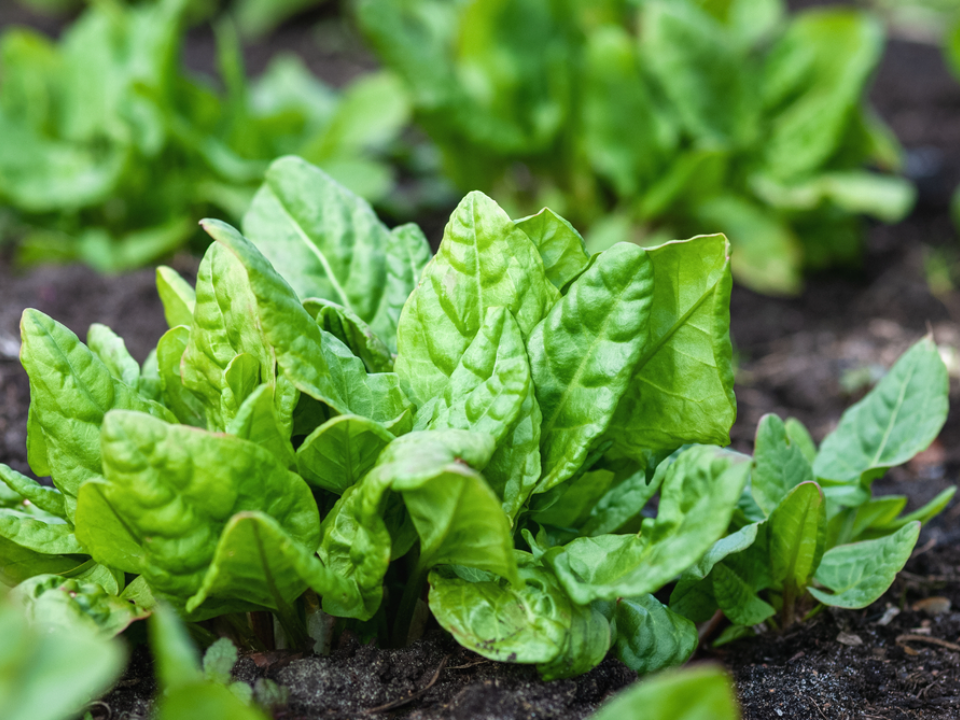
Spinach thrives in cooler temperatures, making it an ideal crop for the cold frame in late winter or early spring. Once the plants are well-established, they can be harvested within 30 to 45 days. Cold frames offer a controlled environment where spinach can grow rapidly, even during the cooler months. For the best results, ensure the spinach receives enough light, but not too much direct sun, as this can cause it to bolt early.
Regular harvesting encourages the plant to produce tender, fresh leaves. Spinach grown in a cold frame tends to have a rich, earthy flavor, perfect for salads or steaming. For those looking to extend the harvest, you can opt for varieties that are more resistant to the cold. A good sign that your spinach is ready to harvest is when the leaves are large enough to pick but before they become too tough or bitter.
Kale
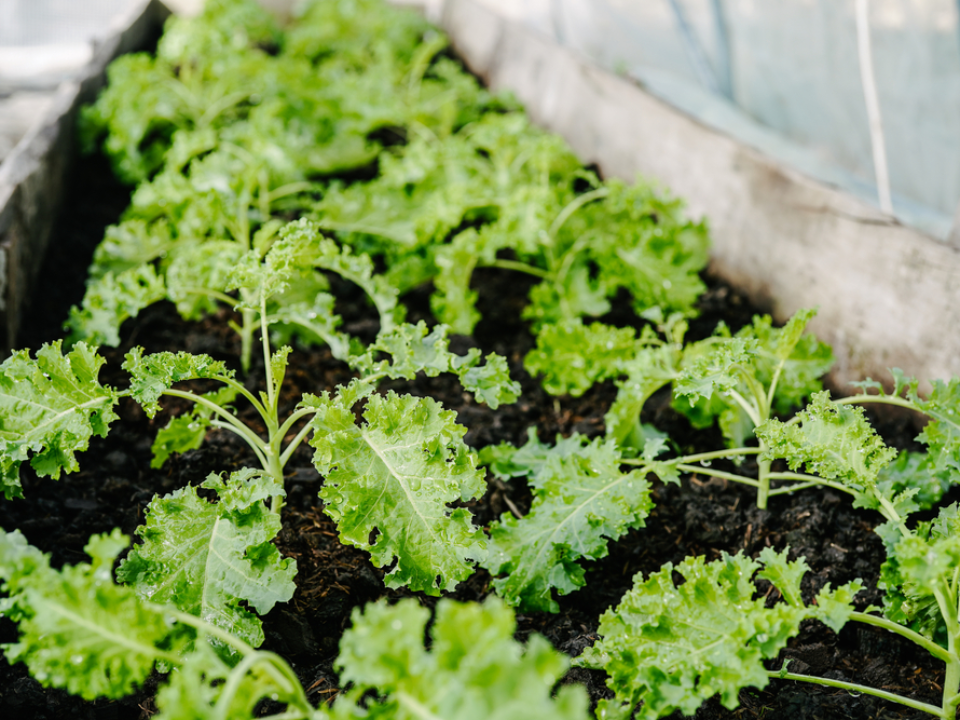
Kale is another hardy vegetable that grows exceptionally well in cold frames during the transition from winter to spring. This leafy green is tolerant of frost, and the cold frame protects it from extreme weather, ensuring a steady harvest. Kale can be harvested in as little as 50 to 60 days, making it an excellent choice for early spring greens.
The leaves become sweeter after a frost, enhancing the flavor. You can start by trimming the outer leaves, allowing the plant to continue producing new growth from the center. Kale’s adaptability to a variety of dishes, from soups to stir-fries, makes it a valuable addition to your cold frame crops. It also thrives in nutrient-rich soil, so ensure the soil is properly amended for optimal growth. In addition, kale is packed with vitamins and minerals, making it a nutritious addition to your diet.
Arugula
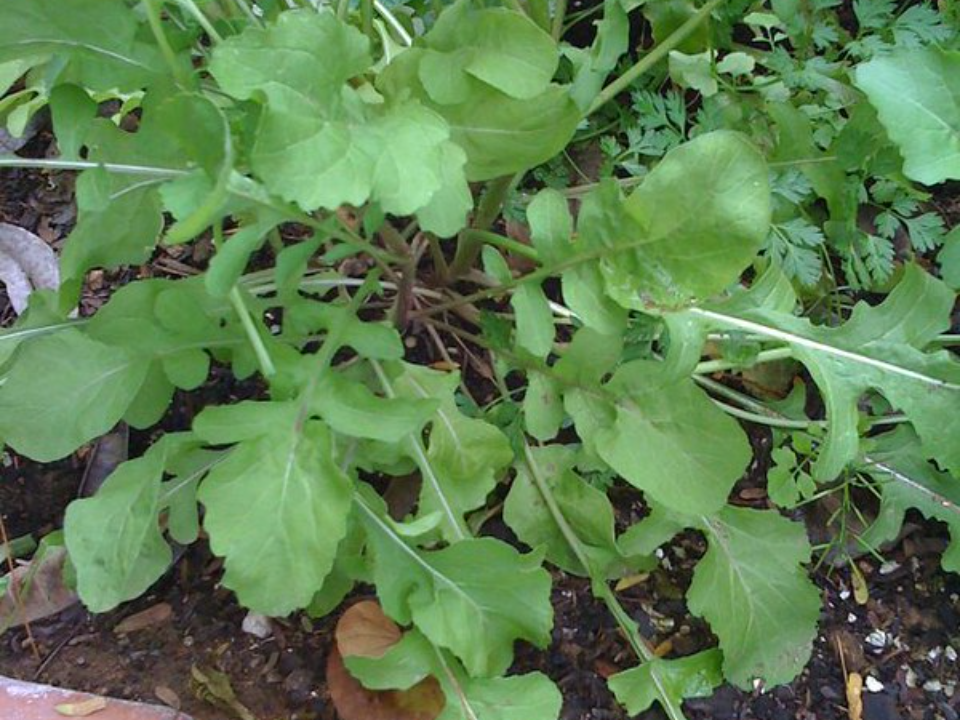
Arugula is a fast-growing green that thrives in cool temperatures, making it perfect for a cold frame. This peppery, flavorful green can be harvested as early as 30 days after sowing. Arugula grows quickly and can be harvested multiple times if cut properly, allowing for continuous production. It is ideal for salads, garnishes, or as an ingredient in sandwiches.
The cold frame provides a slightly warmer microclimate, protecting the delicate leaves from frost while encouraging growth. Arugula’s tolerance to cooler conditions makes it a great early-season crop. It should be harvested before the leaves start to bolt, as this can lead to a bitter flavor. For best results, ensure the plants receive enough sunlight but avoid letting them dry out.
Radishes
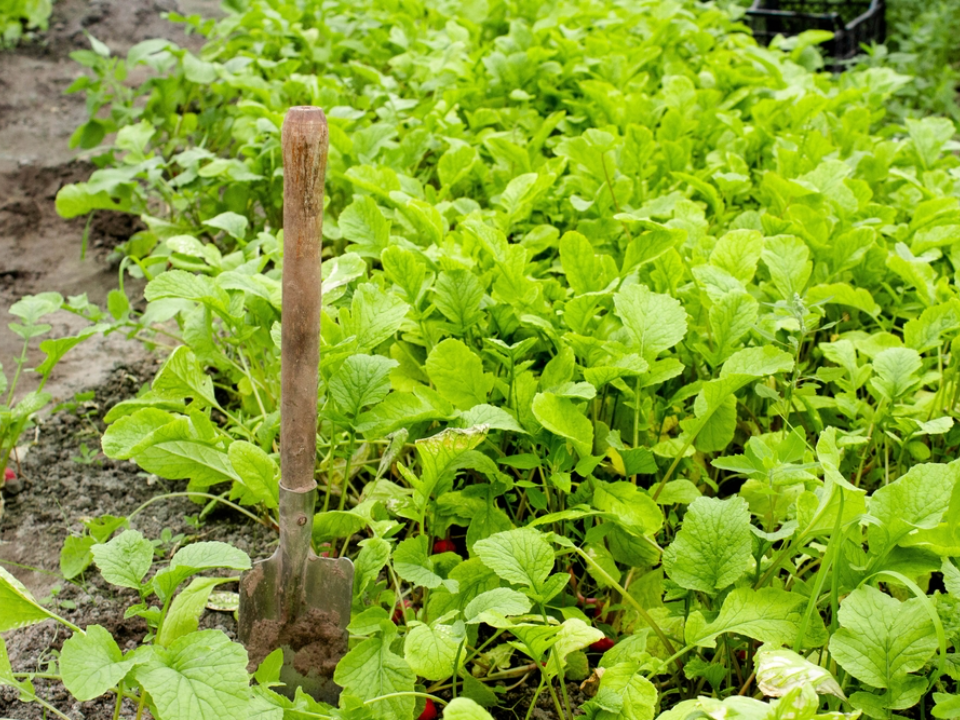
Radishes are a great crop to grow in a cold frame before the spring thaw. These root vegetables mature quickly, often ready for harvest in just 25 to 30 days. Cold frames help speed up their growth by providing a controlled, warmer environment that promotes quicker root development.
Radishes thrive in well-drained, loose soil and need consistent moisture to grow evenly. Harvest the radishes when the roots are firm and the tops are still vibrant green. Radishes are versatile and can be used in salads, pickled, or eaten raw with a bit of salt. They can also be used as a garnish or roasted to bring out their natural sweetness. Harvesting them at the right time ensures they are crunchy and full of flavor.
Mustard Greens
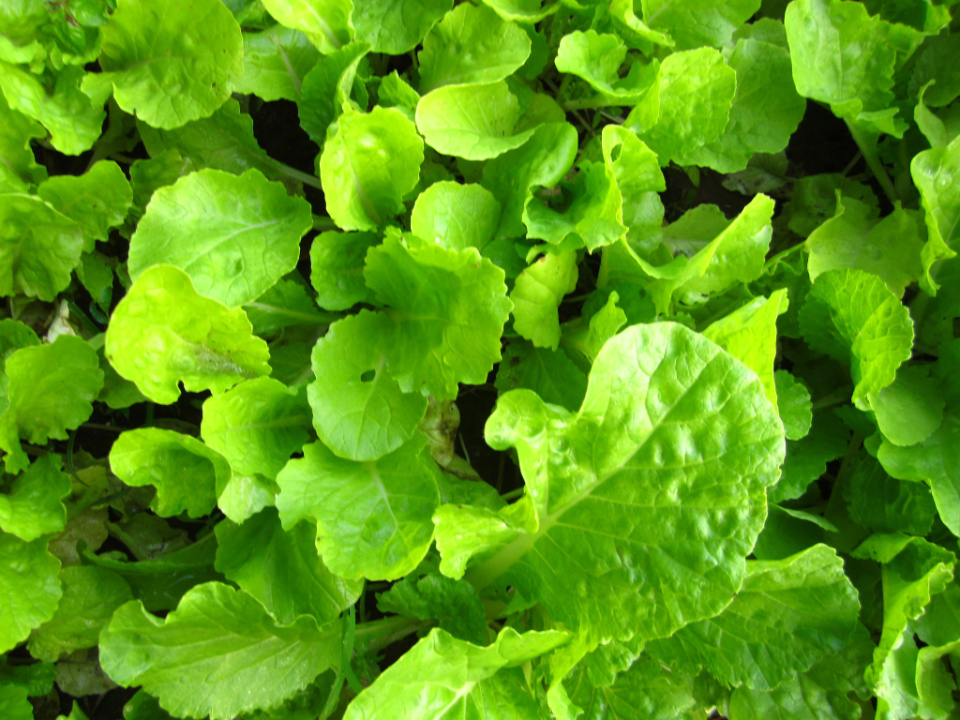
Mustard greens are another cold-hardy vegetable that benefits from the protection of a cold frame. These leaves are known for their spicy, tangy flavor, making them a favorite for salad mixes or as a cooked green. Mustard greens grow quickly and can be harvested in about 30 to 40 days. The cold frame provides a nice buffer from freezing temperatures, allowing for continuous growth during early spring.
Harvest the leaves while they are young and tender for the best flavor. Older leaves can become tough and bitter, so regular picking is important to ensure the plant keeps producing. Mustard greens are rich in vitamins and antioxidants, making them a nutritious addition to your meals. Their fast-growing nature means you can quickly replenish your crops for another harvest.
Swiss Chard
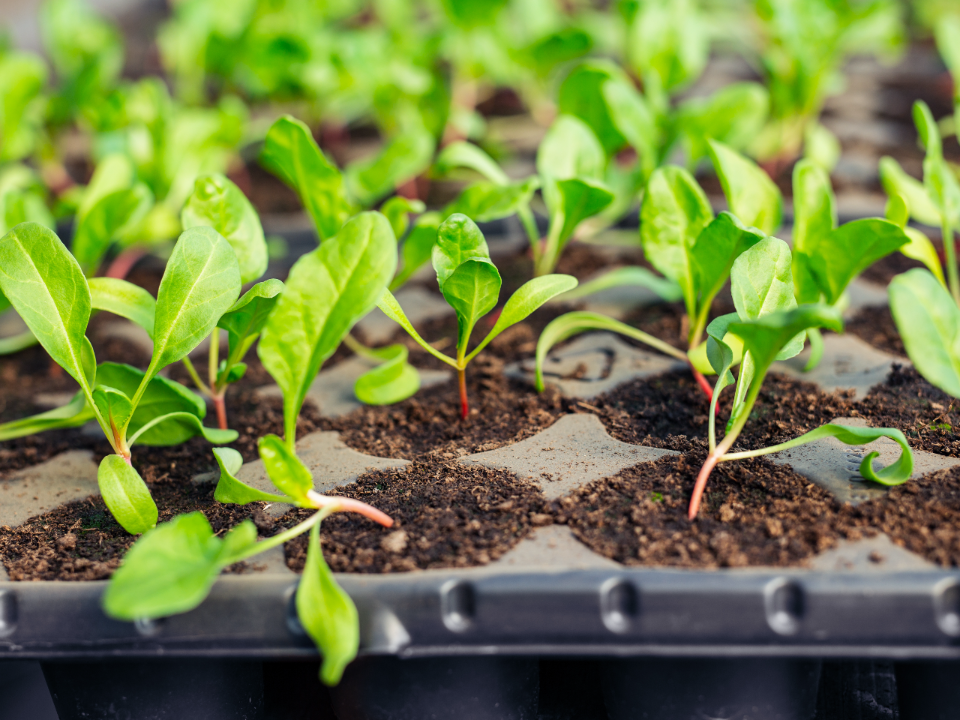
Swiss chard is a versatile green that grows well in cold frames, offering tender leaves and colorful stems. This leafy vegetable can tolerate frost, and the cold frame ensures that the plant is shielded from harsh weather while benefiting from the warmth trapped inside. Swiss chard is typically ready for harvest in 50 to 60 days, but it can be picked earlier for smaller, more tender leaves.
The best approach is to harvest the outer leaves, leaving the center intact so the plant can continue growing. Swiss chard is perfect for sautés, soups, and even as a filling for wraps. It thrives in nutrient-rich soil, so ensure the growing medium is well-amended. The cold frame also helps extend the harvest season, allowing for a steady supply of greens.
Lettuce
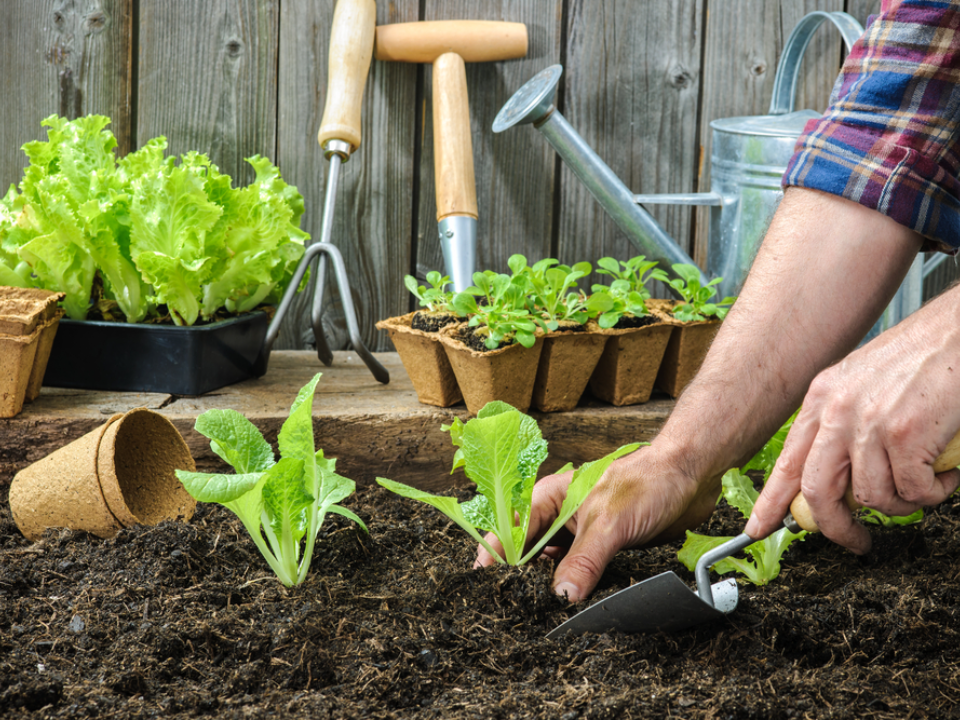
Lettuce is a cool-season crop that thrives in the controlled environment of a cold frame, offering a crisp and refreshing harvest even in early spring. Whether you prefer Romaine, butterhead, or leaf varieties, lettuce grows well in cool conditions and is ready for harvest in 30 to 45 days. Cold frames allow for an extended harvest window by providing consistent temperatures that promote steady growth.
To avoid bitterness, ensure that the lettuce is harvested before it begins to bolt. Lettuce leaves are perfect for salads, wraps, or sandwiches. Regular harvesting encourages new growth, making it possible to enjoy multiple harvests. Lettuce grown in a cold frame tends to have a sweeter flavor, as the plant is shielded from excessive heat or frost.
Mâche (Lamb’s Lettuce)
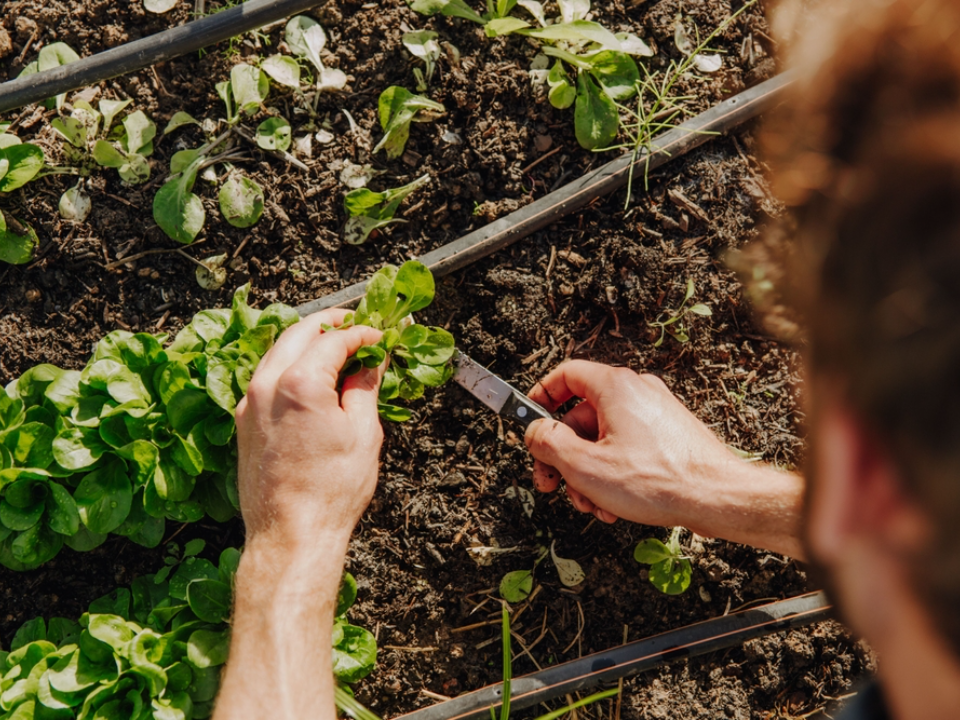
Mâche, also known as lamb’s lettuce, is a tender, mild-flavored green that grows well in cool temperatures. This crop is particularly suited for cold frames, as it thrives in the gentle warmth provided while remaining protected from frost. Mâche can be harvested in as little as 30 to 45 days, making it an excellent early-season green. The soft, succulent leaves are perfect for delicate salads or as a garnish.
Since mâche is a low-growing plant, it is best harvested by cutting the leaves at the base, which encourages the plant to produce more. The mild flavor of mâche makes it a great choice for those looking for a gentle alternative to more bitter greens. It also grows well in containers, making it a good option for smaller spaces. Mâche can tolerate partial shade, which makes it perfect for growing in a cold frame that receives only indirect sunlight.
Snow Peas
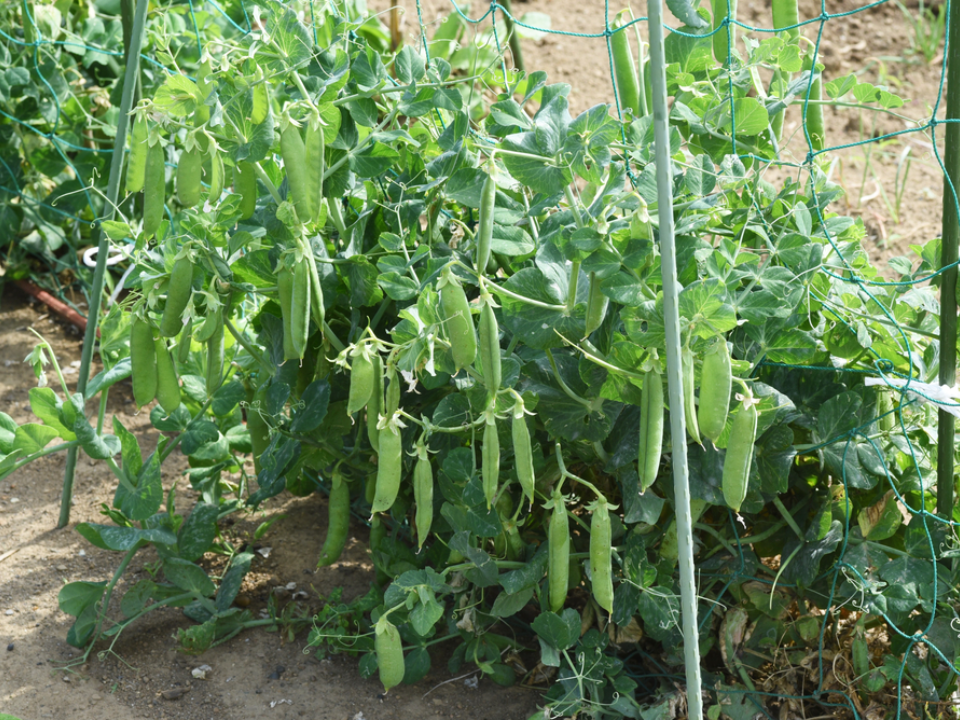
Snow peas are a delightful crop to grow in a cold frame, offering sweet, crisp pods that are perfect for spring harvests. These peas thrive in cool temperatures and can be harvested in 60 to 70 days. Cold frames provide the ideal environment for snow peas to grow, offering protection from late frosts while allowing the plants to receive ample sunlight. The pods should be harvested when they are flat and the peas inside are still small for the best texture and flavor.
Snow peas are often used in stir-fries, salads, or eaten fresh as a snack. The plants are relatively easy to grow and can be trained to climb trellises within the cold frame, making them space-efficient. Regular harvesting encourages the plants to keep producing, giving you a longer harvest window. Snow peas are rich in vitamins and fiber, making them a healthy addition to your meals.
Chives
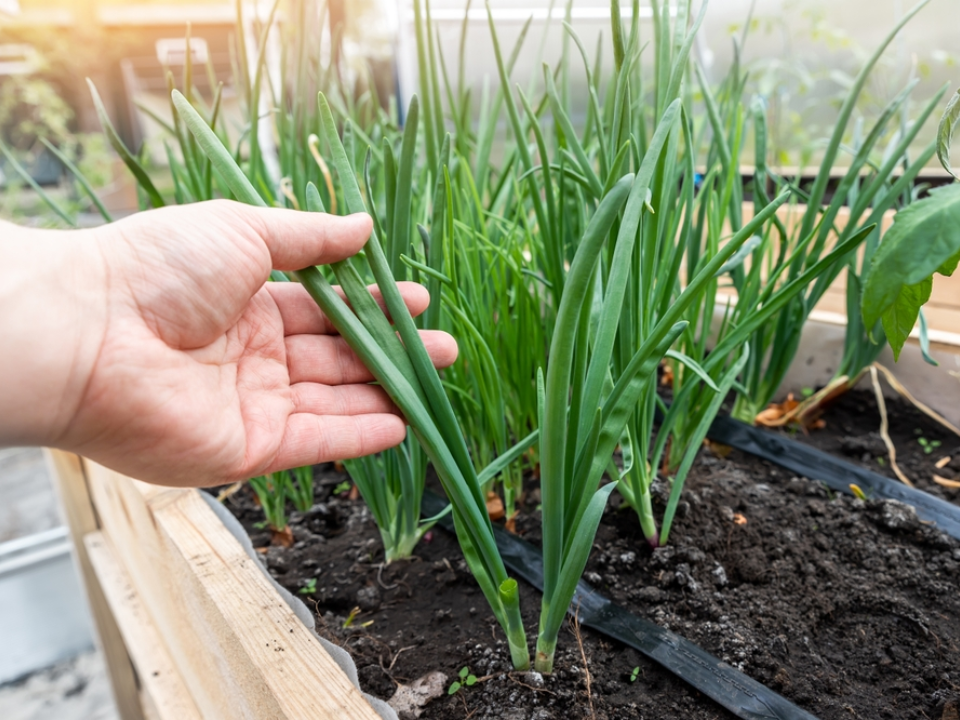
Chives are a hardy herb that thrives in cold frames, providing fresh, flavorful greens long before spring arrives. They grow well in the cool, controlled environment of a cold frame and are ready for harvest in about 60 days. Chives have a mild onion flavor, making them a popular choice for garnishing dishes such as baked potatoes, soups, and salads. They can be cut back regularly, and new shoots will continue to grow.
Chives do well in a variety of soil types but prefer well-drained, nutrient-rich soil. The cold frame environment protects them from harsh weather, ensuring a steady supply of fresh greens. These herbs can also be grown in containers, making them an ideal choice for small spaces. Harvesting chives regularly helps maintain their tender texture, preventing them from becoming tough or woody.
Cabbage
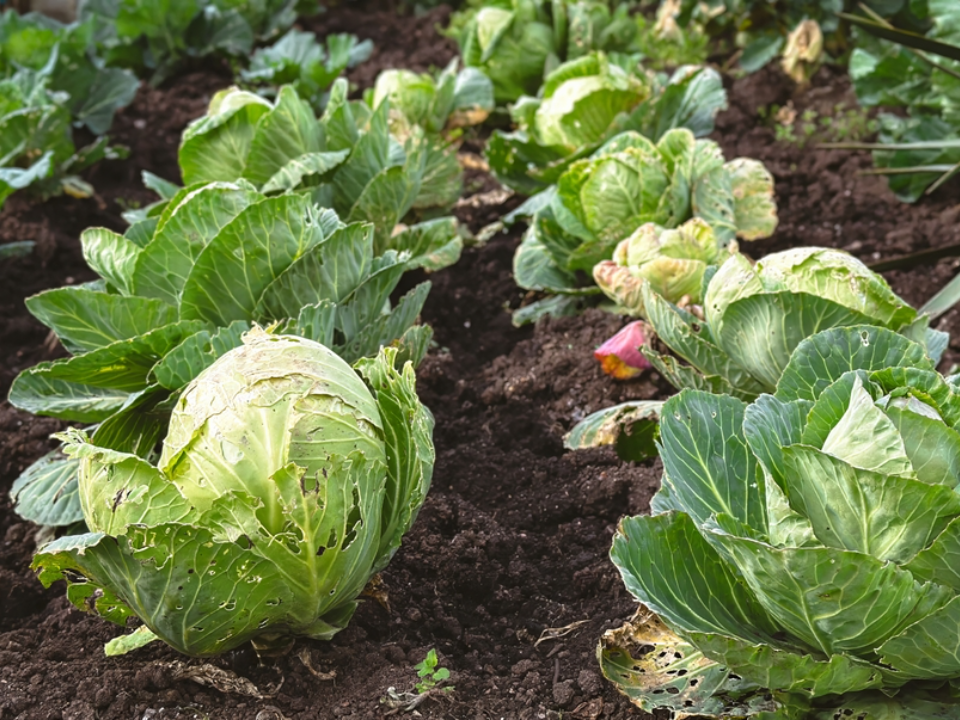
Cabbage is another vegetable that does well in a cold frame, especially when the weather is still cold but not freezing. Cold frames provide protection from frost, allowing cabbage to grow steadily until it’s ready for harvest, typically in 60 to 75 days. Cabbage requires plenty of sunlight to develop its dense heads, so be sure your cold frame allows for good light exposure. The leaves can be harvested when the head is firm and compact, indicating it is fully mature.
Cabbage can be eaten fresh in salads, fermented for sauerkraut, or cooked in a variety of dishes. It is rich in vitamins and antioxidants, making it both a healthy and versatile crop. If left too long, cabbage can split, so be sure to harvest it at the right time for optimal taste and texture. You can also grow different varieties, such as red cabbage or Savoy cabbage, to diversify your harvest.
Carrots
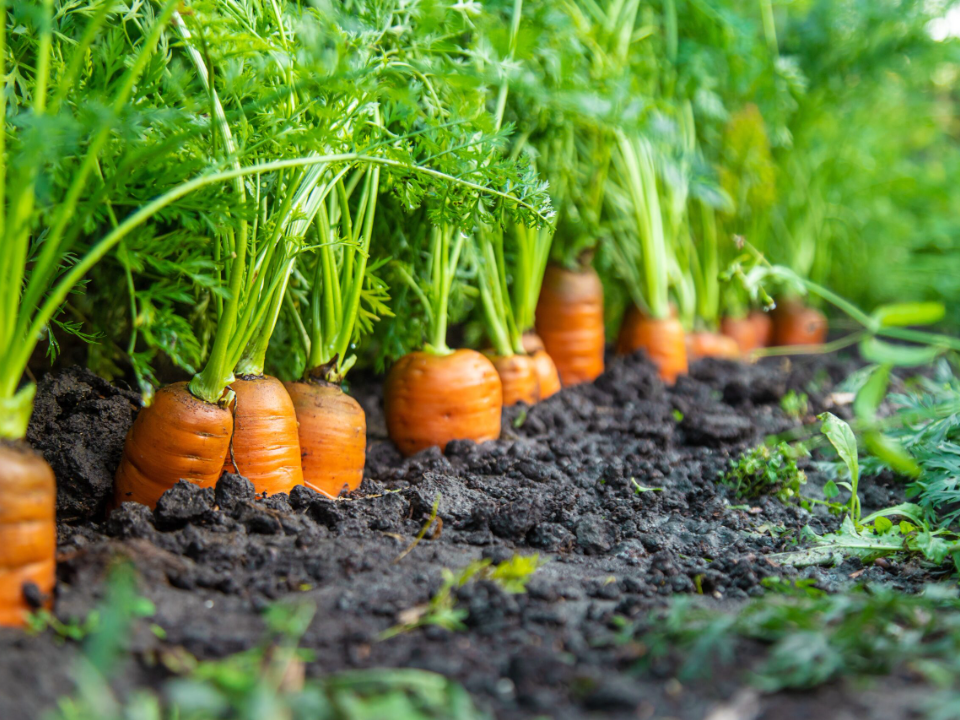
Carrots are a great crop to grow in a cold frame, where the protection from frost allows for an earlier harvest. These root vegetables can be harvested in 60 to 80 days, depending on the variety and size. Cold frames promote healthy root growth by providing warmth and moisture, which helps carrots develop their sweet flavor. The soil in the cold frame should be loose and well-drained to allow the roots to grow properly.
Carrots can be harvested when they reach their desired size but it’s best to pull them while they’re still tender and sweet. These vegetables are great for snacking, adding to salads, or cooking in soups and stews. Growing carrots in a cold frame also helps protect them from pests, such as carrot flies, which are common in open garden plots. For extended harvests, you can plant several batches in succession.
Turnips
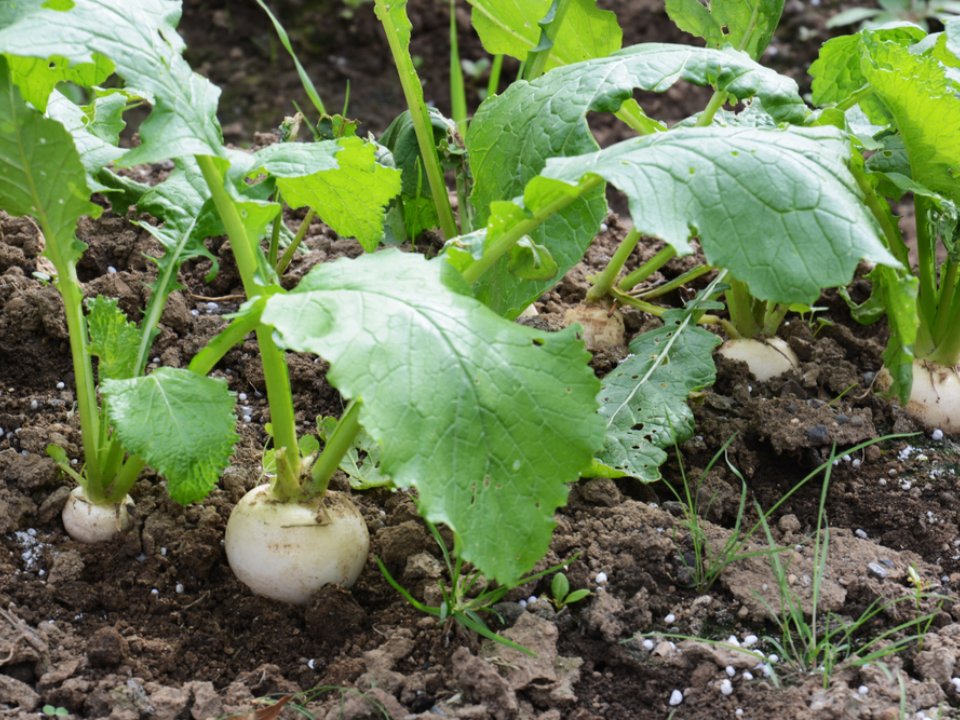
Turnips are another cold-hardy root vegetable that can be harvested before spring with the help of a cold frame. They grow quickly, usually reaching harvestable size in about 50 to 60 days. Cold frames protect turnips from harsh weather conditions and encourage faster growth by trapping warmth and moisture. The young turnip greens can also be harvested for salads or cooked like mustard greens.
The roots should be harvested when they are tender and before they become too large, as turnips can become woody and bitter if left too long. Turnips are versatile in the kitchen, suitable for roasting, mashing, or adding to stews and soups. These vegetables grow best in well-drained, loose soil, and regular watering helps keep the roots from becoming too dry or tough. Turnips also pair well with other cold-season crops, like carrots and radishes, in the garden.
Beet Greens
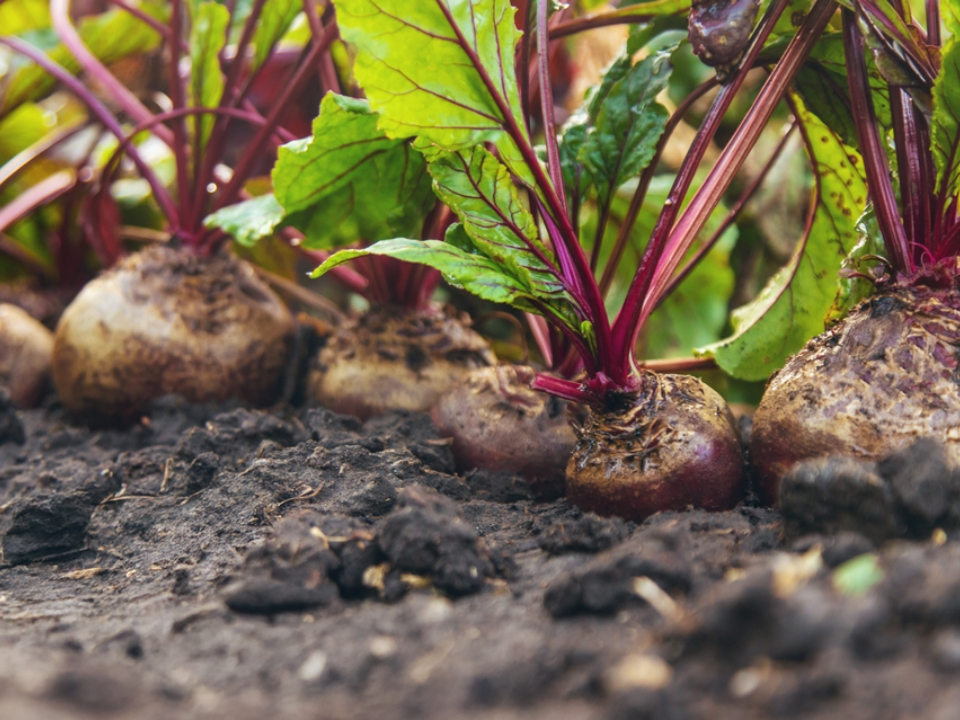
While beets are typically harvested for their roots, the greens are also a fantastic cold-frame crop to harvest before spring. Beet greens grow quickly in cooler temperatures, and with the protection of a cold frame, they can be harvested in about 30 to 45 days. These vibrant, nutritious leaves are rich in vitamins A and K, making them a healthy addition to salads, sautés, or soups.
The greens should be harvested while they are young and tender for the best flavor and texture. As the plant matures, you can also harvest the beets themselves, which take about 50 to 60 days to reach full size. Be sure to keep the soil well-watered and loose to support healthy root development. Beet greens grow best in fertile, well-draining soil and prefer partial shade, making them well-suited for a cold frame setup.
Swiss Chard (For Extended Harvest)
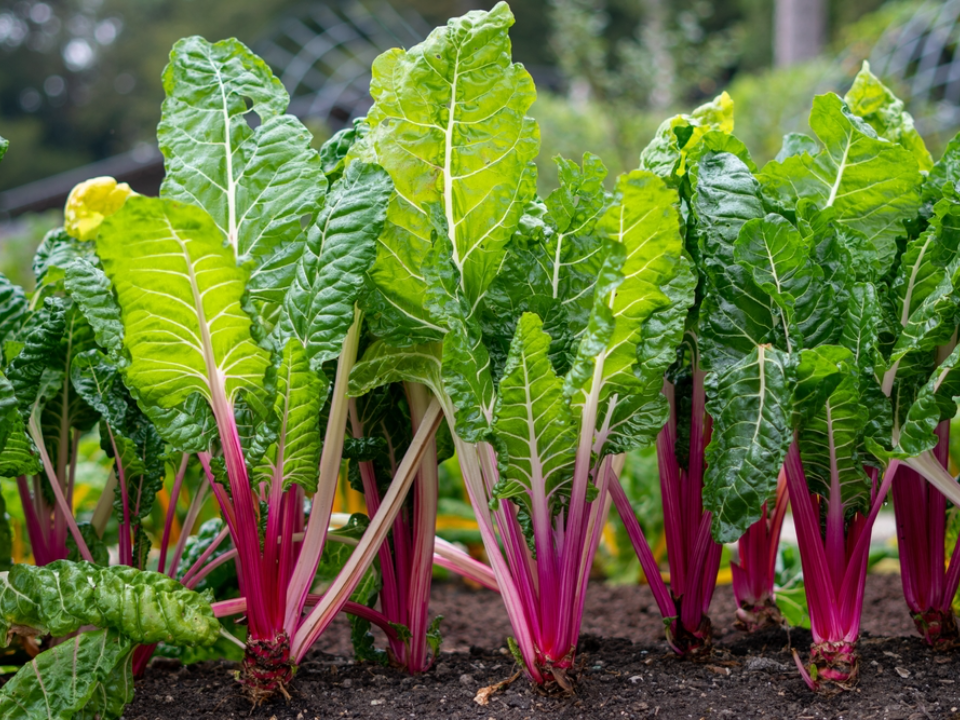
While Swiss chard has already been covered in the first batch, it’s worth mentioning again for its extended harvest capabilities in the cold frame. As a hardy green, Swiss chard will continue to produce well into early spring when grown in a cold frame. By regularly harvesting the outer leaves, Swiss chard can provide a steady supply of greens throughout the winter months. In fact, chard often improves in flavor after being exposed to frost, becoming sweeter and more tender.
Cold frames provide the warmth needed for chard to grow at a steady pace, even during colder weather. It can be enjoyed fresh in salads, cooked as a side dish, or added to soups and stews. Since Swiss chard is a perennial, it can be a reliable crop to have in your garden year after year. With a little care, you can continue to harvest fresh chard well into spring.
Endive
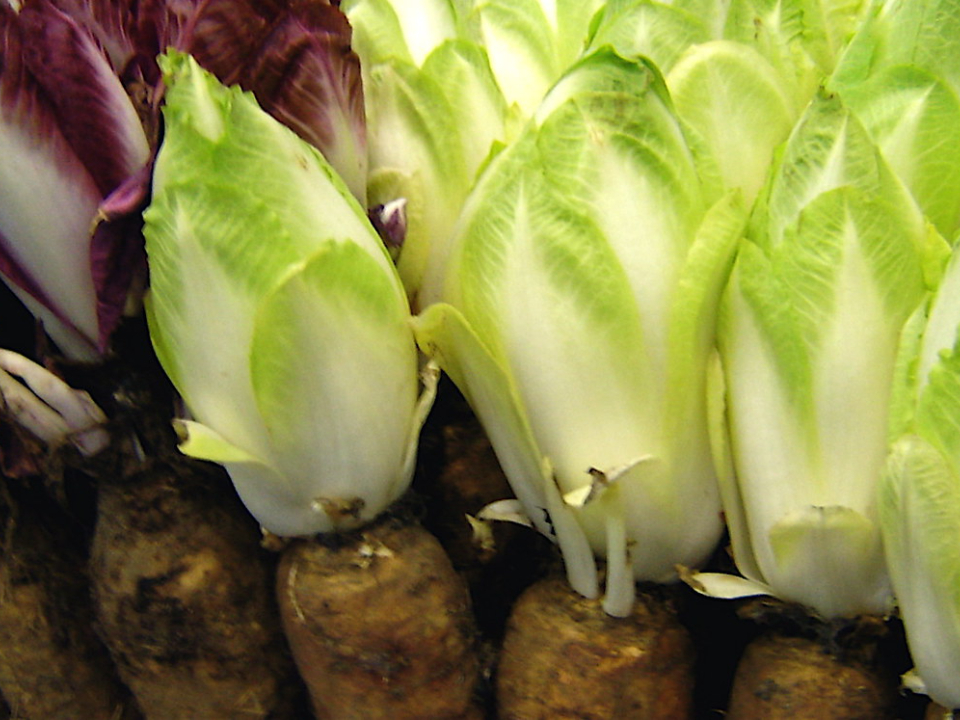
Endive is a unique and bitter green that grows well in a cold frame, providing a fresh crop just before spring. It typically takes 75 to 90 days to reach maturity, making it a great late winter or early spring option. Cold frames protect endive from harsh temperatures and ensure steady growth during the cooler months. Endive is often used in salads, where its slightly bitter flavor contrasts nicely with sweeter greens.
The leaves can be harvested when they are young and tender, and you can continue to pick the outer leaves as they mature. Endive grows best in fertile, well-drained soil, and regular moisture helps prevent the leaves from becoming too tough. This versatile vegetable can also be grilled, braised, or added to soups for a bit of bitterness and texture. The unique flavor of endive adds complexity to many dishes.
Radicchio
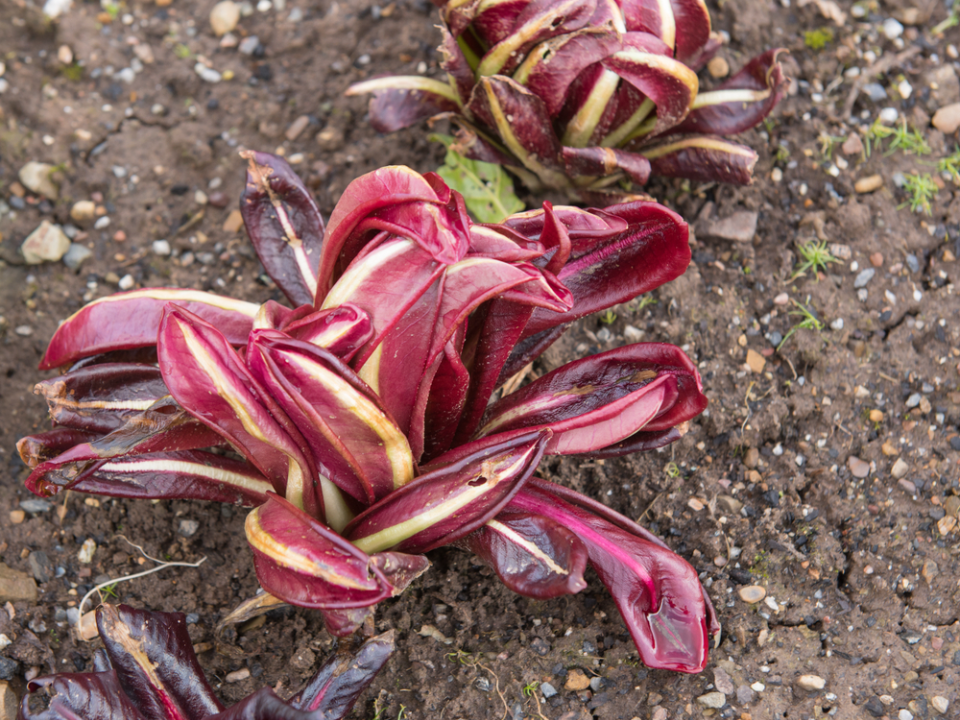
Radicchio is a striking, red-leafed vegetable that thrives in the cool conditions of a cold frame, making it perfect for harvest just before spring. It typically reaches harvestable size in 70 to 80 days, with its bright color and slightly bitter taste adding vibrancy to any dish. Cold frames protect radicchio from frost and provide the warmth necessary for steady growth. The leaves can be harvested when they are fully formed and firm to the touch.
Radicchio’s bitter flavor is often balanced with a little sweetness when grilled, roasted, or sautéed. It is commonly used in salads, pastas, or as a topping for pizzas. Regular harvesting encourages new growth, and radicchio’s unique flavor profile makes it a standout ingredient in many dishes. It grows best in rich, well-drained soil and prefers a slightly acidic pH.
This article originally appeared on Avocadu.