
15 Coins With Odd Shapes That Make a Collection Look More Interesting
A coin collection can feel more exciting when shapes break away from the expected. Curves, angles, and cutouts often grab attention before dates or metal types do. These pieces invite closer looks and spark easy conversations with other collectors. They often feel playful while still carrying real history. Take a moment to explore why shape alone can change how a collection feels.
This post may contain affiliate links, which helps keep this content free. Please read our disclosure for more info.
1969 United Kingdom 50 New Pence
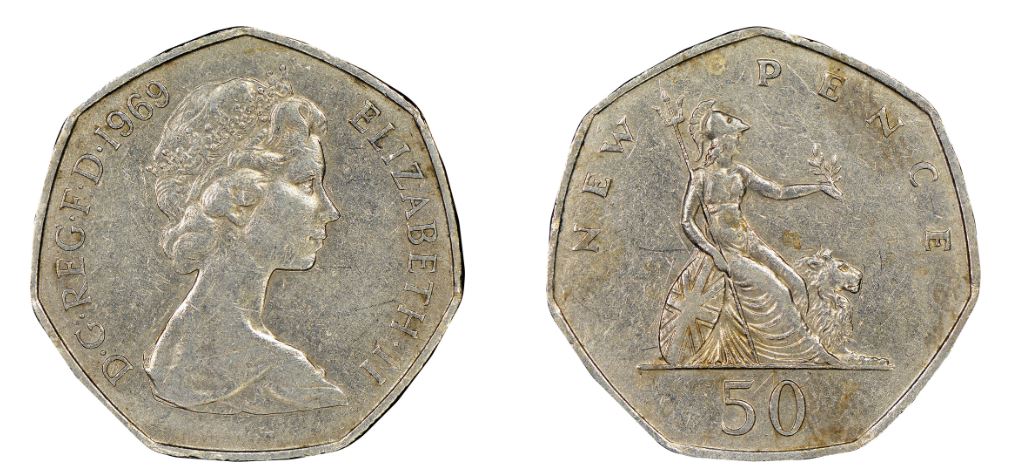
Released in 1969, this United Kingdom 50 pence coin stands out because it has seven sides with gently curved edges. It feels different right away when held, even though it still rolls smoothly. Circulated examples usually sell for about $1 to $4 depending on wear. Cleaner coins from early years may sell for more. It remains one of the most recognizable odd shaped coins in the world.
When viewed beside a round coin, the curved sides become very noticeable. The shape was chosen to help people identify the coin by touch. Many collectors enjoy how it stacks unevenly compared to circles. It works well as a first unusual shape coin. Albums with custom cutouts show it nicely.
1969 Australia 50 Cents
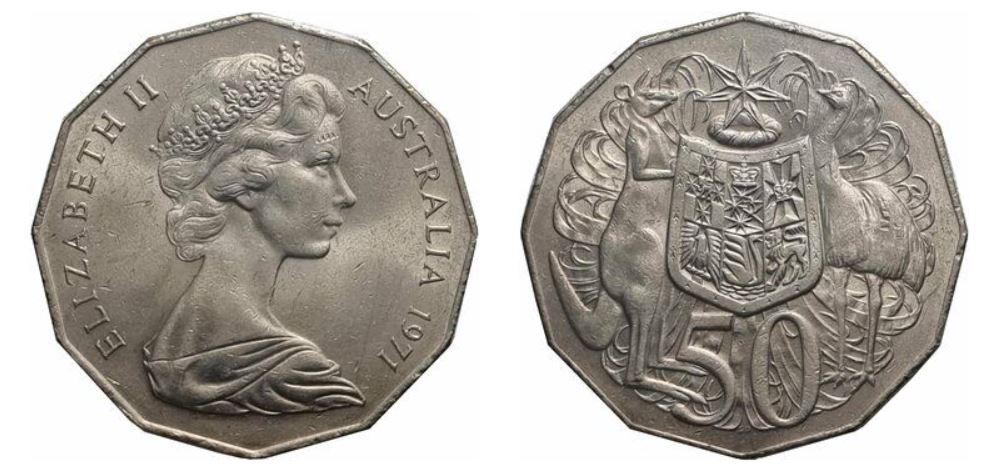
Australia introduced this 12 sided 50 cent coin in 1969, giving it a clear geometric look. The flat edges make it easy to tell apart from other coins. Most circulated examples are affordable and sell between $1 and $5. Earlier dates or better condition pieces can cost more. It remains in use today with the same shape.
Each side reflects light differently, which adds visual interest in a display. The edges give it a stop sign style appearance. Collectors often compare early and later dates for small design changes. It pairs well with other polygon coins in a shape focused set. The size makes it easy to handle and store.
1987 Canada 1 Dollar Loonie
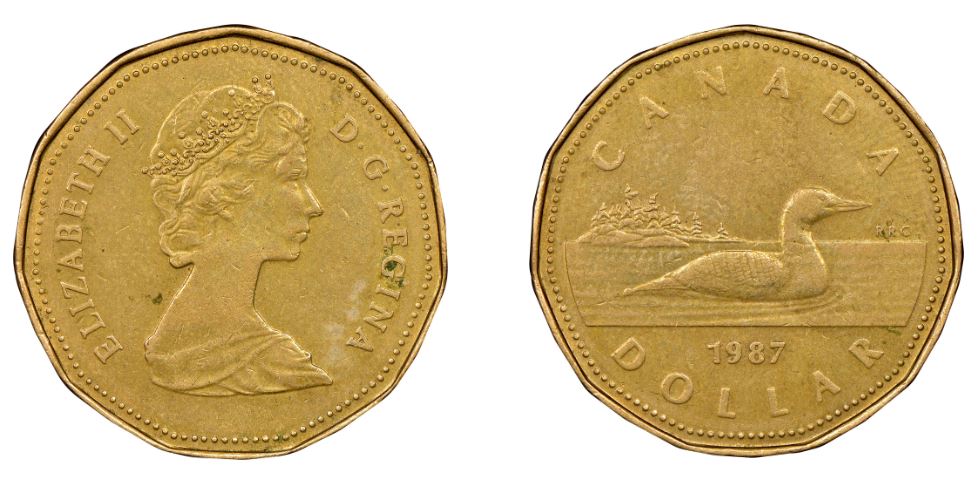
Canada released the 1 dollar loonie in 1987 with an 11 sided outline that looks round at first glance. The edges become noticeable once the coin is examined closely. Circulated examples often sell for $1 to $3. Higher grade coins may bring higher prices. The shape helped reduce confusion with other denominations.
Many collectors like showing one worn coin next to a cleaner one to highlight edge changes over time. The coin became part of daily spending across Canada. Its familiar design makes it appealing to new collectors. Displaying it next to a round dollar coin shows the difference clearly. It fits standard holders easily.
1975 Hong Kong 20 Cents
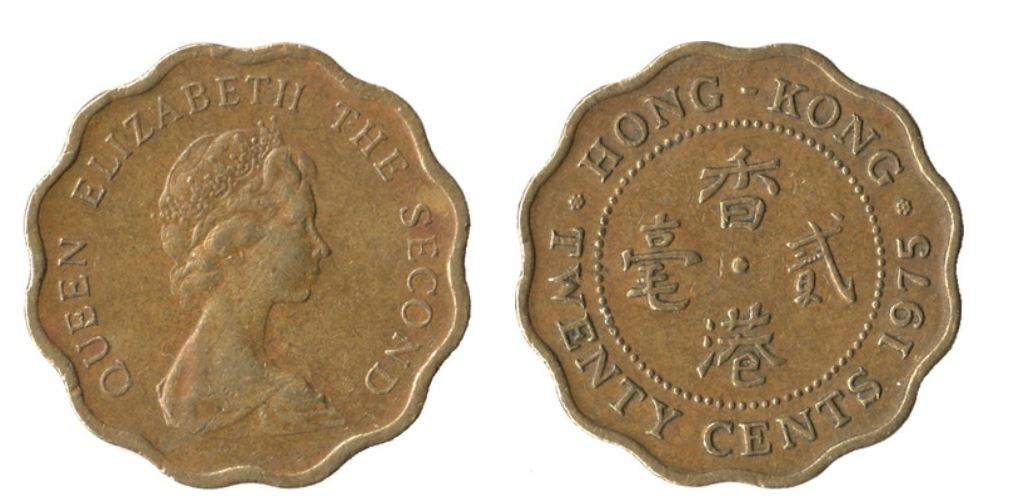
First issued in 1975, the Hong Kong 20 cents coin features twelve rounded notches around the edge. The scalloped rim gives it a gear-like appearance. Most examples sell for about $1 to $5. Coins with less wear usually sell for more. The shape helps it stand out despite its small size.
The repeating notches give the coin a rhythmic look when turned. Wear tends to soften the outer edge first. Collectors often look for even spacing around the rim. It fits well in a scalloped shape themed page. The coin remains popular for its clear outline.
1970 The Bahamas 15 Cents
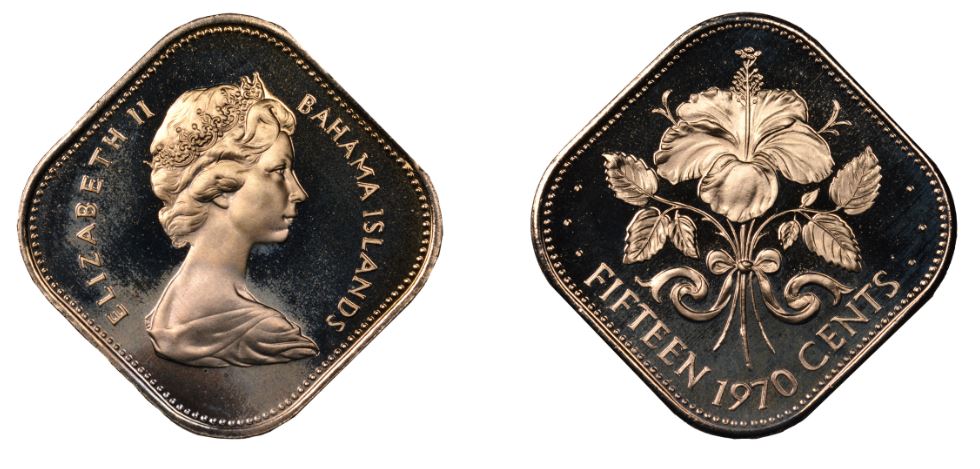
This Bahamas 15 cents coin uses a square shape with rounded corners, which makes it easy to recognize. The unusual outline separates it from most circulating coins. Prices often range from $2 to $10 depending on condition. Higher grade pieces may sell for more. The simple shape change gives it strong visual appeal.
Square coins align neatly in display trays. The rounded corners make it comfortable to hold. Many collectors enjoy grouping square coins from different countries together. Wear usually appears on the corners first. Protective holders help keep the edges intact.
2003 Cook Islands 2 Dollars
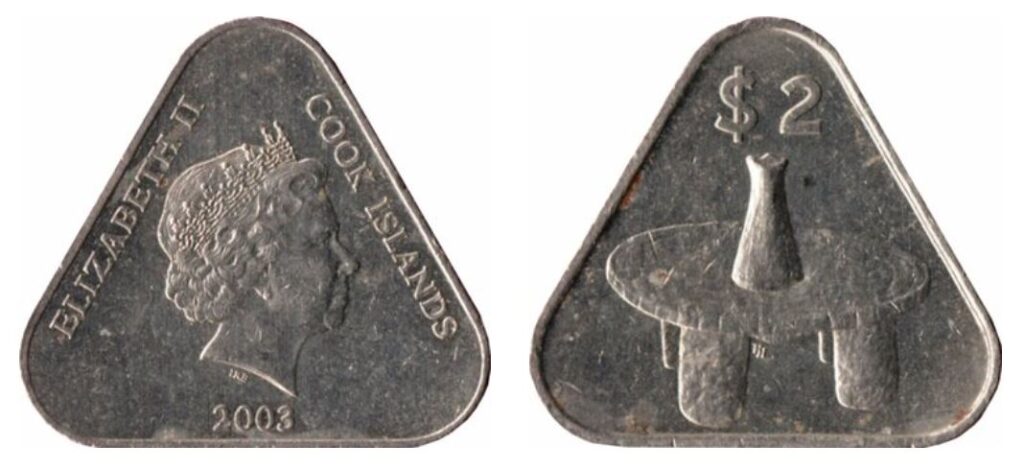
Issued beginning in 2003, this Cook Islands 2 dollars coin features a triangular shape. The outline is the main reason it draws attention. Typical prices range from $3 to $15 depending on condition. Some versions were issued with different themes. The shape makes it stand apart from polygon coins.
The corners cause it to sit differently in albums. Many collectors place triangle coins at the center of a page for balance. Light handling helps keep the edges looking neat. It is easy to explain to new collectors due to its simple shape. The design works well in mixed world sets.
1999 Jamaica 10 Dollars
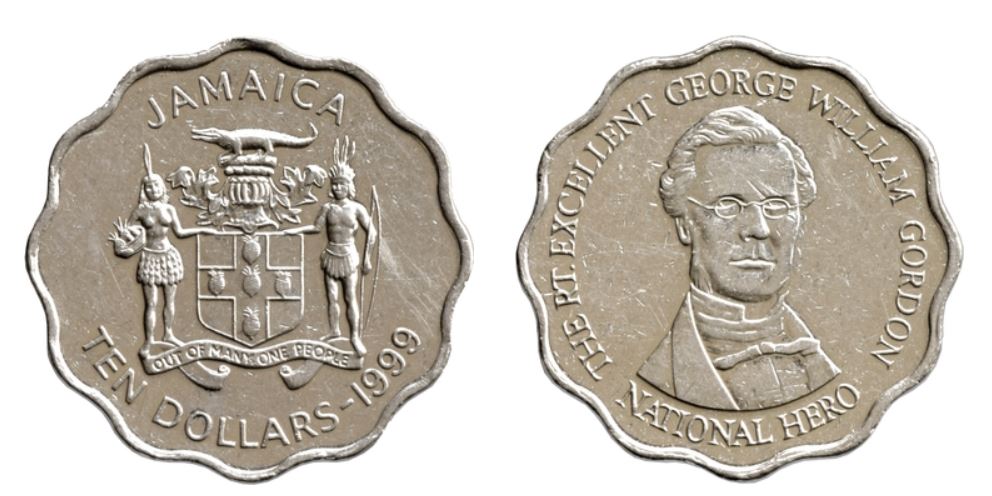
Jamaica released this 10 dollars coin with a twelve notch scalloped edge. The shape gives it a floral appearance. Circulated examples often sell between $2 and $8. Coins with lighter wear may cost more. The outline helps distinguish it from other Jamaican coins.
The notches frame the design in a pleasing way. Wear tends to smooth the outer rim over time. Collectors often compare notch depth when choosing examples. It looks appealing beside other scalloped coins. Capsules help protect the rim from contact marks.
1972 Malta 3 Mils
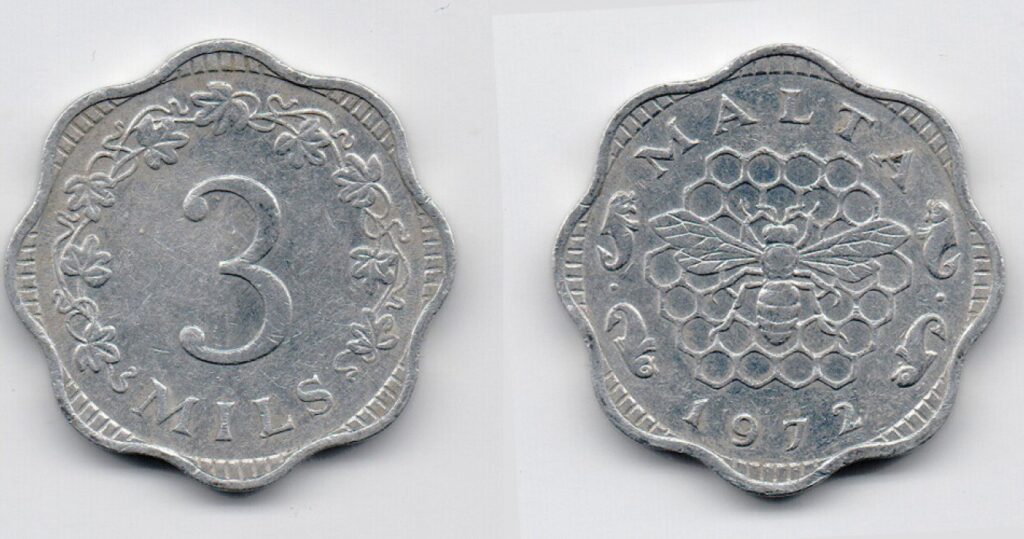
The Malta 3 mils coin dated 1972 uses an eight notch scalloped edge. The smaller number of notches gives it a softer look. Prices often range from $2 to $10. Condition plays a large role in value. It is a compact coin with a clear outline.
The eight notch pattern sets it apart from similar coins. Lighter wear keeps the edge pattern visible. Many collectors like grouping scalloped coins by notch count. The coin photographs well due to its shape. It adds variety without taking much space.
1986 Aruba 50 Cents
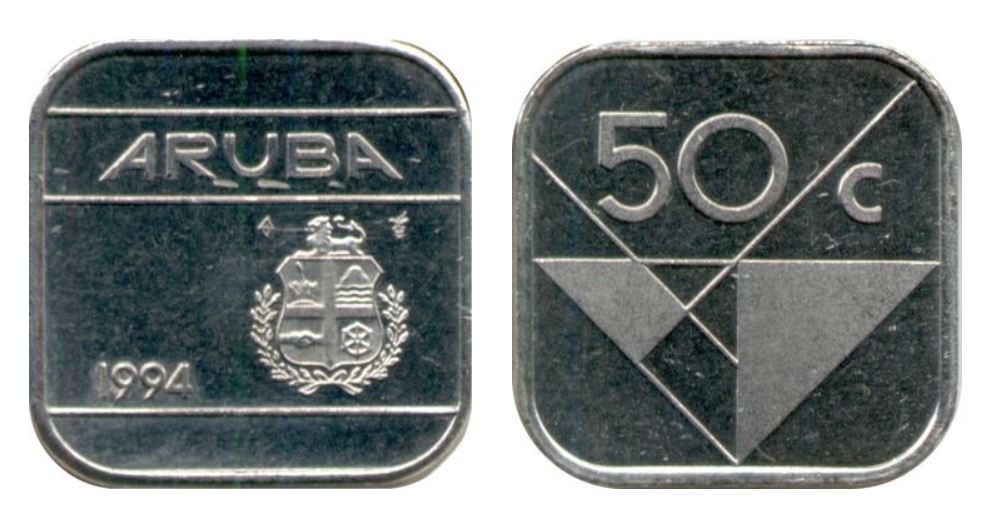
Aruba issued this 50 cents coin in 1986 with a square shape and rounded corners. The shape makes it resemble a small tile. Prices usually fall between $2 and $8. Cleaner examples may sell for more. The coin works well in modern world collections.
It stacks differently than round coins. The corners are designed for comfort. Collectors often look for strong corner definition. It fits nicely in square coin themed displays. The design remains easy to recognize.
1976 Suriname 5 Cents
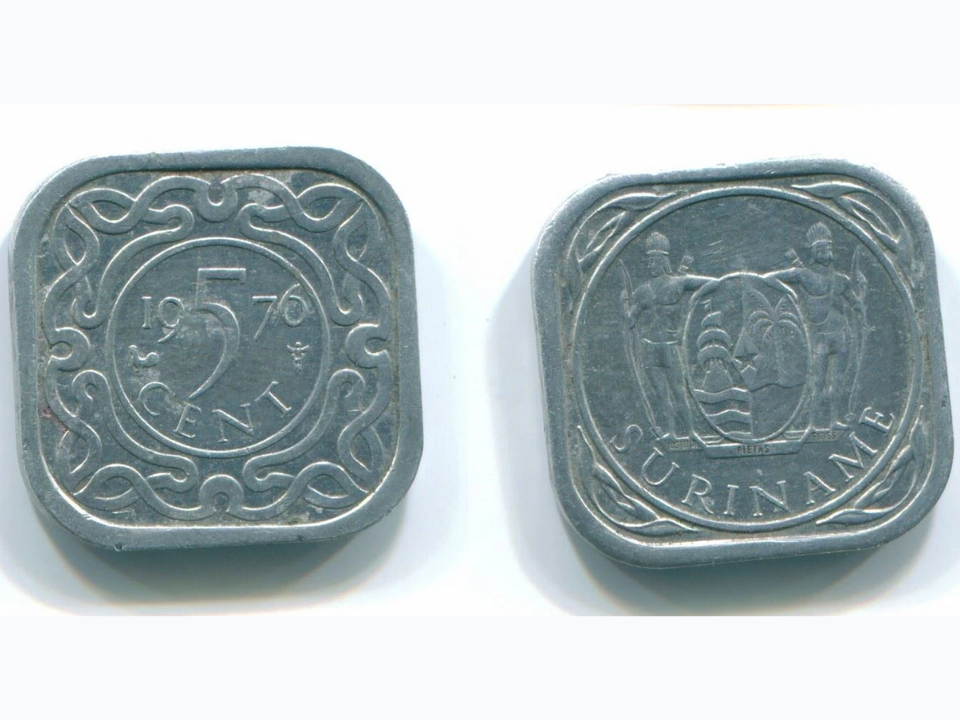
Suriname released this 5 cents coin with a square shape and rounded corners starting in 1976. The outline makes it easy to spot in mixed lots. Prices usually range from $1 to $6. Coins with less wear may sell for more. It offers an affordable entry into odd shapes.
The flat sides align well in display cases. Corner wear is the main condition concern. Collectors sometimes pair it with larger square coins. Standard holders work well for storage. The coin keeps its appeal through simplicity.
1949 Japan 5 Yen
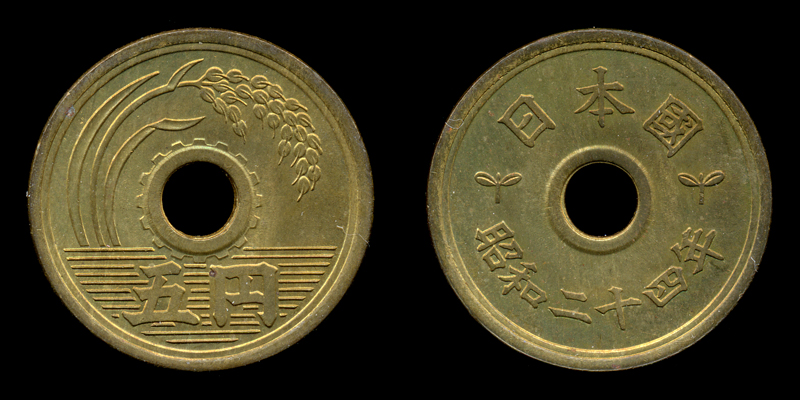
Japan introduced the 5 yen coin with a central hole in 1949. The hole changes the look and feel of the coin completely. Circulated examples often sell for $1 to $4. Better condition coins may cost more. The design remains in use today.
The hole allows the coin to be strung or carried easily. Wear often appears around the inner edge. Many collectors keep one as a pocket piece. It adds variety beyond edge based shapes. The coin fits well in holed coin sets.
1979 Philippines 1 Sentimo
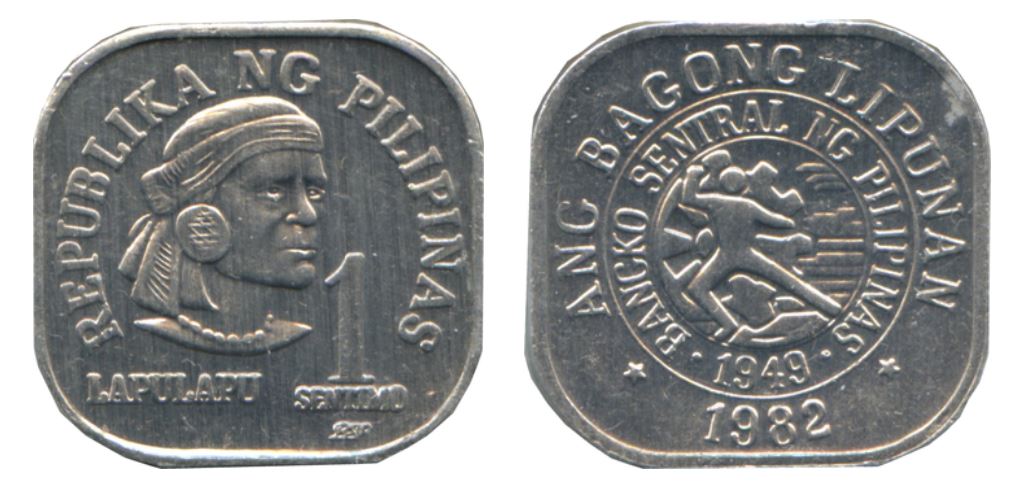
Issued starting in 1979, the Philippines 1 sentimo coin uses a square shape with rounded corners. The shape stands out due to the coin’s small size. Prices usually range from $1 to $6. Uncirculated pieces may sell for more. It works well in Southeast Asia-themed sets.
The corners show wear quickly in circulation. Clean examples show the square outline clearly. Collectors often group it with other square coins. Photos should show edges clearly when buying. It adds clear contrast to round coins.
1973 India 10 Paise
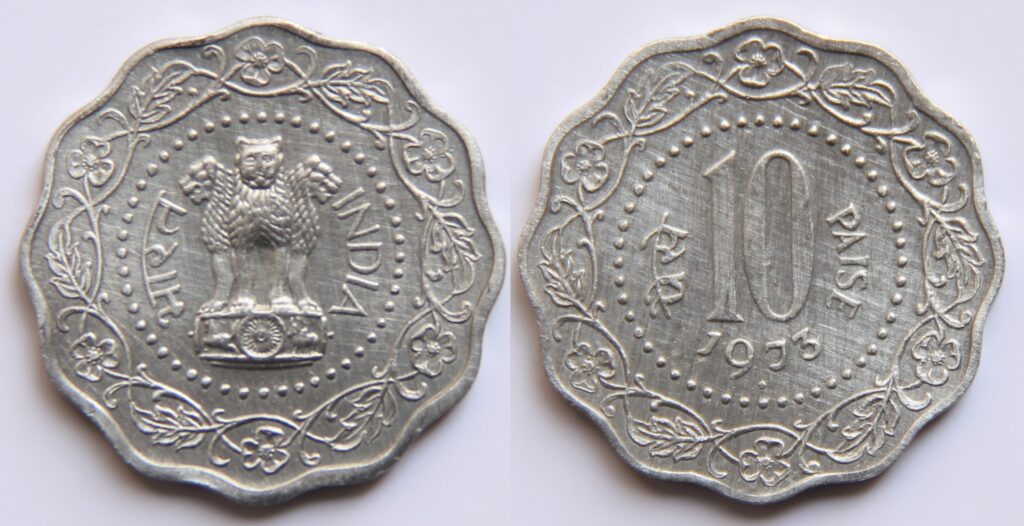
India released the 10 paise coin in 1973 with a twelve notch scalloped edge. The rim design makes it easy to identify by touch. Most examples sell for $1 to $5. Condition and year affect price. It is a common yet interesting piece.
The evenly spaced notches give the coin texture. Wear usually appears along the outer edge. Collectors prefer examples with clear notch definition. It pairs well with eight notch coins for comparison. The design served a practical purpose in circulation.
1975 Sri Lanka 10 Cents
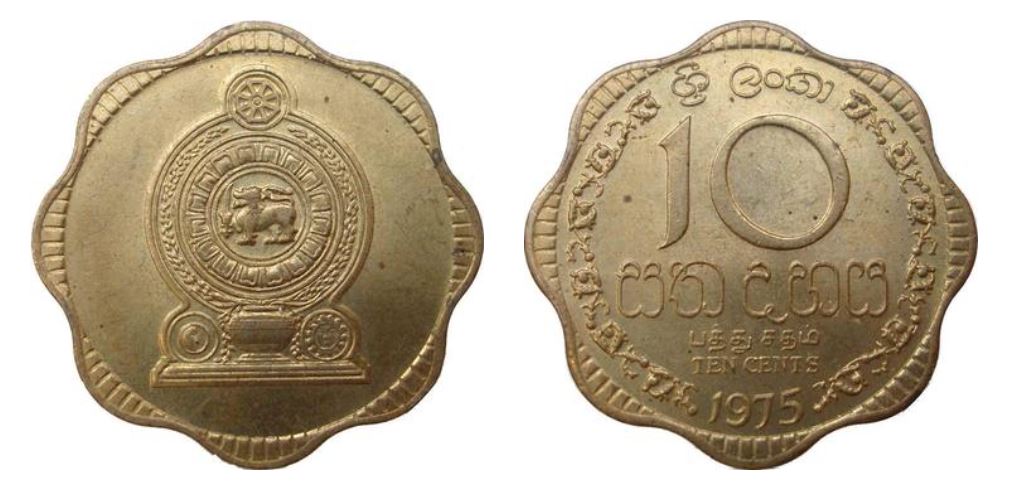
Sri Lanka issued this 10 cents coin in 1975 with an eight notch scalloped edge. The outline gives it a rounded floral look. Prices often fall between $1 and $6. Better condition pieces may cost more. It offers a softer alternative to higher notch counts.
The notch pattern affects how the coin looks at a glance. Lighter wear keeps the design easy to see. Collectors often compare notch styles across regions. It works well in a South Asia collection. The shape adds visual variety.
1974 Bangladesh 5 Poisha
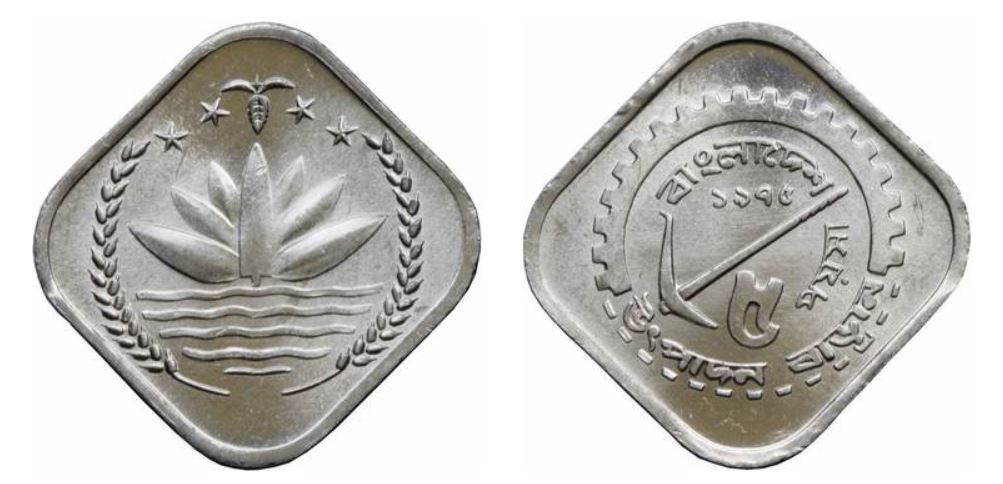
Bangladesh released the 5 poisha coin in 1974 with a square shape and rounded corners. The outline makes it instantly noticeable. Prices usually range from $1 to $5. Condition affects corner clarity. It is a simple yet eye-catching design.
Corner wear is common on circulated pieces. Cleaner examples show the square form clearly. Collectors often include it in world shape sets. The small size makes storage easy. It complements other square coins nicely.
This article originally appeared on Avocadu.