
10 Coins That Were Made During Wars and Carry Real History
Wartime coins offer a fascinating window into the struggles of the past. They were minted during times of war, when everything from production to resources was impacted. The designs on these coins often reflect the urgency and challenges faced by the countries that created them. Holding one of these coins is like holding a piece of the history they represent.
This post may contain affiliate links, which helps keep this content free. Please read our disclosure for more info.
1943 U.S. Steel Penny
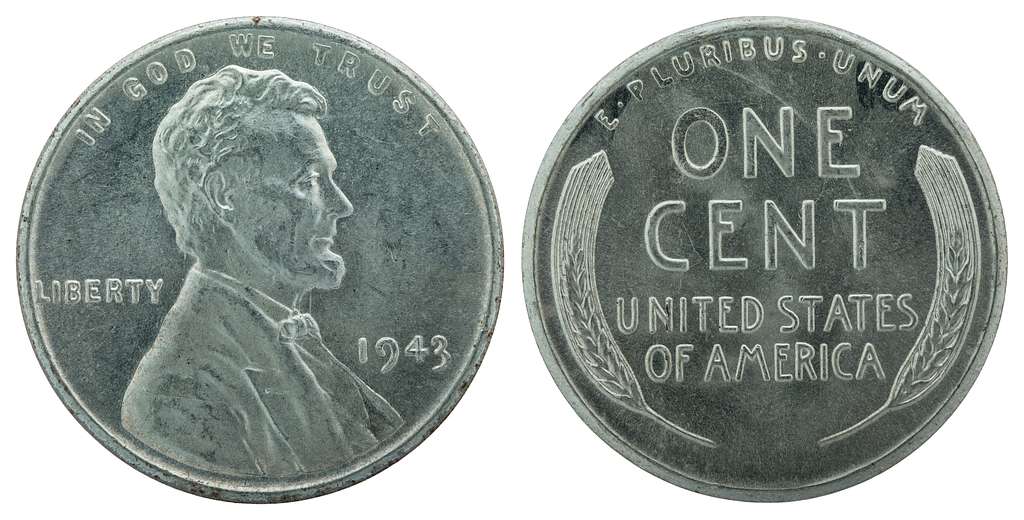
Released during World War II in 1943, the U.S. government made a switch from copper to steel for the penny due to copper shortages. This one-year issue is easily recognizable due to its grayish color and unusual look. Today, the value of these coins can range from $0.50 for heavily worn examples to over $100 for uncirculated versions. Collectors often seek them for their historical significance, as they reflect the impact of wartime production limitations. The rarity of high-grade examples makes them highly sought after.
The steel penny was issued to conserve copper for the war effort, marking it as a direct response to resource shortages. While it was only made in 1943, the coin has remained a symbol of the wartime economy. Many examples still circulate as regular change, but finding one in excellent condition is rare. The connection to wartime makes it an interesting coin for collectors focusing on military history.
1916 U.S. Walking Liberty Half Dollar
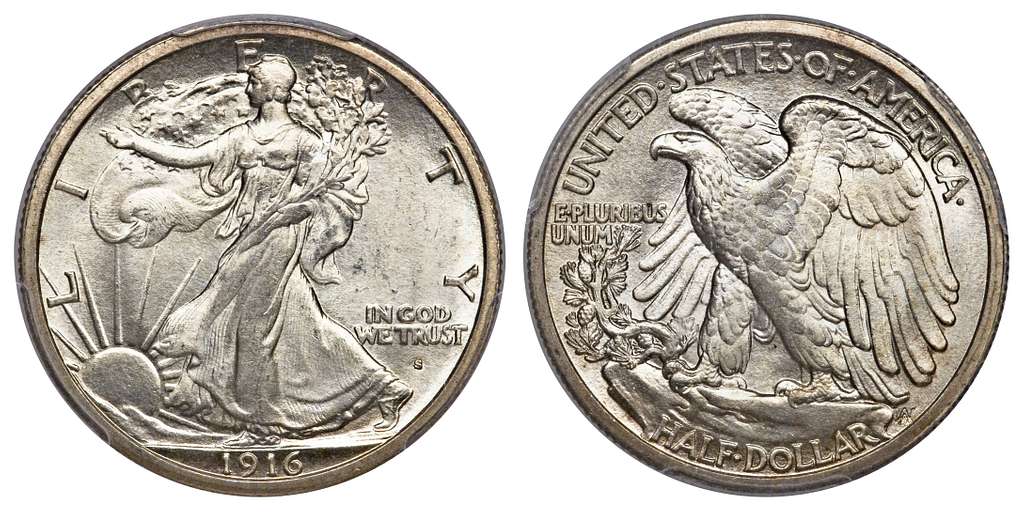
The 1916 Walking Liberty Half Dollar, created during World War I, is one of the most beautiful designs ever used in U.S. coinage. It features a full-length image of Lady Liberty walking toward the sun, symbolizing hope and resilience during a difficult time. Current market values for this coin can vary from $15 in lower grades to over $1,000 for higher grades. Its historic significance and striking design make it a favorite among collectors.
Released just after the U.S. entered World War I, this coin reflects the nation’s resolve and transition into the conflict. The design, created by Adolph A. Weinman, remains one of the most admired and enduring symbols in American coinage. Even though the coin was produced for several years, the 1916 issue is considered one of the most iconic. Its link to the Great War and the spirit of the time continues to make it a valuable piece in collections today.
1919 Canada Silver 25-Cent Coin
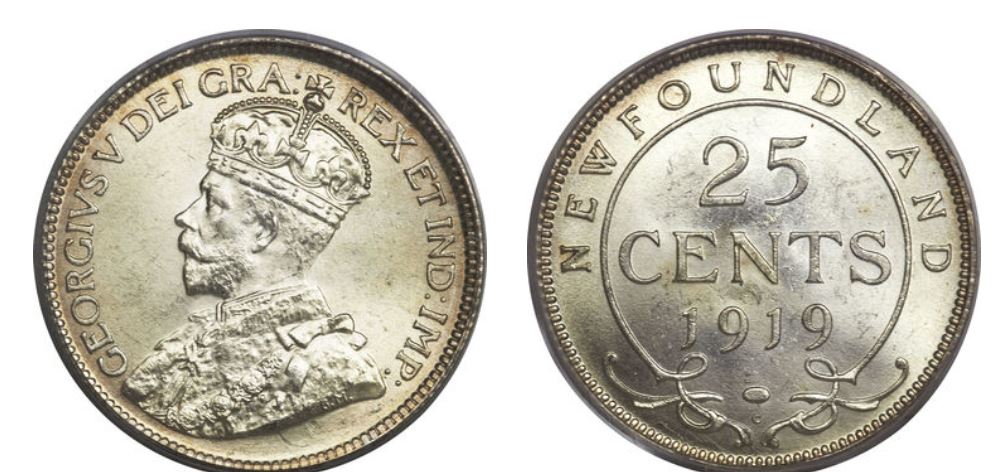
In 1919, Canada produced a special 25-cent coin with a distinctive design to mark its involvement in World War I. The coin features a patriotic maple leaf symbol, representing Canada’s commitment to the war effort. Market values for this coin range from $10 in worn condition to over $200 in pristine, uncirculated form. Its value is not only tied to its metal content but also its representation of Canada’s participation in the global conflict.
This coin was minted at a time when Canada’s role in World War I was becoming more significant. The 25-cent piece, made of 80 percent silver, stands as a testament to the sacrifices made during the war. While it wasn’t the most widely circulated coin, it has become a prized piece for collectors who focus on wartime issues. Its historical weight and relative rarity make it especially valuable.
1942 U.S. Mercury Dime
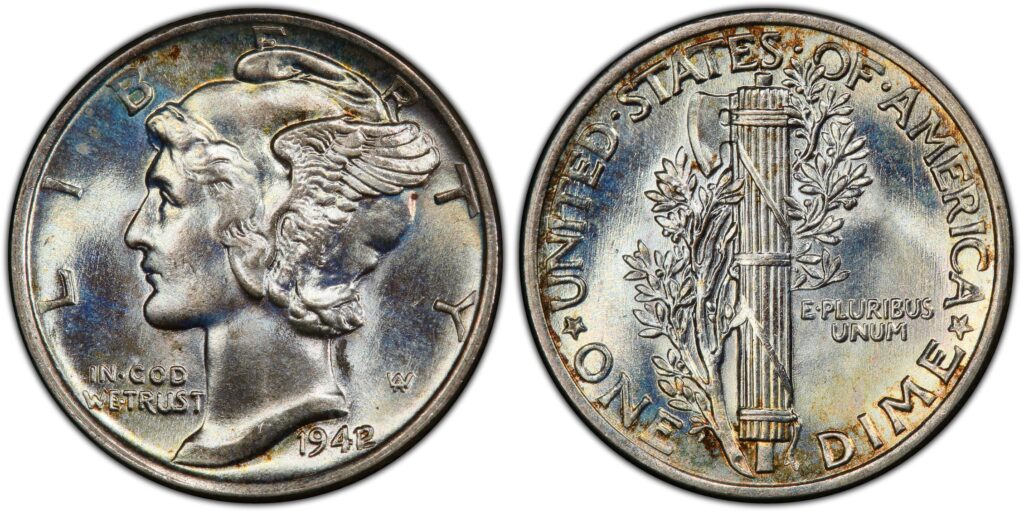
The 1942 U.S. Mercury Dime was minted during World War II and features the famous winged Liberty head. The design, originally created by Adolph A. Weinman, was symbolic of freedom and movement during a tumultuous period. These dimes typically value between $2 to $15, with high-quality, uncirculated versions reaching over $100. The coin’s design and its wartime connection make it a significant piece for collectors.
While most of the Mercury Dimes were made from silver, the 1942 coins stand out because they were produced during a critical moment in U.S. history. As the U.S. mobilized for war, coinage like the Mercury Dime continued to circulate across the country. Its role during wartime makes it more than just a piece of currency; it’s a reminder of the sacrifices and efforts made at home. Collectors of wartime coins often seek this dime for both its historical context and its classic design.
1917 German 3 Mark Coin

In 1917, Germany minted the 3 Mark coin during World War I, featuring a design that commemorates the German Empire. The coin’s depiction of an eagle with a crown was a national symbol at the time. Current market values for this coin typically range from $10 to $50, depending on the coin’s condition. Its historical importance during the conflict adds to its value for collectors.
This coin was produced when Germany was deeply involved in World War I, and it carries the weight of the era’s struggles. The 3 Mark coin served as both currency and a symbol of national pride during the war. Despite its relatively low value at the time, it is now considered a valuable artifact of the Great War. Collectors appreciate its symbolism and historical context, making it a sought-after piece today.
1943 U.S. Silver War Nickel
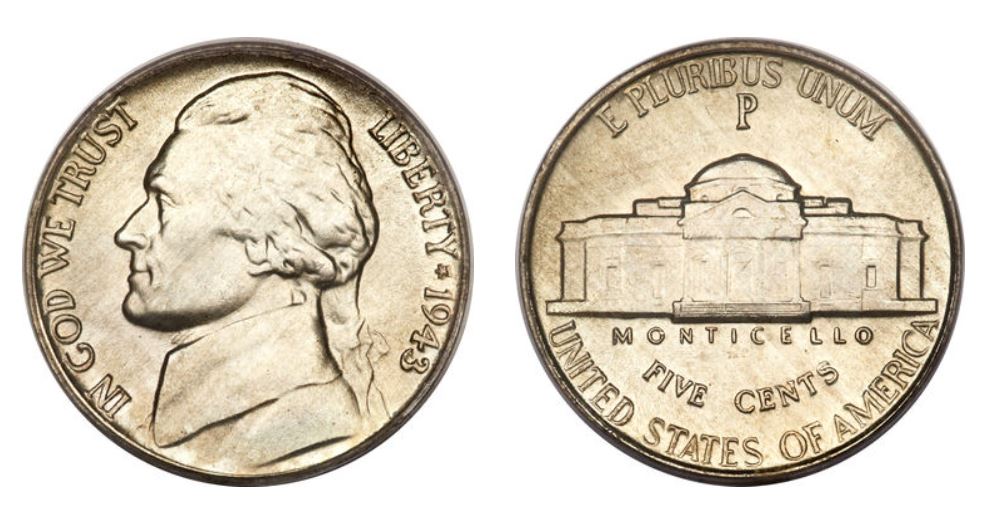
In 1943, the U.S. minted a silver war nickel featuring a bold V for victory, commemorating the country’s efforts in World War II. These coins were part of the war effort to save nickel for military uses. Their value today can range from $1 to $5 depending on condition, though they are often collected for their silver content. The coin serves as a reminder of the rationing and sacrifices made during wartime.
The silver war nickel was produced to help conserve nickel, which was in short supply during the war. Many of these coins were issued during the final years of World War II, making them especially significant for wartime collectors. Though they are still commonly found, high-grade examples with minimal wear are prized by collectors. Their link to the broader wartime economy and the patriotic V symbol gives them lasting importance.
1917 British 50 percent Silver Shilling
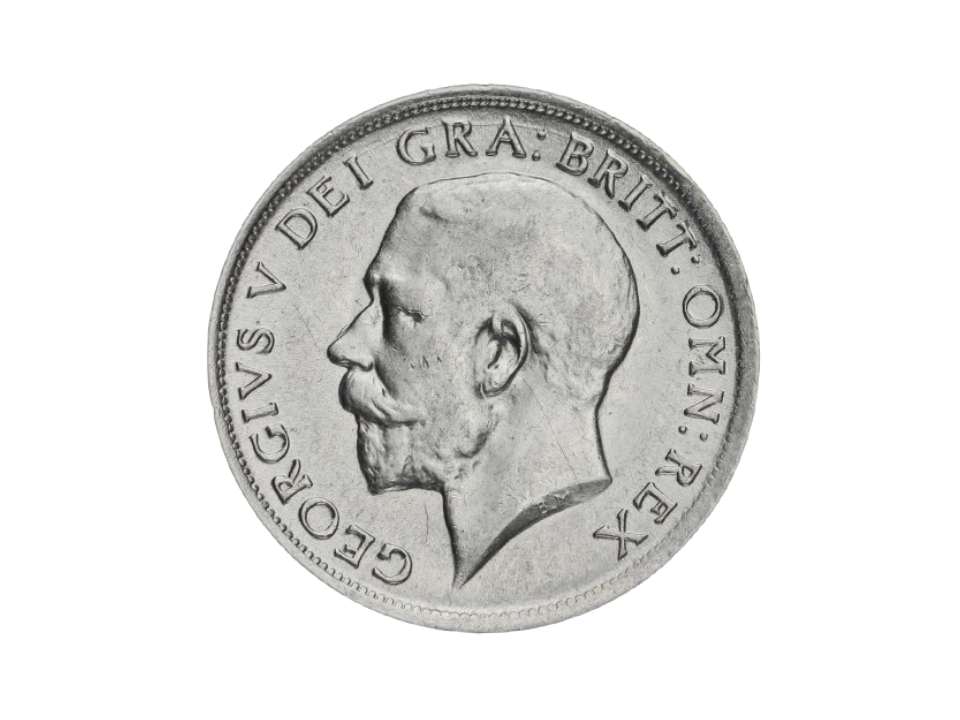
Minted in 1917, this British 50 percent silver shilling was issued during World War I, when Britain needed to maximize its use of silver in coinage. The coin features a simple, classic design, with a crown and the words Fidelity and Fidelity for the King. It has a value that typically falls between $5 and $40, depending on condition. The silver content makes it both a historical and precious metal collectible.
The 50 percent silver shilling coin remains significant because it represents the British war economy during a time of crisis. These coins were used in regular circulation, making them more accessible to the public. As a result, many have been worn down over time, but well-preserved examples can fetch a much higher price. Collectors of British wartime coins find this one especially meaningful for its direct link to World War I.
1944 Canadian Wartime Nickel
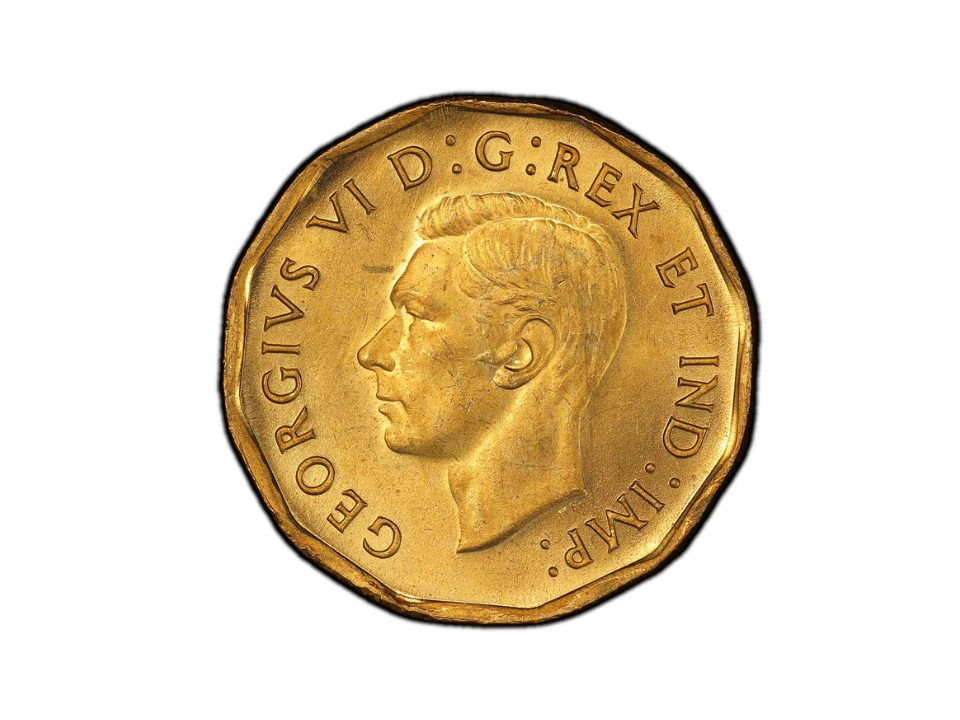
During World War II, Canada produced a nickel coin in 1944 featuring a Victory design. The coin’s simple yet patriotic imagery reflected the nation’s participation in the conflict. Market values for this nickel typically range from $1 to $8 depending on wear and rarity. Many of these coins have survived in circulated condition, but high-grade pieces are valued more.
The Canadian wartime nickel was produced in 1944 when the country was deeply involved in the war. As the war continued, nickel became increasingly important in coin production, leading to the creation of this coin. Though the coin is not rare, it still holds a strong place in Canadian wartime history. The designs are especially appreciated for their clarity and lasting appeal.
1943 U.S. Copper Penny
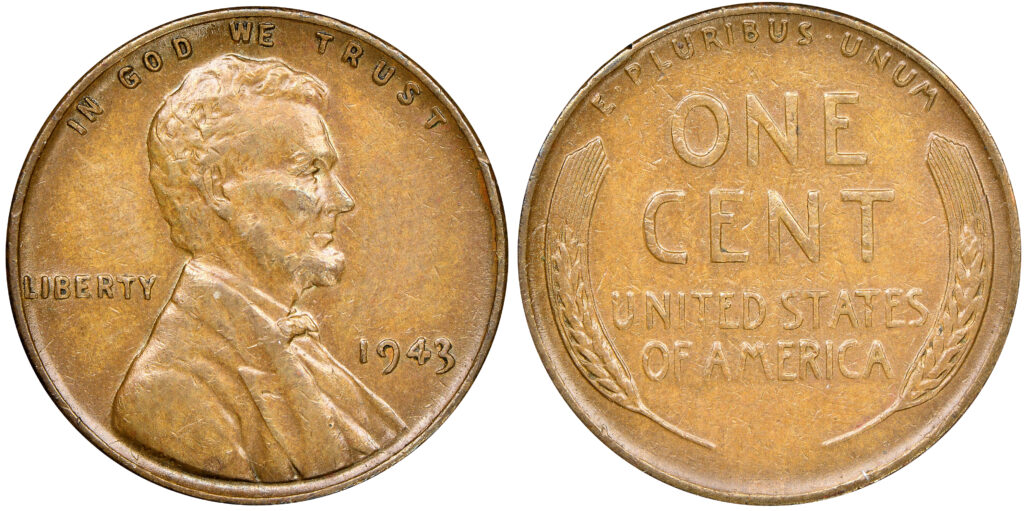
The 1943 U.S. copper penny is one of the rarest coins produced during World War II. In response to wartime copper shortages, the U.S. mint switched to steel pennies, but a few copper pennies were accidentally struck. The value of these rare copper pennies can range from $50 for worn examples to upwards of $100,000 for well-preserved, uncirculated coins.
The 1943 copper penny was not intentional, making it a sought-after mistake in coin collecting. Most people are familiar with the steel pennies of 1943, but those few copper versions have generated excitement for decades. The scarcity of these coins contributes to their high value. It remains a notable example of how wartime circumstances affected coin production.
1915 German 1 Mark Coin
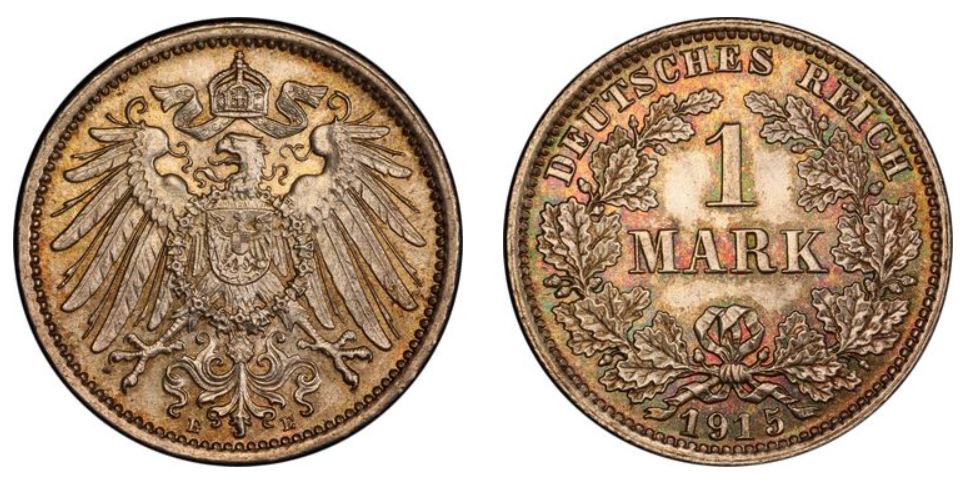
Produced during World War I, this German 1 Mark coin features a detailed eagle and was issued to help manage the empire’s economic challenges. It represents both the nation’s pride and the struggles during wartime. Typical values range from $10 to $30 depending on condition and rarity. This coin is an excellent example of how Germany used coinage to represent its military resolve.
The 1 Mark coin from 1917 is noted for its intricate design and symbolic relevance. It was created as part of a set of coins to meet the needs of a wartime economy. The coin’s historical value increases with its connection to Germany’s involvement in World War I. As part of the last days of the German Empire, it stands as a reminder of the past.
This article originally appeared on Avocadu.