
11 Coin Storage Mistakes That Can Ruin a Collection Over Time
Building a coin collection takes time, care, and attention, but small storage choices can quietly undo years of effort. Many collectors focus on what they buy and overlook how their coins are kept day to day. Damage often develops slowly and stays hidden until it becomes hard to ignore. Environmental conditions, storage materials, and handling habits all play a role in how coins age. Even coins that look safe today can change over time when stored the wrong way. Learning what to avoid can help protect both appearance and value. A few thoughtful adjustments can make a lasting difference for any collection.
This post may contain affiliate links, which helps keep this content free. Please read our disclosure for more info.
Storing Coins in PVC Plastic Holders
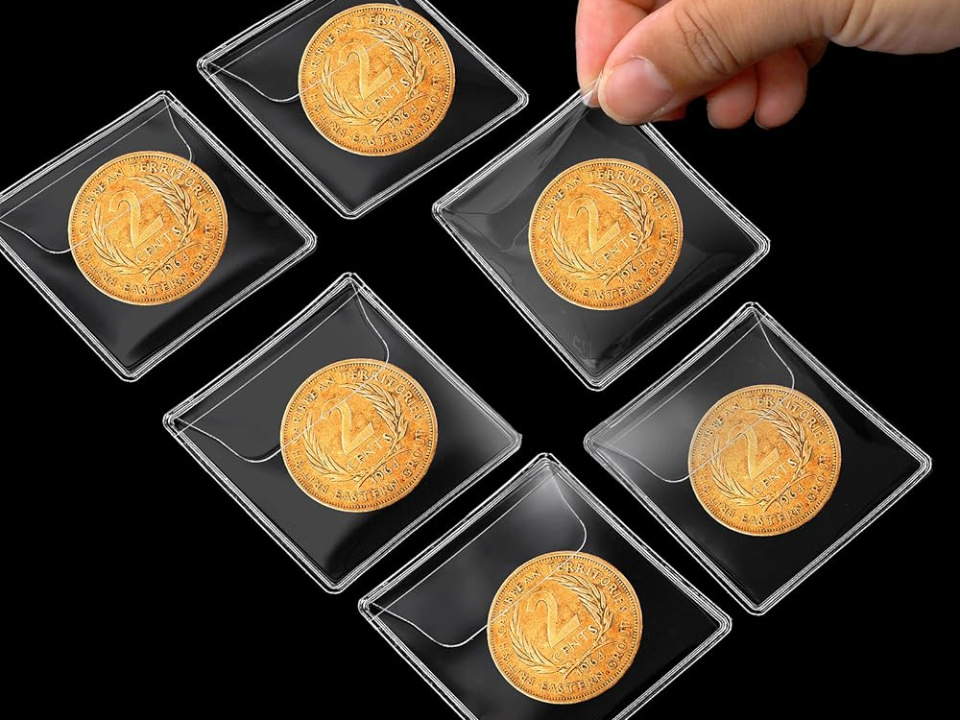
Many collectors unknowingly store coins in soft plastic holders that contain PVC. Over time, this material releases chemicals that leave a green or oily residue on the surface of the coin. This residue slowly eats away at the metal and can permanently stain it. Even coins that look fine at first can develop damage after years of exposure. The process often happens quietly, without obvious warning signs.
PVC damage often starts along the edges and recessed areas where residue collects. Collectors may mistake early signs for natural toning and leave the coin untouched. As time passes, the residue hardens and becomes harder to remove without harming the surface. This type of damage is especially harmful to copper and silver coins.
Keeping Coins in High Humidity Areas
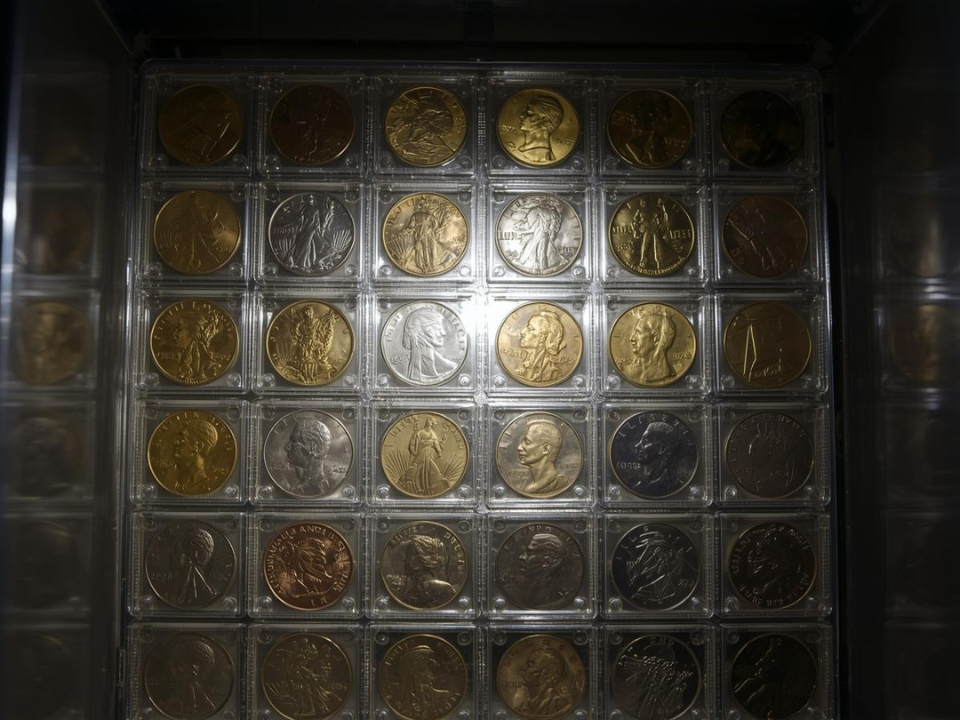
Coins stored in damp spaces face a constant threat from moisture in the air. Humidity speeds up corrosion, especially on copper and silver pieces. Basements, garages, and poorly ventilated rooms are common trouble spots. Even sealed containers can trap moisture inside if conditions are not controlled. Over time, tiny spots can appear and slowly spread across the coin. These marks often worsen and reduce visual appeal. The damage may continue even after the coin is moved to a better place. A dry, stable environment is key for long term storage.
Humidity problems often go unnoticed because the damage develops slowly. Seasonal changes can cause moisture levels to rise without warning. Coins stored near exterior walls are especially at risk. Mold and mildew can even grow on holders or albums in severe cases. Once corrosion begins, it can continue beneath the surface. Collectors may find entire groups of coins affected at once.
Handling Coins Without Gloves
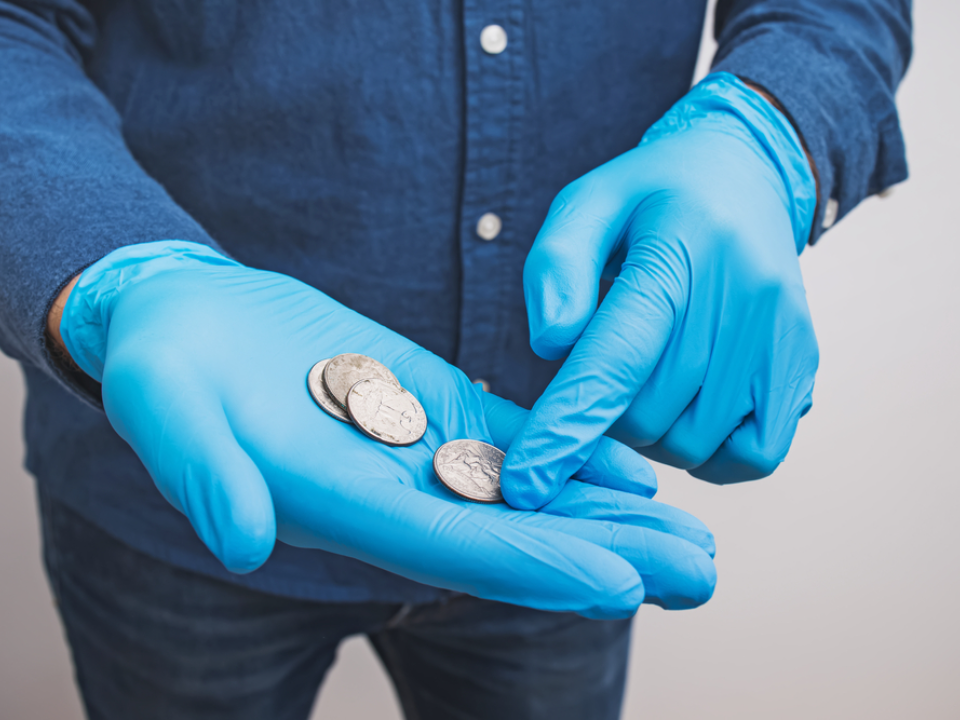
Touching coins with bare hands is one of the most common mistakes collectors make. Skin oils and natural acids transfer easily onto metal surfaces. These substances can cause discoloration and spotting over time. Even brief contact can leave behind marks that slowly worsen. The damage is often uneven and hard to correct. Coins that look clean today may show fingerprints years later.
Fingerprints often appear as dark or cloudy shapes under certain lighting. These marks become more noticeable as the coin ages. Heat and humidity can speed up the reaction between skin oils and metal. Gold coins resist this damage better, but they are not immune. Repeated handling increases the chance of lasting marks.
Stacking Coins Without Protection

Placing coins directly on top of one another can lead to surface damage. Weight and friction cause small scratches and marks. These marks often show up on high points of the coin. Once scratched, a coin cannot return to its original appearance. Even gentle movement can cause rubbing between surfaces. Over time, this adds up to visible wear.
Stacking damage often appears as fine lines or dull patches. These marks may look minor at first but lower appeal. Coins stored loosely can shift during transport or handling. This movement increases friction between surfaces. Softer metals suffer the most from this type of wear. Once multiple coins are affected, losses add up quickly.
Using Paper Envelopes with Acid Content

Some paper envelopes contain acids that react with metal over time. This reaction can leave brown or yellow stains on coins. The problem develops slowly and is easy to miss at first. Coins stored for years in these envelopes often show uneven toning. Once the staining appears, it is hard to remove without harming the surface. Many older collections suffer from this issue due to outdated storage methods.
Paper fibers can also trap moisture against the coin. This creates a poor environment for long term storage. Envelopes stored tightly together limit airflow. Labels written directly on envelopes may bleed through over time. Ink residue can transfer to the coin surface. Even careful handling cannot stop chemical reactions from acidic paper. Replacing envelopes helps slow further damage.
Storing Coins in Direct Sunlight

Exposure to sunlight can cause gradual changes in coin surfaces. Heat from sunlight raises temperatures inside storage containers. This can speed up chemical reactions that affect metal. Some finishes fade or change color when exposed for long periods. Display cases near windows are especially risky. The damage may not be obvious until years later. Once the surface changes, it cannot be reversed. Keeping coins away from light helps preserve their appearance.
Light exposure also increases temperature swings throughout the day. These shifts stress the metal surface repeatedly. Plastic holders may warp or degrade under heat. Even indirect sunlight can cause slow changes. Collectors who display coins often overlook this risk. Over time, entire collections can show uneven aging. Choosing shaded storage areas helps reduce exposure.
Mixing Different Metals in One Container

Different metals can react with each other when stored together. This is especially true in enclosed spaces with limited airflow. Chemical reactions can occur between coins of different compositions. Over time, this leads to spotting or discoloration. The issue becomes worse in humid conditions. Collectors may notice uneven changes that affect only certain coins. Separating metals reduces this risk. Individual storage helps maintain stable conditions.
Copper coins are often the first to show damage in mixed storage. Silver coins may develop dark spots nearby. Even alloys can react in shared spaces. Small changes in moisture increase the reaction rate. Collectors may not connect the damage to storage choices. Once reactions begin, they spread slowly. Sorting by metal helps limit exposure. This simple step protects long term condition.
Cleaning Coins Before Storage
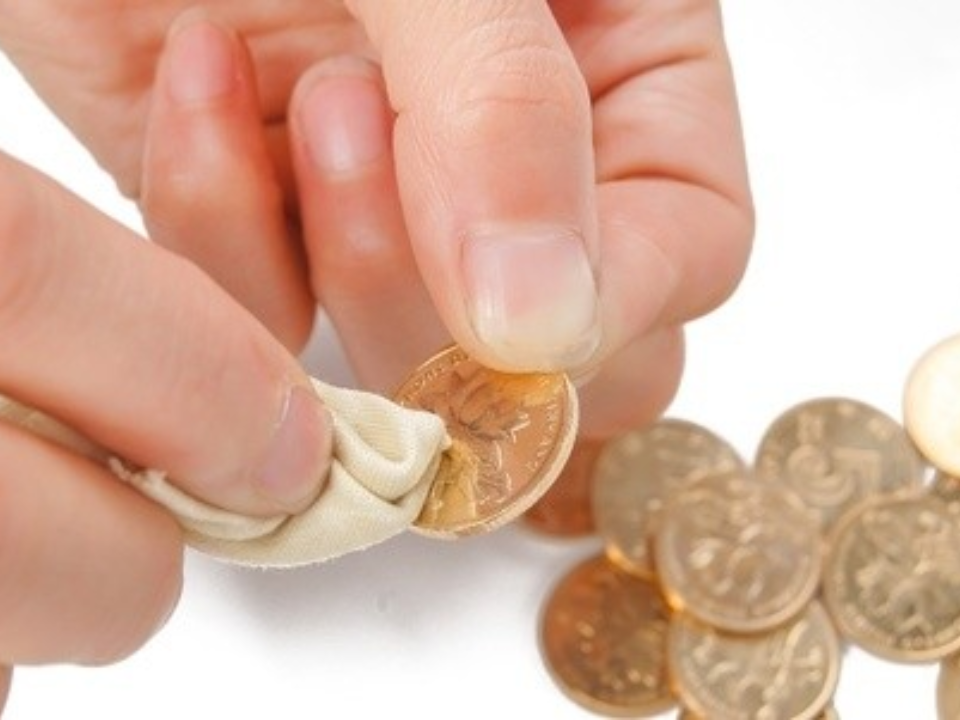
Many collectors believe cleaning coins helps preserve them, but this often causes harm. Cleaning removes natural surface layers that collectors value. Even gentle methods can leave fine scratches. These marks reduce the coin’s appeal and market value. Cleaned coins are often easy to spot by experienced buyers. The damage remains even if the coin is stored correctly afterward. In many cases, doing nothing is safer. Proper storage works better than cleaning.
Residue from cleaning products can also linger on the surface. These residues may react with metal over time. Water spots can form if coins are not dried properly. Repeated cleaning increases surface wear. Older coins are especially vulnerable to damage. Once surface texture changes, it cannot be restored. Learning when not to clean is important. Storage choices matter more than appearance.
Using Tight Containers Without Airflow
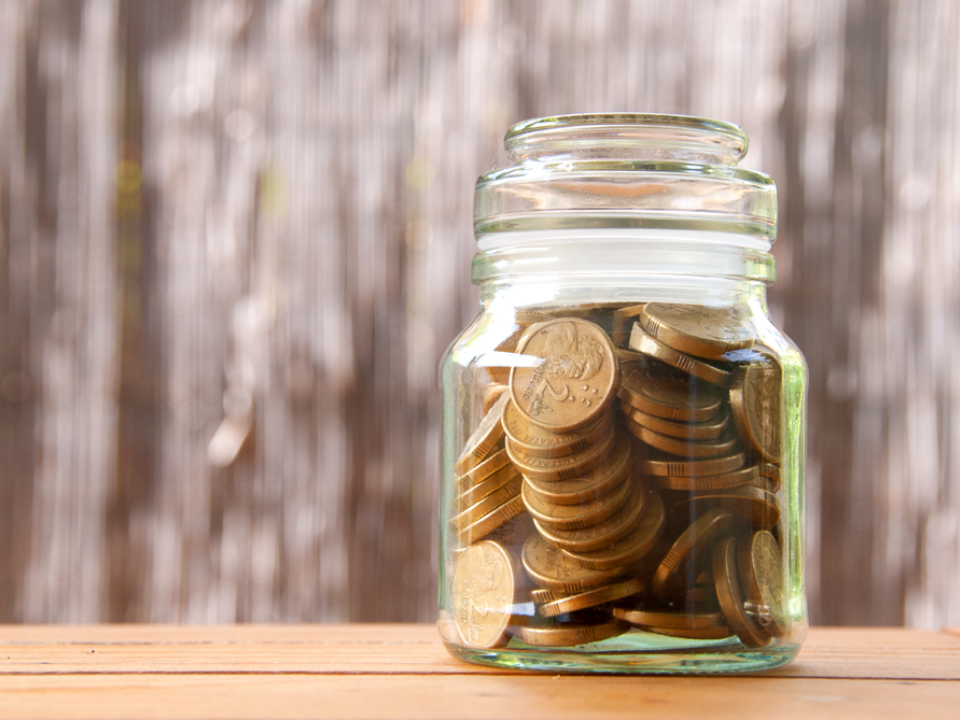
Airtight containers can trap moisture inside if conditions are not ideal. Once moisture is sealed in, it has nowhere to escape. This creates a slow environment for corrosion to develop. Temperature changes can make the problem worse. Condensation may form inside the container without being noticed. Over time, coins may show signs of damage. The issue often surprises collectors who thought airtight meant safe. Balanced storage with controlled airflow can help.
Plastic containers may also release gases over time. These gases can affect coin surfaces in sealed spaces. Without airflow, chemical buildup increases. Collectors often overlook this hidden risk. Opening containers periodically helps release trapped moisture. Storage areas with stable conditions reduce problems. Monitoring containers protects long term value. Thoughtful storage avoids surprises.
Leaving Coins in Old Albums with Worn Slides
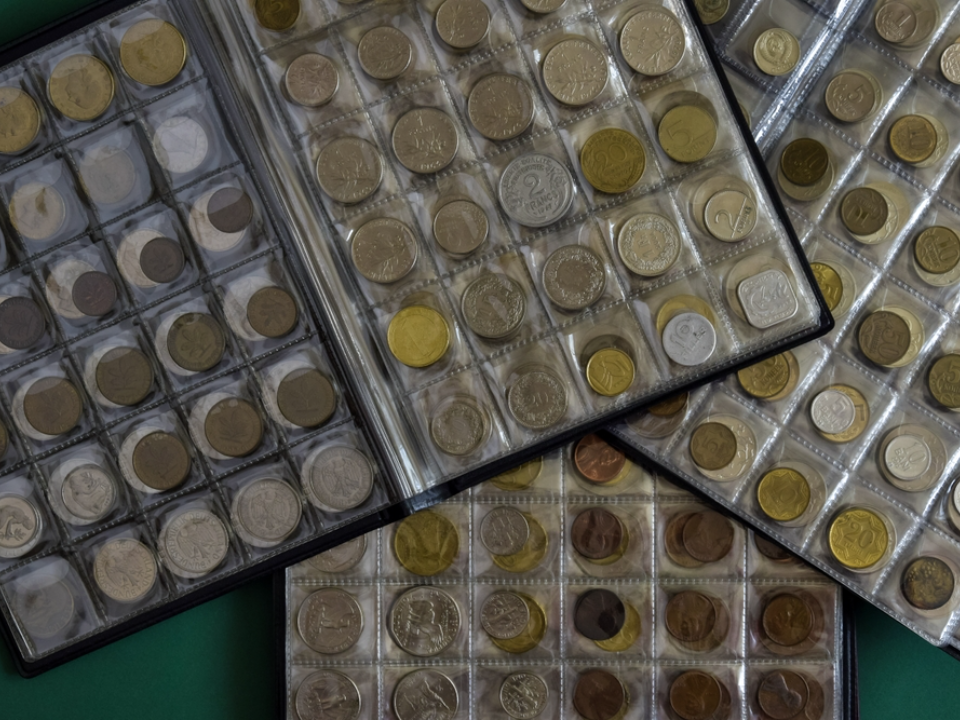
Older coin albums often use slides that scratch surfaces. As slides age, they become stiff or cloudy. Pulling coins in and out can leave fine lines. These marks usually appear on open fields and raised areas. Damage may build slowly and remain unnoticed at first. Over years, repeated contact adds visible wear. Even careful handling cannot fully prevent this issue. Replacing outdated albums helps limit harm.
Dust and debris often collect inside worn slides. Each movement grinds particles against the coin. Softer metals suffer more from this friction. Collectors may keep albums for sentimental reasons. Unfortunately, damage does not pause due to age. Upgrading storage protects both appearance and value. Modern materials offer safer contact surfaces. Small changes make long term care easier.
Failing to Inspect Stored Coins Regularly

Many collectors store coins and forget to check them. Problems often develop quietly over time. Early signs of damage can be subtle and easy to miss. By the time issues become obvious, harm may be advanced. Regular checks help catch changes early. This allows corrective action before damage spreads. Coins left untouched for years face higher risk. Routine inspection supports long term preservation.
Environmental changes can affect storage conditions without warning. A once dry room may become humid over time. Holders can age or degrade quietly. Spotting issues early limits losses. Checking coins does not require handling each piece. Visual checks often reveal warning signs. Awareness prevents small problems from growing. Consistency matters more than frequency.
This article originally appeared on Avocadu.