
10 Coastal Forts And Sea Walls With Big Waves And Open Walkways
The combination of sturdy sea walls and historic coastal forts creates an unforgettable experience. As the waves crash against the rocks below, the walkways provide an ideal spot to take in the view. These fortifications have stood the test of time, offering a glimpse into history while surrounded by the raw power of the sea. With open walkways, you can enjoy the freedom of the outdoors while taking in the dramatic scenery. Visit these fascinating locations to connect with the past and nature in one stunning view.
This post may contain affiliate links, which helps keep this content free. Please read our disclosure for more info.
Fort San Felipe del Morro, Puerto Rico
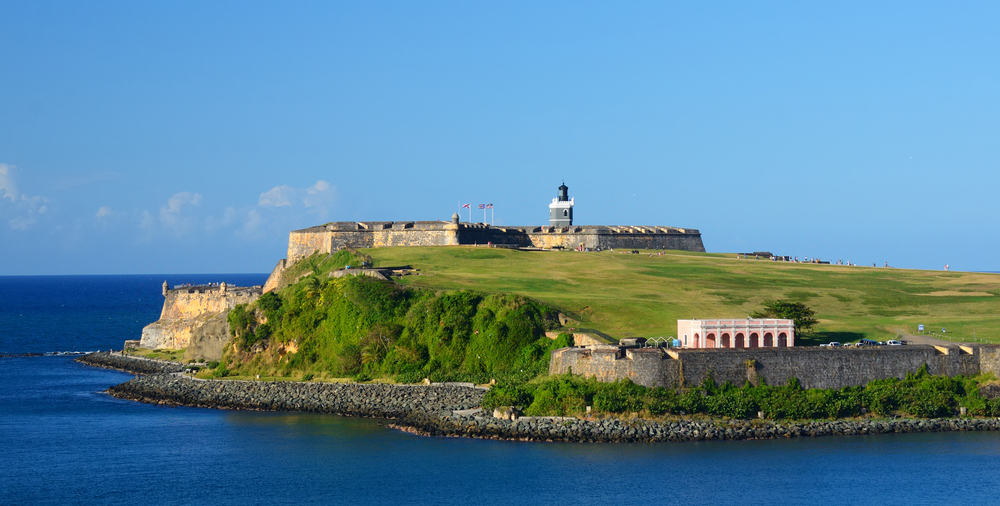
Fort San Felipe del Morro, also known as El Morro, stands guard over the entrance to San Juan Harbor. Built by the Spanish in the 16th century, this fort is a symbol of Puerto Rico’s rich history and resilience. The fort’s open walkways allow visitors to take in panoramic views of the Atlantic Ocean, with waves crashing against the sea walls below. The breezy walk around the fort is an excellent way to connect with the island’s past while enjoying stunning coastal views.
Today, El Morro is a UNESCO World Heritage site and one of the most visited attractions in Puerto Rico. The large outer walls of the fort offer a dramatic backdrop to the powerful ocean waves that hit the shore. As you walk along the paths, you can see the interplay between the fort’s ancient structure and the relentless sea. This site provides both a historical experience and a chance to enjoy nature at its most raw.
Dover Castle, England
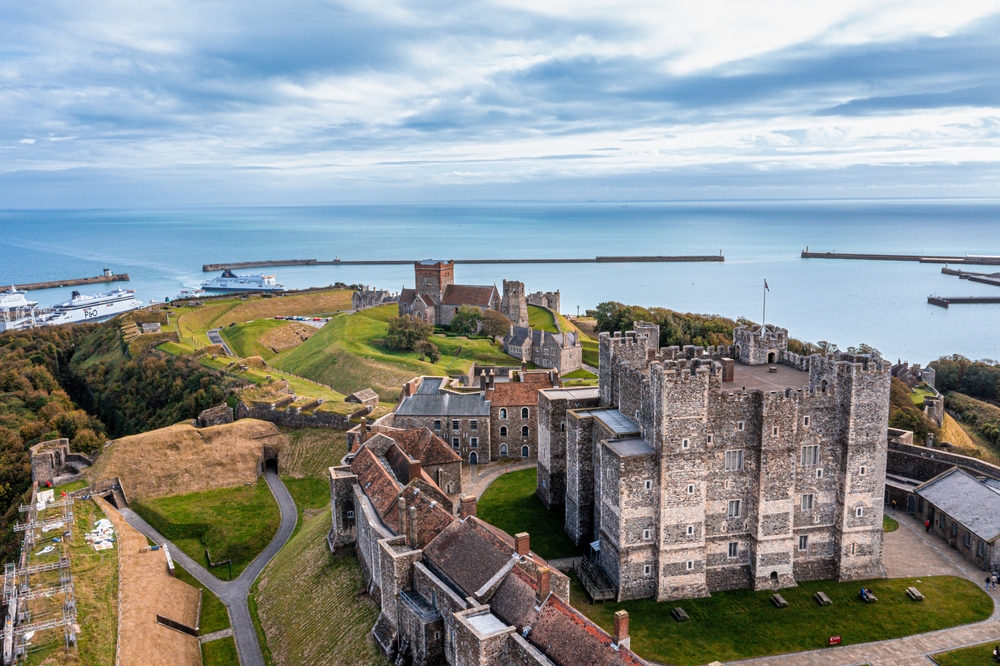
Dover Castle is often referred to as the “Key to England” due to its strategic location overseeing the English Channel. Situated on a massive chalk cliff, the castle offers breathtaking views of both the coast and the powerful waves below. Visitors can explore the open walkways around the castle’s ramparts and feel the full force of the winds and waves that crash against the cliffs. The iconic white cliffs of Dover add to the beauty and significance of this historic site.
This fortress has played a key role in English history, dating back to the time of the Romans. Today, it provides a stunning vista of the sea and coastline, with its walkways offering a unique perspective on the channel. The sound of the waves against the cliffs creates a perfect backdrop to learn about the castle’s rich history. It’s a must-see for both history buffs and nature lovers alike.
Castillo de San Marcos, Florida, USA
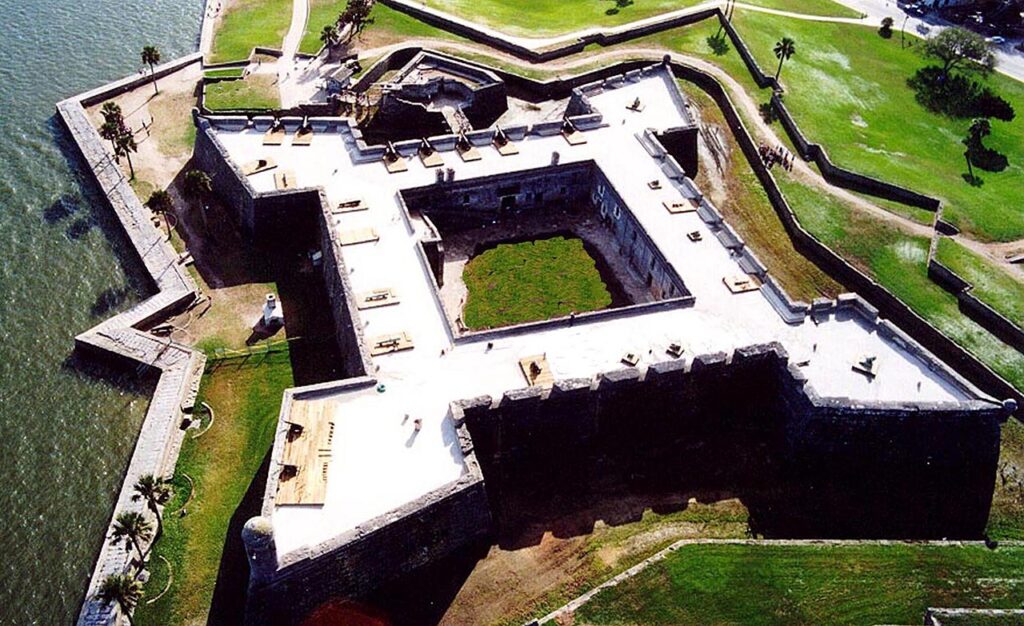
Castillo de San Marcos in St. Augustine is the oldest masonry fort in the continental United States, dating back to the late 1600s. The fort’s design reflects its purpose to withstand attacks from the sea, and its walls are still standing strong today. The walkways on the fort’s perimeter provide stunning views of the Atlantic Ocean and the inlet, with waves crashing against the coast. Visitors can walk along the fort’s ramparts and enjoy the ocean breeze while learning about its military history.
This fort is a well-preserved piece of American history, showcasing the Spanish colonial era in Florida. The sea walls were originally constructed to protect the city from pirate raids and foreign attacks. Now, the fort is a popular tourist destination where visitors can enjoy the natural beauty of the coastline while exploring the historic structure. The open walkways are perfect for taking in the expansive views of the Atlantic’s mighty waves.
Fort La Latte, France
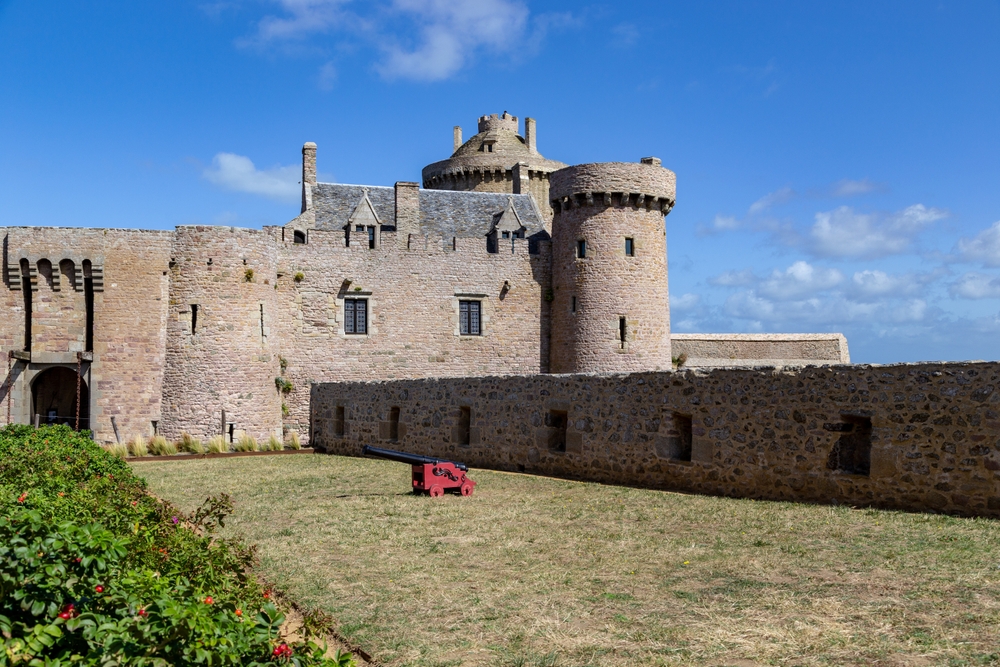
Located on the rugged coast of Brittany, Fort La Latte is perched on a cliff overlooking the English Channel. This 14th-century fortress is a popular landmark, offering panoramic views of the sea and surrounding coastline. The open walkways around the fort provide a sense of adventure as visitors are exposed to the strong sea winds and the sight of the waves crashing against the rocks below. The fort itself is well-preserved and a perfect example of medieval military architecture.
The location of Fort La Latte has strategic importance, as it was built to defend the coastline from invaders. Over the centuries, the fort has been used for various purposes, including as a refuge during wartime. Today, it’s a popular spot for tourists who want to experience history while taking in the beautiful coastal scenery. The combination of ancient stone walls and the natural beauty of the sea creates an unforgettable experience.
Fort National, Saint-Malo, France
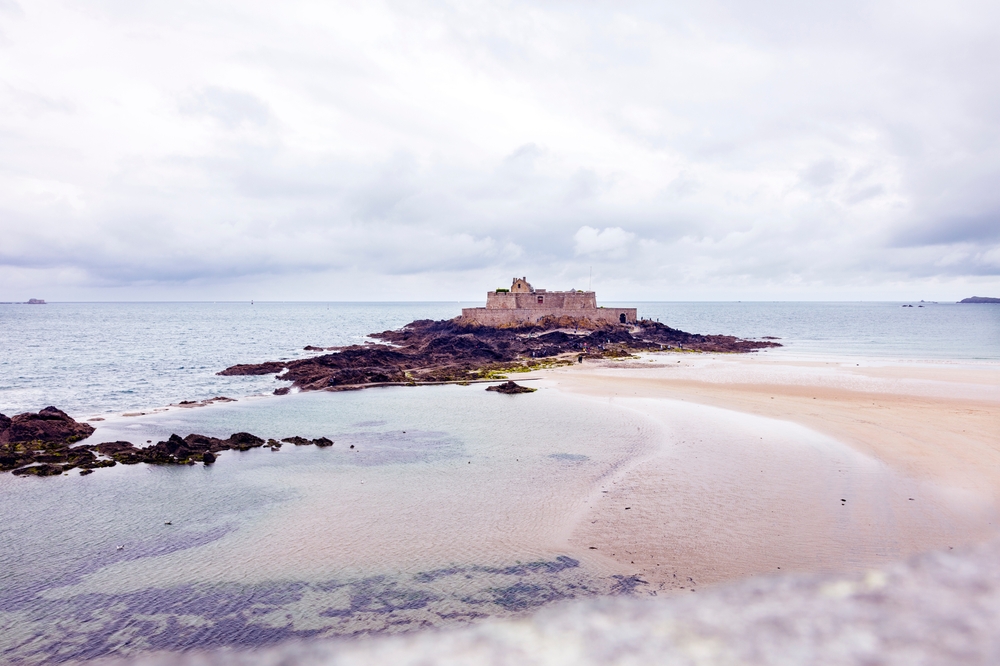
Fort National is a historic fortress located just off the coast of Saint-Malo, France. The fort was built in the late 1600s to protect the city from sea attacks and is surrounded by the powerful waves of the Atlantic Ocean. The open walkways on the fort’s ramparts offer visitors incredible views of the ocean and the surrounding coastline. As the waves crash against the rocks, it’s easy to imagine the fort’s original purpose of defending the coast.
Saint-Malo’s rich maritime history is reflected in the fort’s architecture and location. Today, the fort is accessible during low tide, and visitors can walk across a causeway to reach it. Once on the fort, you can explore the well-preserved structure and learn about its role in defending the city. The views from the ramparts are some of the best in the region, offering a mix of history and natural beauty.
Fort Saint Elmo, Malta
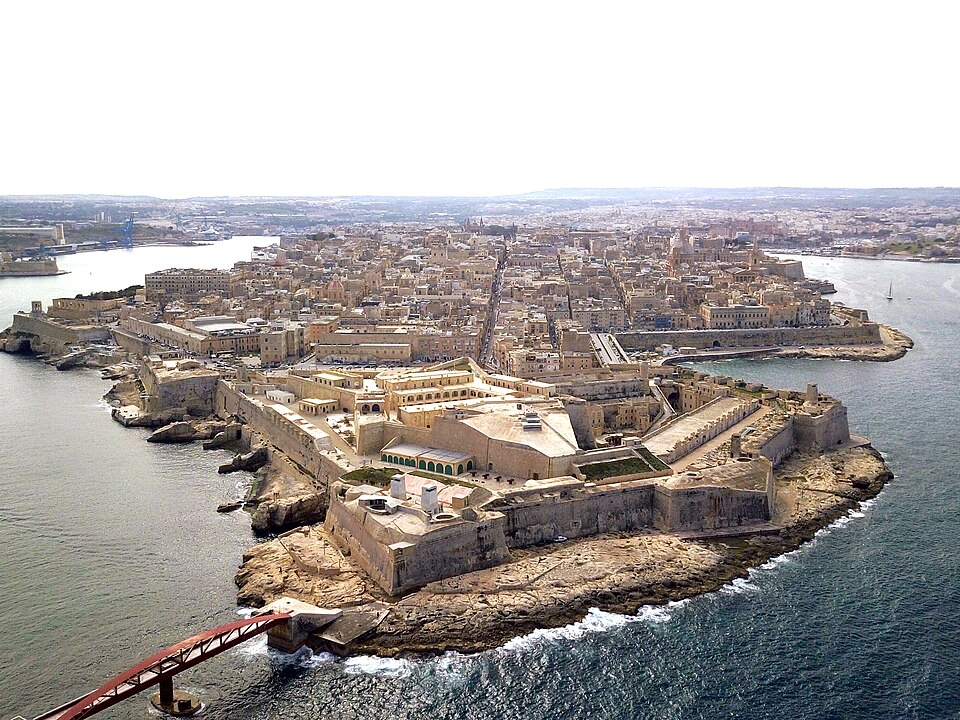
Fort Saint Elmo is a star-shaped fort located in the heart of Valletta, Malta. Built in the 16th century by the Knights of St. John, the fort played a crucial role in the Great Siege of 1565. Visitors can walk along the fort’s walls and enjoy stunning views of the Mediterranean Sea. The open walkways provide a perfect spot to take in the sight of the waves crashing against the rocky shoreline.
Today, Fort Saint Elmo is a UNESCO World Heritage site, and its impressive structure still stands as a testament to Malta’s military history. The fort offers a mix of historical exploration and natural beauty, making it a must-see for anyone visiting Valletta. The sea breeze and sound of the waves create a relaxing atmosphere for those exploring the fort’s historic sites. This location is perfect for anyone interested in history and stunning coastal views.
Fort De Soto Park, Florida, USA
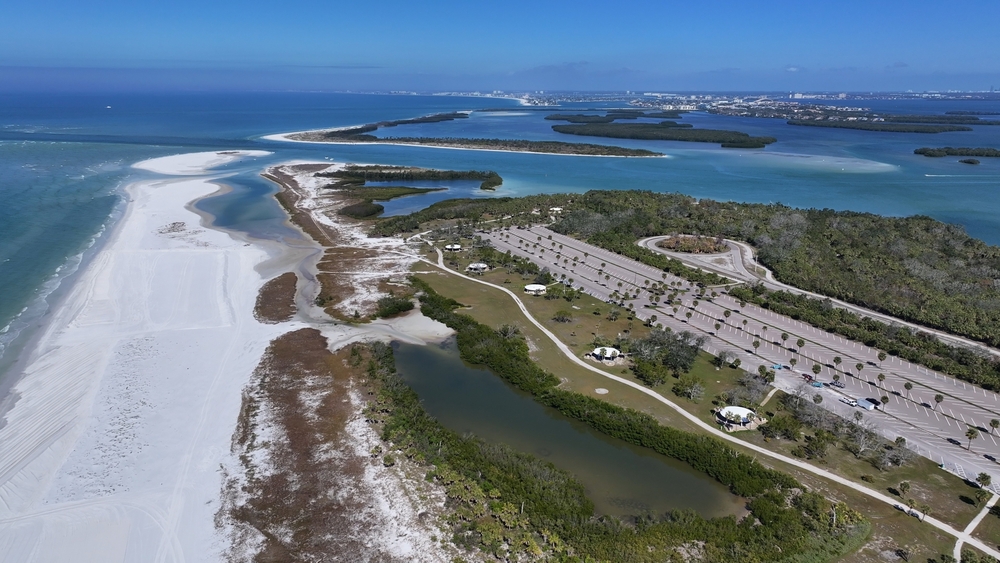
Located at the southern tip of Pinellas County, Fort De Soto Park is a popular beach destination with a rich history. The fort was built during the Spanish-American War to protect Tampa Bay, and its historic structures remain open for exploration today. Visitors can walk along the fort’s open walkways and enjoy views of the Gulf of Mexico and the surrounding beaches. The waves here are often gentle, making it a peaceful place to take in the natural beauty of Florida’s coastline.
The fort is part of a larger park that includes hiking trails, picnic areas, and even a dog park. It’s a great place to spend the day exploring both the natural and historical aspects of the area. The park’s beaches are perfect for swimming and sunbathing, and the fort offers a glimpse into the past. The open walkways provide excellent vantage points for watching the waves roll in or spotting local wildlife.
La Rochelle Sea Wall, France
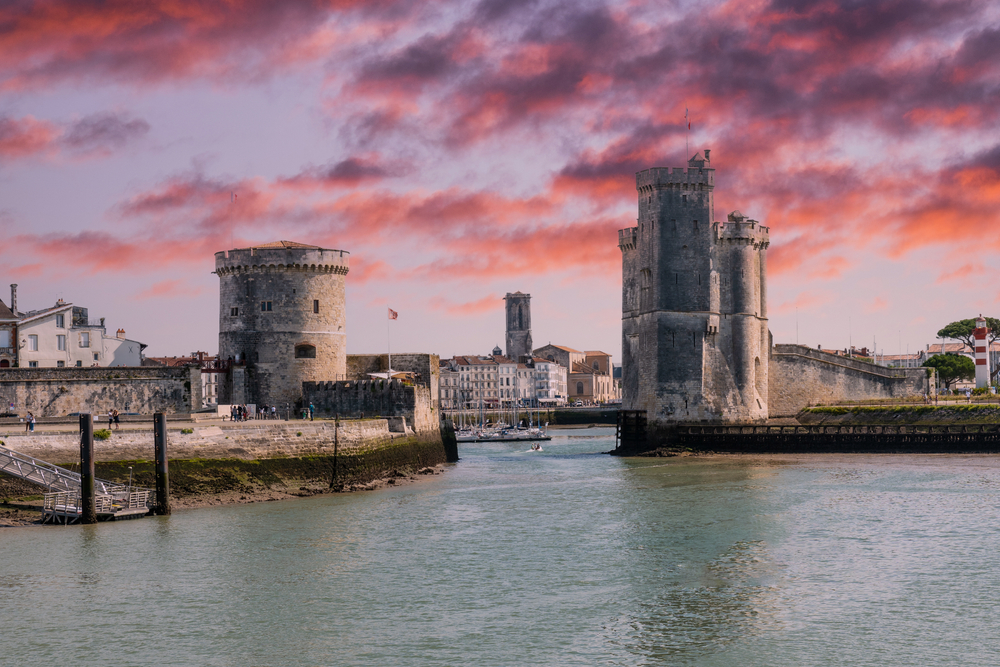
La Rochelle is a historic port city on the Atlantic coast of France, known for its impressive sea walls and medieval architecture. The city’s sea wall stretches along the harbor and provides stunning views of the ocean and the city’s iconic towers. As visitors walk along the open paths, they can feel the sea breeze and watch the waves crash against the shore. The city’s rich maritime history is reflected in the sea wall’s structure, which has protected the harbor for centuries.
The city is a popular destination for those interested in both history and the sea, offering a unique blend of natural beauty and historical significance. Visitors can explore the old town, visit the museums, and walk along the sea wall, which offers some of the best views of the Atlantic. The gentle sound of the waves and the sight of the boats in the harbor add to the charm of this coastal city. It’s a perfect place to enjoy both the past and present of France’s maritime heritage.
Fort Bovisand, England
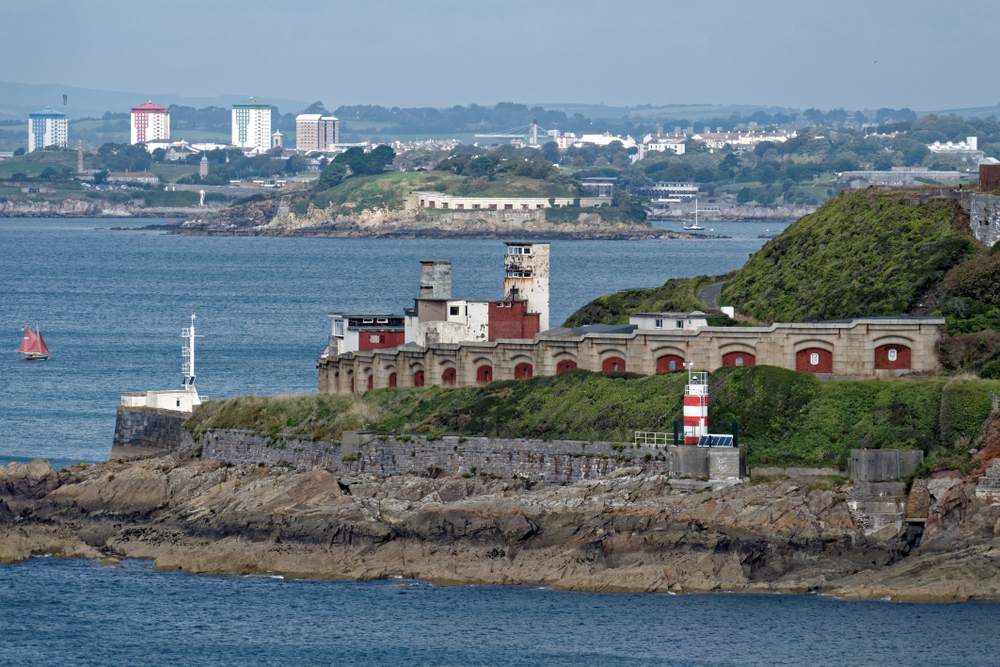
Fort Bovisand, located on the southern coast of Devon, England, is a small but significant coastal fort built in the early 1800s. The fort was designed to protect Plymouth Sound from potential naval threats. Today, it stands as a quiet and picturesque spot for visitors to enjoy the sea views and the dramatic cliffs that surround it. The walkways around the fort provide excellent views of the waves crashing against the coastline.
While the fort itself is small, its location makes it a perfect spot for a peaceful walk by the sea. Visitors can explore the surrounding area, which includes a small beach and rugged coastline. The area is less crowded than some of England’s larger forts, offering a more relaxed experience. The fort’s proximity to the water makes it an excellent spot for both historical exploration and nature appreciation.
Fort São João, Brazil
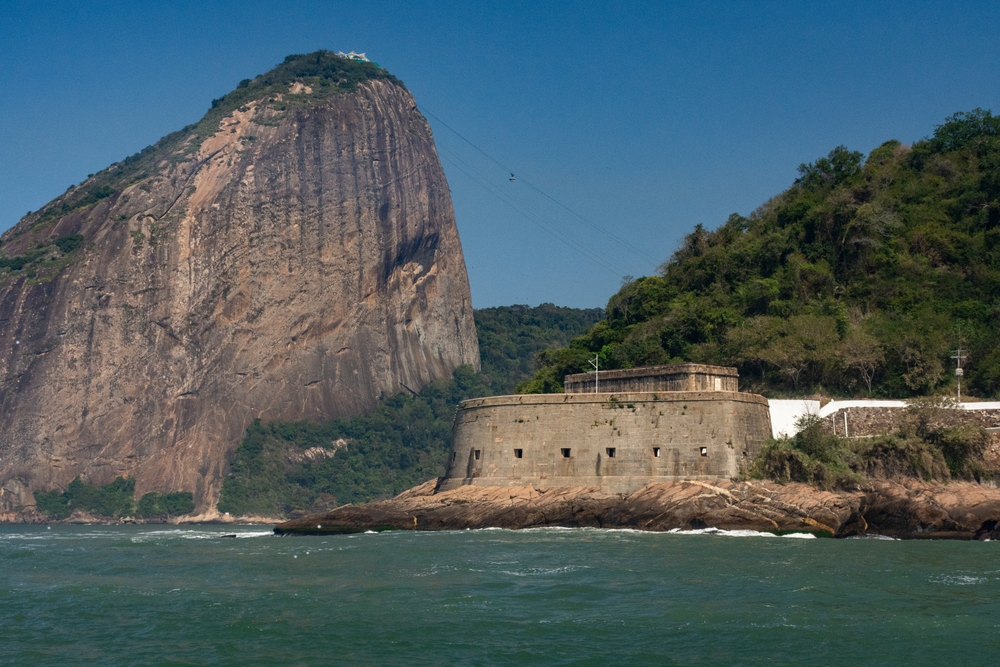
Fort São João is a historical fortress located in the beautiful city of Niterói, Brazil. Built in the 16th century by the Portuguese, the fort was designed to defend Guanabara Bay from invaders. Today, it offers visitors open walkways with panoramic views of the bay and the waves crashing against the rocks. The fort is a popular spot for both history enthusiasts and nature lovers looking to experience the stunning coastal scenery.
The fort is one of the oldest military structures in Brazil and remains an important landmark in Niterói. Visitors can explore the fort’s preserved walls and enjoy the surrounding natural beauty. The open walkways offer excellent views of the bay, making it a great place for photography or simply relaxing by the water. Fort São João provides both a historical perspective and a serene environment, making it a must-visit destination in the region.
This article originally appeared on Avocadu.