
14 Classic TV Episodes That Changed How Stories Were Told
Some TV episodes stick with you because they made storytelling feel new. A single hour can change how a show uses time, point of view, or even silence. From there, the ripple spreads across genres and decades. If you love noticing why a scene hits the way it does, you are in the right place.
This post may contain affiliate links, which helps keep this content free. Please read our disclosure for more info.
I Love Lucy ‘Lucy Does a TV Commercial’
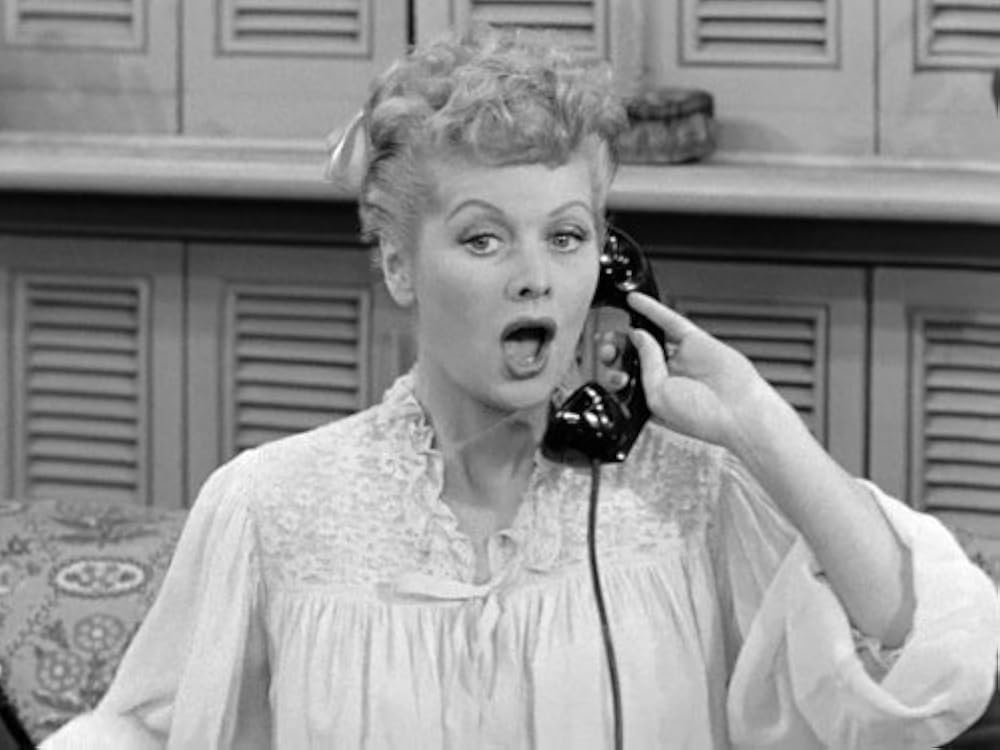
This 1952 episode turns a simple job into a full comedy engine. Lucy tries to film a live commercial and slowly loses control after tasting the product on camera. The humor is built around timing, repetition, and the pressure of performing in one take. It showed how a sitcom could treat a single situation like a tight little story with rising stakes.
Later comedies copied its rhythm and its clean setup and payoff. The episode also helped prove how well physical comedy could work inside a living room-style set. It is still a go-to example of how to pace a scene so each beat lands harder than the last. If you want to see the roots of the modern sitcom, this is a great place to start.
The Twilight Zone ‘Time Enough at Last’
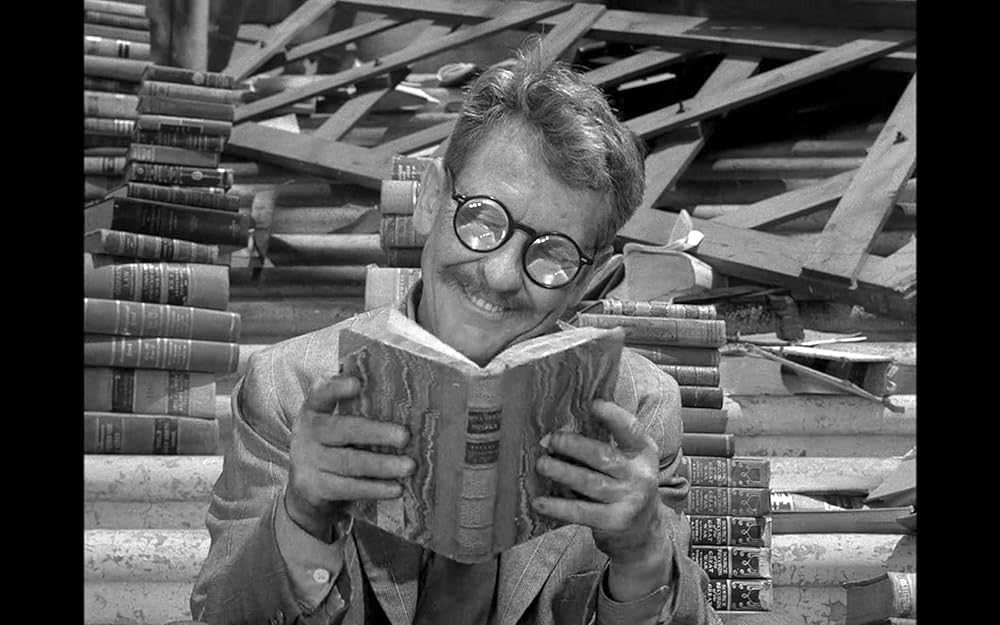
This 1959 episode takes a quiet character study and ends it with a gut punch. Henry Bemis wants time to read, yet life keeps interrupting him at home and at work. When catastrophe finally gives him endless silence, the story flips into a cruel twist. It helped make the twist ending feel like a complete narrative tool rather than a simple trick.
The episode also showed how science fiction could be small and personal instead of focused on gadgets. Its structure is tight, with clear setups that pay off in the final seconds. Many later anthology shows borrowed this kind of moral snapshot storytelling. Watch it for how carefully it plants details that matter later.
Star Trek ‘The City on the Edge of Forever’
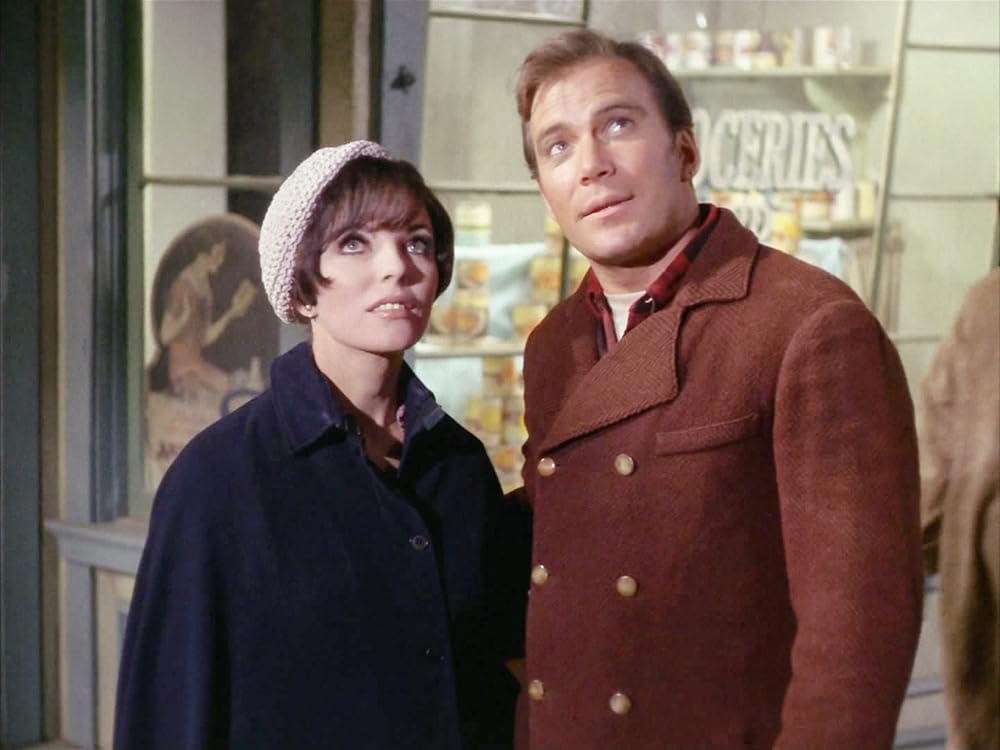
This 1967 episode blends time travel with a tragic romantic choice. Kirk and Spock chase a mistake into the past and find a woman whose survival would change history. The tension comes from knowing what must happen while still hoping it will not. It proved that a genre series could deliver real emotional weight without dropping its bigger ideas.
Writers often point to it as a model for character-driven science fiction. It uses the past as a mirror that reveals who the crew really is. The ending lands because the episode earns it through quiet scenes, not speeches. If you like stories about duty versus love, this one still hits hard.
All in the Family ‘Sammy’s Visit’
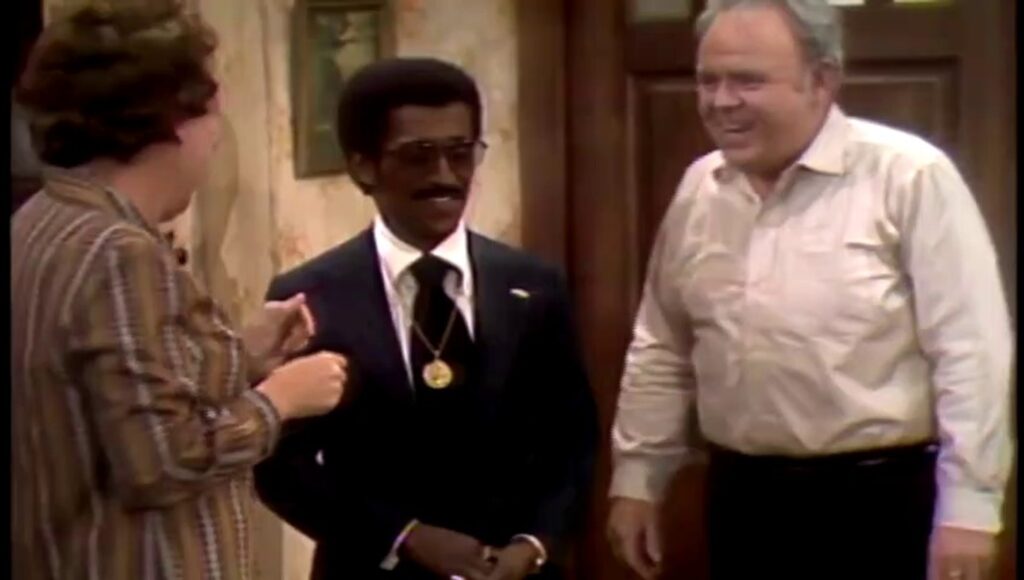
This 1972 episode put a hot topic right in the middle of a normal living room conversation. Sammy Davis Jr. stops by, and Archie’s discomfort becomes the point rather than a side joke. The story uses comedy to expose prejudice in a way audiences could not ignore. It showed that a sitcom could take on social issues while still feeling like family life.
The episode also played with celebrity in a smart way by making the guest matter to the theme. Reactions, pauses, and small comments carry as much meaning as the big punchlines. Later shows learned they could tackle hard subjects without turning into lectures. It remains a key moment in how TV mixed laughs with real tension.
MASH ‘Abyssinia, Henry’
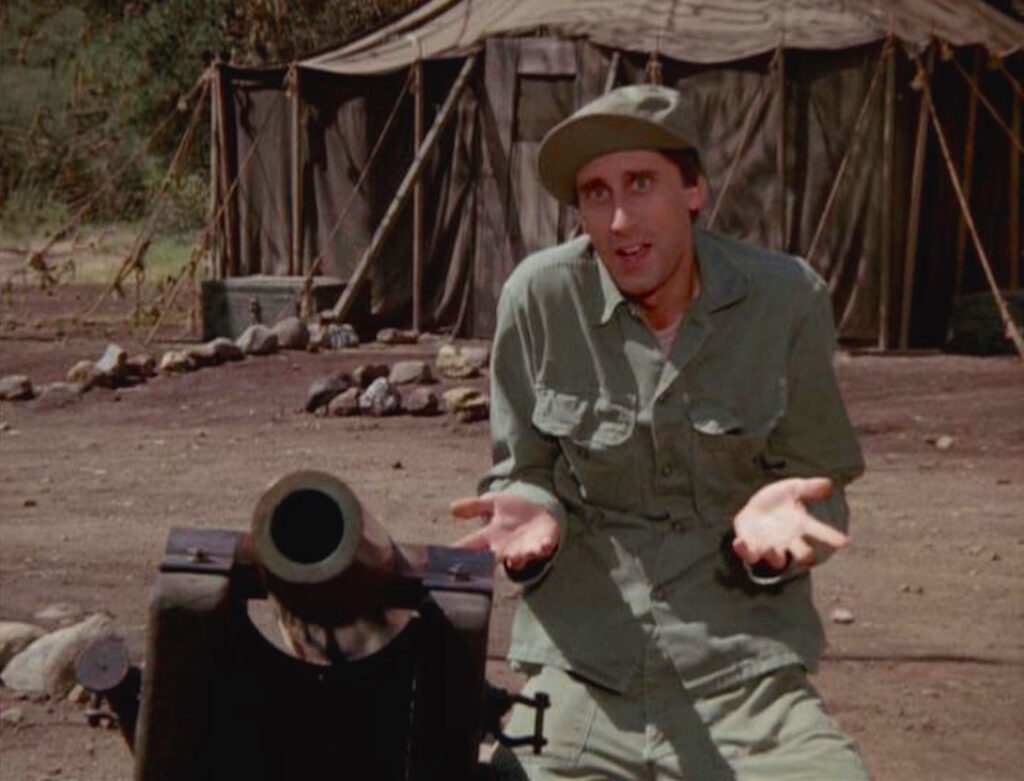
This 1975 episode changed what viewers expected from a comedy series. It starts like a normal day at the camp and then ends with news that cuts through the jokes. The shock works because the episode refuses to prepare the audience with obvious signals. It proved that long-running characters could face consequences that did not reset next week.
After it aired, more series took risks with permanent change. The final scene is famous for how simple it is and how little it explains. The writing trusts viewers to feel the loss without being guided step by step. If you want to see a turning point for tone in television, this is it.
Roots ‘Part 1’

The first part of Roots aired in 1977 and treated history like a national event. It follows Kunta Kinte’s life with a seriousness that held viewers close. The storytelling is direct, painful, and personal, which made the scale feel human. It showed how a mini series could carry the weight of a novel and still keep viewers glued to the screen.
Its success helped open the door for more ambitious limited series storytelling. The episode also pushed networks to treat consecutive nights of TV like one long narrative. Later historical dramas borrowed its mix of intimacy and scope. Watching it now still explains why the format matters.
Hill Street Blues ‘Hill Street Station’
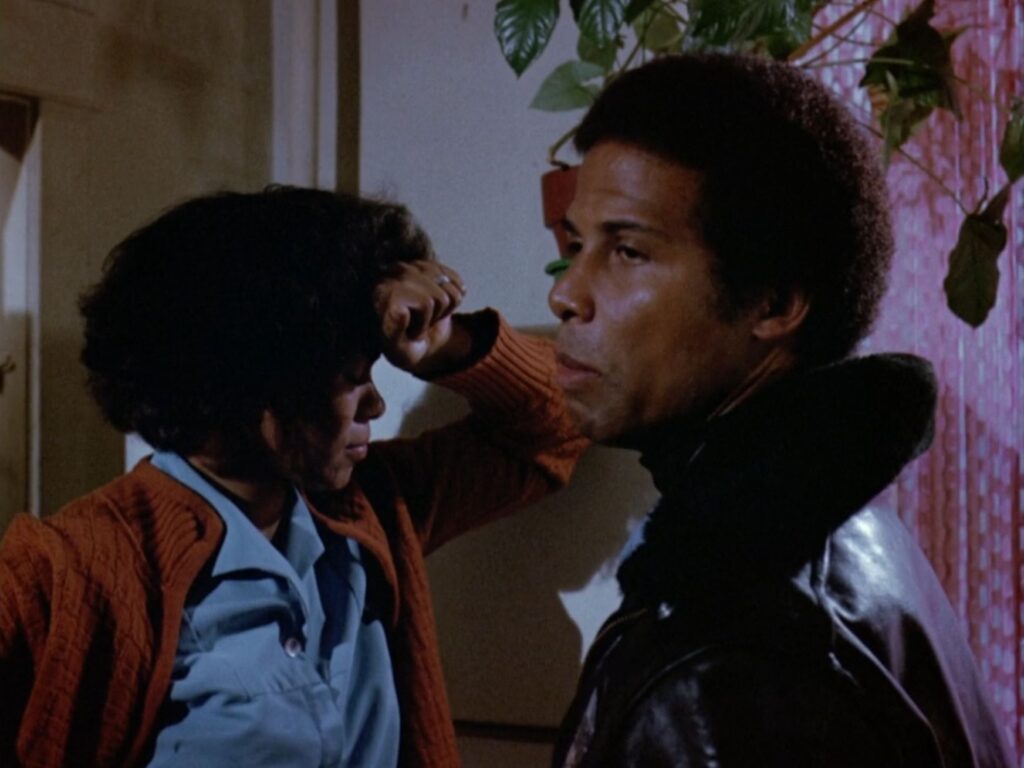
This 1981 opening episode throws viewers into a busy world with little hand-holding. Scenes overlap, stories run in parallel, and the station feels like a place that exists beyond the camera. Instead of one clear plot, it offers many at once and lets you catch up as you go. That approach helped change how drama could look and move.
The episode made ensemble storytelling feel modern and lived in. It also popularized a documentary-like style that many police dramas later copied. You get the sense that every character has a life off-screen. If you like shows with many threads at once, this is a major starting point.
St Elsewhere ‘The Last One’
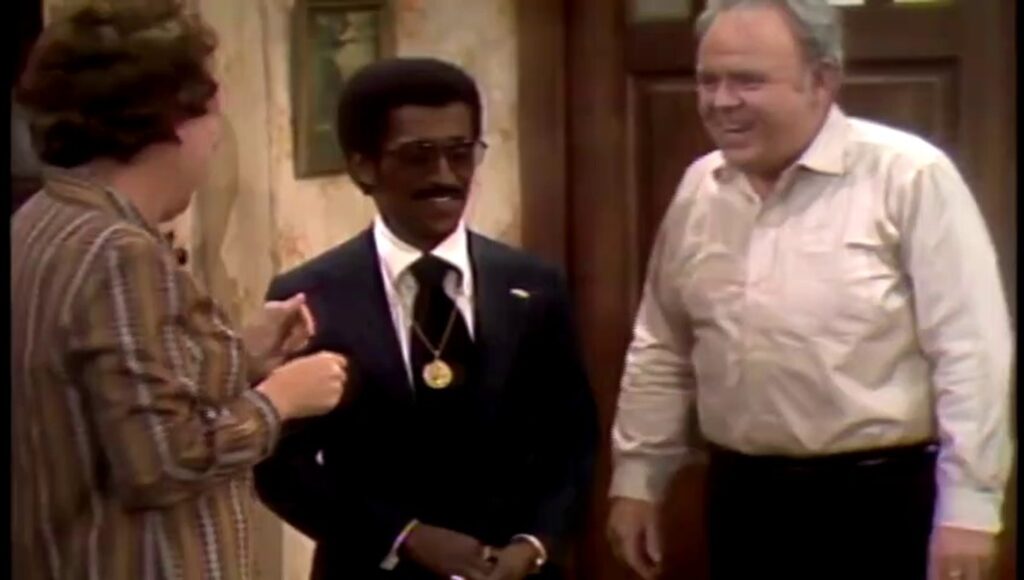
This 1988 finale is remembered for a closing idea that reframed the entire series. The episode plays out like a normal conclusion and then delivers a final reveal that changes how you read everything. It takes the idea of perspective and pushes it to an extreme. That kind of ending became a reference point for later series that wanted to leave viewers debating.
It also raised questions about what counts as reality inside a show. People still argue about the meaning and the intent, which is part of why it lasts. The finale showed that a last scene could shift the whole memory of a series. If you enjoy endings that invite discussion, this one is essential.
Twin Peaks ‘Northwest Passage’
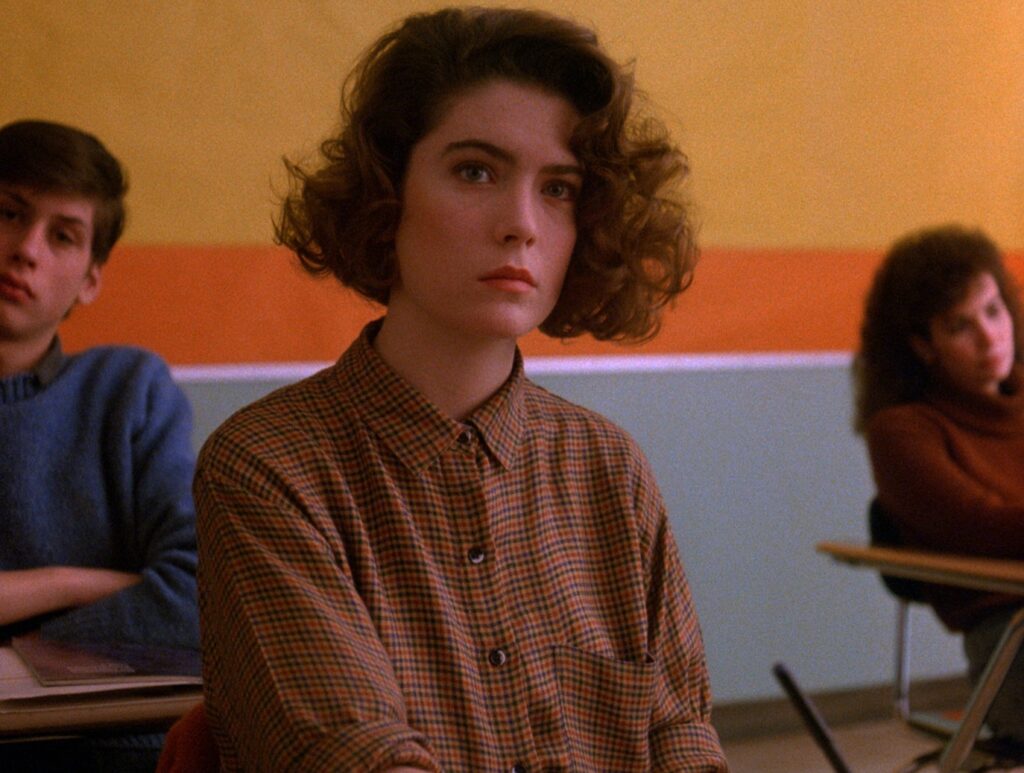
This 1989 premiere makes a murder mystery feel strange, funny, and unsettling all at once. The town is full of secrets, and the tone shifts from soap opera to horror without warning. Instead of racing to answers, it lingers on mood and character. That approach made TV feel more like an art film without losing its cliffhanger pull.
The episode also treats style as part of the story. Music, lighting, and silence do as much work as the dialogue. Many later dramas used its example to take bigger tonal swings. If you want to see where modern prestige TV took a big step forward, start here.
Seinfeld ‘The Chinese Restaurant’
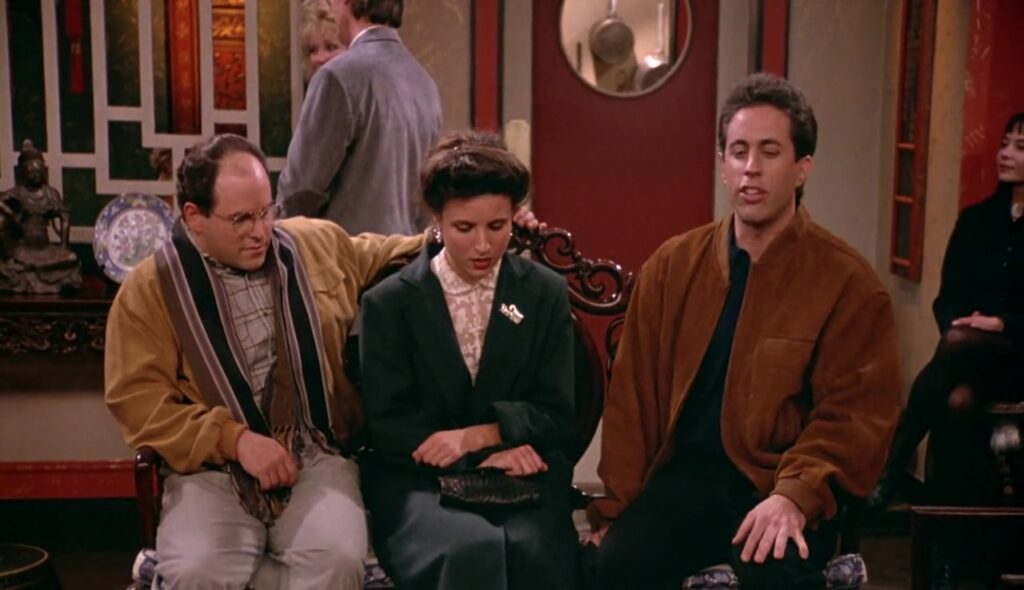
This 1991 episode does something simple and makes it the whole plot. Jerry, George, and Elaine wait for a table, and that is almost all that happens. The humor comes from tiny frustrations that keep piling up in real time. It showed that a sitcom could ignore big events and still stay gripping.
Its structure influenced many later bottle episodes. The writing treats a small space like a stage where character flaws show themselves. Because there is no easy escape, every line matters. If you like comedy built from everyday annoyance, this episode explains the appeal.
The X-Files ‘Clyde Bruckman’s Final Repose’
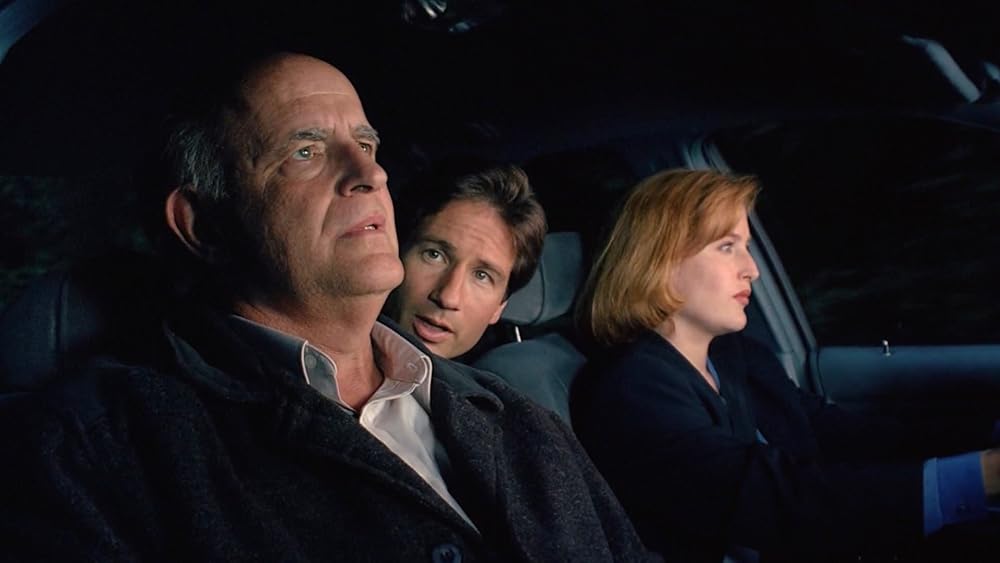
This 1995 episode mixes mystery with sadness in a way that feels fresh. A man who can see how people will die becomes the center of the case, and the tone stays gentle even when the subject is grim. The story plays with fate while still feeling grounded in character. It showed that a genre show could step outside its usual rhythm and still fit.
The episode also lets humor sit beside real loss without breaking the mood. Its ending stays with viewers because it is quiet and personal. Many later series used this kind of one off story to deepen their worlds. If you want an episode that feels like a short film inside a series, this is the one.
Buffy the Vampire Slayer ‘The Body’
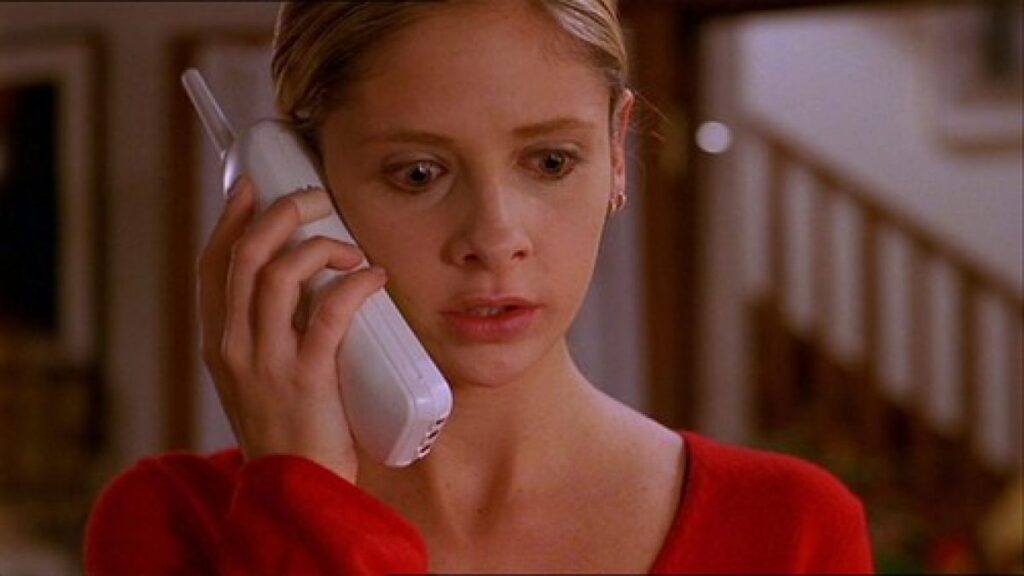
This 2001 episode uses form to reflect grief. It avoids background music for long stretches and lets silence carry the shock. Scenes feel immediate, almost like you are in the room with the characters. The horror here is ordinary life, and that choice changed the way many shows handled loss.
The episode is often studied for how it controls sound and pacing. It shows how a series known for monsters could tell a raw human story without hiding behind metaphors. The writing focuses on small details like phone calls and waiting for help. If you want to see a TV use technique to match emotion, watch this one.
The Sopranos ‘College’
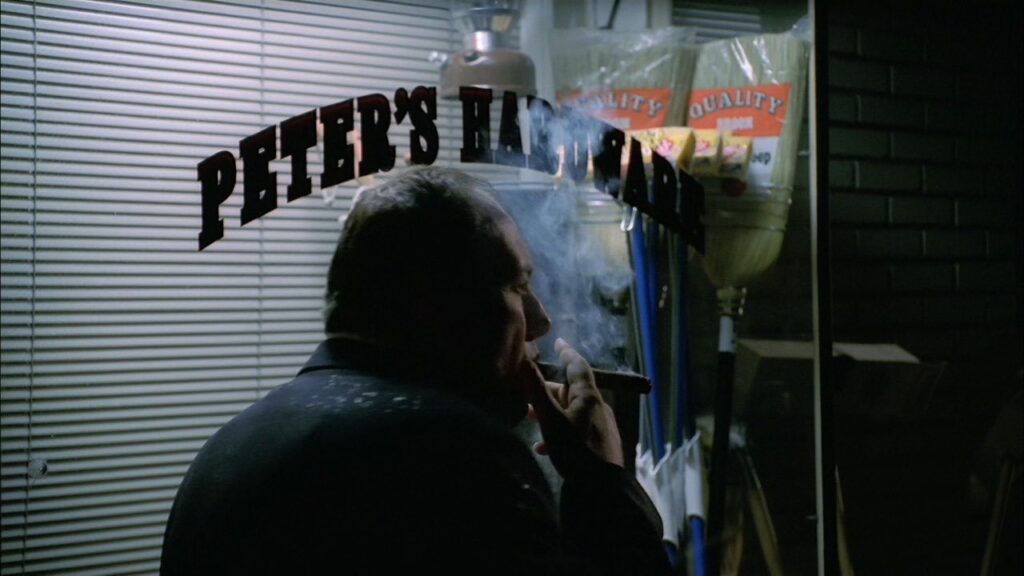
This 1999 episode pushed TV into a new kind of moral complexity. Tony takes a college trip with his daughter and also deals with unfinished business nearby. The story cuts between family time and violence, forcing you to hold both in your mind. It helped make the antihero style drama feel mainstream and seriously discussed.
The episode also makes everyday scenes feel tense because of what you know about Tony. It does not try to excuse him, yet it shows how he compartmentalizes his life. Later dramas followed this path of placing dark choices next to normal routines. If you want to see a major shift in TV character writing, start here.
Lost ‘Pilot’
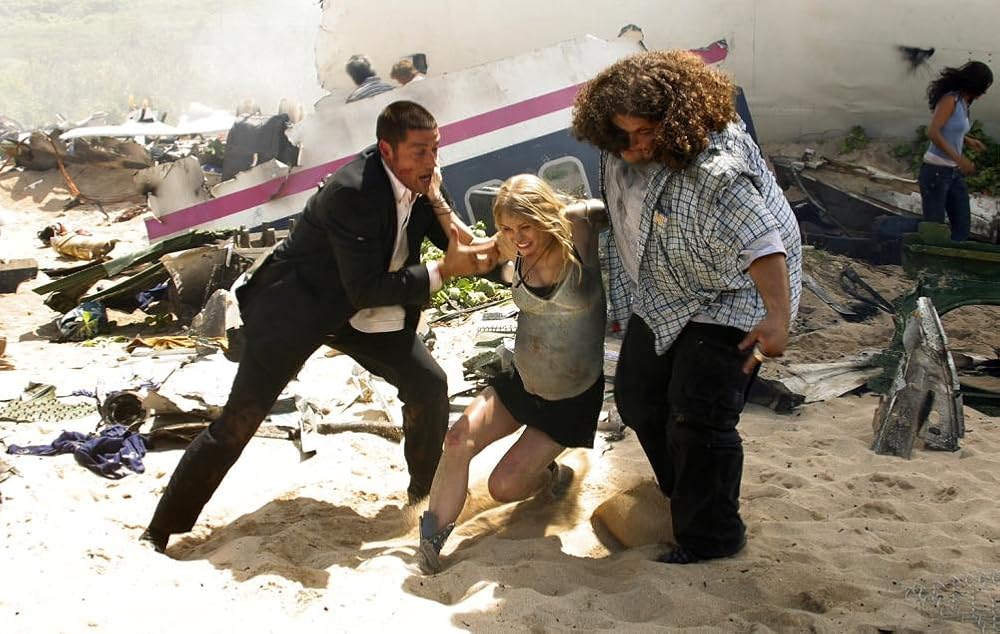
This 2004 premiere treats a network drama like a big-screen event. It starts with chaos, pulls you into several characters at once, and quickly hints at mysteries beneath the surface. The episode uses flashbacks to build empathy while keeping the present-day plot moving. It made long-running mystery arcs feel like appointment viewing again.
After it aired, more shows leaned into season-long questions and deeper lore. The scale of the production also raised expectations for what weekly TV could look like. It works because it balances emotion with unanswered questions. If you enjoy puzzles that are tied to character stories, this is a landmark episode.
This article originally appeared on Avocadu.