
13 Classic Car Parts That Are Weirdly Valuable Now
You might not expect some classic car parts to be worth a significant amount, but a lot has changed over the years. As certain parts become more difficult to find, their value increases. Enthusiasts and collectors are often willing to pay top dollar for pieces that were once common. It’s fascinating to think about how some components, once taken for granted, now hold such value. If you’re in the market for classic car parts, it’s worth checking out what’s in demand these days.
This post may contain affiliate links, which helps keep this content free. Please read our disclosure for more info.
Original mechanical fuel pump
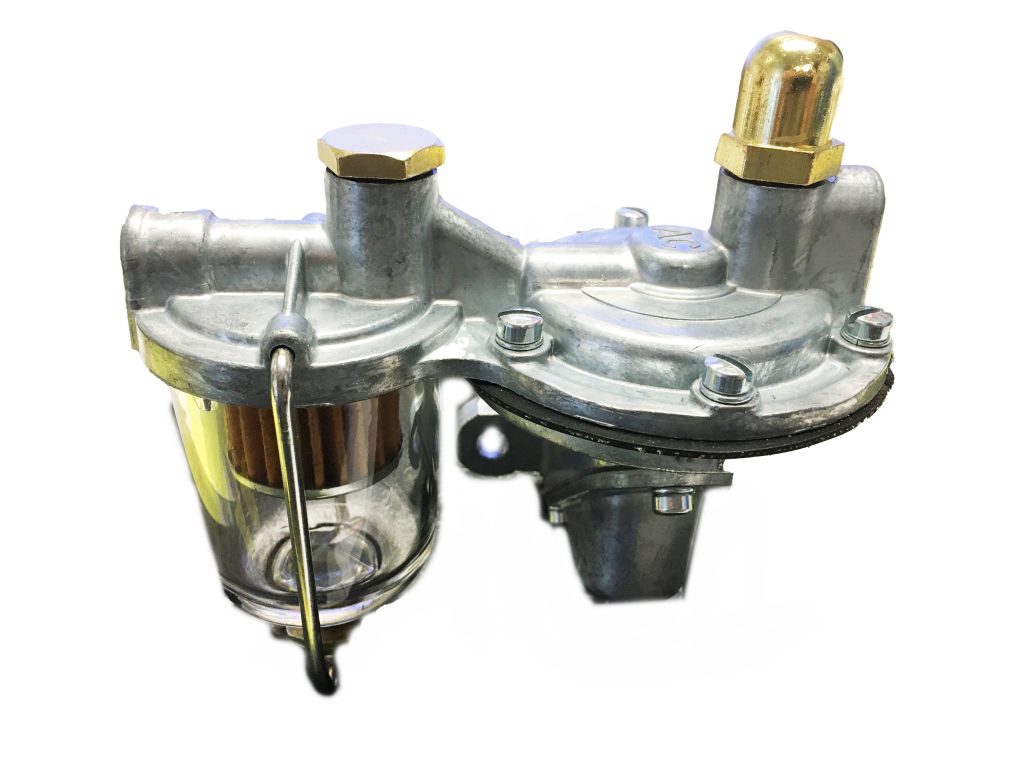
Mechanical fuel pumps were commonly used in cars from the 1950s through the 1970s. These pumps used engine vacuum to pull fuel from the tank to the carburetor, ensuring a steady flow of fuel to the engine. Over time, these pumps were often replaced by electric versions, making original mechanical pumps hard to find. Depending on their condition, these pumps can be worth between $150 and $300. For vintage car restorations, having the original pump is crucial for maintaining authenticity and original performance. For example, a mechanical fuel pump from a 1967 Chevrolet Camaro, if in good condition, is highly sought after by collectors.
In classic cars, the fuel pump’s role is vital to ensure smooth engine operation. It helps maintain the correct fuel pressure needed for the engine to run efficiently. Restoring a classic car with the original fuel pump allows the vehicle to run as it did when it first left the factory. Collectors often value these pumps for their rarity, especially if they have intact diaphragms and proper markings. If you find one in good condition, it could be a valuable part of your restoration project.
Classic manual transmission
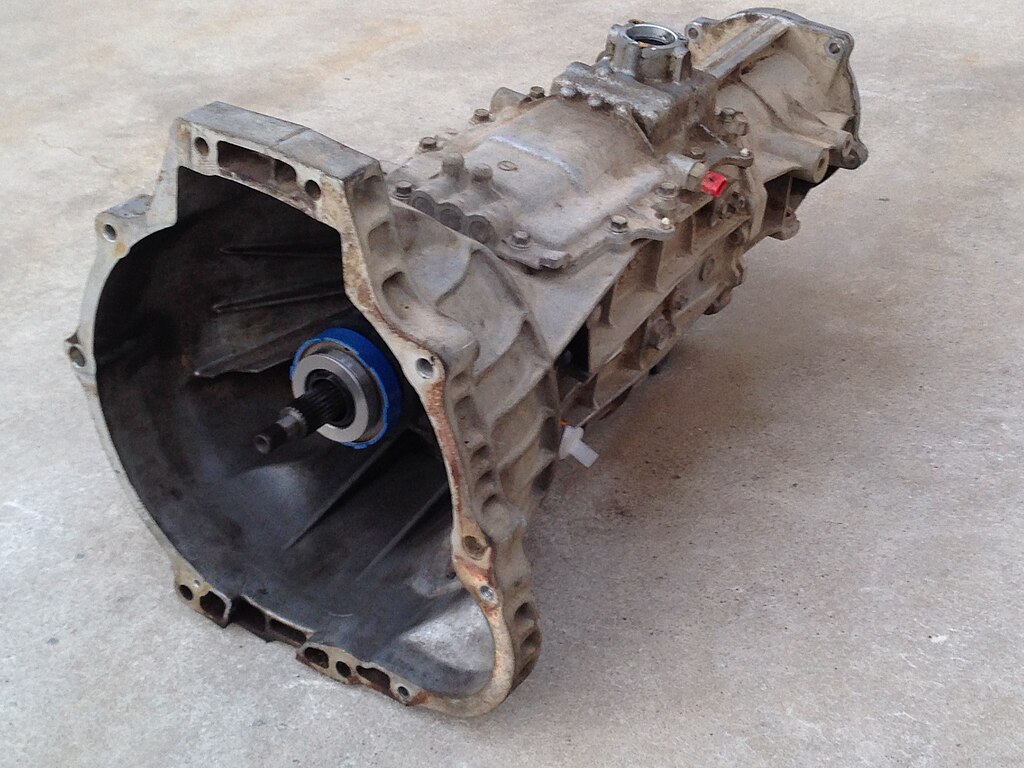
Manual transmissions from the 1960s and 1970s, especially 4-speed models, are highly prized by car enthusiasts. These transmissions were essential for muscle cars and vintage sports cars, providing drivers with more control over the vehicle. A well-preserved original manual transmission can sell for $400 to $800, depending on its condition and rarity. For restorers, these transmissions are a key component in maintaining the car’s original driving experience. If the transmission is still functional and original, it’s a great find. A 4-speed manual transmission from a 1969 Dodge Charger or Mazda, for example, is a particularly valuable component for restorations.
Manual transmissions were popular for their mechanical simplicity and direct connection to the driving experience. Many vintage models from the muscle car era used manual transmissions to provide power and performance. Finding an original gearbox that matches a classic vehicle’s specifications is valuable to collectors and restorers. These transmissions maintain the driving feel and authenticity of a car. If you own one of these transmissions, it may be worth far more than you expect.
Rear axle or limited-slip differential assembly
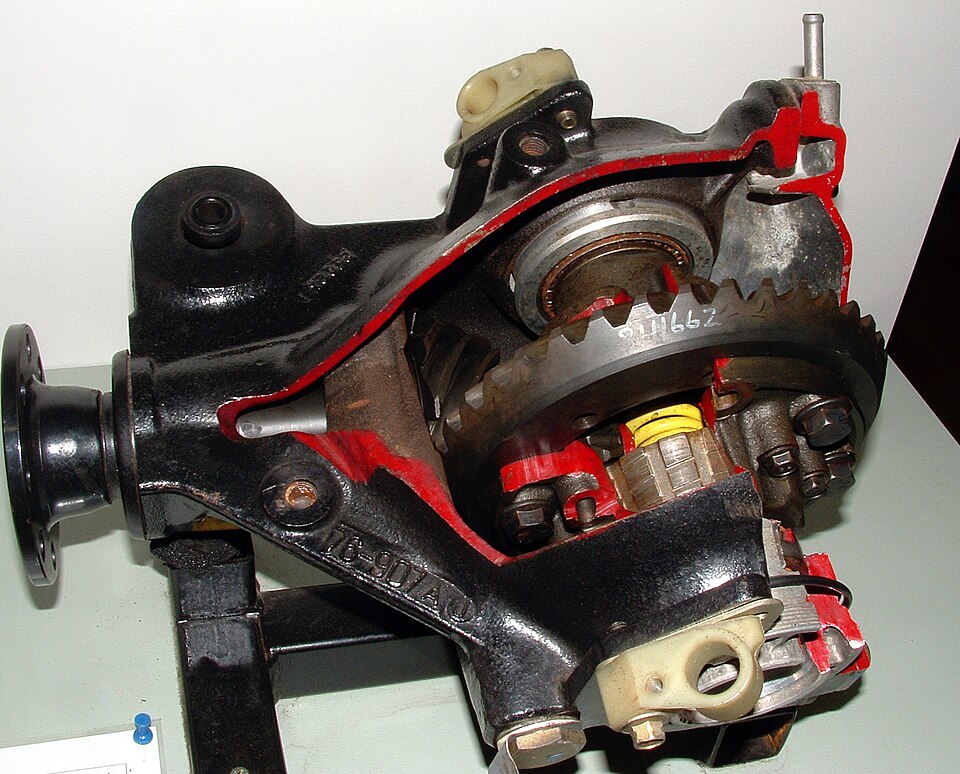
The rear axle or limited-slip differential from classic cars of the 1960s to the 1980s is a crucial part for maintaining the original performance of the vehicle. This component helps direct power from the engine to the rear wheels while enabling smooth cornering. A rare, unmodified axle can be worth $250 to $600, depending on its condition and model. For performance cars, a limited-slip differential ensures better traction and control during acceleration. Collectors who are restoring muscle cars or vintage sports models often seek these parts to maintain the car’s driving dynamics. A limited-slip differential from a 1969 Ford Mustang Boss 302 is a prized find for any enthusiast restoring a muscle car.
These rear axles were designed to handle the torque produced by powerful engines, particularly in muscle cars. As classic cars have aged, many of these parts have been replaced or damaged, making an original rear axle highly valuable. The limited-slip differential allows for even power distribution across both rear wheels, making it an essential part for handling and performance. Collectors often seek the exact rear axle that matches their vehicle to preserve authenticity. If you have one in good condition, it could be worth a significant amount.
Original hubcaps or wheel-covers from rare models
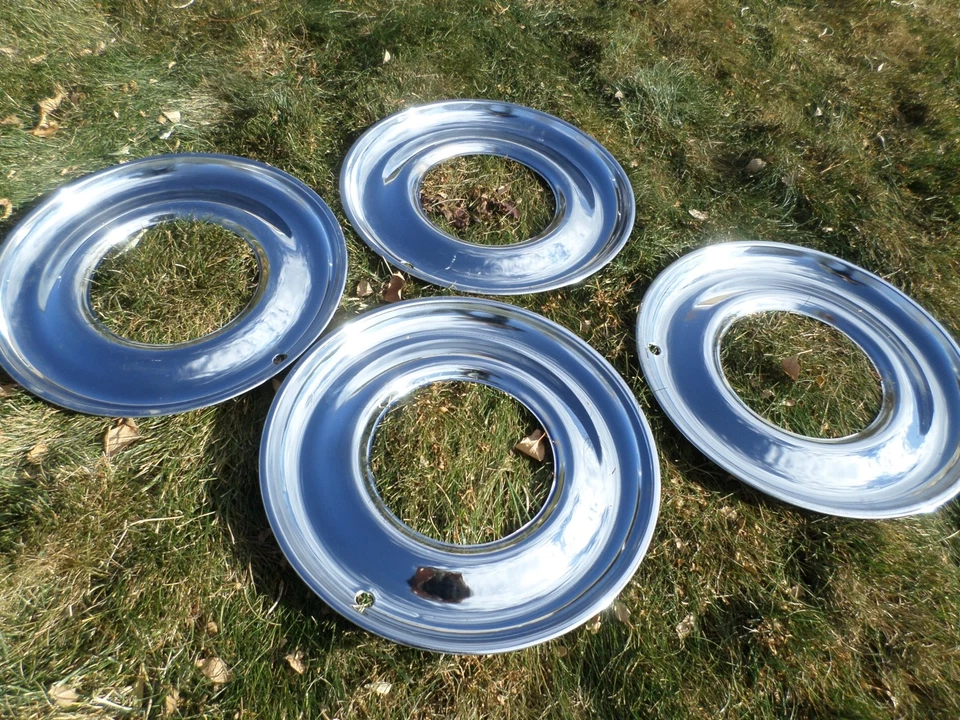
Hubcaps or wheel-covers from the 1950s to the 1970s are highly valued for their vintage design and rarity. Over time, many of these hubcaps were lost or replaced, making original ones hard to find. Depending on the make and model, a set of these hubcaps can fetch $100 to $250. These parts served a decorative function while protecting the wheels from dirt and moisture. Restorers often look for the correct hubcaps to maintain the car’s original appearance. For example, a set of original wheel covers from a 1957 Chevrolet Bel Air is highly desirable for collectors seeking an authentic look.
Hubcaps from classic cars often featured unique designs and logos, giving each car its own distinctive look. As original parts become rarer, the value of these hubcaps increases. Many collectors prefer hubcaps in good condition with no cracks or heavy wear. A matching set of original wheel-covers can greatly increase the value of a classic car. If you happen to own a set of these original pieces, you could have something that’s worth a good deal of money.
Cast-iron exhaust manifolds or original headers

Exhaust manifolds from classic cars produced between the 1940s and 1970s are highly sought after because they were often replaced with more modern components. These manifolds directed exhaust gases from the engine to the exhaust system. An original manifold in good condition can be worth $120 to $300, depending on its rarity. Many collectors and restorers prefer these components for their original fitment and historical accuracy. These manifolds are integral to keeping the car’s engine functioning as it did when first built. For instance, a cast-iron manifold from a 1967 Chevrolet Corvette is a rare and valuable find.
Cast-iron exhaust manifolds are durable, but over time they can crack or corrode, making intact originals even more valuable. These parts not only serve a mechanical function but also contribute to the car’s unique sound and engine performance. Collectors often seek out original manifolds to avoid replacing them with less historically accurate components. If the manifold has matching numbers and is in good condition, it can be a rare find. Vintage car enthusiasts know that preserving these original parts is key to maintaining authenticity.
Original gas fuel tank
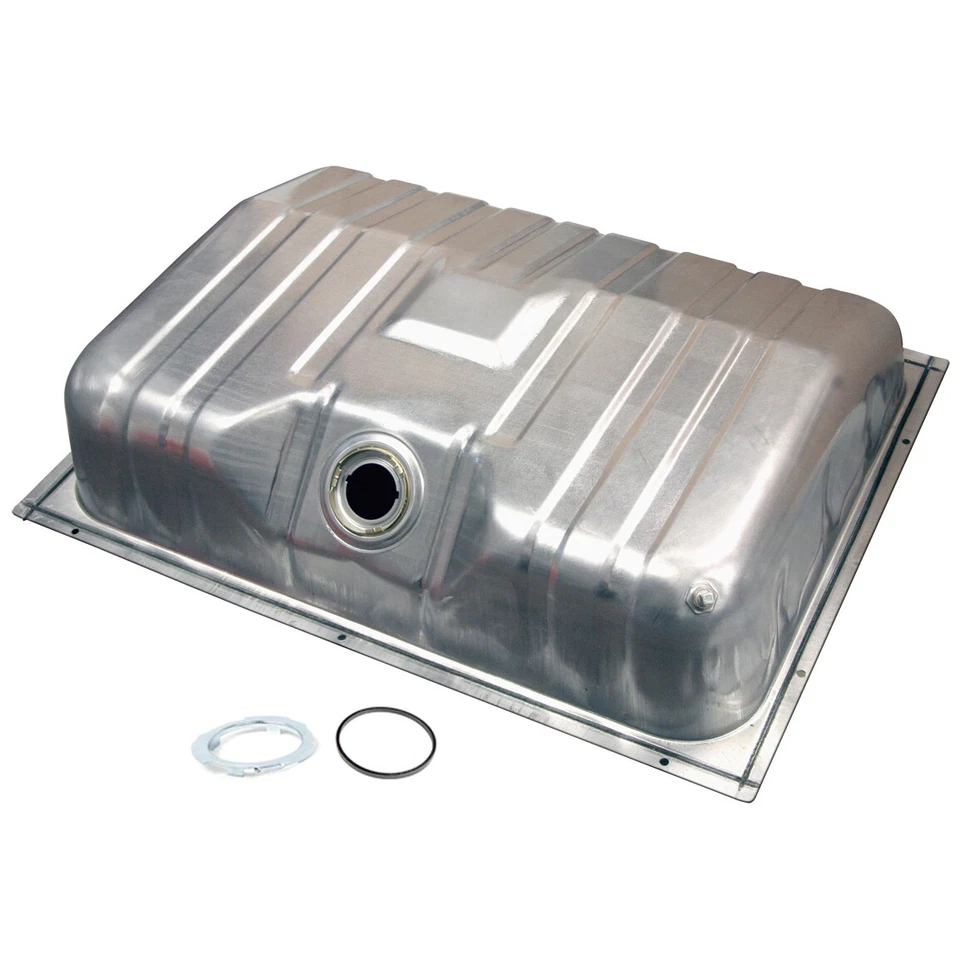
Original gas fuel tanks from classic cars built between the 1950s and 1970s are rare, especially if they remain rust-free and unmodified. These tanks hold and deliver fuel to the engine, and having the original tank in good condition can be worth $200 to $400. Many fuel tanks were replaced over the years due to rust or leaks, which makes intact originals highly sought after. Restorers value original fuel tanks for their correct shape and fitment in the vehicle’s design. For example, a well-maintained fuel tank from a 1968 Ford Mustang is a great find for anyone restoring that model.
Classic cars rely on proper fuel tank systems to operate efficiently. These tanks were designed to fit specific models and provide correct fuel delivery. Restoring a classic car with its original fuel tank ensures that the car will function as intended, avoiding the complications of modern replacements. For collectors, an original tank can be an essential piece in completing the car’s restoration. If yours is still in good shape, it could be a valuable find.
Vintage radiator
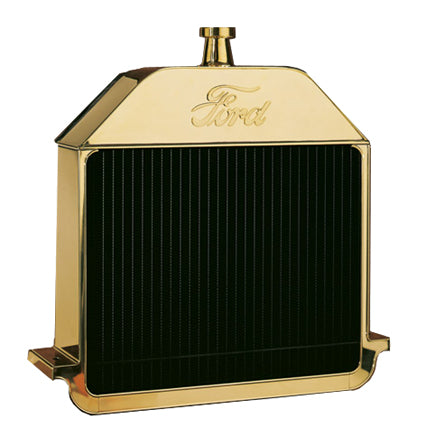
Radiators from vintage cars made between the early 1900s and 1970s are highly valued for their historical accuracy and functional design. Many of these radiators were made from copper and brass, materials that are rarely used in modern vehicles. A well-preserved radiator from this era can sell for $150 to $350, depending on its condition. These radiators were critical for cooling the engine, and having the original one helps maintain the car’s performance. Restorers often prefer original radiators to ensure the car remains as close to factory specifications as possible. A vintage radiator from a 1932 Ford Model B, for example, is an especially sought-after piece for collectors.
Radiators are essential for managing the engine’s temperature, preventing it from overheating. Original radiators also affect the overall performance of the vehicle, keeping the car running smoothly. Modern radiators often don’t fit vintage models correctly, making original radiators a sought-after item for classic car enthusiasts. Finding a vintage radiator that is still functional or restorable is a rare discovery. If it’s in good condition, it could be an important part of your restoration project.
Original alternator or generator
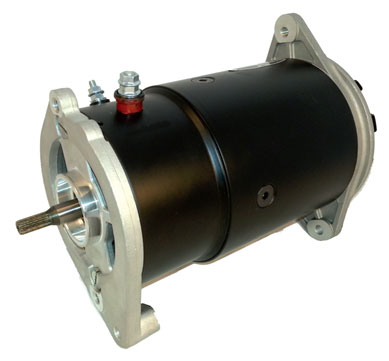
Alternators and generators from the 1950s to 1970s are valuable because they powered the electrical systems in early cars. These units can fetch $100 to $250, depending on their condition and rarity. Original alternators and generators were built to last and fit specific car models, making them a sought-after part for restorations. Collectors value these units for their authenticity and proper functionality. A generator from a 1956 Buick Roadmaster, for example, is particularly valuable for those looking to restore this classic car.
In classic cars, the alternator or generator is responsible for keeping the battery charged and supplying electricity to the vehicle’s systems. These parts were crucial to maintaining the car’s electrical functions, such as lights, radio, and ignition. Original alternators are particularly prized because they ensure the vehicle stays true to its original specifications. Finding one in good condition can save time and money during a restoration. These parts are harder to find as many were replaced over the years, which makes any functional original model valuable.
Dashboard gauges and instrument cluster
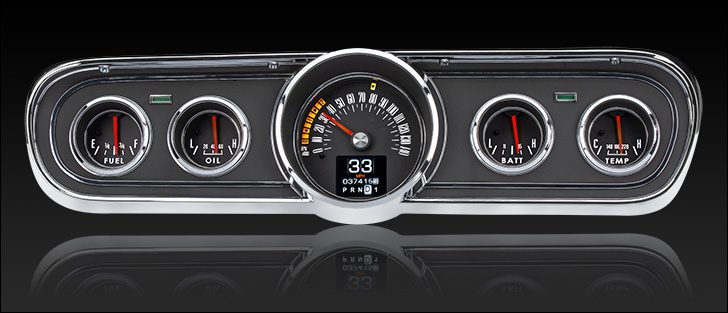
Dashboard gauges from the 1950s to 1970s are valuable for collectors because they maintain the vintage look and functionality of the vehicle. These gauges, such as speedometers, fuel meters, and odometers, can be worth between $200 and $500, depending on the condition and rarity. Original gauges are often preferred for their ability to match the aesthetic and performance specifications of the car. Collectors value intact, working gauges to preserve the authenticity of their classic vehicles. A complete instrument cluster from a 1966 Ford Mustang, for instance, is highly sought after by enthusiasts.
In vintage cars, dashboard gauges are not just functional, they contribute to the vehicle’s character. These parts offer a direct connection to the past, allowing owners to experience the vehicle as it was originally intended. Restorers typically seek the original gauges, as they provide the correct fit and historical accuracy. Many of these gauges have been swapped out over time, making original models more valuable. If you have a set in good condition, they could be a key part of a successful restoration.
Original steering wheel and column assembly
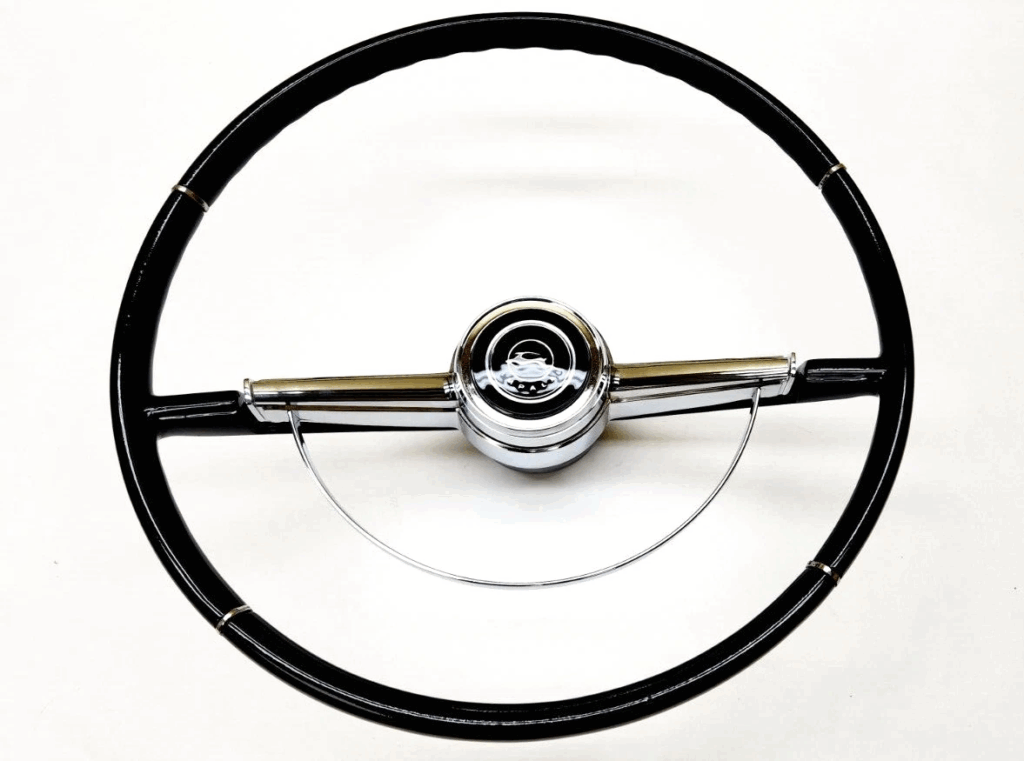
The original steering wheel and column assembly from the 1950s to 1970s is valuable for its historical accuracy and design. These components, often made from metal and wood, can range in price from $150 to $400, depending on their condition. Collectors and restorers seek original steering wheels and columns to preserve the driving experience and look of classic cars. A correct steering column ensures the car steers as it did when it was first manufactured. For example, a steering wheel from a 1964 Chevrolet Impala is a prized component for any restoration.
The steering wheel and column in classic cars played an essential role in the vehicle’s handling and design. In vintage vehicles, the steering system was often much more mechanical than today’s modern systems, offering a tactile connection to the car. Restorers often look for the original wheel and column to ensure the restoration stays true to its period. These components are difficult to replicate, making them valuable if you happen to have them intact. If your car still has its original parts, you could hold on to a rare find.
Original hood ornament or car-maker emblem badges
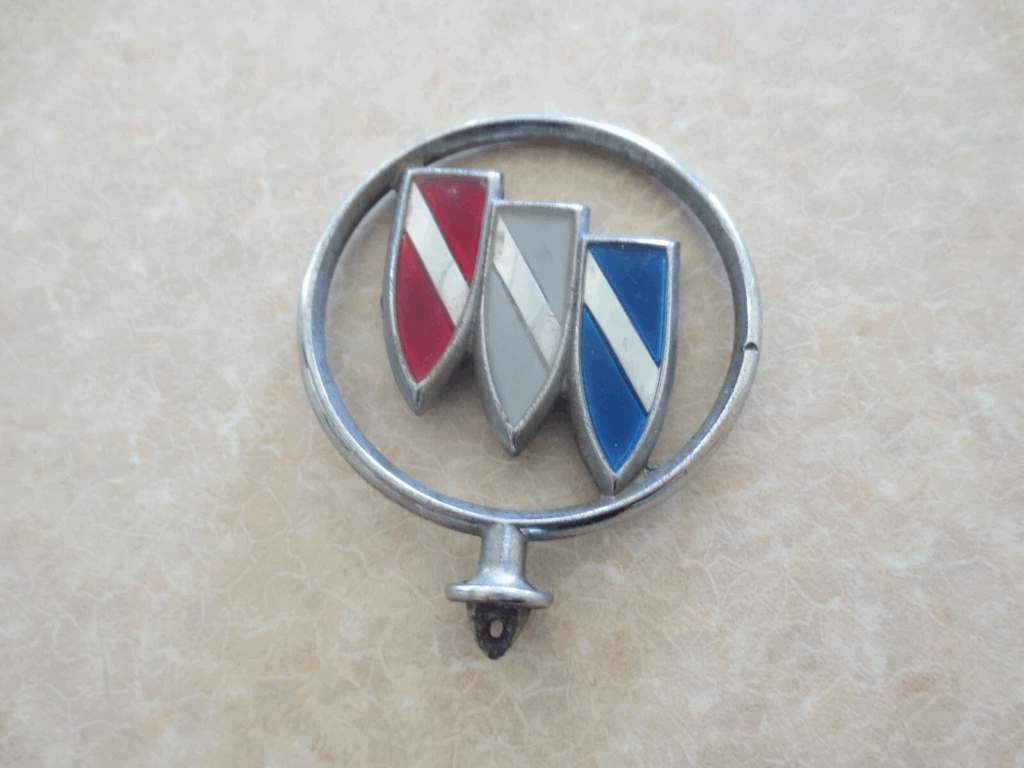
Hood ornaments and car-maker emblems from classic cars produced between the 1940s and 1970s are rare and valuable. These parts often feature unique designs or logos that make them highly desirable to collectors. Depending on rarity and condition, original hood ornaments or emblems can be worth $50 to $200. These parts serve as a signature feature of a car, and finding an original one can complete a car restoration project. Collectors often seek these pieces to make their vintage vehicles as close to original as possible.
Hood ornaments were once a standard feature on many classic cars, often symbolizing the brand and model. These ornamental pieces were not just decorative but also added to the vehicle’s luxury or prestige. As many hood ornaments were lost or damaged over time, original pieces are increasingly valuable. Having the correct emblem or ornament allows owners to preserve the original identity of their classic cars. If you come across one in good condition, it could be a valuable addition to your collection.
Period-correct seats or seat frames
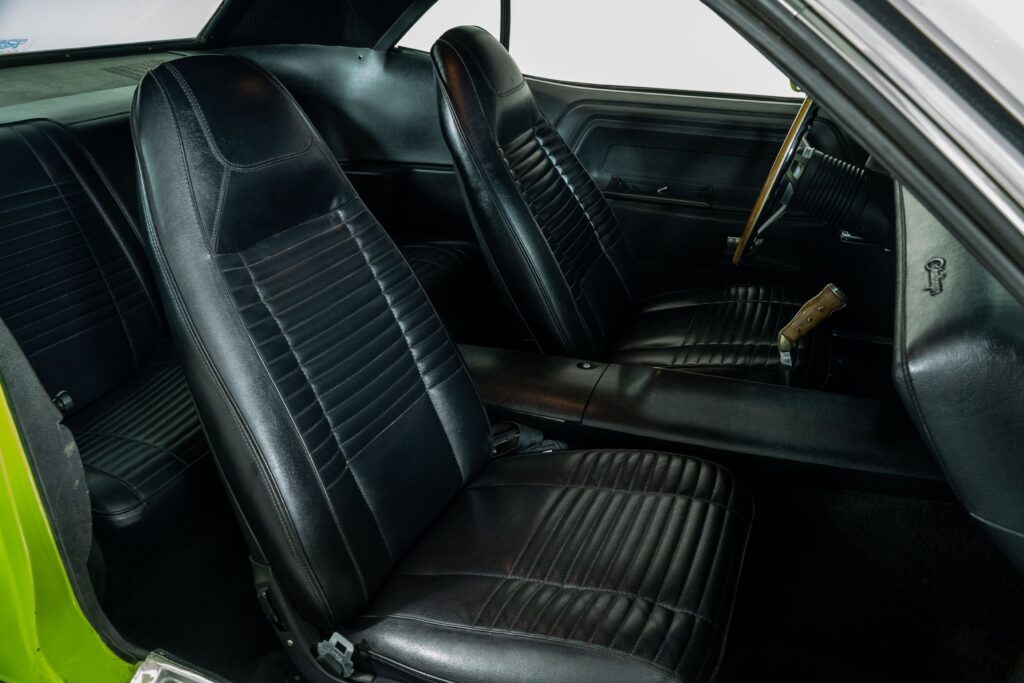
Seats and seat frames from the 1950s to 1970s are important for restoring vintage cars to their original condition. These parts, particularly metal seat frames with original upholstery, can sell for $300 to $600, depending on the model and condition. The original seats are essential for keeping the car’s interior as authentic as possible. Collectors and restorers seek out period-correct seats because they are hard to find, and modern replacements don’t always fit properly. A set of original bucket seats from a 1970 Dodge Challenger, for example, is highly valuable for classic car restorations.
In classic cars, the seats were often made from metal frames with springs, padding, and upholstery that reflected the design of the time. These seats were an integral part of the vehicle’s comfort and style. For many collectors, having the correct seats is just as important as the exterior. Seats that have been preserved in original condition are highly sought after. Restoring a classic car without replacing its seats is often a key part of ensuring authenticity.
Original bumpers (metal, not modern plastic replacements)

Metal bumpers from classic cars made between the 1950s and 1970s are more valuable than modern plastic replacements. These bumpers not only offered protection but were also designed as a style feature. A complete set of original bumpers can be worth $400 to $800, depending on the car model and condition. These parts were made of heavy-duty metal to absorb impacts, and collectors prize them for their authenticity. Having original bumpers on a classic car ensures that the restoration remains true to the vehicle’s original design.
Bumpers from vintage cars were crafted to be both functional and stylish, contributing to the overall look of the vehicle. Over the years, many original bumpers have been swapped out for plastic or aftermarket parts, making them hard to find. Original metal bumpers that have been preserved are a valuable find for car enthusiasts and restorers. They are often one of the first major parts searched for during a restoration. If you have a set of these original bumpers, they could be worth a small fortune.
This article originally appeared on Avocadu.