
11 Citrus Care Tips For Chilly Nights And Dry Air
Caring for your citrus trees during the winter months requires special attention to the dry air and chilly nights. With the right strategies, you can help your tree thrive indoors while mimicking its natural, sunny environment. From ensuring proper light and humidity levels to adjusting watering practices, these simple care tips will keep your citrus healthy and stress-free as temperatures drop. By following these steps, you can protect your tree from leaf drop, maintain its vibrant growth, and encourage fruitful success.
This post may contain affiliate links, which helps keep this content free. Please read our disclosure for more info.
Gradual Transition Indoors Before Hard Frosts
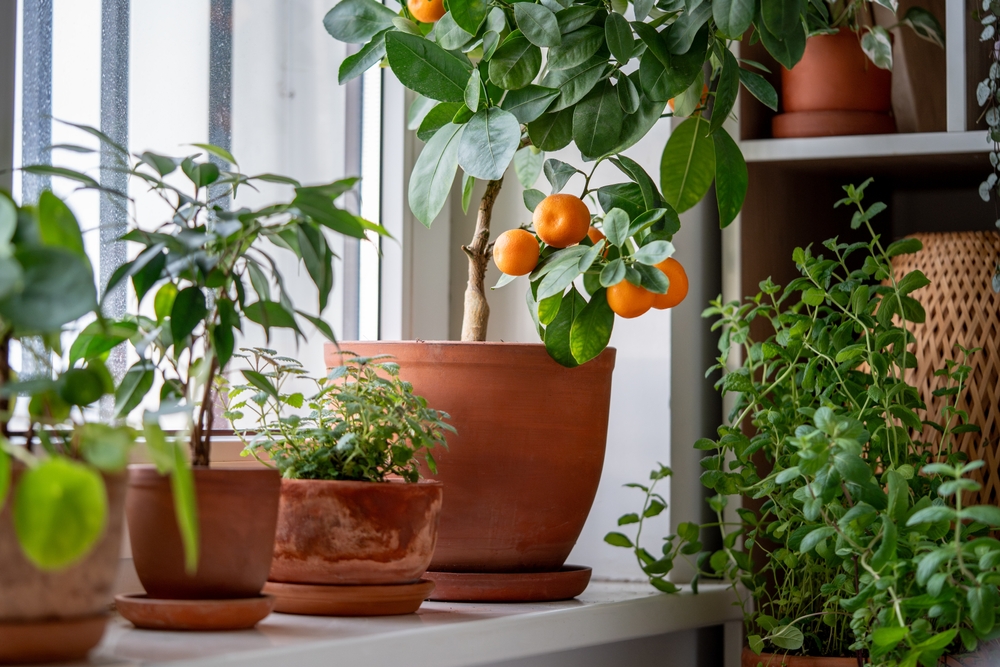
As cold weather approaches, citrus trees need to be transitioned indoors slowly. When temperatures drop, citrus trees are particularly vulnerable to frost, which can damage their sensitive leaves and fruit. The key to a smooth transition is to gradually introduce your tree to the indoor environment a couple of weeks before the first frost hits. This process helps the tree acclimate to the change in temperature, humidity, and light levels, reducing stress. Avoid a sudden move from warm outdoor conditions to a dry, warm indoor environment, as this can cause shock and leaf drop.
In addition to the gradual move indoors, ensure your citrus tree is placed in an area with adequate sunlight. Citrus trees naturally thrive in bright, sunny conditions, so try to mimic this environment as much as possible. A sunny windowsill or a grow light will provide the necessary light to prevent the tree from becoming leggy and weak. By giving your citrus tree time to adjust before the chill sets in, you will help it endure the harsh winter months with minimal stress.
Maximize Light Exposure
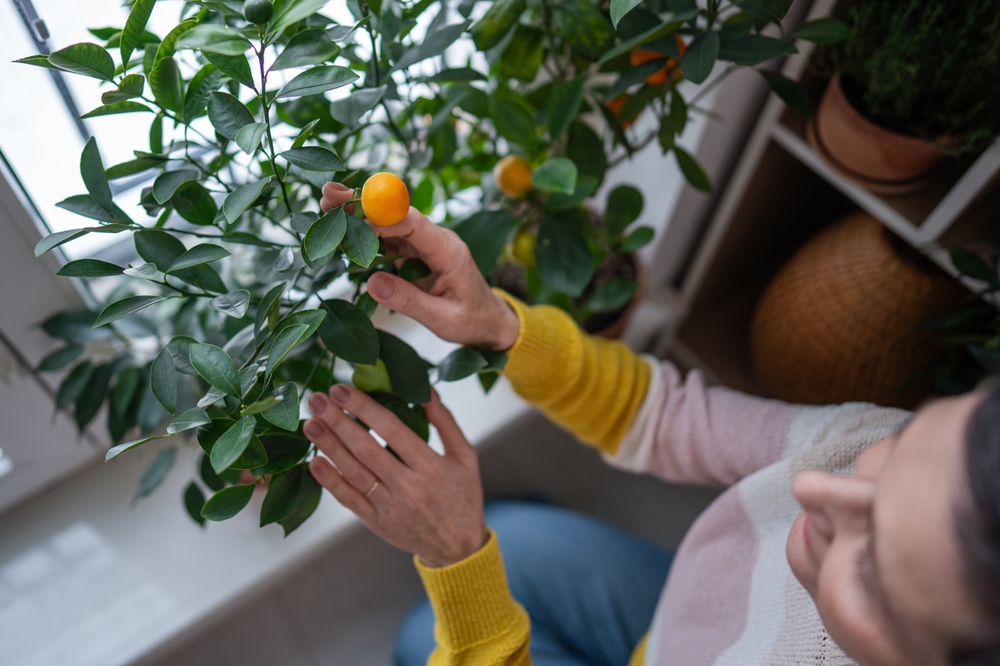
Citrus trees need a lot of light, especially in the winter when sunlight is limited. Without enough light, they may become weak and stressed, leading to poor growth and leaf drop. Place your citrus tree near the brightest window in your home, preferably facing south or southwest. If natural sunlight is insufficient, consider using artificial grow lights to supplement it. Ideally, citrus trees should receive at least 10 to 12 hours of light each day during the winter months. Keep the light consistent to mimic the long sunny days of summer, which are crucial for maintaining the tree’s health and vigor.
If your tree begins to stretch or show signs of poor growth, it may not be getting enough light. You can also rotate your tree occasionally to ensure all sides get exposure to the light. Keeping the light levels high will help your citrus tree continue to produce healthy leaves and even flowers, making sure it stays as robust as possible during the colder months. Ensuring that your citrus tree gets maximum light will also help prevent any stress that may arise from a lack of energy.
Water Sparingly in Winter
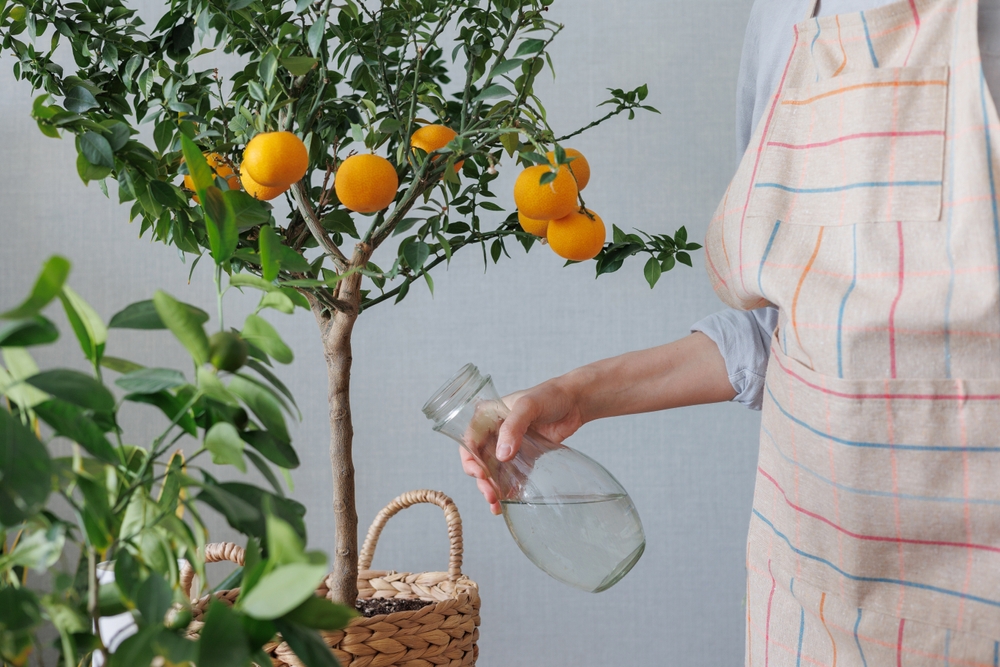
Citrus trees require less water during the winter months, as their growth slows down due to reduced light and cooler temperatures. Overwatering is one of the most common mistakes that can lead to root rot, a serious issue for citrus trees in cold weather. To avoid this, only water the tree when the top inch of soil feels dry to the touch. This will ensure that the roots are not waterlogged, which is detrimental to the tree’s overall health. Always check the moisture level of the soil before watering, and be mindful not to water on a fixed schedule.
It is important to note that while citrus trees are dormant in winter, they still require a certain amount of moisture to prevent their leaves from drying out. However, the goal is to find a balance where the tree is hydrated, but not soaked. A good practice is to water thoroughly but infrequently, allowing the soil to dry out slightly between waterings. Adjusting your watering routine based on indoor temperature and humidity levels will keep your citrus tree healthy and prevent excess moisture from causing stress or fungal infections.
Boost Humidity to Prevent Leaf Drop
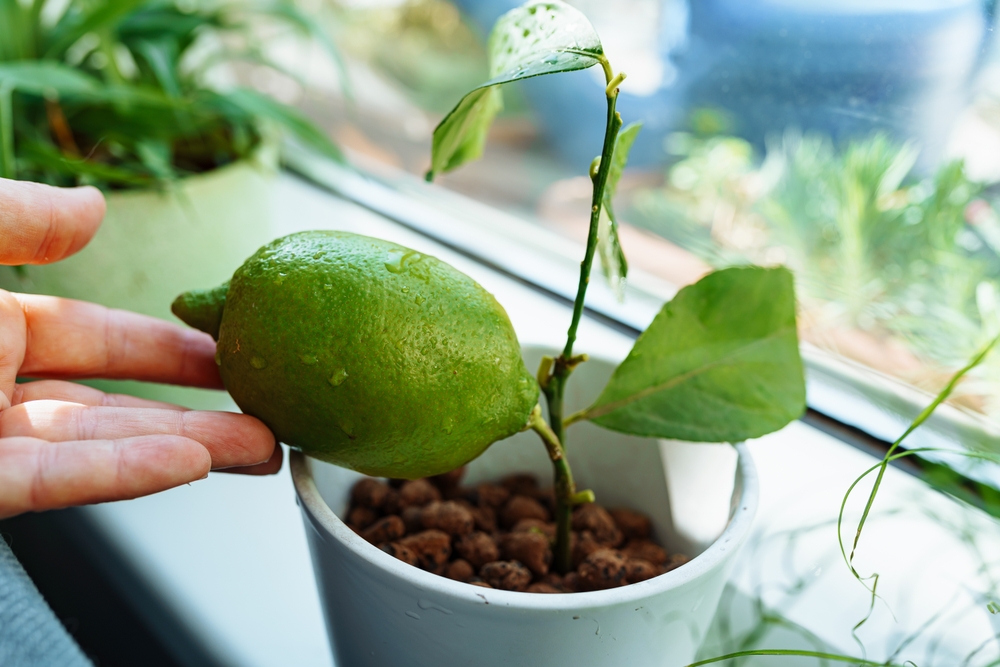
Indoor air can be extremely dry during the winter months, especially when heating systems are running. Low humidity can lead to stress for citrus trees, resulting in leaf drop and poor overall health. To prevent this, actively boost the humidity around your tree. One simple method is to place a humidifier near the tree to increase moisture in the air. Alternatively, you can set the tree on a shallow tray filled with pebbles and water, ensuring that the pot is not sitting directly in water. This creates a mini-humid microclimate around the tree, which can help reduce leaf drop.
Another way to maintain humidity is by misting the tree’s leaves lightly with water. However, avoid over-wetting the leaves, as this can lead to fungal issues. The goal is to keep the surrounding air moist enough to mimic the citrus tree’s natural environment. Keeping the humidity level stable and preventing the dry indoor air from robbing your tree of moisture will help the citrus thrive through the winter months without unnecessary stress.
Avoid Sudden Temperature Fluctuations
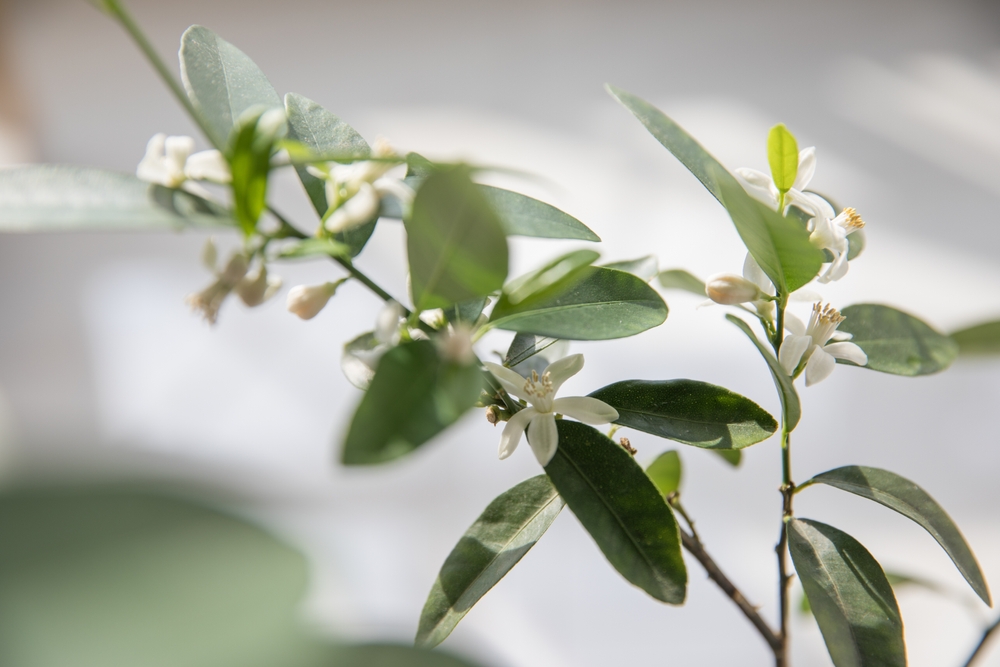
Citrus trees are sensitive to sudden temperature changes, especially during the winter. Fluctuations between cold and warm temperatures can cause the tree to become stressed, leading to poor growth and leaf drop. To prevent this, place your citrus tree in a location where the temperature remains stable throughout the day and night. Avoid placing the tree near radiators, heaters, or windows that might allow cold drafts. It is essential to keep the environment as constant as possible to help your citrus tree feel at ease during the chilly months.
Additionally, ensure that the indoor temperature remains within a range of 55-70°F (13-21°C) during the winter months. If the temperature dips below 50°F (10°C), the tree may become too cold and show signs of frost damage. Inconsistent temperature exposure, particularly at night, can create an environment of stress that hinders the tree’s ability to grow and produce fruit.
Prune Lightly in Winter

While it is best to prune citrus trees during their active growing season, some light pruning during the winter can help maintain shape and remove any dead or damaged growth. Remove any yellow or brown leaves, as well as any branches that are dead or diseased. However, avoid heavy pruning, as the tree is not actively growing during the winter months and may struggle to recover. Focus on trimming away only the parts that could hinder airflow or expose the tree to pests and disease.
Light pruning will also help the tree focus its energy on the healthier, thriving parts of the tree. Ensure that you use clean, sharp tools to avoid damaging the tree or spreading disease. This careful attention will reduce stress while ensuring that your citrus tree remains compact and healthy through the colder months.
Protect from Pests

Winter may be a quieter time for citrus trees, but it is still important to check for pests regularly. Common pests such as spider mites, aphids, and scale insects can thrive indoors in the dry, warm environment, causing stress to your tree. Inspect your citrus tree for any signs of pests, such as discolored or curled leaves, sticky residue, or visible insects. If pests are detected, treat them immediately using natural methods such as neem oil or insecticidal soap.
Keeping your citrus tree clean and free of pests will prevent additional stress and ensure that it remains healthy throughout the winter. Regular pest checks are essential, as even the smallest infestation can weaken the tree and interfere with its growth. By staying proactive in pest control, you can maintain a healthy citrus tree indoors.
Use Reflective Surfaces for Extra Light
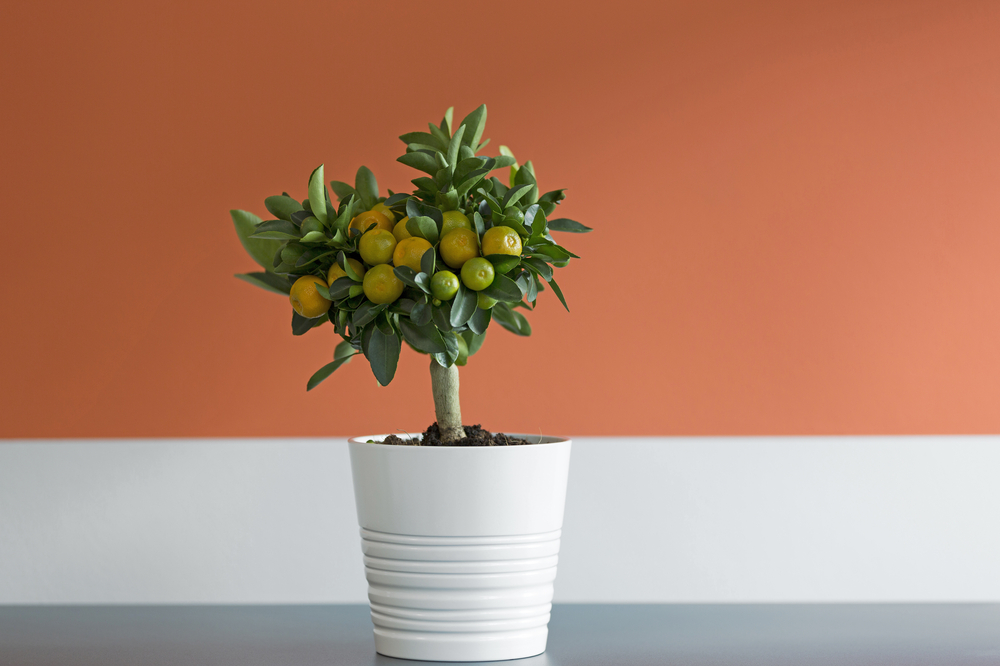
In situations where natural light is insufficient, you can boost the light your citrus tree receives by using reflective surfaces. Place the tree near light-colored walls or use reflective materials like aluminum foil or mirrors to direct additional light onto the tree. This will help the tree receive more light during shorter winter days, preventing it from becoming leggy or weak. Reflective surfaces can act as a simple and cost-effective solution to ensure your tree gets the light it needs to thrive.
You can also consider rotating your tree every few days to ensure that all sides receive an equal amount of light. By creating a more balanced and efficient lighting system for your citrus, you help simulate the bright, sunny conditions they naturally thrive in, which is crucial for their health and growth during the winter.
Keep the Soil Well-Drained
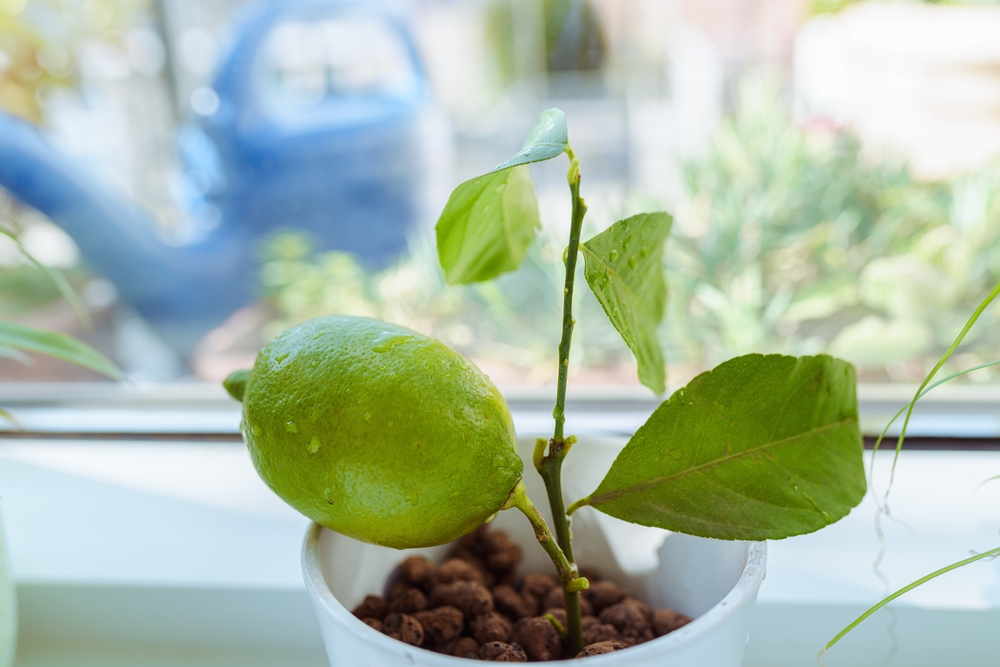
Even during winter, citrus trees need well-drained soil to prevent root rot. Overly wet soil combined with cold temperatures can cause the roots to suffocate, leading to root rot and other complications. Ensure that the pot has good drainage and that the soil does not retain too much moisture. If the soil does not drain well, consider repotting your tree into a container with larger drainage holes or adding a layer of gravel at the bottom to improve drainage.
Maintaining good drainage will help prevent stress on the roots, allowing them to access the necessary oxygen and nutrients they need to survive the winter. A well-drained pot also helps prevent fungal growth, which can thrive in moist, stagnant conditions. Providing a proper drainage system is essential for the overall health of your citrus tree.
Avoid Overfeeding During Winter

During the winter months, citrus trees do not require as much fertilization because they are not actively growing. Overfeeding can cause excess nutrients to build up in the soil, leading to fertilizer burn and stress for the tree. It is advisable to stop fertilizing citrus trees during the winter or only apply very light, diluted feedings if necessary. If you use a slow-release fertilizer, ensure it is suitable for winter use and apply sparingly.
By avoiding overfeeding, you help the tree conserve energy and focus on surviving the winter rather than trying to grow. This careful approach ensures that the tree’s roots and leaves remain healthy without the added stress of excessive nutrients. Fertilizing only when necessary allows your citrus tree to stay balanced and strong during the cold months.
Protect From Drafts
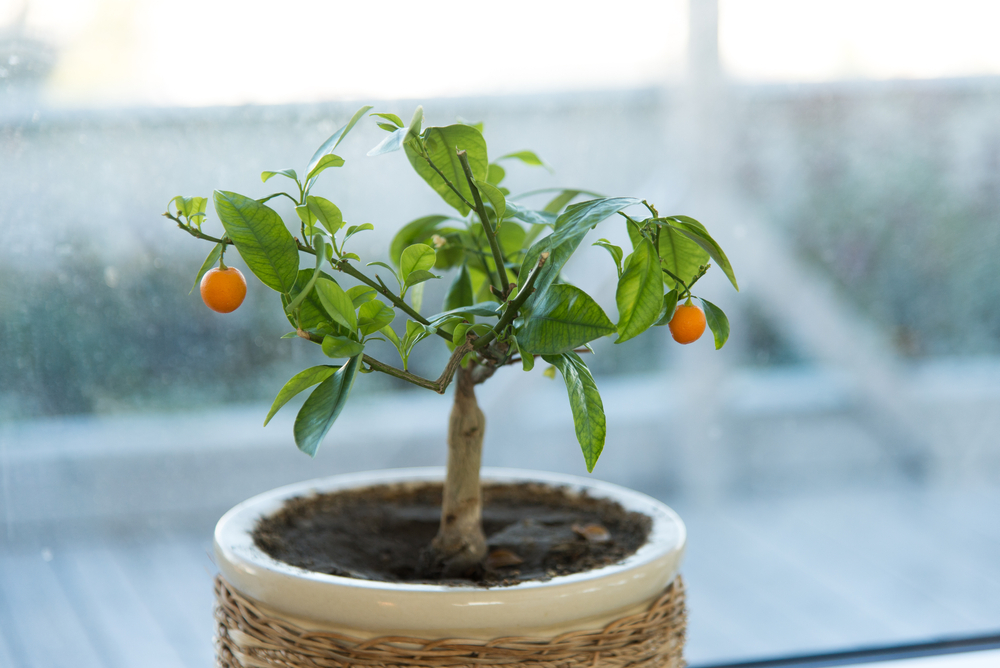
Citrus trees are sensitive to cold drafts, which can dry them out and cause them to lose leaves. Place your tree in an area that is protected from drafts from doors, windows, and air vents. These cold air currents can cause rapid fluctuations in temperature and humidity, which can stress the tree. Ensure that the environment around the tree is stable, with warm, consistent air circulation.
To protect your citrus tree from drafts, consider moving it away from areas with direct exposure to outside elements. You can also use draft stoppers on doors and windows to create a more stable indoor environment. Keeping your citrus tree in a calm, draft-free spot will reduce stress and ensure that it stays healthy throughout the colder months.
This article originally appeared on Avocadu.