
12 CGI Moments in Early Films That Still Hold Up Today
CGI has come a long way since its early days in film. Some of the first uses of computer-generated imagery still manage to impress viewers today. These groundbreaking moments set the stage for many of the special effects we now take for granted. It is fascinating to look back at these early attempts and see how they have held up.
This post may contain affiliate links, which helps keep this content free. Please read our disclosure for more info.
The T-Rex in Jurassic Park (1993)
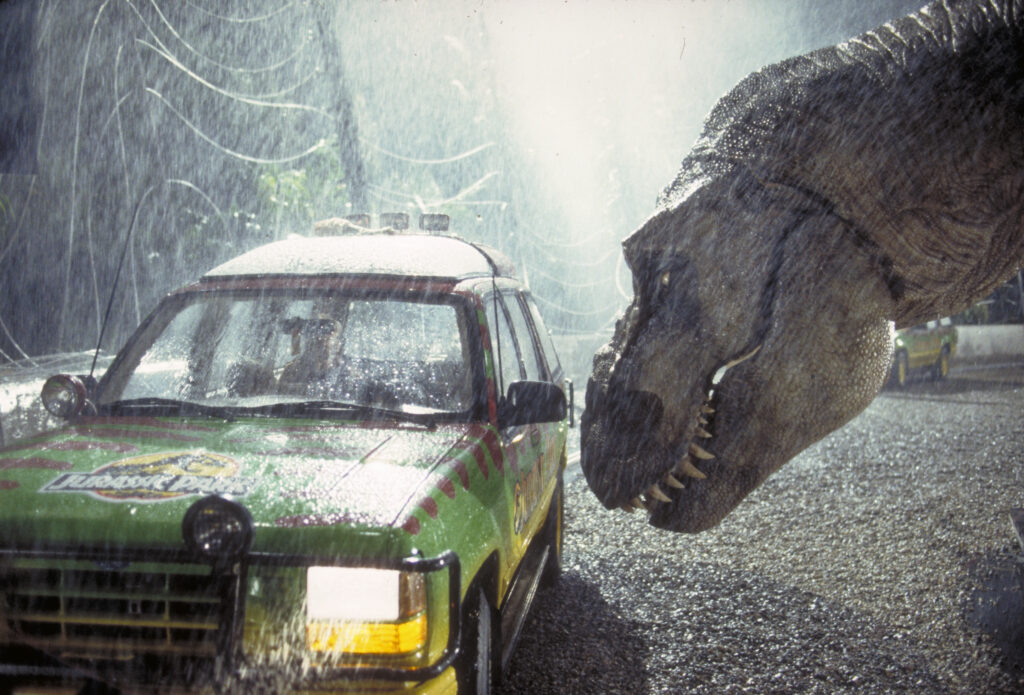
The T-Rex in Jurassic Park remains one of the most iconic CGI moments in film history. Steven Spielberg’s use of computer-generated imagery brought the prehistoric creatures to life in a way that was both realistic and thrilling. The breakthrough technology used to create the T-Rex revolutionized visual effects and set the standard for future films. The scene where the T-Rex escapes its enclosure continues to amaze audiences, even after more than two decades.
The realism and movement of the CGI T-Rex were revolutionary at the time. Combined with practical effects, the creature felt tangible, helping to immerse viewers in the world of Jurassic Park. The groundbreaking work of the visual effects team made this scene a defining moment for CGI in cinema. To this day, it is one of the most memorable CGI sequences ever created.
The Opening Scene of Terminator 2: Judgment Day (1991)
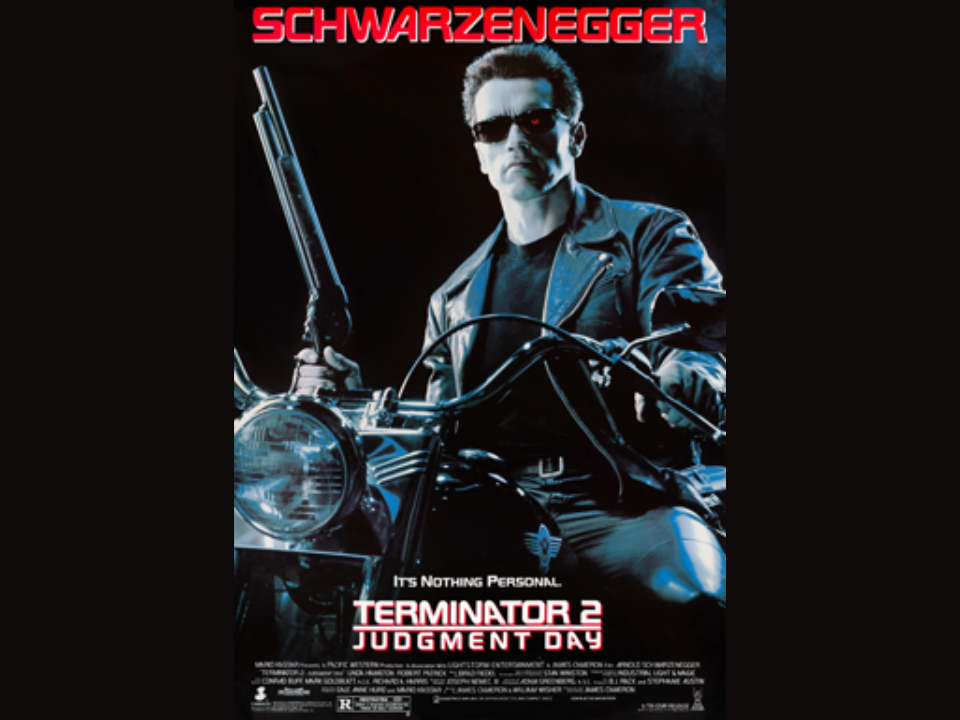
The liquid metal T-1000 in Terminator 2: Judgment Day was a game changer for CGI in action films. The T-1000’s ability to morph and shape-shift in various forms was brought to life using groundbreaking computer-generated imagery. This was a huge leap forward in terms of creating believable, fluid transformations, making the character both terrifying and mesmerizing. The opening scene, where the T-1000 walks through bars, still feels ahead of its time.
The CGI in Terminator 2 was a huge technical achievement that pushed the boundaries of what was possible in film. The integration of CGI with live-action was flawless, creating an experience that immersed audiences in a world where machines could defy the laws of physics. Despite being made in the early ’90s, the visual effects have stood the test of time. The T-1000 remains a powerful example of how CGI can enhance storytelling.
The Charge of the Ents in The Lord of the Rings: The Two Towers (2002)
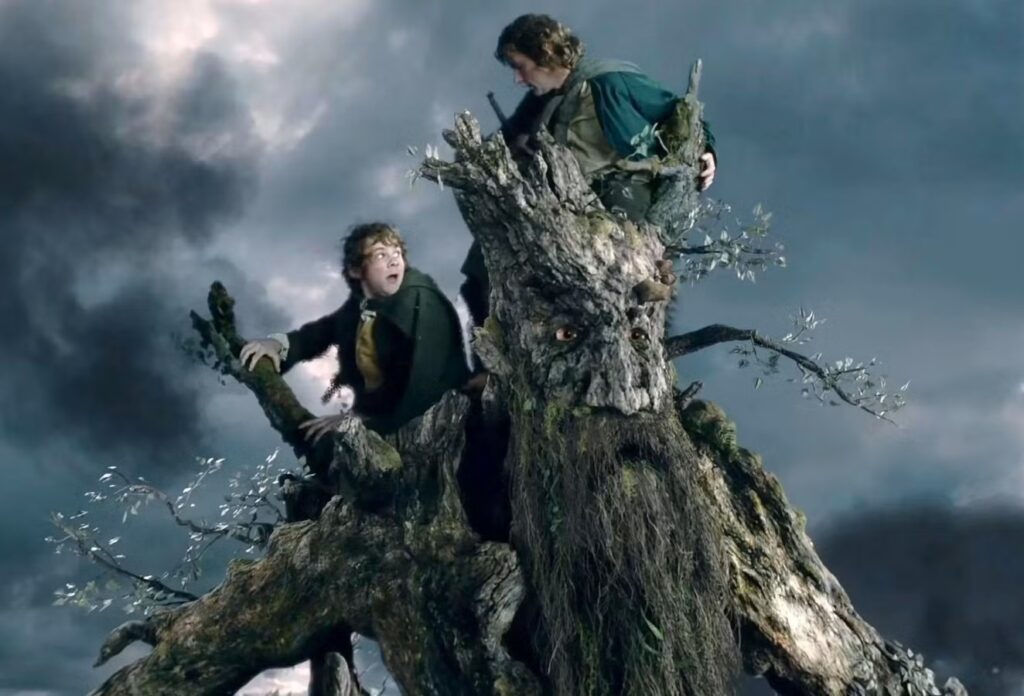
One of the most memorable CGI moments in The Lord of the Rings: The Two Towers is the charge of the Ents. Peter Jackson used CGI to bring the ancient, tree-like creatures to life, making them appear larger-than-life in the battle against Saruman’s forces. The integration of the Ents into the live-action scenes was seamless, showcasing the power of CGI in fantasy filmmaking. The moment when the Ents roar and march to war still gives fans chills.
The CGI used to create the Ents in The Two Towers was revolutionary for the fantasy genre. Each Ent was designed to look like a blend of tree and human characteristics, with unique facial expressions and movement patterns. This brought a sense of realism to the mythical creatures, making them feel like living, breathing beings rather than just digital creations. Even years later, the Ents’ charge remains a standout CGI moment in cinema.
The Flying Cars in Blade Runner (1982)
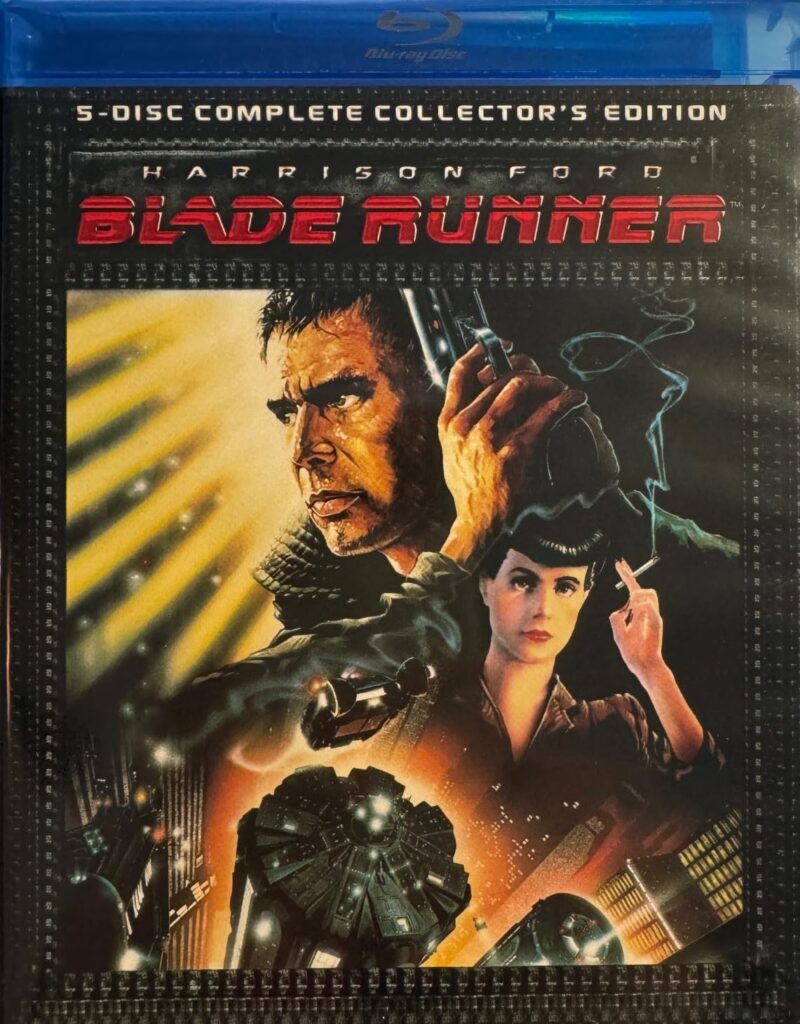
In Blade Runner, the use of CGI for the flying cars was ahead of its time and still holds up today. Ridley Scott’s vision of a dystopian future featured digital effects that were revolutionary for its era. Although the film used some practical models, the flying cars were brought to life with CGI, giving the world a futuristic and otherworldly feel. The scenes featuring the cars zooming through the neon-lit cityscape continue to look impressive, even decades after their release.
The combination of CGI and practical effects in Blade Runner helped create a rich, immersive environment that felt real despite its futuristic setting. The flying cars, while not as sophisticated as today’s CGI, had a unique charm and added to the film’s noir aesthetic. The technology behind these flying vehicles was groundbreaking, and their impact on visual storytelling in sci-fi films is undeniable. Blade Runner set a high bar for future dystopian films, blending CGI with practical effects in a way that felt cohesive.
The Rejuvenation of Jeff Bridges in Tron (1982)
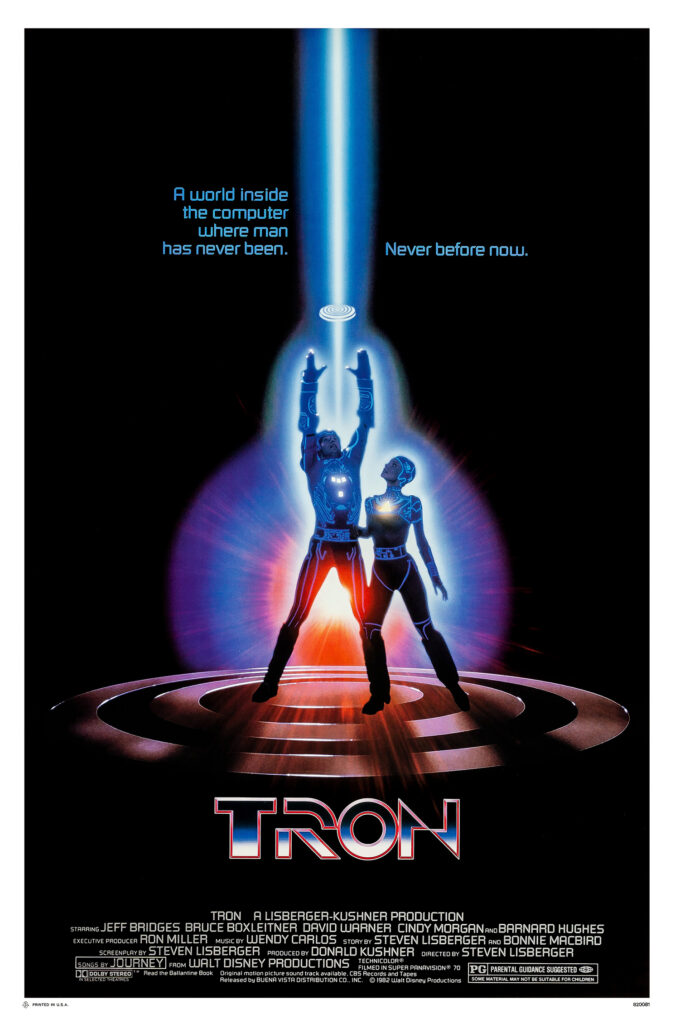
In Tron, the use of CGI to rejuvenate Jeff Bridges’ character was a pioneering moment in digital effects. The film’s visual style was unique, combining live-action with innovative computer graphics to create a digital world. One of the standout effects was the transformation of Bridges into the digital realm, where his youthful appearance was enhanced with early CGI techniques. While the effects may seem primitive by today’s standards, they were a bold and impressive step forward in the use of digital technology in film.
Tron was one of the first films to fully embrace the possibilities of CGI and digital animation. The digital world, with its glowing lines and geometric shapes, became a key visual element that set the film apart from others of its time. Jeff Bridges’ digital transformation remains one of the most notable early uses of CGI to depict aging or rejuvenation. It showed how the technology could be used not just for creating creatures or environments, but also for transforming human characters in new and exciting ways.
The Flying Sequences in Superman: The Movie (1978)
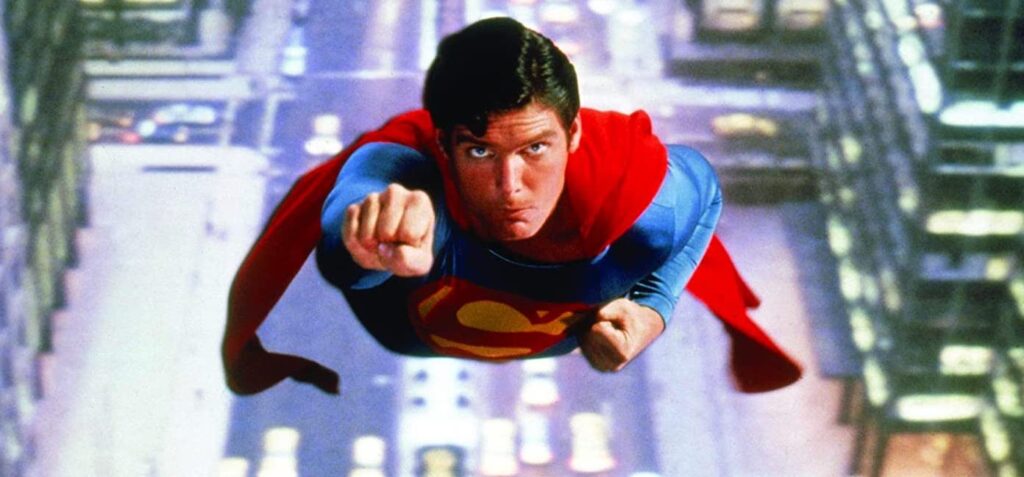
In Superman: The Movie, the flying sequences were one of the earliest uses of CGI to bring a superhero to life. Christopher Reeve’s portrayal of Superman soaring through the skies was a groundbreaking moment in special effects. The flying scenes combined rear projection, wire work, and early CGI, allowing the audience to believe that a man could fly. The iconic shot of Superman lifting Lois Lane off the ground remains a classic image from the film.
Although the flying effects may look dated by today’s standards, the groundbreaking nature of the sequence cannot be overstated. At the time, Superman: The Movie set the standard for superhero films and demonstrated the potential of CGI in live-action films. The flying sequences, along with the overall design of the film’s effects, paved the way for future superhero blockbusters. These moments still resonate with fans and stand as a testament to the early days of CGI.
The Star Destroyer in Star Wars: A New Hope (1977)
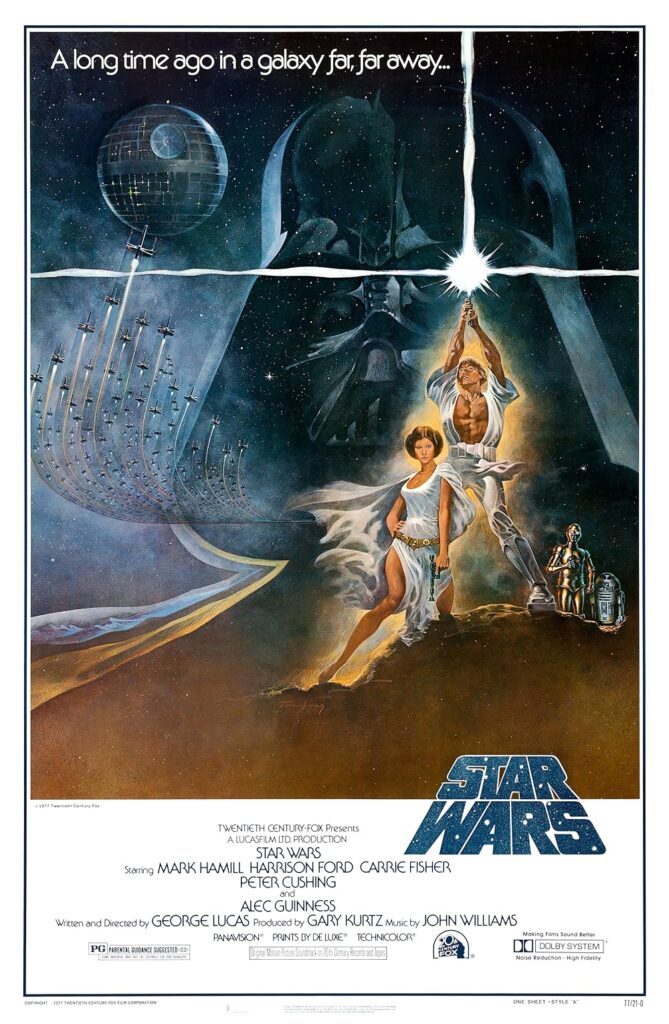
The opening scene of Star Wars: A New Hope, where the massive Star Destroyer looms over the camera, is one of the most memorable in film history. The combination of practical models and early CGI techniques created a sense of scale and grandeur that had never been seen before. The use of special effects to bring the Star Destroyer to life helped establish Star Wars as a groundbreaking visual experience. This scene set the stage for the entire franchise’s use of innovative effects to bring a galaxy far, far away to life.
While the CGI in A New Hope was minimal by today’s standards, the practical effects were groundbreaking. The opening shot of the Star Destroyer was one of the largest miniatures ever built at the time, and its size was exaggerated through a combination of techniques. The success of this shot helped to solidify Star Wars as a leader in visual effects, influencing the use of CGI in films for years to come. Even with advances in technology, the impact of this moment has not diminished.
The Sinking of the Titanic in Titanic (1997)
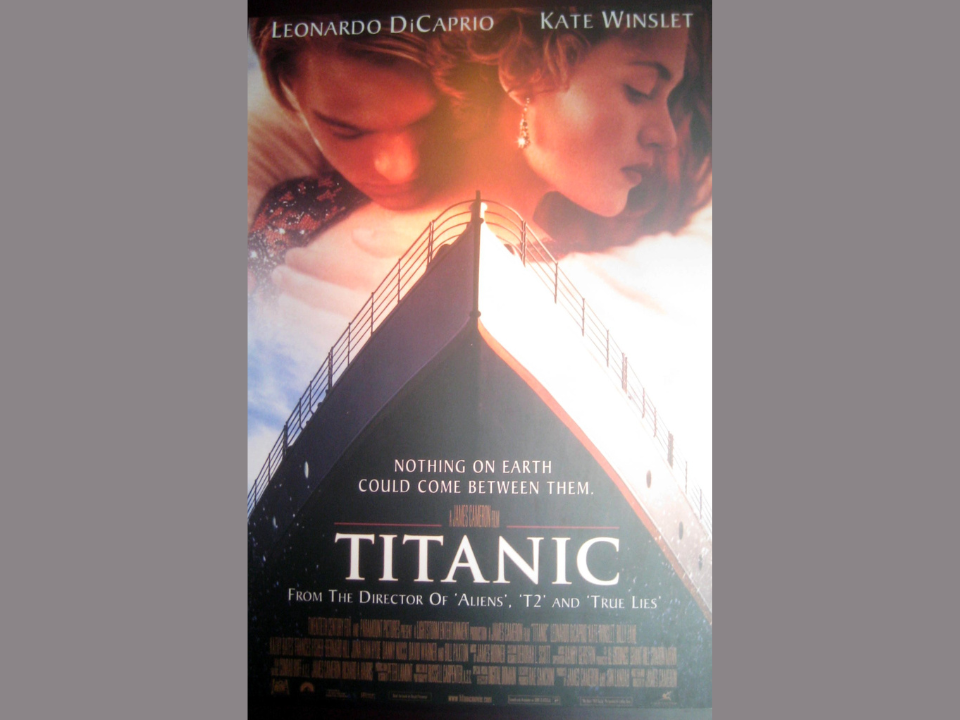
In Titanic, the sinking of the ship was brought to life with some of the most realistic CGI effects of its time. James Cameron’s meticulous attention to detail created a heart-stopping scene where the grand ship plunges into the icy waters of the Atlantic. The combination of practical effects and CGI made the sinking sequence feel real, despite the scale of the disaster. The moment when the ship breaks in half remains a cinematic achievement that continues to awe audiences.
The CGI used to create the sinking of the Titanic was groundbreaking for its time. The filmmakers used digital effects to simulate the ship’s destruction in a way that felt believable and emotionally charged. Even after more than two decades, the sequence is still regarded as one of the most impressive uses of CGI in film. The scene helped set a new standard for realistic disaster filmmaking.
The De-aging of Michael Douglas in Ant-Man (2015)
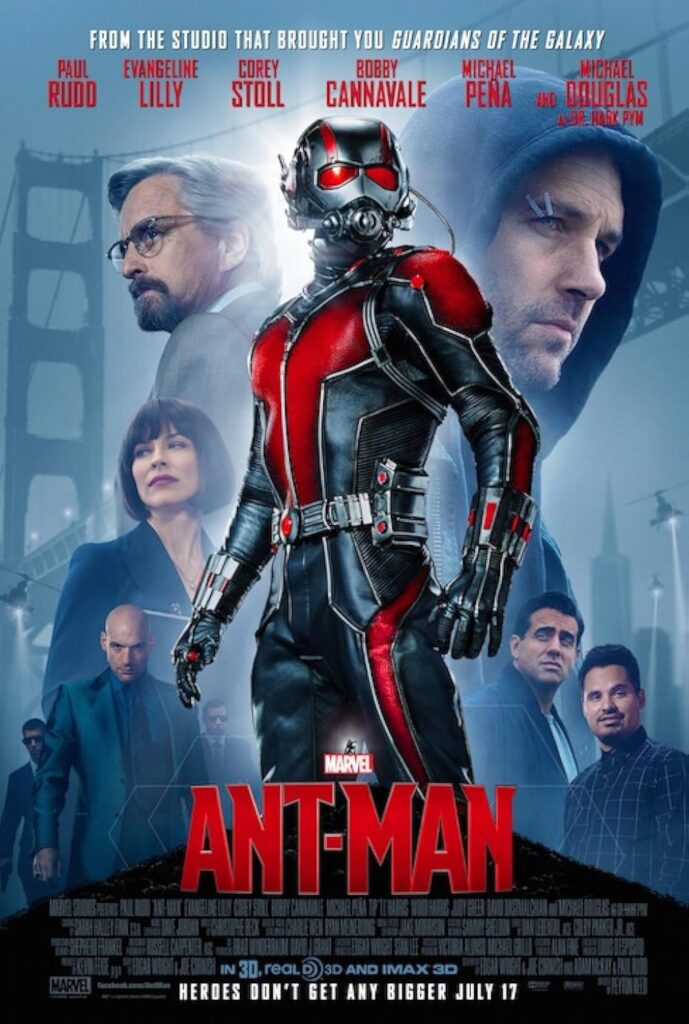
In Ant-Man, the de-aging process used to create a younger version of Michael Douglas was a cutting-edge application of CGI. The character of Hank Pym is shown in flashback scenes from the 1980s, and the de-aging effect was achieved with digital technology. This allowed the filmmakers to present a younger, de-aged version of the actor, which added authenticity to the film’s backstory. The effect was seamless and contributed to the film’s storytelling, without distracting from the action.
The de-aging process used in Ant-Man was a major step forward for CGI in film. It allowed the film to explore a character’s past in a way that felt natural and believable. The success of this effect led to its use in several other films, proving the potential for CGI in creating realistic aging or rejuvenation effects. It remains a standout moment in the film’s use of CGI.
The Final Battle in The Matrix (1999)
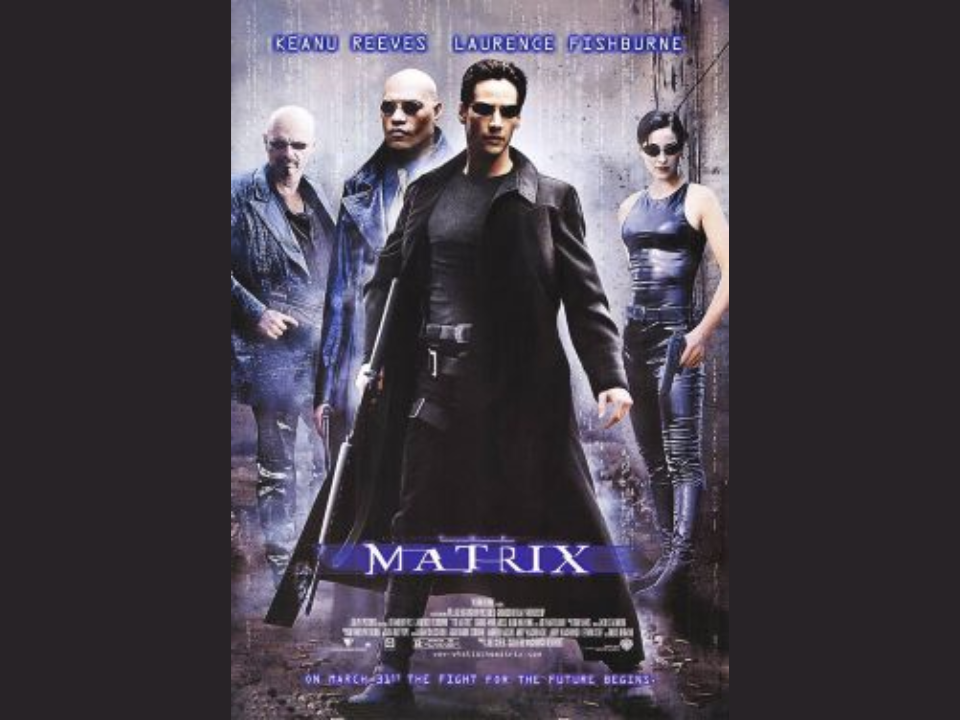
The final battle in The Matrix between Neo and Agent Smith remains one of the most iconic CGI moments in film. The groundbreaking bullet-time effect, which allowed the camera to move around a scene in slow motion, changed the way action sequences were shot. The use of CGI to create the effect of bending time and space added a surreal, almost otherworldly quality to the fight. This moment in The Matrix still stands as one of the best examples of CGI in action cinema.
The use of CGI in The Matrix was a game-changer for action films. The bullet-time effect was so innovative that it became a staple of the genre and has been copied in countless films since. The seamless integration of CGI with live-action footage helped make the final battle unforgettable. Even years later, the effect continues to impress audiences, showcasing the power of CGI to tell a visual story.
The Attack of the Sharks in Jaws: The Revenge (1987)
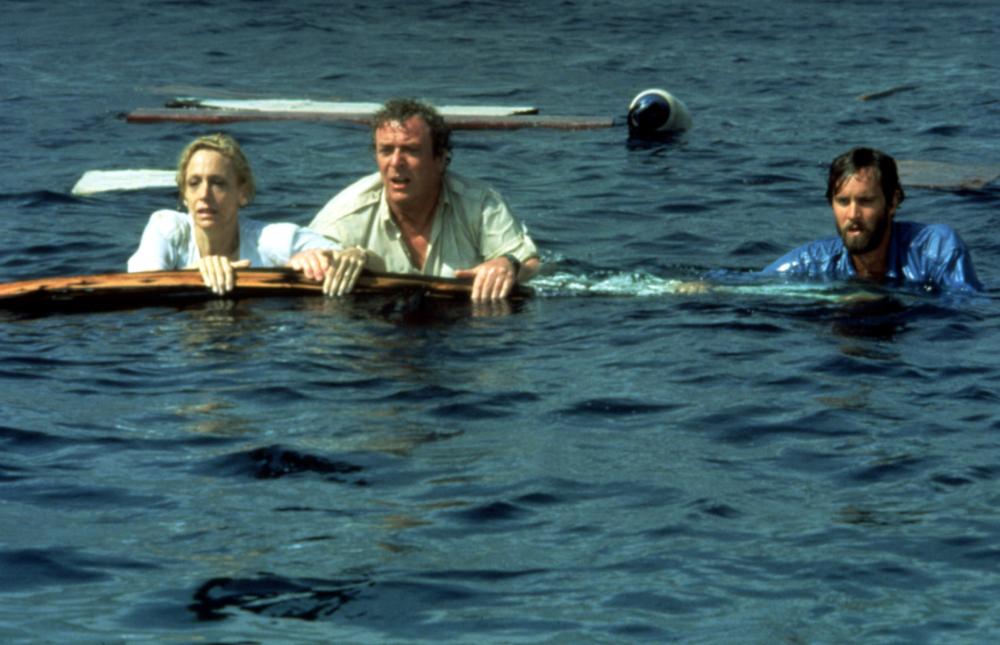
While Jaws: The Revenge may not be as revered as the original, its use of CGI sharks remains noteworthy. The film used digital effects to bring the great white shark to life in a more realistic way than had been possible with practical models. The digitally-created sharks were able to move more fluidly and create a more believable threat. Despite the mixed reviews of the film, the CGI sharks were a testament to the evolving capabilities of special effects.
The technology behind the CGI sharks in Jaws: The Revenge helped push the boundaries of what was possible at the time. Although the film was not a commercial success, it marked an important step in the evolution of digital effects. The sharks’ movements were more lifelike, adding to the suspense and horror of the scenes. It showed how CGI could be used to enhance established creatures in film.
The Creation of the Na’vi in Avatar (2009)
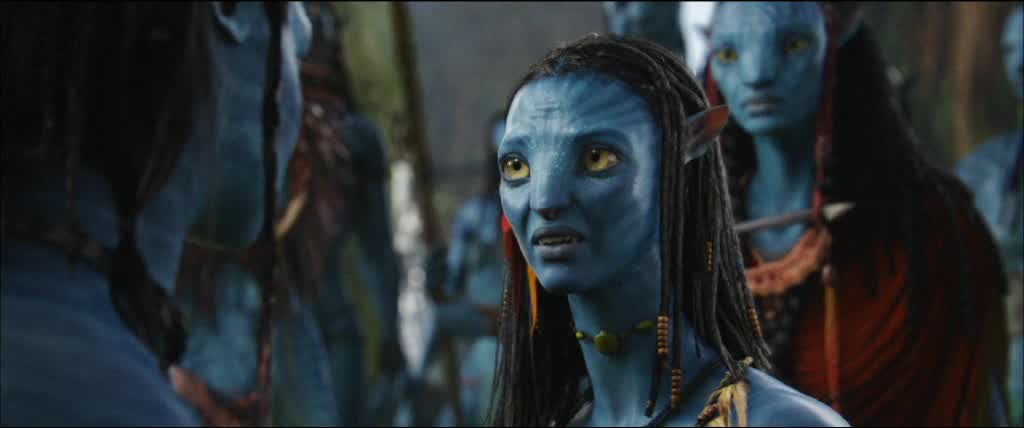
The Na’vi in Avatar were brought to life using some of the most advanced CGI techniques ever seen at the time. James Cameron’s film was a visual masterpiece, with the computer-generated Na’vi appearing as fully realized characters. The motion capture technology used to create their movements allowed for a level of realism never before seen in animated characters. The Na’vi’s ability to interact with the environment and each other was groundbreaking.
The CGI used in Avatar set a new standard for what was possible with motion capture and digital characters. The attention to detail in the Na’vi’s facial expressions and movements made them feel real, despite their fantastical nature. The success of the CGI in Avatar helped propel the film into the history books, becoming one of the highest-grossing films of all time. The film’s use of CGI continues to influence filmmakers in the creation of digital characters.
This article originally appeared on Avocadu.