
14 Cacti With Strange Shapes People Love to Collect
Cacti are fascinating plants, with each variety offering something unique. From their unusual shapes to their striking colors, they never fail to capture attention. Collecting them has become a popular hobby, and many gardeners are drawn to their weird and wonderful forms. If you are looking to expand your collection, you may want to consider adding some of these exceptional cacti.
This post may contain affiliate links, which helps keep this content free. Please read our disclosure for more info.
Cereus peruvianus (Peruvian Apple Cactus)
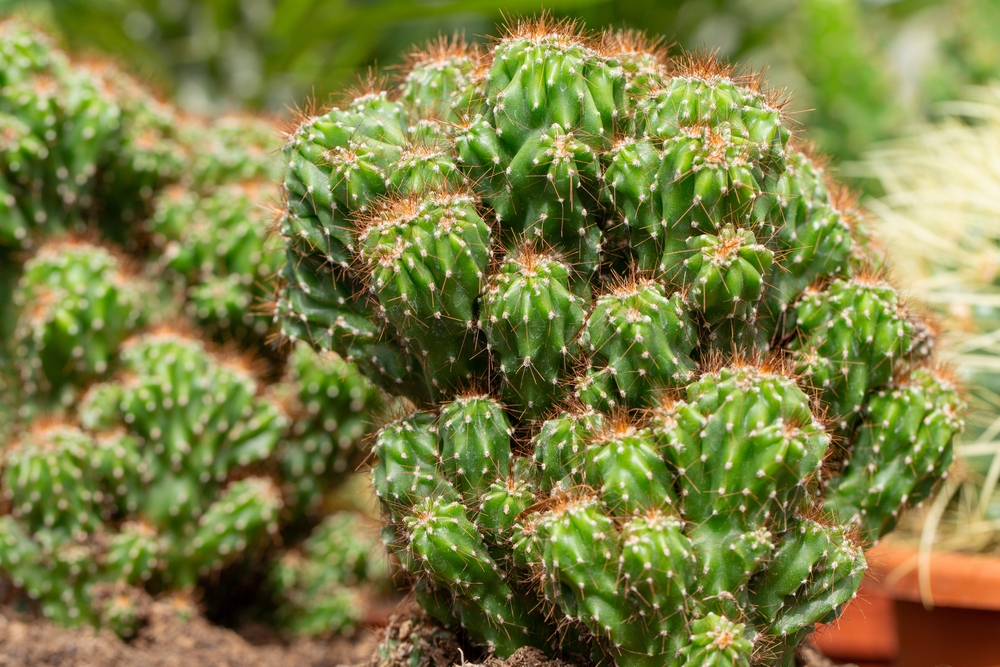
The Cereus peruvianus is known for its tall, columnar structure, which can grow up to 30 feet in height. Its thick, green stems have a waxy coating that gives it a distinctive, smooth look. What makes this cactus so unique is the way it branches out in a way that resembles an upright tree. While it is native to South America, its unusual appearance and relatively easy care have made it a favorite among cactus collectors worldwide.
This cactus produces large, white flowers that bloom at night, adding to its allure. The blooms are short-lived but very fragrant, attracting pollinators. Cereus peruvianus is also known for its edible fruit, which grows after the flowers have faded. Its ability to thrive in both sunny and slightly shaded environments makes it a versatile addition to many collections.
Ariocarpus fissuratus (Fissured Ariocarpus)
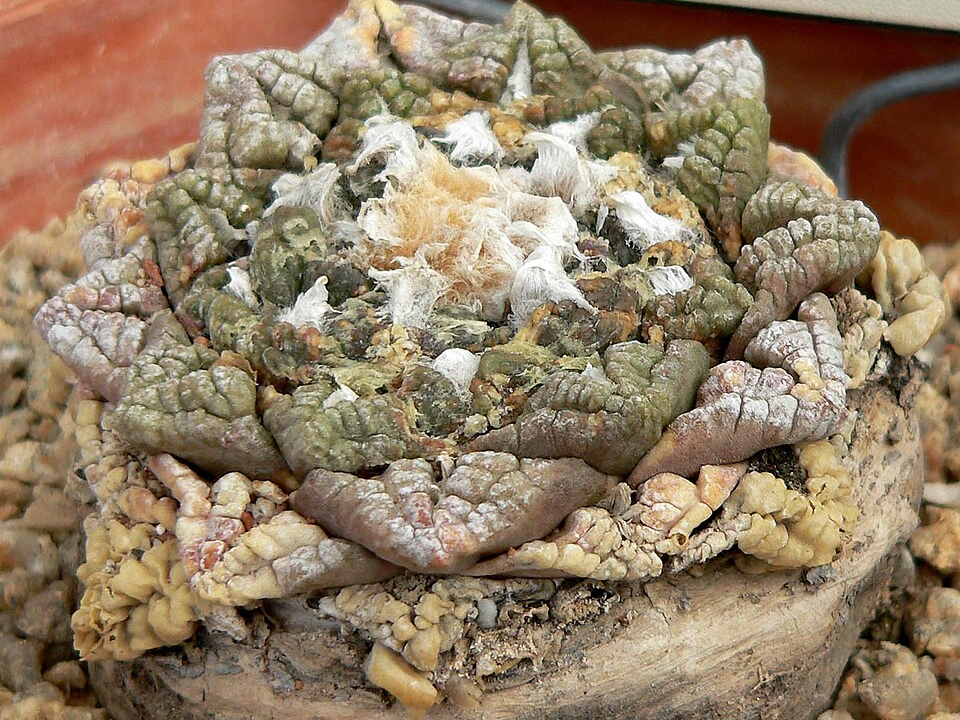
The Ariocarpus fissuratus is a slow-growing cactus with a distinctive appearance that resembles a stone or rock. Its flat, star-shaped body is made up of thick, fleshy, triangular segments, which create a unique geometric pattern. This cactus thrives in dry, rocky soil and can live for many years, growing very slowly over time. Its ability to camouflage with surrounding stones has earned it the nickname “living rock cactus.”
Despite its stone-like appearance, the Ariocarpus fissuratus produces beautiful, pale pink to white flowers. These flowers typically bloom in the fall, standing out against the cactus’s muted colors. As a collector’s plant, it requires careful attention to its environment, preferring minimal water and well-draining soil. It is highly prized for its rarity and peculiar form, making it a standout in any cactus collection.
Echinocactus grusonii (Golden Barrel Cactus)
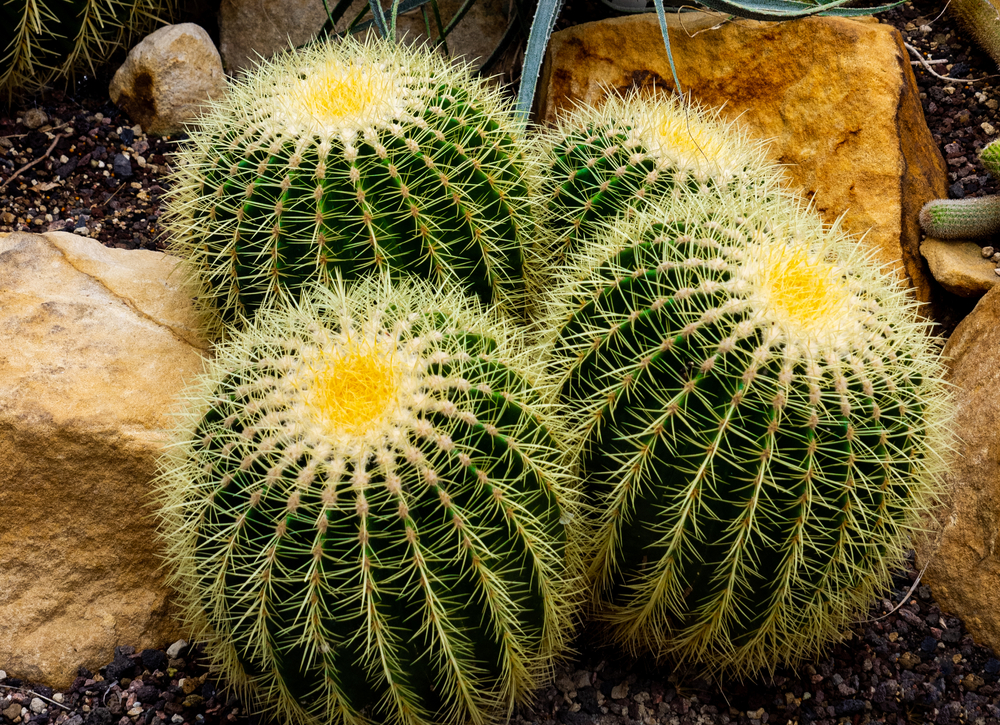
The Echinocactus grusonii, commonly known as the golden barrel cactus, is instantly recognizable by its spherical shape and bright yellow spines. Its rounded body can grow up to 3 feet in diameter, making it one of the larger globe-shaped cacti. This cactus’s striking form and golden hue have made it a favorite among collectors who appreciate its bold, unique look. It is native to Mexico and thrives in arid desert conditions.
This cactus produces small, yellow flowers that bloom near the top of the plant, adding a splash of color. Echinocactus grusonii is not just prized for its shape, but also for its resilience in harsh environments. Its thick, ribbed body stores water, allowing it to survive extreme droughts. It is a fantastic addition to a cactus collection, requiring minimal maintenance and providing year-round interest.
Opuntia microdasys (Bunny Ears Cactus)
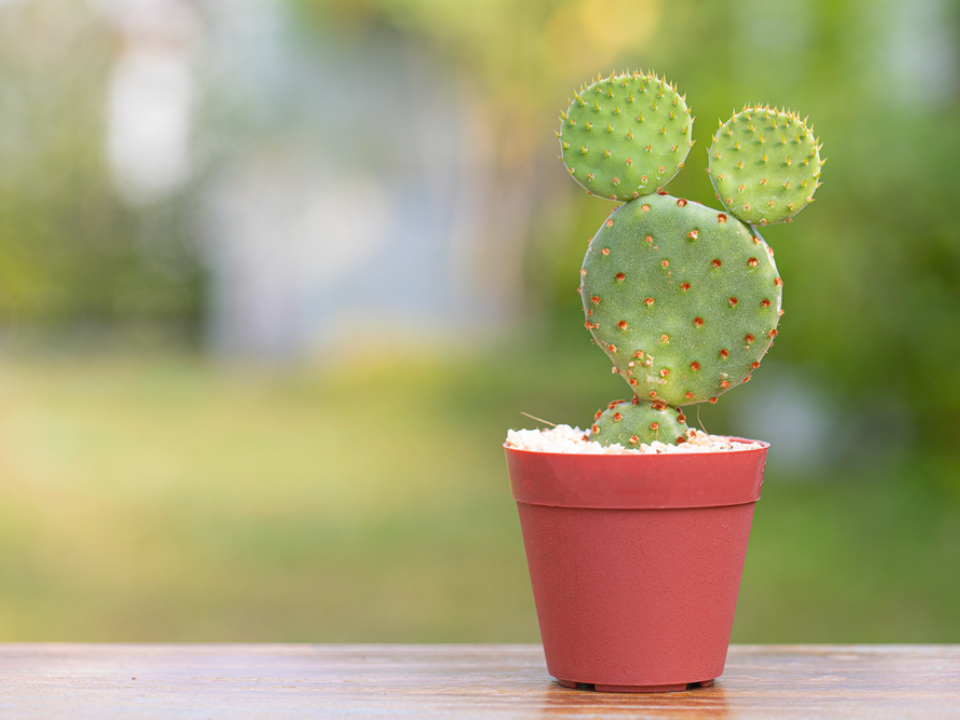
The Opuntia microdasys, commonly called the bunny ears cactus, gets its name from the distinctive pads that resemble a bunny’s ears. This cactus features flattened, round pads covered in tiny spines that can be quite difficult to remove. Native to Mexico, it is a smaller cactus, typically growing to around 2 feet in height. Its odd shape and fuzzy appearance make it an eye-catching addition to any garden or cactus collection.
Despite its cute appearance, the Opuntia microdasys is not without its challenges. The tiny spines, or glochids, can be irritating to the skin if touched, so caution is needed when handling it. This cactus blooms with beautiful yellow or red flowers, adding to its charm. It is relatively easy to care for, thriving in well-drained soil and plenty of sunlight.
Gymnocalycium mihanovichii (Moon Cactus)
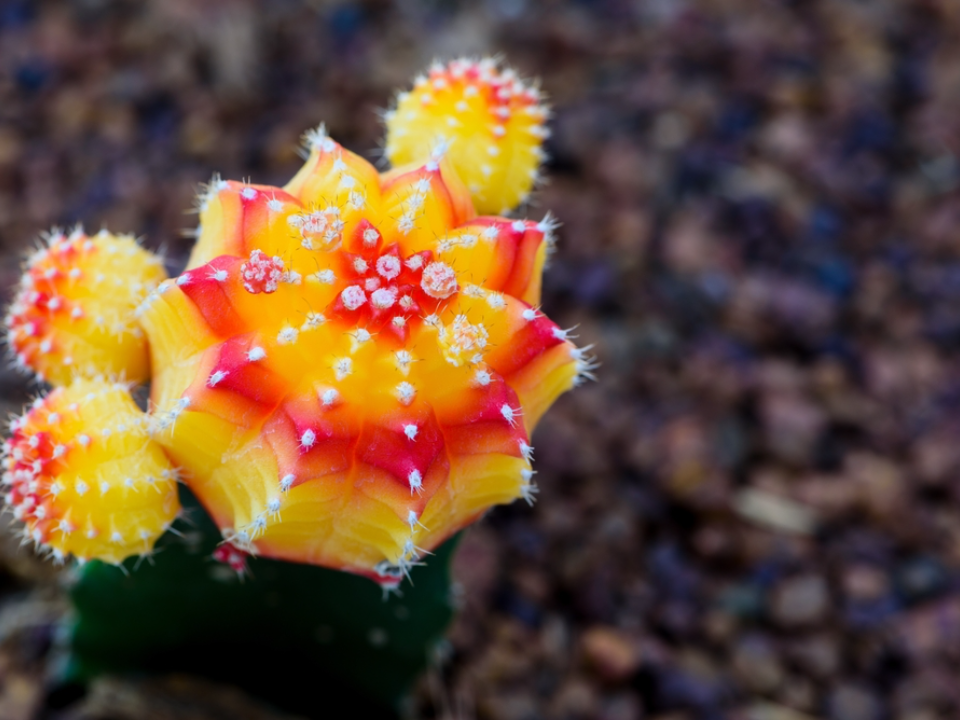
The Gymnocalycium mihanovichii, or moon cactus, stands out because of its brightly colored top, which is grafted onto a green base cactus. The top of the cactus is often red, pink, or yellow, creating a striking contrast with the base. It is a small cactus, typically growing no taller than 6 inches, making it perfect for collectors who enjoy small, colorful plants. The moon cactus is popular for its unusual, vibrant appearance, making it a standout piece in any collection.
This cactus does not naturally produce chlorophyll, which is why it is grafted onto another cactus. The bright colors are a result of a genetic mutation that makes it appear neon-like under bright light. Gymnocalycium mihanovichii prefers warm, sunny environments and well-draining soil. While it requires more care than some other cacti, its vivid colors make it well worth the effort.
Astrophytum asterias (Star Cactus)
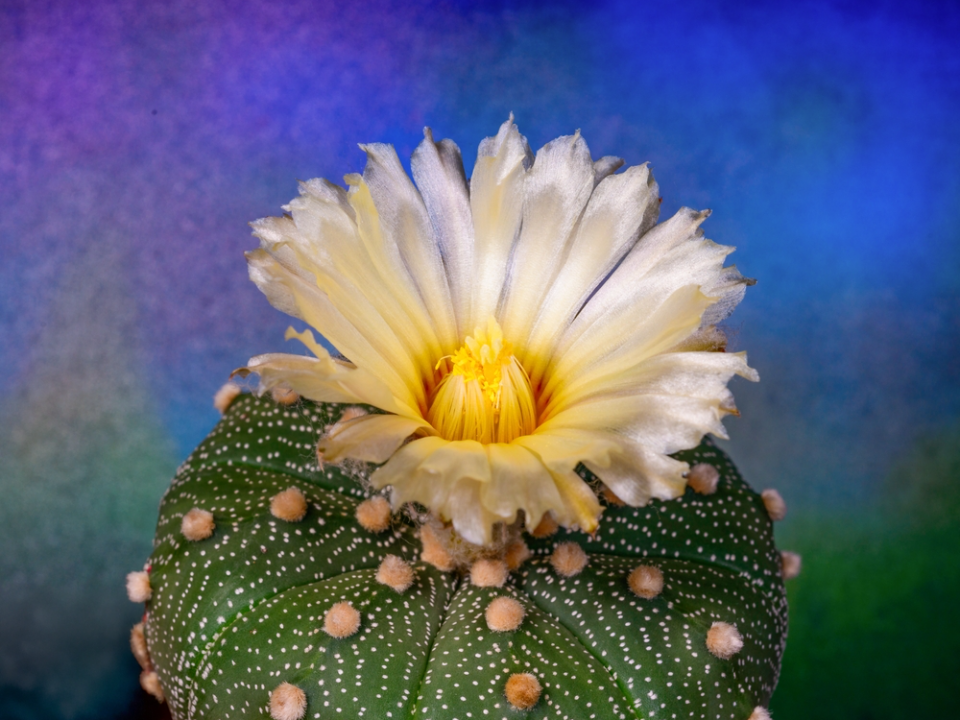
The Astrophytum asterias, often referred to as the star cactus, has a unique, star-shaped form with shallow, wide ribs that create a striking visual. This small cactus is native to Mexico and is easily recognized for its distinctive pattern, which looks almost like the petals of a flower. The cactus has a smooth surface covered in tiny white speckles, adding to its beauty and intrigue. It is a slow-growing cactus that requires very little water, making it a great choice for collectors who enjoy low-maintenance plants.
The Astrophytum asterias produces small yellow flowers that bloom during the summer months, though they are quite rare. This cactus thrives in well-drained, rocky soil and does best with plenty of sunlight. It is highly valued for its unusual form and low profile, making it an excellent choice for collectors with limited space. Its appearance is so unique that it is often considered one of the most attractive cacti in existence.
Mammillaria elongata (Ladyfinger Cactus)
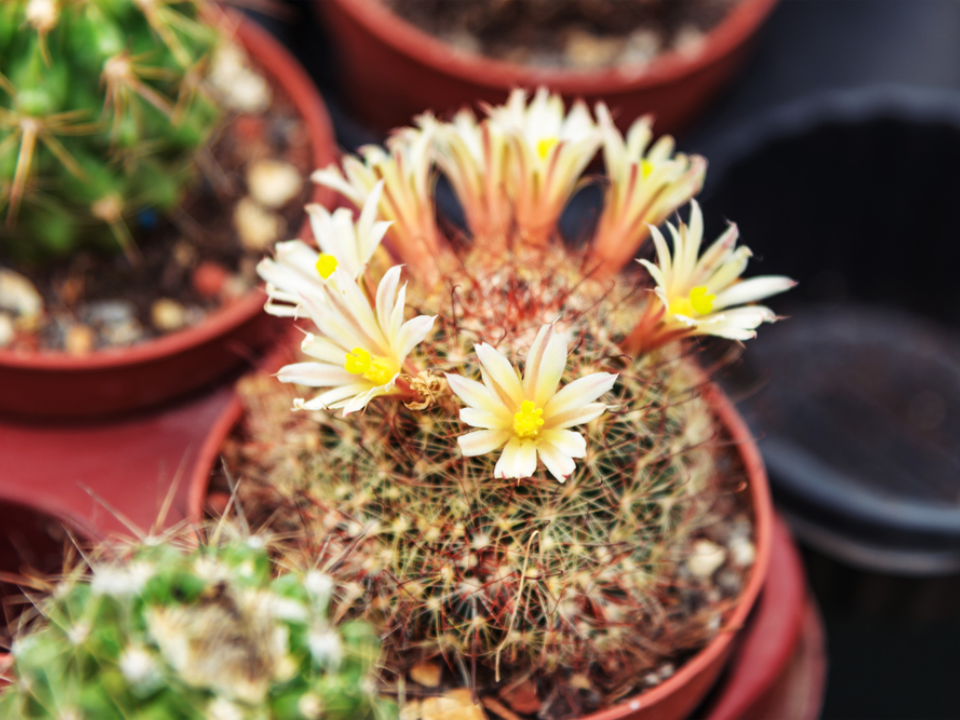
The Mammillaria elongata, also known as the ladyfinger cactus, has long, cylindrical stems that give it a distinct, finger-like shape. The cactus forms clusters of these slender, golden spines that resemble a hand reaching upward. Native to Mexico, the ladyfinger cactus is a slow-growing plant that can reach up to 12 inches in height. Its unusual form and soft, yellow spines make it a favorite among collectors who appreciate its delicate appearance.
Mammillaria elongata blooms with small pink or white flowers that appear in a ring around the top of the plant. The plant is relatively easy to care for, requiring little water and thriving in well-drained soil. Its ability to produce multiple offsets, or “babies,” makes it an attractive choice for collectors looking for a plant that can spread and multiply over time. Its soft, fuzzy appearance adds a unique charm to any collection.
Echinocereus rigidissimus (Rainbow Cactus)
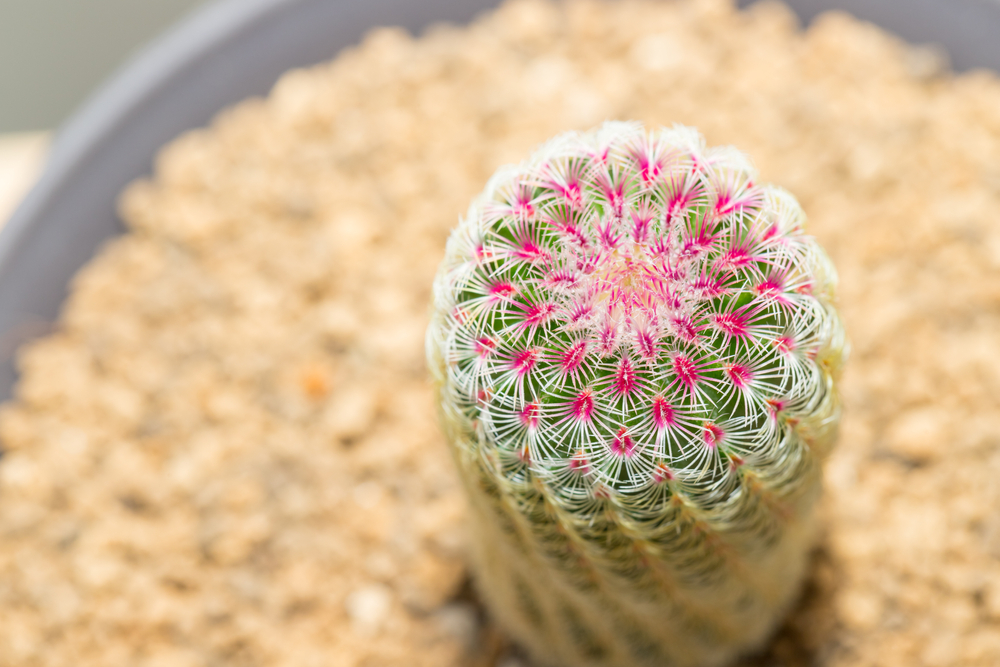
The Echinocereus rigidissimus, or rainbow cactus, is one of the most visually striking cacti due to its vibrant pink spines. The plant has a cylindrical shape, growing to about 2 feet in height, and features ribbed, tall stems. The spines transition from a pale yellow at the base to bright pink at the tips, creating a stunning gradient effect. This cactus is native to the southwestern United States and northern Mexico, thriving in rocky, desert environments.
In addition to its colorful spines, Echinocereus rigidissimus blooms with large, showy flowers that can range from purple to magenta. The flowers typically appear in spring or early summer, adding even more color to the already vibrant cactus. It requires full sunlight and well-draining soil, making it a relatively easy cactus to care for in the right conditions. Collectors prize this cactus for its exceptional color and unique look.
Tephrocactus articulatus (Creeping Devil Cactus)
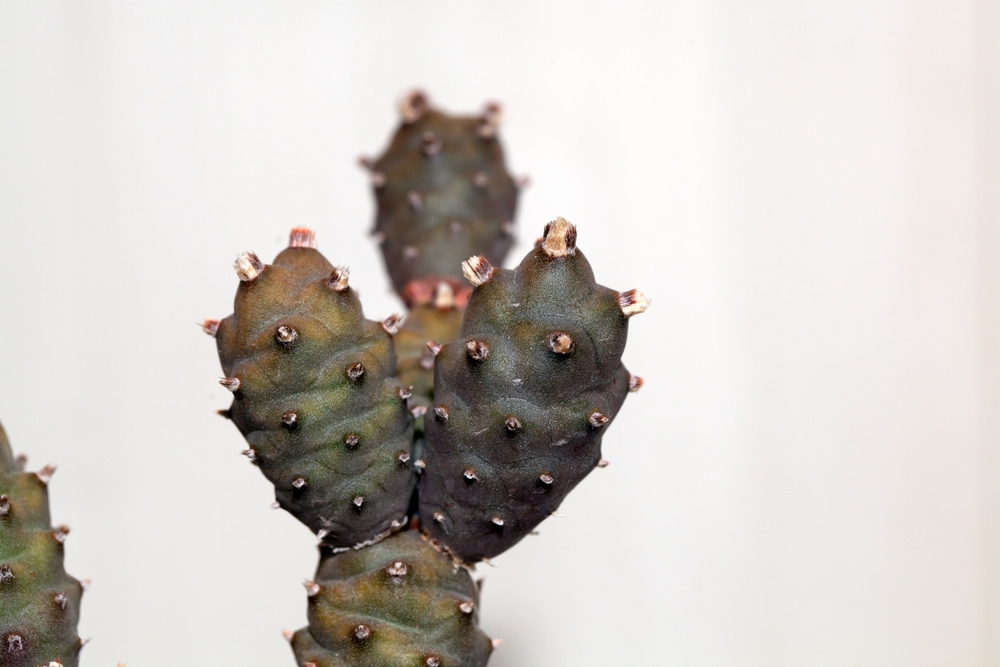
The Tephrocactus articulatus, also known as the creeping devil cactus, is a fascinating plant due to its segmented, snake-like appearance. Its body consists of long, segmented arms that seem to crawl or sprawl across the ground. This cactus can grow up to 3 feet in length and features small, spiny protrusions along each segment. Native to Argentina, it thrives in arid environments and can tolerate extreme heat.
Despite its somewhat ominous appearance, the Tephrocactus articulatus is relatively easy to grow in well-draining soil and bright light. It produces small, white to pink flowers that bloom in late spring. Collectors are drawn to its serpentine shape and the way it changes as it grows, with new segments forming along the base. This cactus is often kept in containers where its sprawling form can be admired.
Lophophora williamsii (Peyote Cactus)
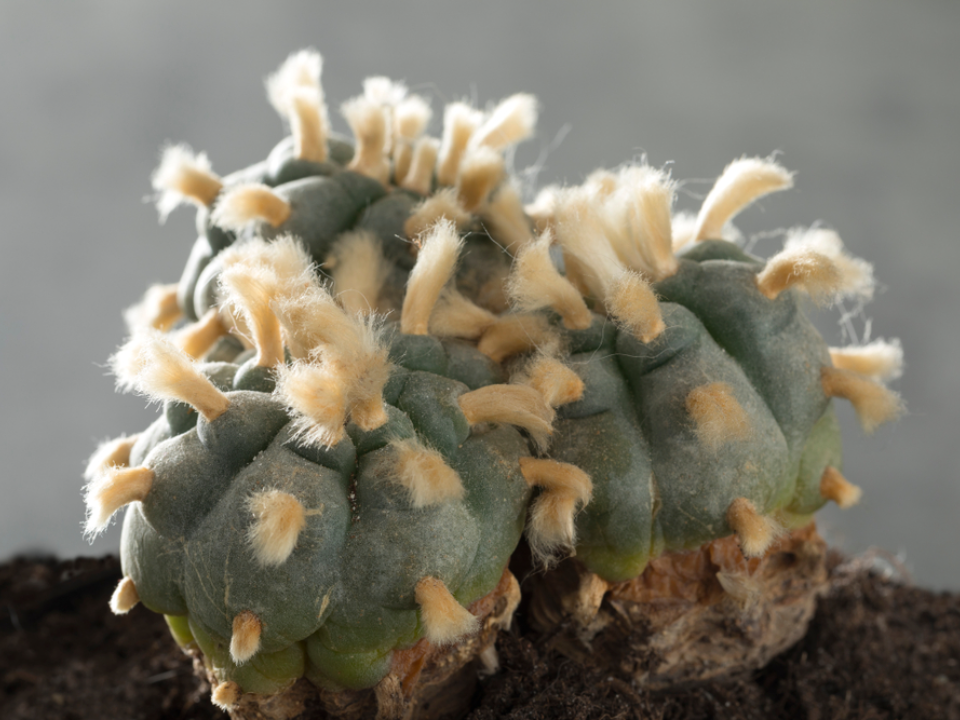
The Lophophora williamsii, or peyote cactus, is known for its small, spherical shape and thick, fleshy appearance. It is usually light green or blue-green in color and can grow up to 4 inches in diameter. This cactus is native to the deserts of Mexico and southwestern Texas and is often sought after for its historical and cultural significance. It has a soft, button-like appearance that makes it look almost like a miniature pumpkin.
Peyote is famous for its psychoactive properties, which have been used in religious and spiritual ceremonies by Native American groups for centuries. However, it is also appreciated as a unique and attractive cactus for collectors. It produces small, pink or white flowers that bloom at the crown of the cactus. The Lophophora williamsii requires minimal care and is highly valued for both its distinctive look and cultural history.
Ferocactus wislizeni (Fishhook Barrel Cactus)
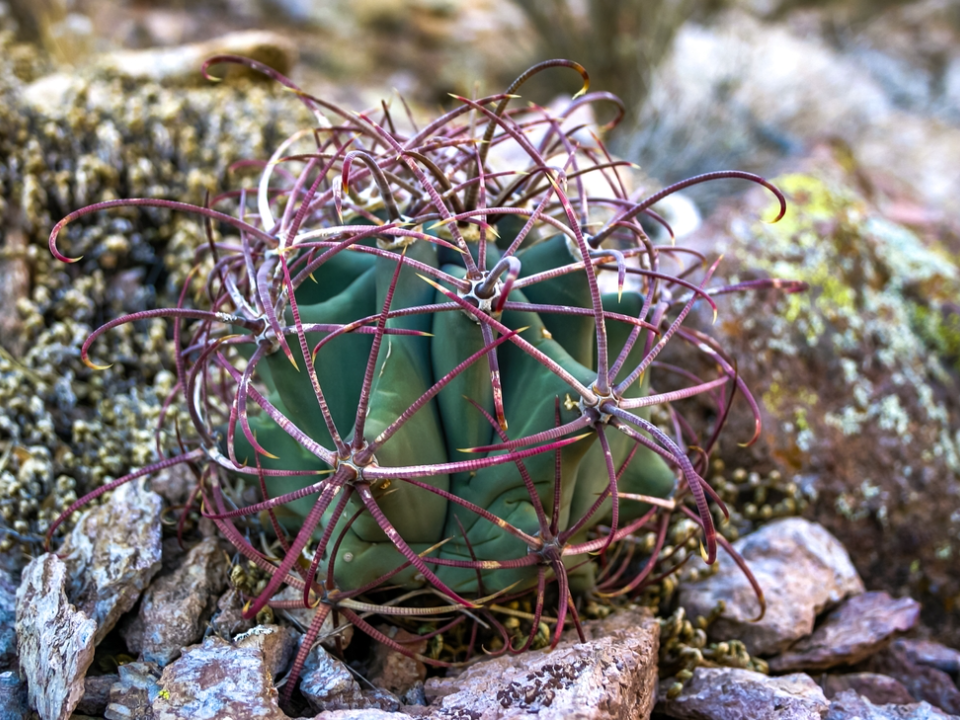
The Ferocactus wislizeni, also known as the fishhook barrel cactus, is a large, cylindrical cactus with prominent, hooked spines that curve outward. Its thick, ribbed body can reach up to 5 feet in height and is often adorned with beautiful, bright yellow spines. Native to the southwestern United States and Mexico, this cactus is found in dry, desert environments. Its unique fishhook spines make it an iconic cactus for collectors who enjoy spiny varieties.
This cactus blooms with large, vibrant red to purple flowers that appear in the summer months. The Ferocactus wislizeni is well-adapted to extreme conditions, thriving in full sun and well-draining soil. While its spines can be intimidating, they add to the plant’s dramatic appearance. It is an excellent choice for collectors who appreciate large, impressive cacti that stand out in any collection.
Coryphantha elephantidens (Elephant’s Foot Cactus)
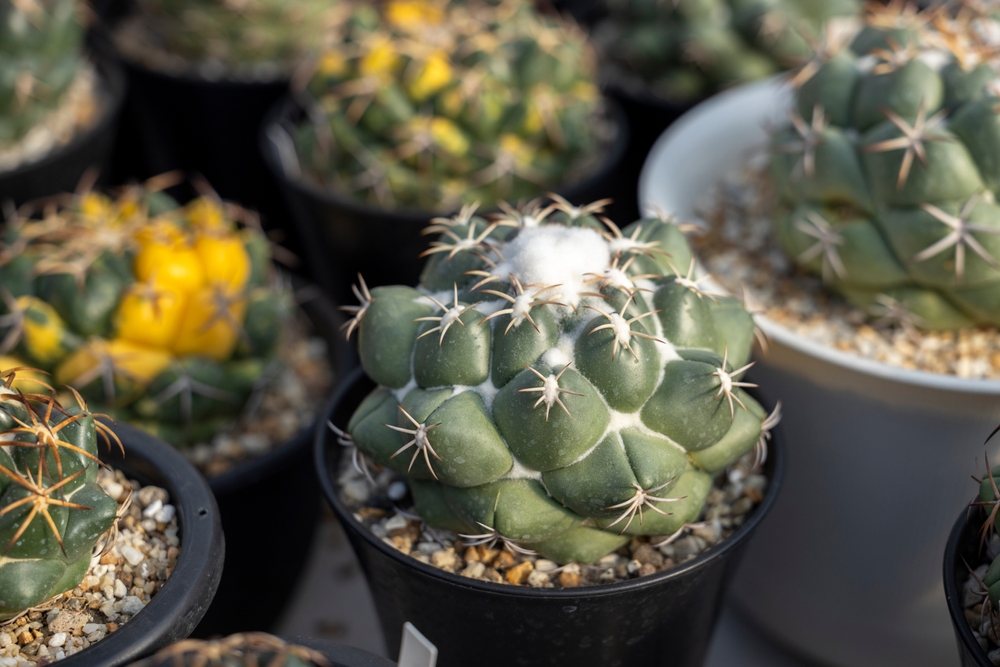
The Coryphantha elephantidens, also known as the elephant’s foot cactus, is a small, barrel-shaped plant that features long, white spines that resemble the coarse hair of an elephant’s leg. This cactus is native to Mexico and can grow to about 12 inches tall. Its body is ribbed and round, with a distinctive pattern of spines along the surface. The plant’s unique shape and spiny texture have made it a favorite for collectors who seek rare, textured cacti.
The Coryphantha elephantidens produces small, bright yellow flowers that bloom at the crown of the cactus. It thrives in dry, rocky soil and requires minimal watering to avoid root rot. The cactus is slow-growing but can live for many years, making it a valuable long-term addition to any collection. Its rare appearance and relatively low maintenance needs make it a highly sought-after cactus among collectors.
Mammillaria hahniana (Old Man Cactus)
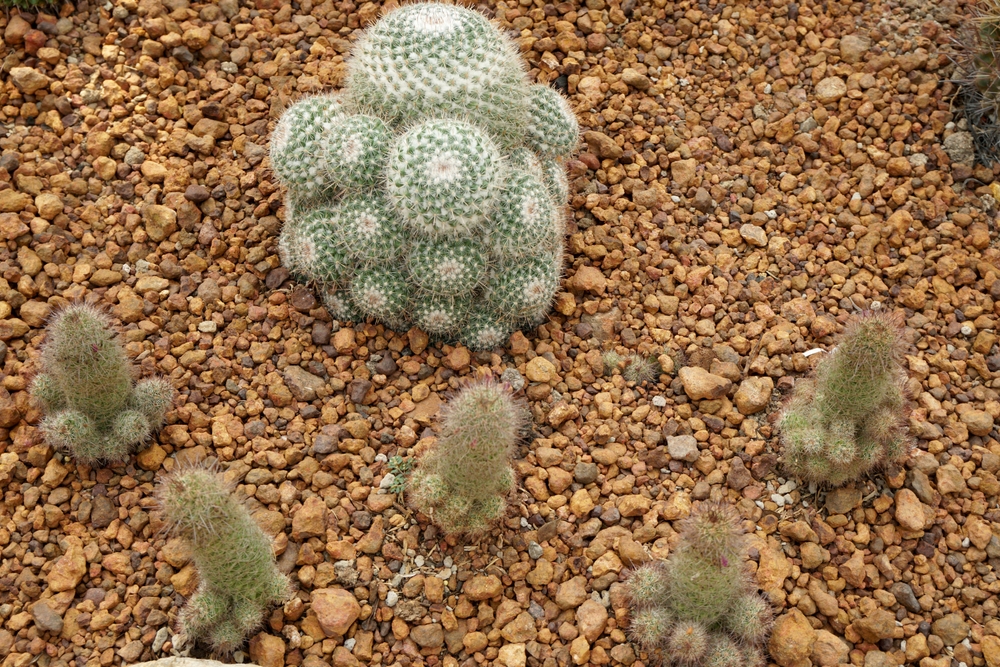
The Mammillaria hahniana, or old man cactus, is known for its long, white, woolly spines that give it the appearance of a wise, elderly figure. This small, spherical cactus grows up to 8 inches tall and is often covered in fluffy white hair. Native to Mexico, the old man cactus is a slow-growing plant that produces small, pink or red flowers around its crown. Its soft, woolly texture contrasts sharply with the sharpness of other cactus varieties, making it a popular choice among collectors.
This cactus thrives in bright sunlight and well-draining soil, requiring minimal water to maintain its form. The Mammillaria hahniana is relatively easy to care for, making it an excellent option for those new to cactus collecting. Over time, the plant’s woolly spines grow denser, adding to its unique look. It is prized for its gentle, almost endearing appearance, making it a delightful addition to any cactus collection.
Trichocereus pachanoi (San Pedro Cactus)
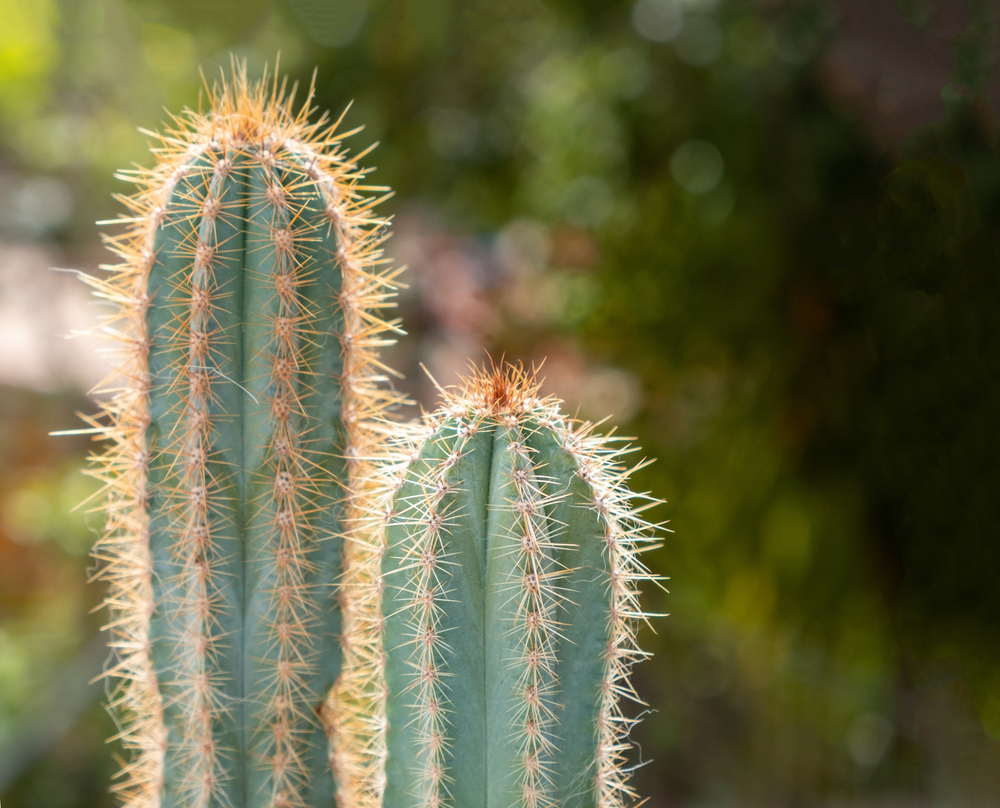
The Trichocereus pachanoi, or San Pedro cactus, is a tall, columnar cactus that can reach up to 20 feet in height. It is native to the Andes Mountains in South America and is recognized for its pale green body and spiny ribs. This cactus has a unique appearance, with multiple branches extending from a central stem, creating a tree-like structure. It is widely used in traditional spiritual practices, adding to its cultural significance.
The Trichocereus pachanoi blooms with large, white flowers that open at night and emit a strong, pleasant fragrance. Its rapid growth rate and resilience make it a popular choice among collectors looking for a large, statement cactus. It thrives in well-drained soil and full sunlight, and it is relatively easy to care for in the right environment. As a collector’s plant, its distinctive appearance and cultural history make it a sought-after variety.
This article originally appeared on Avocadu.