
11 Bulbs to Plant Now for Stunning Late Spring Blooms
Planting bulbs in the fall is the key to enjoying a vibrant garden filled with stunning blooms when late spring arrives. By choosing the right bulbs now, you can ensure your garden will come alive with color and texture as the weather warms. From tall alliums to graceful irises, these bulbs are perfect for adding height, structure, and beauty to your landscape. With a little planning and preparation, you can create a garden that transitions smoothly from early spring to summer, offering a colorful display that lasts for weeks.
This post may contain affiliate links, which helps keep this content free. Please read our disclosure for more info.
Alliums
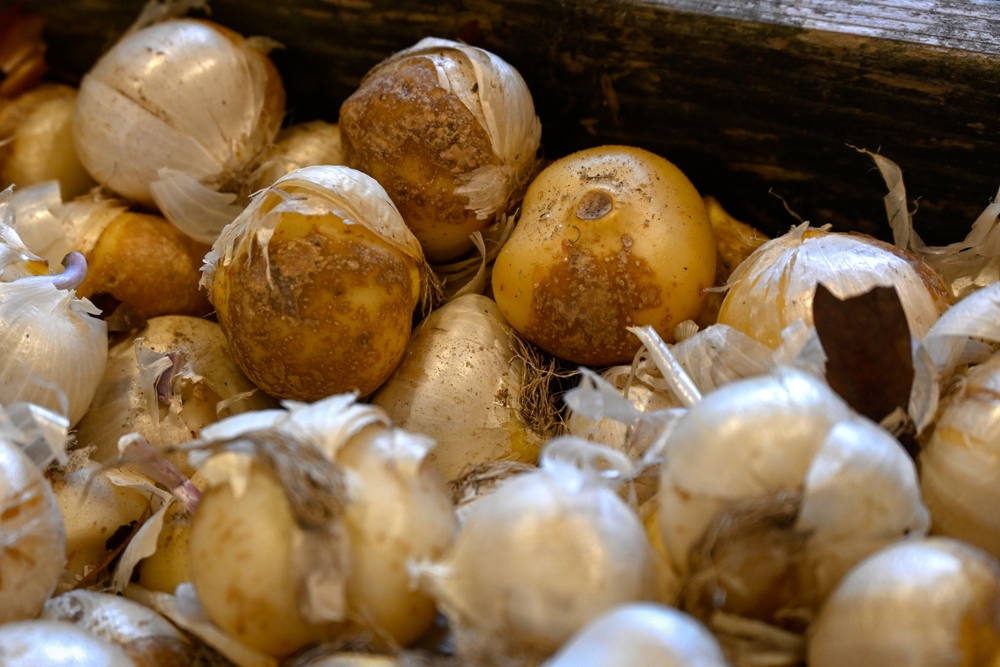
Alliums are well-known for their striking globe-shaped blooms, adding a bold architectural touch to any garden. Planting them in the fall allows them to establish strong roots over the winter, ensuring they put on a stunning show come late spring. Their tall, thin stems support large, round clusters of purple, white, or pink flowers that bloom in late spring, often lasting for several weeks. These bulbs thrive in well-drained soil and full sunlight, making them perfect for adding height and structure to your garden’s floral display.
In addition to their beauty, alliums are known to attract pollinators, including bees and butterflies, which makes them a great choice for an eco-friendly garden. Their unique flower form provides a contrast to other, more rounded blooms and serves as a focal point in mixed flower beds. By planting them in the fall, you give them the necessary time to establish themselves and produce their showy, late-season flowers when spring arrives.
Late-Season Tulips
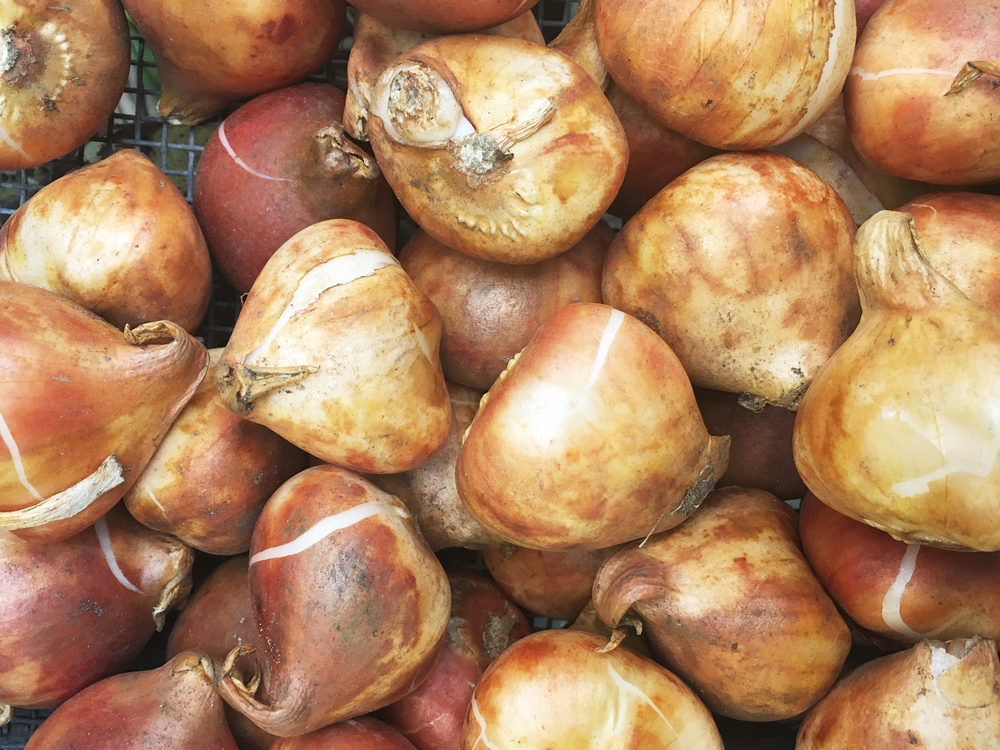
While most tulips bloom in early spring, late-season varieties come into their own in late spring or early summer, offering a longer bloom period. These tulips are perfect for creating an extended color palette, with varieties ranging from deep purples to bright oranges. Planting tulip bulbs in the fall ensures that the cold weather triggers the required chilling period for the bulbs, leading to stronger and more vibrant blooms in late spring.
Late-season tulips are ideal for filling in gaps in your garden after earlier blooming flowers have started to fade. They blend beautifully with other late-spring perennials, creating a smooth transition in your garden’s bloom cycle. Additionally, their sturdy stems make them great for cutting, allowing you to bring their colorful blooms indoors to enjoy.
Dutch Iris
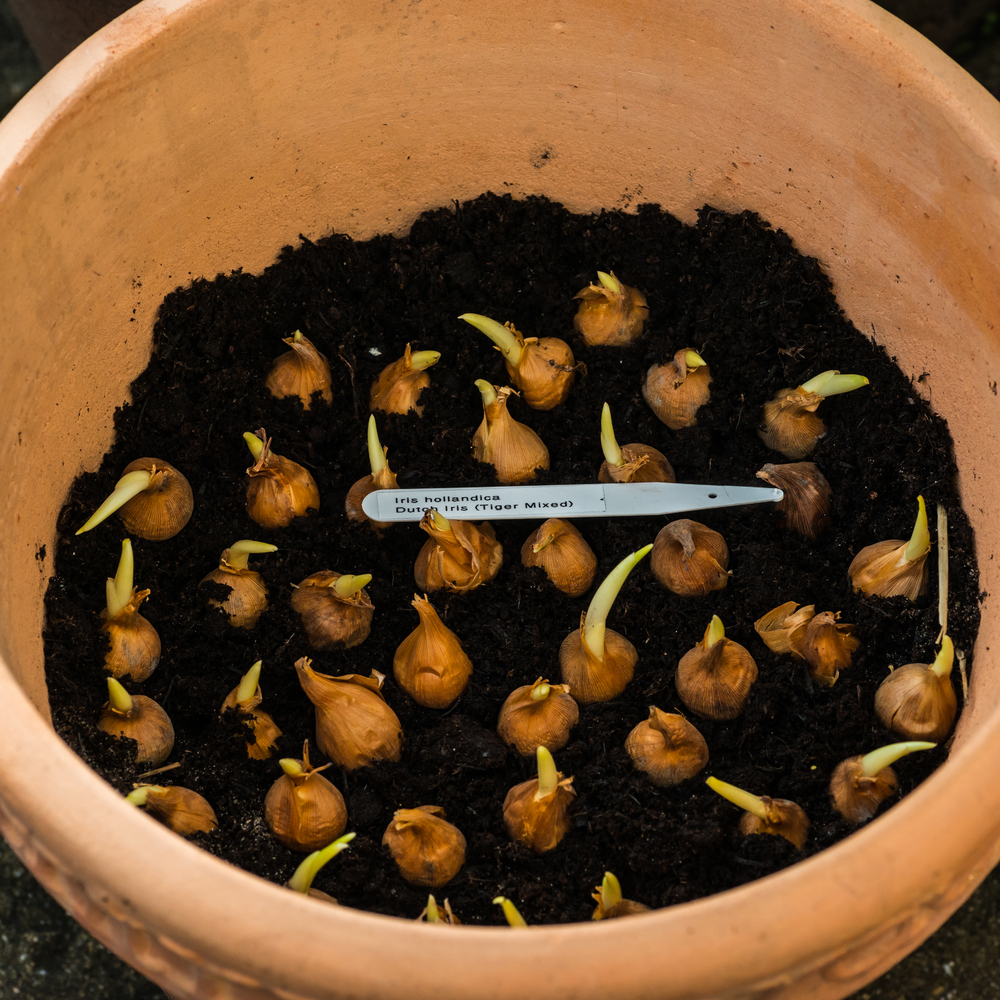
Dutch irises are beloved for their elegant, sword-like petals and their ability to bloom in a wide range of colors. Plant them in the fall for a late-spring display that can last for weeks. Their blooms stand tall and proud, often with striking color combinations of blues, purples, and yellows, which make them perfect for both cutting gardens and borders. These hardy bulbs thrive in well-drained soil and can withstand light frost, making them a reliable choice for early spring through late spring.
In addition to their beauty, Dutch irises are known for their pleasant fragrance, adding an aromatic dimension to your garden. They are also low-maintenance, requiring only occasional watering and a sunny spot to thrive. Their graceful flowers can be used to complement the bold structures of other flowers, making them an excellent addition to any late spring garden.
Lilies
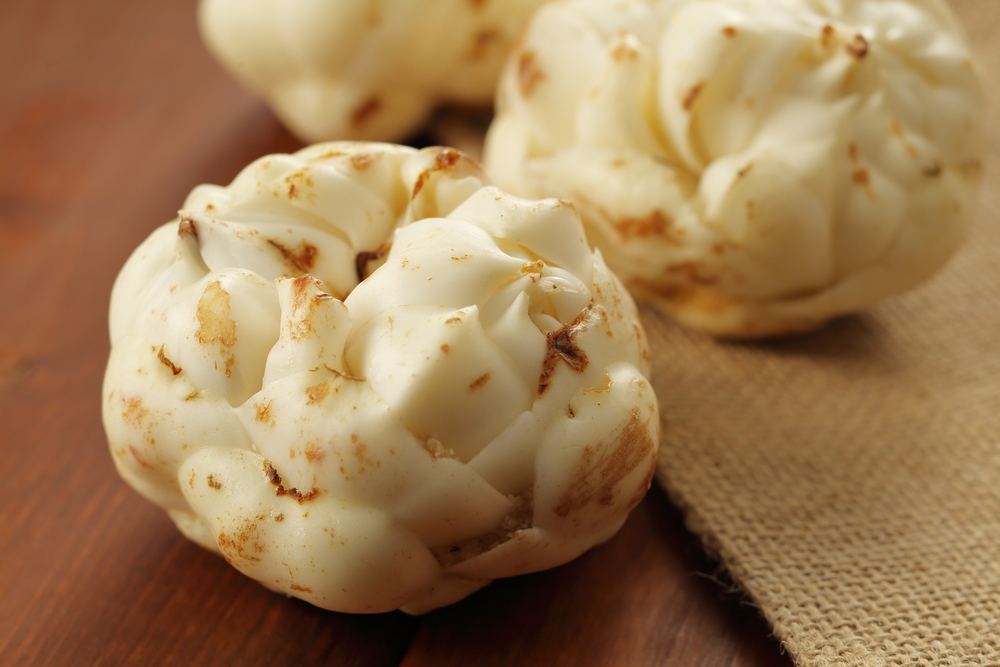
Lilies are a garden classic, known for their stunning, large blooms and sweet fragrance. They come in a variety of colors, from vibrant oranges to soft whites and delicate pinks, making them versatile additions to any flower bed. When planted in the fall, lilies have the opportunity to develop strong roots, ensuring they bloom beautifully in late spring and early summer. Their tall, elegant flowers rise above the foliage, creating a dramatic visual effect.
These bulbs are relatively easy to grow and thrive in a wide range of soils, as long as they are well-drained. Lilies can add an element of elegance and sophistication to your garden, and their scent is particularly inviting. They are perfect for garden beds, borders, and containers, adding a touch of luxury to your outdoor space.
Gladiolus
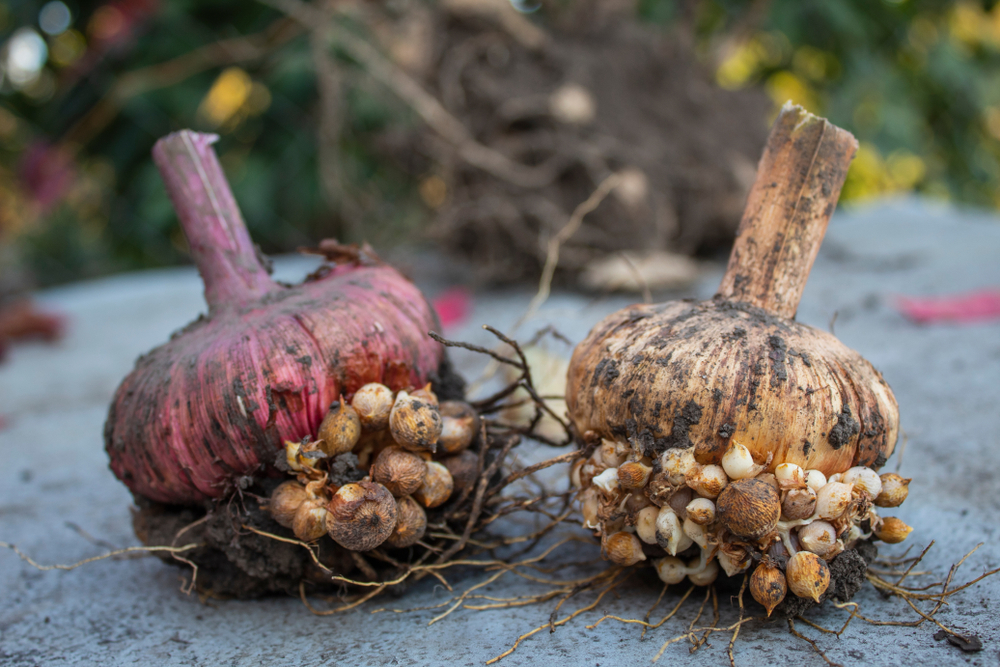
Gladiolus are known for their tall, spiky flower stems that rise dramatically above the rest of the garden. These flowers come in a range of colors, from fiery reds to soft pastels, offering a striking contrast to the surrounding blooms. Gladiolus bulbs should be planted in the fall to give them enough time to establish roots. Once they bloom in late spring, their towering flowers will make a bold statement, adding structure and height to your garden.
Because they bloom over several weeks, gladiolus can provide an extended burst of color, and their blooms make for stunning cut flowers. Gladiolus are easy to grow and thrive in full sun, making them a reliable choice for late spring and early summer gardens. Their vertical blooms create visual interest and are perfect for planting alongside low-growing plants.
Dahlias
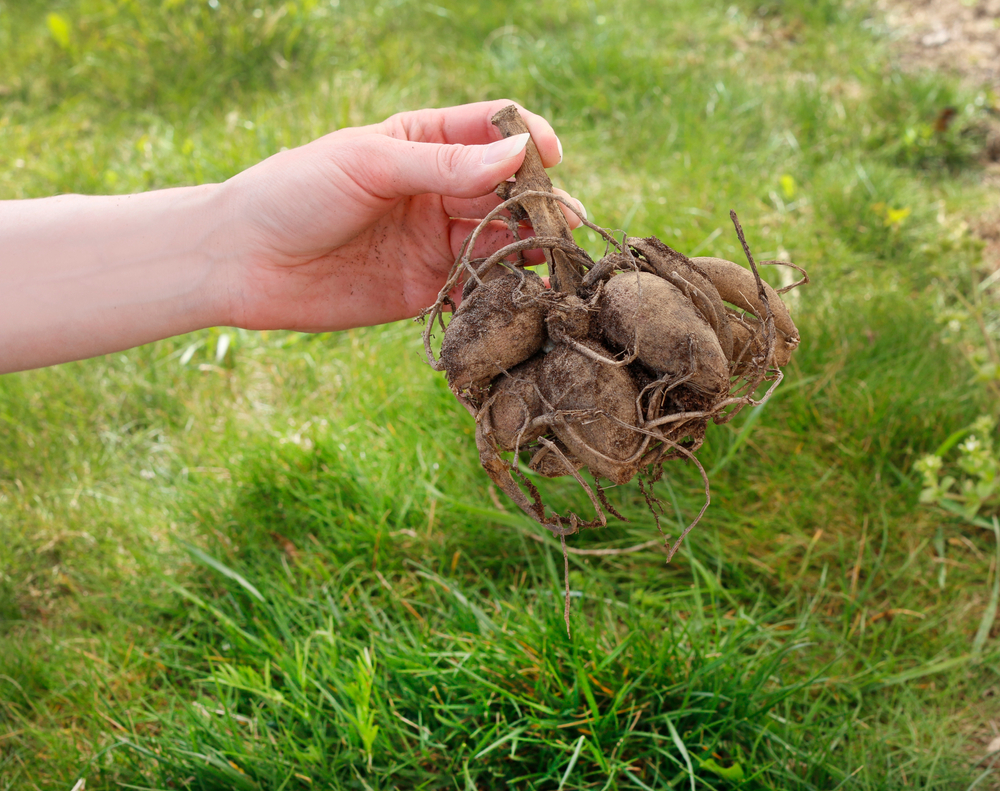
Dahlias are loved for their large, vibrant blooms that range in color from rich reds to soft yellows. They offer a variety of flower forms, from ball-shaped blooms to spiky, more open flowers, allowing for diverse looks in the garden. Planting dahlias in the fall helps ensure that they are well-rooted and ready to make a big impact when they bloom in late spring to early summer. Their blooms are large and often showy, attracting both the eye and pollinators.
Dahlias are incredibly versatile and work well in mixed borders, flower beds, and containers. They thrive in full sunlight and well-drained soil, and they bloom continuously, providing color throughout the summer months. Their dramatic blooms make them a favorite for gardeners looking to create a stunning display that transitions seamlessly into the warmer months.
Crocus
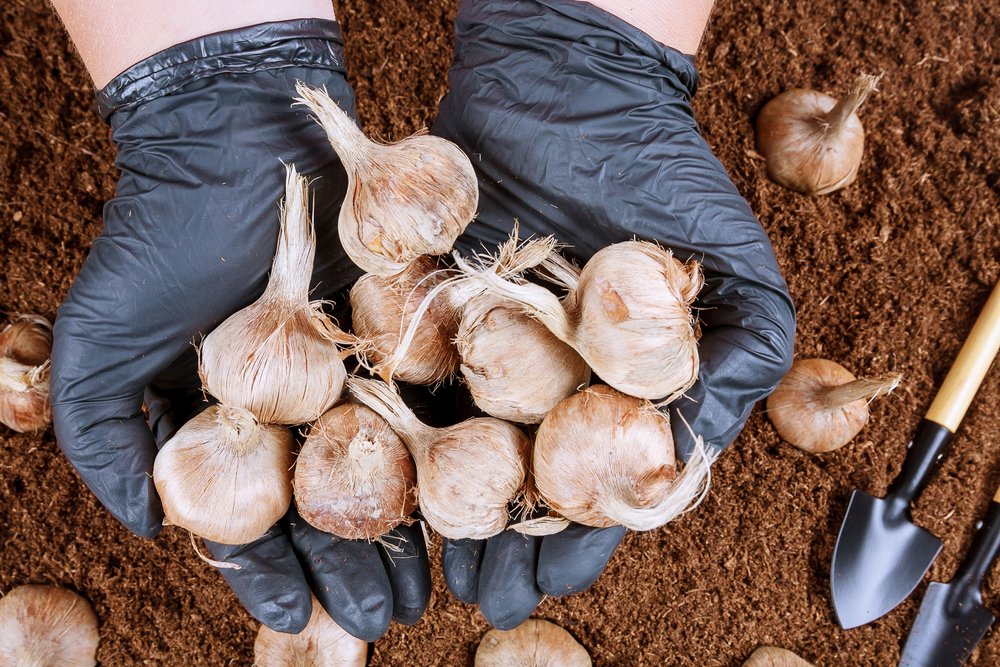
Crocuses are early bloomers that can bring a splash of color to your garden before many other spring flowers. Planting them in the fall gives them the cold period they need to trigger their bloom in late spring. These small but vibrant flowers come in a range of colors, from purples and whites to yellows, providing a cheerful pop of color when other plants are still dormant.
Crocus bulbs are hardy and easy to plant, making them perfect for gardeners looking for low-maintenance options. They do best in well-drained soil and full sun but can also tolerate partial shade. Their early blooms help fill the gap between the last of the winter snow and the full spring bloom, making them a delightful early-spring addition.
Anemones
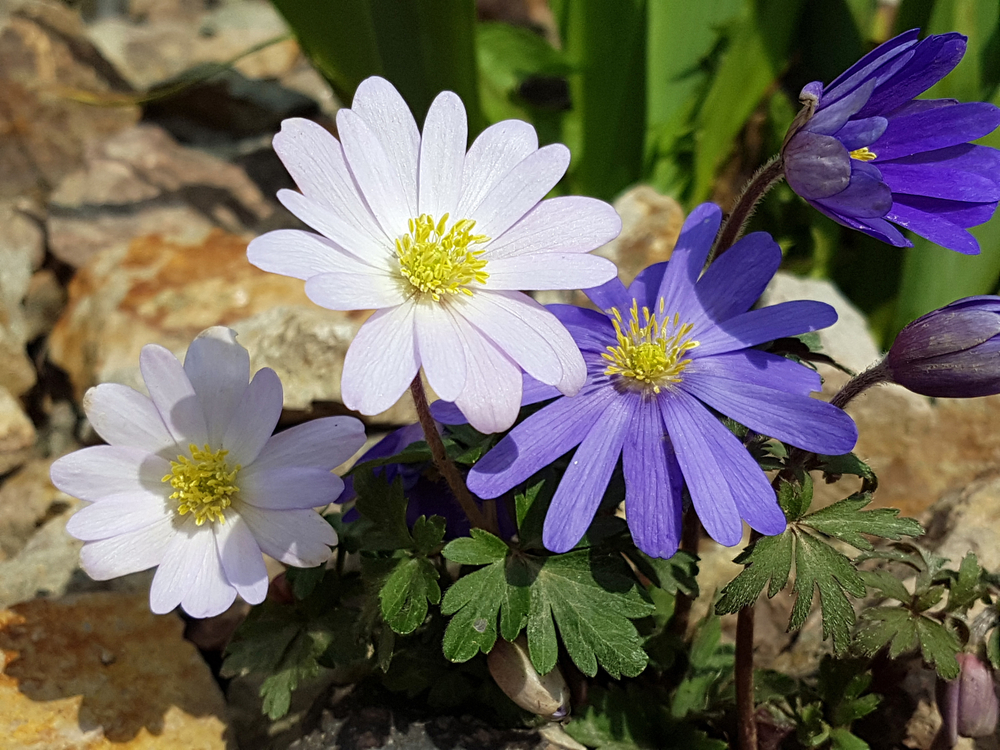
Anemones are charming, delicate flowers that bloom in a variety of bright and soft colors. Planting these bulbs in the fall allows them to get established during the colder months, ensuring that they provide a steady display of color in late spring. Known for their simple, open blooms and elegant petals, anemones add a soft, natural look to garden beds.
These bulbs thrive in light, well-drained soil and perform best in areas with partial shade. Anemones are ideal for wildflower gardens or naturalized settings, where their graceful flowers can brighten up the landscape. Their charming blooms often last several weeks, making them a wonderful late-spring addition to any garden.
Fritillaria
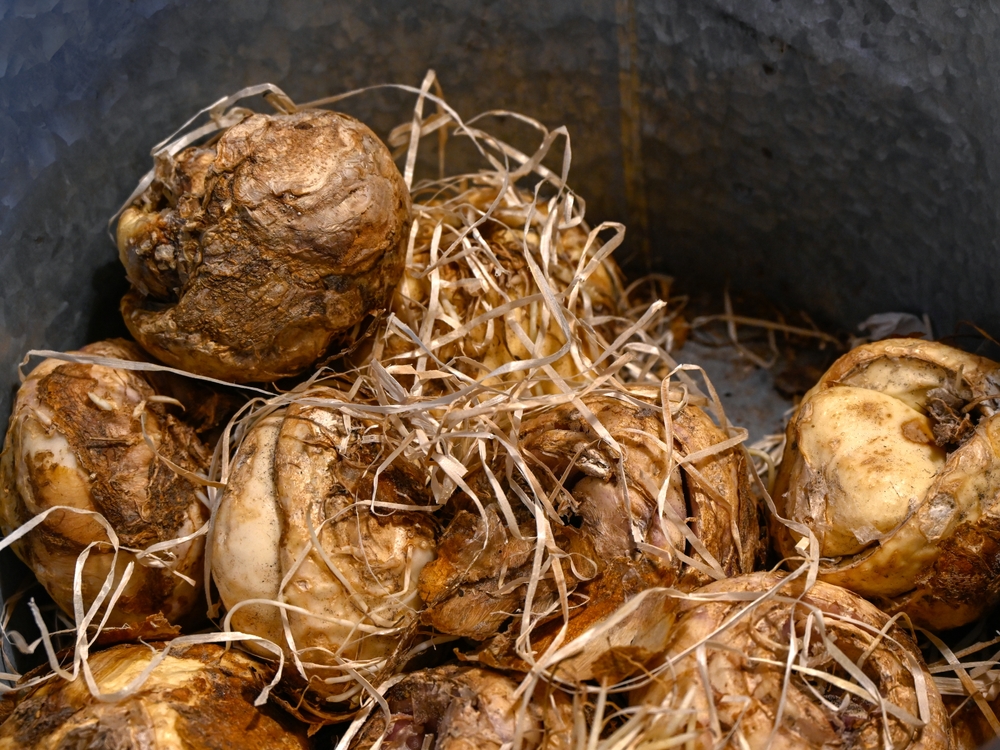
Fritillaria bulbs are unique in both appearance and growth habits. Their distinctive bell-shaped flowers come in deep purples, yellows, and oranges, and they bloom in late spring. These bulbs are best planted in the fall to allow time for rooting and development. Fritillarias prefer well-drained soil and benefit from full sunlight, although they can also tolerate light shade.
Their flowers have a unique, almost exotic look, which makes them stand out in a garden. Fritillarias are often overlooked in favor of more traditional spring blooms, but their unique appearance and late-season flowering make them a valuable addition to a late-spring garden. These bulbs can also help attract pollinators, contributing to a healthy, vibrant garden ecosystem.
Snowdrops
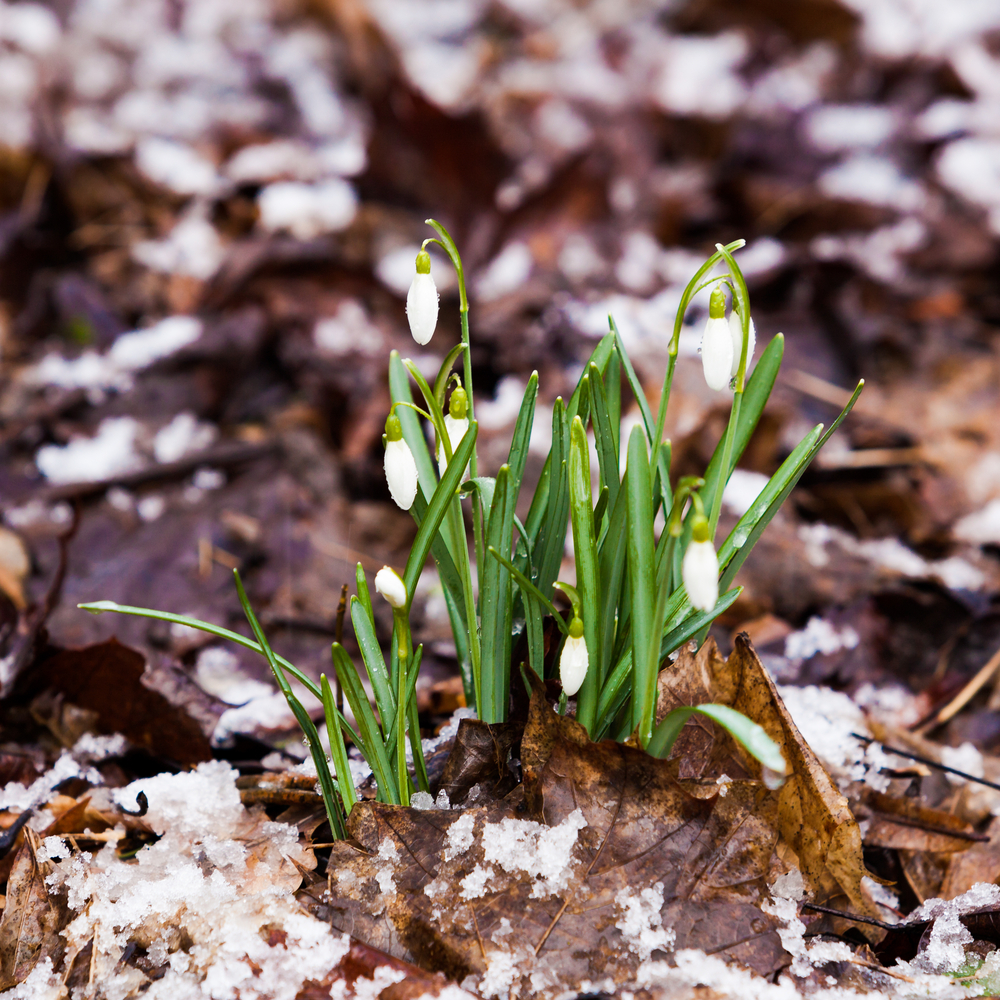
Snowdrops are one of the first flowers to bloom in the spring, making them perfect for adding early-season interest to your garden. By planting snowdrop bulbs in the fall, you can enjoy their delicate white flowers as early as late winter or early spring. Their simple, bell-shaped flowers are often among the first to emerge, bringing a sense of renewal to the garden after the cold winter months.
These bulbs thrive in well-drained, slightly acidic soil and prefer partial to full shade. Snowdrops are perfect for planting under trees or along shaded garden edges, where they can bloom before the leaves fully emerge. Their delicate appearance and early bloom time make them a garden favorite for those seeking a little early spring cheer.
Grape Hyacinths
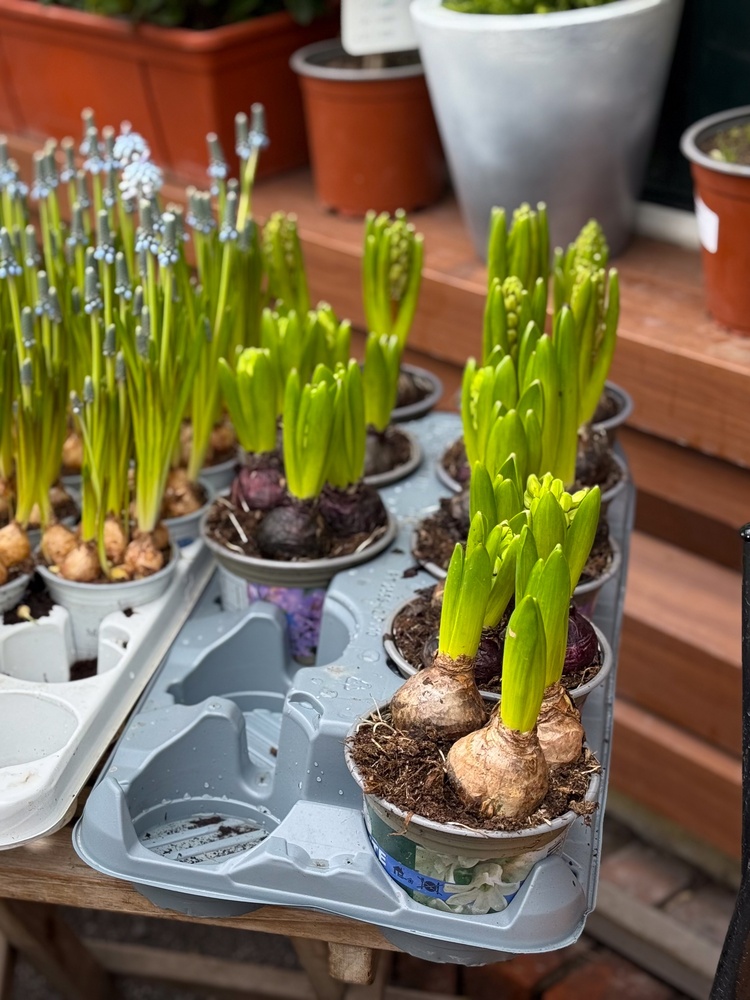
Grape hyacinths are small but vibrant flowers that bloom in clusters, resembling little grapes. These flowers come in rich purples and blues, providing a colorful contrast to the greenery in your garden. Planting grape hyacinths in the fall allows them to bloom in late spring, often in clusters that add texture and vibrancy to flower beds.
These bulbs are ideal for naturalizing in lawns or planting along the edges of flower beds. They are low-maintenance and require little attention once planted, making them perfect for beginner gardeners. Their early-to-mid-spring bloom time also helps bridge the gap between the last frost and the arrival of summer blooms.
This article originally appeared on Avocadu.