
14 Bulbs to Plant in Late Winter and What to Expect
The garden does not have to stay on pause during late winter. Certain bulbs thrive when planted before spring fully arrives. Knowing what to expect helps avoid surprises once growth begins. This timing can make a noticeable difference in how plants perform. Take a look at what works well during this window.
This post may contain affiliate links, which helps keep this content free. Please read our disclosure for more info.
Snowdrops
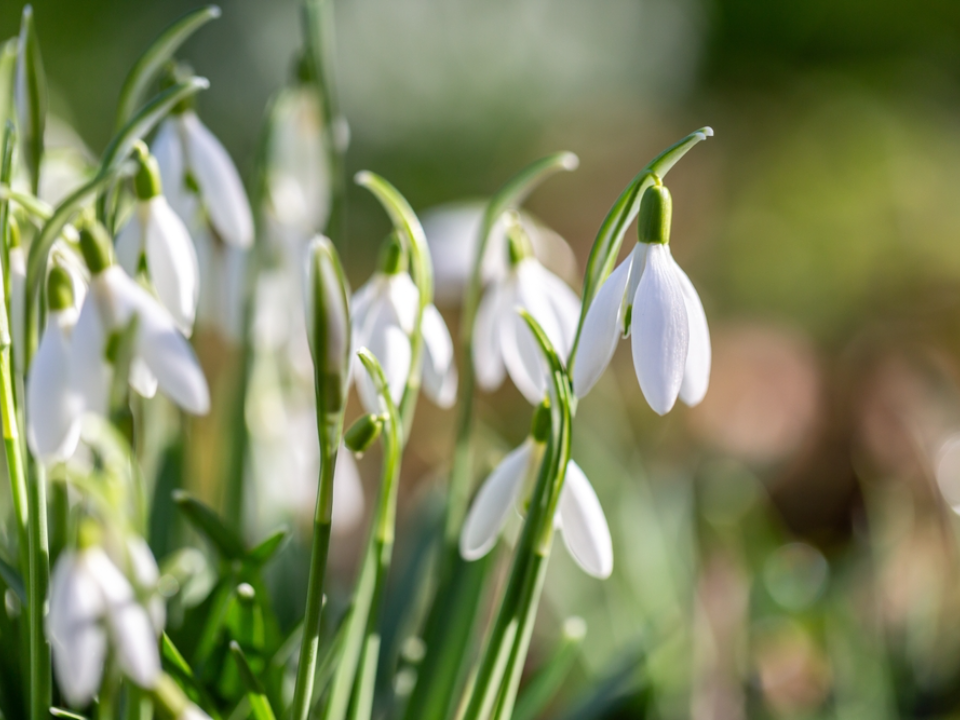
Snowdrops are known for appearing when most of the garden still looks dormant, which makes them a reliable choice for late winter planting. Putting them in the ground during this period allows their roots to settle slowly before visible growth begins above the soil. They prefer moist soil and light shade, often thriving beneath trees or along sheltered borders. Once they bloom, the small white flowers signal the gradual return of the growing season.
After flowering, snowdrop foliage fades fairly quickly and does not interfere with other plants that emerge later. Over time, these bulbs spread gently and form natural-looking clusters. They rarely need attention once established and tend to return year after year. Their early bloom time makes them valuable for gardeners who want signs of life as soon as possible.
Crocus
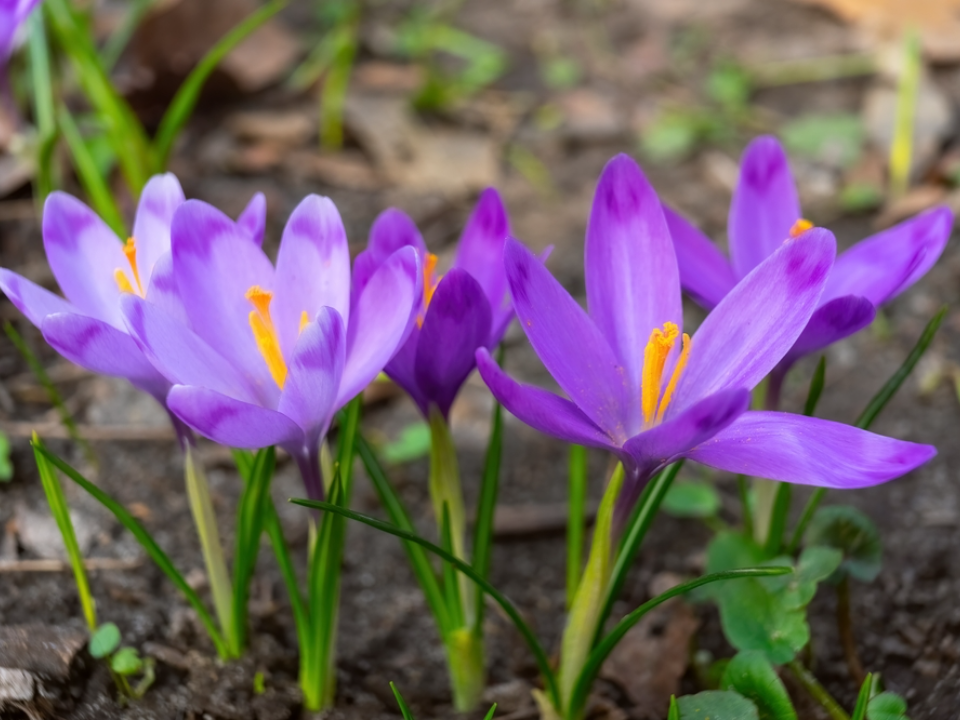
Crocus bulbs handle late winter planting well, especially in areas where spring temperatures stay cool for a while. Their low-growing flowers bring early color to lawns, borders, and open spaces where taller plants have not yet filled in. These blooms respond to sunlight, opening during brighter hours and closing again when temperatures drop. This movement adds a subtle sense of activity to the garden.
After blooming finishes, the narrow leaves remain for a short time to support the bulb underground. Allowing the foliage to fade naturally helps improve future flowering. Crocus bulbs tend to multiply slowly, leading to fuller displays over several seasons. When planted late in winter, wide varieties still bloom during the same year.
Winter Aconite
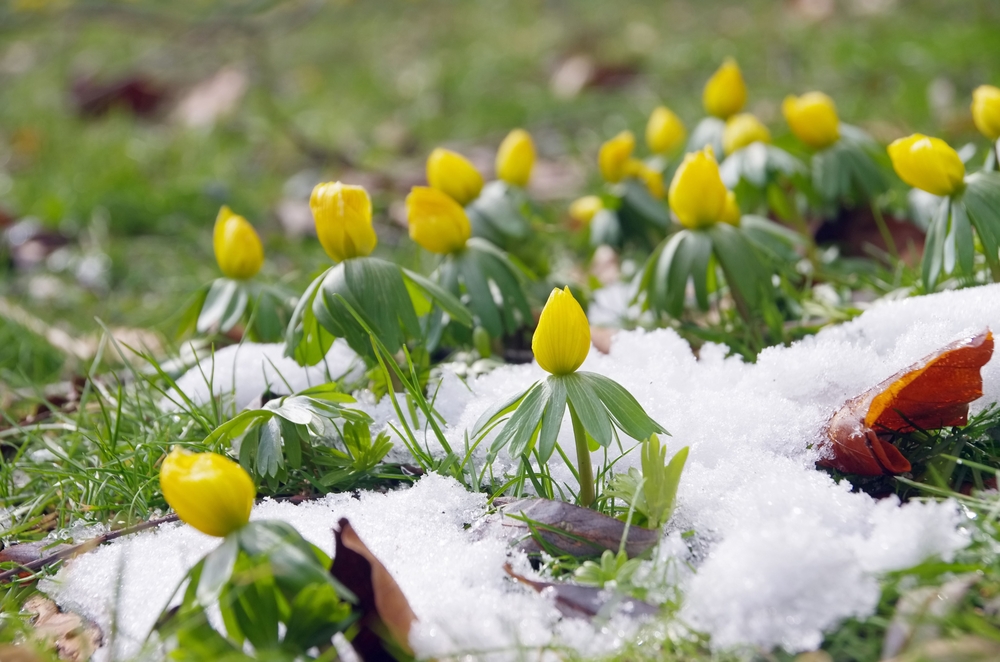
Winter aconite stands out because of its bright yellow flowers that appear close to the ground. Late winter planting works well since these bulbs prefer cool soil and steady moisture. They grow best in soil that stays damp without becoming soggy. Flowers often appear alongside snowdrops, creating an early contrast in the garden.
The blooms open wide on sunny days and close again during colder periods. After flowering ends, the foliage fades quickly and leaves space for other plants. Over time, winter aconite can spread into wide patches when conditions suit it. These bulbs reward patience with cheerful early color each season.
Iris Reticulata
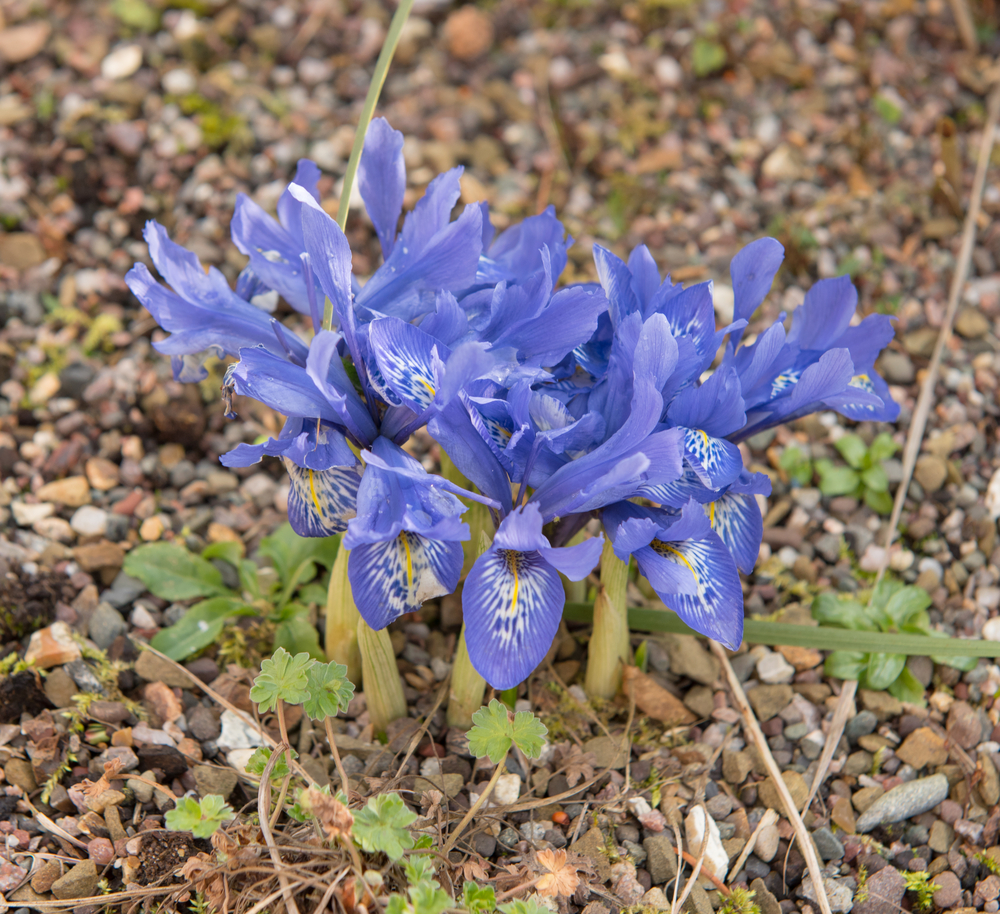
Iris reticulata is a small bulb iris valued for its vivid color and noticeable scent. Planting in late winter allows roots to settle before flowering begins in early spring. These bulbs prefer well-drained soil and benefit from plenty of sunlight. The blooms appear on short stems and stand out despite their small size.
After flowering, the narrow leaves continue growing for a while to support the bulb. Leaving them undisturbed helps maintain steady performance year after year. Iris reticulata does best when left in place rather than lifted frequently. With proper placement, it becomes a dependable early bloomer.
Glory of the Snow
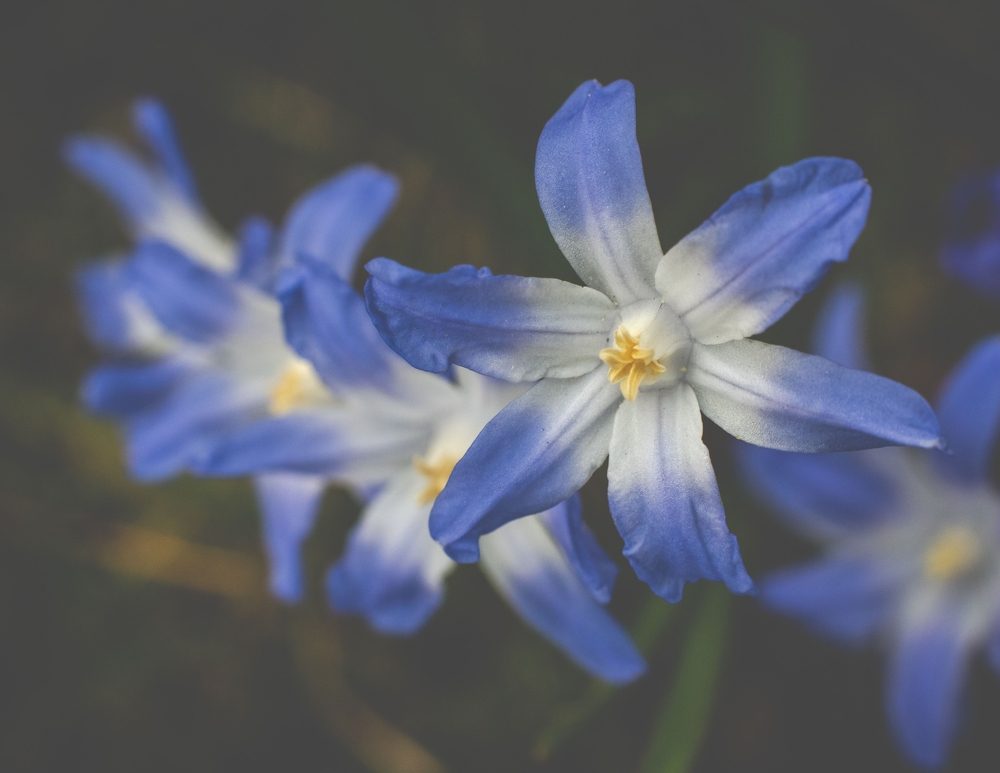
Glory of the snow produces star-shaped flowers that appear early in the season. Late winter planting gives the bulbs time to establish roots before growth begins. These plants grow well in full sun or light shade and prefer evenly moist soil. The flowers often appear just after snowdrops fade.
After blooming, the foliage dies back quickly and blends into the surrounding plants. Over time, these bulbs spread gently through self-seeding. Group plantings create the most noticeable effect. Late winter planting often results in strong early displays.
Siberian Squill
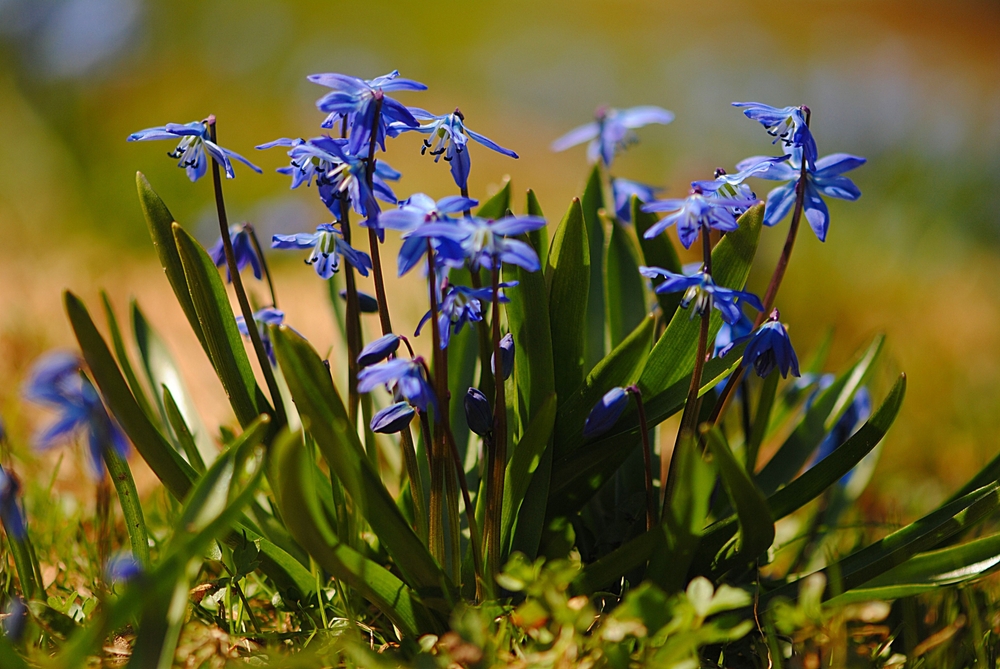
Siberian squill is known for its deep blue flowers that bloom early in the year. Late winter planting suits these bulbs because they tolerate cold soil without trouble. They grow well under trees, along paths, or in natural plantings. Dense clusters of bell-shaped flowers appear soon after winter loosens its grip.
The leaves remain briefly after flowering to support the bulb below ground. Over time, Siberian squill spreads easily and forms wide patches. It requires little attention once established. Consistent planting timing helps maintain even growth from season to season.
Anemone Blanda
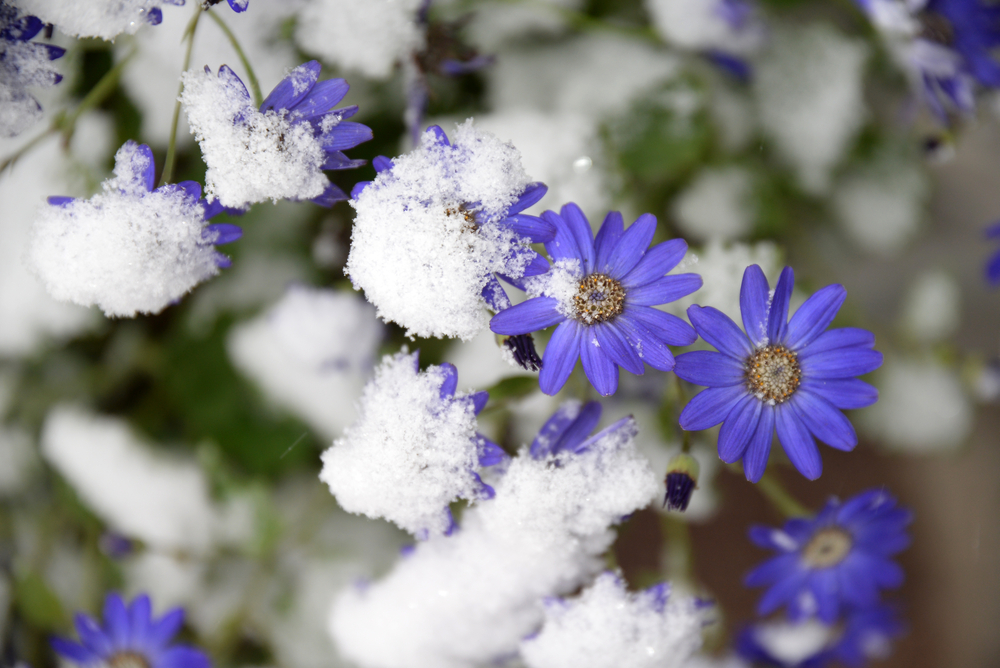
Anemone blanda produces low-growing flowers that resemble small daisies. Late winter planting suits these bulbs since they prefer cooler soil conditions. They spread slowly and work well in shaded or partially shaded areas. Flowers appear in early to mid-spring, depending on the weather.
Soaking the bulbs before planting can improve growth results. After blooming, foliage fades as temperatures rise. Over several seasons, patches become fuller and more noticeable. These bulbs blend easily with other early spring plants.
Grape Hyacinth
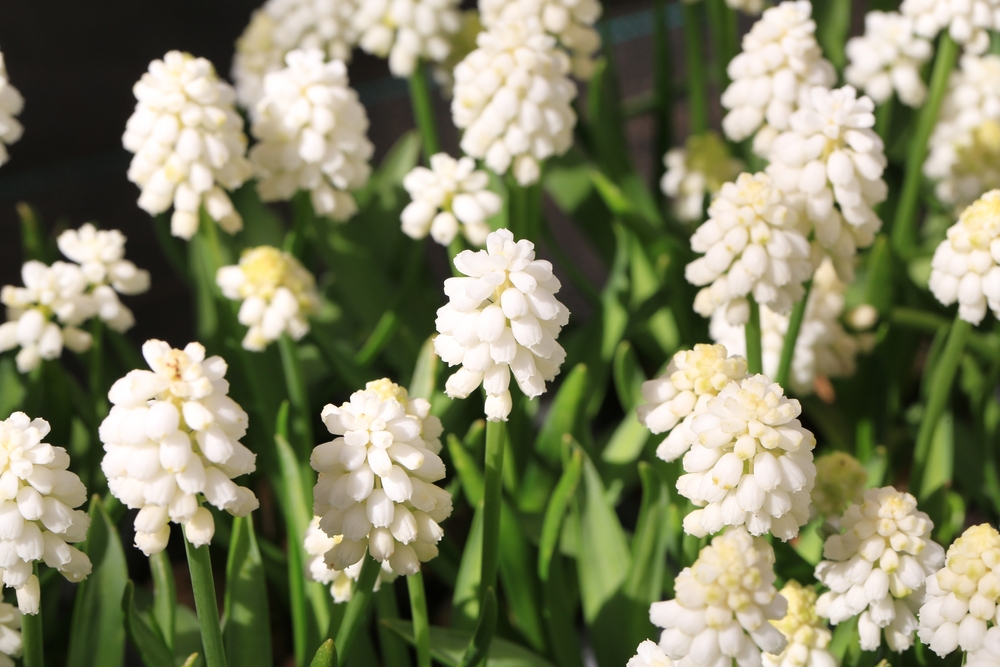
Grape hyacinths are compact bulbs known for tightly packed flower clusters. Late winter planting allows roots to develop before rapid spring growth begins. They prefer sunny locations and soil that drains well. Flowers usually appear in shades of blue or purple early in the season.
Once established, grape hyacinths multiply steadily and fill in empty spaces. Their foliage fades after flowering without causing visual clutter. These bulbs return reliably with little care. They work well as edging plants or ground cover.
Chionodoxa
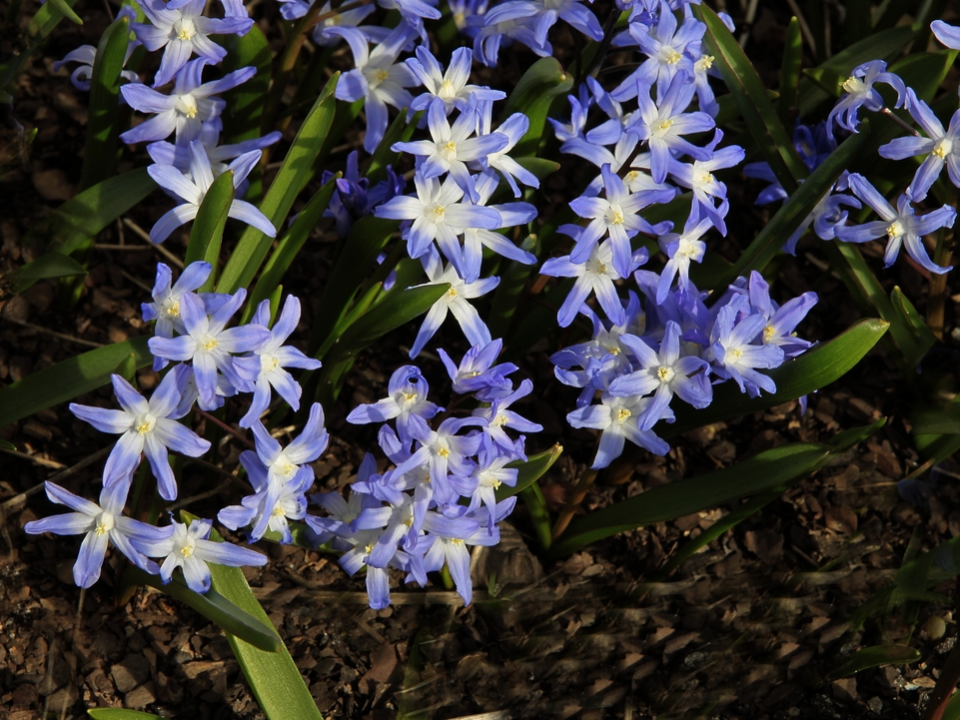
Chionodoxa blooms around the same time as glory of the snow and shares similar growing habits that suit late winter planting. Putting these bulbs in the ground during this period allows roots to develop steadily before flower buds begin to form above the soil. They grow best in sunny areas with light soil that drains well and does not stay soggy for long periods. The star-shaped flowers, marked by pale centers, appear early and bring gentle color to quiet garden spaces.
After blooming finishes, the foliage fades without drawing attention and does not interfere with nearby plants. Chionodoxa spreads gradually over time and blends naturally with other early bulbs in mixed plantings. It fits especially well in naturalized areas where plants are allowed to grow freely. Planting in late winter helps keep bloom timing consistent from year to year.
Scilla Bifolia
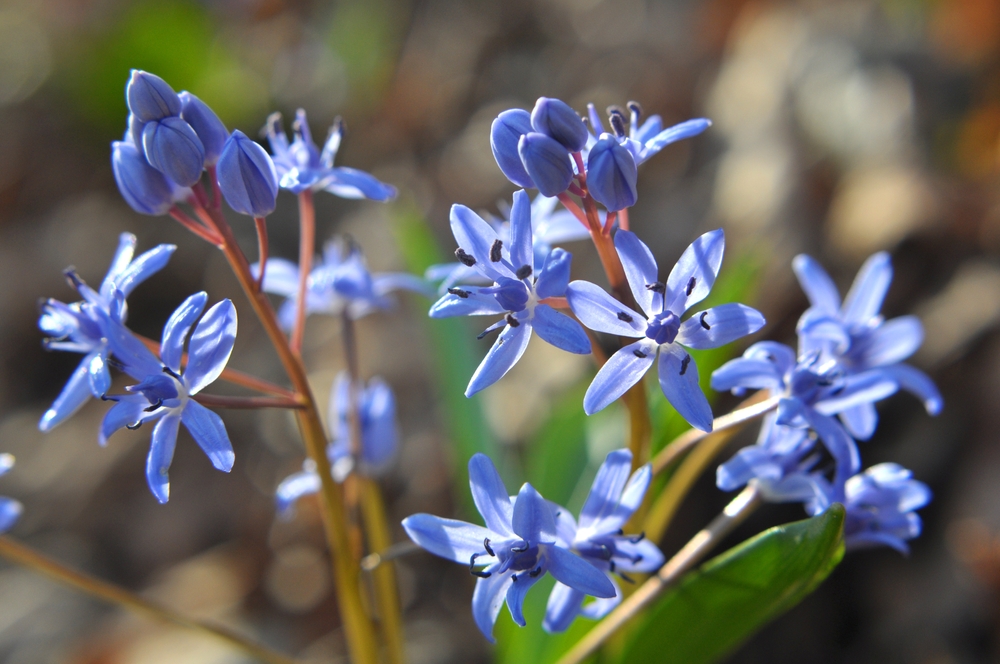
Scilla bifolia produces nodding blue flowers held on short stems that move easily with light breezes. Late winter planting matches its preference for cool soil and steady moisture during early root development. These bulbs grow comfortably in both partial shade and full sun, which makes placement flexible in many gardens. Flowers usually appear soon after the earliest signs of spring begin to show.
Once flowering ends, the narrow leaves remain for a short time to support the bulb below the soil. Over several seasons, scilla bifolia spreads into small colonies that become more noticeable each year. It pairs well with other early bloomers and fills gaps without overwhelming nearby plants. Late winter planting supports steady growth and dependable flowering.
Early Tulips
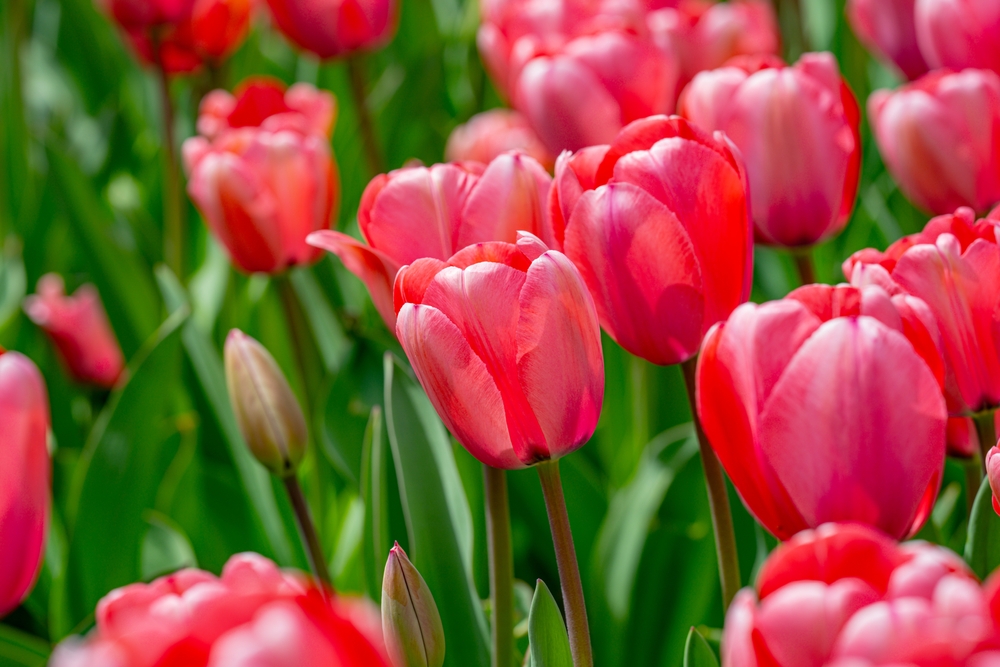
Certain tulip varieties bloom earlier than others and handle late winter planting better than expected. These bulbs prefer loose soil and sunny locations where water does not collect around the roots. Planting at this time may delay flowering slightly, yet it still allows healthy growth once temperatures begin to rise. Blooms usually appear after crocus but before most other tulips take over the garden.
After flowering, the foliage should be left in place until it fades naturally so the bulb can recover. Early tulips do not always return every year in all climates, especially in warmer areas. Planting them in groups improves visual impact and makes uneven returns less noticeable. Late winter planting works best where spring stays cool for longer periods.
Early Hyacinths
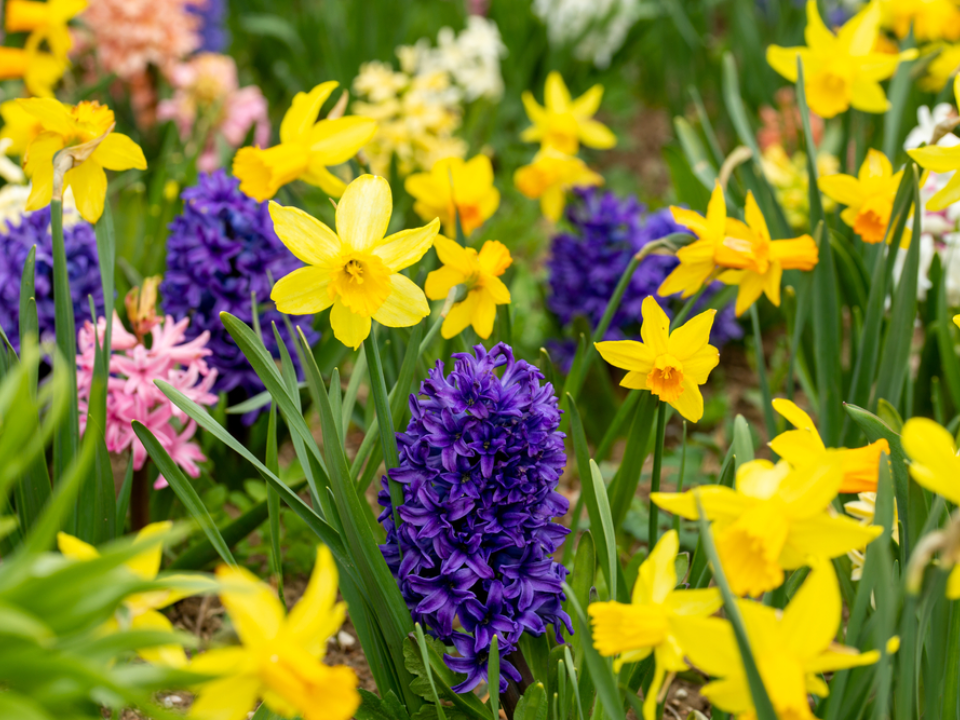
Early hyacinths are known for dense flower spikes that carry a strong scent across the garden. Late winter planting gives the roots time to settle before rapid growth begins in early spring. These bulbs prefer soil that drains well and locations that receive plenty of sunlight. Flowers often appear in early to mid-spring and stand out even in small plantings.
Cool weather helps the blooms last longer before fading. After flowering, the foliage continues growing to support the bulb for the next season. Hyacinths work well in containers, borders, and small garden beds. Late winter planting often leads to steady and predictable flowering.
Fritillaria Meleagris
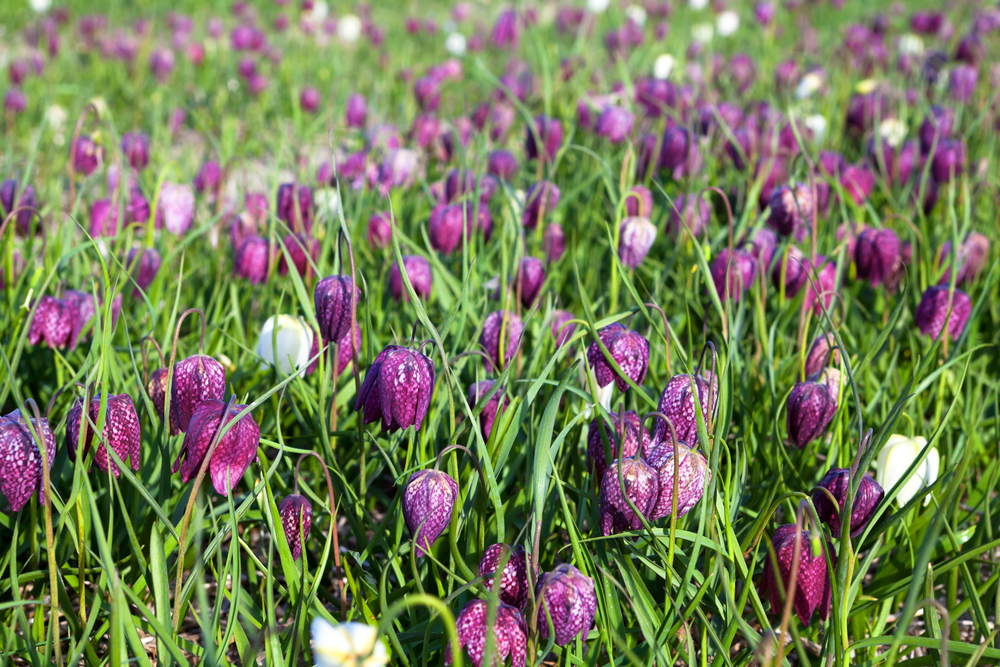
Fritillaria meleagris is recognized by its checkered, bell-shaped flowers that hang downward from slender stems. Late winter planting suits its preference for cool soil that stays lightly moist without becoming waterlogged. These bulbs grow best in partial shade where conditions remain gentle and stable. Blooms usually appear in mid-spring and add subtle detail to less crowded areas.
The downward-facing flowers bring visual interest to quiet parts of the garden. Leaves remain after flowering and fade gradually as the season progresses. Fritillaria meleagris spreads slowly and does not overwhelm nearby plants. Late winter planting helps establish steady growth over time.
Allium Moly
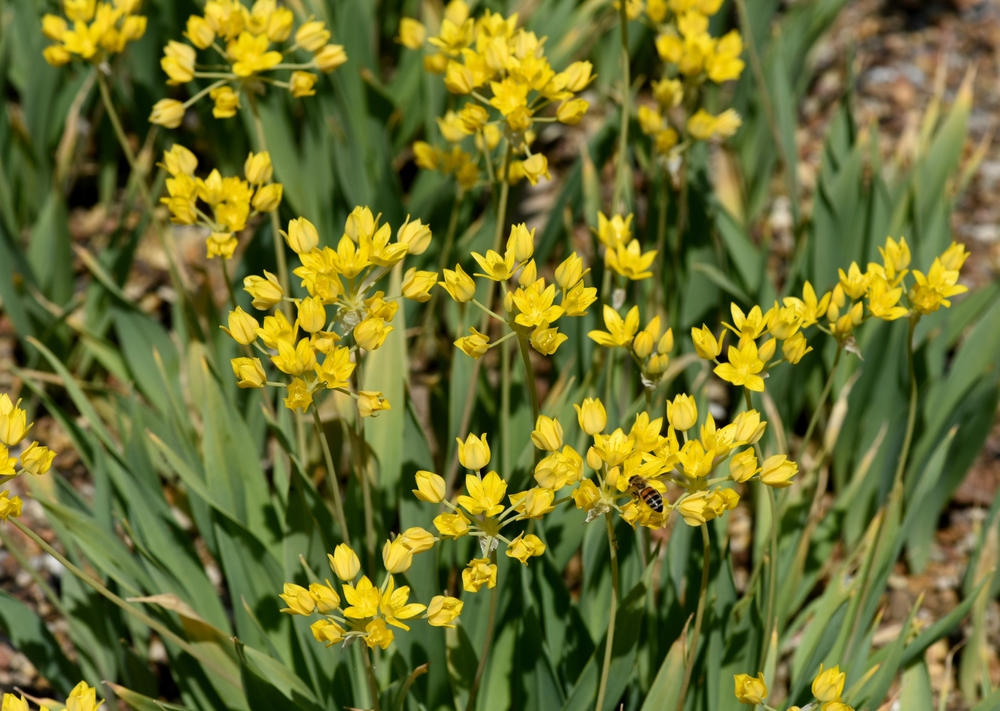
Allium moly produces clusters of yellow star-shaped flowers that appear later in spring than many early bulbs. Late winter planting allows the roots to settle before warmer weather encourages rapid growth. These bulbs prefer sunny locations and soil that drains well after watering or rain. Blooms appear after smaller early bulbs have finished, which helps extend the season.
Foliage emerges early and stays neat through the flowering period. Allium moly returns year after year when planted in suitable conditions. It pairs well with other spring plants and fits easily into mixed borders. Late winter planting supports upright growth and even flowering.
This article originally appeared on Avocadu.