
15 Brassicas To Plant Early for Big Spring Harvests
If you’re eager to enjoy a fresh, homegrown bounty come spring, planting brassicas early is a great way to get ahead. These hardy vegetables thrive in cool weather and can be some of the first crops to grace your garden. By starting early, you can enjoy a healthy harvest of everything from leafy greens to crunchy florets. Brassicas like broccoli, cabbage, and kale are not only easy to grow but also packed with nutrients. They perform best when the weather is still cool, making them perfect for those early planting days.
This post may contain affiliate links, which helps keep this content free. Please read our disclosure for more info.
Broccoli
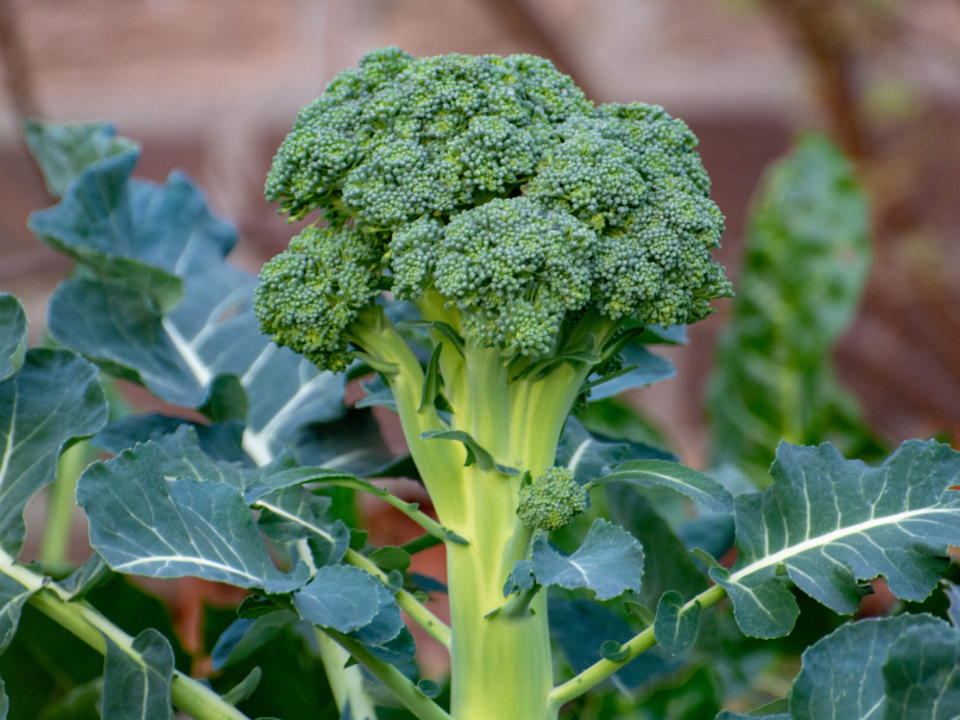
Broccoli is one of the best brassicas to plant early for a big spring harvest. Known for its hearty green florets, it thrives in cool temperatures, making it an ideal choice for early planting. When grown in rich, well-drained soil, broccoli can grow into a robust vegetable with a generous head. It requires a lot of sunlight, though it does best when temperatures are between 55°F to 70°F.
Starting from seeds indoors gives you a head start, allowing you to transplant them outside once the ground is workable. Keep the soil evenly moist and use a mulch to maintain moisture levels, which is essential for healthy growth. As long as it receives consistent watering and the right nutrients, you can expect a strong harvest of nutritious broccoli heads to enjoy in the spring.
Cauliflower
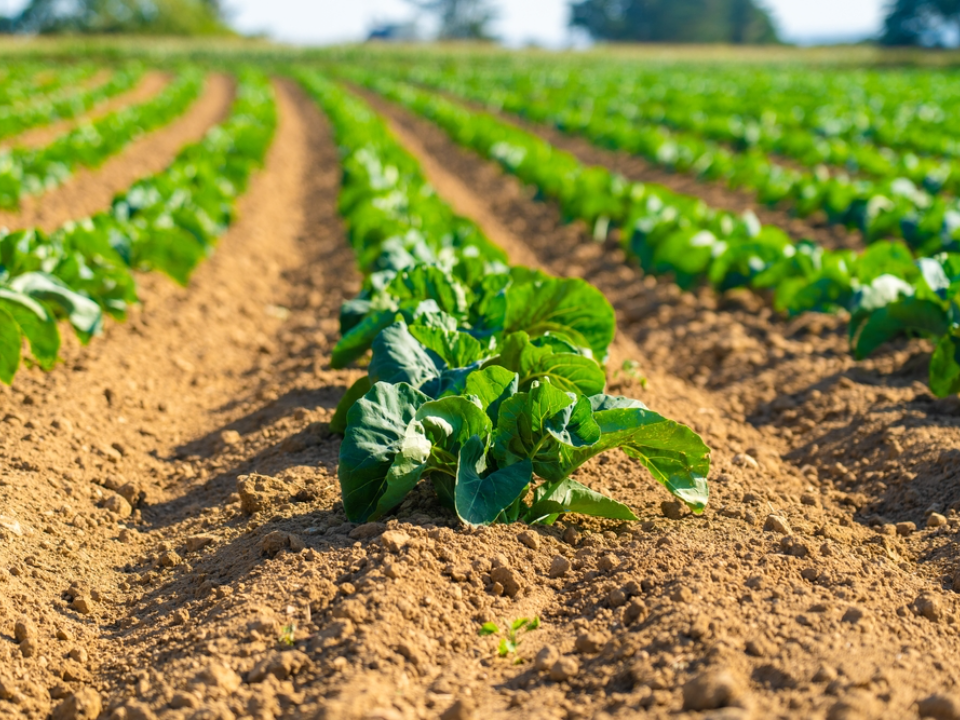
Cauliflower is another brassica that can be planted early for a great spring yield. This vegetable loves cool weather and can be started indoors, later transplanted to your garden as the last frost date passes. Plant cauliflower in soil that is well-composted and ensure it receives at least six hours of sunlight each day. It thrives in temperatures between 55°F to 70°F, making early spring an ideal time to plant.
Like broccoli, cauliflower benefits from consistent moisture, so frequent watering is a must. It is important to keep the plant’s head clean and protected from direct sunlight as it grows to maintain its creamy white color. With a little patience and care, cauliflower can be one of the most rewarding brassicas to harvest in the spring.
Brussels Sprouts
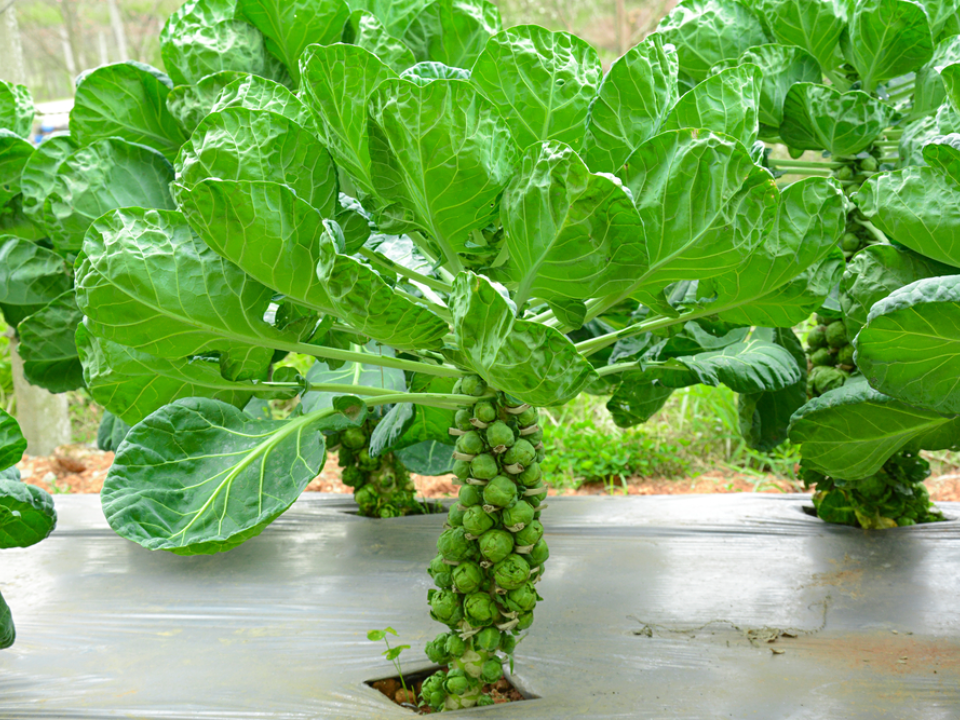
Brussels sprouts are a cool-weather crop, making them perfect for planting early in the season. They need a long growing season, but once established, they can continue producing sprouts well into the fall. Start Brussels sprout seeds indoors early, then transfer them outside when the weather is still cool but the danger of frost has passed.
These plants grow best in soil rich with organic material and require consistent watering to develop strong stems and compact, tightly packed sprouts. They thrive in temperatures ranging from 60°F to 70°F and appreciate a regular supply of nutrients. With the right care, Brussels sprouts will develop over time, and you’ll be rewarded with a nutritious, crunchy vegetable for your meals.
Cabbage
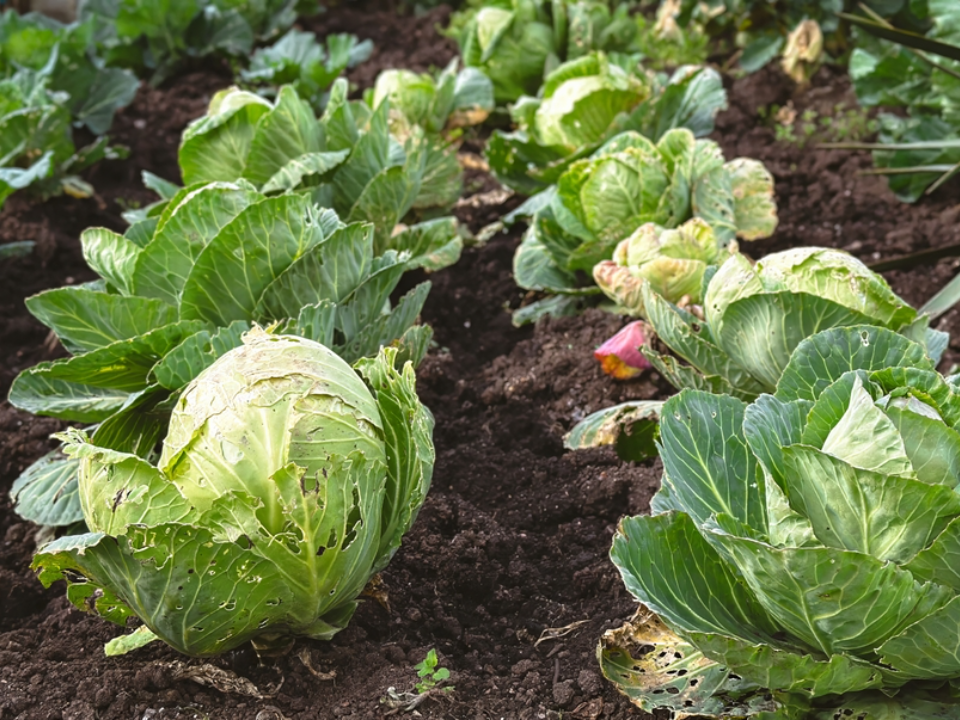
Cabbage is an easy-to-grow brassica that can be planted early for a fantastic spring harvest. It is highly adaptable and grows well in cool temperatures, making it a great candidate for early spring planting. Cabbage thrives in soil with plenty of organic matter, so be sure to enrich your garden beds before planting.
For the best results, keep the soil consistently moist but not soggy. A little bit of compost will help keep the cabbage healthy, and a light application of fertilizer can support its growth. Cabbage plants enjoy six to eight hours of sunlight each day, so choose a sunny spot in your garden. As the weather warms, your cabbage will form tight, dense heads ready to harvest when they feel firm to the touch.
Kale
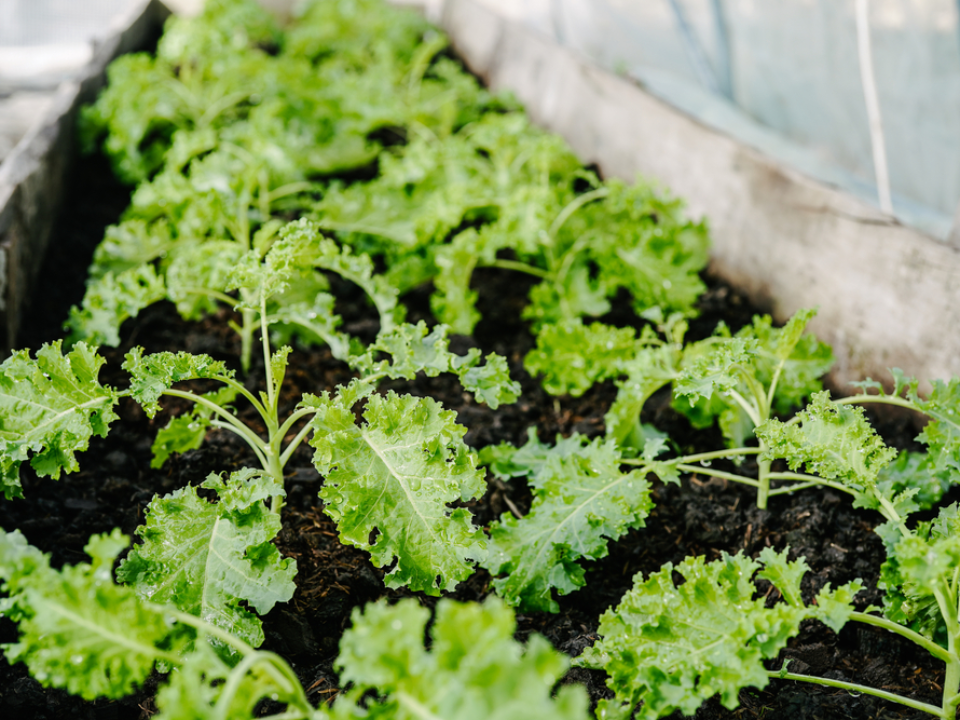
Kale is an excellent choice for early planting, as it is one of the hardiest brassicas. Known for its nutrient-packed leaves, kale can be grown as a cool-season crop that thrives in temperatures ranging from 45°F to 75°F. Start your seeds indoors in early spring, then move the plants outdoors once the danger of frost has passed.
Kale does well in rich, well-drained soil and can handle a bit of shade. While it is relatively low-maintenance, it does benefit from regular watering to keep the leaves crisp and healthy. Once harvested, kale can be used in a variety of dishes, from smoothies to salads, and is one of the best leafy greens to grow in the early spring.
Collard Greens
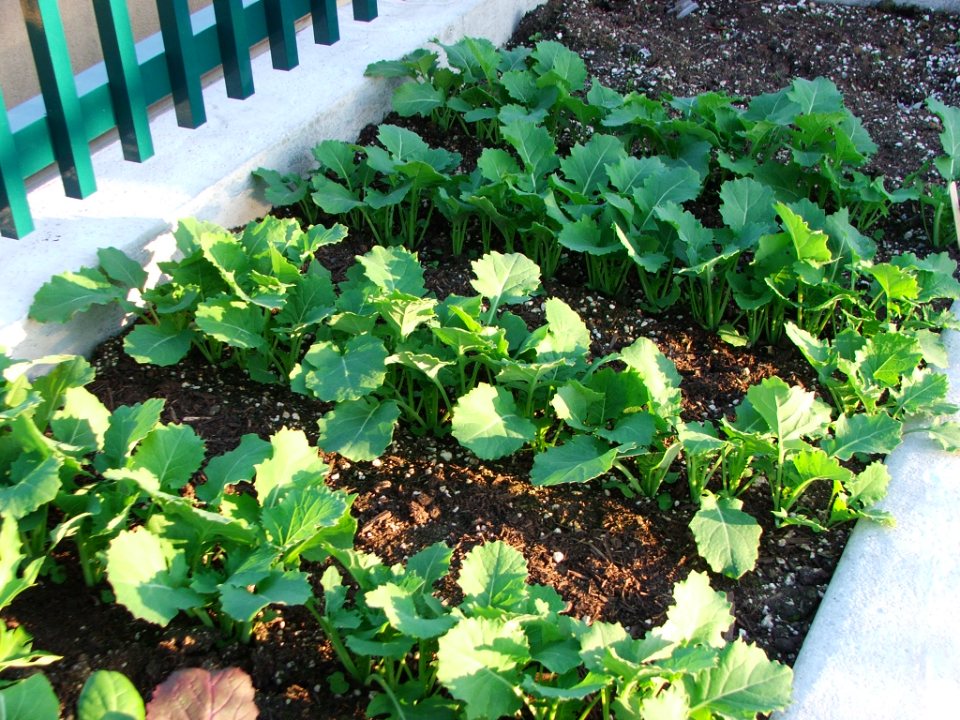
Collard greens are another reliable brassica that can be planted early for a spring harvest. These leafy greens thrive in the cool temperatures of early spring, making them a perfect addition to your garden. Collards prefer slightly acidic, well-drained soil and should be planted in a location that receives full sunlight.
They are hardy and can tolerate frost, which gives them an advantage in springtime gardens. Collard greens require regular watering, and they grow best when consistently moist but not overly saturated. Their leaves become tender and flavorful once they mature, offering a nutritious addition to any meal.
Turnips
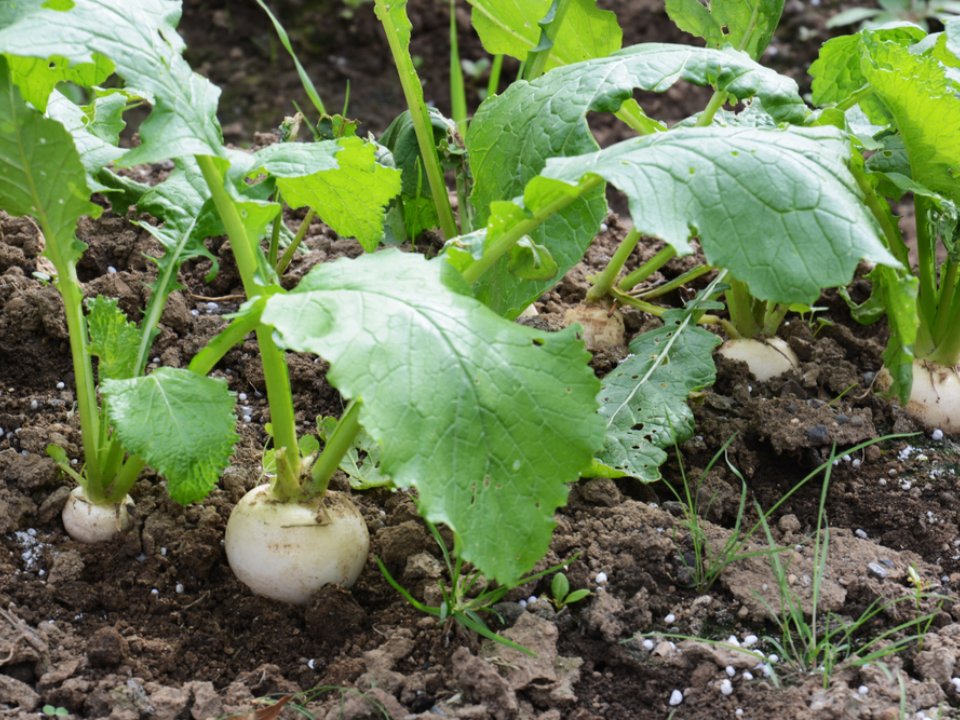
Turnips are a fast-growing brassica that can be planted early for a great spring harvest. Known for their round, purple or white roots, turnips thrive in cool weather, making them perfect for planting in early spring. These hardy vegetables do well in well-drained, slightly acidic soil, and they benefit from consistent moisture.
As turnips grow, they form both edible greens and roots, making them a dual-purpose vegetable. The roots are best harvested when they are young and tender, typically around 2-3 inches in diameter. The leaves are also edible and can be used in salads or soups. With minimal care, turnips can provide a bountiful early-season harvest.
Radishes
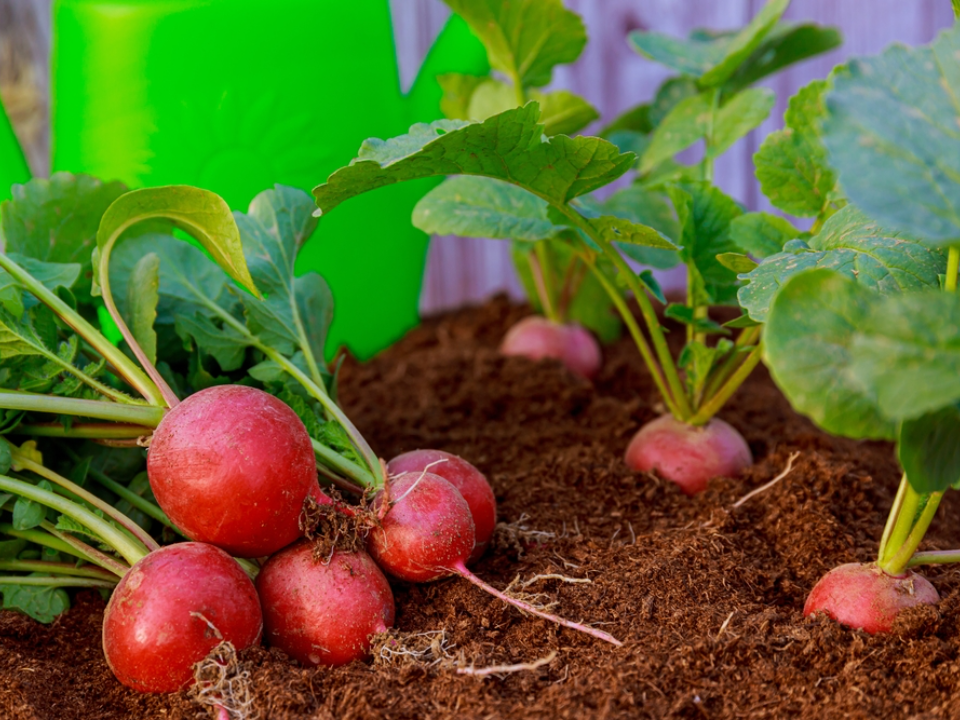
Radishes are one of the fastest-growing brassicas and an excellent choice for early spring planting. These root vegetables can be harvested in as little as three to four weeks, making them a great option for gardeners looking for quick results. Radishes thrive in cool weather, with temperatures between 50°F to 65°F being ideal.
They grow well in well-drained soil with plenty of organic matter, and they require regular watering to keep the roots tender and crisp. When planted early, radishes can provide an early-season crop that is perfect for salads, stir-fries, or snacking straight from the garden. They are easy to grow and maintain, making them a favorite among beginner gardeners.
Mustard Greens
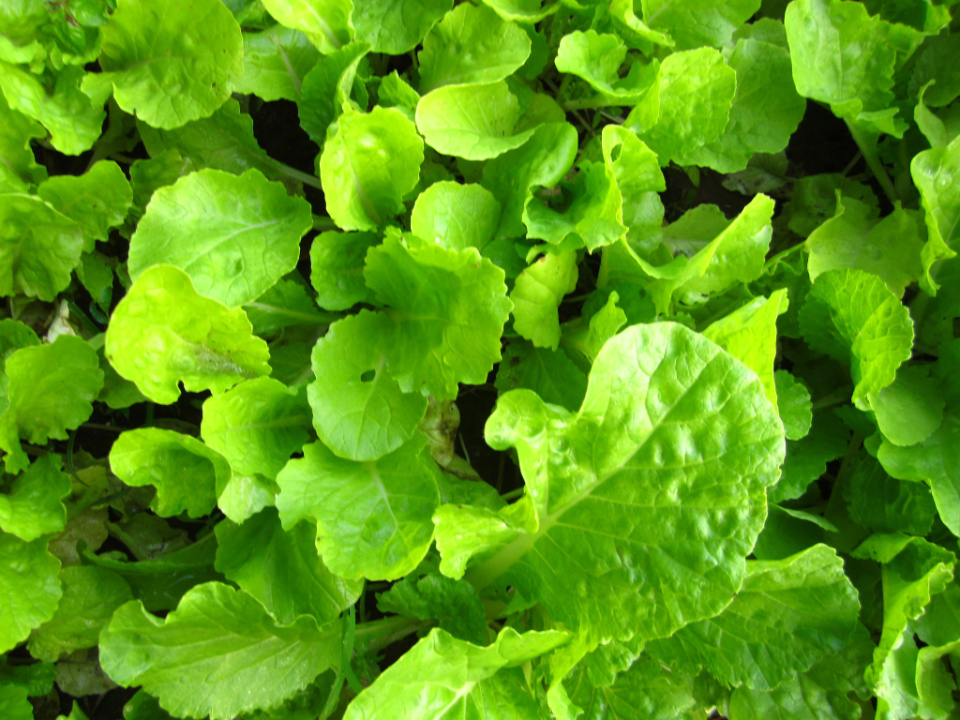
Mustard greens are another cool-season brassica that can be planted early in the spring. These leafy greens are known for their slightly spicy, peppery flavor and are packed with nutrients. Mustard greens thrive in temperatures ranging from 45°F to 75°F, making them a perfect choice for early planting.
They grow best in well-drained soil that is rich in organic matter, and they require regular watering to maintain healthy growth. As mustard greens mature, they can be harvested when the leaves are young and tender, or left to grow larger for a more mature, spicier flavor. These greens are versatile and can be eaten raw in salads or cooked in soups and stews.
Chinese Cabbage
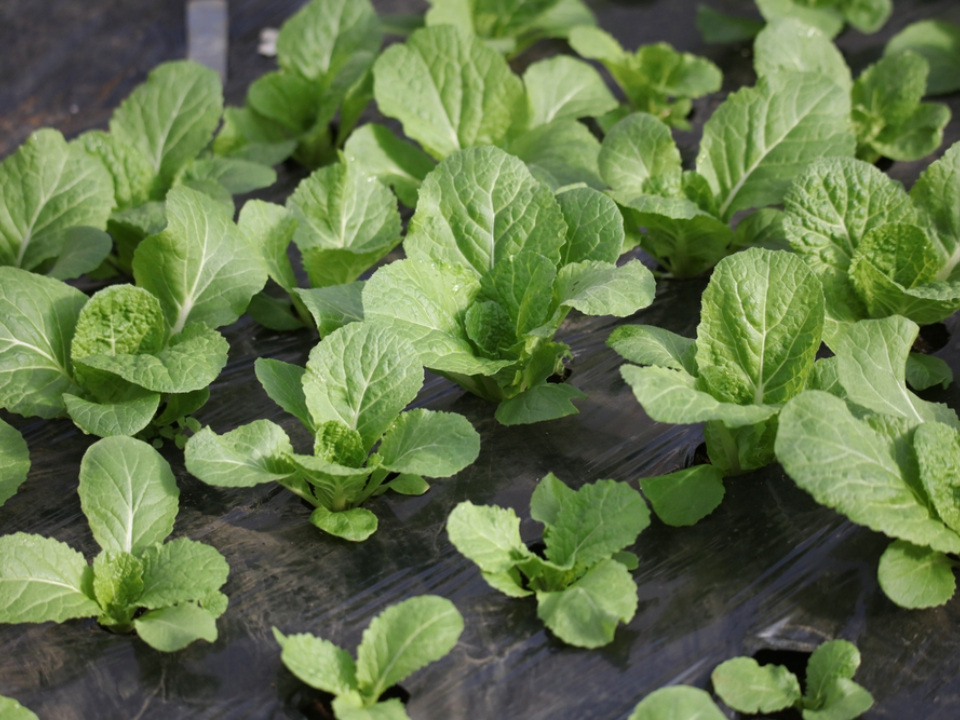
Chinese cabbage is a fast-growing brassica that is perfect for planting early in the spring. Known for its crisp, mild-flavored leaves, it is an ideal addition to any garden. Chinese cabbage thrives in cool weather and prefers temperatures between 50°F to 65°F, making it a great choice for early planting.
The soil should be well-drained and rich in organic matter to support healthy growth. Consistent watering is key to ensuring that the leaves remain tender and free from stress. Chinese cabbage is ready to harvest when the heads are firm and compact, and it can be used in a variety of dishes, including stir-fries and soups. This vegetable grows quickly, providing a reliable early-season harvest for your kitchen.
Pak Choi
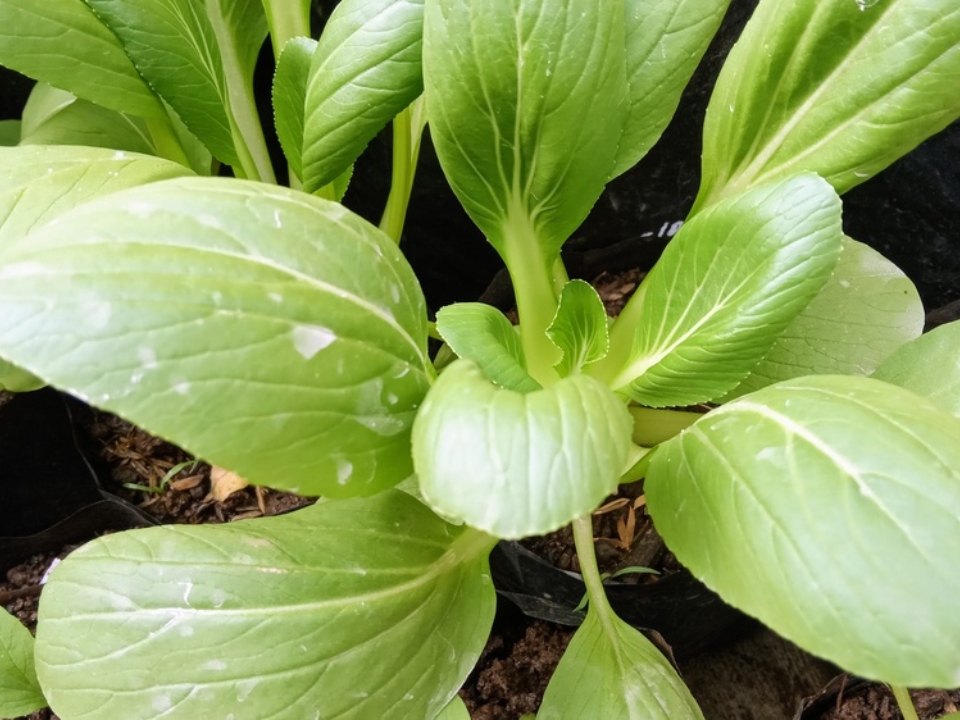
Pak choi, also known as bok choy, is a popular brassica for early spring planting. This vegetable is loved for its crunchy stalks and tender, dark green leaves. Pak choi grows well in cool conditions, with optimal temperatures between 50°F to 65°F, making it perfect for spring. It needs well-drained, fertile soil and consistent moisture to develop strong, healthy plants.
Pak choi is quick-growing and can be harvested in as little as 30 days for baby leaves, or around 60 days for mature plants. It is commonly used in stir-fries, soups, and salads, adding both texture and flavor to any dish. Pak choi is also a nutrient-dense vegetable, rich in vitamins A and C.
Kohlrabi
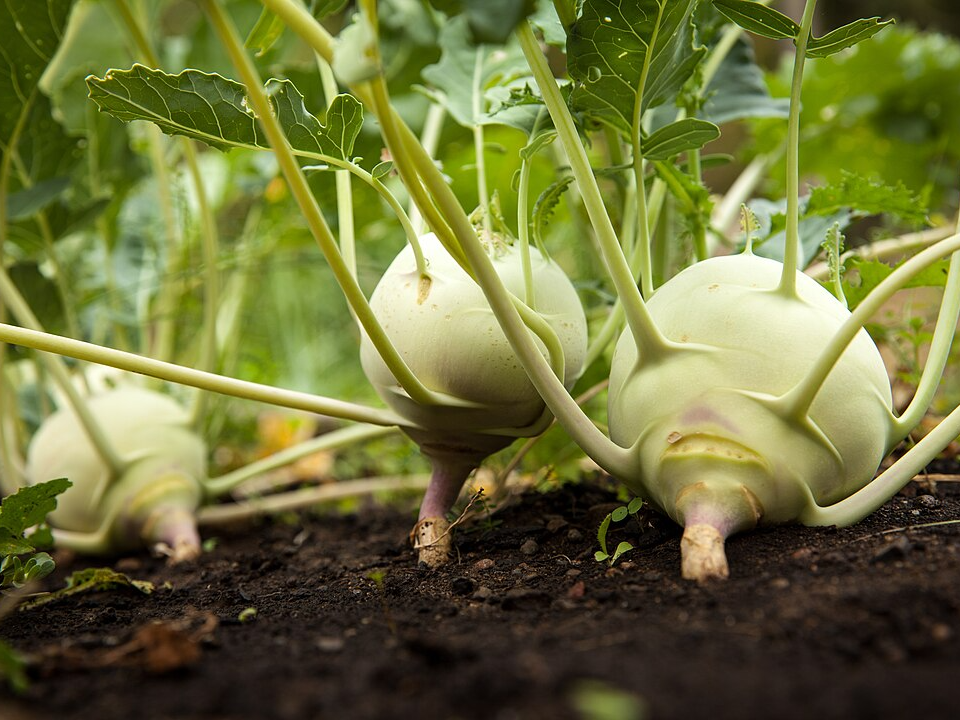
Kohlrabi is a unique brassica known for its swollen, bulb-like stem. It is a cool-weather vegetable that thrives in early spring conditions, with temperatures ranging from 50°F to 65°F. Kohlrabi requires well-drained, fertile soil that is rich in organic material. The plant grows quickly, with the bulbs ready for harvest in about 60 to 70 days.
Regular watering is important to ensure the bulbs remain crisp and tender. Once harvested, kohlrabi can be eaten raw in salads or cooked in various dishes, offering a mild, sweet flavor. Its versatility makes it a valuable addition to any garden looking for an early spring harvest.
Arugula
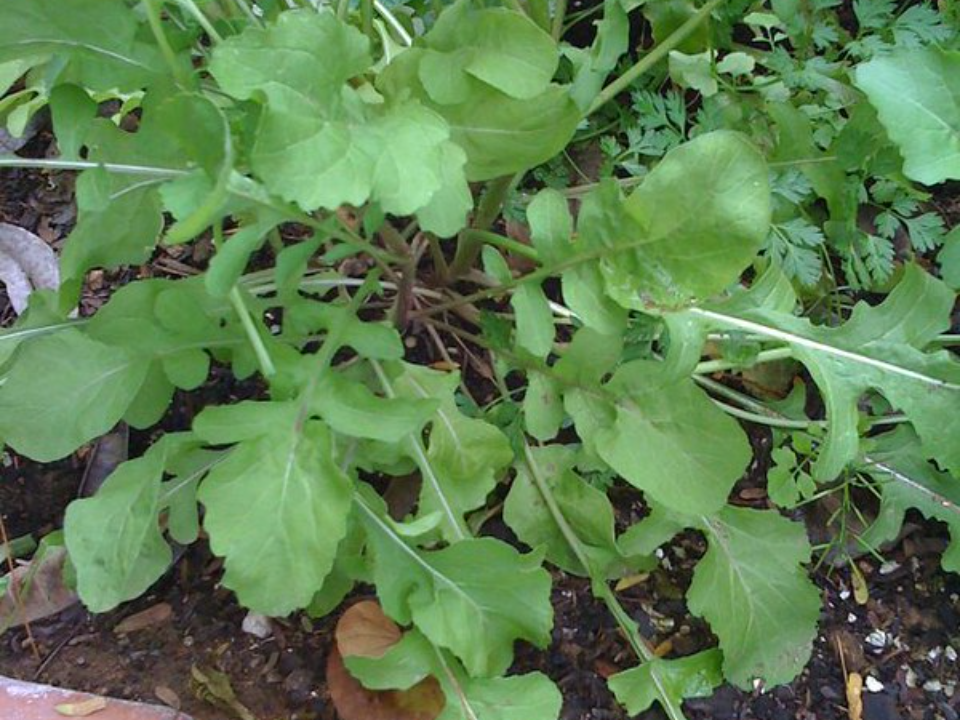
Arugula is a fast-growing, cool-season brassica that can be planted early for a quick spring harvest. This leafy green is known for its peppery, tangy flavor, which adds a unique taste to salads, sandwiches, and pizzas. Arugula thrives in temperatures between 45°F to 65°F, which makes it perfect for early spring planting.
It grows well in well-drained, fertile soil and requires regular watering to keep the leaves tender and flavorful. Arugula can be harvested in as little as 30 days for baby greens or left to grow for a more mature, robust flavor. This vegetable is also packed with nutrients, including vitamins A, C, and K, making it a healthy addition to your garden.
Chard
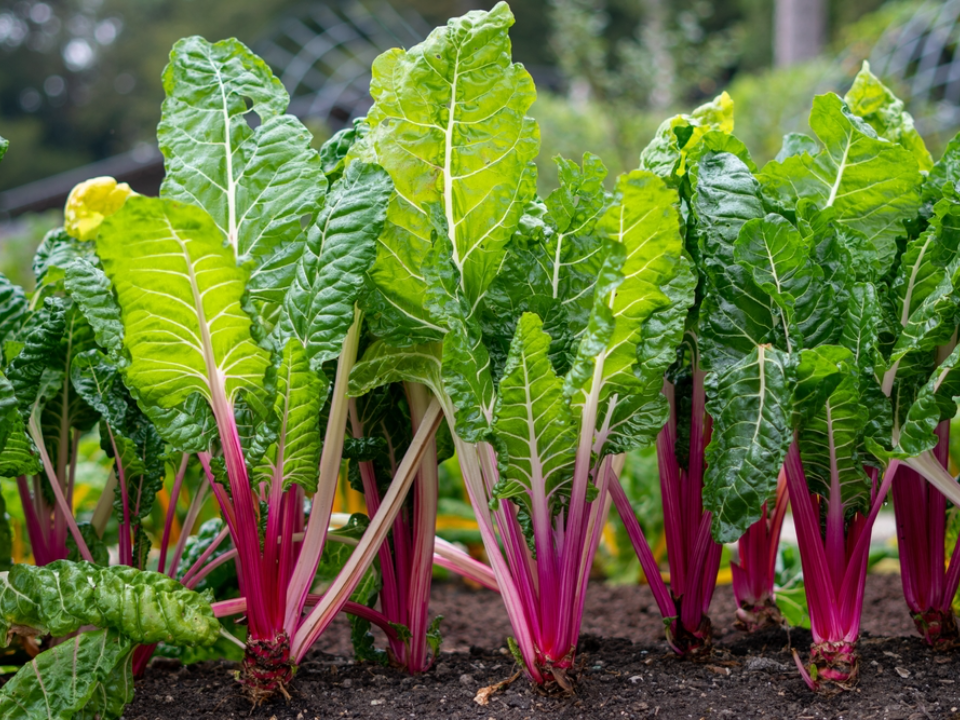
Chard is a versatile, leafy vegetable that can be planted early in the spring for a reliable harvest. It grows well in cool temperatures and can tolerate light frost, making it perfect for early-season planting. Chard thrives in well-drained, nutrient-rich soil, and it requires consistent moisture to keep the leaves tender and vibrant. This vegetable is known for its colorful stems, which range from red to yellow to white, and its dark green leaves.
Chard can be harvested as young leaves for a milder flavor or left to grow for more mature, robust leaves. It is commonly used in salads, soups, and sautéed dishes, offering a mild, earthy taste. Chard is also rich in vitamins A, C, and K, making it a healthy addition to your spring garden.
Sorrel
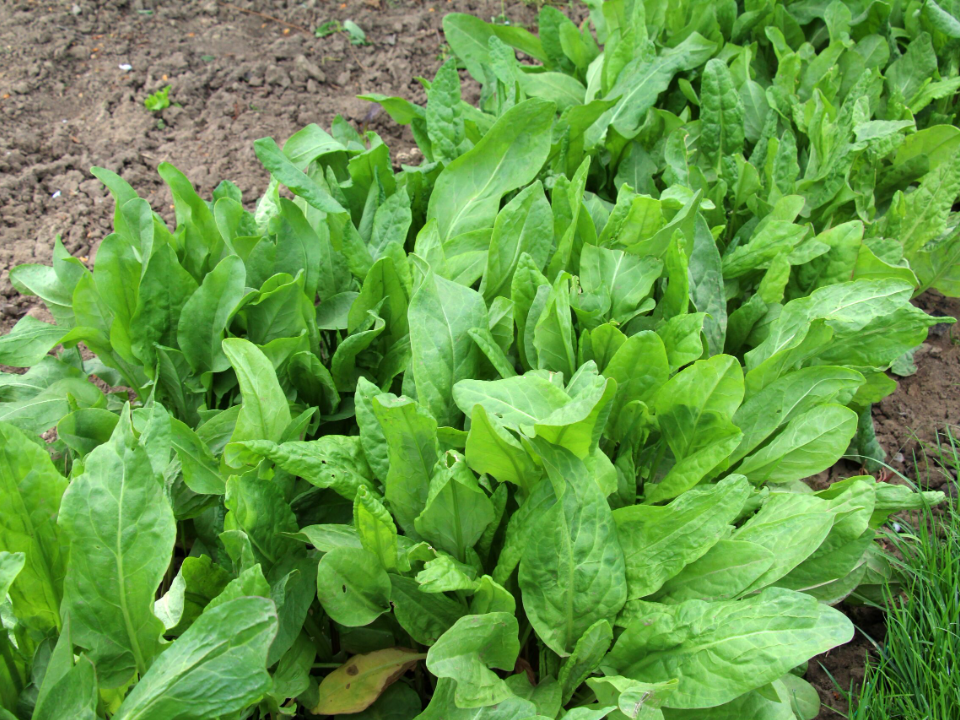
Sorrel is a unique brassica that thrives in cool weather, making it perfect for planting early in the spring. Known for its tangy, lemon-like flavor, sorrel adds a zesty kick to salads, soups, and sauces. Sorrel prefers well-drained, fertile soil and requires regular watering to keep the leaves tender. It grows best in temperatures between 50°F and 65°F, which makes it a great choice for early spring planting.
Sorrel grows quickly and can be harvested in about 30 to 40 days for baby leaves or allowed to grow larger for a more intense flavor. The plant is hardy and can tolerate light frost, making it ideal for early-season planting. With its distinct flavor and easy-growing nature, sorrel is a must-have for gardeners looking for an early spring harvest.
This article originally appeared on Avocadu.