
11 Boardwalk Wildlife Refuges Worth a Late Winter Trip
Looking to enjoy wildlife viewing without the hassle of long hikes? Late winter is an excellent time to visit U.S. wildlife refuges that offer easy boardwalk trails and viewing platforms, perfect for birdwatching and experiencing nature in its quiet season. These accessible trails let visitors get close to diverse habitats and witness fascinating bird migrations, all while minimizing the physical effort required. Whether you’re hoping to spot waterfowl, raptors, or wading birds, these refuges provide a peaceful and comfortable way to connect with nature.
This post may contain affiliate links, which helps keep this content free. Please read our disclosure for more info.
Billy Frank Jr. Nisqually National Wildlife Refuge, Washington
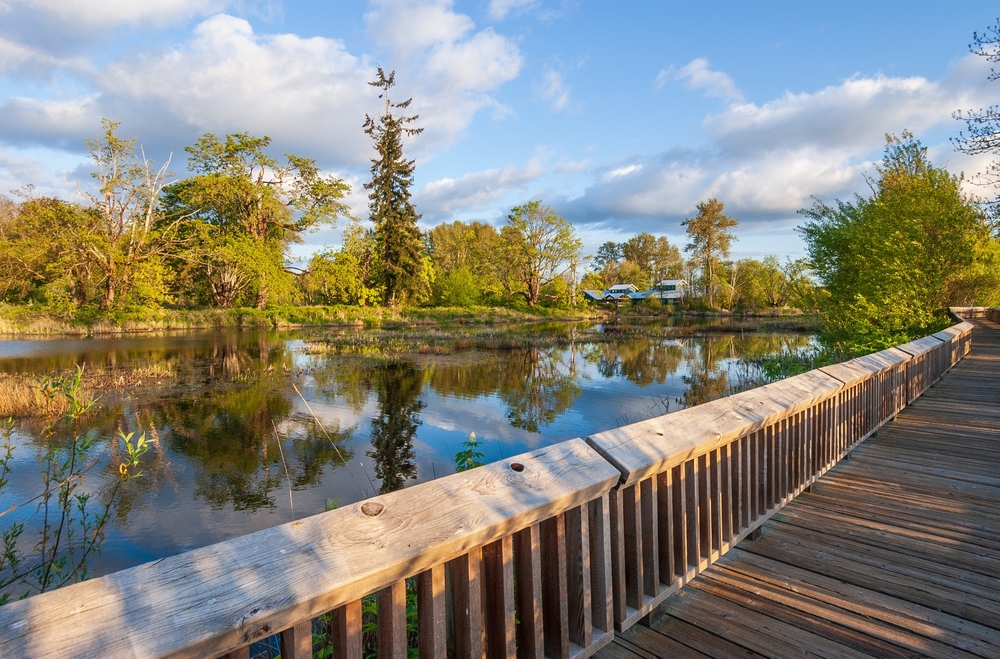
This refuge sits where the river meets the saltwater near Puget Sound and provides a wide variety of habitat for water birds and land birds in late winter. As cold weather loosens its grip, many species begin to move through and stop here to rest and feed in the marshes and estuary channels. The boardwalk trail extends into quiet tidal wetlands where ducks and geese float in shallow water and raptors hover above grassy edges. Elevated platforms along the trail give clear sight lines over open water and provide places to pause and watch without having to leave the main path.
Visitors report that the light at sunrise and sunset brings out deep color in the sky and highlights the feathers of waterfowl as they gather before moving again. Because the trails are level and wide, they are welcoming to people with a range of walking abilities and families with children. The changing patterns of tides and birds keep each visit different and encourage slow, peaceful observation of each corner of the refuge.
Aransas National Wildlife Refuge, Texas
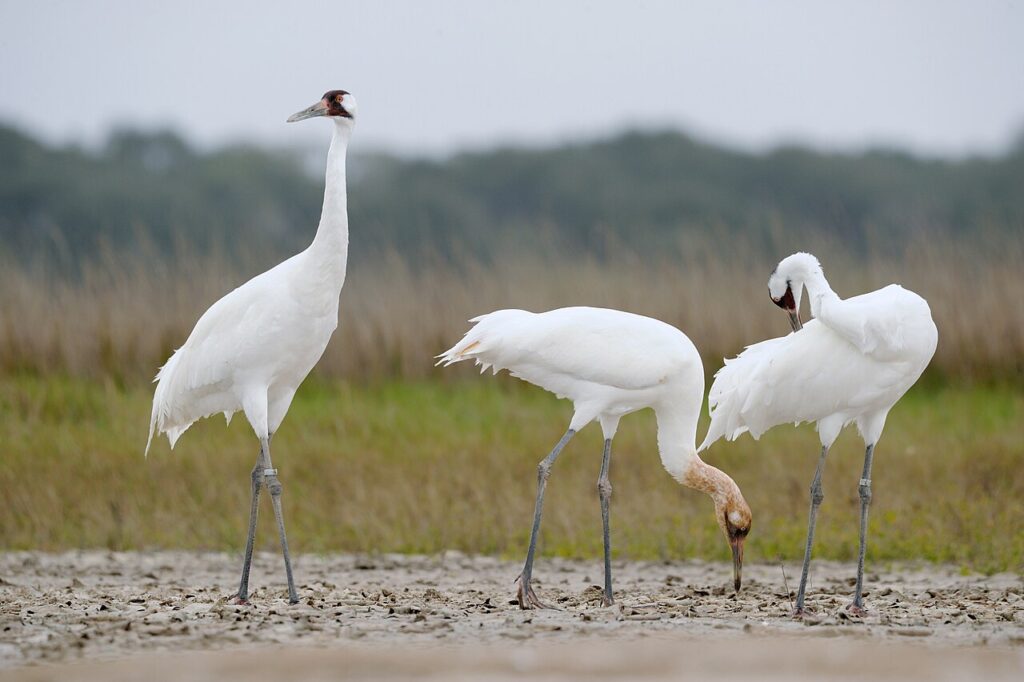
Aransas is widely known for its wintering population of Whooping Cranes that arrive from northern breeding grounds during the colder months. These enormous white cranes can often be seen feeding along grassy salt flats and coastal marshes, and they hold a striking contrast against wading egrets and dark-bodied ducks. Boardwalk segments thread through this region and provide comfortable viewing that brings visitors within range of cranes and other shorebirds without a long walk.
The refuge also supports flocks of pelicans, herons, ibises, and terns that rest along the bays when the tide is high or low. Observation platforms are placed for wide water views as well as close glimpses of birds at the water’s edge. Late winter weather in this part of Texas can be cool in the morning and warm by midday, which encourages birds to feed actively and gives watchers many moments of dramatic movement in the sky.
Montezuma National Wildlife Refuge, New York
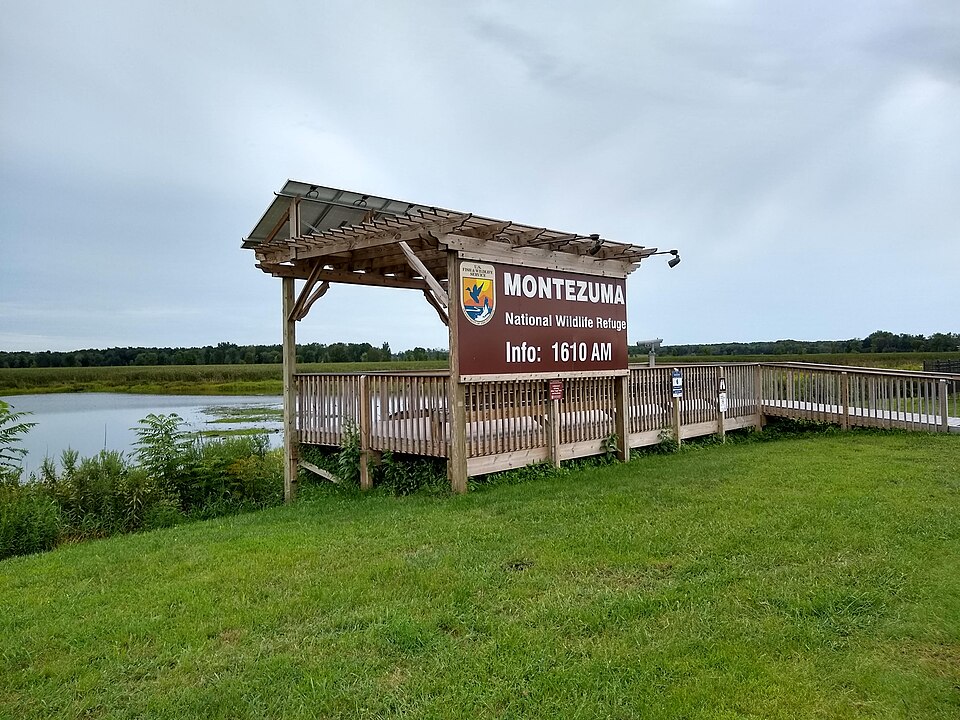
On the Atlantic Flyway, Montezuma provides critical resting and feeding spots for migrating waterfowl as winter begins to fade. Huge flocks of ducks, geese, and swans pour into the marshes and shallow ponds just before heading north. The refuge has a network of level paths and boardwalk sections that go over cattail marsh and link to raised observation platforms where the wide expanse of water and bird life can be seen at once.
Because this refuge lies in a migration corridor, the diversity of species in late winter is especially strong. Snow geese in flocks of hundreds or thousands can wheel and honk in the sky, while smaller waterfowl slip in and out of cover among the reeds. Birders and photographers value the easy access to these scenes and the calm early morning hours when birds are most active.
Santa Ana National Wildlife Refuge, Texas
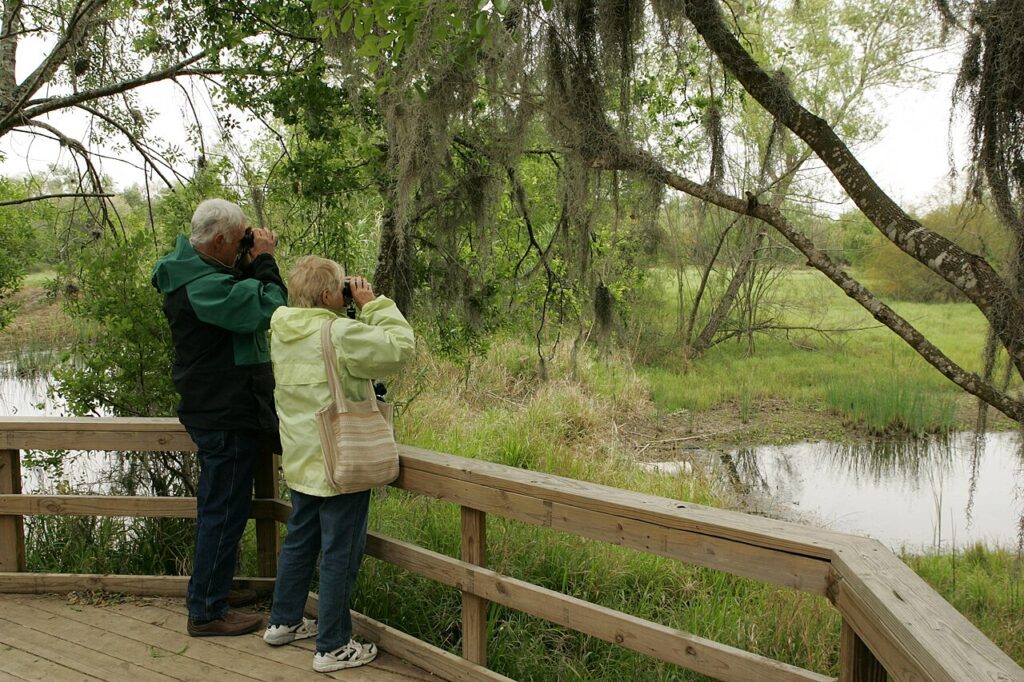
Santa Ana sits near the Rio Grande and includes a blend of woodlands, brushy thickets, wetland ponds, and thorny fields that draw a remarkable variety of species in late winter. Many tropical migrants that spend the cold season in Mexico can cross into this refuge and mingle with local winter birds. The paved trail, along with a short boardwalk section,s loops through these rich habitats and brings watchers close to places where colorful songbirds, orioles, and flycatchers can be found.
Raised viewing platforms beside freshwater ponds give extended views over water where herons and egrets fish. The mix of habitat types in one compact area rewards slow walking and quiet listening. Because the paths are gentle and level, visitors can linger at places with the most activity without having to leave the main route.
Bosque del Apache National Wildlife Refuge, New Mexico
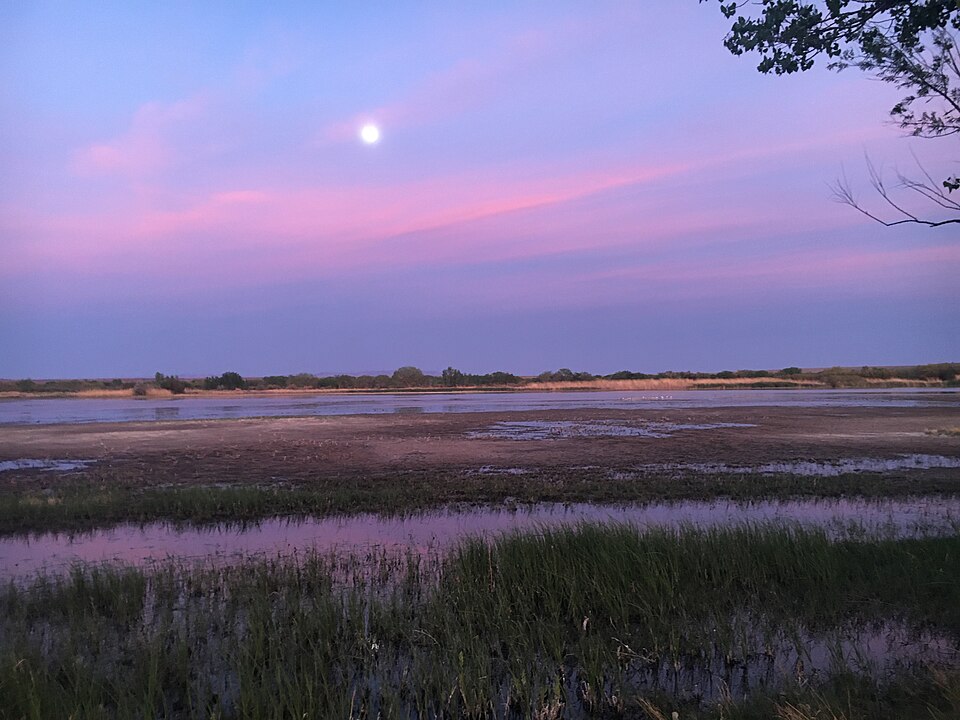
As winter ebbs, Bosque del Apache becomes a living tableau of Sandhill Cranes, snow geese, and many ducks that crowd the marsh entrances. At daybreak, huge columns of cranes lift off the water and drift into surrounding fields to feed before gathering again at sunset. The refuge’s boardwalks curve through wetlands so that watchers can stand above the marsh and feel surrounded by sound and motion.
The open water and fields around the boardwalk support shorebirds and predators alike, which makes each visit feel animated and full of movement. Quiet observation points along the trail allow for scope setup and long periods of still watching, ideal for people who enjoy taking in the full rhythm of bird life through the day.
Blackwater National Wildlife Refuge, Maryland
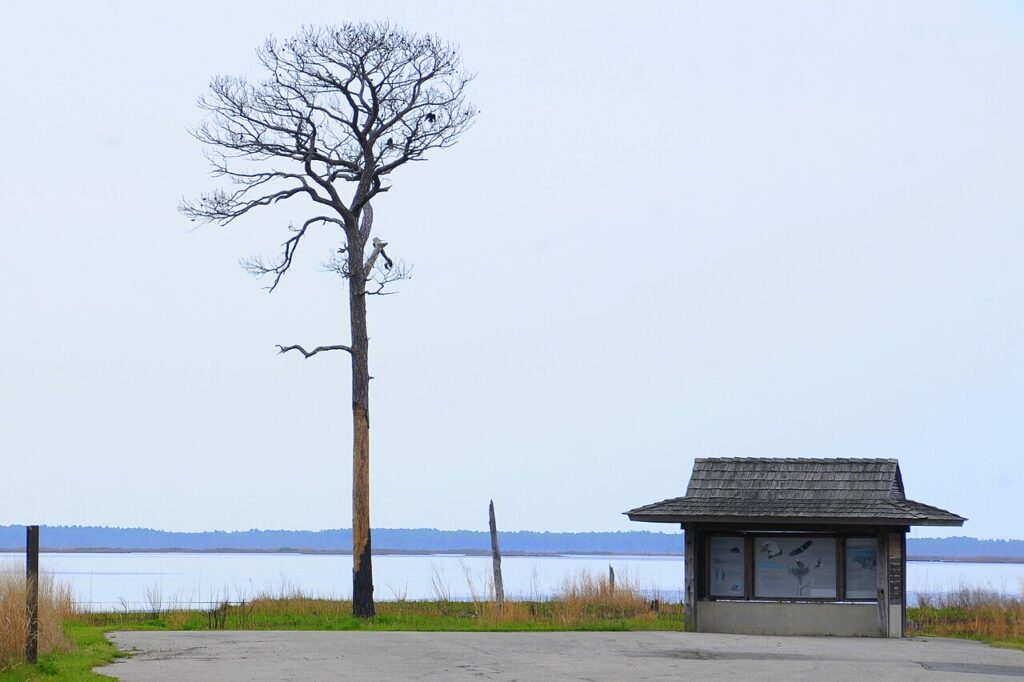
In late winter, Blackwater’s cypress swamps and tidal marshes welcome waterfowl and early returning songbirds. The long boardwalk stands above quiet marsh water and leads past the curved trunks of ancient trees where eagles often perch. Ducks and coots bob gently just beyond the boardwalk edges and rails provide a comfortable spot to rest and take in wide views across the marsh.
Wintering bald eagles can be seen here in numbers that draw dedicated watchers who wait on the platforms for fish hunts or flight. The trail’s gentle grade and firm surface make it accessible and inviting for visitors who want to watch without a strenuous trek. The quiet mood of winter woods and marsh invites slow, paced walking and long stints of observation.
J.N. “Ding” Darling National Wildlife Refuge, Florida
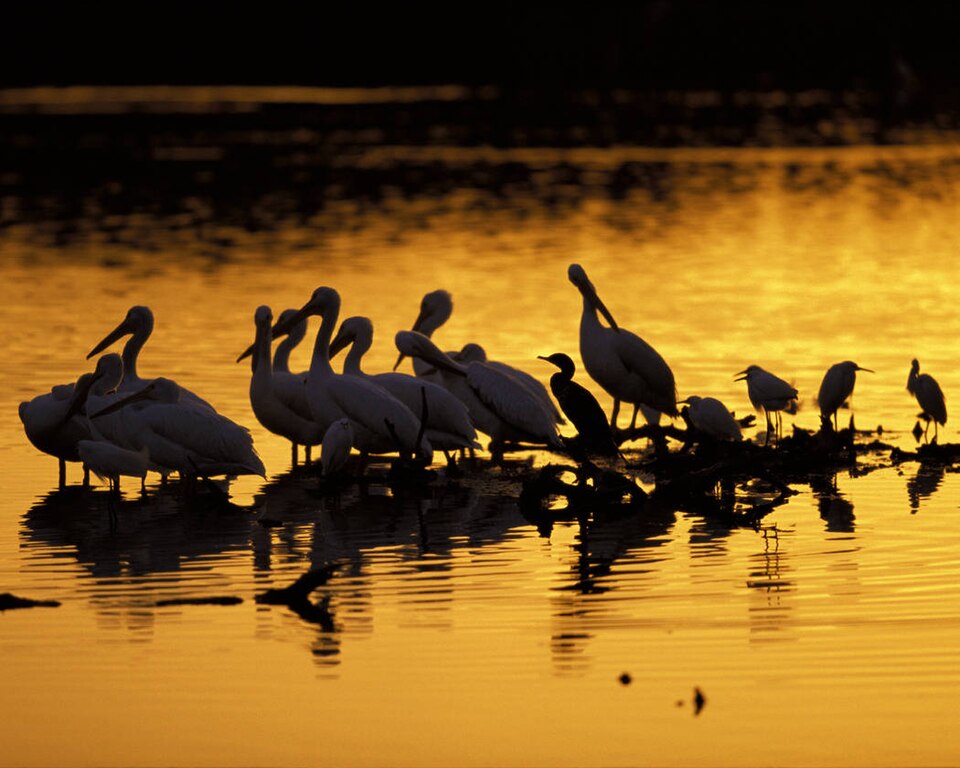
On Sanibel Island, the boardwalks at Darling weave through shallow creeks lined with mangroves and across flats that attract spoonbills, herons, and migrating shorebirds. Warm late winter weather keeps water warm and food plentiful for birds that feed along the mud and grass. Elevated trail sections make it possible to see birds in water and on land from different angles without difficult footing.
The mornings here are rich with bird song and the sudden splash of a feeding bird in shallow water. Paddling through mangrove tunnels nearby and short side paths off the main boardwalk give added promise of close sightings for visitors who take their time and look with care.
Horicon Marsh National Wildlife Refuge, Wisconsin
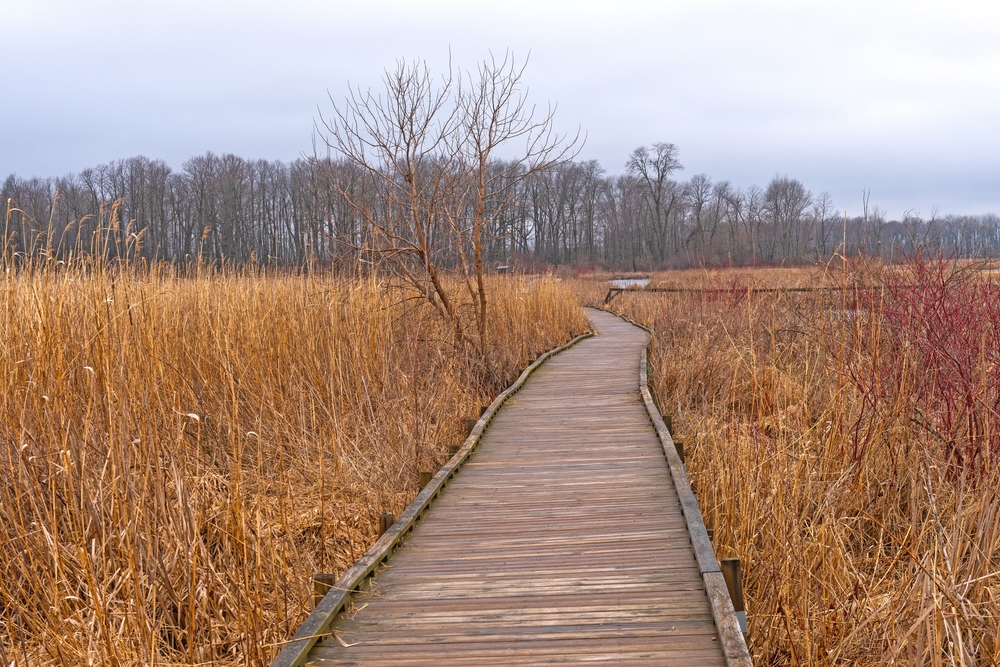
Horicon Marsh opens into wide freshwater reed beds and shallow pools that attract ducks and geese returning north in late winter. The boardwalk pierces the edge of marsh grass so that watchers feel near to where water rests among tall reeds. The marsh’s vastness is immediately clear from the raised platforms that look across open water and distant treelines.
Visitors often see groups of waterfowl rising and settling as if on command, moving with the wind and light. The walkways are simple to follow and allow visitors to settle in for long views without having to hurry along the uneven surface. Winter loosening into spring brings a steady shift in species and sound that rewards patience.
Great Swamp National Wildlife Refuge, New Jersey
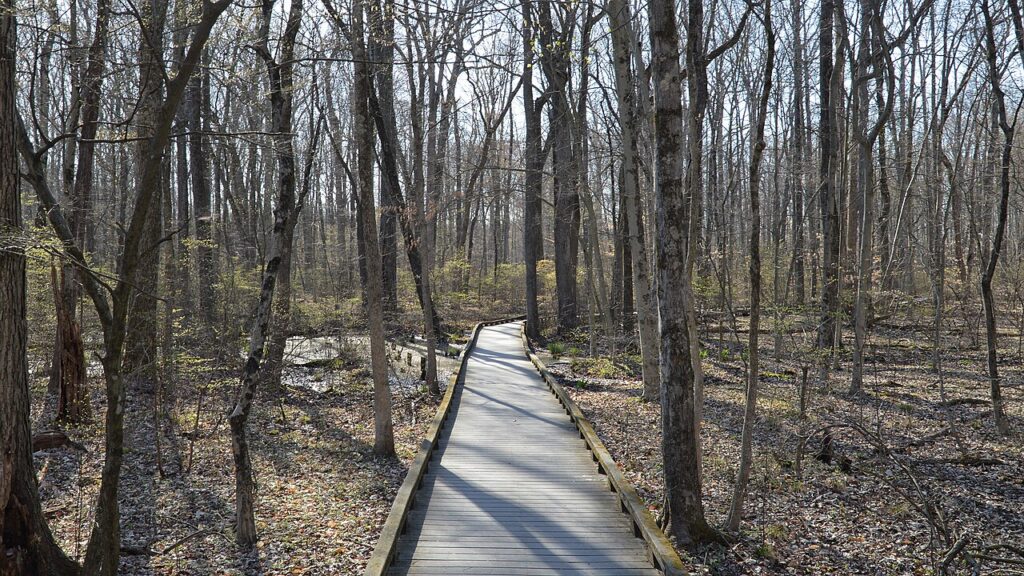
Great Swamp offers deep woodland edges and broad wetland flats that welcome migrating ducks and early songbirds. Boardwalk paths trace water edges and move through shallow floodplain forest where wood ducks and herons might be within sight. The slow walk provides many chances to pause at branches or puddles that hold birds in quieter moments.
Raised platforms overlook open water and low grassy plains where eastern meadowlarks and sparrows move through brush and shallow pools. Early light in late winter hits the water with a soft glow that brings out reflections of tree limbs and birds in the still surface below.
Sabine National Wildlife Refuge, Louisiana
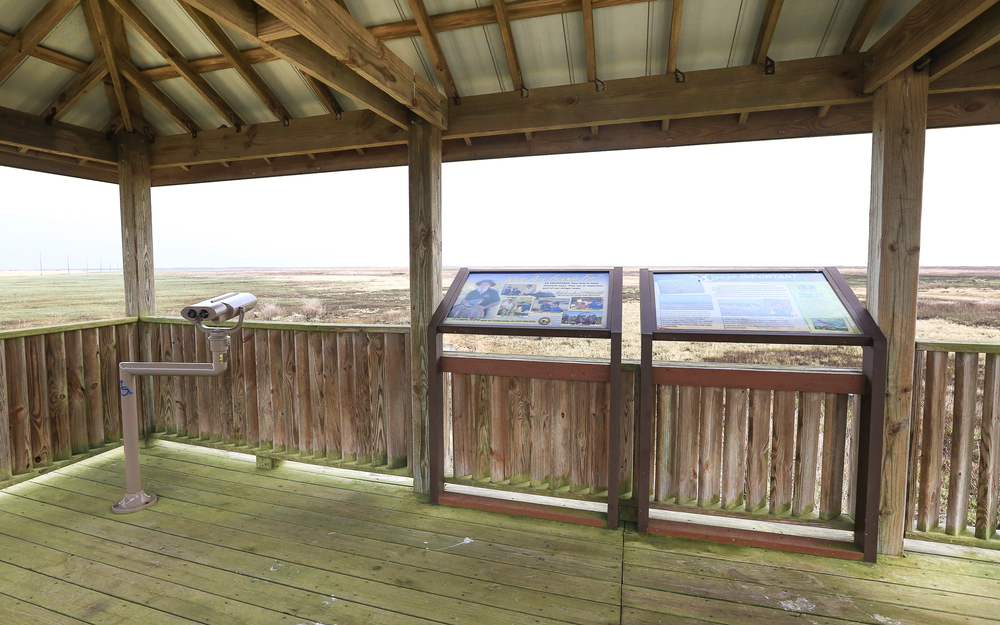
Sabine’s coastal marshes fill with ducks, ibis, and shorebirds when winter winds ease, and more water flows in from inland lakes. Boardwalks rise above tidal flats where birds probe for food and allow watchers to stand in the midst of wide sky and distant wings without trudging through mud. Elevated platforms give sweeping views over salt marsh channels that bend like ribbons in the lowland.
Visitors often see herons perched quietly on stump fences as small waves lap near their feet and gulls wheel overhead in search of fish. The wide open space of marsh and water invites long periods of calm watching from the path or platform without urgent movement.
Merritt Island National Wildlife Refuge, Florida
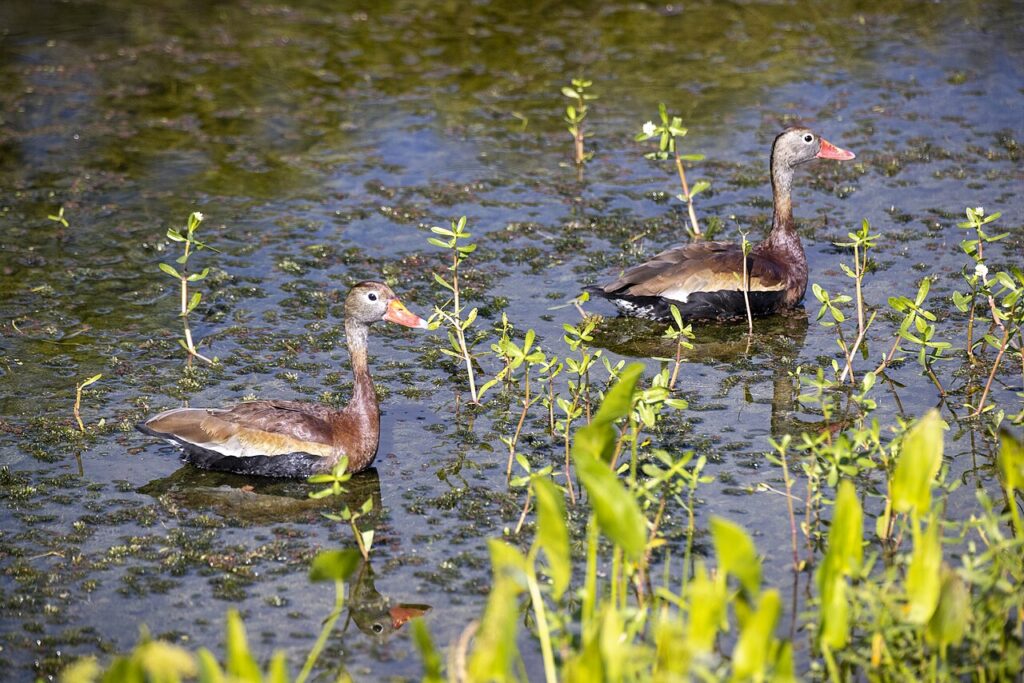
This refuge sits beside the Kennedy Space Center but feels much wilder in late winter when large numbers of waterfowl and wading birds gather in lagoons and salt flats. Boardwalks over shallow ponds and grassy water edges bring visitors near flocks of ibis, stilts, and glossy ibis feeding in the warm water. The mixture of brackish and freshwater creates pockets where different species gather in proximity.
Alligators often rest along the shaded edges while great blue herons stand motionless at the water’s border. The trails are firm and level, which makes moving from one viewing platform to another easy, and each stop offers a new tableau of color and movement as birds shift with the light.
This article originally appeared on Avocadu.