
15 Board Games That Never Get Old With the Right Group
A good board game does not need fancy extras to stay fun. With the right group, the same box can turn into new jokes, wild guesses, and close calls each time you play. This list covers games that stay fresh because the people around the table change the story.
This post may contain affiliate links, which helps keep this content free. Please read our disclosure for more info.
Codenames
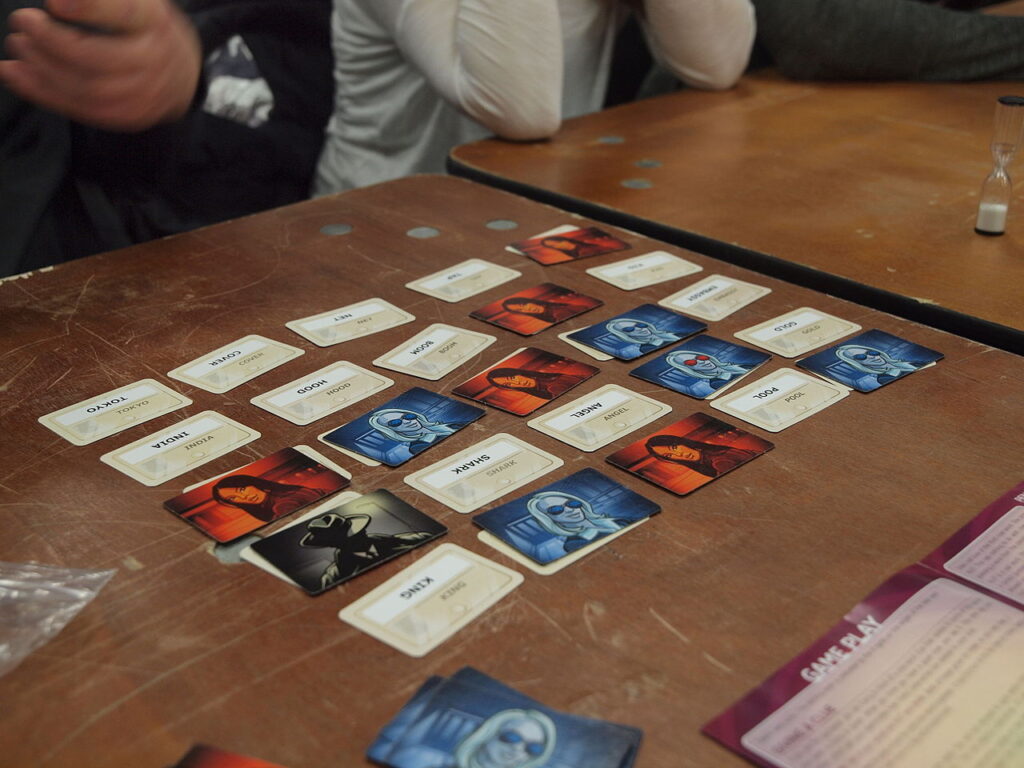
Codenames turns a table into two teams that read the same word in totally different ways. One clue can point to three cards at once, which is where the laughter and the groans start. It plays fast, but the tension still feels real when one wrong guess can hand the other team a win.
The fun changes with the group because people bring their own inside jokes and weird connections. A mix of ages works well since kids can guess on vibes while adults overthink every clue. Keep a timer loose for a casual night, or use it to raise the pressure when the room gets chatty.
Telestrations
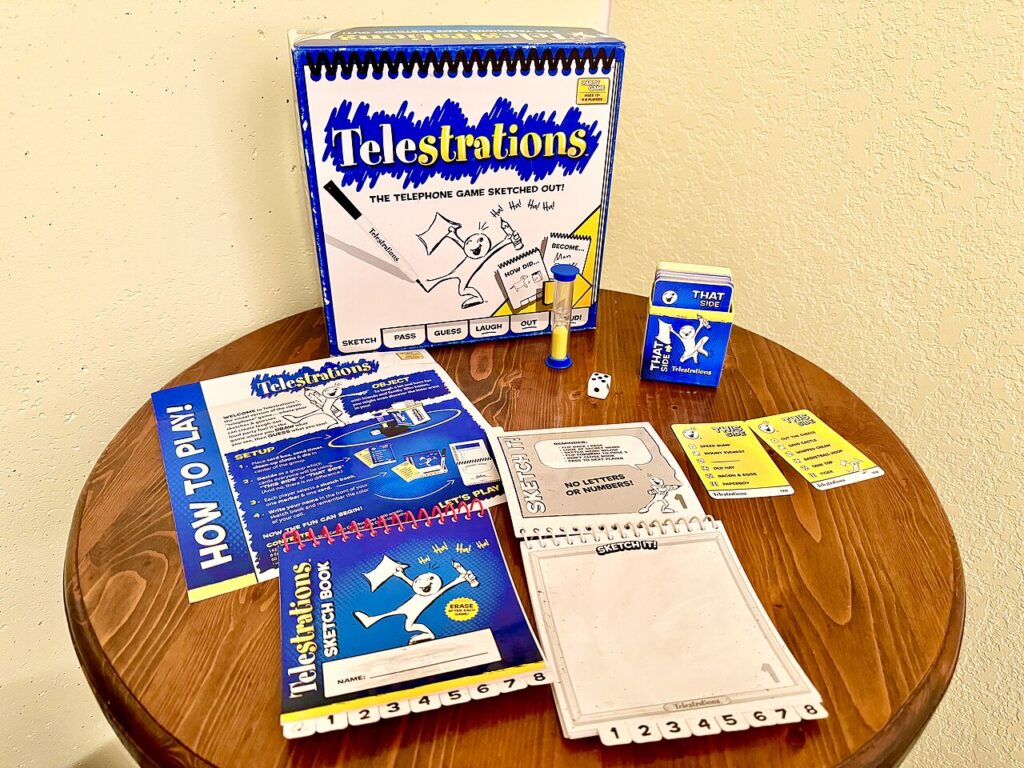
Telestrations is a drawing and guessing loop where tiny art skills somehow create huge comedy. You start with a simple prompt, sketch it, then pass it along for someone to guess. By the time it comes back, the original idea is usually unrecognizable.
It works with almost any crowd because the point is not to draw well. Shy players often loosen up once they see how silly the first round gets. Short rounds make it easy to stop for snacks and jump back in without losing the mood.
Just One
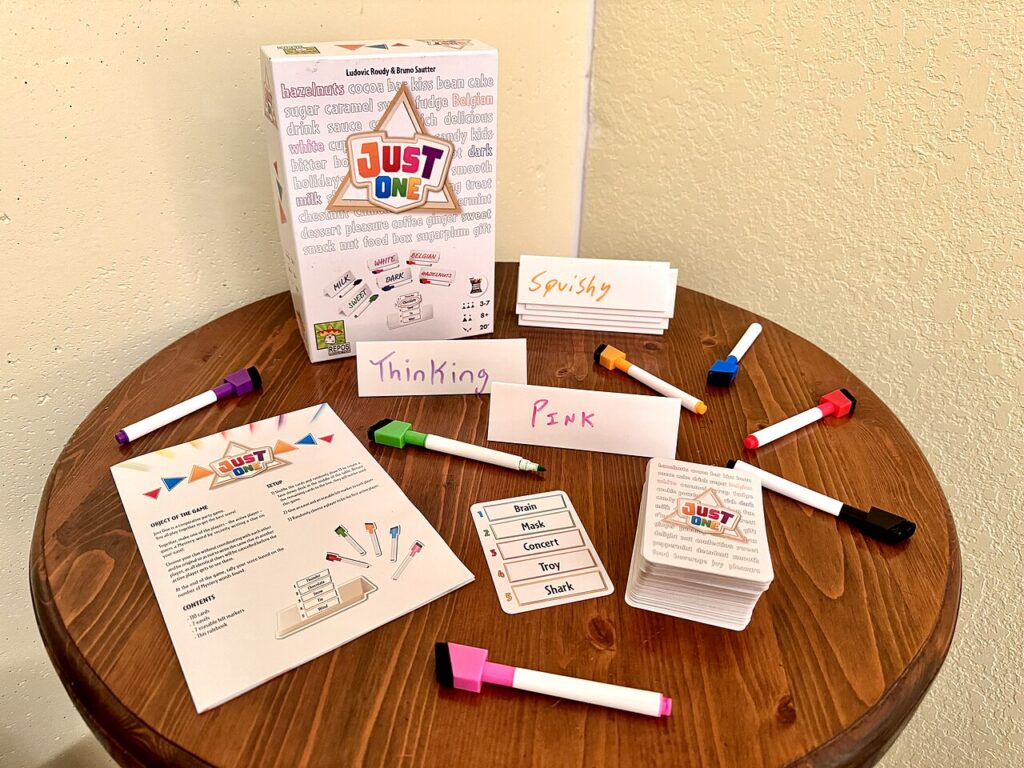
Just One is a cooperative word guessing game where players write one word clues, then remove any matches. That rule makes the table talk before and after each guess feel lively. The guesser ends up with a small set of clues that are useful but not too obvious.
It shines with families because it rewards clear thinking without needing heavy rules. Kids enjoy tossing in funny clues, while adults try to be clever and sometimes overdo it. Rotate the guesser often so no one sits out of the fun for long.
Wavelength
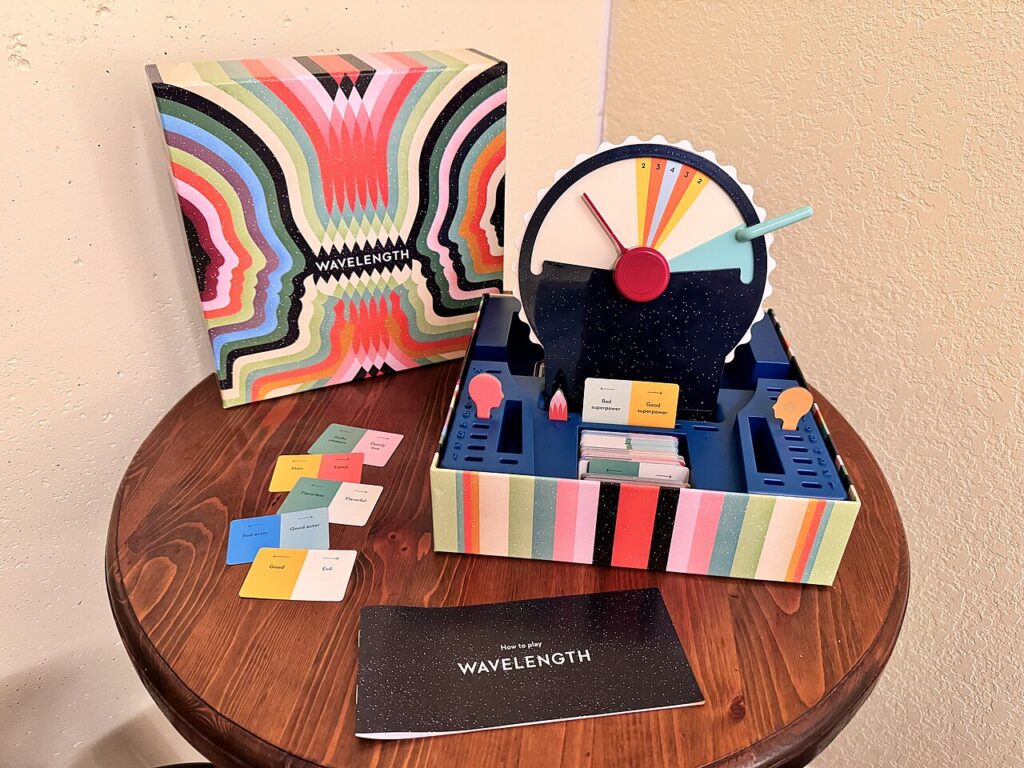
Wavelength is all about where a clue sits between two opposite ideas, like hot and cold or serious and silly. One person knows the target spot on a hidden scale, and the team tries to land a pointer near it. The real fun comes from the debates when everyone explains why their guess makes sense.
Different groups create totally different results because opinions and humor shape every round. It is a great fit for mixed ages since there is no trivia knowledge barrier. Give people a moment to talk it out, then lock in a guess and enjoy the reactions.
Dixit
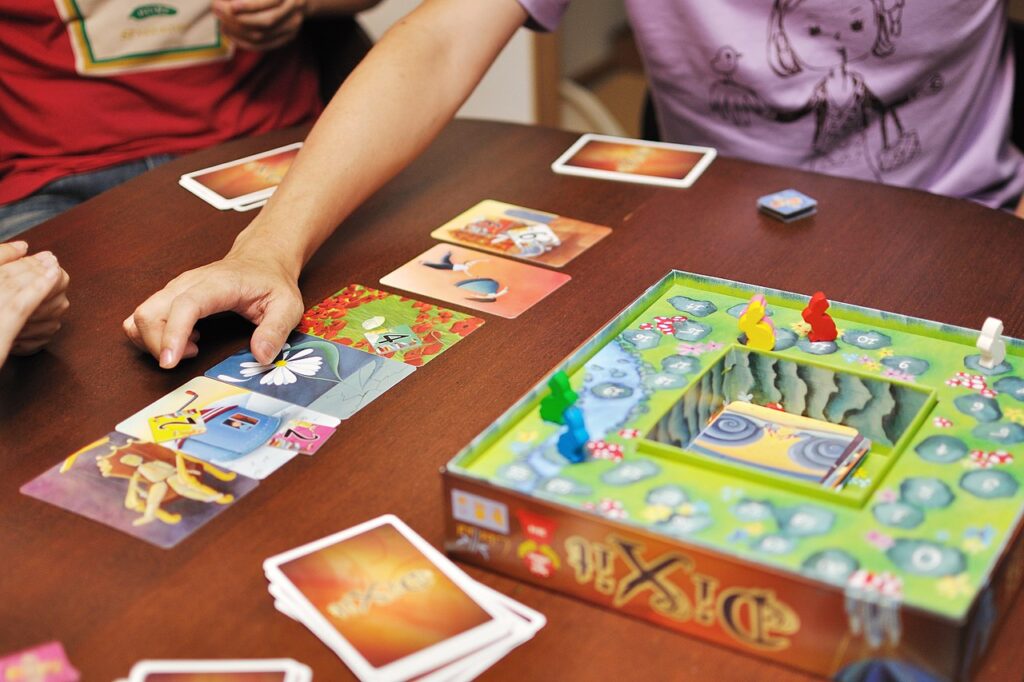
Dixit uses dreamlike art cards that feel like story prompts, even before anyone speaks. The storyteller gives a clue for one card, and everyone else plays a card that could fit that clue. Then you vote, trying to spot the real one without making it too obvious.
It stays interesting because the clue style changes with the people at the table. Some players go poetic, some go funny, and some go oddly specific. Families can keep clues kid friendly, and the art alone keeps younger players engaged.
Decrypto
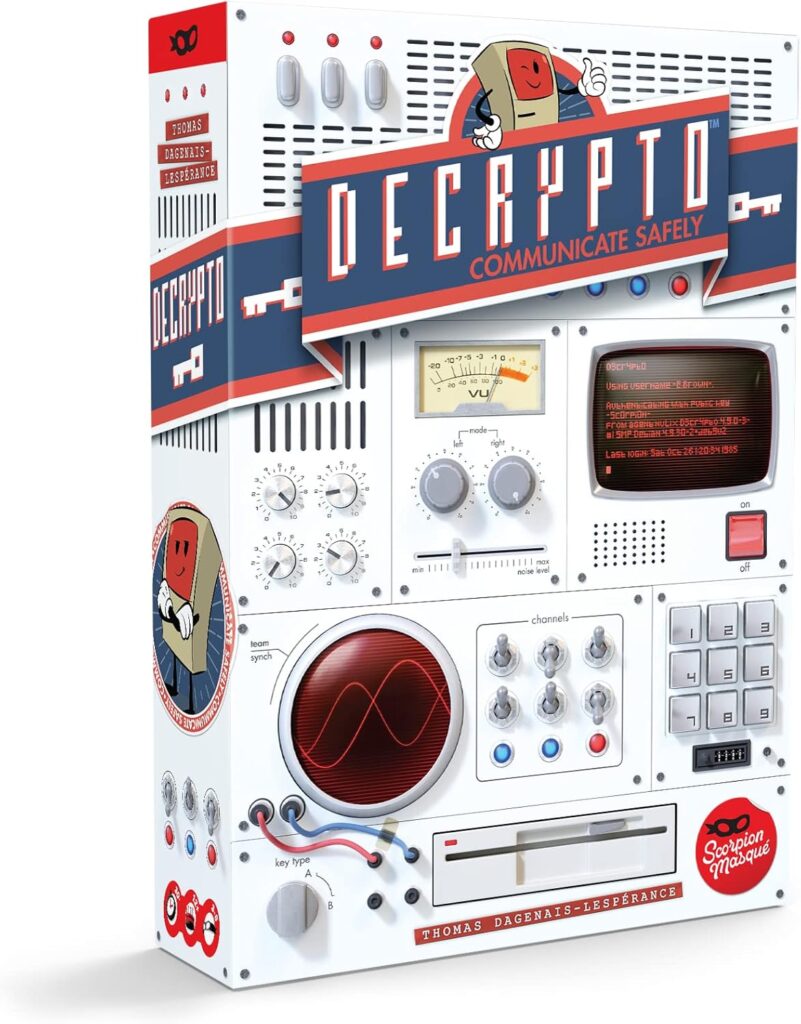
Decrypto looks like a word clue game, but it adds a layer of code breaking that makes each round tighter. Teams share clues for numbered words while the other team tries to steal the code over time. You feel clever when your team gets it, and you feel caught when the other side reads your pattern.
It rewards groups that like table talk and running jokes. The best moments happen when a clue works now but becomes risky later because it gives away too much. If players are new, do a practice round so the rhythm makes sense before the real scoring starts.
The Resistance
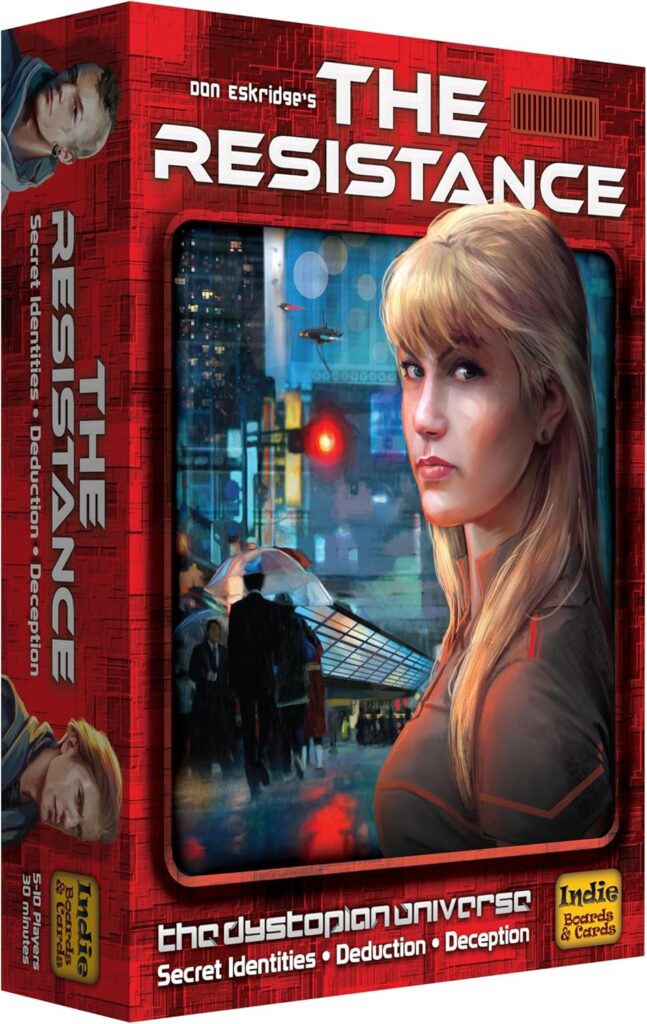
The Resistance is a hidden role game where a few players are secretly working against the group. Teams vote on who goes on missions, and the results create instant suspicion. It is simple to learn, yet every round can flip the room.
It never feels the same because trust and personalities shape every vote. Some groups love big speeches, while others stay quiet and let body language do the work. Keep rounds moving so the tension stays high and nobody gets stuck in one argument too long.
Secret Hitler
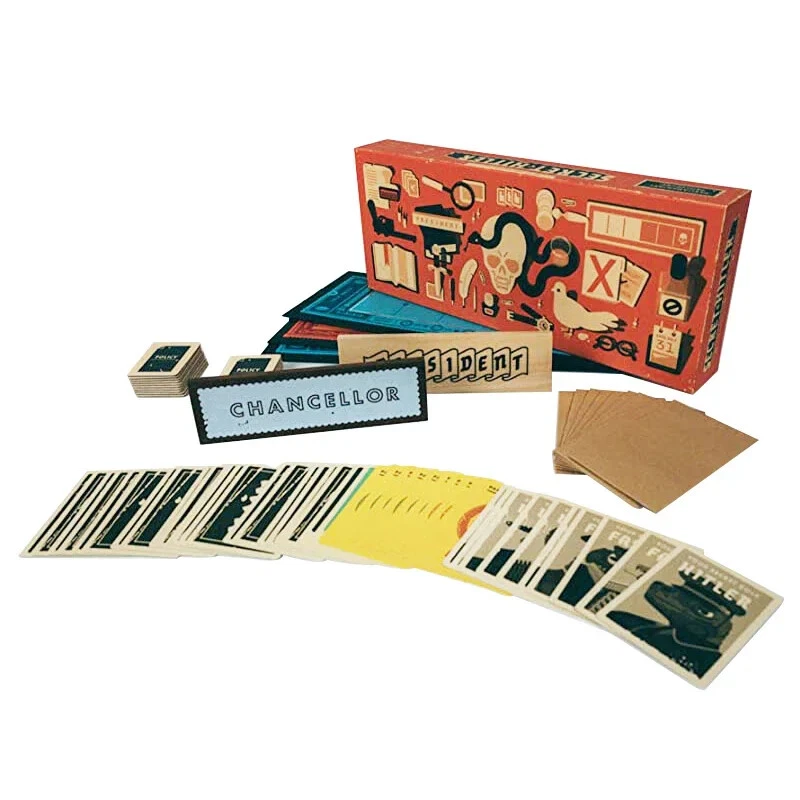
Secret Hitler mixes voting, hidden roles, and rising paranoia in a way that keeps everyone paying attention. Players pass policy cards and try to read each other through quick choices and fast talk. The table mood can swing from calm to chaos in one vote.
It works best with a group that enjoys social deduction and can handle playful suspicion. Short breaks between games help reset feelings, especially after a dramatic ending. If you have younger teens playing, set clear ground rules about keeping it light.
Skull
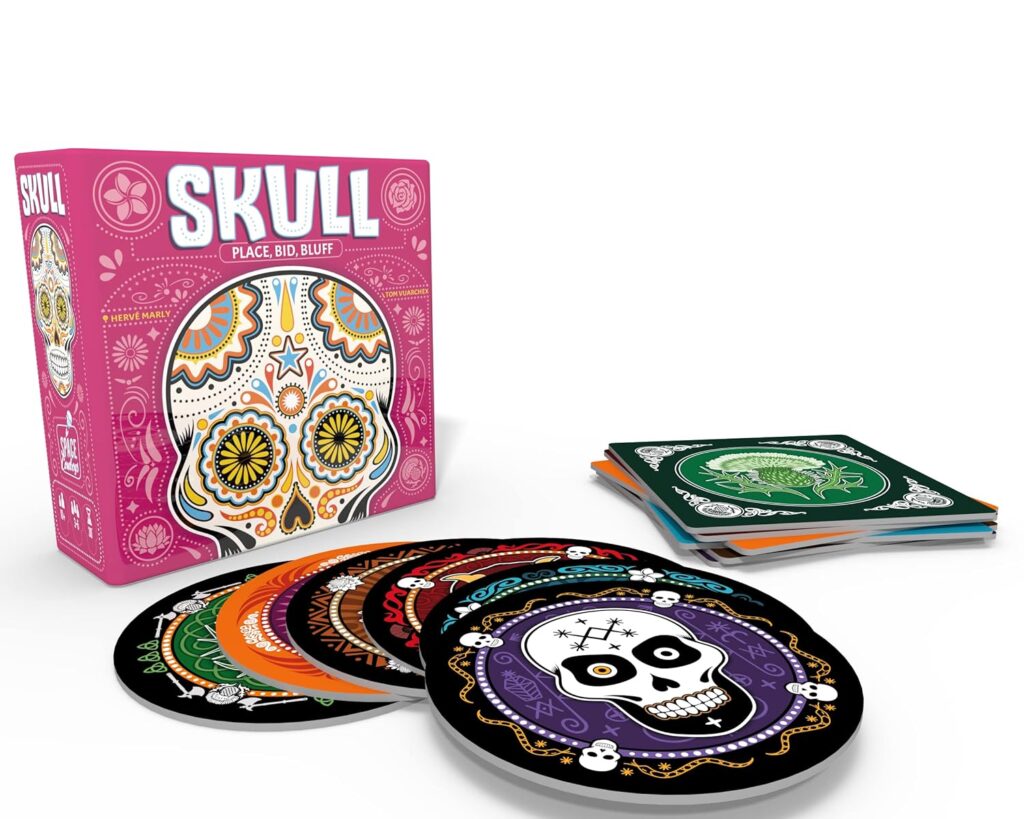
Skull is a bluffing game where you place coasters face down and decide how many you can safely flip. One wrong flip hits a skull and ends your run, so every decision feels risky. The rules are tiny, but the pressure is real once people start pushing their luck.
It stays fun because it reads the room as much as it reads the pieces. A quiet player can suddenly pull off a huge call and steal the round. It is also easy to bring out at a party since setup takes almost no time.
Werewords
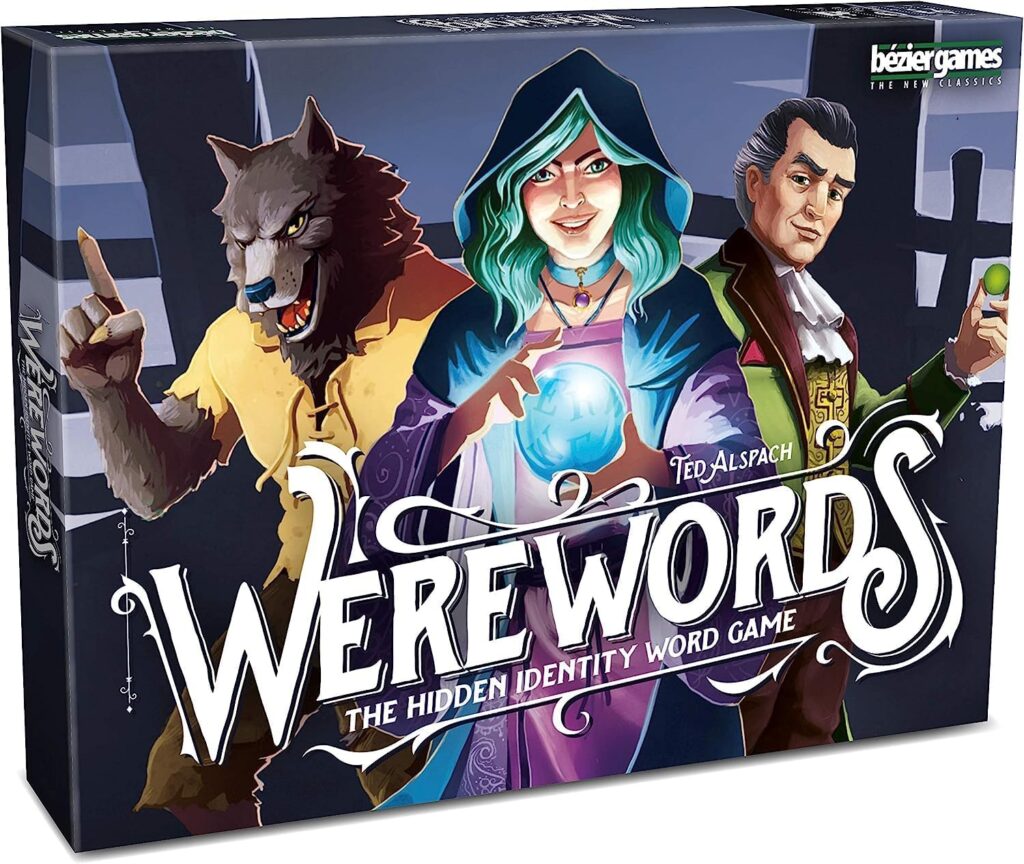
Werewords is a word guessing game with hidden roles layered on top, so two things happen at once. The group tries to guess the secret word with yes or no questions, while a werewolf tries to steer the questions off track. Then everyone votes, hoping to catch the sneaky player.
It plays well with families because the roles add drama without making rules heavy. Short question rounds keep kids focused, and the secret word can be set to match the group. Let different players be the question leader so the style changes each game.
The Mind
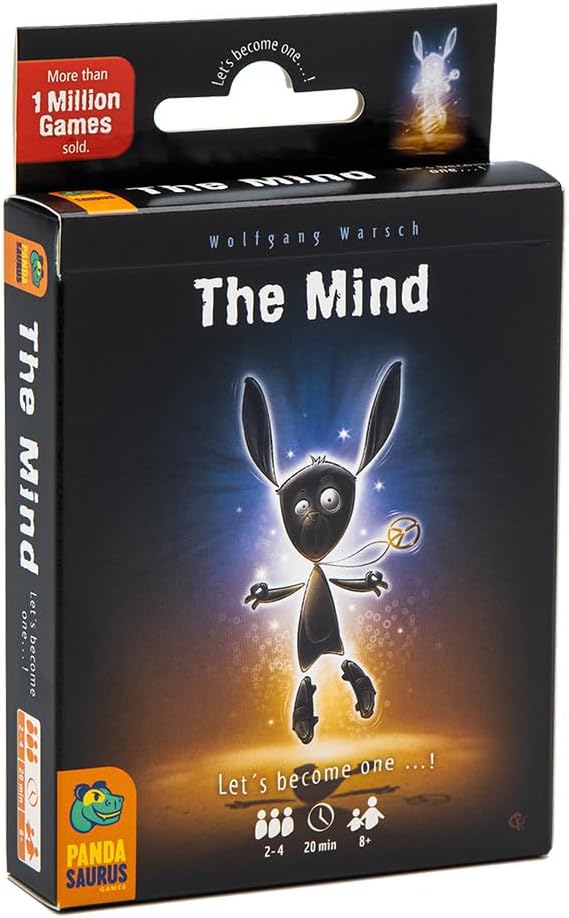
The Mind is a cooperative card game where you play numbered cards in order without speaking. That sounds simple until you realize how hard it is to sense timing with zero words. Small pauses and shared looks become the whole game.
It feels new with each group because some tables fall into a rhythm fast and others never quite sync up. The quiet focus can be a nice change after loud party games. Play a few quick rounds in a row, since learning happens through feel more than explanation.
Love Letter
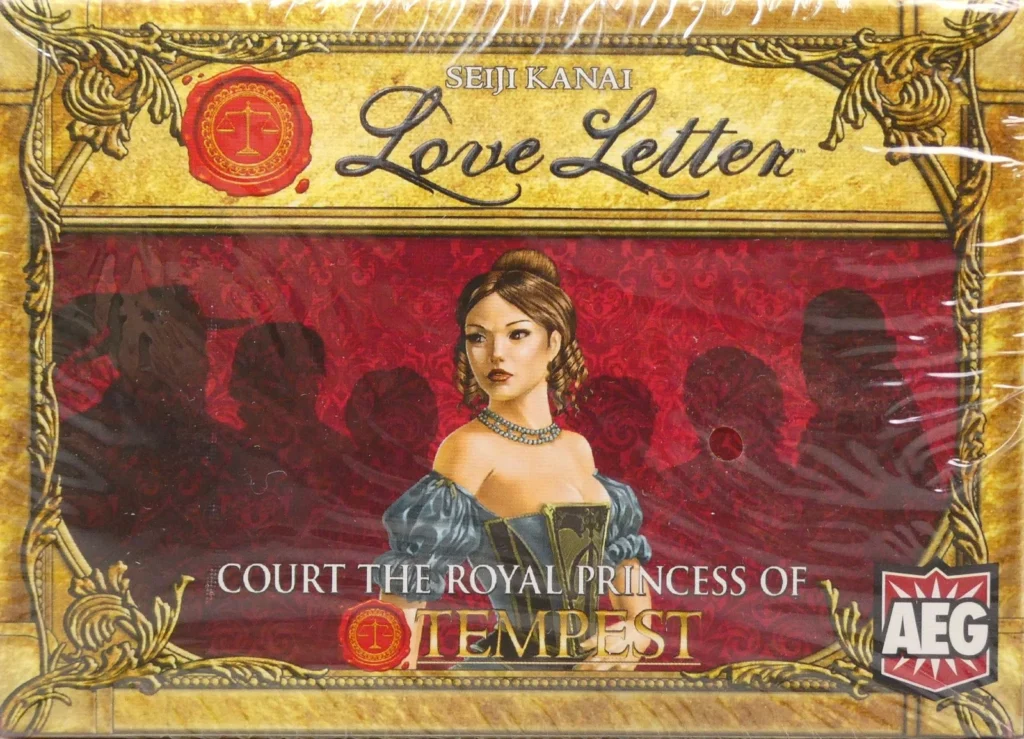
Love Letter is a quick card game where you try to deliver your letter while blocking others. Hands are tiny, and one good guess can knock someone out, so each turn matters. The mix of luck and deduction keeps it exciting even when you play back to back.
It is perfect for travel or a short game break because it fits in a small pouch. Families like it since kids can learn the roles fast and still pull off wins. Switch the player count and the mood shifts, from sharp duels to messy group rounds.
Azul
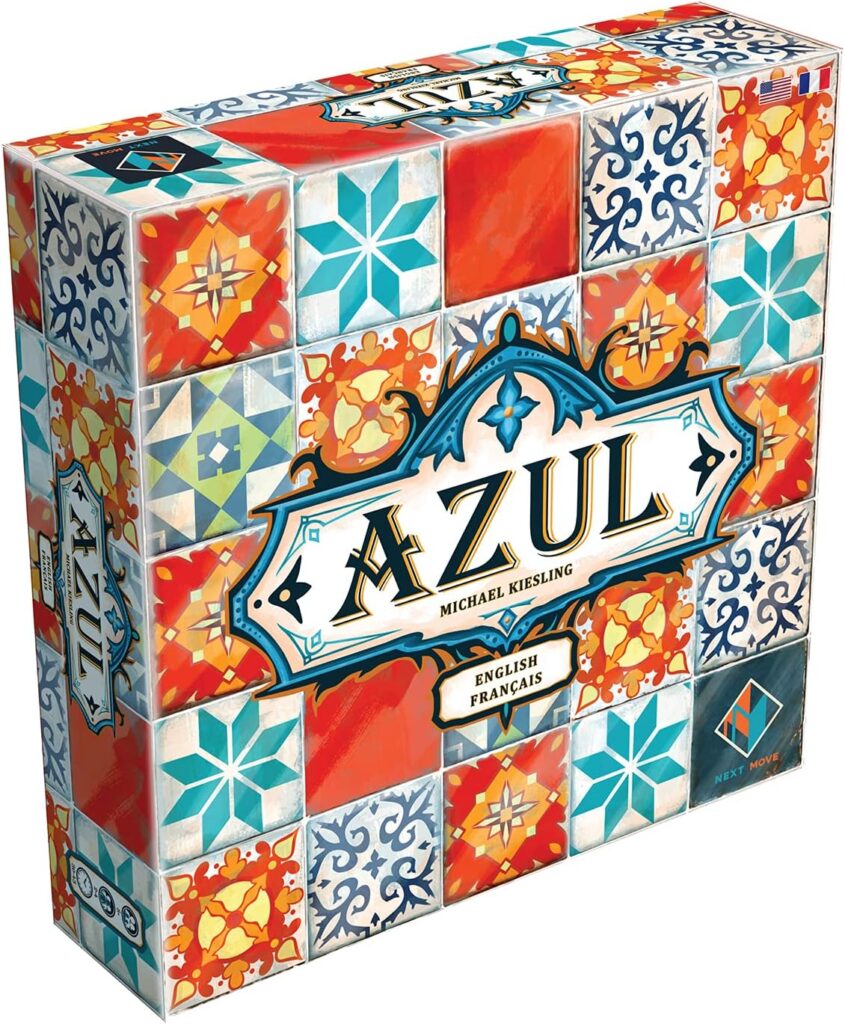
Azul is a tile drafting game where you build patterns and try not to take pieces that will cost you points. The tiles look great on the table, and turns stay quick, even with a full group. It feels calm at first, then the competition shows up when someone takes the exact color you needed.
It stays enjoyable because the board state changes every round, forcing new choices. It works well for families since it is visual and easy to follow once the first round starts. Keep the pace steady and the game ends before anyone gets tired.
Ticket to Ride
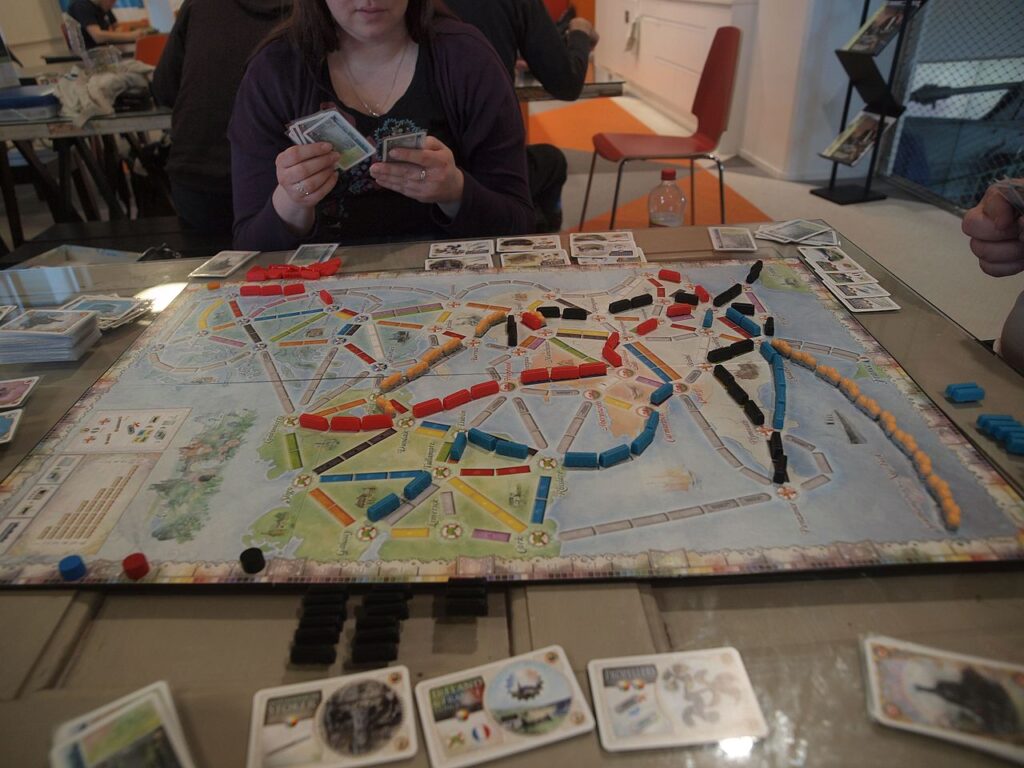
Ticket to Ride is about building train routes across a map while completing secret destination tickets. The rules are easy, but the map creates drama when routes get blocked. Drawing one card can change your whole plan.
Groups make it replayable because some people build long paths, and others play tight and block early. Kids enjoy the map and the feeling of laying pieces, while adults enjoy the planning. Pick different maps over time if you own expansions, since each one shifts the feel.
Carcassonne
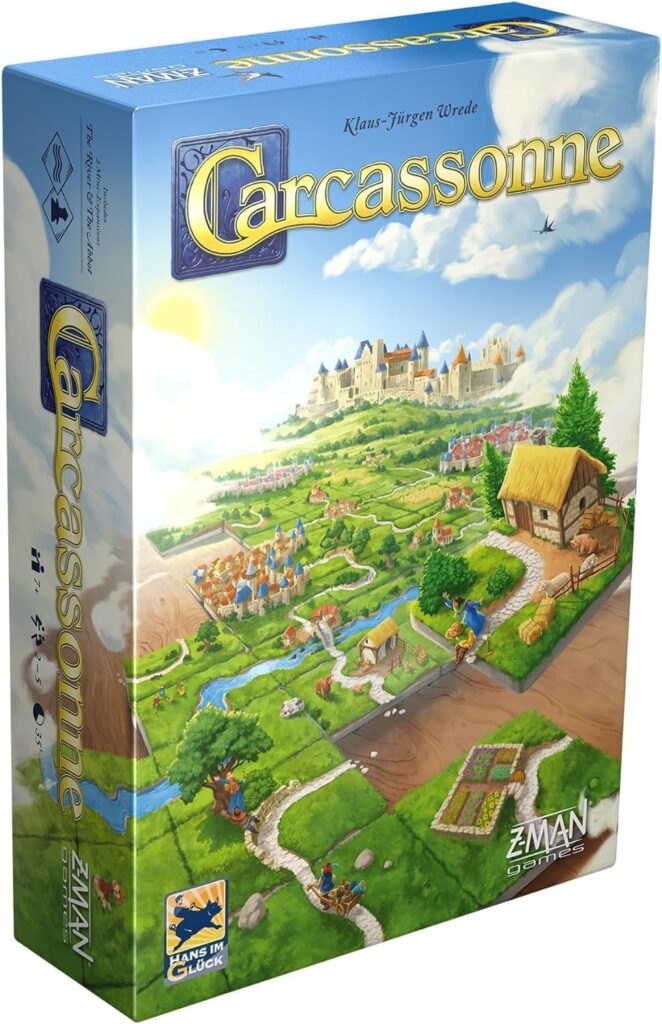
Carcassonne is a tile laying game where you build towns, roads, and fields one piece at a time. Each new tile changes the board, and placing a follower at the right moment can swing the score. It is simple to start, yet the board grows into something unique every game.
It plays well with families because the turns are clear and the visuals keep attention. Some groups treat it like a calm puzzle, while others fight over city control and big farms. Try a few rounds without extra rules first, then add expansions once everyone wants more variety.
This article originally appeared on Avocadu.